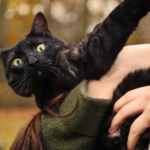
You know the drill. Your cat saunters past you with all the nonchalance of a celebrity avoiding paparazzi, barely acknowledging your existence. They sleep on the opposite end of the couch, avoid prolonged eye contact, and seem perfectly content in their own little world. It’s easy to assume they’re just not that into you. What if I told you that your supposedly aloof feline might actually be head over paws in love with you, just speaking a completely different language?
The truth is, cats have mastered the art of subtlety. While dogs wear their hearts on their furry sleeves, cats communicate affection through whisper-quiet gestures that are easy to miss if you don’t know what to look for. Let’s dive into the hidden world of feline affection and discover whether your independent kitty is secretly a cuddle bug in disguise.
The Slow Blink: Your Cat’s Secret Kiss
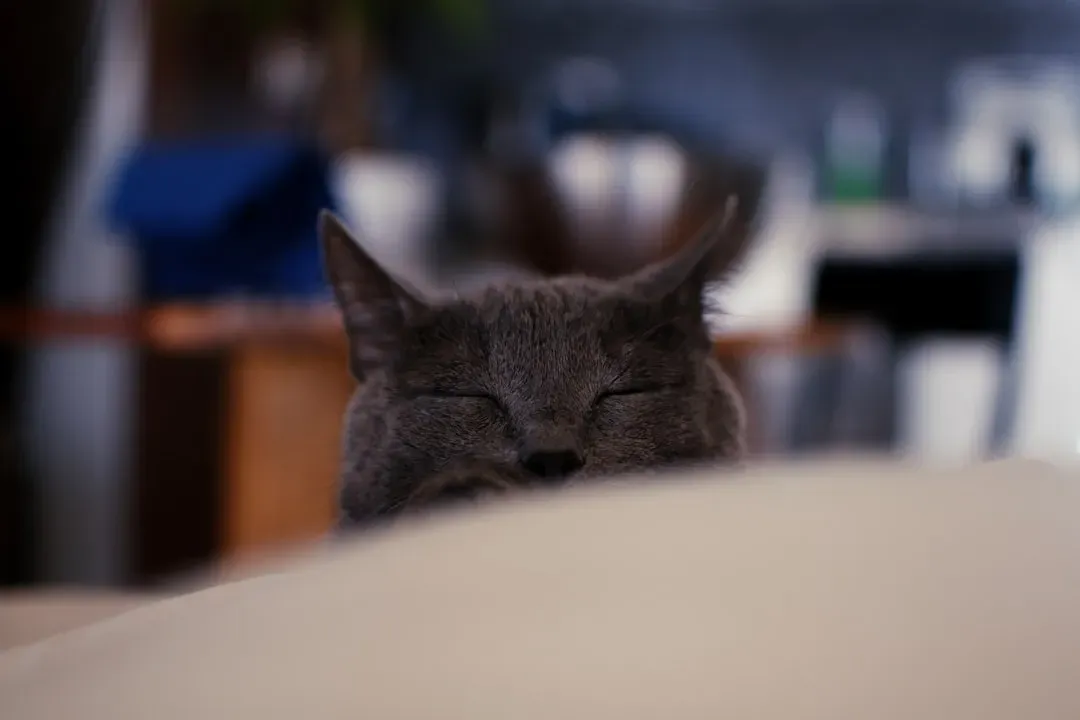
Research suggests slow blinks are associated with a positive emotional state and can be a sign of trust, contentment and affection, similar to a human smile. If a cat blinks slowly at you, it means they trust and love you. You can blink slowly back to show them that you love them too! This tiny gesture is actually a huge deal in cat communication.
Think about it this way: in the wild, closing your eyes around another creature makes you vulnerable. When your cat deliberately narrows their eyes and blinks slowly at you, they’re essentially saying they feel completely safe in your presence. Narrowed eyes are actually a sign of relaxation, trust, and affection. A cat narrowing her eyes is lowering her defenses, displaying vulnerability, and conveying trust. Next time you catch your cat giving you that half-lidded gaze, return the favor with your own slow blink.
Following You Around Isn’t Stalking, It’s Love
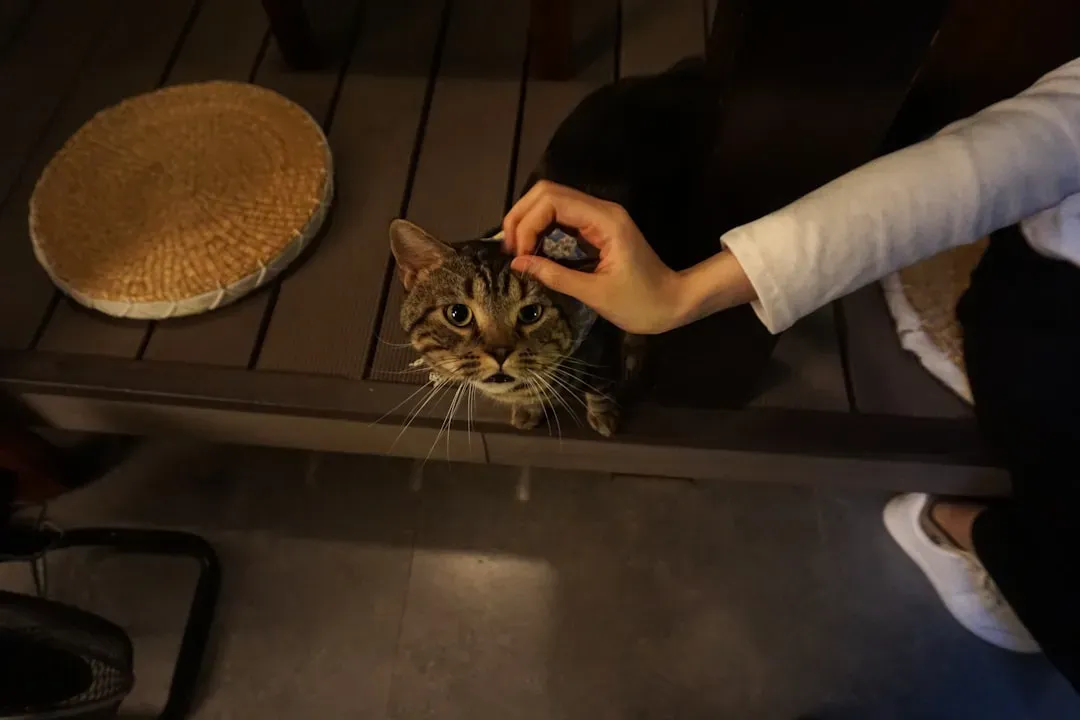
Since cats are masters of understated affection, their presence speaks volumes. When they choose to follow you, it means they genuinely enjoy your company and want to be near you. They see you as a source of safety and comfort, and being close to you makes them feel secure. Yes, even when they’re shadowing you to the bathroom at three in the morning.
You might think your cat is just being nosy or hoping for an early breakfast. Actually, this behavior is a sign they adore you. Cats are territorial creatures who value their independence, so when they actively choose to be in the same room as you, constantly trailing your footsteps, that’s their version of saying they can’t get enough of your company. It’s hard to say for sure, but I think this is one of the sweetest ways cats show they care.
Head Butts and Cheek Rubs Mean You’re Family
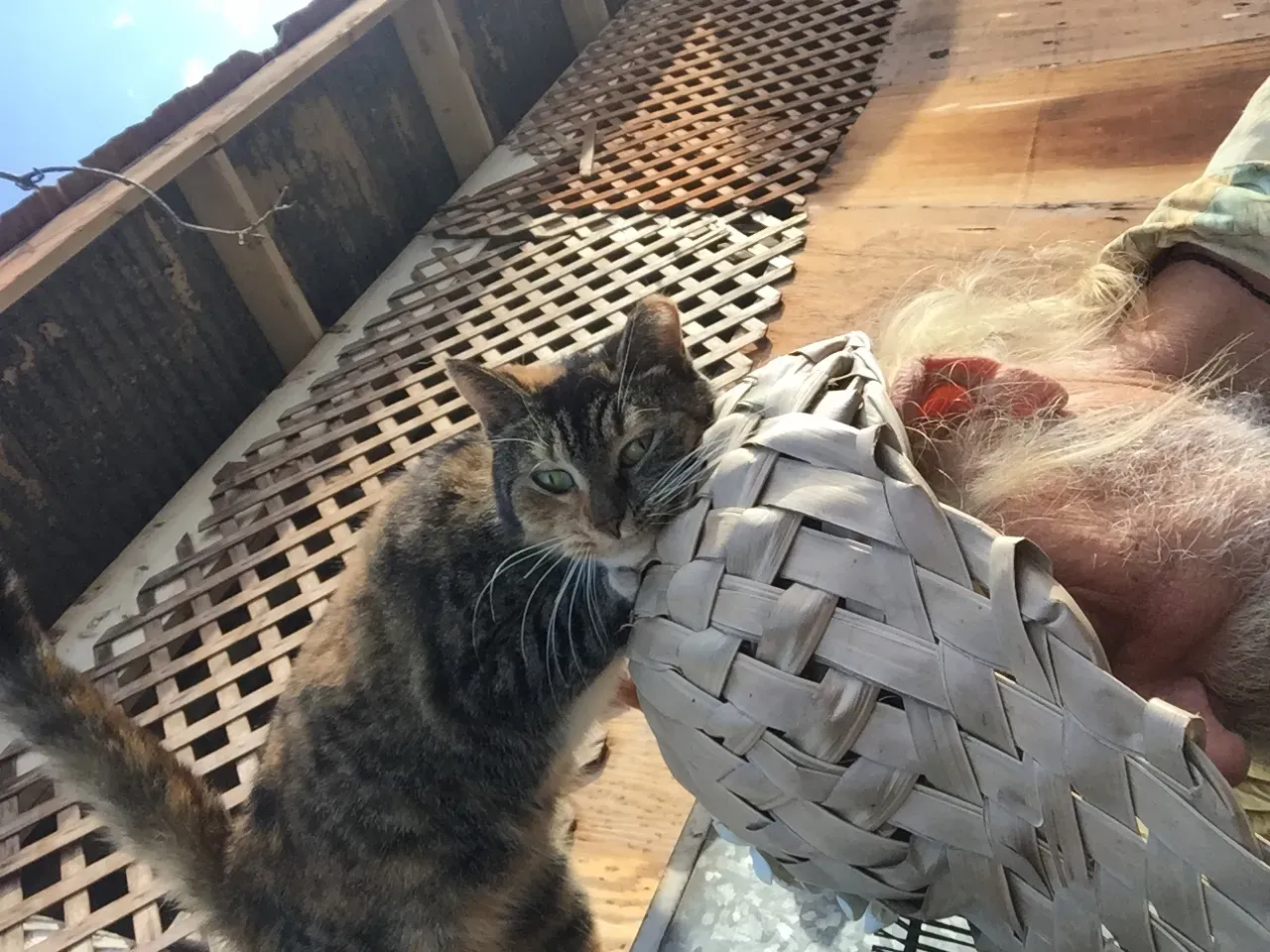
Cats mark their territory using the scent glands on their cheeks and head. So by head-butting you, or rubbing their chin against you, your feline friend is affectionately marking you out as theirs. This behavior, called bunting, is actually one of the highest compliments a cat can give you.
The act of head-butting may seem odd to some, but for cats, it’s a way of marking their territory and showing affection. By rubbing their head against you, they are leaving their scent on you as a sign of trust and belonging. Essentially, your cat is claiming you as part of their trusted inner circle. Let’s be real, when your cat bonks their head against your leg or face, they’re not just being friendly. They’re announcing to the world that you belong to them, and honestly, that’s pretty adorable.
The Belly Exposure: Ultimate Vulnerability
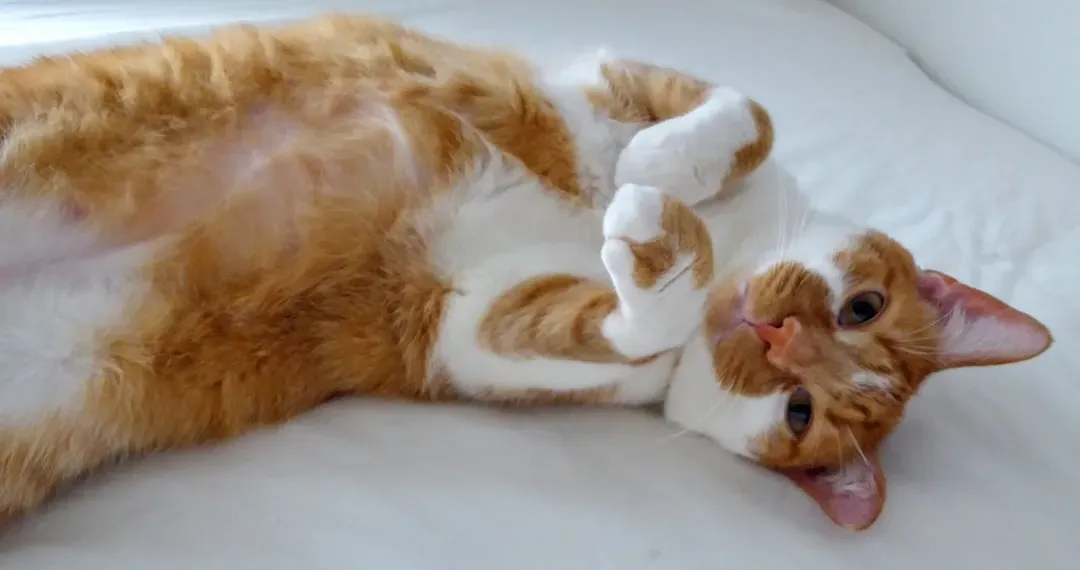
Rolling over and exposing their vulnerable under belly is another gesture that a cat has ultimate trust in you. A cat exposing her tender belly, which houses all her vital organs, is displaying incredible vulnerability. This is massive in the feline world, where self-preservation is everything.
Here’s the thing, though. This doesn’t automatically mean your cat wants a belly rub. This is generally not an invitation for a belly rub. If you go lunging for their exposed bellies, you’re likely violating all the trust that they placed in you to NOT prod their tender bowels. Your cat is showing they feel safe enough around you to expose their most vulnerable area, but that doesn’t mean it’s an invitation to touch. Think of it as them saying “I trust you completely” rather than “please pet my stomach.”
Kneading: Making Biscuits on Your Lap
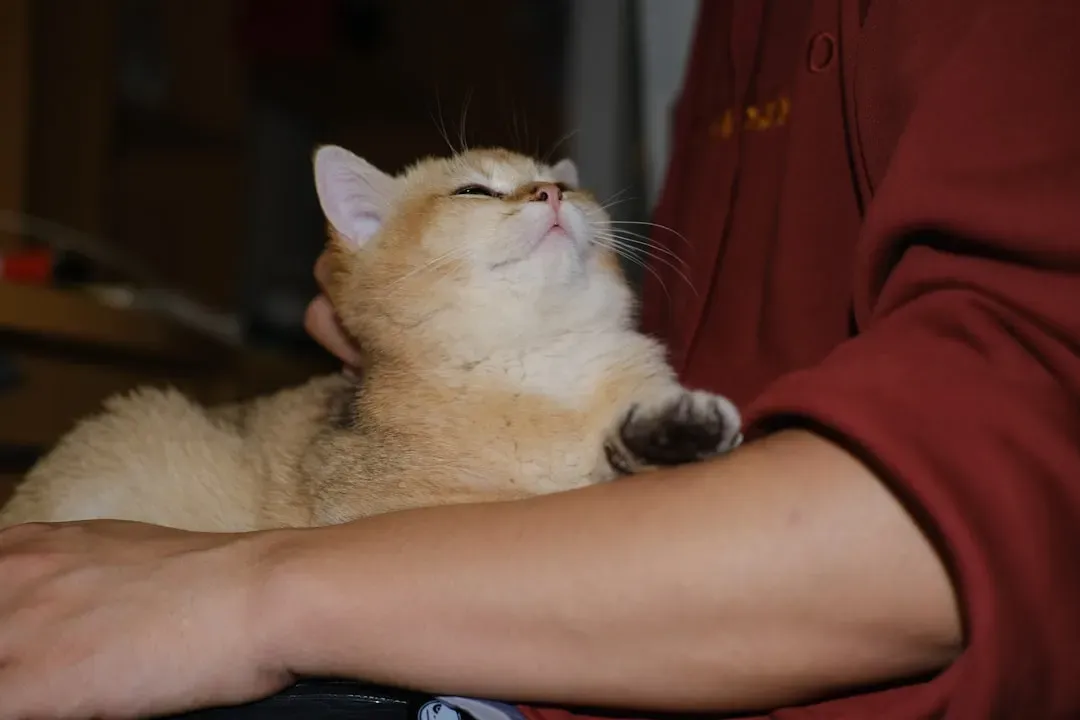
Kneading is believed to bring comfort by releasing endorphins to reduce stress and promote relaxation. Relaxed cats that knead are showing contentment. Kneading or ‘making biscuits’ is a cat’s way of showing their love and contentment. This behavior originates from kittenhood when they would knead their mother’s belly to stimulate milk flow and show affection. So if your cat does this, consider yourself one of their loved ones.
That rhythmic pushing motion your cat makes with their paws, sometimes accompanied by purring and a blissed-out expression, is basically them regressing to their happiest kittenhood memories. They’re associating you with the comfort and security they felt with their mother. Sure, those claws can be a bit uncomfortable, but try to appreciate the sentiment behind those tiny needle pricks. Your cat is literally treating you like their parent.
Purring Isn’t Always What You Think
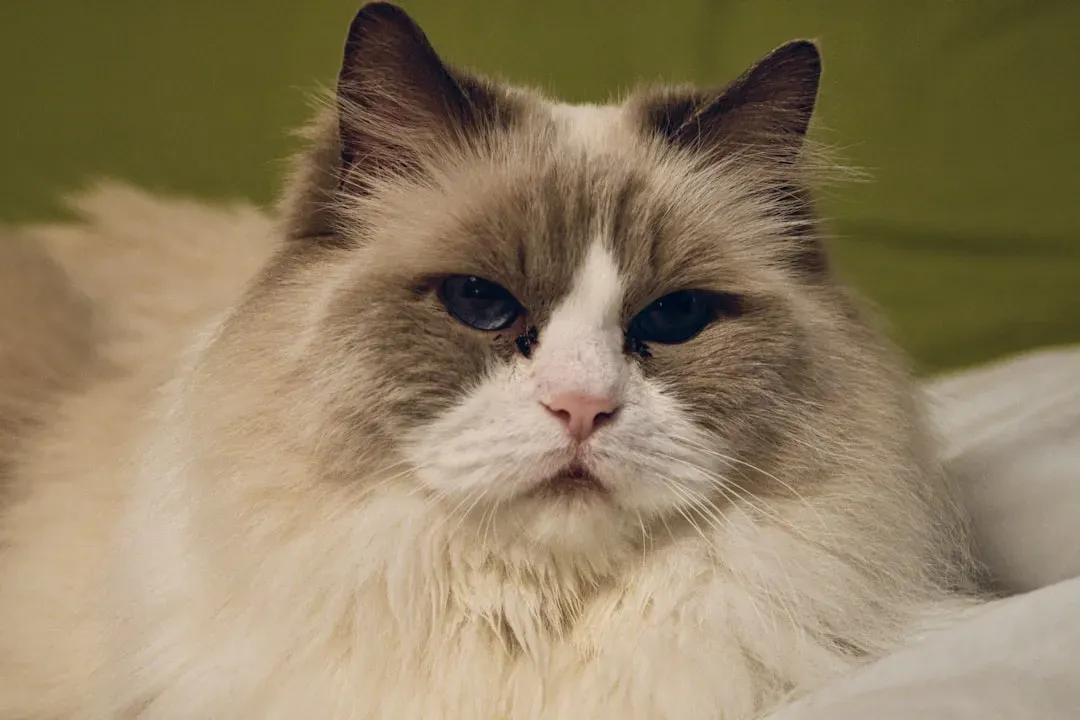
Cats often purr to show contentment when they are resting near you or when you’re petting them. Most people assume purring always equals happiness, but the reality is more nuanced. Cats are complex creatures, and their purring can mean different things depending on context.
They may also purr when they’re nervous, but this is often paired with different body language such as holding their ears back, putting their head down, fast tail-swishing, or hiding. Still, when your cat curls up next to you and starts their little motor running while in a relaxed position, that’s genuine contentment. They’re telling you they feel comfortable and happy in your presence. The frequency of a cat’s purr can even be soothing to humans, which makes those cuddle sessions beneficial for both of you.
The Tail Tell: Reading Your Cat’s Flagpole
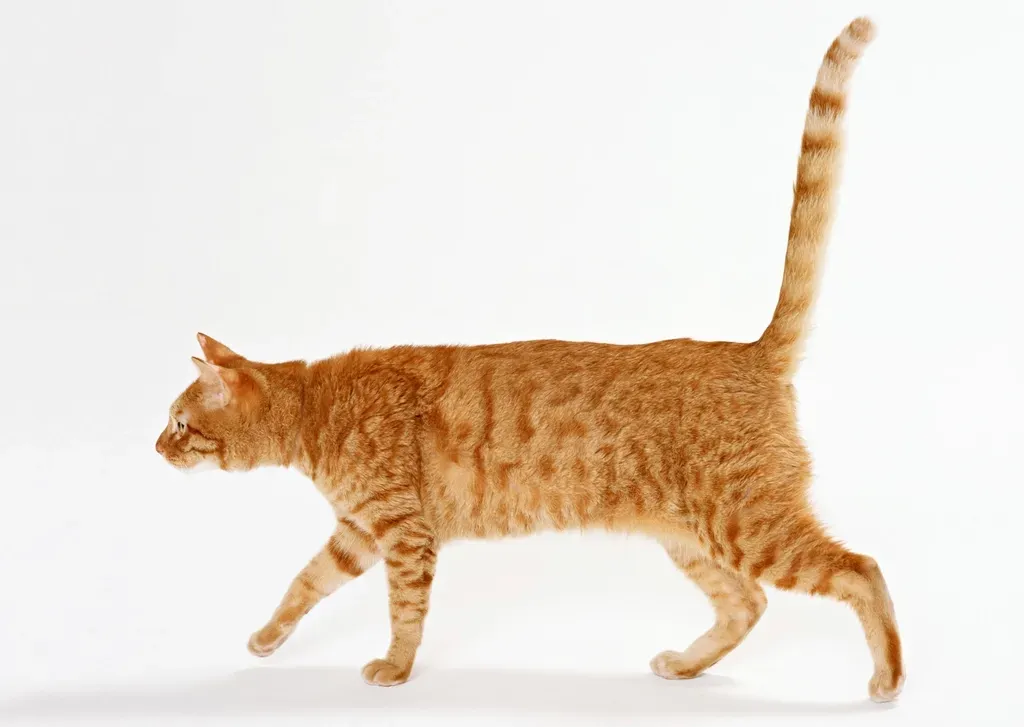
A tail held in the upright flagpole position shows a friendly intention (the feline equivalent of a wave), indicating familiarity, trust, and affection. Some cats also use an upright question mark shaped tail to greet someone they like, or to motion that they want to play. Pay attention to how your cat holds their tail when they approach you.
Cats sometimes intertwine their tails as a sign of friendship and the human equivalent of this is to wrap their tail around your calf. When your cat walks past you and deliberately wraps their tail around your leg, they’re basically giving you a hug in cat language. That upright tail with the little hook at the end? That’s your cat’s way of saying they’re genuinely happy to see you. It’s one of the clearest signs that your supposedly independent cat is actually thrilled by your presence.
Grooming You Is a Sign You’re in the Club
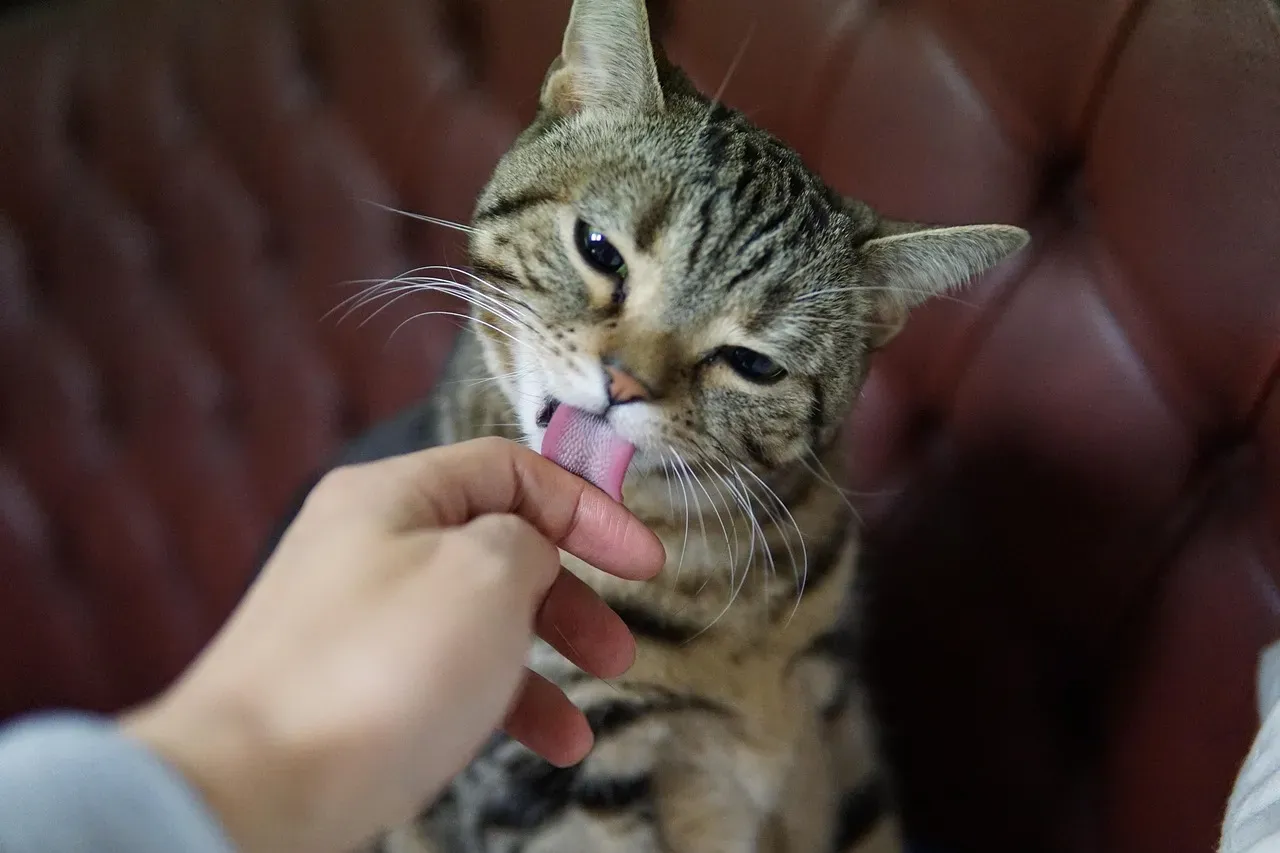
Cats groom each other socially, a practice known as allogrooming, to express love and friendship. Grooming is a significant part of a cat’s social behavior, and when they groom you, it signifies that you are an important part of their group. So don’t be surprised if your cat licks your hand or face – it’s their way of showing love and affection towards you.
Yes, that sandpapery tongue dragging across your skin might not feel pleasant, but it’s actually an honor. Your cat is treating you exactly like they’d treat another beloved feline. Cats have scent glands around their mouth that produce pheromones, their unique scent. When they groom you, they’re marking you as their own. They’re mingling their scent with yours and reinforcing your bond. Honestly, if your cat regularly licks your fingers or gives you little grooming sessions, you’ve been officially adopted into their family.
Sleeping Near You Shows Deep Trust
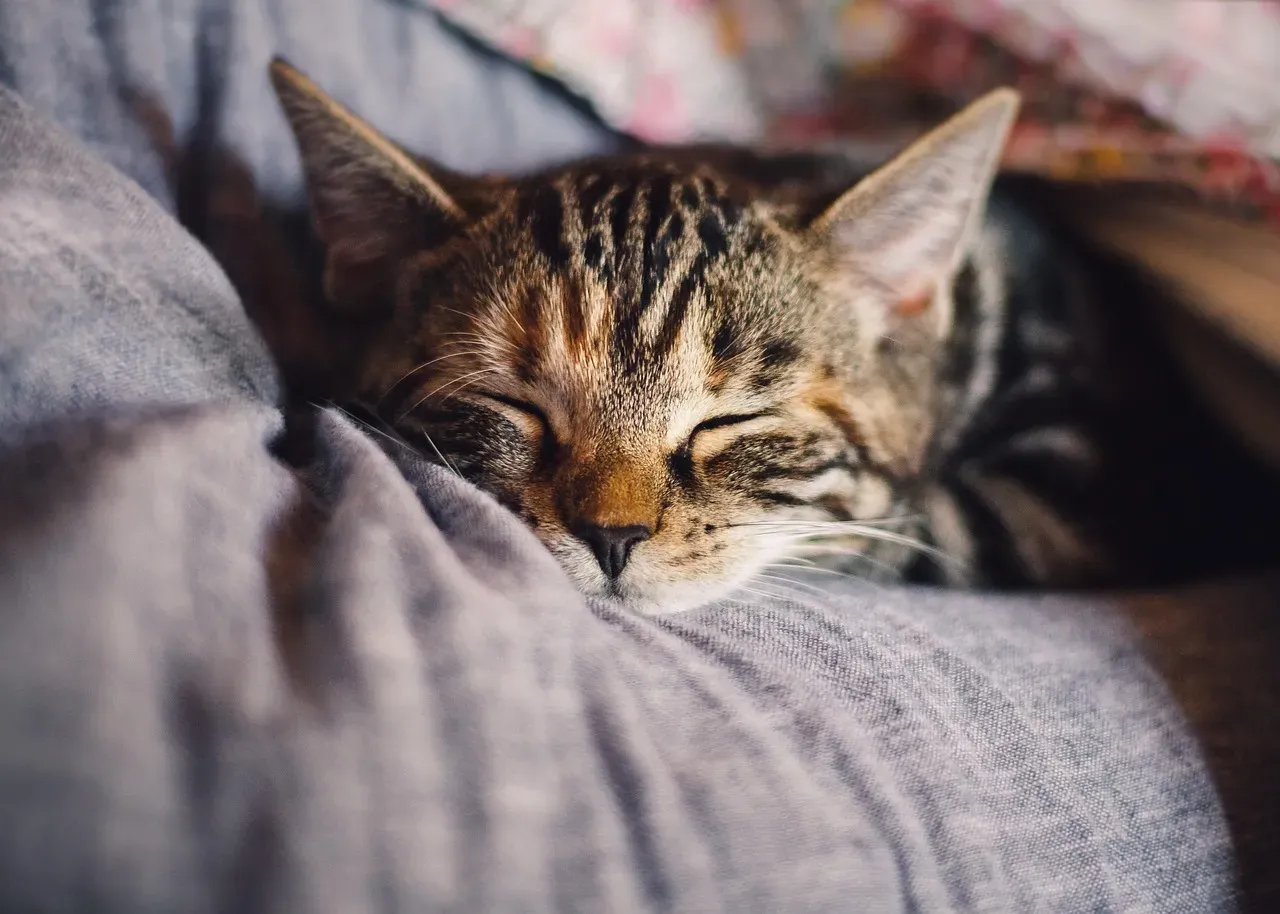
Cats are known to be creatures of habit, and if your cat chooses to sleep near you or even on your bed, it’s a sign that they feel safe and comfortable with you. This behavior is an expression of their love and trust towards you. Curling up on your lap for a nap is a sign of deep trust.
Cats spend roughly two thirds of their lives sleeping, and they’re most vulnerable during this time. As a natural hunter, your cat doesn’t like to feel vulnerable – and is especially wary of feeling this way while asleep. By sleeping on you, they’re exposing themself at their most defenceless, and showing their trust for you. When your cat chooses your lap, your bed, or even just the same room to snooze in, they’re making a deliberate choice to be near you when they’re at their most defenseless. That’s not independence. That’s love disguised as a nap.
The Science Behind Feline Affection
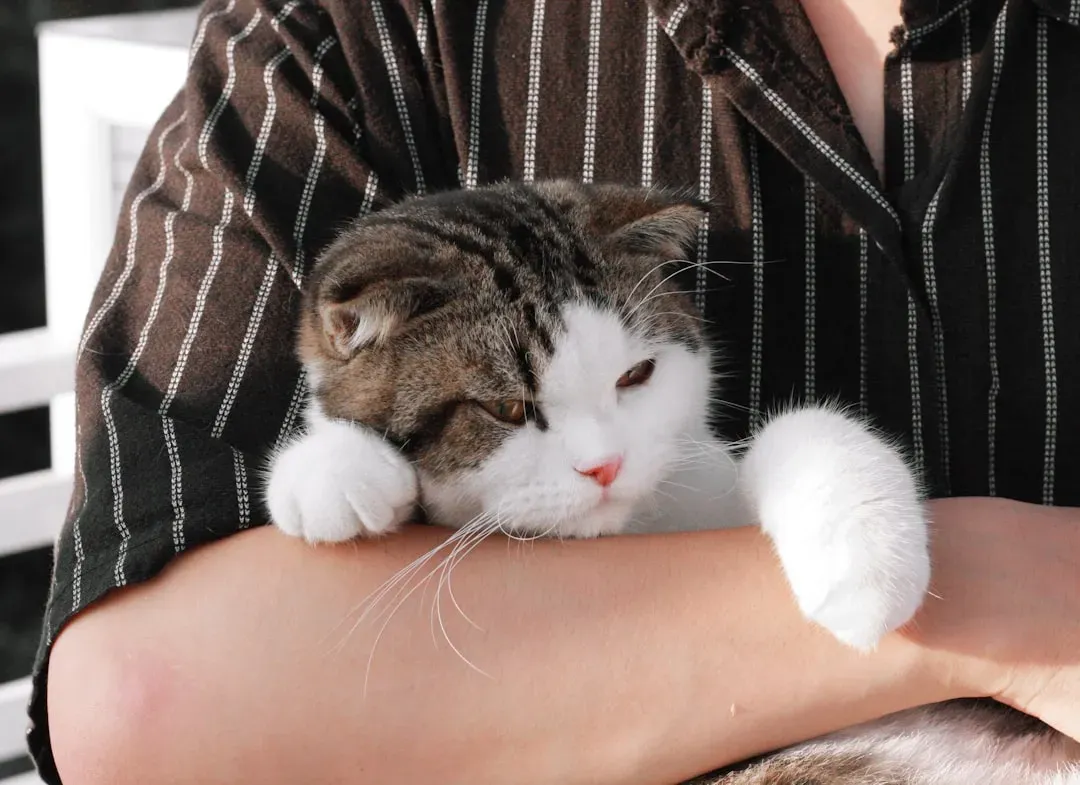
Research shows cats’ reputation as a cold and aloof pet is undeserved. Because of their evolutionary ancestry, domestic cats are, by their nature, more independent than dogs. However, during the process of domestication, cats developed the ability to form social relationships not just with other cats, but also with people. While they may not rely upon people to feel safe as dogs do, many cats show affection towards their guardians and seem to highly value the company of their human companions.
Kittens handled frequently by humans during their second to mid-seventh week of age become friendly and trusting of people and remain so throughout their later lives. Cats are more independent in that we don’t have to train them to use the litter box the same way we have to housebreak a puppy. But that doesn’t necessarily mean they don’t use us as a source of security and that they aren’t affectionate towards people. That’s what we’re finding: the majority of cats do use their owners as a source of security and rely on them for comfort. The research is clear: your cat’s apparent independence doesn’t mean they don’t care deeply about you.
Conclusion: Decoding Your Cat’s Hidden Language
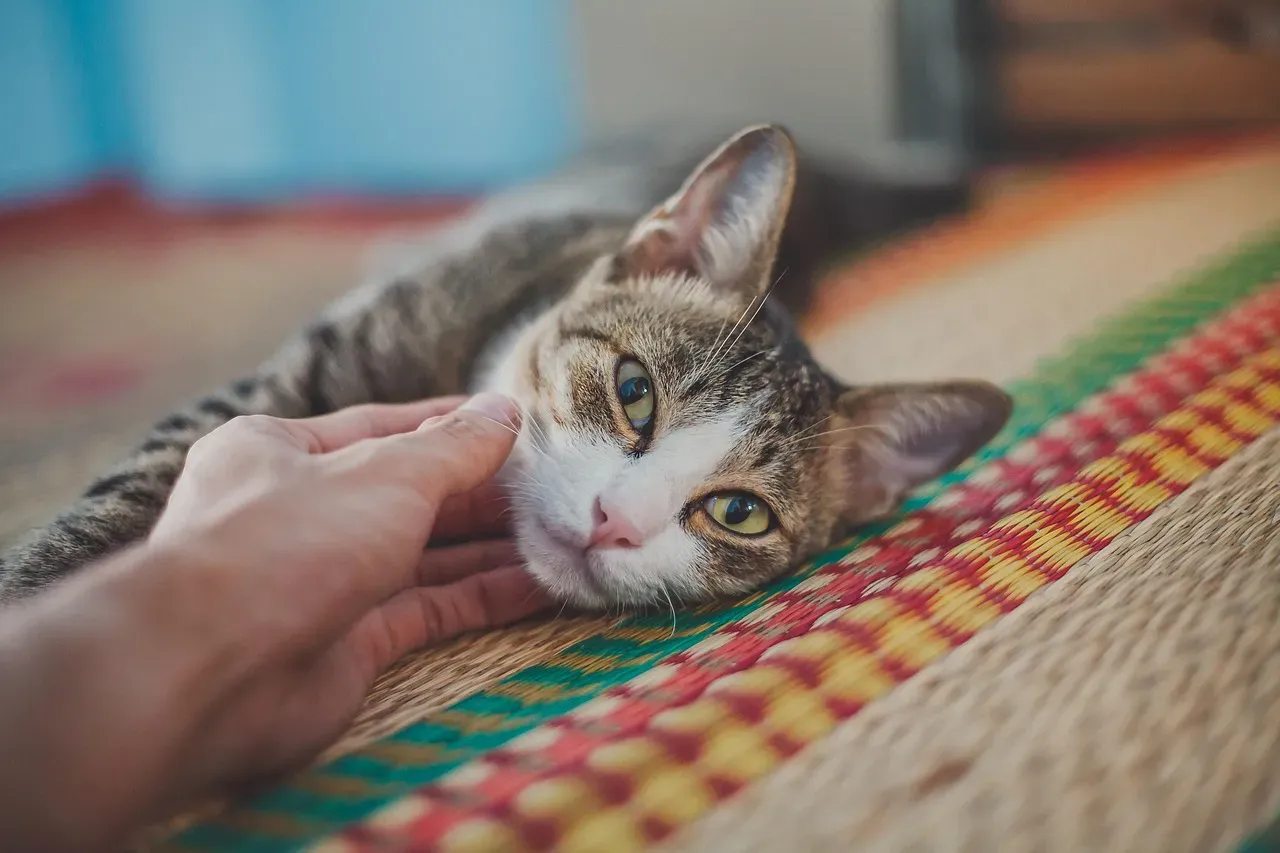
Several studies have shown that cats develop affection towards their owners. However, the effect of these pets on human health is closely related to the time and effort the cat owner is able to invest in it, in terms of bonding and playing. Your supposedly aloof cat has been showing you love all along. You just needed to learn their language.
The slow blinks, the head butts, the kneading, the way they follow you from room to room – these aren’t random behaviors. They’re deliberate expressions of trust, affection, and attachment. Many people (especially dog people) often think cats are standoffish. But cat lovers know that they just have their own special ways of showing their affection. You just have to learn to speak their language and recognize the signs. Cats tend to be subtle about their love, but cat people wouldn’t have it any other way.
So Probably yes. They might not greet you at the door with the enthusiasm of a golden retriever, but those subtle gestures throughout the day are their way of saying you’re their favorite person. What hidden signs of affection have you noticed from your cat lately?