Ever found yourself staring down at a dead mouse on your doorstep with your cat sitting beside it, looking incredibly proud? You’re not alone. Nearly every cat owner with an outdoor feline has experienced this bizarre ritual at some point, and honestly, it can be hard to know how to react. Your first instinct might be disgust or confusion, wondering why your well-fed companion feels the need to drag wildlife into your home. Here’s the thing though: this behavior isn’t random, and it’s definitely not because you’re failing as a provider.
What if those grotesque little offerings actually mean something completely different than you think? Let’s dive in and explore the fascinating world behind your cat’s gift-giving habits and why it’s actually one of the most genuine signs of trust and affection they can show.
Your Cat Isn’t Trying to Gross You Out
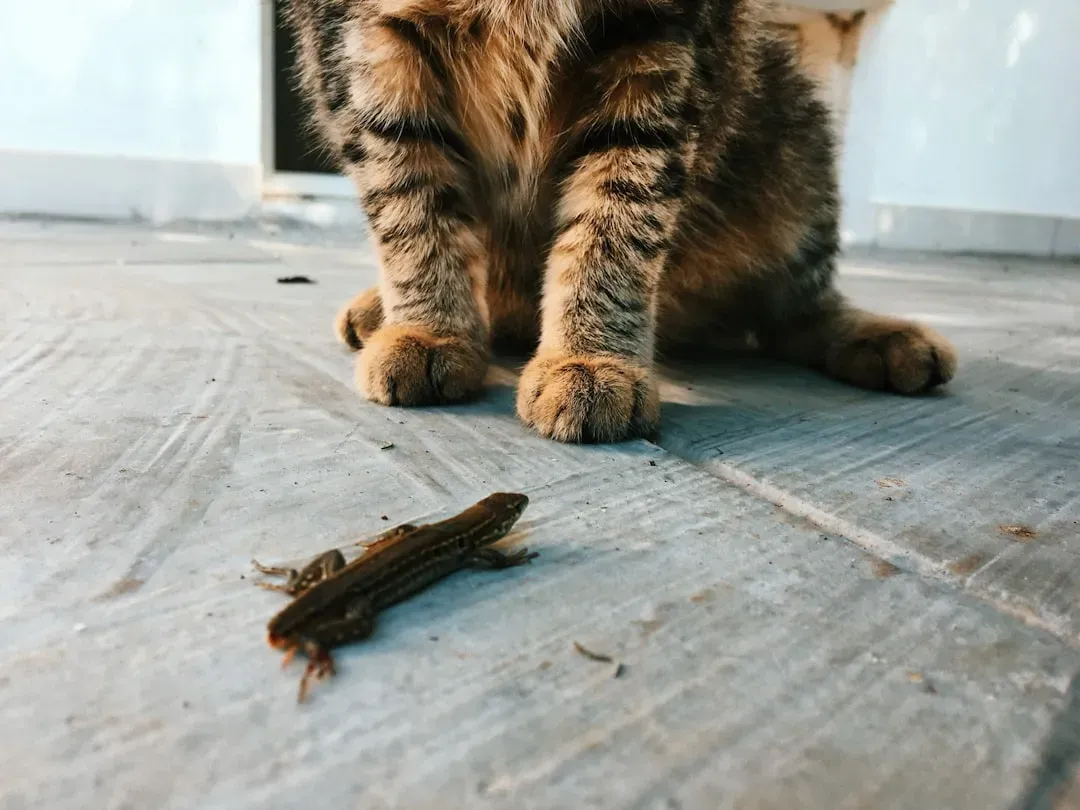
Cats bring prey home because their home is where they feel safe and secure. Think about it from their perspective. The outside world is full of potential threats, competing predators, and uncertainties. Your home represents a sanctuary where they can let their guard down completely.
Cats feel comfortable in their home and consider you part of their family. When they drag that unfortunate bird or mouse through the cat flap, they’re not trying to horrify you. They’re bringing their prize to the one place where they feel most protected, and they’re sharing that space with you because you’re part of their inner circle.
It’s Hardwired Into Their DNA
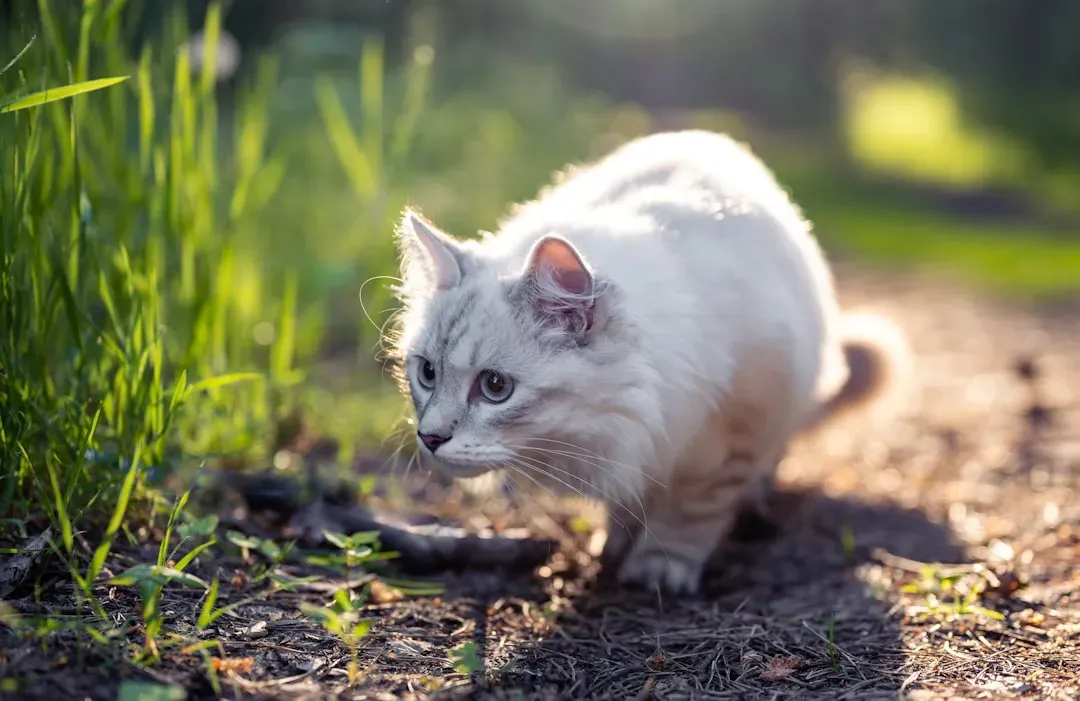
The simple answer to why your cat brings you dead animals is because it is their natural instinct to do so. Domestic cats haven’t strayed far from their wild ancestors when it comes to hunting behavior. Even though you fill their food bowl twice a day with premium kibble, that predatory drive remains incredibly strong.
Domestic cats are solitary hunters, and until quite recently, cats were mainly kept to control rodent populations rather than as pets, with only the best hunters surviving and reproducing. Your fluffy companion descends from a long line of skilled predators. There’s been very little selective breeding that would diminish these instincts, so even the most pampered house cat retains the urge to stalk, pounce, and capture.
They Might Think You’re a Terrible Hunter
When your cat brings you dead animals, it might be because they think you’re a terrible hunter and want to help you practice. Let’s be real, from a cat’s perspective, you probably do seem pretty hopeless. You never chase anything, you can’t pounce worth a dime, and you somehow manage to survive despite these obvious deficiencies.
The main hypothesis is that this behavior is maternal, where in the wild, mother cats go out and hunt and then bring the food back for their kittens. In the context of human pet owners, our cats may see us as “not so efficient kittens.” It might sound insulting on the surface, but it’s actually endearing. Your cat is trying to teach you essential survival skills, treating you like a beloved but slightly incompetent family member who needs guidance.
It’s Actually a Compliment, Not an Insult
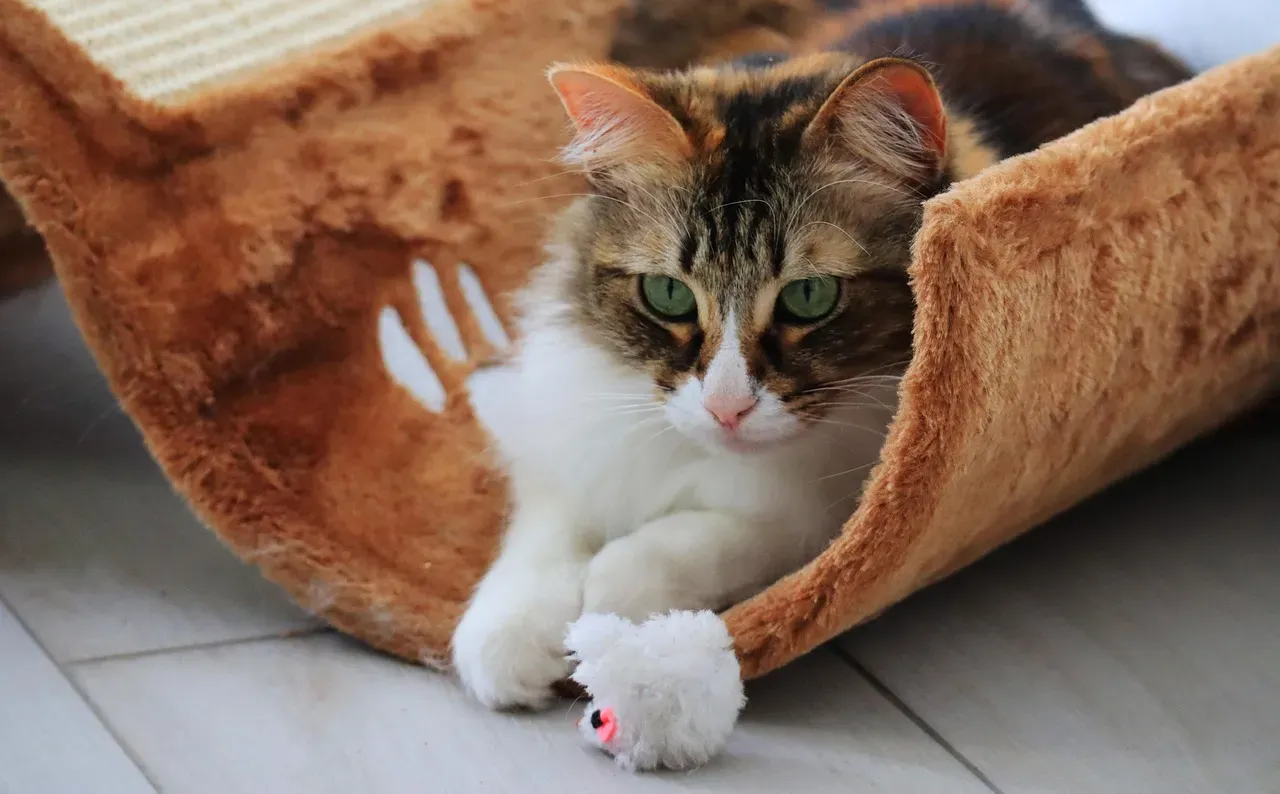
It’s somewhat of a compliment. While that might sound a bit insulting on the surface, it’s one of many ways cats show you their love. When your cat brings you prey, they’re demonstrating care and concern for your wellbeing. They’re not mocking your hunting abilities; they’re actively trying to help you survive.
When cats bring gifts, they’re often expressing affection and trust by sharing their “prey” with you, demonstrating that they consider you part of their family group. This behavior strengthens the bond between you and your feline friend. It’s their way of saying they value you enough to share their most prized possessions.
The Role of Trust in This Unusual Behavior
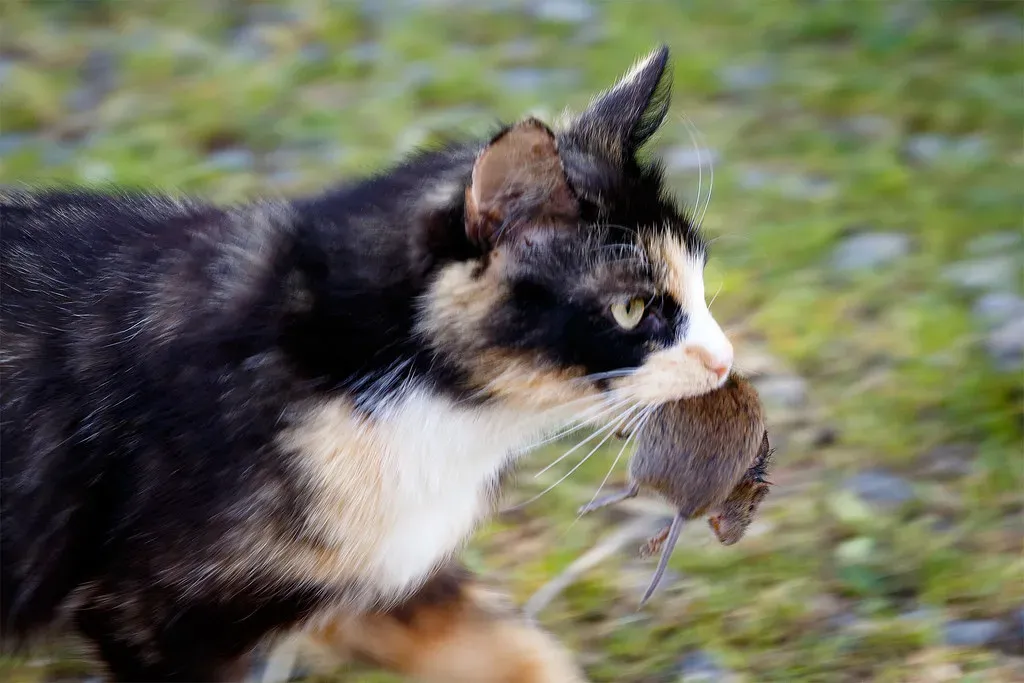
Trust is invaluable in the feline world, and when a cat brings you a gift, it may be a sign that it trusts you enough to share its catch. Cats are naturally cautious creatures. They don’t just share resources with anyone.
It is a sign of their trust in their owners, as they see their home as a shared, safe place. By bringing prey into your shared space, your cat is acknowledging that they trust you implicitly. They’re vulnerable when they’re focused on their catch, and the fact that they choose to bring it to you shows remarkable confidence in your relationship. It’s one of the highest compliments a cat can give.
Hunger Has Nothing to Do With It
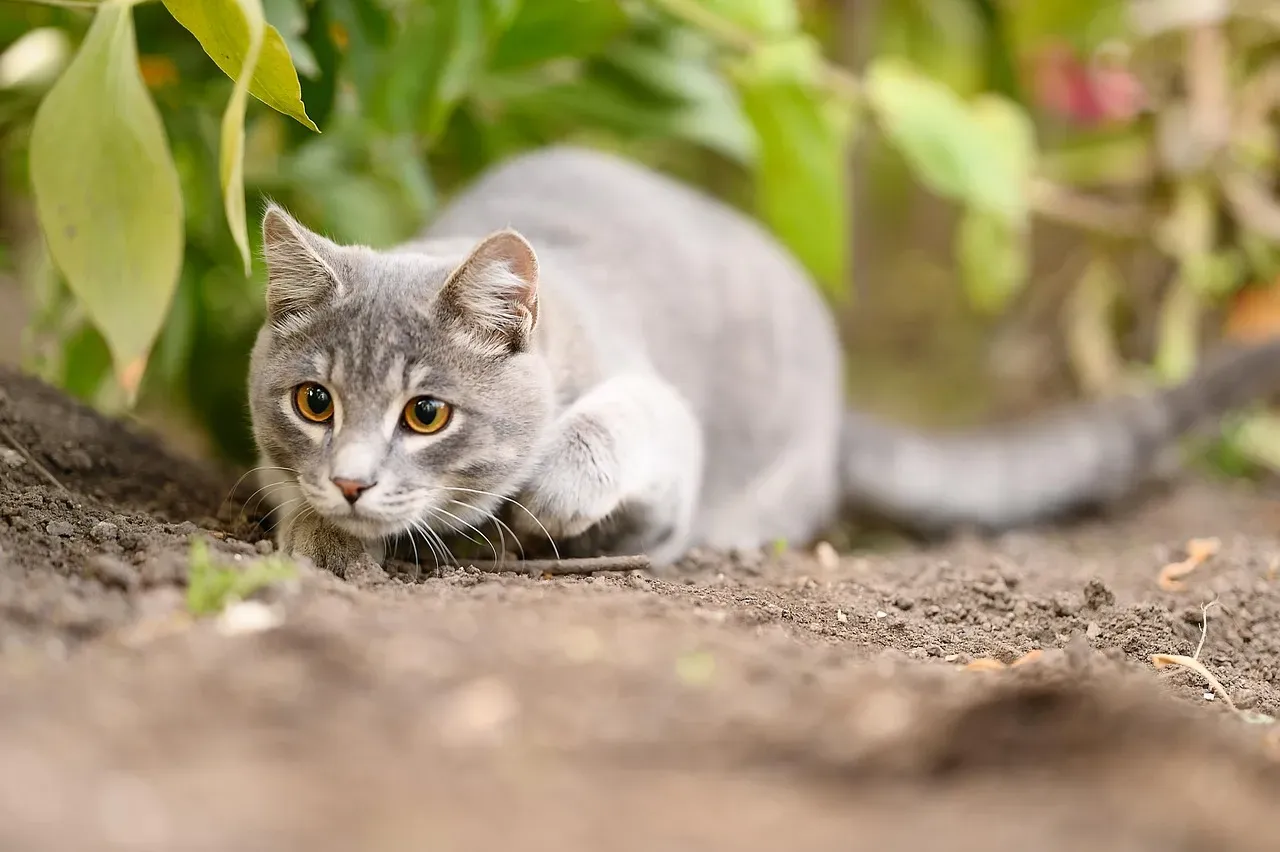
It’s easy for cat owners to assume their cats hunt because they’re hungry, but this is usually not the case, with domestic cats only eating 30 percent of prey killed. Your cat isn’t hunting because you’re not feeding them enough. In fact, they’re probably quite satisfied with their regular meals.
The motivation to hunt prey is only partly related to hunger. Cats have learnt to be opportunistic feeders, and if the opportunity to hunt presents itself, they’ll do so regardless of whether they’re hungry or not at the time. Hunting is about instinct, practice, and entertainment for cats. It’s a deeply satisfying activity that fulfills an evolutionary need completely separate from nutritional requirements.
Sometimes They Just Want a Safe Place to Store Their Prize
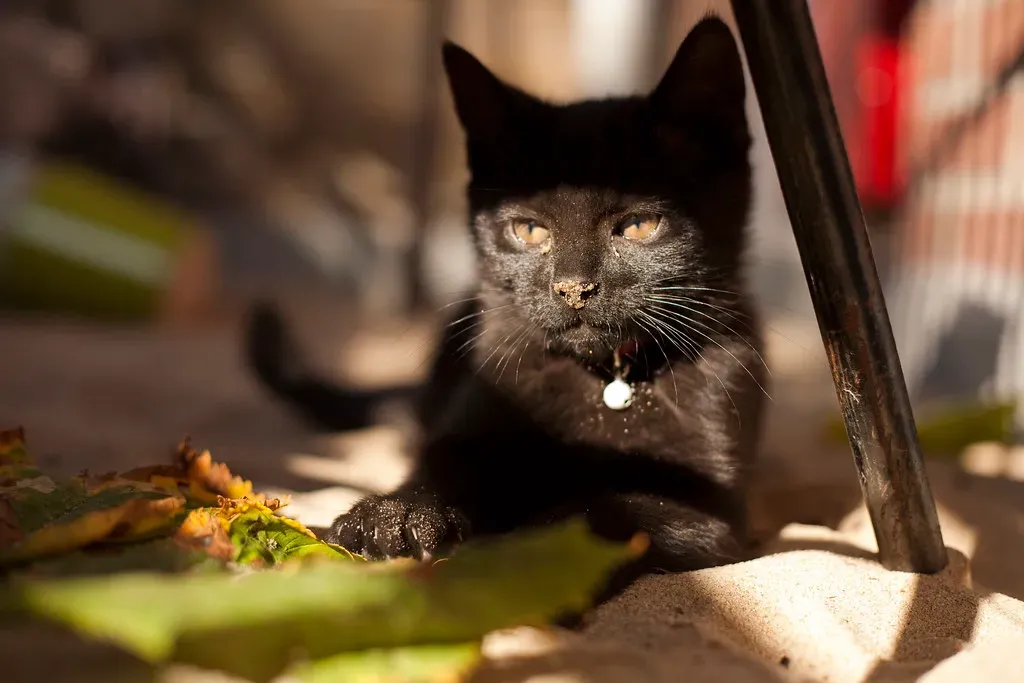
Another theory is that cats may feel safer eating their prey at home rather than in the outside world, seeing your home as a place of refuge where they can have their privacy, stash their cache, or eat their meal in peace. Not every “present” is meant for you personally. Sometimes your cat is simply being practical.
When cats catch prey they may not want to eat it or leave it where other animals could steal it from them. This shows your cat feels happy and safe in your home, even secure enough to trust you in looking over a potential snack for later. Your living room might just be the feline equivalent of a well-stocked pantry, a secure location where they can return later if they get hungry.
The Personality Factor Plays a Role
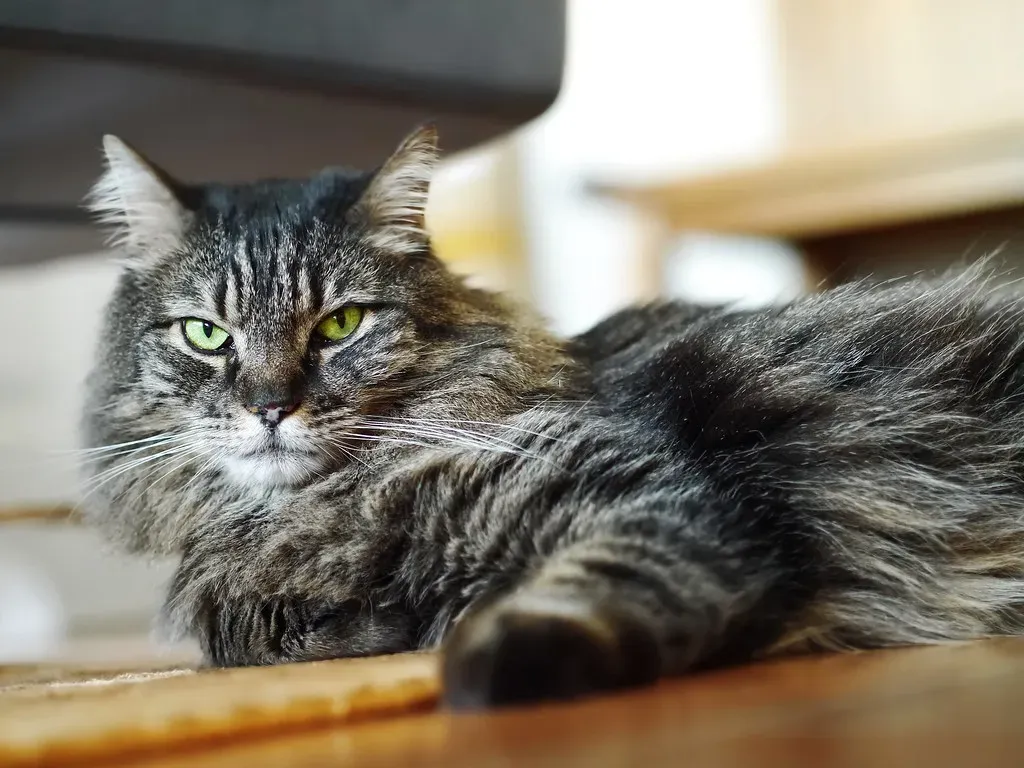
Dominant, aggressive and active cats brought back more dead animals into the home, while cats that were shy and friendly with their owners tended to bring home less prey. Not all cats are equally enthusiastic gift-givers. Some personality types are more prone to this behavior than others.
Your cat’s individual temperament matters significantly. Bold, adventurous cats with high prey drives are natural-born hunters who take genuine pride in their accomplishments. Shyer, more laid-back cats might hunt occasionally but won’t necessarily feel compelled to share their success stories with you. Neither approach is better or worse; it’s just how different personalities express themselves.
They’re Bonding With You Through Shared Resources
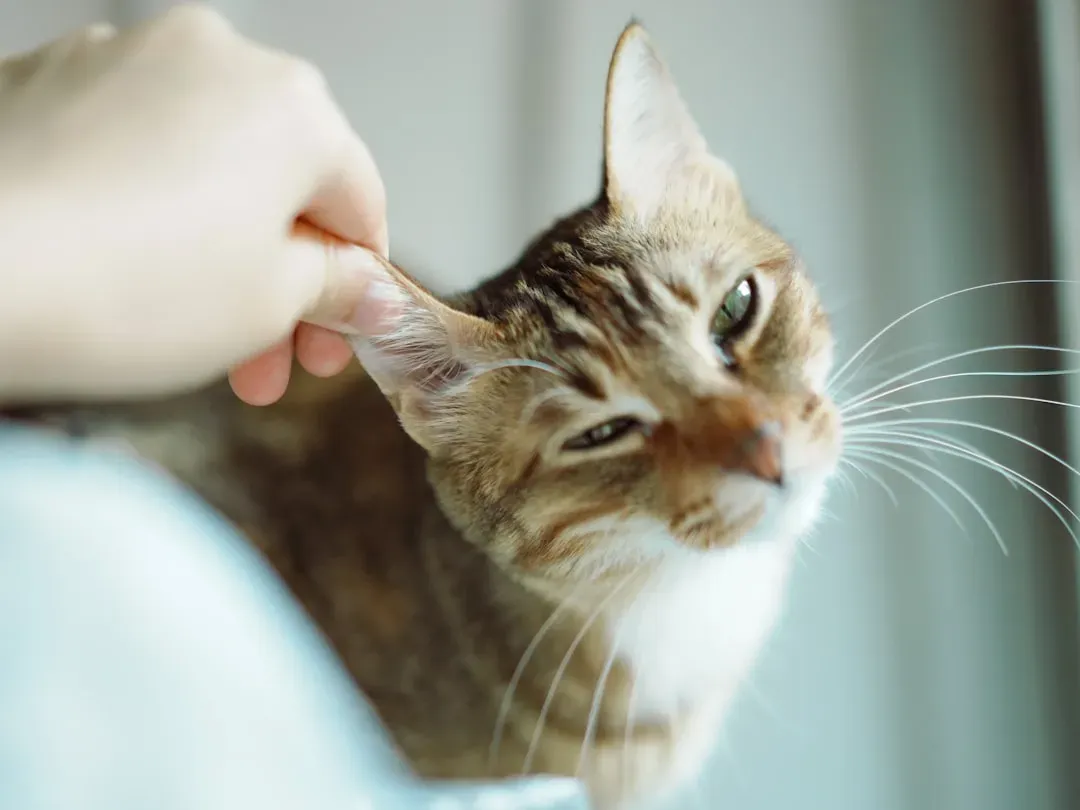
Feral cats often live together in groups called colonies where female cats often care for kittens that don’t belong to them, and by gifting you a dead animal, your cat might be trying to signal that you’re part of their group. Essentially, they might view you as part of the pack, or more accurately, the clowder.
Because cats will often play with their prey before eating it, your cat might bring you dead animals or toys to engage in a play session with you, and gift-giving might be a kind of attention-seeking and bond-building behavior in cats. It’s a social interaction designed to strengthen your relationship. They’re inviting you to participate in one of their most fundamental activities, which is actually quite an honor in cat culture.
What You Should Never Do
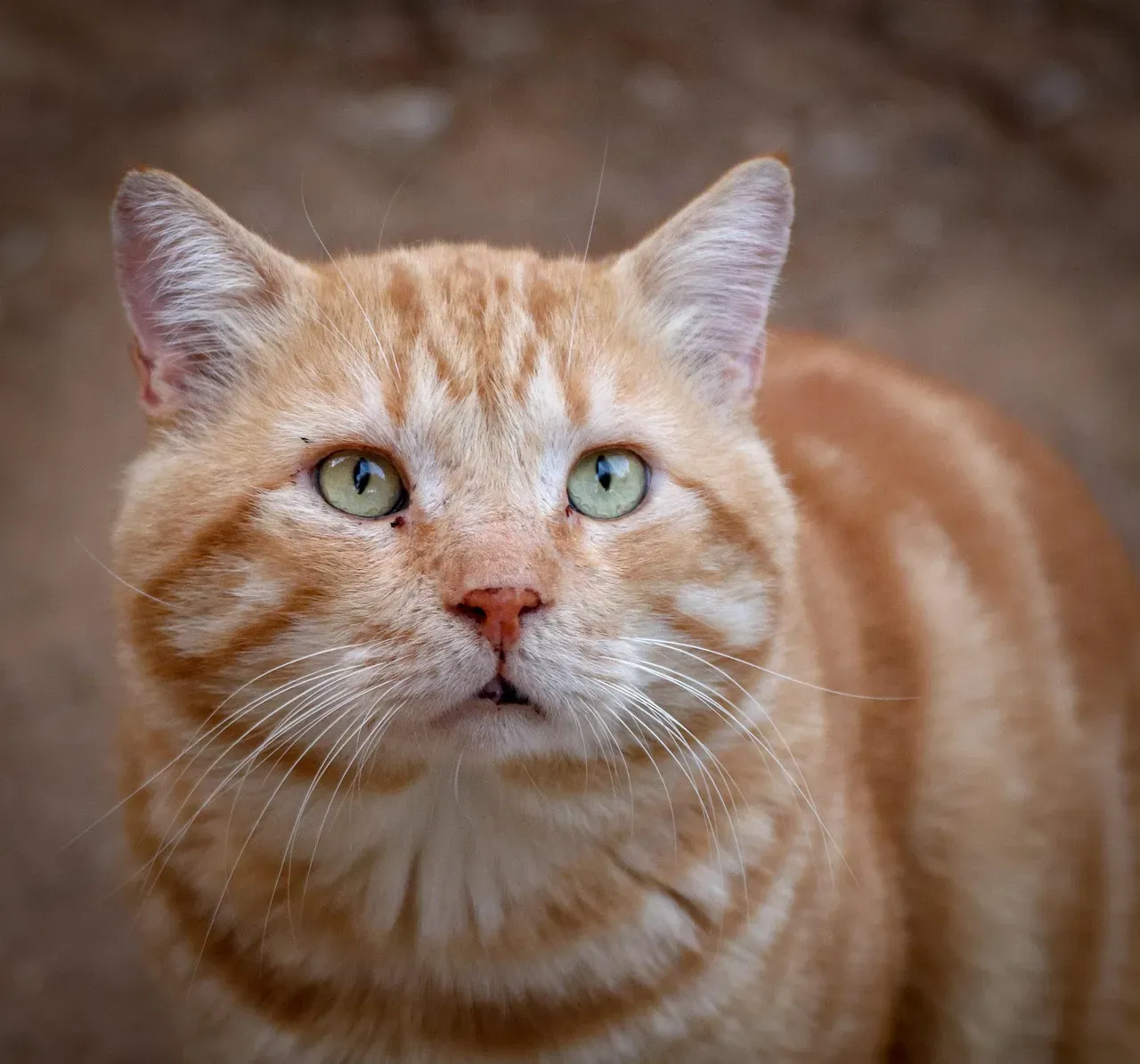
It’s important not to punish your cat for catching wildlife or bringing their prey home because they won’t understand what they’ve done wrong, and as hunting is a natural instinct for cats, shouting at them won’t deter them from doing again. I know it’s tempting to scold them when you discover a mangled bird in the hallway, but resist that urge.
You should never punish your cat for hunting, as she’s only expressing her natural instincts. Punishment will only confuse and stress your cat without changing the behavior. They’re acting on deeply ingrained evolutionary programming, not misbehaving. Instead, calmly remove the prey, dispose of it properly with gloves, and redirect your cat’s attention with a toy or treat if you must.
Conclusion
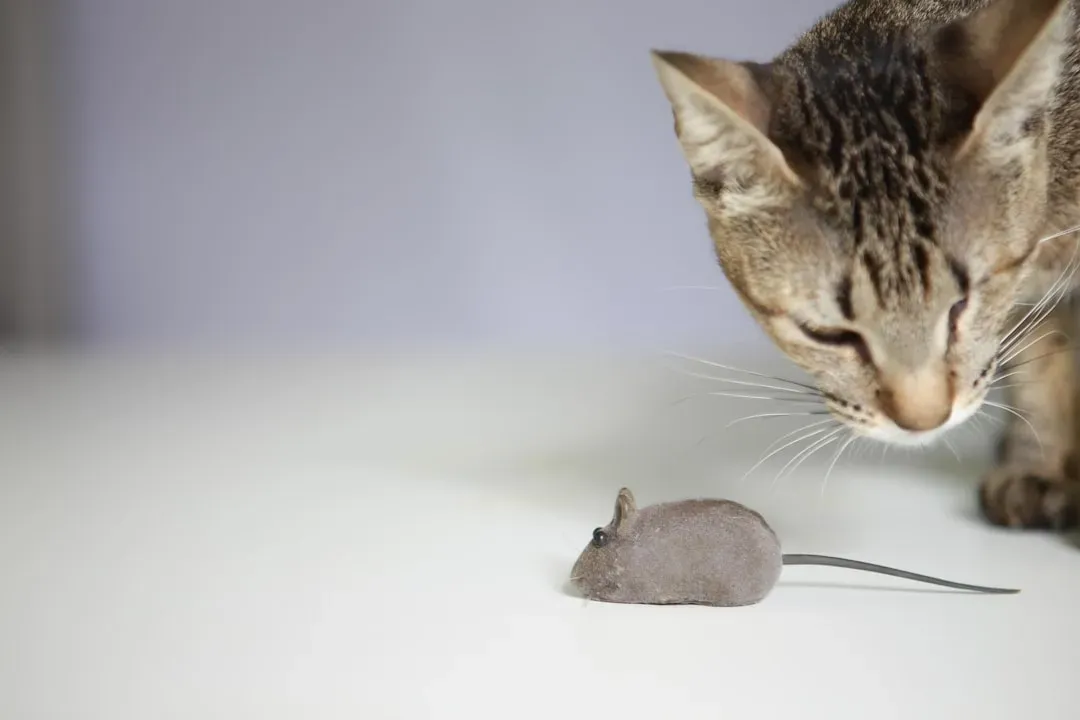
The next time your cat proudly deposits a mouse at your feet, try to see it for what it really is: a gesture of love, trust, and inclusion. Sure, it’s not the kind of gift you’d put on your wish list, but in the feline world, it’s one of the most meaningful offerings possible. Your cat is sharing their success with you, teaching you valuable skills, and treating you like treasured family.
While you might never grow to appreciate these gory presents, understanding the motivation behind them can help you respond with more patience and compassion. Your cat isn’t trying to disturb you or prove a point. They’re simply being a cat, following instincts that have served their species for thousands of years, and they’ve chosen you as someone worthy of their trust and affection. What do you think about your cat’s hunting gifts now? Has your perspective shifted?