You’ve probably watched your cat stare intently at a passing insect for minutes, completely motionless except for the occasional tail twitch. Maybe you’ve seen them go from pure chaos to absolute stillness in seconds flat. Here’s the thing: what looks like simple play is actually something far more sophisticated. Your feline companion isn’t just batting at toys or chasing shadows for entertainment.
They’re practicing an ancient art form that combines predatory precision with meditative focus. While we’re rushing through life, distracted by endless notifications and mental clutter, cats are demonstrating a level of concentration that would make any meditation guru jealous. Let’s be real, these furry creatures might just be the most accomplished mindfulness teachers living under your roof right now.
The Predatory Pause: Where Hunting Meets Meditation
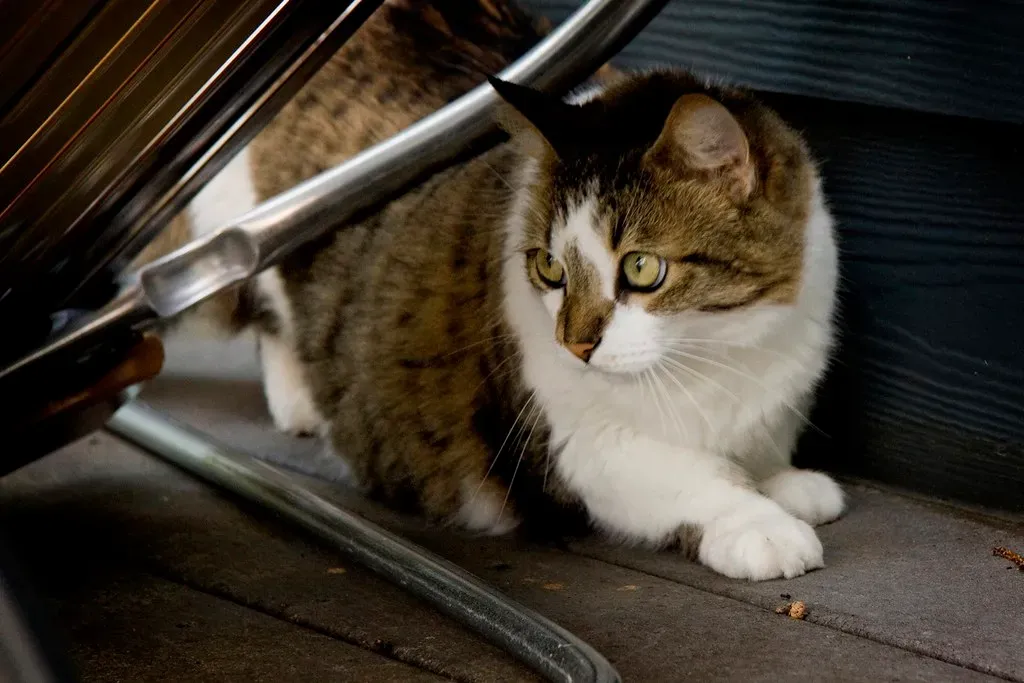
When cats lock onto a target, they can focus on an object like a bird or a bug for extended periods without getting distracted. This isn’t accidental. The sight or sound of prey triggers a cat’s hunting instinct, making it near-impossible for them to resist, yet they remain perfectly controlled.
Think about it. How often can you sit still and focus on a single task without your mind wandering? This intense focus is a form of meditation that helps them stay calm and centered. Cats play to mimic hunting behaviors, release energy, and practice the skills their ancestors needed to survive, with even well-fed indoor kitties carrying the instincts of stealthy predators.
What makes this particularly fascinating is the mental discipline involved. The concentration required during hunting play may even help cats with compulsive disorders by redirecting their focus. They’re not just physically engaged but mentally locked in with laser-like precision.
The Art of Doing Nothing (Really Well)
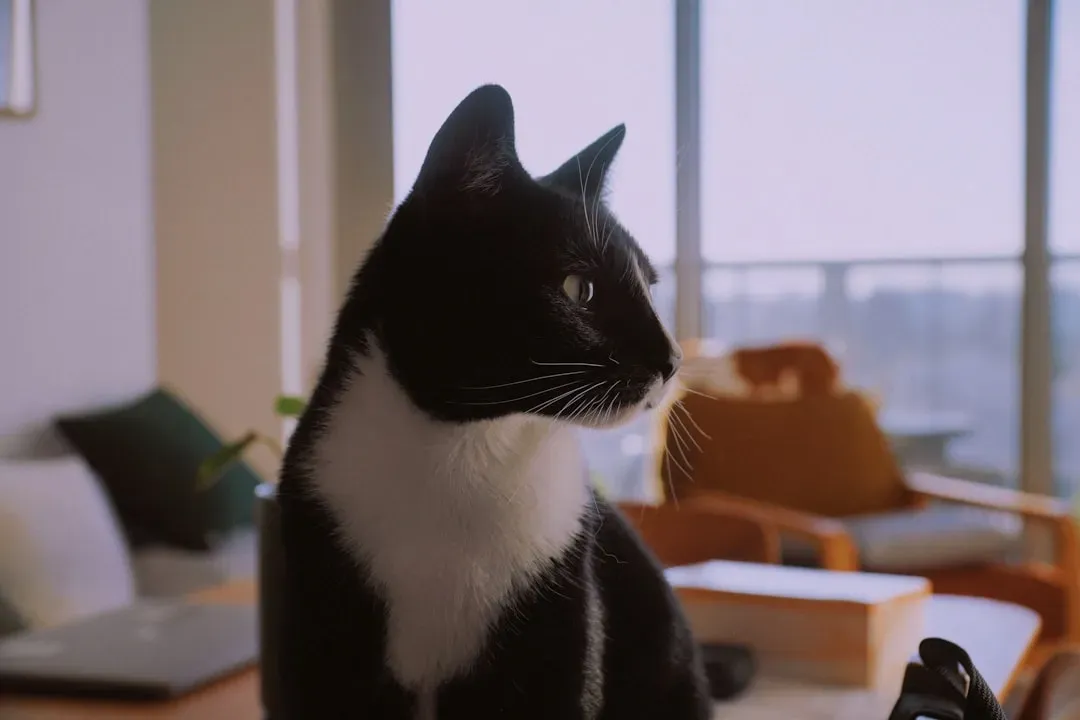
Cats live in the moment, listening, breathing, and staying aware of the here and now, which coincides with the practice of mindfulness. I know it sounds crazy, but your cat sprawled across the couch isn’t being lazy. When cats seemingly do nothing, sitting in silence with eyes closed and enjoying the moment, it’s a practice of mindfulness that allows for a mental break.
Research shows that successful people operate with brief bursts of productivity followed by unstructured downtime, which rebuilds productivity. Your cat already knew this. Cats don’t worry about the past or the future, they live in the now, and by observing them we can learn to let go of our worries and focus on the present moment.
This ability to simply exist without agenda is something most humans struggle with their entire lives. Yet cats master it effortlessly, finding peace in stillness without needing apps or guided sessions.
Play as Mental Training, Not Just Physical Exercise
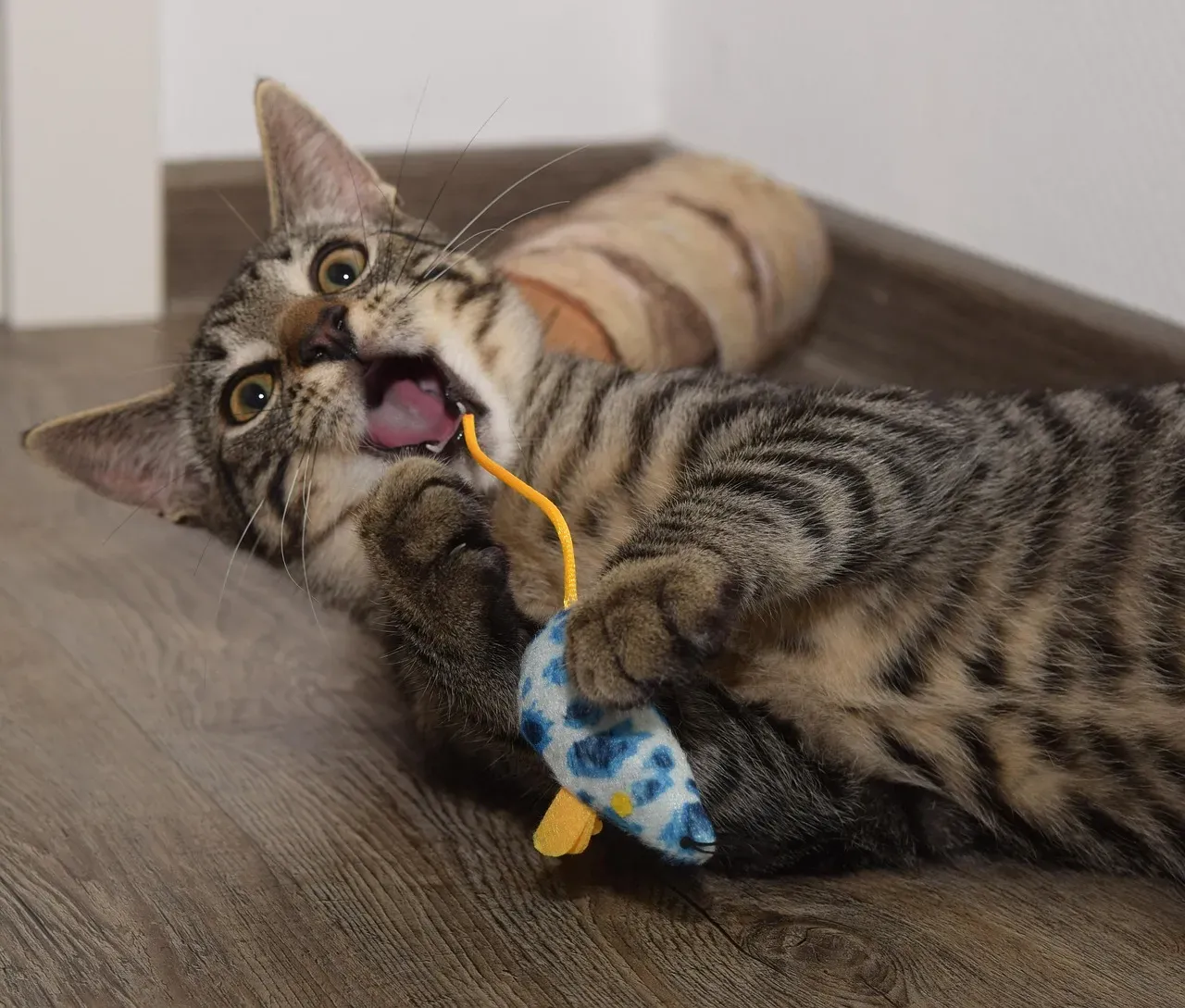
Play isn’t just fun, it’s essential for cats to mimic hunting behaviors, release energy, and practice ancestral survival skills. Play provides mental, emotional, and physical benefits, with cats being very sensitive to stress, making play a great way to help them be more resilient.
But there’s more happening beneath the surface. Studies have found that adult cats show more intense and prolonged play with toys that resemble actual prey items, and the hungrier the cat was, the more intense the play, indicating cats consider these toys to be prey. Their brains are fully engaged in the simulation.
Play can be one part of a broad plan to enrich a cat’s environment and provide them with exercise, mental stimulation, and social interactions that may be beneficial to their health and welfare. Mental health depends equally on satisfying these instincts, and cats deprived of appropriate predatory outlets often develop anxiety, overgrooming, or obsessive behaviors, while the act of killing toys appears to trigger endogenous opioid release, providing natural stress relief. Honestly, that’s more sophisticated stress management than most people employ.
The Paradox of Controlled Chaos
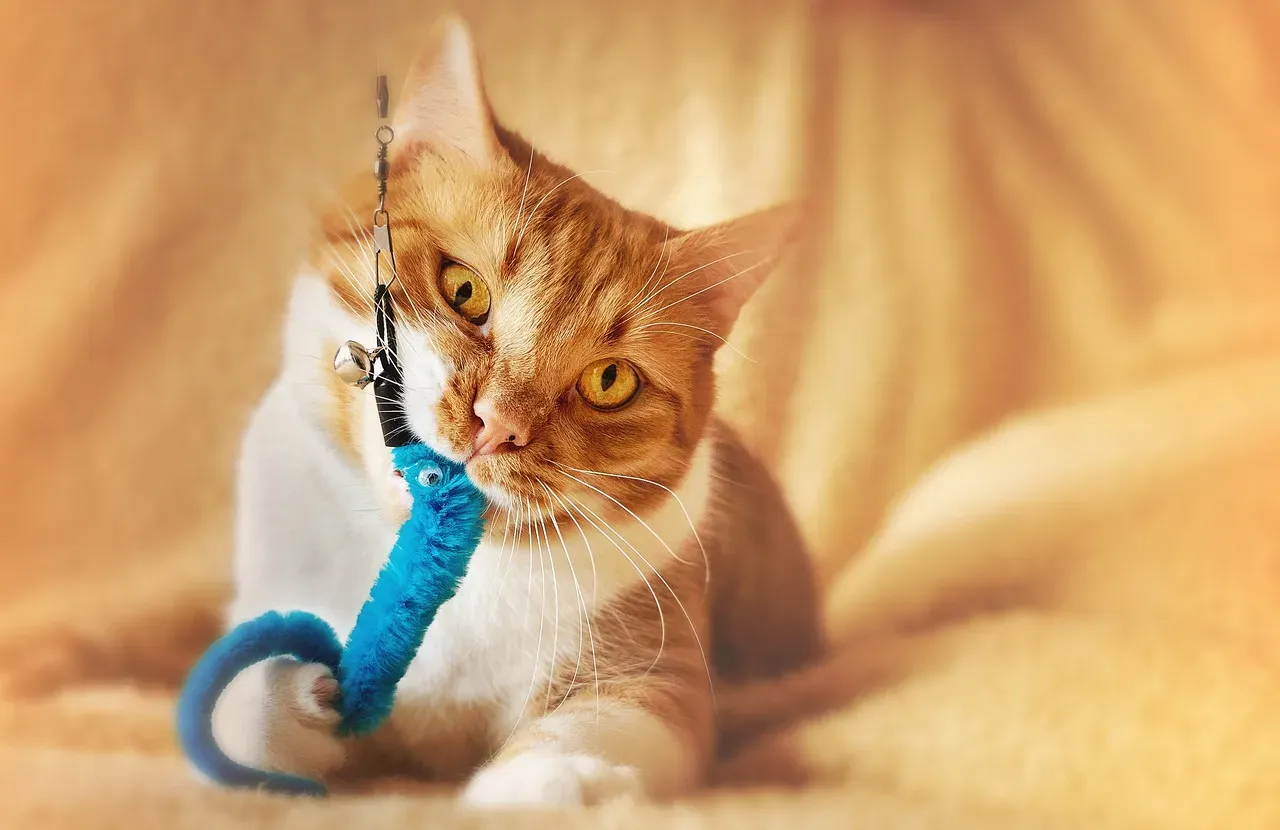
One minute your cat is calmly grooming, the next they’re tearing through the house like a tornado with fur. As cats mature, play evolves from rough-and-tumble wrestling to more refined stalking and pouncing. This isn’t random insanity; it’s calculated energy management.
Adult cats use play to relieve boredom, stay fit, and strengthen their bond with you. Once they have successfully caught their prey, they may indulge in some extra play such as pouncing on the poor critters repeatedly, all in the name of perfection. They’re not being cruel; they’re practicing precision.
Toying with their prey is brought about by the conflict of needing to kill their prey and the fear of being injured by their prey as a result. It’s actually a mindful balancing act between multiple instincts. The ability to switch between intense activity and calm observation shows remarkable emotional regulation.
The Stare That Sees Everything
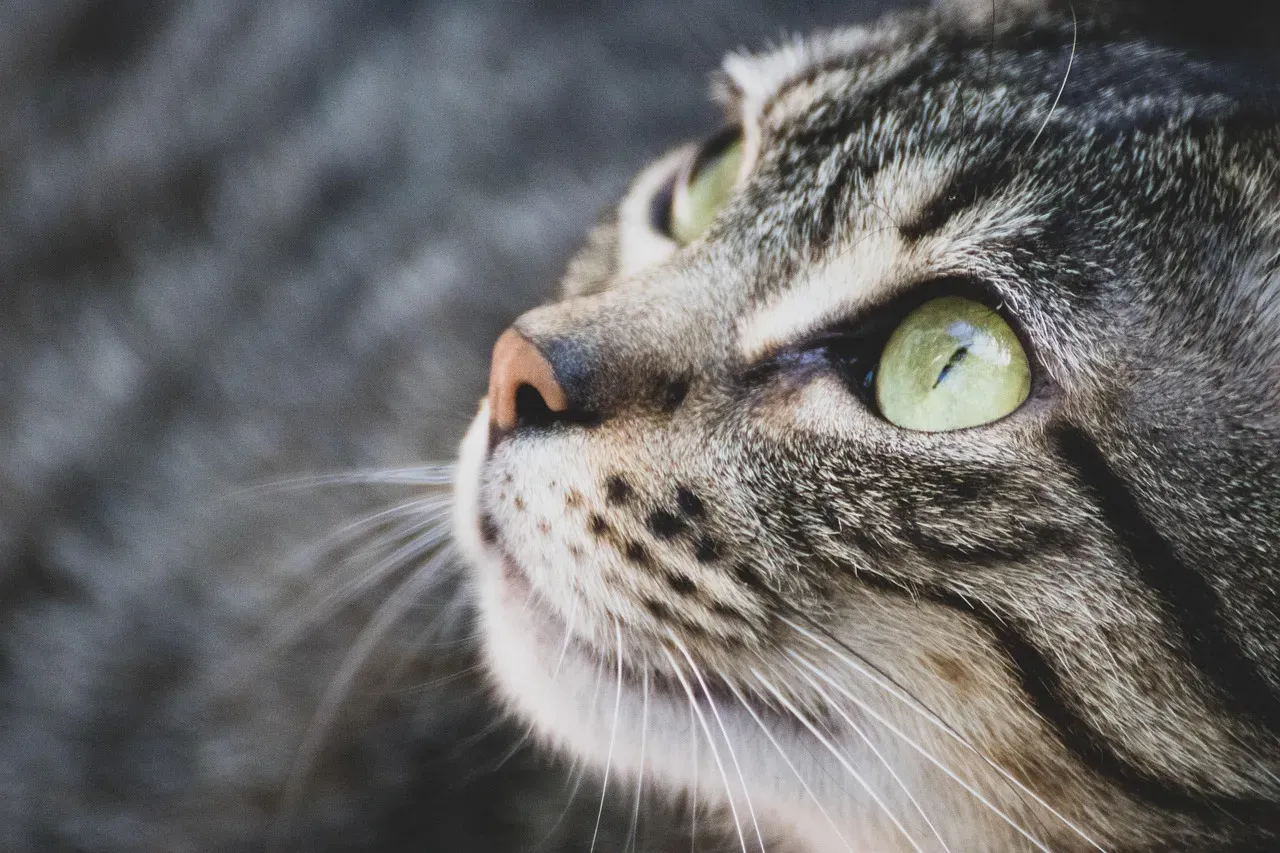
Cats can sit and stare at a bird, a bug, or even a blank wall for what seems like forever, and this unique behavior isn’t just amusing but a lesson in mindfulness and focus. Cats are fully present in life, very aware of what’s going on around them, and under normal circumstances maintain an enviable degree of peace and calm.
Even when cats have their eyes closed, they are fully present, ears pivoting around like radars as they listen to sounds in the environment. Nothing escapes their attention, yet they remain relaxed. That’s a level of awareness most meditation practitioners spend years trying to achieve.
Cats perform a unique version of meditation where they can focus on an object for extended periods, and this intense focus is something we can emulate in our own meditation practice by channeling our inner cat to improve our focus and mindfulness. It’s hard to say for sure, but I think they might be onto something we’ve forgotten.
Learning From Failure Without Judgment
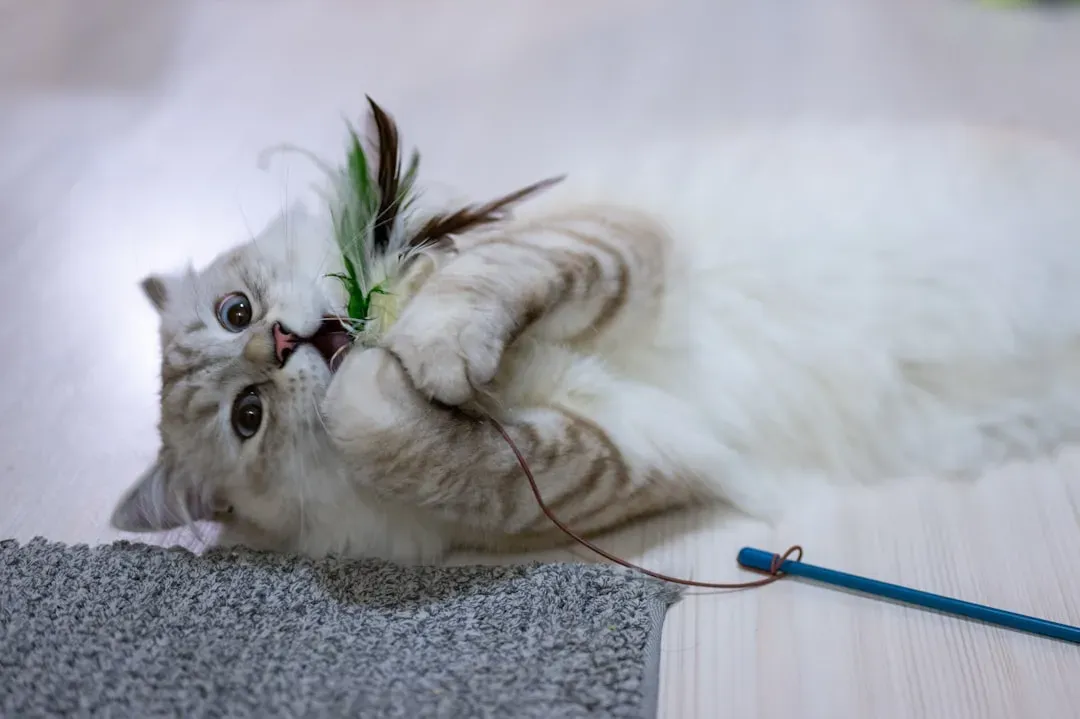
On average, cat hunting attempts are successful less than 50 percent of the time. Yet cats don’t throw tantrums or give up. Kittens are programmed from birth to chase, and through play they develop the coordination and timing needed to successfully capture their target, learning to adjust their speed, gauge distance, and make judgments by experience.
They simply try again. If a cat is not hungry, they may play with their catch to practice their hunting skills. Every failure becomes another practice session, another opportunity to refine their technique. There’s no self-criticism, no dwelling on past mistakes.
One way cats teach mindfulness is through adaptation, and while they’re typically creatures of habit, they face challenges like unexpected changes in routine by quickly adapting, such as finding something else to do if dinner isn’t served at the expected time. This resilience combined with non-judgmental persistence is something humans could benefit from tremendously.
The Present Moment Is the Only Moment
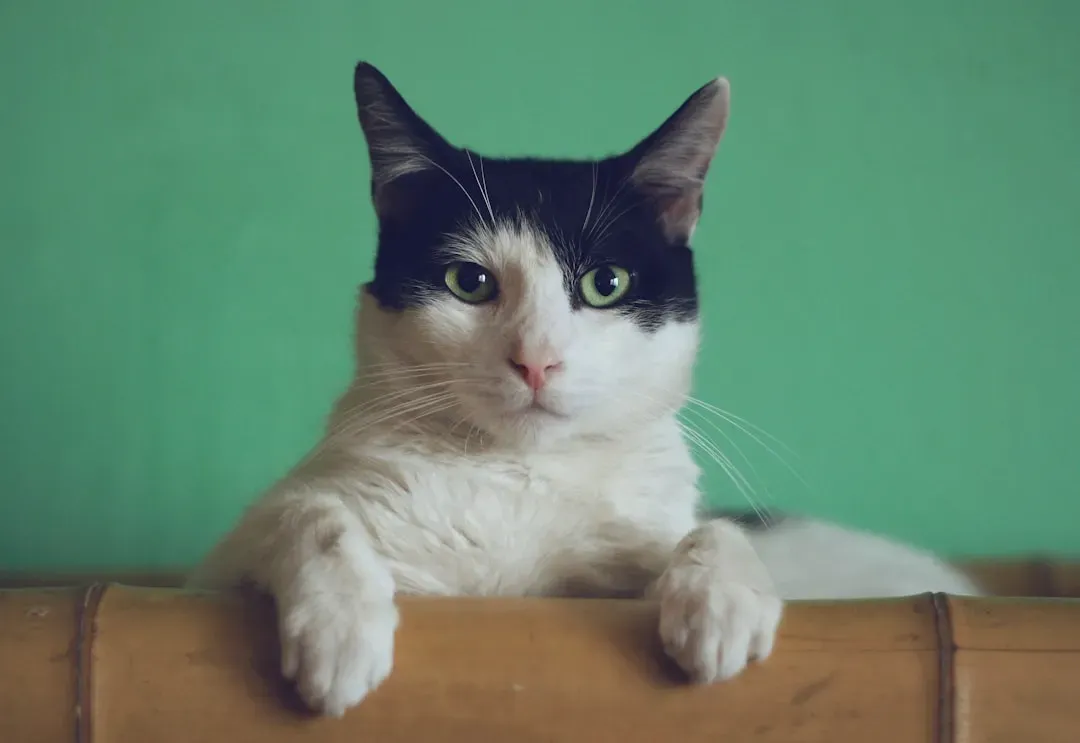
Mindfulness is defined as the art of bringing one’s attention to the present experience on a moment-by-moment basis, and by heightening awareness of our thoughts, feelings and surrounding environment, we engage all of our senses. As every cat person knows, cats are zen masters, demonstrating this principle constantly.
Cats are zen masters who are either eating, sleeping, or transitioning between the two, and they aren’t eating while on smartphones or watching TV while doing homework. They give their full attention to whatever they’re doing in that exact moment. When they eat, they eat. When they sleep, they sleep. When they hunt, nothing else exists.
Meditation with cats also allows us to observe their innate ability to live in the present moment, as cats are true masters at embracing life’s simple pleasures like chasing after toys or basking in the sunlight, and following their lead we can learn to let go of worries and distractions, focusing solely on the here and now. They’re not planning tomorrow’s meal or replaying yesterday’s failures. The simplicity is profound.
Solitary Practice Meets Social Connection
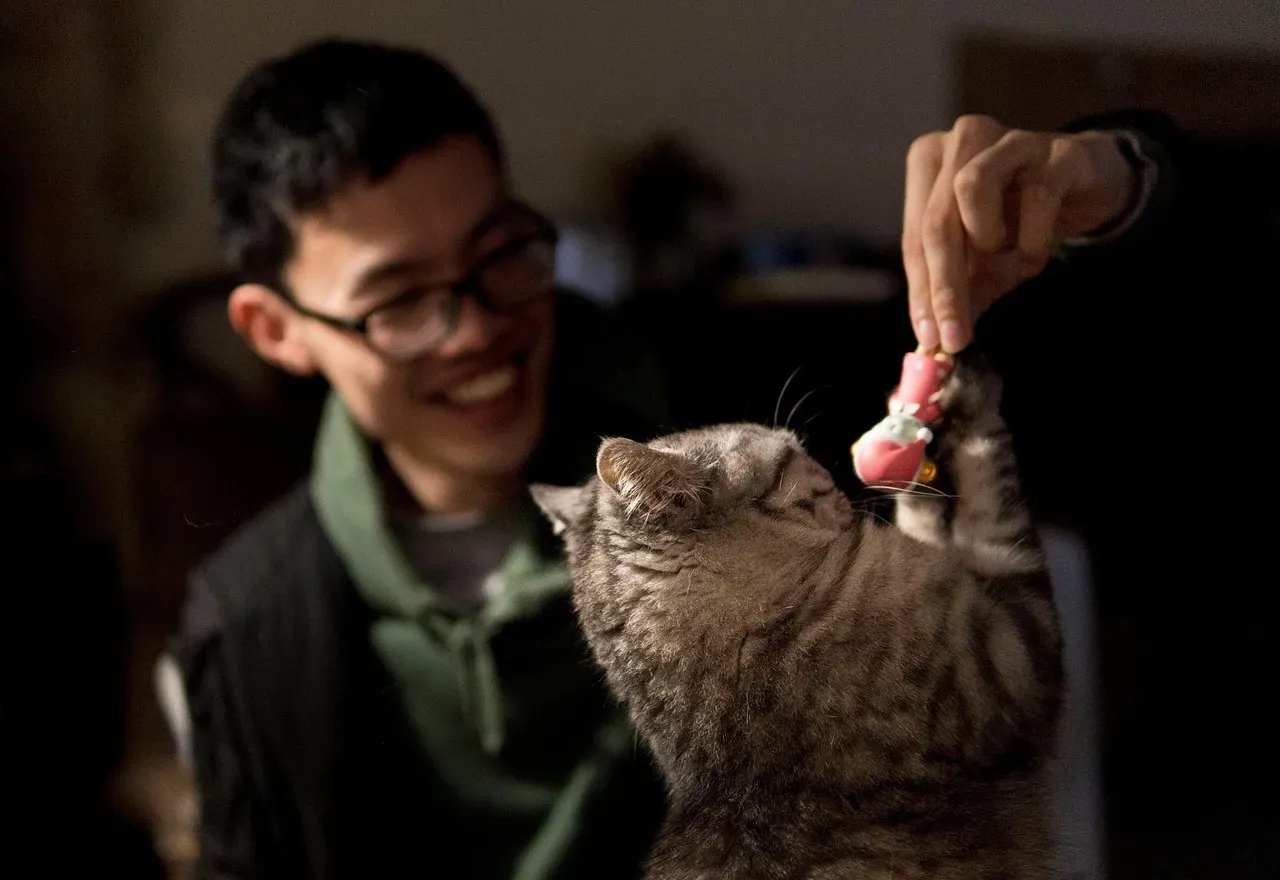
Much like their wild ancestors, domestic cats are solitary hunters, yet they’ve mastered balancing independence with social bonds. Interactive play with you, their favorite human, is the most meaningful type of activity for cats, as it not only satisfies hunting instincts but also reinforces trust and affection.
Human-animal interactions, such as play, are likely to impact the dynamic and quality of relationships between cat and guardian, and considering play may be integral to forming and maintaining social skills and communication in animals, play may also be capable of assisting in establishing and maintaining healthy cat-guardian relationships. They don’t need constant companionship, but they value meaningful connection.
Cats form secure attachments to owners in ways similar to infants with caregivers. They’ve figured out how to maintain their independence while creating deep bonds. That balance between solitude and connection is something many humans struggle to achieve in their relationships.
The Wisdom of Incomplete Sequences
This completion ritual appears crucial for feline satisfaction, as interrupted play leaves cats visibly frustrated, often leading to redirected aggression or obsessive behaviors. Cats understand the importance of finishing what they start. Laser pointers famously frustrate cats because they violate the natural progression, disappearing without allowing the critical kill phase, which explains why cats frequently return to stare at the last laser spot as their brain awaits closure to the hunting sequence.
There’s profound wisdom here about the psychological need for completion. Cats have a strong natural instinct to hunt and engage in predatory behaviors consisting of predatory sequences such as locating, capturing, killing, preparing and eating their prey, and even indoor cats that are well fed still need to engage in these natural behaviors, which they can display during play based activities.
Half-finished tasks leave us mentally burdened. Cats instinctively know that true satisfaction comes from seeing things through to completion. They demand resolution, understanding that the journey and the destination both matter equally.
Environmental Mastery and Territorial Zen
Cats are fully present in life, very aware of what’s going on around them, and this extends to their entire environment. Recent research shows that cats regularly keep a mental tab on where their guardian is within the house. They’re constantly mapping their world without appearing stressed by the task.
Cats are inherently curious creatures, and providing them with engaging toys, scratching posts, and climbing structures can foster their natural instincts, reducing stress and anxiety while keeping them physically active and satisfying their mental needs. They understand their domain intimately.
Indoor only cats showed more intense reaction than indoor-outdoor cats to artificial stimuli, and these cats were more interested in stimuli that show more or less resemblance with prey even though completely deprived of experience with live prey, which could be explained by higher play drive due to lack of stimulation, less refined prey recognition, or reduced fear due to lack of experience. They adapt their mental state to their circumstances, finding challenges wherever they are.
Turning Everyday Moments Into Practice
You don’t need a meditation cushion or special equipment to learn from cats. Since cats are little Zen masters, they can help us get comfortable with meditation, and having a cat join meditation practice has a grounding effect. Simply observing them teaches volumes about being present.
Paying attention to our cat’s reactions to our emotions can help us become more aware of our own feelings. They become mirrors for our own mental states. Cats spend a lot of their time sleeping or in a state of relaxation, showing us the importance of rest and mindfulness, and the sound of a cat’s purr has a calming effect that can enhance our meditation experience.
The quality of spending time like this with a cat far outweighs the inconvenience of stopping what you’re doing, and all that busy-ness will still be there when the meditation’s over. Maybe the most important lesson cats teach us is that productivity isn’t everything. Sometimes the most productive thing you can do is simply be.
So next time your cat seems to be doing absolutely nothing, pay closer attention. What did you expect, that they were wasting time? They’re demonstrating a level of mindfulness that most humans spend decades trying to cultivate through expensive retreats and guided apps. Your furry companion has been a Zen master all along, patiently waiting for you to notice. What do you think about it? Are you ready to learn from your cat’s approach to living in the moment?