You might think you know your cat. After all, you share your home, your space, sometimes even your bed with them. Yet your feline companion could be having entire conversations with you that you’re completely missing. The language? It’s written in their eyes.
Those mesmerizing orbs aren’t just for seeing. They’re windows broadcasting emotions, intentions, needs, and warnings. Your cat has been trying to communicate this way all along. The question is, have you been paying attention?
The Slow Blink: Your Cat’s Love Letter
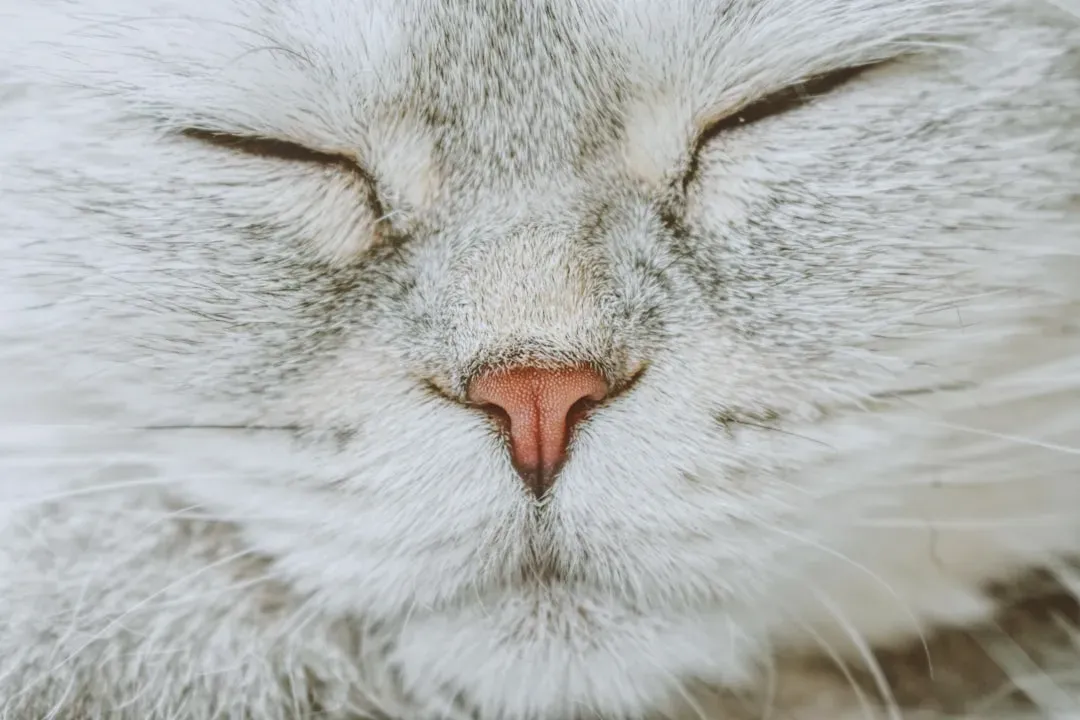
When your cat looks at you with half-closed, sleepy eyes and blinks slowly, it’s expressing love and trust. Think of it as the feline equivalent of blowing you a kiss. In the feline world, closing their eyes in the presence of another creature makes them vulnerable, as they are unable to detect potential threats. So when your cat deliberately shuts their eyes in front of you, even momentarily, it’s incredibly meaningful.
Research has revealed that cat half-blinks and eye narrowing occurred more frequently in response to owners’ slow blink stimuli towards their cats, and cats had a higher propensity to approach the experimenter after a slow blink interaction than when they had adopted a neutral expression. You can actually return this gesture. Try narrowing your eyes gently and closing them for a second or two when your cat gazes at you. They’ll often reciprocate, strengthening your bond.
Dilated Pupils: The Excitement and Fear Indicator
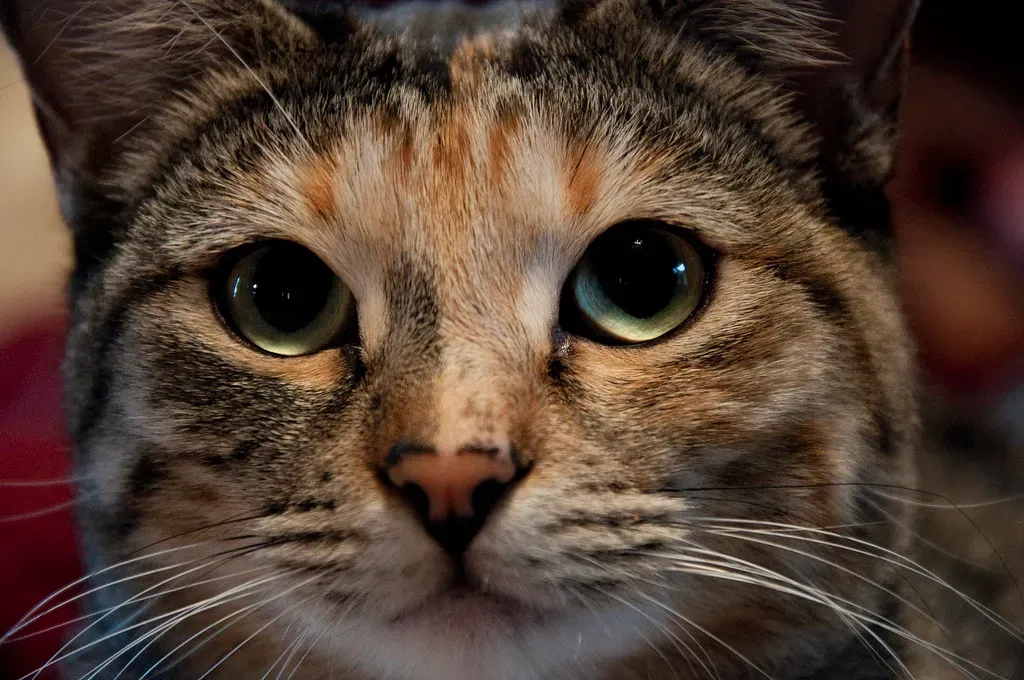
Have you ever noticed your cat’s pupils suddenly expanding to massive black saucers? When your cat’s eyes are wide with dilated pupils, this can be from excitement, such as when cats widen their pupils when they’re focusing on prey. This physiological response happens because their body is preparing for action.
When a cat is startled or frightened, its pupils may instantly widen, which sharpens visual input and primes the cat to escape potential dangers. Context matters immensely here. Wide pupils paired with a playful wiggle before pouncing? Pure joy. Wide pupils combined with flattened ears and a tense body? Your cat is genuinely scared and needs reassurance, not interaction.
Constricted Pupils: Reading the Danger Signs
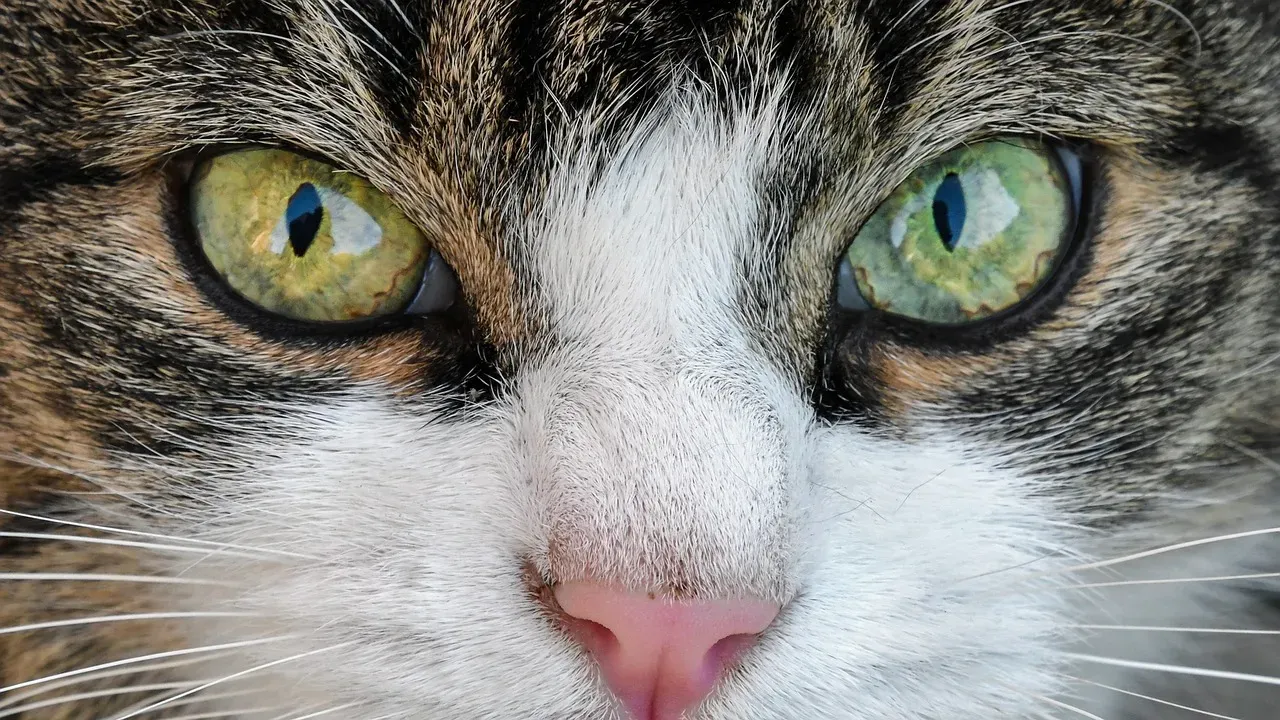
The opposite of those big, dilated eyes can be equally telling. Constricted pupils can indicate your cat is agitated or angry, and if your cat’s eyes are big and round and their pupils are the size of pinpricks, it means they are preparing to attack a perceived threat. Narrow, slit-like pupils in bright light are perfectly normal, of course.
However, if you see those pinprick pupils combined with direct staring, stiff body posture, and perhaps a swishing tail, your cat is communicating aggression or intense focus. When a cat’s pupils become thin vertical lines, it could mean they’re feeling aggressive or threatened – especially if paired with flattened ears and a twitching tail. This is the moment to give your cat space.
The Hard Stare: More Than Just Intense Focus

Cats are famous for their unblinking stares, whether directed at you, at the wall, or at seemingly nothing at all. A direct stare in feline parlance is threatening and confrontational. When cats stare without blinking at each other, they’re often engaged in a battle of wills, establishing dominance or defending territory.
Extended eye contact with few blinks can suggest dominance, aggression, or discomfort. If your cat is staring at you intensely, it might not be affection. They could be asking for something specific like food or playtime, or they might be uncomfortable with something you’re doing. Occasionally, though, cats simply zone out. You just happen to be in their line of sight.
Squinting and Half-Closed Eyes: The Contentment Code
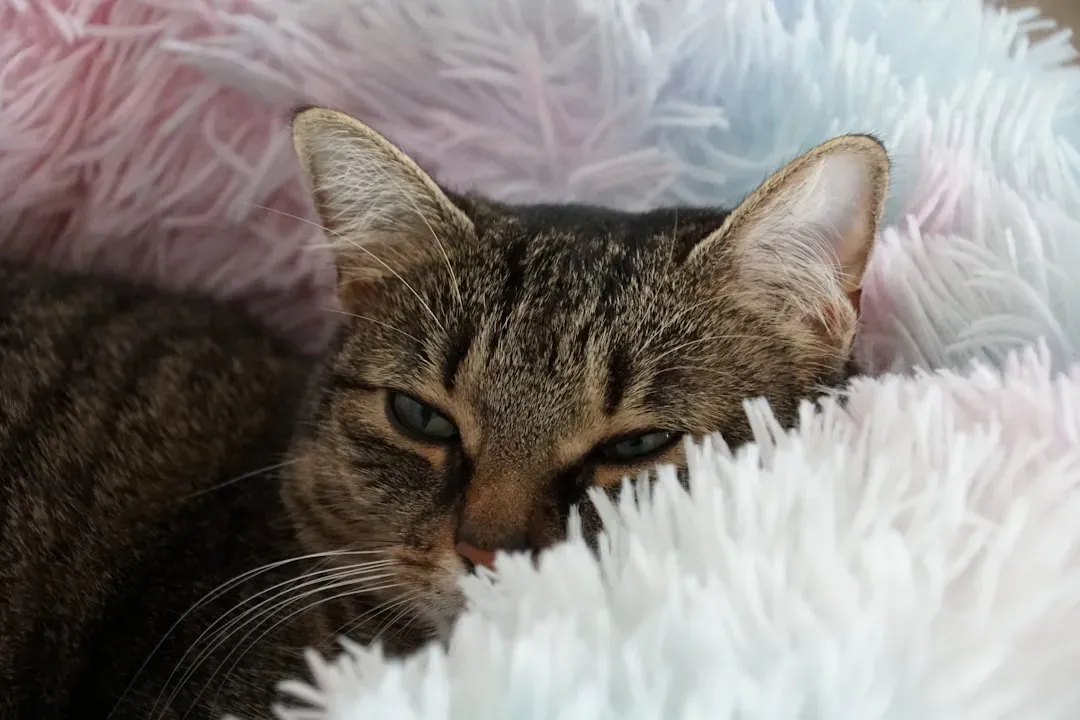
Squinted or half-closed eyes are a sign of affection, relaxation and trust, and if a cat looks like they’re about to fall asleep, they’re relaxed and they trust you. This dreamy, soft-eyed expression is one of the most heartwarming sights for any cat owner. Your feline friend is essentially telling you everything is perfect in their world right now.
When you see this expression, your cat is in their happy place. Their guard is completely down. They’re not monitoring for threats or planning their next move. They’re simply existing peacefully in your presence, which is a huge compliment in the cat universe.
Looking Away: Respect and Submission
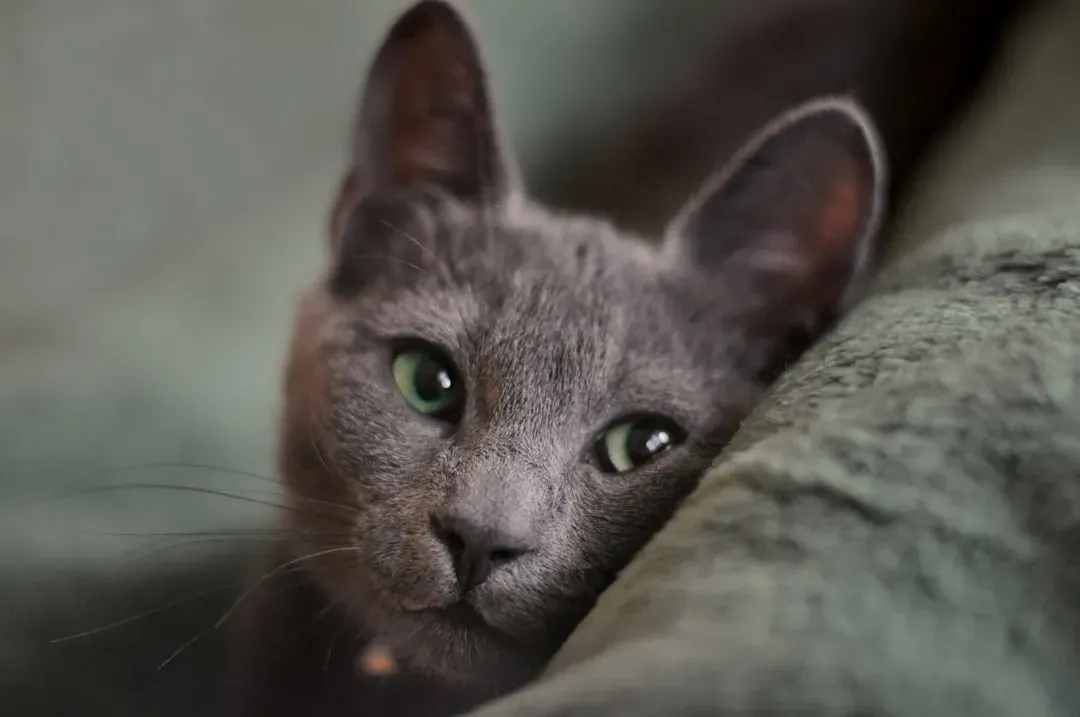
You might feel offended when you’re trying to interact with your cat and they deliberately look away from you. Don’t be. A cat looking away after a slow blink does not indicate distrust or disinterest; on the contrary, it frequently signifies comfort and respect, and this behavior is rooted in feline communication and social dynamics. In cat language, avoiding direct eye contact is often a polite gesture.
Between cats, looking away is a way to de-escalate potential conflict. It’s a signal that says, “I’m not challenging you.” When your cat does this with you, especially after a slow blink exchange, they’re demonstrating that they’re comfortable and don’t feel the need to maintain vigilant eye contact. It’s actually a sign of a secure relationship.
Changes in Eye Appearance: When to Worry
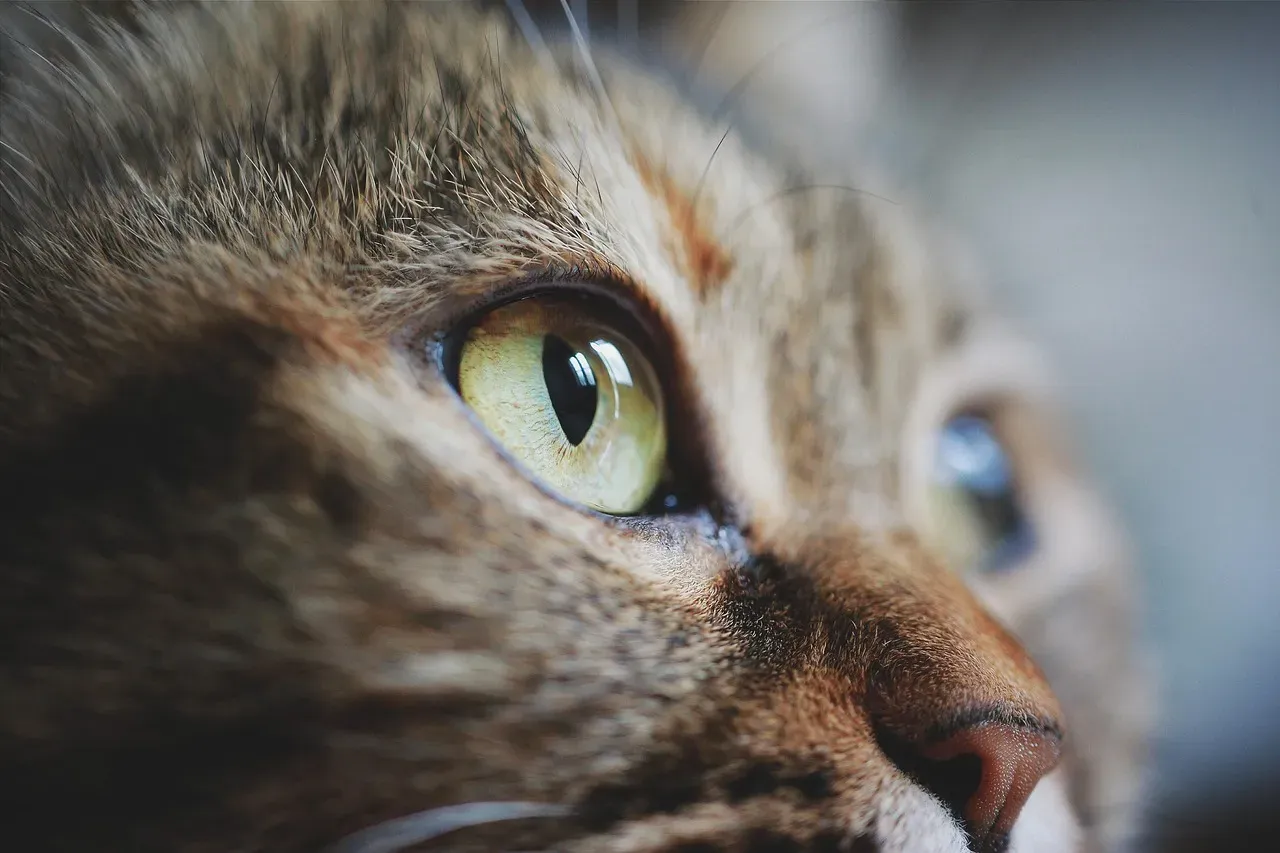
If your cat is squinting, particularly in one eye, or if the eye is watering a lot or has discharge, it’s time to take your cat to the veterinarian for an evaluation. While behavioral eye signals are fascinating, physical changes to your cat’s eyes can indicate serious health problems that require immediate attention.
Sudden blindness with dilated pupils can indicate retinal detachment, often due to high blood pressure; seek immediate veterinary care, as prompt treatment offers the best chance to save your cat’s vision. Cloudiness, redness, excessive tearing, or visible third eyelids that don’t retract should never be ignored. Your cat’s vision depends on prompt veterinary care.
The Third Eyelid: A Hidden Health Indicator

Many people don’t realize cats have a third eyelid, scientifically called the nictitating membrane. The third eyelid is a thin, pale membrane tucked into the inner corner of a cat’s eye. Normally, you might see just a tiny sliver of it. If this membrane is suddenly visible across a larger portion of your cat’s eye, something’s wrong.
The third eyelid should retract entirely when your cat is fully awake and alert, and particularly if in one eye, your cat may have Horner’s syndrome, or if bilateral, dehydration or systemic illness; which can be a sign of disease. It can also indicate dehydration or illness. This is one situation where you shouldn’t wait to see if things improve on their own.
Reading the Whole Picture: Eyes Plus Body Language
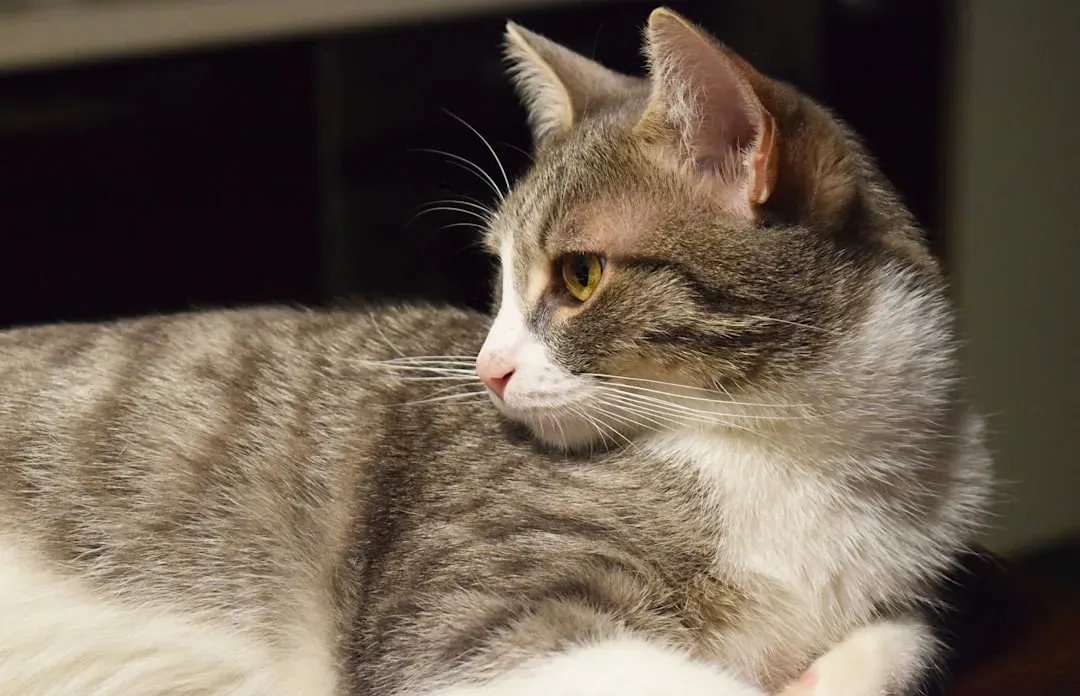
Your cat’s eyes communicate emotions through physiological changes in pupil size and eyelid position. However, eyes never tell the complete story in isolation. You need to look at your cat’s entire body to accurately interpret what they’re feeling.
By deciphering the subtle non-verbal communication cues provided by their ears, eyes, tail, whiskers and behaviors, we can gain valuable insights into a cat’s current emotions, and this knowledge allows us to respond appropriately, ensuring positive and respectful interactions. Tail position, ear direction, whisker angle, body posture, and vocalizations all work together with eye signals to create a complete communication package.
Building Trust Through Eye Communication
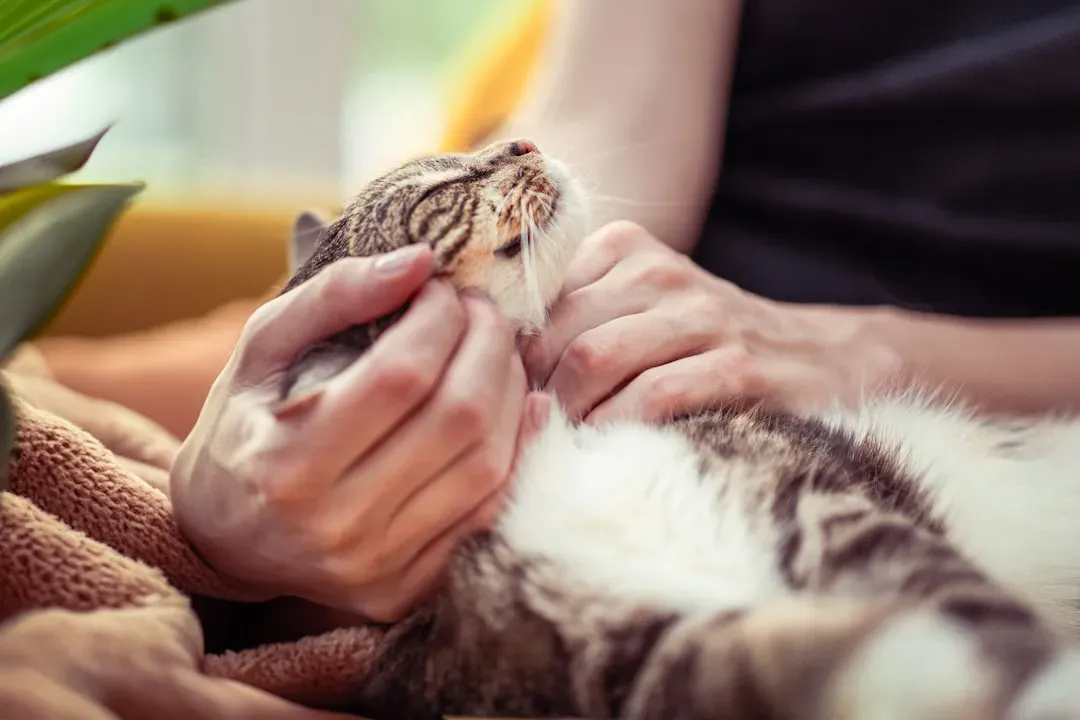
Research conducted by the University of Sussex found that cats are more likely to slow blink at their owners when their owners slow blink at them, and cats were more likely to approach an experimenter who had slowly blinked at them compared to an experimenter who maintained a neutral expression. This scientific evidence proves what many cat lovers have sensed instinctively: you can genuinely communicate with your cat through eye contact.
Start practicing slow blinking when your cat looks at you calmly. Be patient if they don’t immediately respond. Some cats are more expressive than others, and trust takes time to build. The effort is worth it, though, because learning your cat’s eye language opens up an entirely new dimension to your relationship.
Conclusion: The Unspoken Conversation
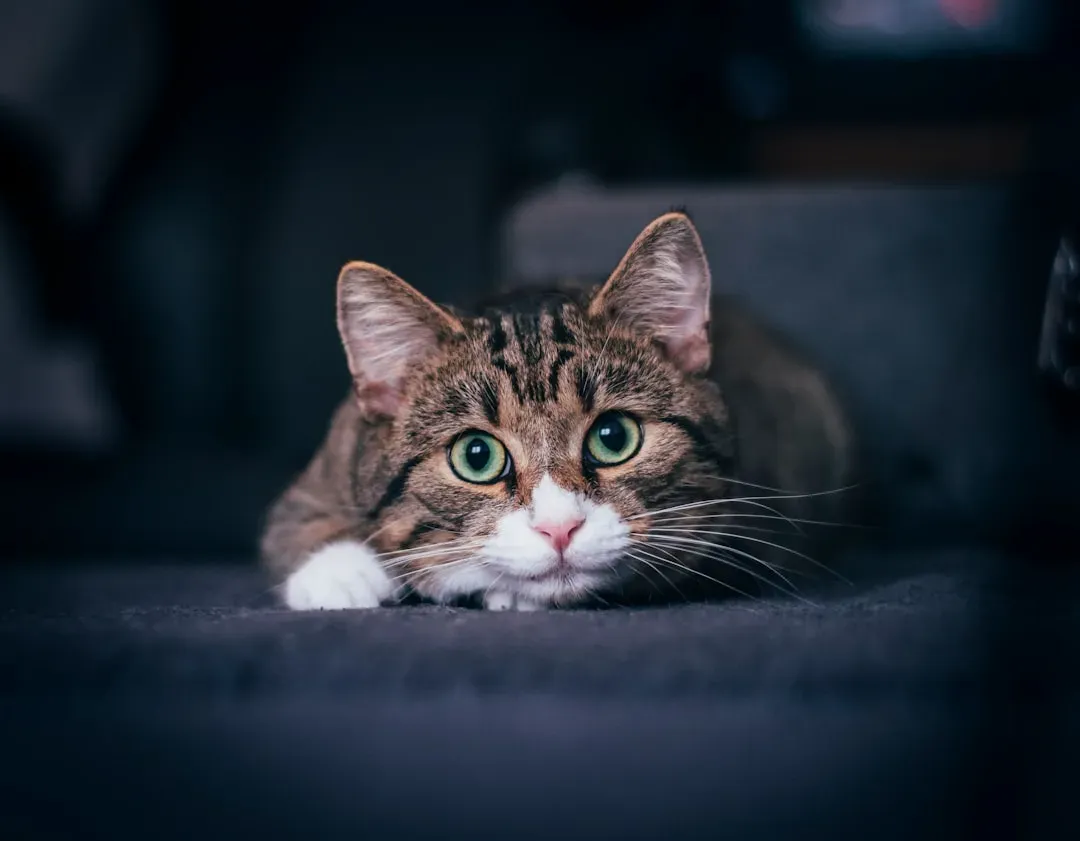
Your cat has been speaking to you all along through those captivating eyes. Every pupil dilation, every slow blink, every averted gaze carries meaning. Whether they are blue, green, or gold, round, oval, or almond-shaped, your cat’s eyes communicate emotions through physiological changes in pupil size and eyelid position. Now that you understand this silent language, you can finally have real conversations with your feline companion.
The next time your cat gazes at you from across the room, take a moment to really look back. Are they offering you a slow blink? Are their pupils dilated with excitement? Are they staring intensely because dinner is late? Their eyes are telling you exactly what they need, how they feel, and what they think of you. The real question is: are you listening?
What secrets have you discovered in your cat’s eyes? Have you tried slow blinking back at them?