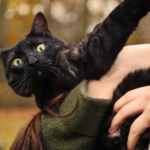
You’ve probably caught your cat snoozing in some truly bizarre positions and wondered what on earth goes through that furry little head. Maybe they’re sprawled out like a superhero, tucked into a perfect loaf, or curled so tightly you can barely see where their head ends and their tail begins. Here’s the thing: these aren’t just random choices made in pursuit of comfort. Each position your feline friend adopts while sleeping tells a story about their emotional state, their level of trust in you, and sometimes even their health. Let’s dive into the secret language of cat sleep positions and discover what your kitty is really trying to communicate.
The Curled Up Ball: A Tale of Warmth and Caution
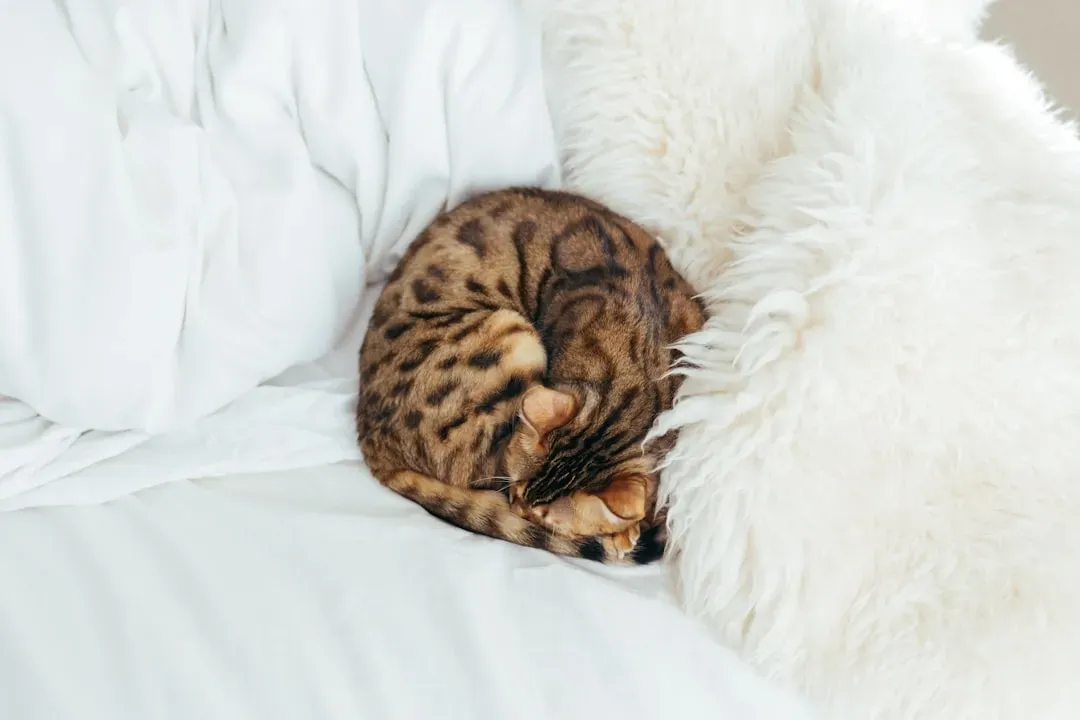
When your cat sleeps curled up in a ball with nose to tail, they’re doing more than just looking adorable. This shape helps them retain body heat while also protecting vital organs in their abdomen by surrounding them with less essential and more resilient muscle and bone. Think of it as their own personal security blanket combined with a heating system.
If you notice your feline friend sleeping in this position, they may be feeling a bit chilly, or it may be a sign that they are feeling a little vulnerable, and sleeping in such a position helps them feel more secure and safe. It’s basically their way of saying they’re comfortable, but not quite comfortable enough to let their guard down completely. This sleeping position helps cats to keep warm and also protects their vital organs, meaning it’s commonly used by cats in the wild.
Belly Up: The Ultimate Trust Fall
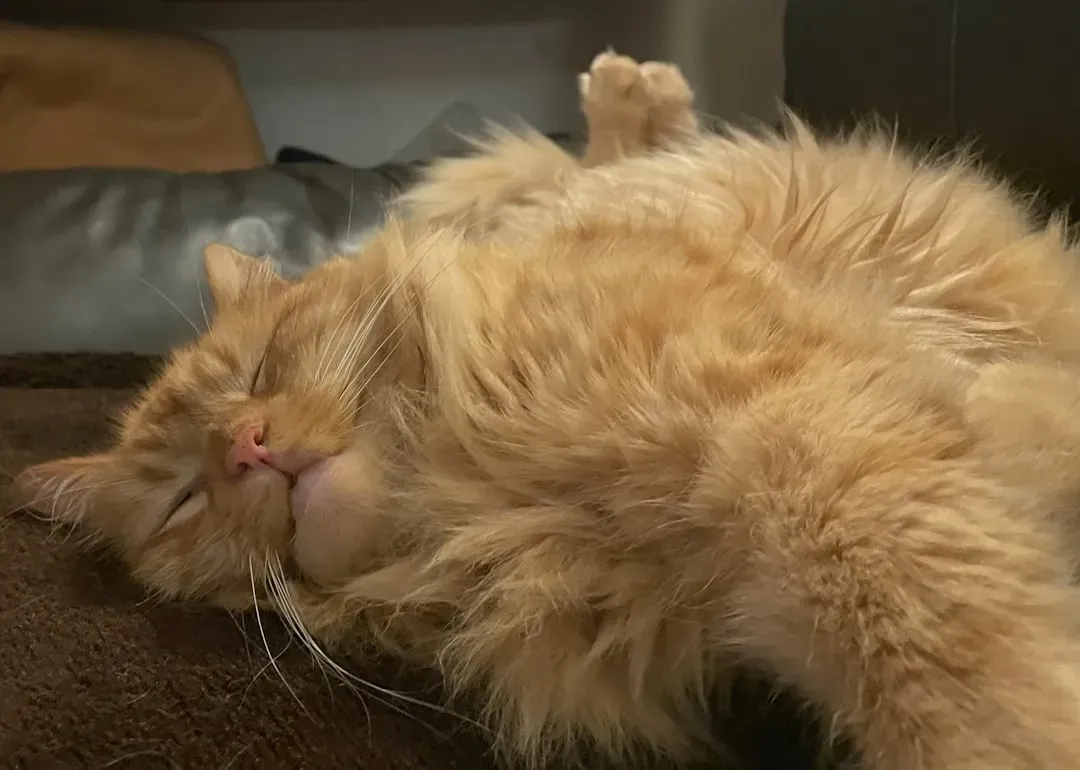
You’ve probably seen your cat sleep on their back, with their front legs either resting on their belly or outstretched over their head, and their belly fully exposed. Cats instinctively protect their vulnerable organs, so if a cat is sleeping with their belly exposed, it means they feel very safe and confident. Let’s be real, this is the highest compliment your cat can give you.
In the wild, exposing that soft underbelly would be absolutely reckless. The stomach is the most vulnerable part of a feline’s body. By exposing it, your cat is signaling that they perceive zero threats in your home. It’s hard to say for sure, but when you see this position, you’re witnessing pure feline contentment. Just resist the urge to rub that fluffy belly, because that’s often a defensive reflex trigger.
The Famous Cat Loaf: Relaxed Yet Ready
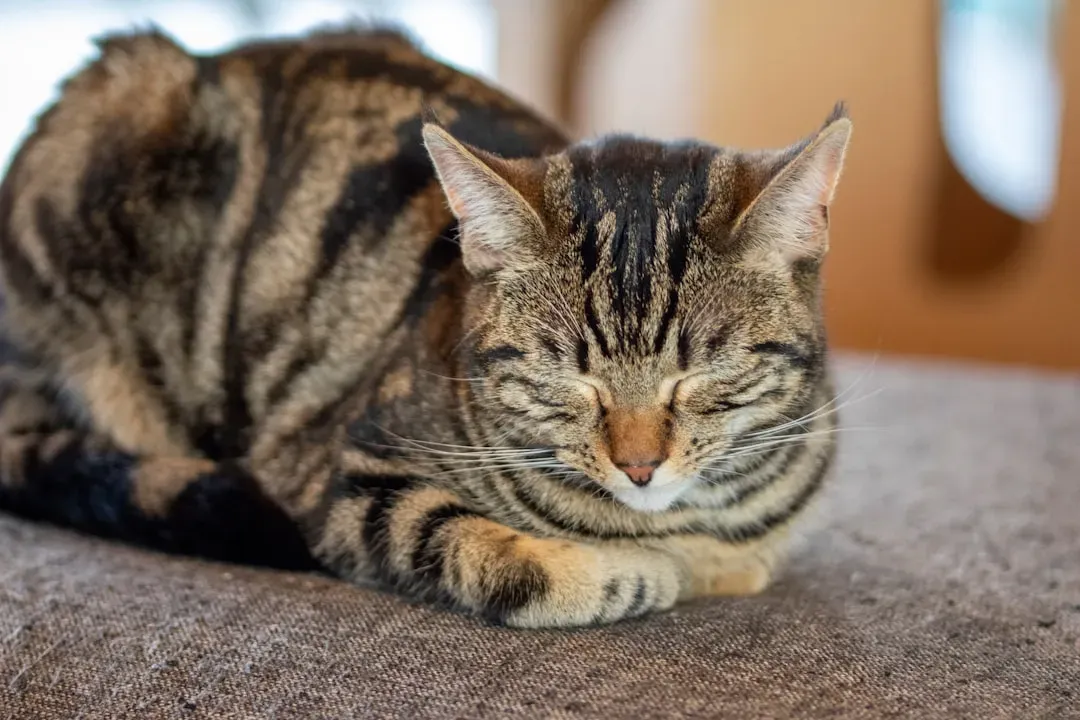
This position resembles the shape of a loaf of bread. Cats sleeping in this position keep their front paws curled underneath their body, with their head up. This position preserves a cat’s body heat and protects their vital organs. The internet has gone absolutely wild for this pose, and honestly, who can blame them?
Cats typically assume this position due to contentment. The classic version is shown by cats that are comfortable in their surroundings. Cats are relaxed when in this position. The classic cat loaf position shows a relaxed but alert cat. While they aren’t in deep sleep, they’re conserving warmth and staying ready to react. This posture often indicates contentment in a calm environment but also a desire to remain semi-aware of their surroundings. Think of it like when you’re lounging on the couch but still keeping one eye on your phone.
Side Sleeping: Deep Trust on Display
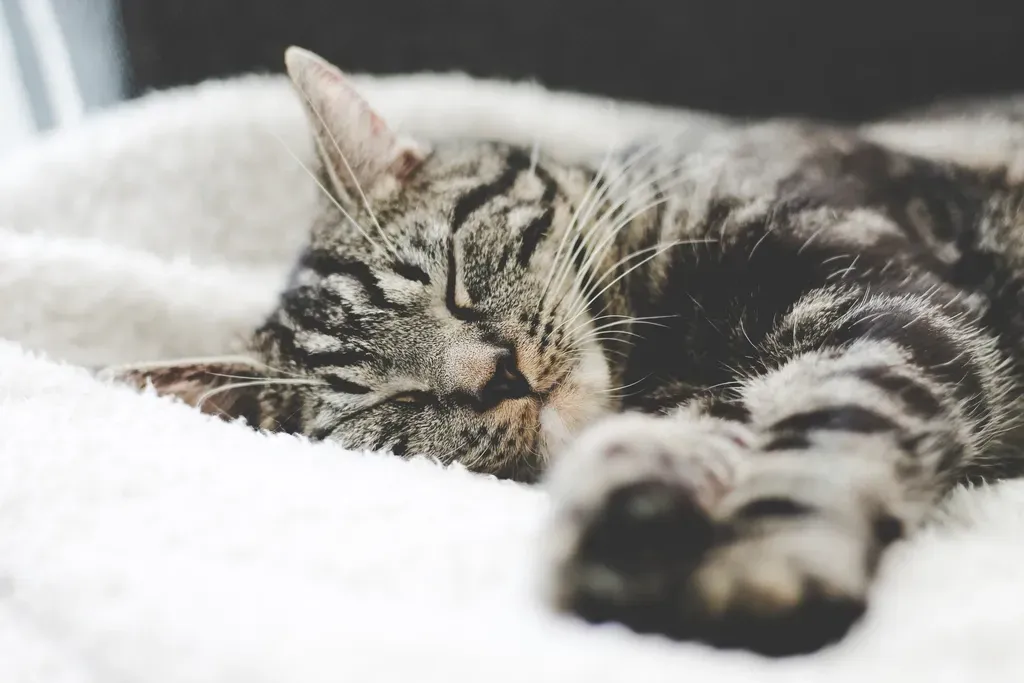
A cat lying on its side with limbs outstretched is in a deep, restful sleep. It means they’re feeling safe, stress-free, and completely at ease in their environment. This position is usually seen in well-adjusted, confident cats. When your cat chooses this vulnerable position, take it as a personal victory.
If your cat is an avid side sleeper, then this means that they really do trust and feel comfortable around you, as this is one of the cat sleeping positions that leaves your feline friend most vulnerable. Unlike the loaf position that allows for quick escapes, side sleeping means they’ve basically turned off their internal alarm system. You might even spot their paws twitching as they chase dream mice through imaginary gardens.
The Superman Stretch: Chillin’ Like a Villain
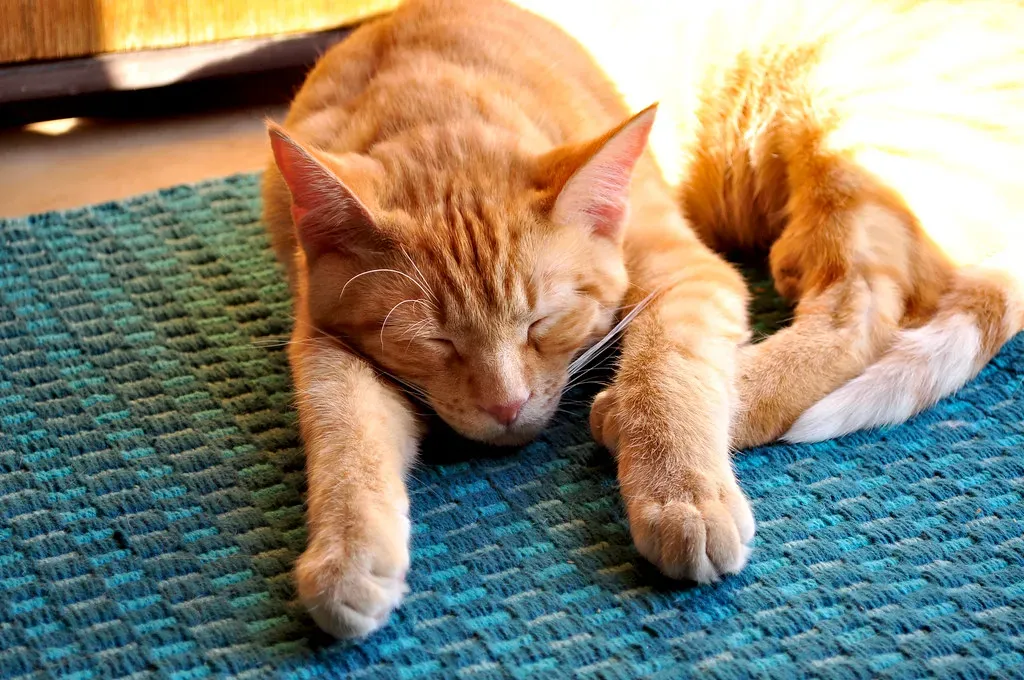
In the Superman position, the cat lies on their belly. Their front legs and paws are stretched forward, and their back legs and paws are stretched behind them, like Superman in flight. Cats can be relaxed in this position, but all four paws are still extended and ready to for action. This one’s particularly comical if your cat happens to be especially fluffy.
The superman can be a bit of a comical sleeping position, especially if you have a particularly furry feline friend. This cat sleeping position is when your pet is stretched out, whilst laying flat on their belly, with their paws stretched out too. This is another deep sleep position and also shows that they are very relaxed. They might also choose this pose when they’re trying to cool down on a warm surface. It’s their version of sprawling on a cold tile floor during summer.
Paws Over Face: The “Do Not Disturb” Signal
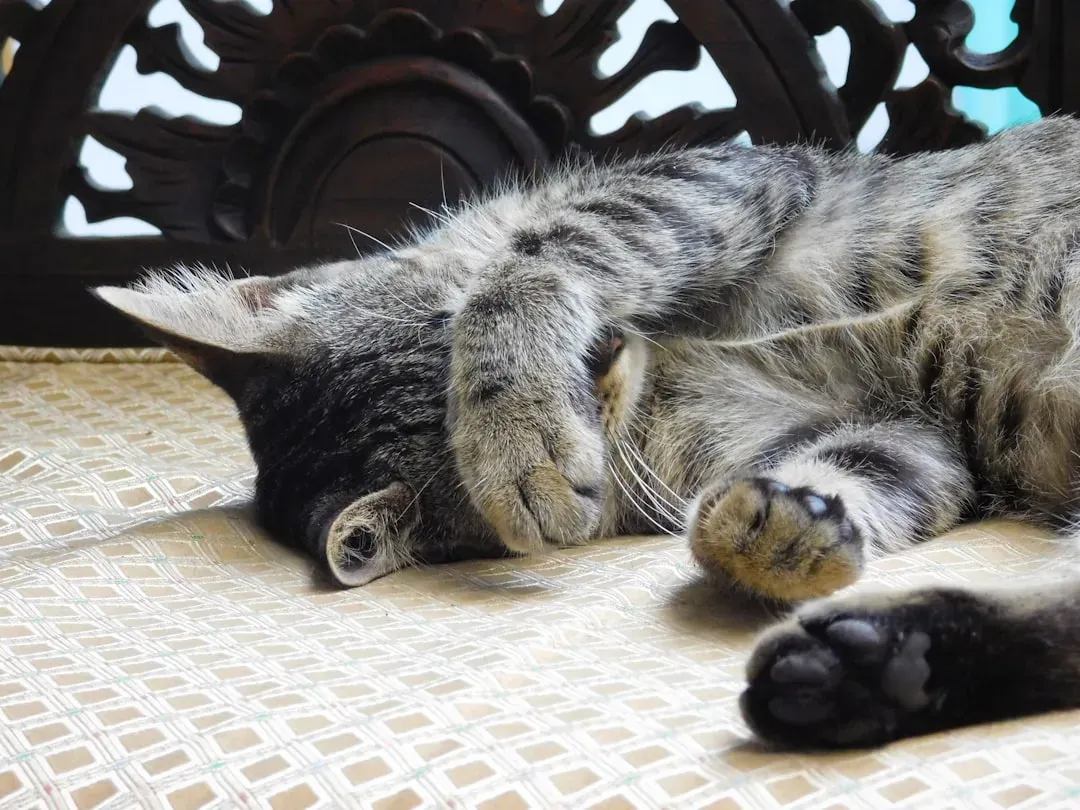
Of course it’s cute when your cat sleeps with their paws covering their eyes, but there is a good reason for this behavior. Putting their paws over their face can provide some insulation and warmth, for both the paws and the face. A cat’s paws can also act like a sleeping mask, blocking out harsh light or even dust or pollen. Basically, your cat has invented their own sleep mask.
When a cat sleeps with their paws covering their face, it is the universal sign for “do not disturb.” They may be trying to block out bright light or protect their sensitive nose from a draft. It serves as a physical barrier to the outside world, indicating that your cat is seeking a deep, uninterrupted slumber and would prefer you keep the noise down. Translation: they’re asking for some peace and quiet, even if they look impossibly adorable doing it.
The Contortionist: Peak Flexibility Meets Deep Sleep
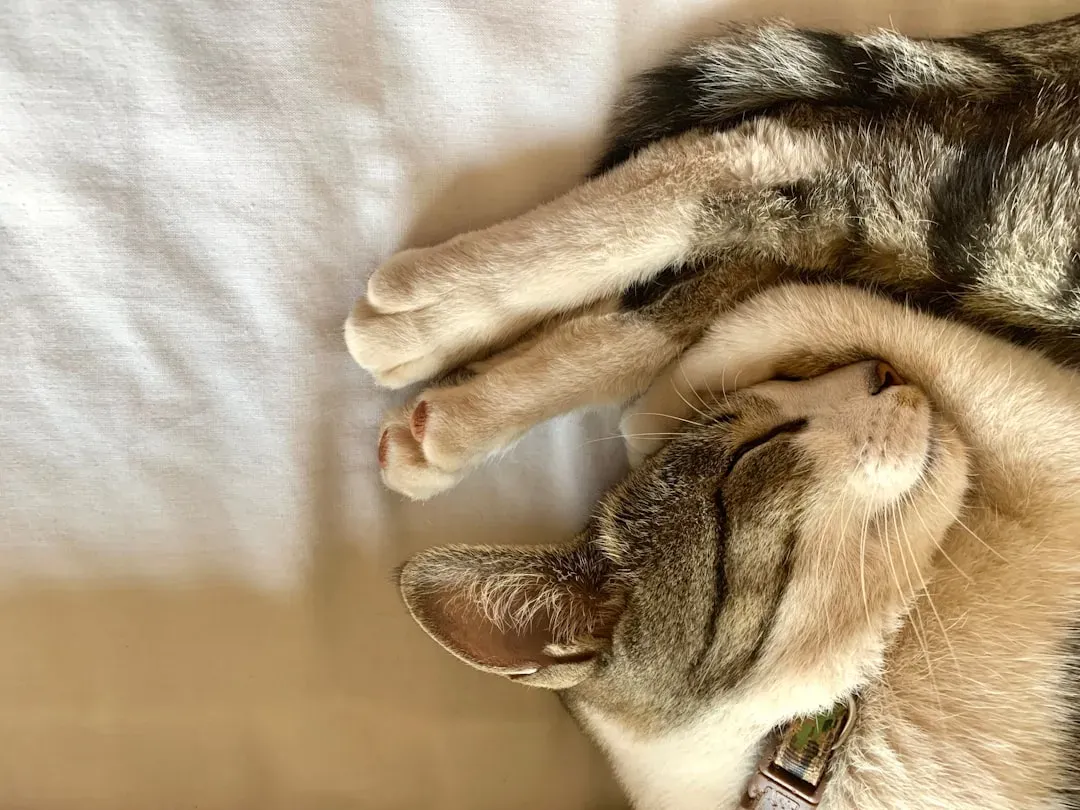
This is a sleeping position that may appear incredibly uncomfortable, but it’s quite the opposite. There isn’t any real reason why cats choose to sleep like this, the only thing we can assume is that it is comfortable, as many tend to sleep in this position. If you see your cat sleeping with its back and front legs pointing different ways, and head twisted around, know that they aren’t in any pain, but quite the opposite!
Cats that twist themselves into odd, contorted positions are usually in complete relaxation. It may look uncomfortable, but it signals deep sleep and physical flexibility. This often occurs in playful or confident cats that feel no need to hide or protect themselves. Their anatomical structure allows them to twist into shapes that would send humans straight to the chiropractor. It’s actually a sign they’re feeling pretty fantastic.
Eyes Half Open: The Light Sleeper Mode
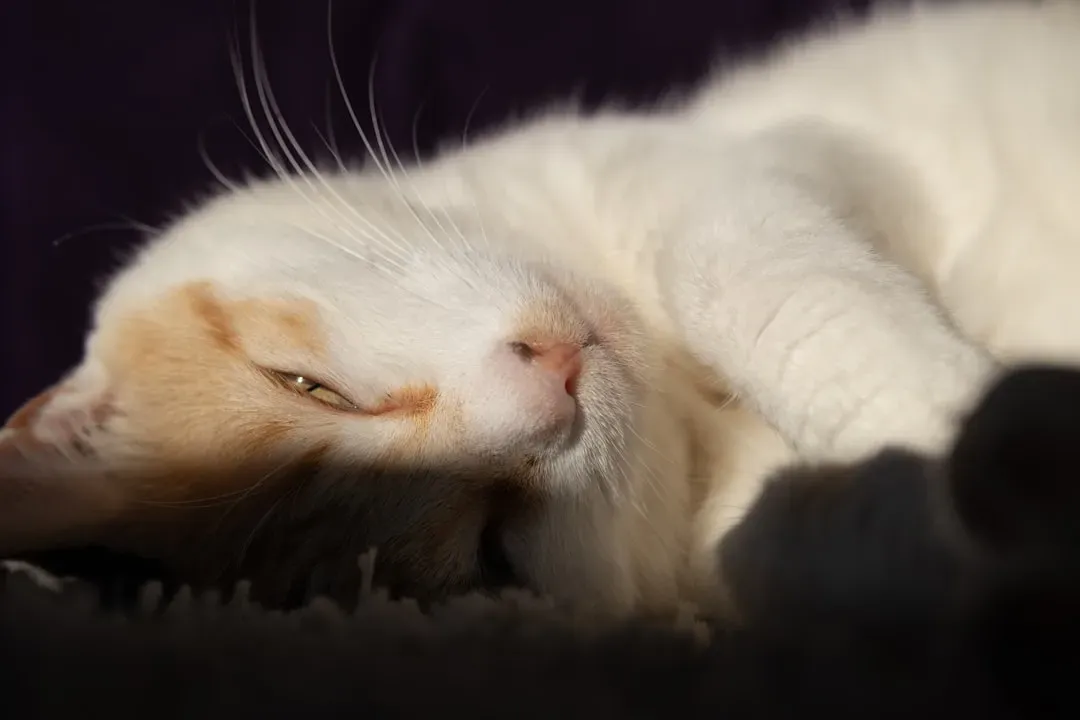
From time to time, you may have noticed that your cat looks as though they are squinting or, just about to fall asleep, with their eyes half-closed. If your cat is sleeping in this position, it may be because they feel they are in an environment where they need to be able to act quickly, as they don’t want to be met with any potential threats at the last minute. This isn’t exactly deep slumber territory.
If your cat seems to be dozing with eyes partly open, they’re in light sleep mode. This half-alert state is common in cats who want to rest but feel they need to stay aware of potential changes or noise. It shows caution, or simply a habit from their wild ancestors who had to stay on guard. Even domesticated cats retain these ancient instincts. They’re basically power napping while keeping one foot in the waking world.
Cuddled Up With You: The Love Language of Cats
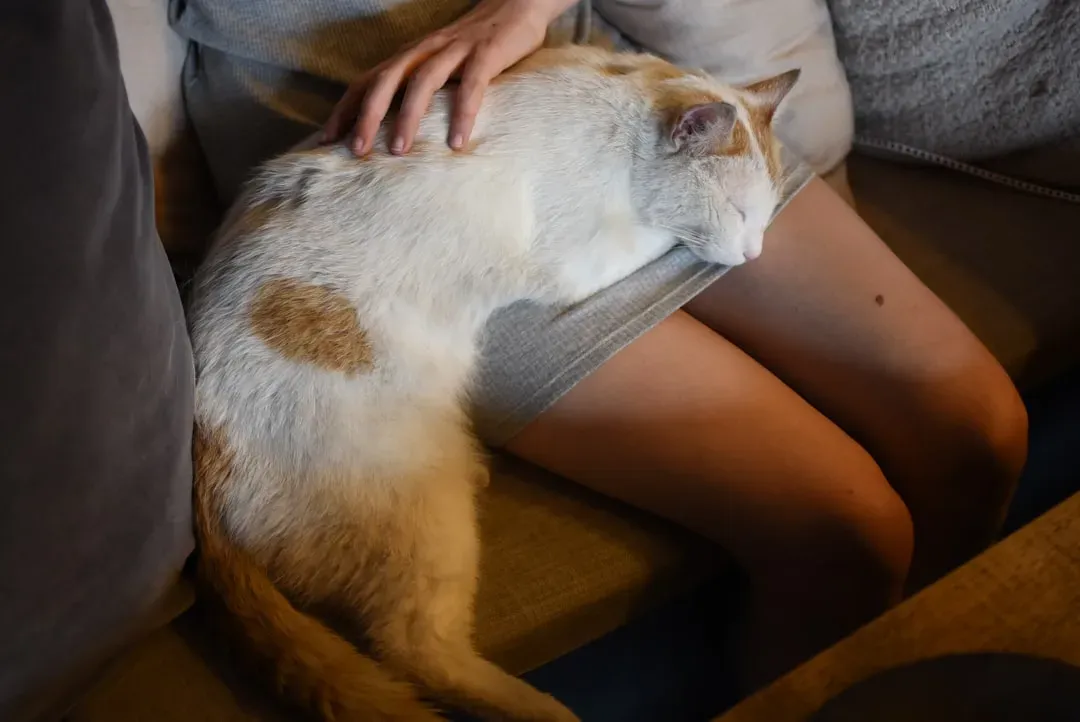
Two cats sleeping snuggled up together are absolutely adorable. They may do this when they’re a little cold, but they’ll only sleep close together when they love and trust each other completely. The same goes when they choose to sleep on or near you. If your cat sleeps cuddled up in your lap during the day or snuggled on your chest or legs at night, then you’re one very lucky cat owner! This is a sign of love and trust.
One of the most intimate behaviors is when a cat settles directly on your sternum. The rhythmic sound of your heartbeat and the rise and fall of your breathing mimic the sensations they felt when sleeping against their mother and littermates. So when your cat transforms you into their personal mattress, they’re essentially saying you’re family. Pretty sweet, right?
Perched on High: The Strategic Snoozer
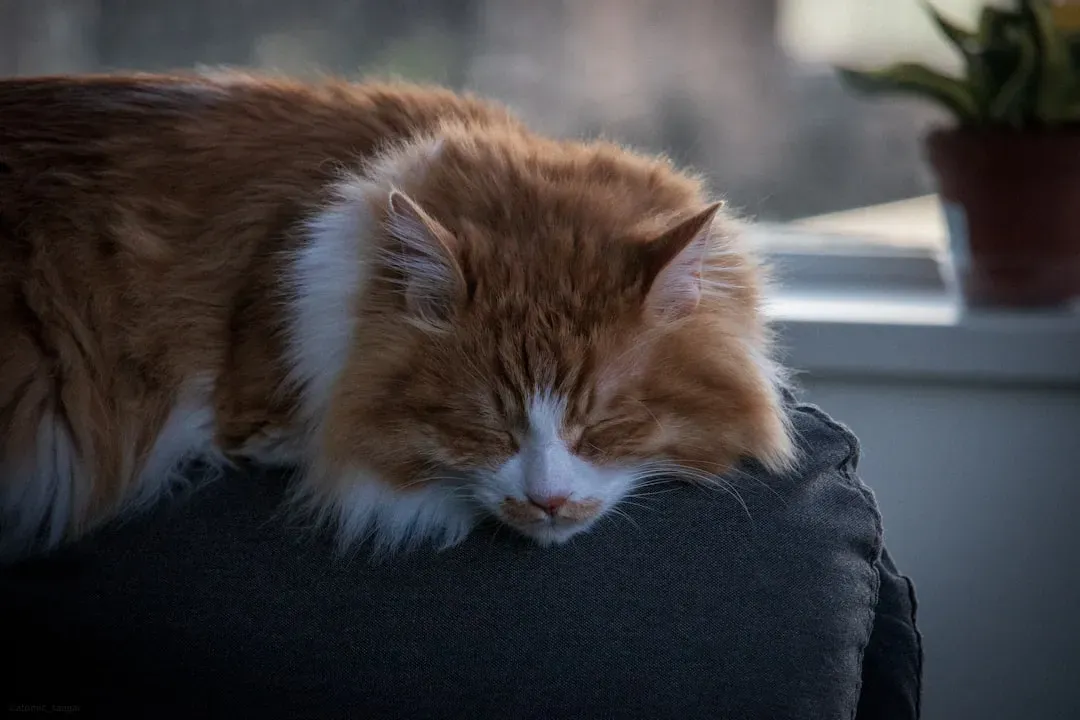
It may seem precarious when a cat sleeps perched on the back of a couch, the arm of a chair, or even on top of the refrigerator. But this sleeping position has its advantages. For one, with a high vantage point, cats are safe from potential predators while sleeping. Even in your safe home, those wild instincts kick in.
As a predator themselves, a perched sleeping position gives your cat a panoramic view to keep an eye on potential prey. In your home, the “prey” will most likely consist of cat toys instead of mice or squirrels, but the motivation for your cat remains the same. They’re surveying their kingdom from above, making sure everything’s running smoothly in their domain. Honestly, you’ve got to admire that level of commitment to territorial awareness, even during naptime.
When Sleep Positions Signal Something’s Wrong
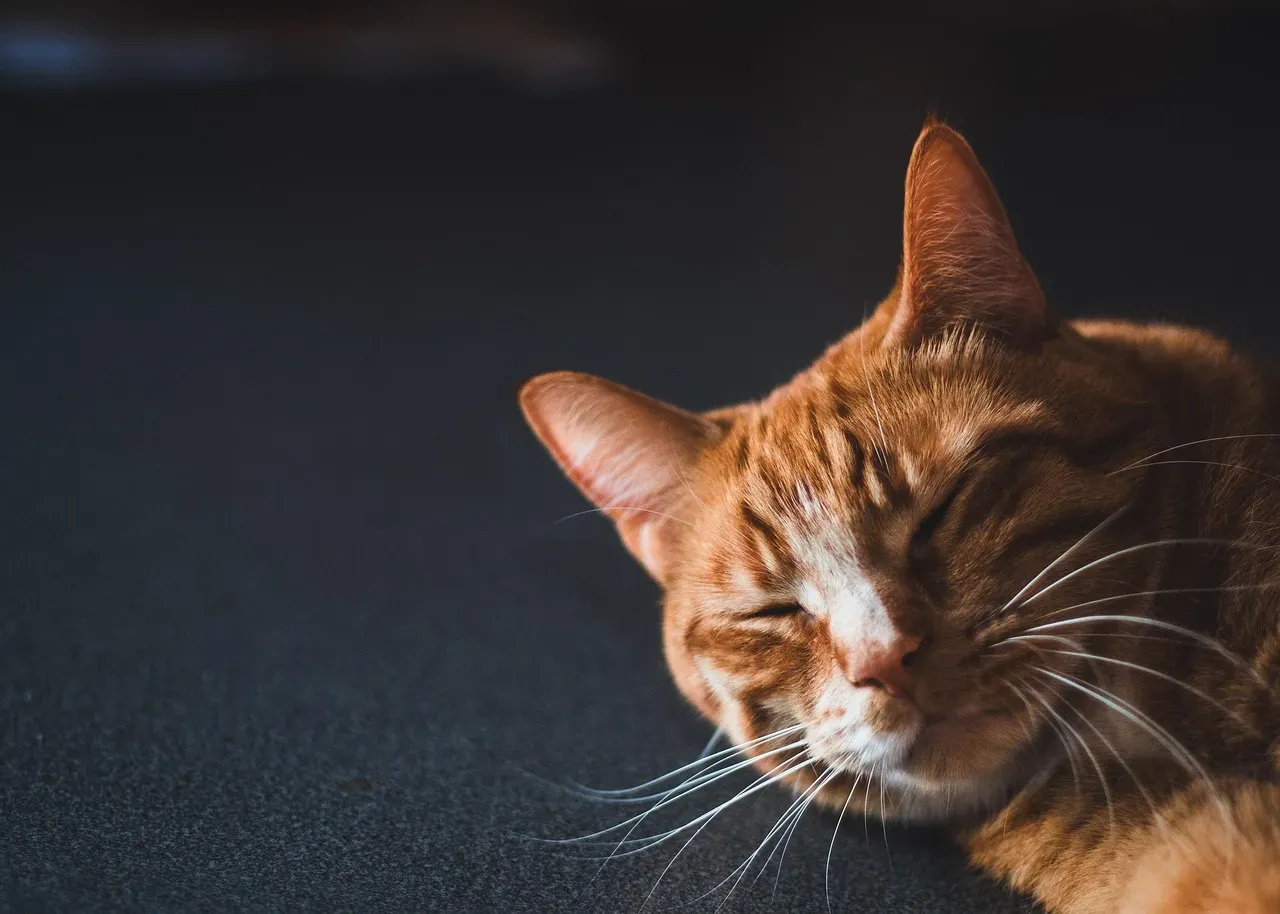
While most sleeping positions are perfectly normal, some variations deserve your attention. Variations of the meatloaf or face loaf position can sometimes signal the need for medical attention. Cats in this position may be experiencing limb pain due to injuries, ingrown nails, or over-grooming. A hunched meatloaf position may indicate abdominal pain, potentially related to conditions like chronic kidney or liver disease.
If your cat suddenly starts sleeping in abnormal spaces or exhibits changes in their sleeping postures and patterns, it may be indicative they’re struggling to find a comfortable resting stance as well as they’re in pain. Watch for other clinical signs like a tense body posture, eye squinting, shifts in facial expressions, decreased appetite and increased vocalizations, all warranting a vet exam. Changes in sleep behavior shouldn’t be ignored. Your cat’s sleeping position can be an early warning system for health issues that need professional attention.
Conclusion: Decoding Your Cat’s Secret Messages
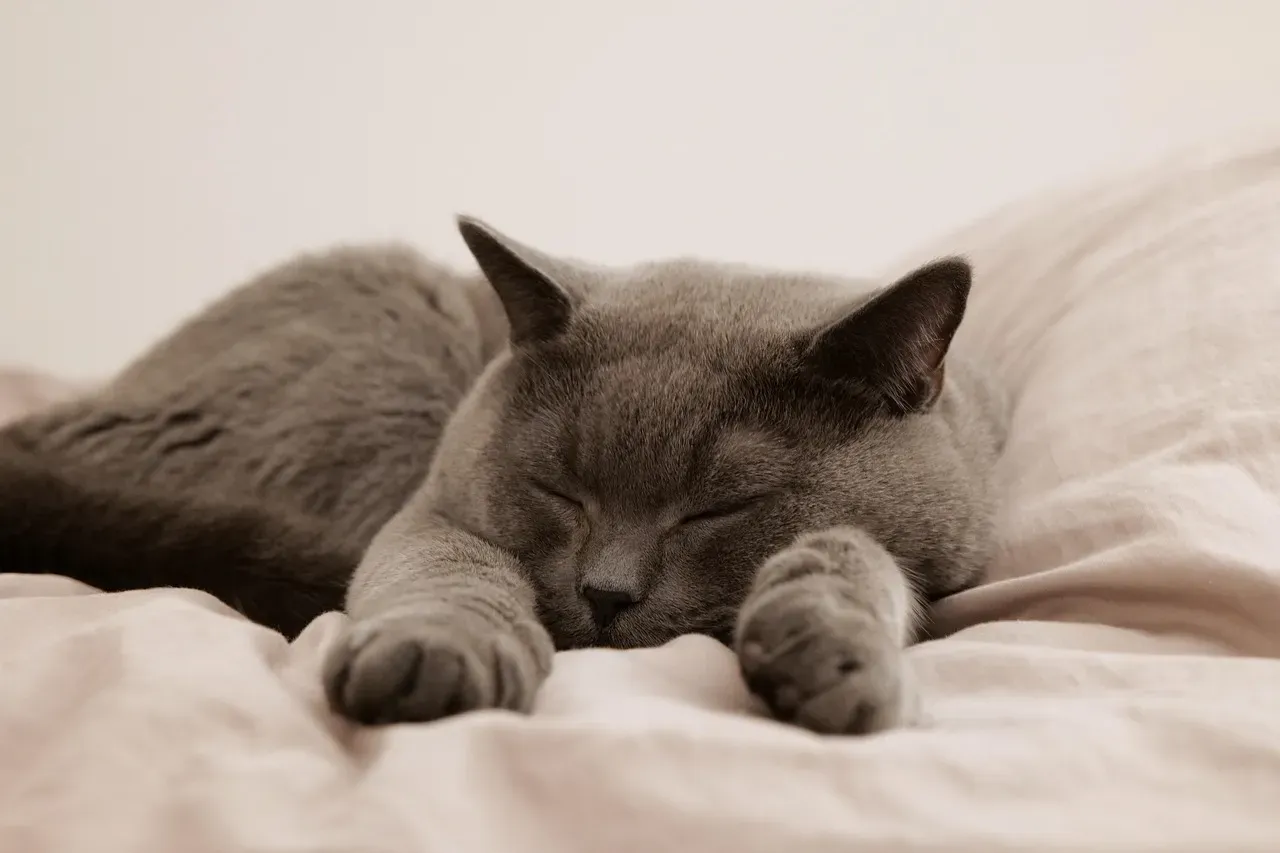
Understanding your cat’s sleeping positions gives you a window into their emotional world and physical wellbeing. From the trusting belly-up sprawl to the cautious curled ball, every position tells a unique story. These sleeping habits reflect millennia of evolution combined with the deep bond they’ve formed with you in your shared home.
Next time you spot your feline friend snoozing in one of these positions, you’ll know exactly what they’re communicating. Whether they’re feeling vulnerable, blissfully content, or strategically alert, their body language speaks volumes. What position does your cat sleep in most often? Does it match what you expected about their personality and trust level with you?