You know that sinking feeling when you bring home a new cat, full of excitement and love, only to watch them bolt under the bed the moment you approach? Here’s the thing: most of us mean well when we try to connect with a timid feline. We just want them to know we’re friends. Yet time and time again, we end up making the same classic mistakes that push shy cats further into their shells.
The truth might sting a little, but it’s important to hear. Shyness is not a personality trait but an expression of fear, which means your well-intentioned actions could actually be reinforcing your cat’s anxiety instead of easing it. Ready to find out where you might be going wrong? Let’s dive into the eight most common blunders that even experienced cat lovers make, and how you can avoid them to build the trusting relationship your shy kitty deserves.
You’re Approaching Your Cat Too Directly
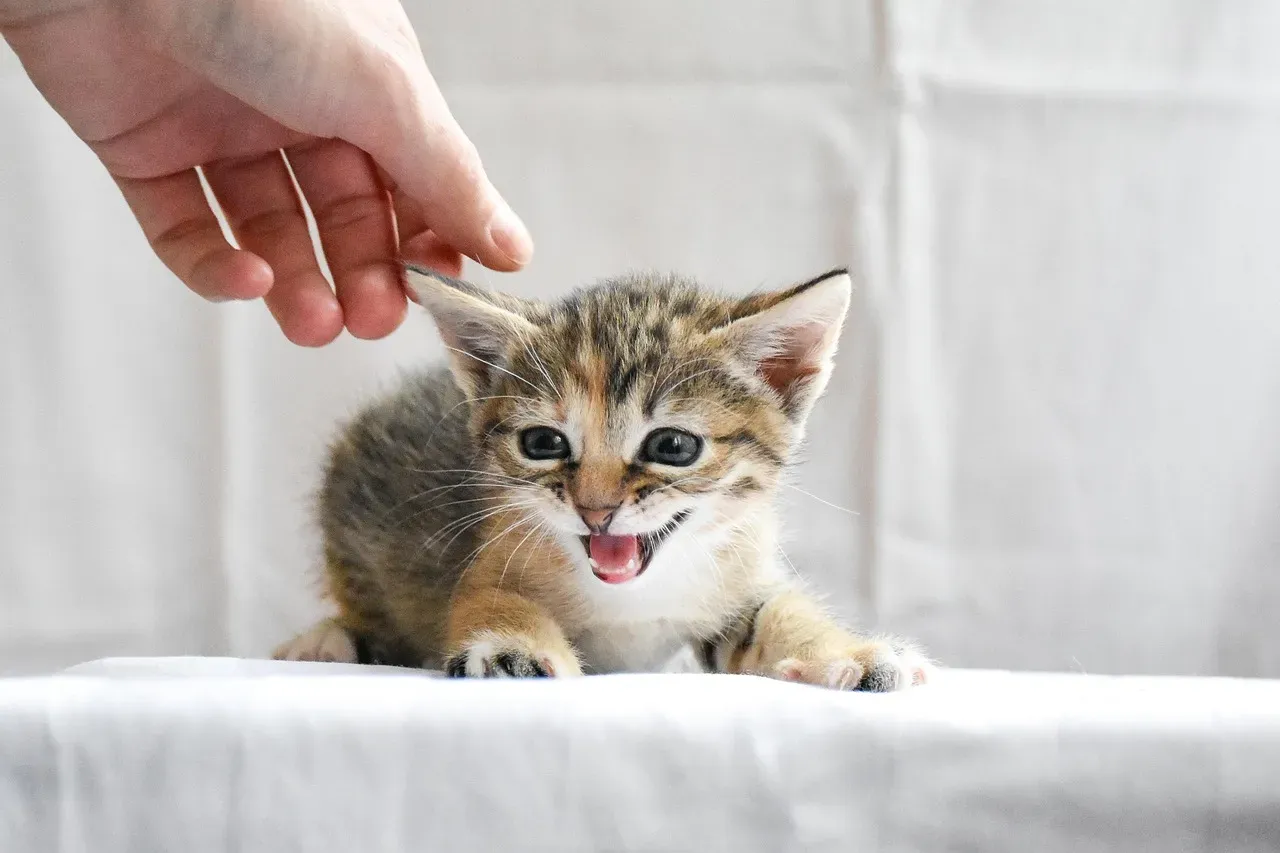
Picking up, leaning over, or reaching for the cat can be perceived as threatening, yet so many of us do exactly this when meeting a nervous cat. Think about it from their perspective. You’re essentially a giant looming over them, blocking their escape route. In the wild, that’s predator behavior.
Instead, sit or kneel about one to two feet away from them, facing to the side. This non-confrontational posture tells your cat you’re not a threat. Avoid staring at your cat or approaching them directly because this can seem threatening to a cat. Give them space to come to you on their own terms. I know it’s hard when you just want to shower them with affection, but patience here pays off massively.
You’re Making Direct Eye Contact (and Holding It)
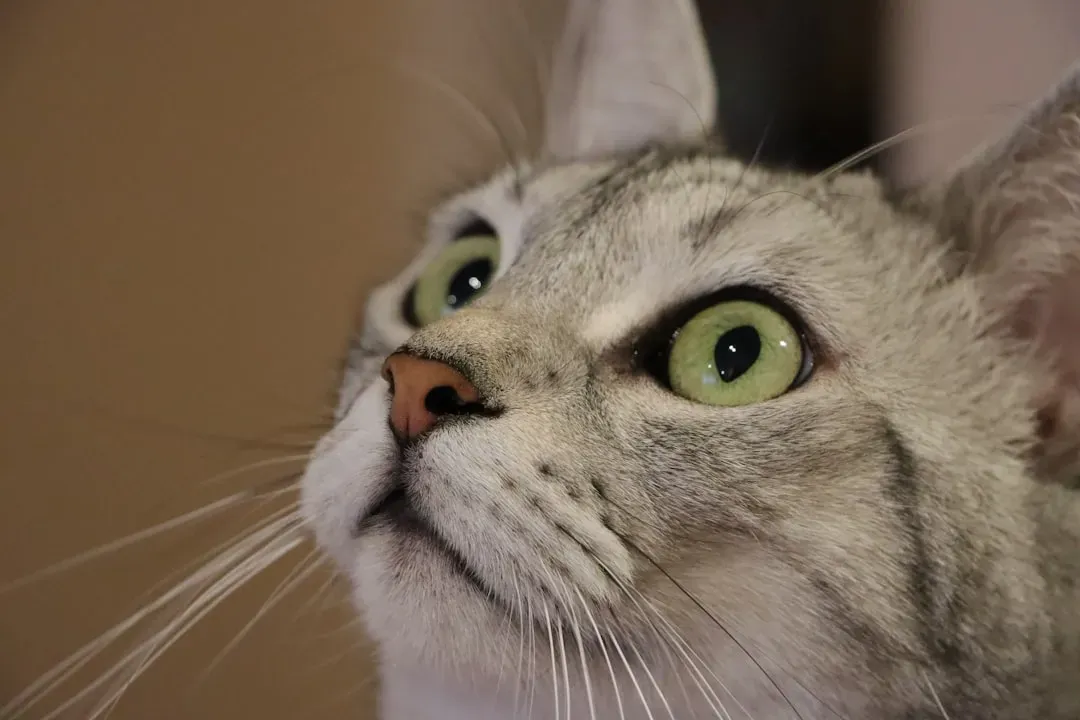
Stares are threatening in cat language, plain and simple. When you lock eyes with a fearful cat, they interpret it as a challenge or a sign of aggression. This is probably one of the most counterintuitive mistakes we make because in human communication, eye contact signals trust and connection.
Instead, look at them for a second or two then blink slowly and look away for a moment. That slow blink? It’s basically cat for “I’m cool, you’re cool, we’re all good here.” Blink slowly and often to indicate you are not aggressive. Some call it the cat kiss, and honestly, it works like magic once you get the hang of it. Try it next time and watch how your cat’s demeanor shifts.
You’re Moving Too Fast and Making Sudden Movements

Let’s be real: rushing things with a shy cat is like trying to force a flower to bloom. Suddenly loud noises or quick movements can send them back to square one. Your cat needs time to process their environment and feel safe, yet we often bounce around them with our usual energy levels.
Move slowly and predictably around your nervous feline. This creates a sense of security because they can anticipate what you’re going to do next. Talk softly and move slowly around your cat to help them relax. Think of yourself as moving through water, deliberate and calm. The more predictable you are, the safer they’ll feel.
You’re Forcing Physical Interaction Before They’re Ready
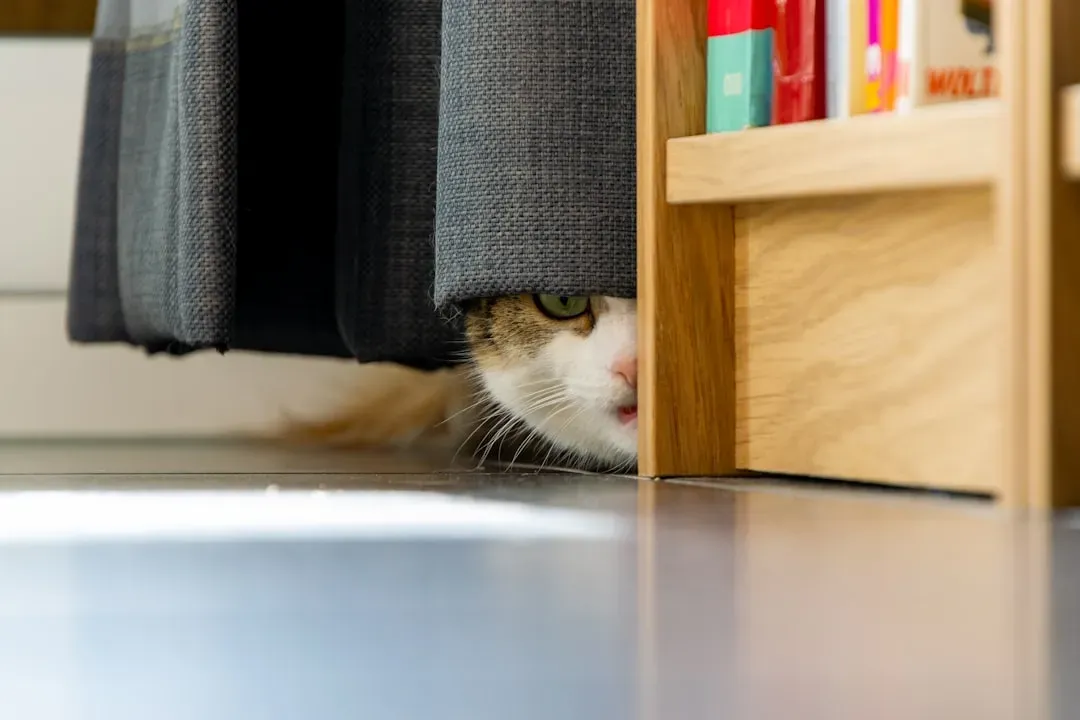
Do not force your cat to be pet, especially if they are displaying body language consistent with discomfort, fear or aggression. This mistake is huge and so common. We see a cat hiding and think, “If I just pick them up and cuddle them, they’ll realize I’m nice.” Wrong. Dead wrong.
Never attempt to pull your cat from their hiding place or force them to be held. When you do this, you’re essentially trapping them in a situation they can’t escape from, which can cause serious stress. If they are cornered and feel trapped, it is likely they will escalate to showing aggression such as hissing, growling, swatting, or trying to bite because they do not have the option of moving away from you. Let them initiate contact when they’re ready. Your patience will be rewarded with genuine affection rather than fear-based tolerance.
You’re Using Your Voice as a Weapon (Without Realizing It)
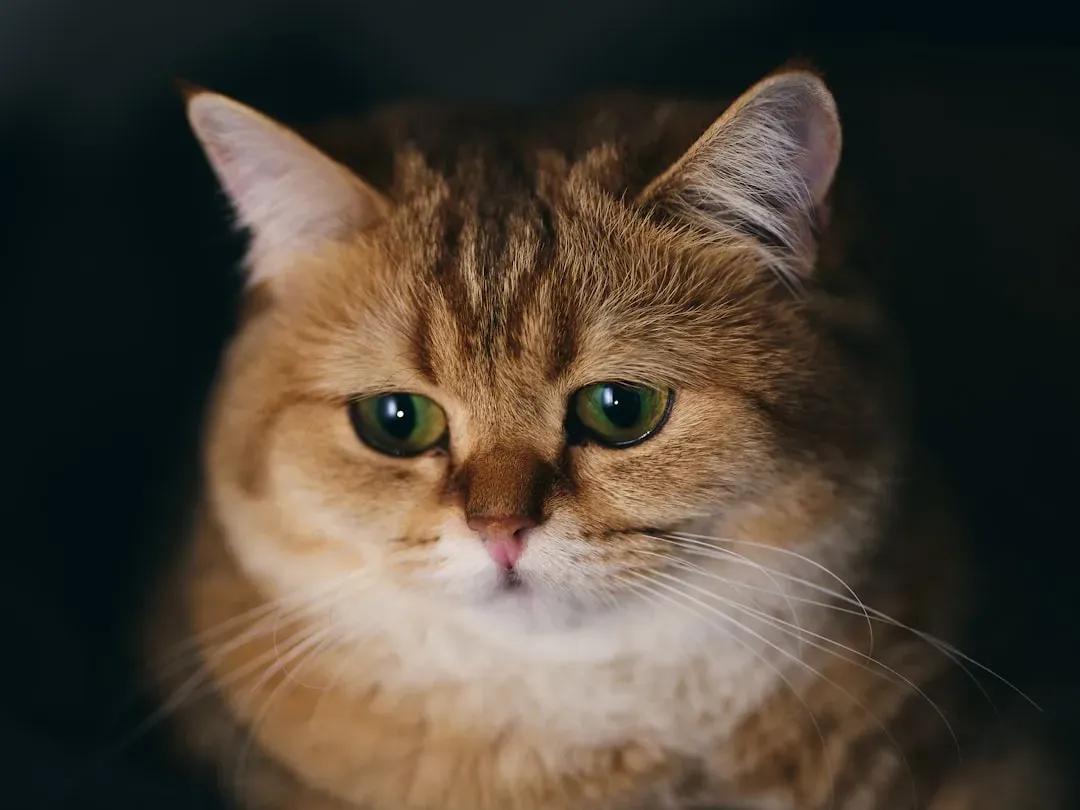
Never yell or hit your cat, because this will reinforce their fear and could encourage them to become aggressive. Even if you’re not yelling at your cat specifically, loud conversations and boisterous voices in their environment can terrify them. In the cat world, a low voice is threatening, which is why some cats react better to higher-pitched, softer tones.
Talk in a soft, soothing voice around your shy cat. Avoid making loud noises and speaking in a deep, harsh or shrill voice. Speak softly and calmly. It’s like they need you to whisper secrets rather than make announcements. Your tone matters just as much as your words, maybe even more.
You’re Offering Treats at the Wrong Time
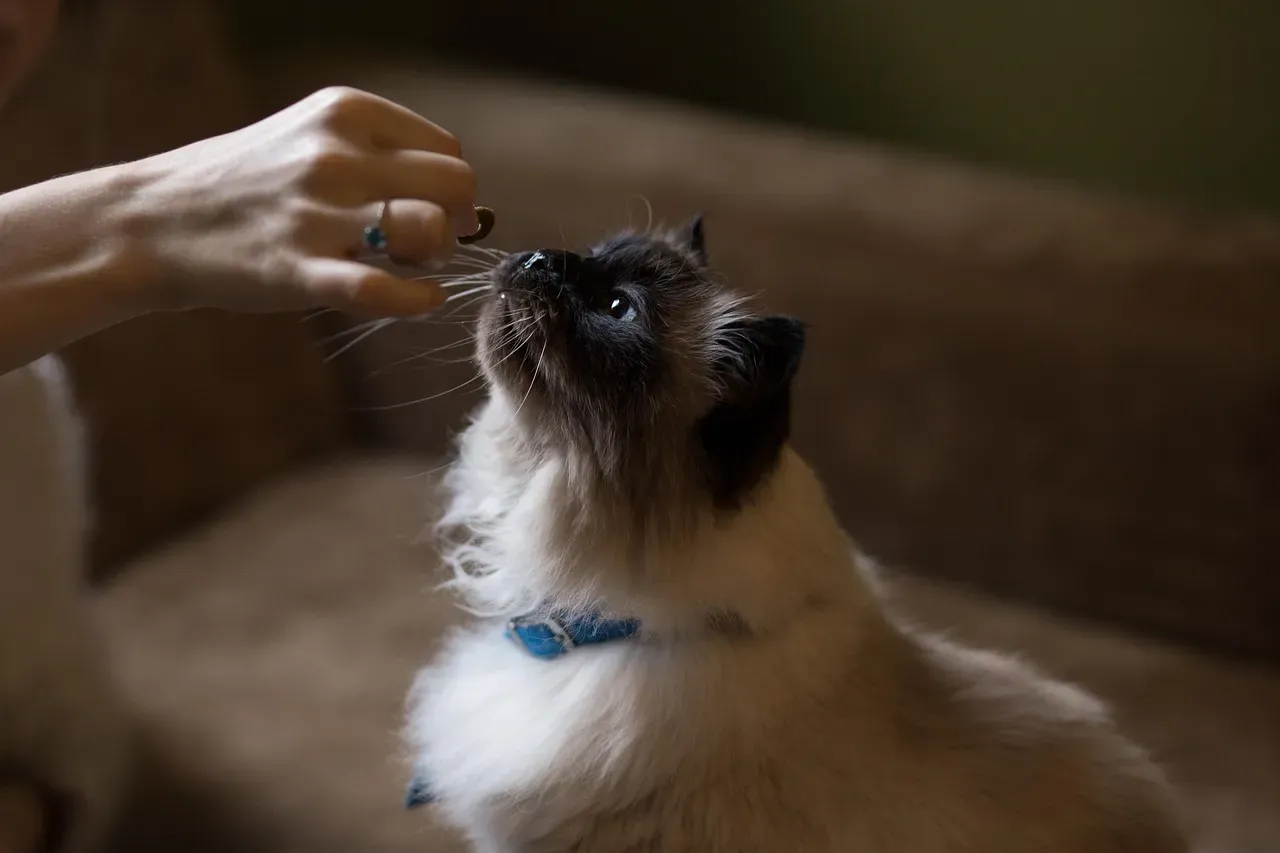
This one’s tricky because treats are generally great tools for bonding. Here’s where people mess up though: It is not recommended to offer them a treat if you notice that they are nervous or scared because you will be reinforcing that exact behavior. You’re essentially teaching them that being afraid earns rewards.
Instead, give them space, and allow them to enjoy the treat while getting used to your presence. You might need to put the treat on a plate and then back away to give your cat space until they’re ready to come closer. The goal of this exercise is NOT to lure your cat closer to you with treats. Wait for calm behavior before rewarding. It makes all the difference in what your cat actually learns from the interaction.
You’re Not Giving Them Adequate Hiding Spaces
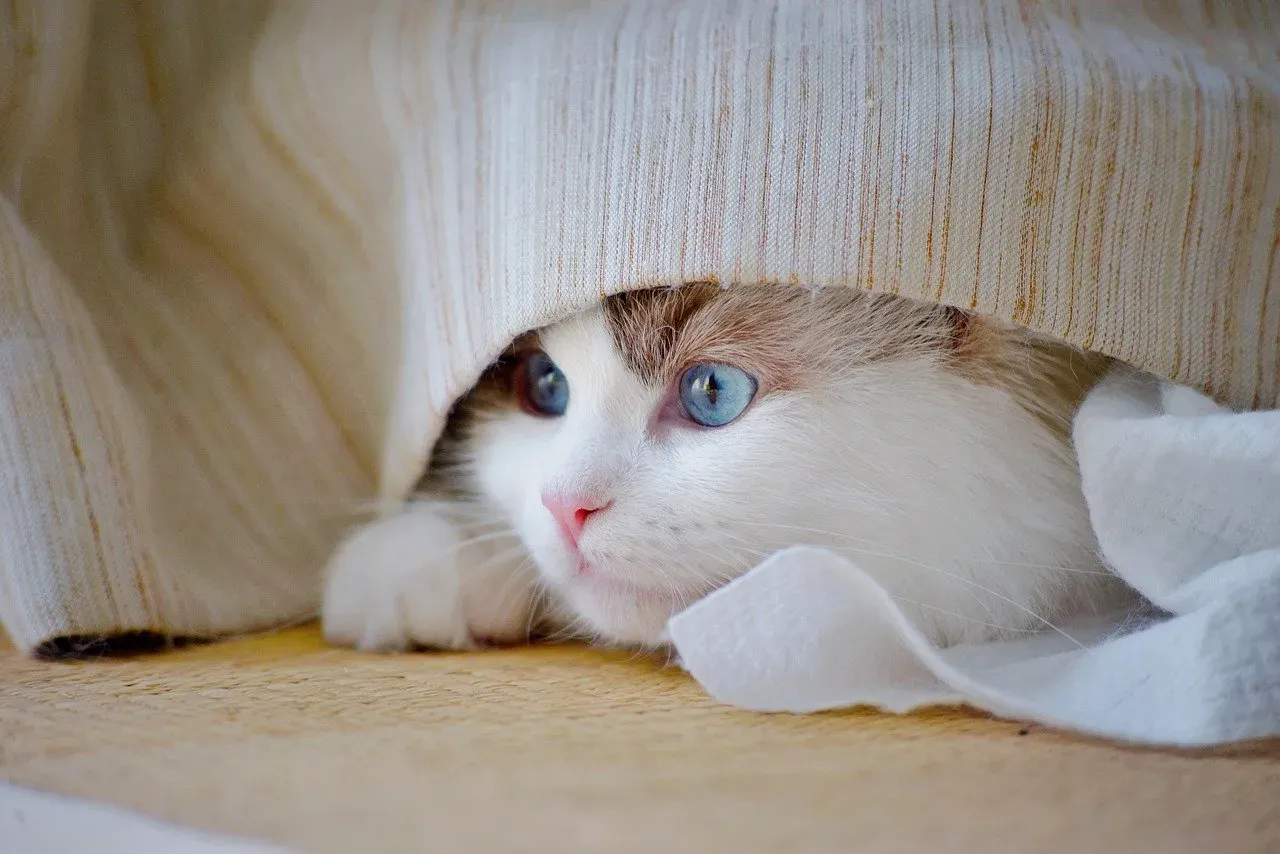
Do not allow cats to hide in inaccessible spaces such as closets, behind heavy furniture, or under beds. Wait, what? Isn’t letting them hide a good thing? Well, sort of. The issue is when cats hide in places you can’t access them for feeding, litter box changes, or emergencies.
At first a fearful cat should be confined to a small, quiet room with some hiding spots. Safe hiding spots can be boxes, pet carriers, cat trees, or blankets. Hiding is a way of helping shy cats cope with being afraid or anxious, so you definitely want to provide options. Just make sure they’re accessible and appropriate. Think cardboard boxes with openings, cat carriers with the door propped open, or elevated perches where they can observe without being touched.
You’re Ignoring Their Body Language Signals
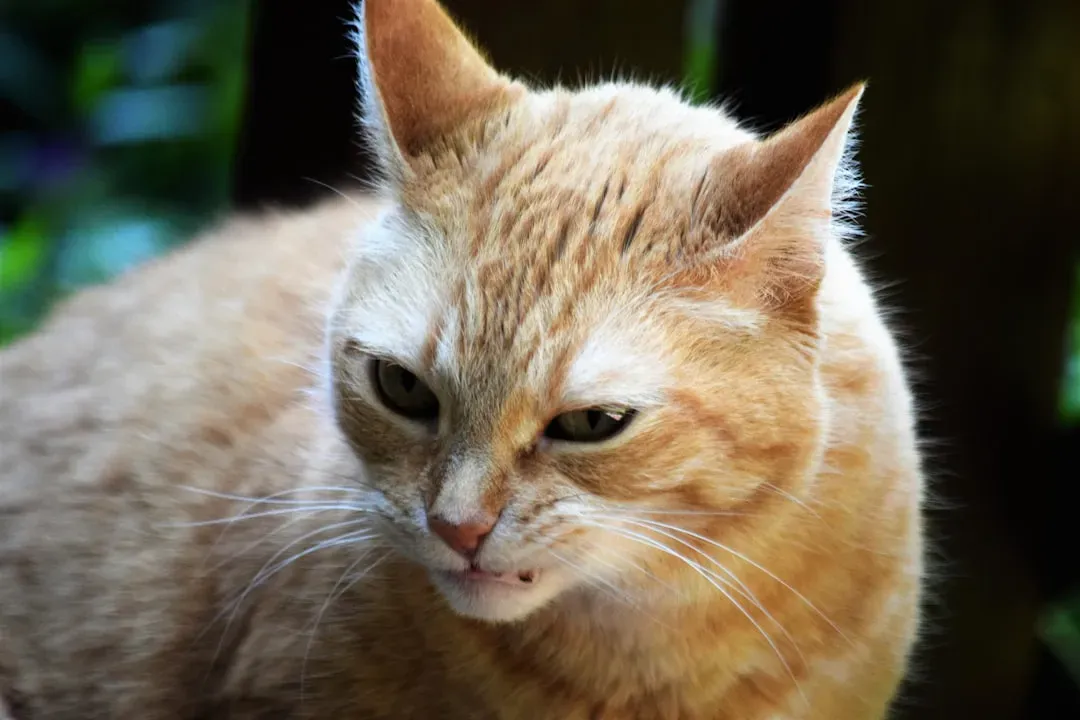
Read and respond to your cat’s body language to ensure they feel comfortable. So many people miss the subtle warning signs that a cat is uncomfortable. Their ears are often angled backward or sideways. The further back a cat’s ears are pinned, the more terrified they are.
Their tail might be twitching or swishing from side to side, or it might be held tightly against the cat’s body. When fearful, ears may be tucked tight towards the head or neck or the cat may adopt airplane ears that look like wings held out to the side when upset and reacting defensively. If you see these signs and keep pushing for interaction, you’re essentially telling your cat their communication doesn’t matter. Learning to read these signals is honestly one of the most important skills you can develop as a cat owner.
Conclusion
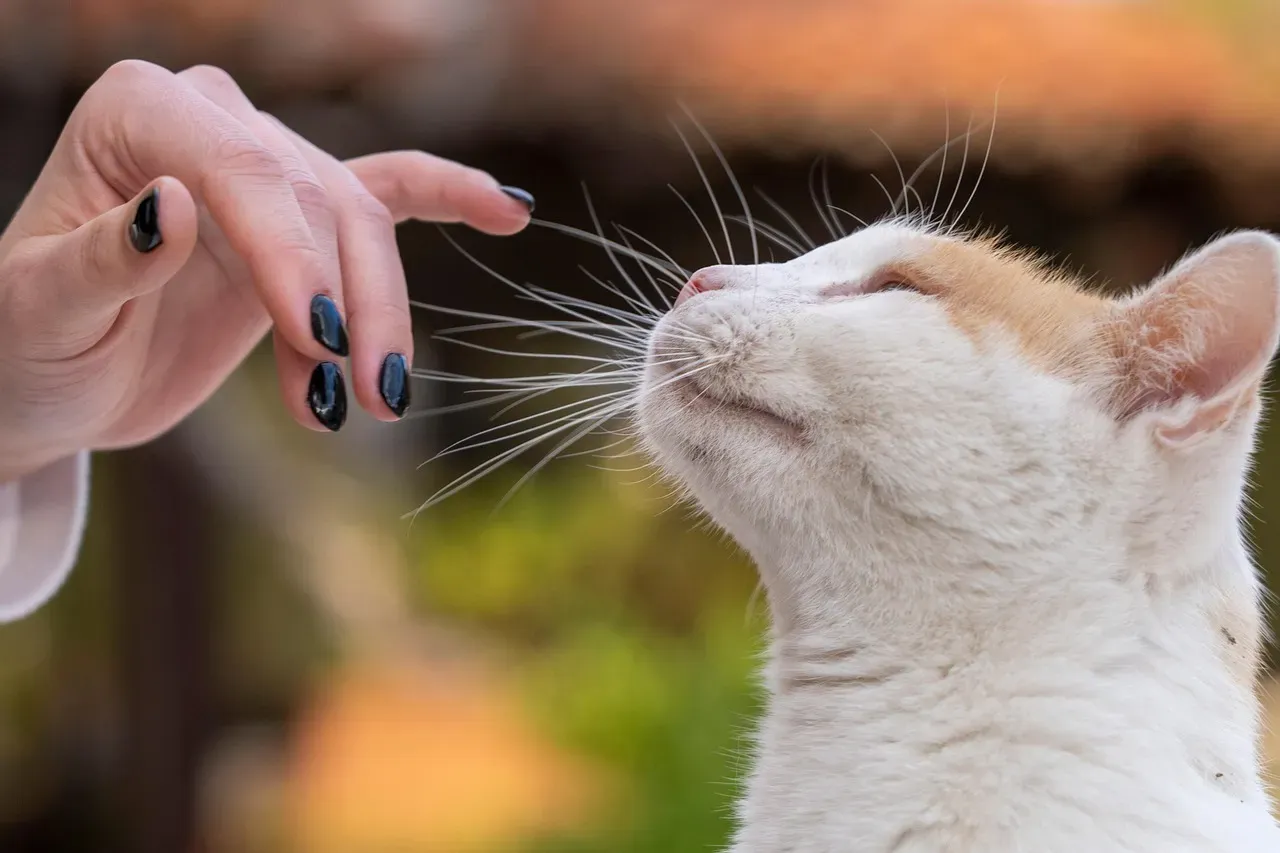
Befriending a shy cat isn’t rocket science, but it does require something we humans often struggle with: slowing down and respecting boundaries. The mistakes we’ve covered here all stem from the same root problem, which is imposing our timeline and our needs onto a creature that operates on an entirely different wavelength. Patience and understanding are essential with fearful cats. They will give you plenty of love and purrs in return.
The beautiful thing about correcting these mistakes is that the moment you start respecting your cat’s pace, you’ll often see remarkable progress. That doesn’t mean that a shy cat can’t become more comfortable in certain environments, gain confidence or find ways to decrease fear, stress or anxiety. So give it time, pay attention to what your cat is telling you, and celebrate the small victories along the way. Have you made any of these mistakes with your own shy cat? What worked for you in building that trust?