Have you ever tried to sneak to the bathroom at 2 AM, only to find your cat already waiting outside the door? Or maybe you’ve noticed those little paws padding behind you from room to room, as if your feline friend has assigned themselves as your personal bodyguard. If you’re nodding along, you’re definitely not alone. This shadowing behavior is incredibly common among cats, though it might surprise anyone who believes the old myth that cats are aloof and indifferent. The truth is far more fascinating.
Your cat’s constant companionship reveals layers of feline psychology that researchers are only beginning to fully understand. Sometimes it’s about love and attachment, while other times it could signal hunger, boredom, or even anxiety. Cats are complex creatures with distinct personalities and needs. Let’s explore the real reasons behind your cat’s habit of becoming your four-legged shadow, and what this behavior truly means for your relationship with your whiskered companion.
They Genuinely Love and Trust You
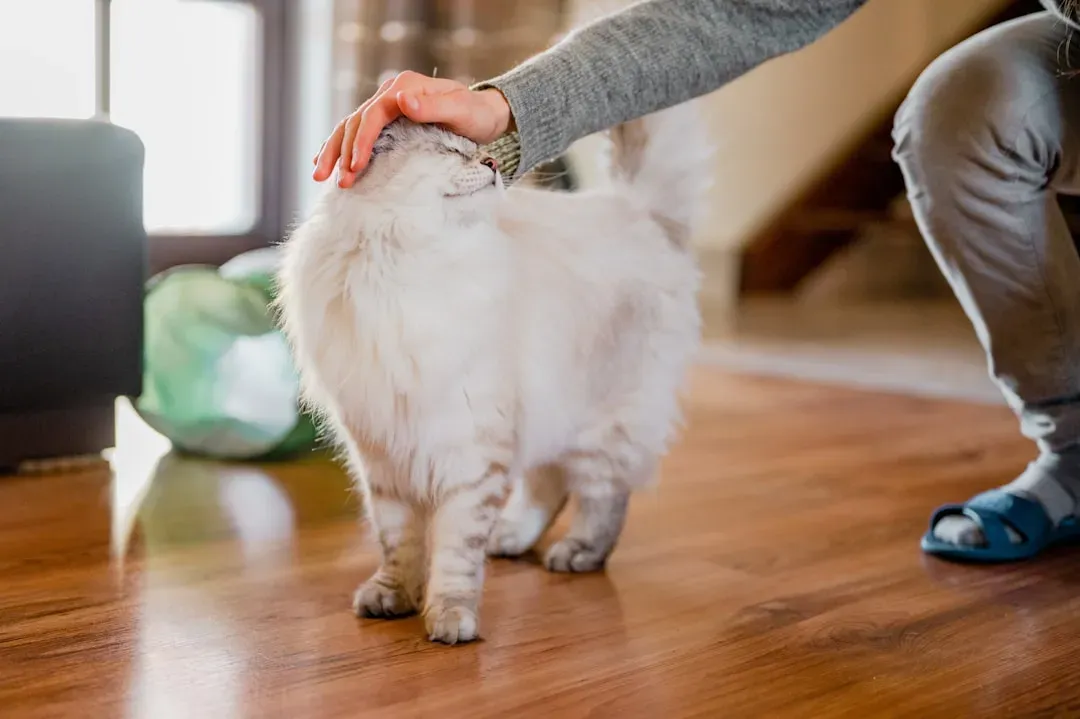
The sweetest reason for your cat following you is that they love and trust you and want to be near their favorite person at all times, which is completely normal behavior showing a strong bond. Think about it this way: your cat has chosen you as their safe person in a world that can feel overwhelming and unpredictable. Research shows that the majority of cats are securely attached to their owner and use them as a source of security in a novel environment.
These cats may quietly accompany you from room to room, sitting nearby rather than on you, displaying what experts call calm affection. When your cat follows you without demanding attention or meowing constantly, they’re simply enjoying your presence. It’s comparable to how you might want to be in the same room as someone you love, even if you’re both doing separate activities. This relaxed following behavior demonstrates genuine attachment rather than neediness.
Your Cat Craves Attention and Interaction
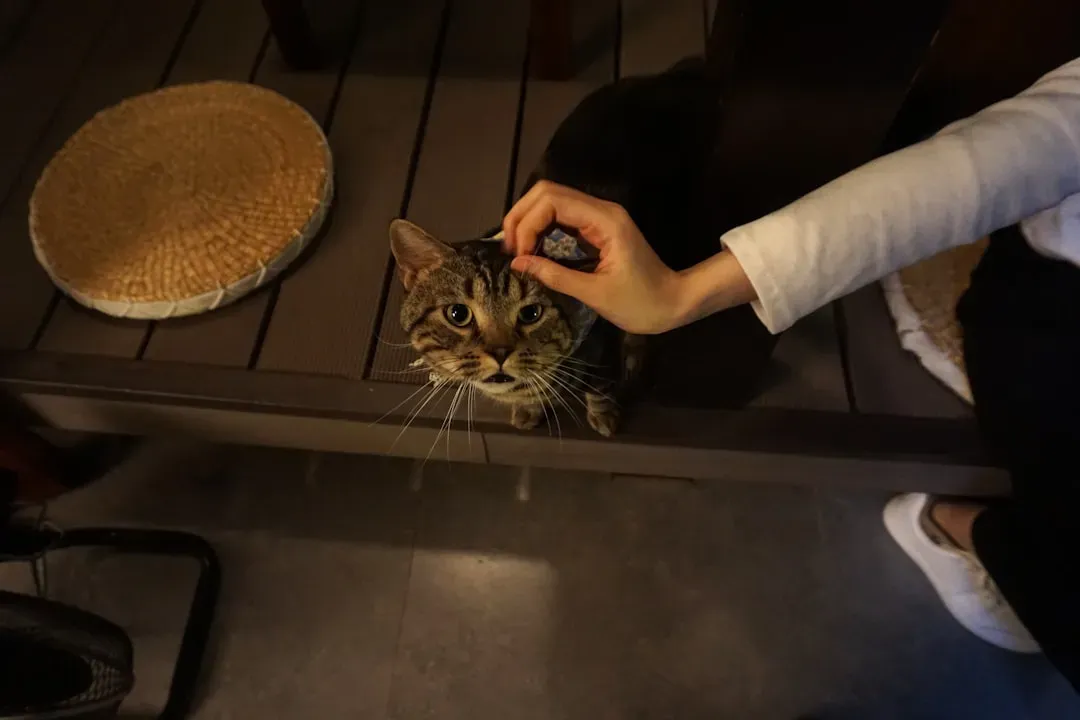
Following behavior is particularly common in younger or more socially active cats who thrive on interaction, especially in environments where they feel comfortable and stimulated. If your cat has been alone all day or hasn’t had much playtime recently, they might shadow you hoping for engagement. You’ll know this is the reason if your feline friend isn’t being subtle about it.
Attention-seeking cats might nudge you with their nose, paw at you, head butt you, rub against you, and exhibit increased meowing and vocalizations like chirps, trills, and purring. These cats essentially transform themselves into furry advertisements shouting “Play with me!” They’ve learned that following you around eventually results in the interaction they desperately want. Honestly, it’s hard to resist those persistent little faces demanding your time and affection.
That Food Bowl Might Be Empty
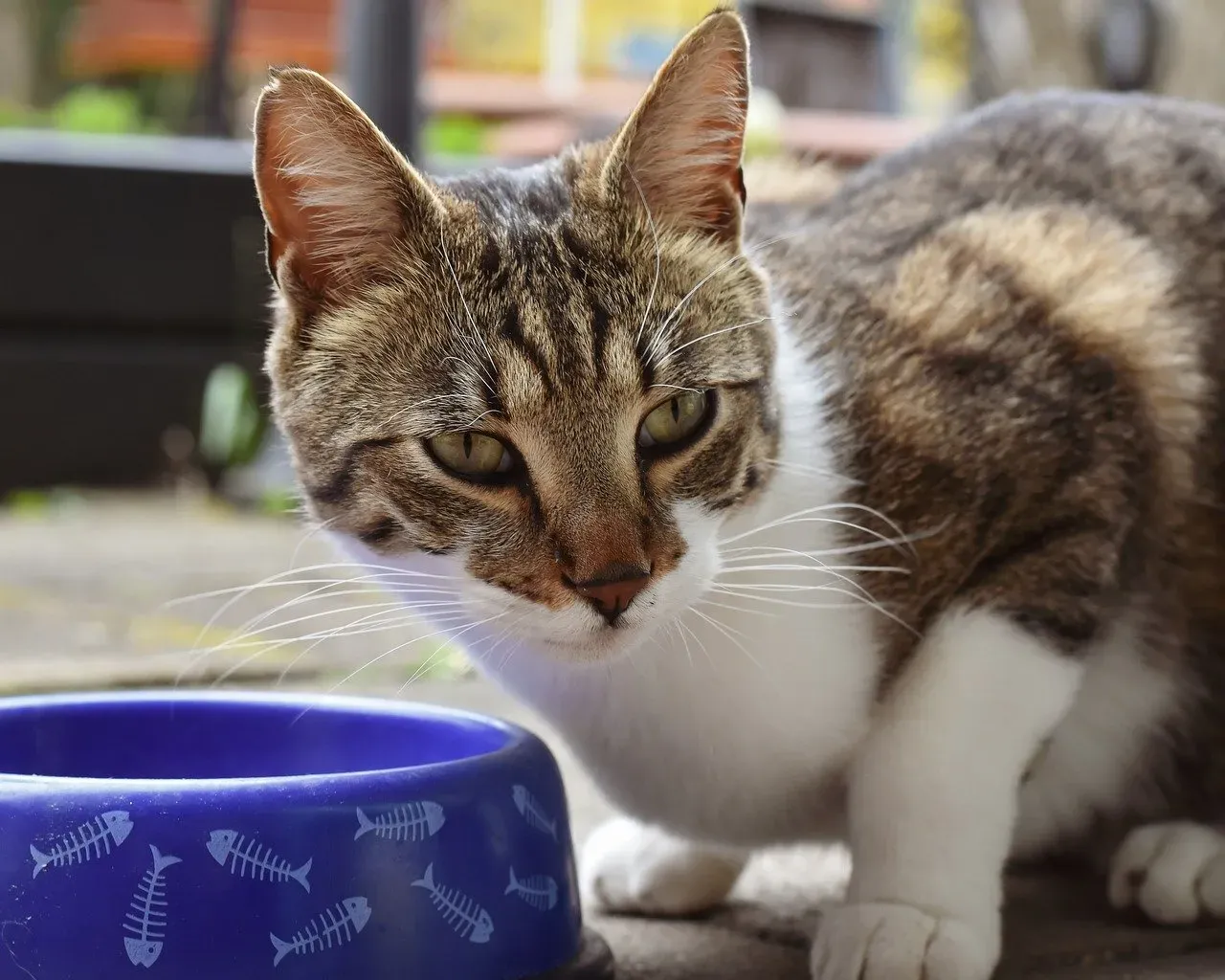
Let’s be real: sometimes love looks a lot like hunger. Cats like to follow a routine, and a hungry cat is a persistent cat, especially around dinnertime. If you notice your cat trailing you specifically into the kitchen or lingering near wherever their food bowl sits, you’ve probably identified the culprit behind their shadow act.
A hungry cat might walk to their food bowl, then back to you, repeatedly, which is their way of guiding you to the problem – an empty food bowl. They’re treating you like a somewhat slow but trainable staff member who needs clear directions. Some cats have even perfected the art of the pre-dinner follow, starting their shadowing routine a full hour before mealtime. They’re nothing if not optimistic about your ability to take a hint.
Boredom Is Driving Them to Find Entertainment
Cats might start following you around for entertainment, hoping you’ll open the door to a room they don’t normally have access to so they can sneak in and start exploring their new territory. Indoor cats especially need mental stimulation, and if their environment isn’t providing enough excitement, you become the most interesting thing available.
Bored cats will often follow you around with a sense of desperation and restlessness, eager to see something interesting happen, and sometimes they’ll take it into their own paws and make it happen. These felines might also engage in destructive behaviors like knocking things over or unleashing sudden bursts of energy. Following you is their way of hoping you’ll accidentally create some entertainment, even if it’s just opening a closet door they find fascinating.
Curiosity About What You’re Doing
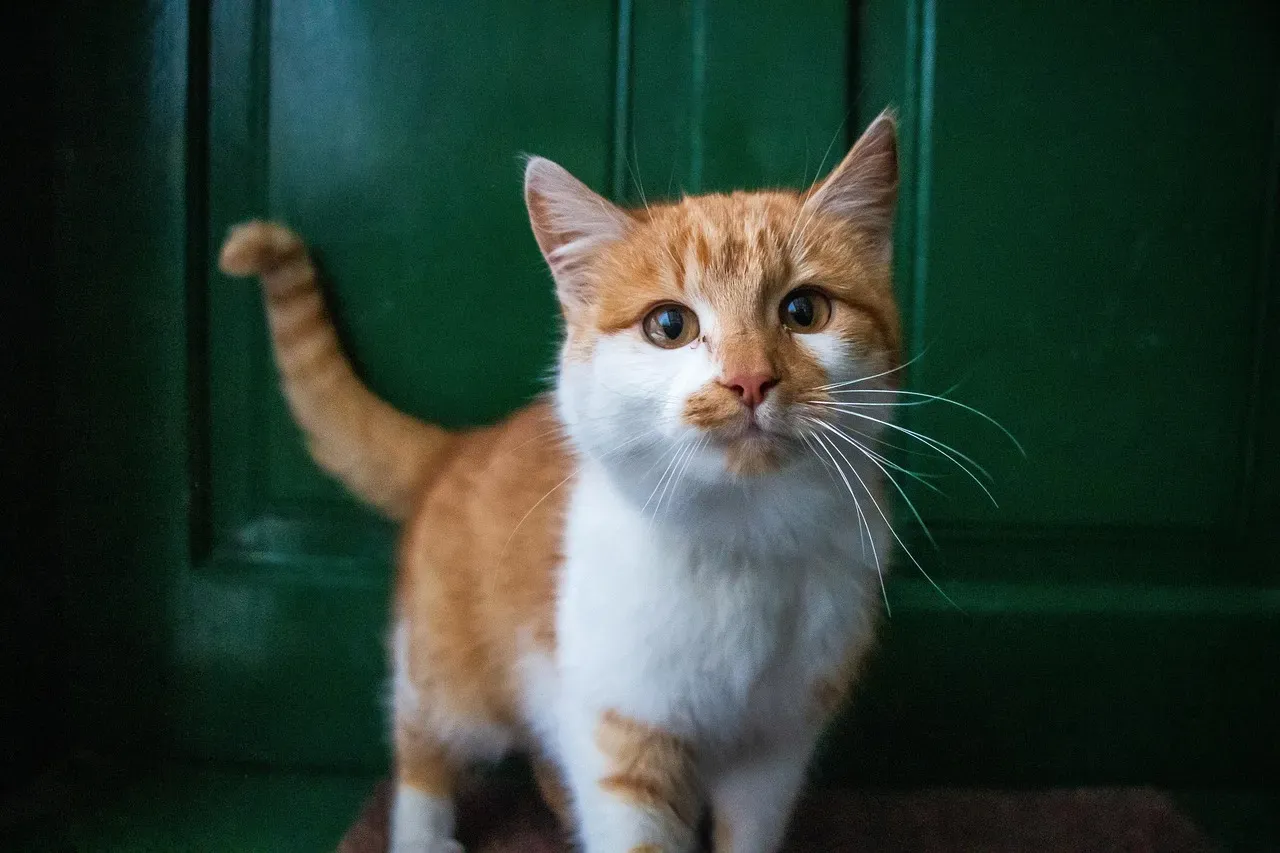
Cats naturally like to investigate and explore their surroundings, so when you open a door to a room or space your cat doesn’t normally venture into, they may follow you to see what you’re doing and check out the area. This natural inquisitiveness explains why cats seem particularly interested in following you into bathrooms or closed-off spaces.
Rather than being fascinated by your bodily functions, it’s more likely that your cat is curious about the mystery room they are often locked out of and have taken the opportunity to look around. The bathroom holds particular fascination with its interesting smells, running water, and various objects to investigate. Your cat isn’t being weird; they’re just being naturally nosy about spaces that are normally off-limits. Can you really blame them for wanting to solve the great bathroom mystery?
Territorial Instincts Are Kicking In
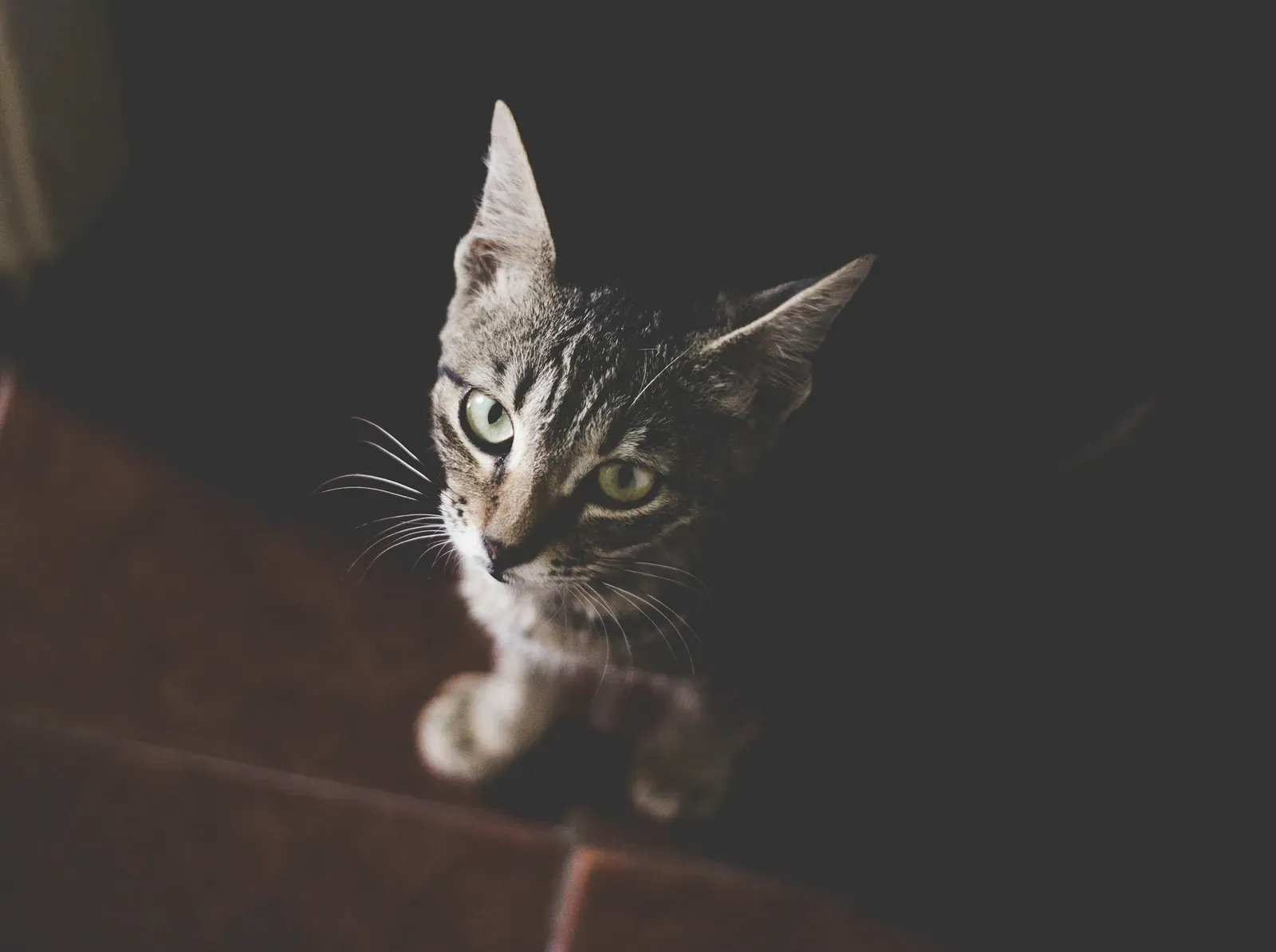
Cats follow their humans tied to their territorial instincts, as you are part of their territory, and thus they may follow you to keep an eye on their valued possession. In the feline world, territory matters immensely. Your cat doesn’t just live in your home; they consider the entire space their domain, and that includes you.
Cats are by nature very territorial, with domestic cats considering the entire house their hunting range, and they may follow you around the home to make sure you don’t block their access to part of their territory, for example by shutting them out of a bedroom or bathroom. They’re essentially performing security patrols to ensure everything in their kingdom remains accessible and under their watchful supervision. You might think you own the house, but your cat has other ideas.
They’re Seeking Comfort Because They’re Unwell
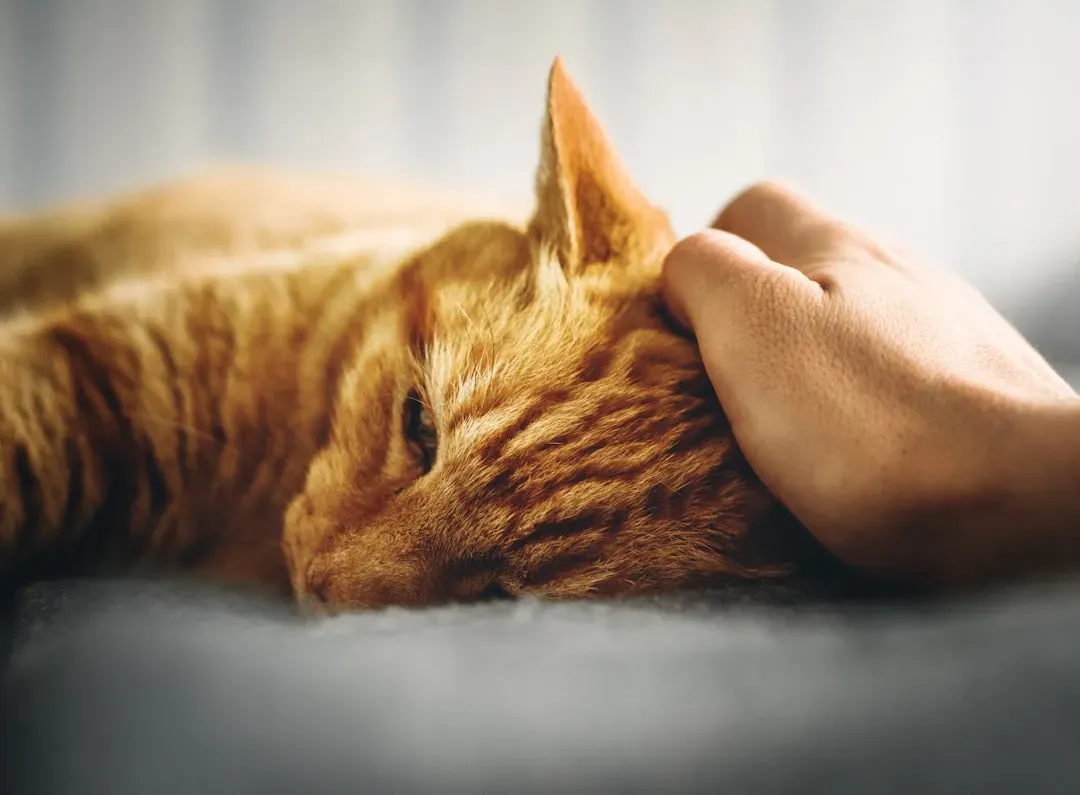
Illness can be why a cat follows their owner around, as they may be seeking comfort from you or feeling more vulnerable since they’re not feeling well. This is one of the more concerning reasons for increased following behavior, particularly if it represents a sudden change in your cat’s normal patterns. Cats are masters at hiding illness, so behavioral changes often serve as early warning signs.
Because the family unit is necessary for a cat to feel secure, your kitty may follow you more often and for longer periods when they don’t feel well, and showing signs like changes in appetite, changes in water intake, vomiting, diarrhea, breathing issues, or trouble walking normally warrants a veterinary visit. If your typically independent cat suddenly becomes your constant shadow accompanied by other symptoms, don’t ignore it. That newfound clinginess could be their way of telling you something’s wrong and they need help.
Separation Anxiety Might Be the Culprit
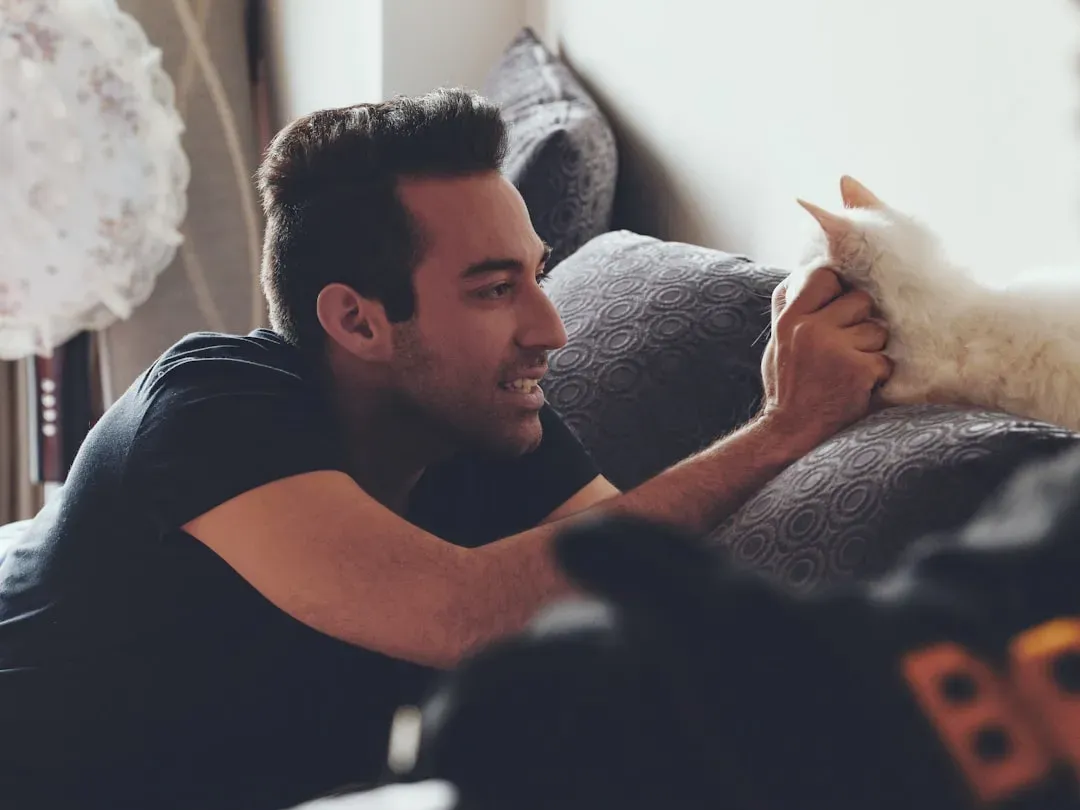
Some cats are more attached to their owners than others, and some can even experience separation anxiety similar to dogs. This goes beyond normal affection into territory where your absence genuinely distresses your cat. Separation anxiety is a recognized disorder in cats, described as a stress response observed when a cat is separated from a person or people with whom they are strongly bonded.
Cats follow their owners around because they’re stressed or anxious, as cats are creatures of habit who like routine, and any change in their daily routine can cause stress, with cats experiencing separation anxiety often following their pet parents since they worry about being left. These cats display exaggerated attachment behaviors, becoming extremely clingy before you leave and overly excited when you return. It’s hard to say for sure, but if your cat seems panicked rather than simply affectionate when following you, separation anxiety could be the underlying issue requiring professional intervention.
Routine and Predictability Matter to Them
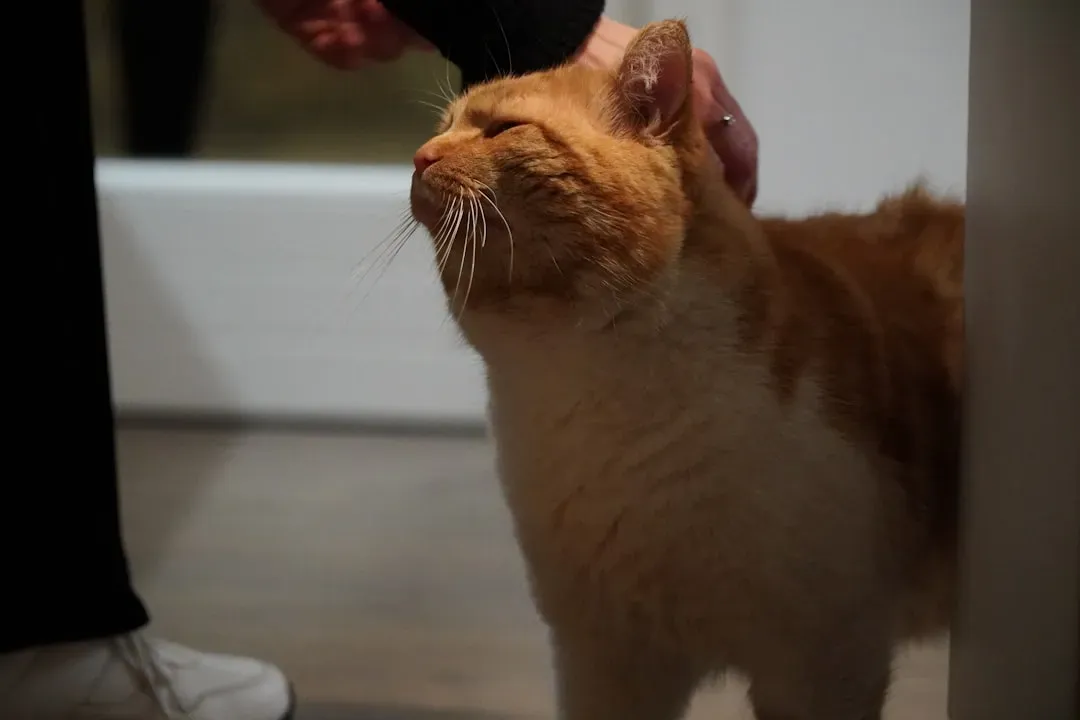
Many pets tend to copy the daily routine of their owners, and routine is essential to the mental health of furry conservatives, so if your pet wakes up with you on the alarm clock, accompanies you to the bathroom, and shares the morning meal, take such behavior for granted. Cats find comfort in predictable patterns, and following you is part of their established daily schedule.
Your morning routine likely includes your cat trailing behind you from the bedroom to the kitchen, waiting patiently while you prepare breakfast, and then following you back toward the bathroom. They’ve memorized your patterns and feel reassured by maintaining their role in this daily dance. Disrupting these routines can actually stress cats out more than maintaining them. So if your cat shadows you during specific times of day, they’re probably just sticking to the schedule they’ve internalized as normal and safe.
You’re Simply Their Favorite Person
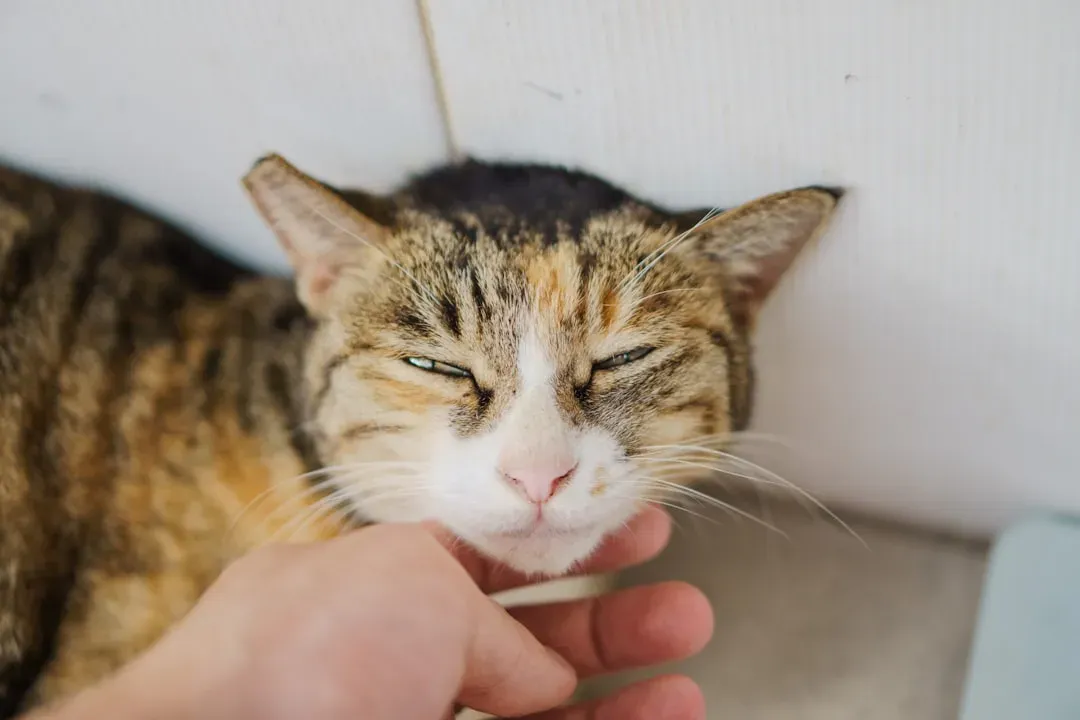
If you notice your cat is following you and no one else in your household, it’s likely that you’re their favorite, possibly because you spend the most time playing and snuggling with them, so they’re attached to you. Being chosen as the favorite human is actually quite an honor in the feline world. Cats are selective creatures who don’t bestow their affection randomly.
This special bond typically develops because you’re the one who feeds them most consistently, plays with them regularly, or simply respects their boundaries and communicates in ways they understand. Your cat has evaluated everyone in the household and decided you’re the winner. Sure, it means you can’t even use the bathroom alone anymore, but being the chosen one comes with responsibilities. Your cat has decided you’re worth following, which is basically the highest compliment a cat can give.
Conclusion: Embrace Your Role as the Chosen Human
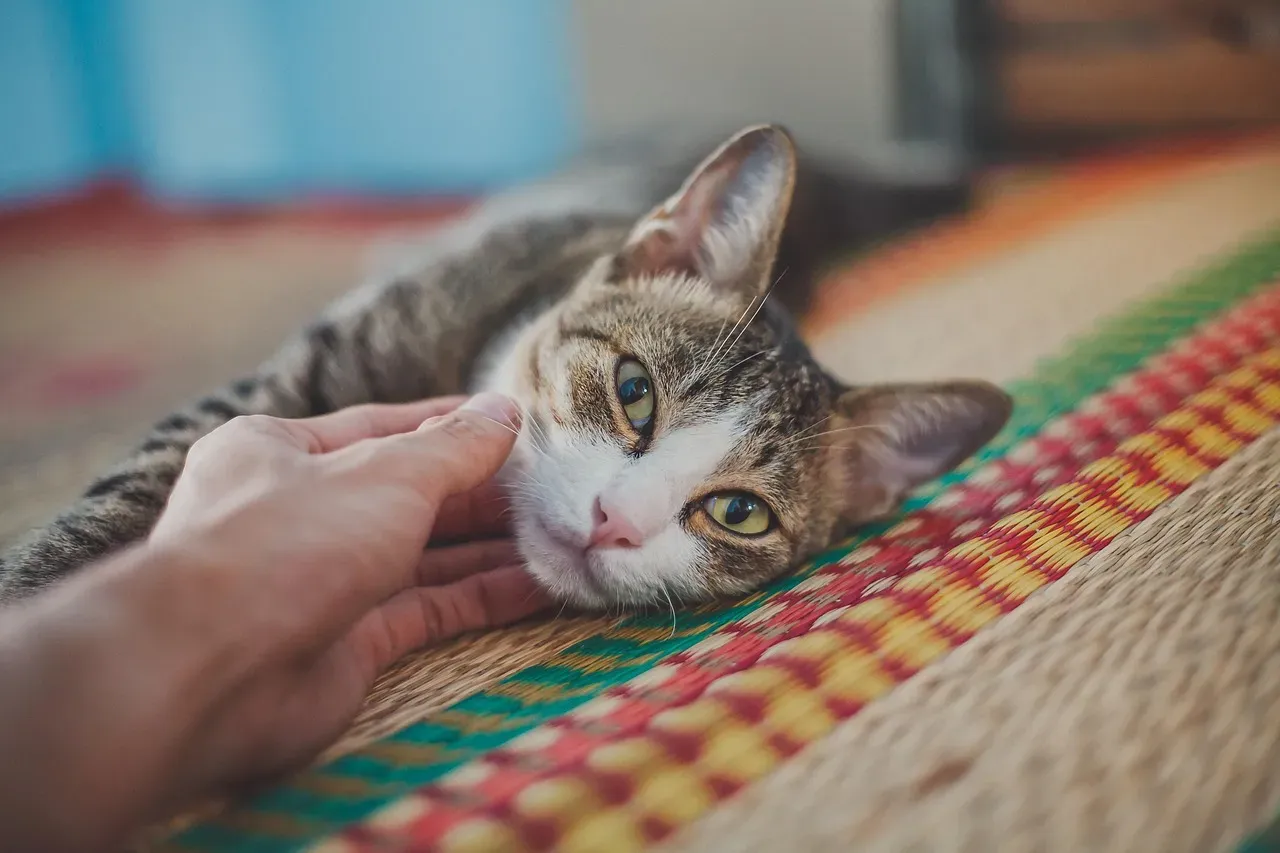
Your cat’s habit of following you everywhere reveals far more than simple clinginess. Whether driven by love, hunger, curiosity, boredom, or anxiety, this behavior demonstrates that you play a significant role in your cat’s emotional world. Pet cats form secure and insecure bonds with their human caretakers, much like children and dogs, which means your relationship genuinely matters to their sense of security and wellbeing.
Most of the time, having a furry shadow is simply your cat’s way of showing affection and staying connected to their favorite person. However, sudden changes in following behavior warrant attention, as they could signal health issues or anxiety that need addressing. Understanding why your cat trails behind you helps strengthen your bond and ensures you’re meeting their physical and emotional needs. So the next time you feel those little paws padding behind you, remember that you’ve been chosen. What’s your cat’s following style? Do they shadow you silently or make their presence very well known?