You walk through the door after a long day, and there it is. That slow blink from across the room. The deliberate tail flick. The soft chirp that somehow sounds like both a greeting and a judgment. Your cat has been observing you, evaluating your tardiness, and deciding whether you’re worthy of their evening attention. Here’s the thing: this isn’t just instinct. It’s personality. It’s communication. It’s proof that cats are far more than the “just animals” label we’ve carelessly slapped on them for far too long.
Cats are fascinating creatures with unique habits, and they’ve woven themselves into the fabric of our daily lives in ways that challenge every outdated assumption we hold. They don’t just coexist with us. They participate. They react. They remember. They make us laugh at three in the morning with their chaotic energy, and they comfort us when words fail. The old narrative that paints them as aloof, indifferent creatures is crumbling under the weight of modern research and lived experience. Cats aren’t background noise in your home. They’re dynamic, quirky, emotionally intelligent housemates who’ve earned every bit of recognition we can offer.
They’re Masters of Emotional Intelligence You Didn’t Know Existed
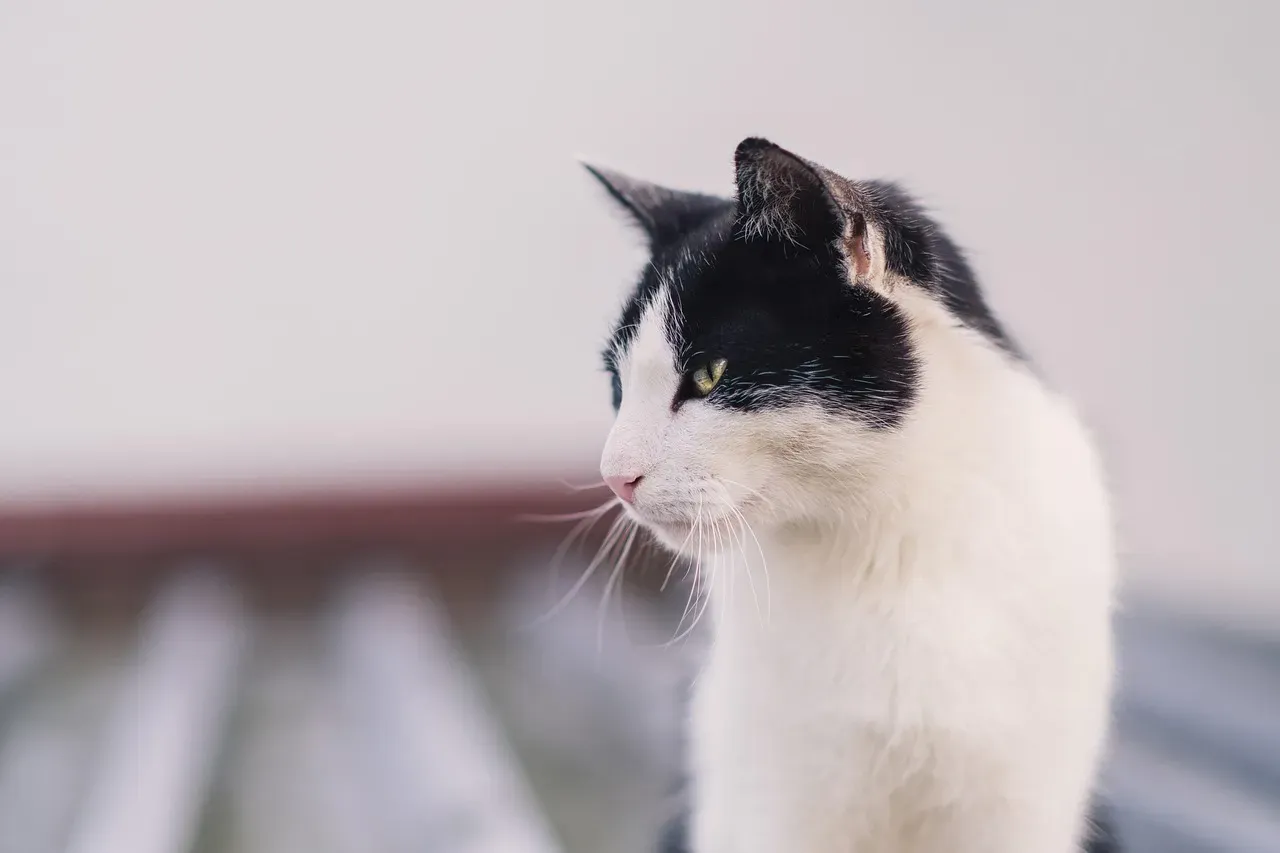
Let’s be real: people underestimate cats. Cats integrate visual and auditory signals to recognize human and conspecific emotions and appear to modulate their behavior according to the valence of the emotion perceived. Translation? Your cat knows when you’re sad, angry, or happy, and adjusts accordingly. This isn’t some mystical bond. It’s measurable, observable intelligence.
Cats are sensitive to human emotional visual and auditory cues, and “fear” odours elicited higher stress levels, suggesting that cats perceived the valence of the information conveyed. They’re not just reacting to tone or body language randomly. They’re reading you like a book, processing complex emotional data, and responding in real time. That’s not just survival. That’s social sophistication.
Your Cat Is Talking to You More Than You Realize
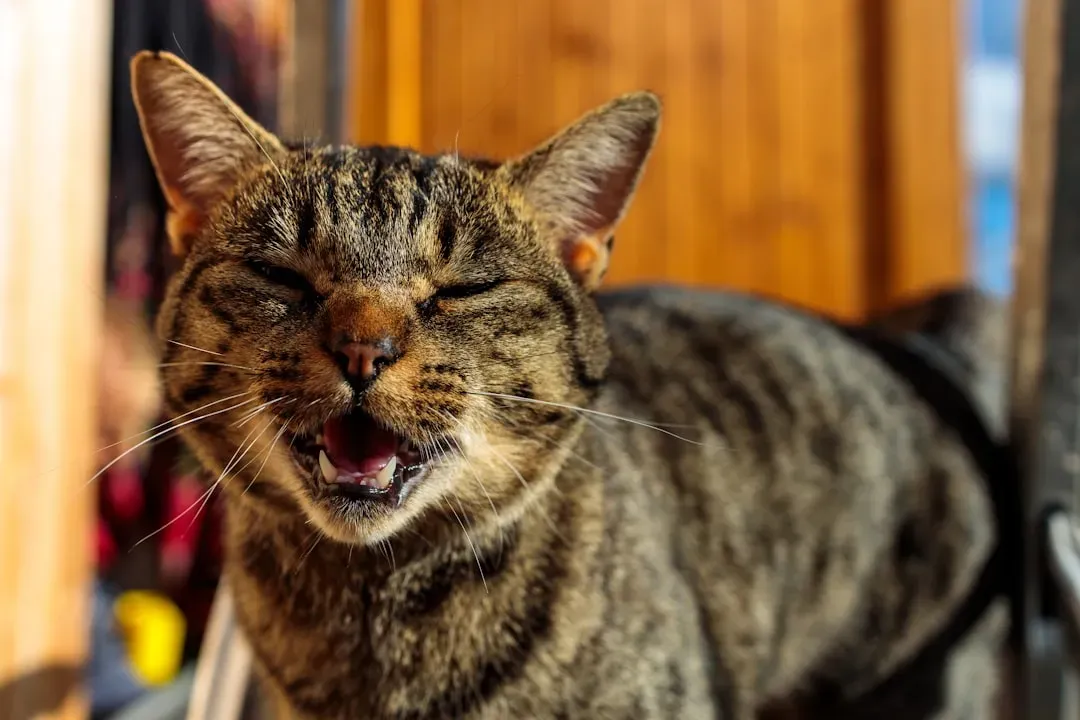
Ever notice how your cat has different meows for different situations? That’s intentional. Cats communicate through body language, vocalizations, and instinct-driven actions, and each signal serves a specific purpose. When they headbutt you, they’re not being clumsy. This behavior is called bunting, and means they recognize you as family and are also exchanging scents. They’re claiming you, marking territory, and expressing trust all in one affectionate nudge.
Honestly, it’s hard to say for sure, but I think we humans miss roughly about half of what they’re trying to tell us. The slow blink? When a cat looks at you and then slowly closes and reopens its eyes, it’s a sign of trust and affection. The tail twitch, the sudden sprint across the hallway, the paw kneading on your lap – these aren’t random quirks. They’re a language all their own, rich with meaning and intention.
They’ve Adapted to Live With Us, Not Just Near Us
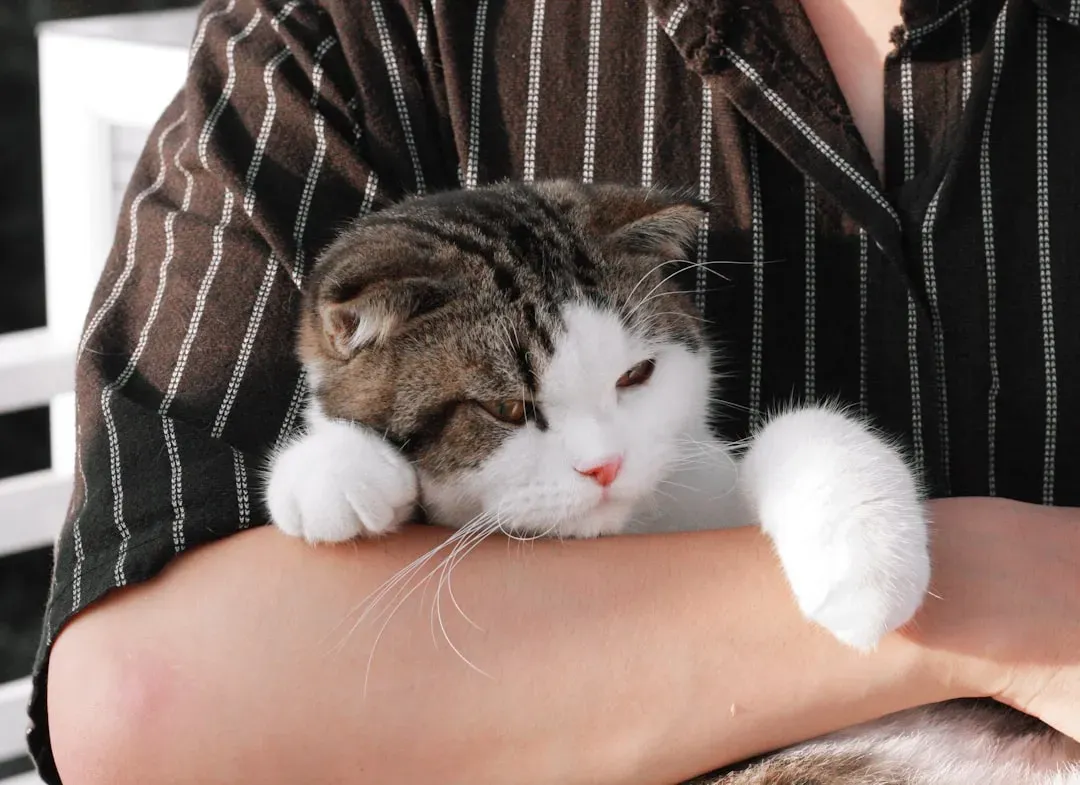
Domestic cats have adapted to become a social species and require companionship just as much as safety, food, and water, and evidence indicates that cats form the same types of emotional attachments to people as do puppies and human infants. Read that again. Cats form bonds comparable to infants. They’re not solitary loners who tolerate us for food. They need us. They choose us.
Domesticated cats can be very social creatures and may form close bonds with their humans or even with other cats within the household. Domestication hasn’t just changed their diets or their habitats. It’s reshaped their emotional wiring, making them capable of complex relationships that go far beyond survival instincts. Your cat isn’t just living in your house. They’ve integrated into your family structure.
They Have Distinct Personalities That Rival Any Human’s
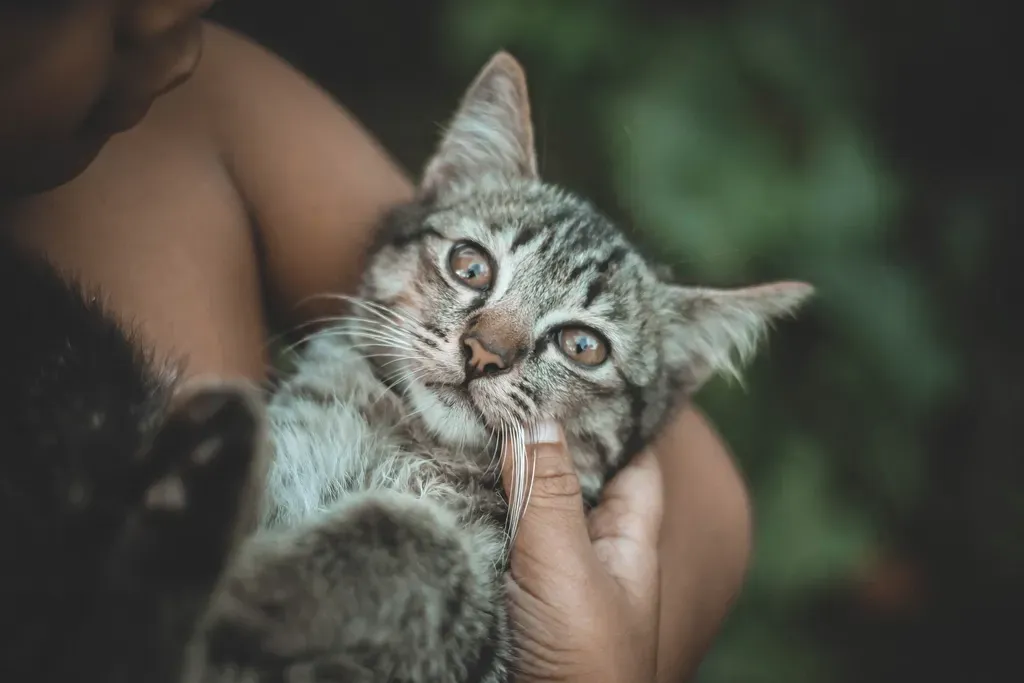
Research suggests cats have one of five personality types, influenced by genetics, environment, and developmental upbringing. Some cats are bold adventurers. Others are anxious homebodies. Some love attention, while others prefer their space. No two cats are truly alike, and anyone who’s lived with more than one knows this intimately.
Cats are captivating creatures with their own unique personalities and quirks. That phrase sounds simple, yet it demolishes the entire “just an animal” argument. Personality implies individuality. Quirks imply preferences. Both require cognitive complexity and emotional depth. When you see your cat sulking because you closed the door they wanted open, or purring with contentment in a sunbeam, you’re witnessing a sentient being with opinions, moods, and a sense of self.
Their Impact on Your Mental Health Is Scientifically Proven
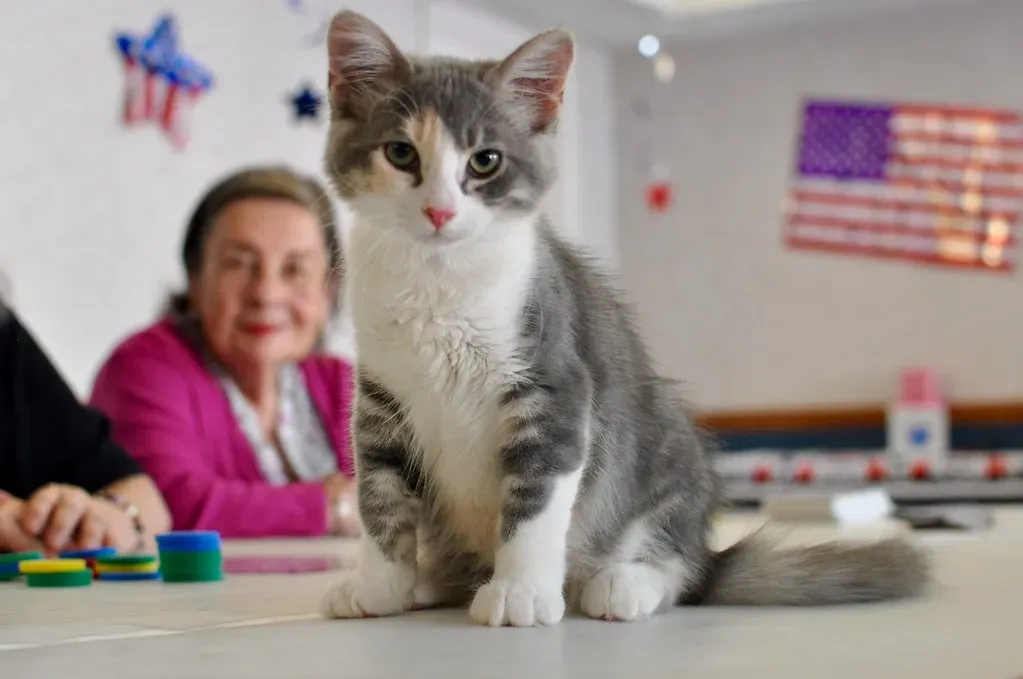
Those who said their pets positively impact their mental health cited benefits including help reduce stress and anxiety (69%). Nearly seven out of ten people with cats reported measurable mental health improvements. That’s not anecdotal fluff. That’s data.
Cat owners were more likely than dog owners to say their pets offer companionship, provide a calming presence and help reduce stress and anxiety. Let that sink in for a moment. Cats, the animals we’ve stereotyped as indifferent and aloof, are actually better at calming us down than dogs in many cases. Their purring, their soft presence, their gentle weight on your lap – all of it contributes to reducing cortisol levels and increasing feelings of connection.
Studies have shown that cats have a calming, stress-reducing impact on our health, and that cat owners are up to 30% less likely to experience heart diseases. Thirty percent. That’s not just companionship. That’s a measurable, life-extending benefit. Your cat isn’t just cute. They’re literally keeping you healthier.
They Read Your Moods Better Than Some People Do
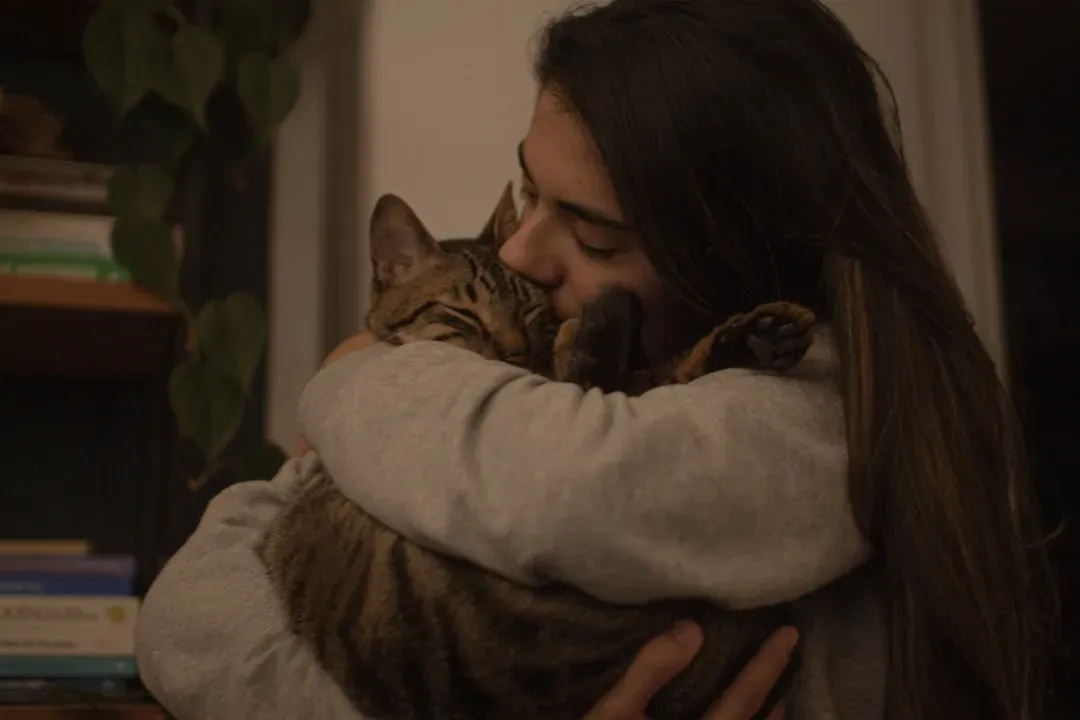
Researchers in Italy found that cats could discern between happy and angry expressions in humans and other cats, and a 2015 study showed that cats react differently to their owners’ smiles and frowns. Think about that. Your cat can tell when you’re genuinely happy versus when you’re faking it for their benefit. They know.
Research on feline recognition of emotion found that cats can recognize human gestures and expressions, and the cat stayed near the owner during happy moods and behaved defensively when the owner frowned or expressed anger. They’re not just present during your emotional highs and lows. They’re actively responding, adjusting their behavior based on your needs. That’s empathy in action, whether we’re comfortable admitting it or not.
They’re Hilariously Weird, and That’s Part of Their Charm
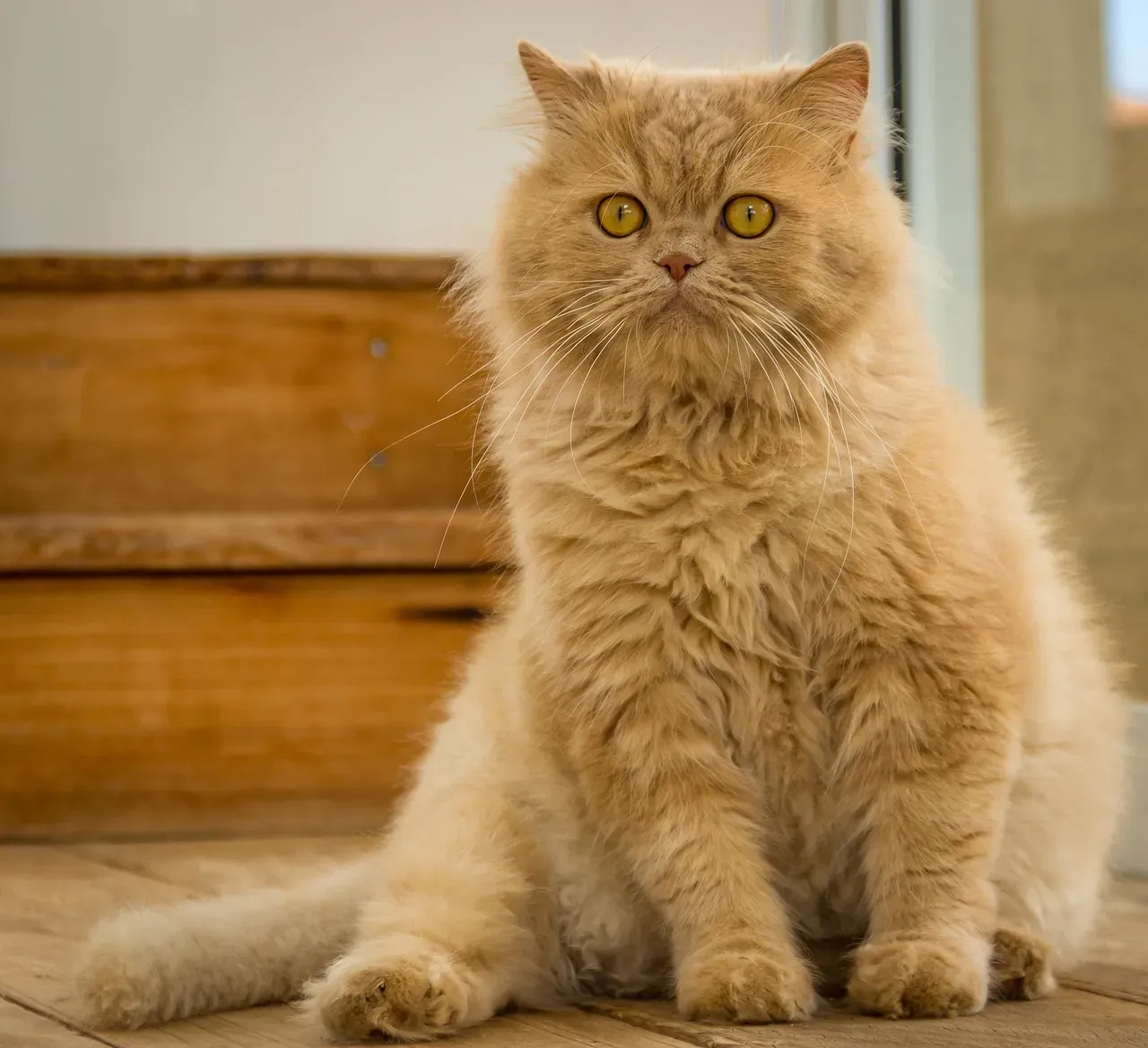
Most house cats have a lot of energy that they pent up and need to release during the day, and they are also nocturnal by nature. Hence the infamous zoomies at three in the morning. It sounds crazy, but those frantic sprints across your living room aren’t meaningless chaos. They’re instinct, play, and stress release all rolled into one furry tornado.
Cats can fit themselves quite comfortably into many small spaces, and may often choose a seemingly uncomfortable nook or cranny over the cushioned cat bed you bought them. Why? Because it makes them feel safe. Secure. It’s rooted in their evolutionary history, yet it’s also undeniably hilarious. Your cat rejecting a fifty-dollar bed in favor of a cardboard box isn’t stubborn defiance. It’s survival instinct meeting modern absurdity, and it’s pure entertainment.
They Challenge Our Assumptions About Connection
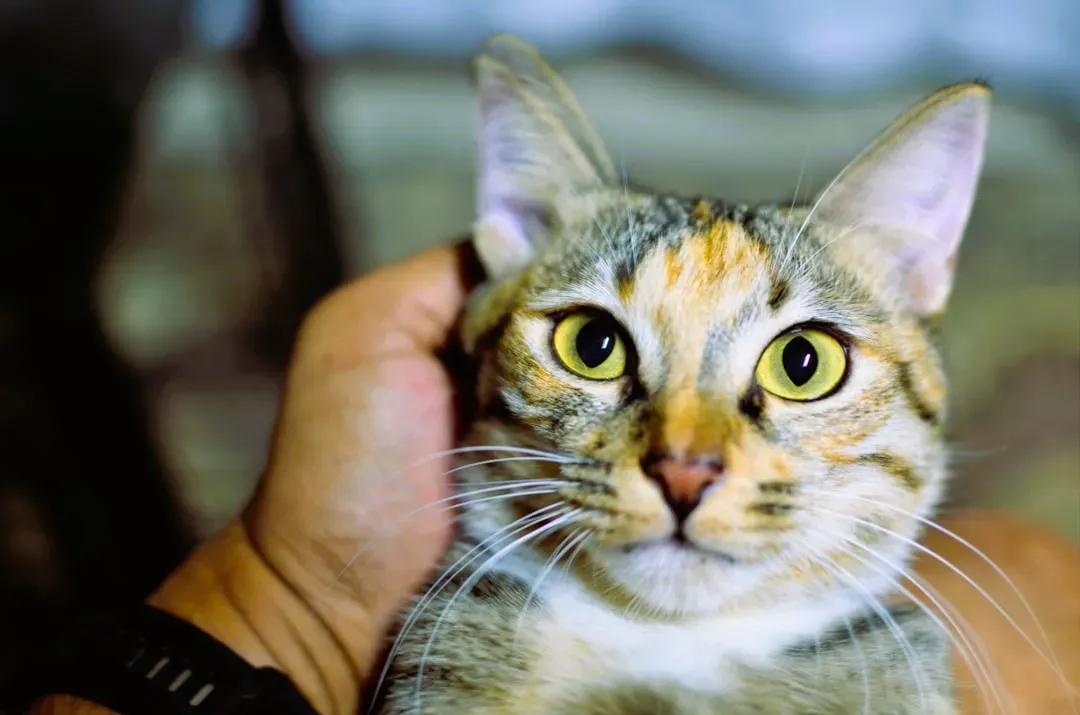
Multiple studies show the humans who live with them feel more like beloved relatives, and one study found half of cat owners said their cat was family. Family. Not pet. Not accessory. Family. That shift in language reflects a deeper truth: cats have transcended their “animal” status in our hearts and homes.
Cats’ autonomous behaviors and reactions positively influenced participants, and the characteristic temperament of cats may be a key factor influencing the health benefits of owning cats. Their independence isn’t a flaw. It’s a feature. It’s what makes the moments of affection feel earned, genuine, and profoundly meaningful. When a cat chooses you, it’s different. It’s mutual.
They’re Therapeutic Without Even Trying
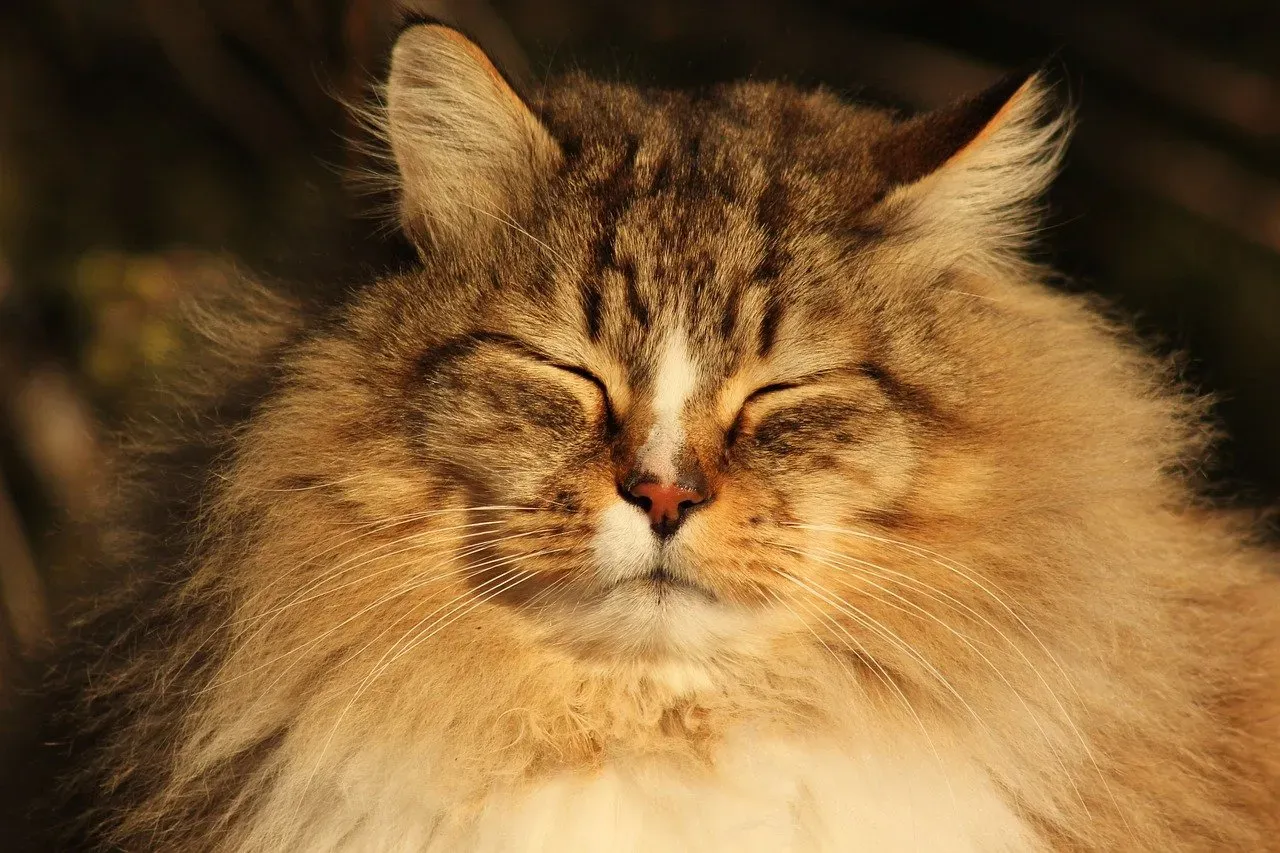
A cat purrs within a range of 20-140 Hz, frequencies suggested to have therapeutic effects such as lowering stress and blood pressure. That’s not folklore. That’s science. Your cat’s purr is literally a healing frequency.
Polls have found that 86% of cat parents agree their pets have had a mostly positive impact on their mental health. The vast majority. They’re not just fuzzy stress balls. They’re active participants in your emotional well-being, providing comfort, routine, and a sense of purpose that’s difficult to quantify yet impossible to ignore.
They’re Integrated Into Your Daily Life in Ways You Don’t Even Notice
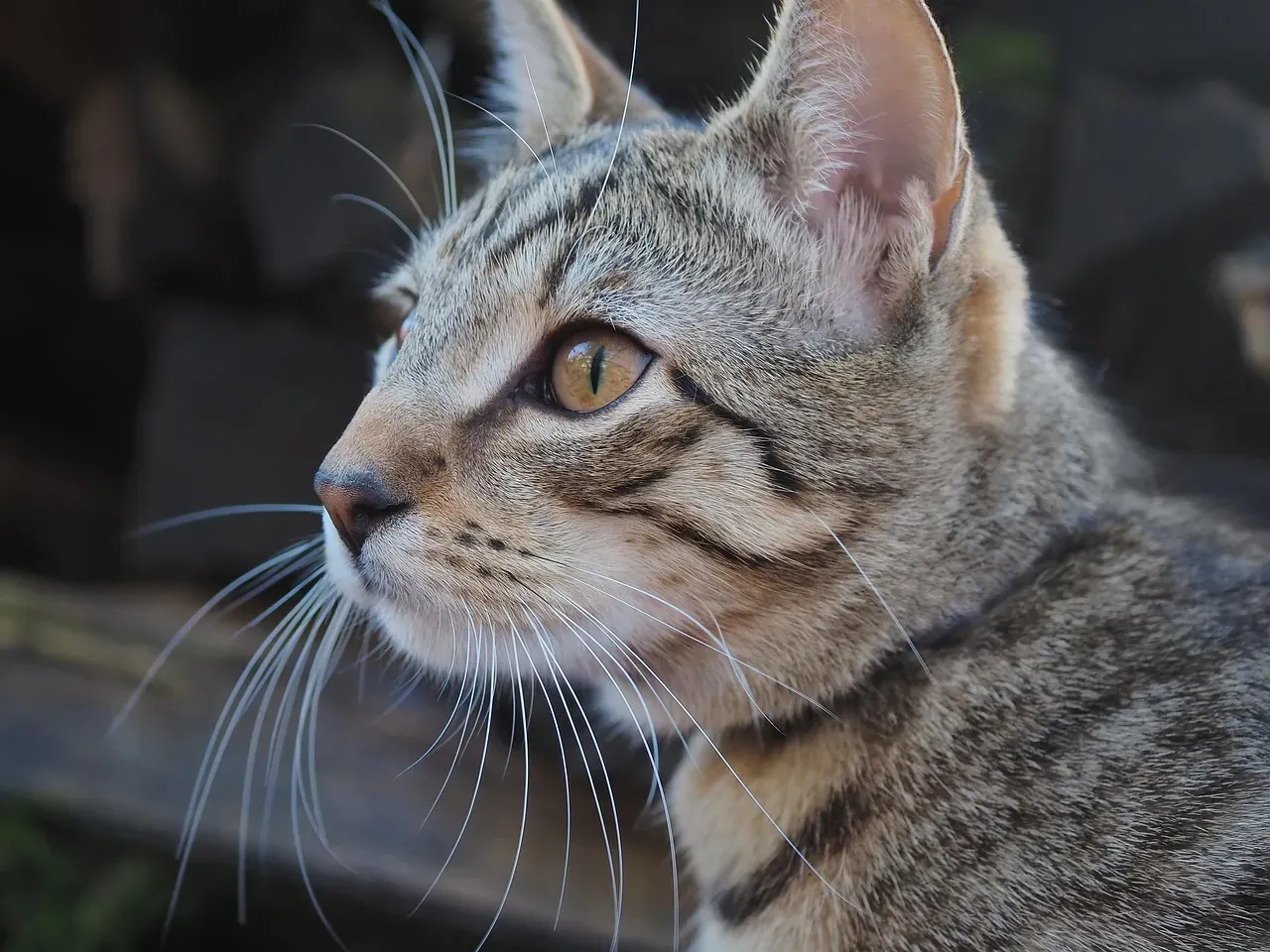
Interacting with cats has positive effects on their owners’ brain, improving mood and activating the prefrontal cortex and inferior frontal gyrus in the brain. Every time you pet your cat, your brain chemistry changes. Every headbutt, every purr, every quiet moment of companionship is reshaping your mental landscape in subtle, powerful ways.
Recent studies show that cats value human interactions highly, alongside food, toys, and scents, and considering that food is necessary for survival, it highlights how important human companionship can be for cats. They choose you over food. Let that sit with you for a second. Your cat values your presence more than their next meal. That’s not dependency. That’s love.
Conclusion: They’re Not Just Animals, and You Know It
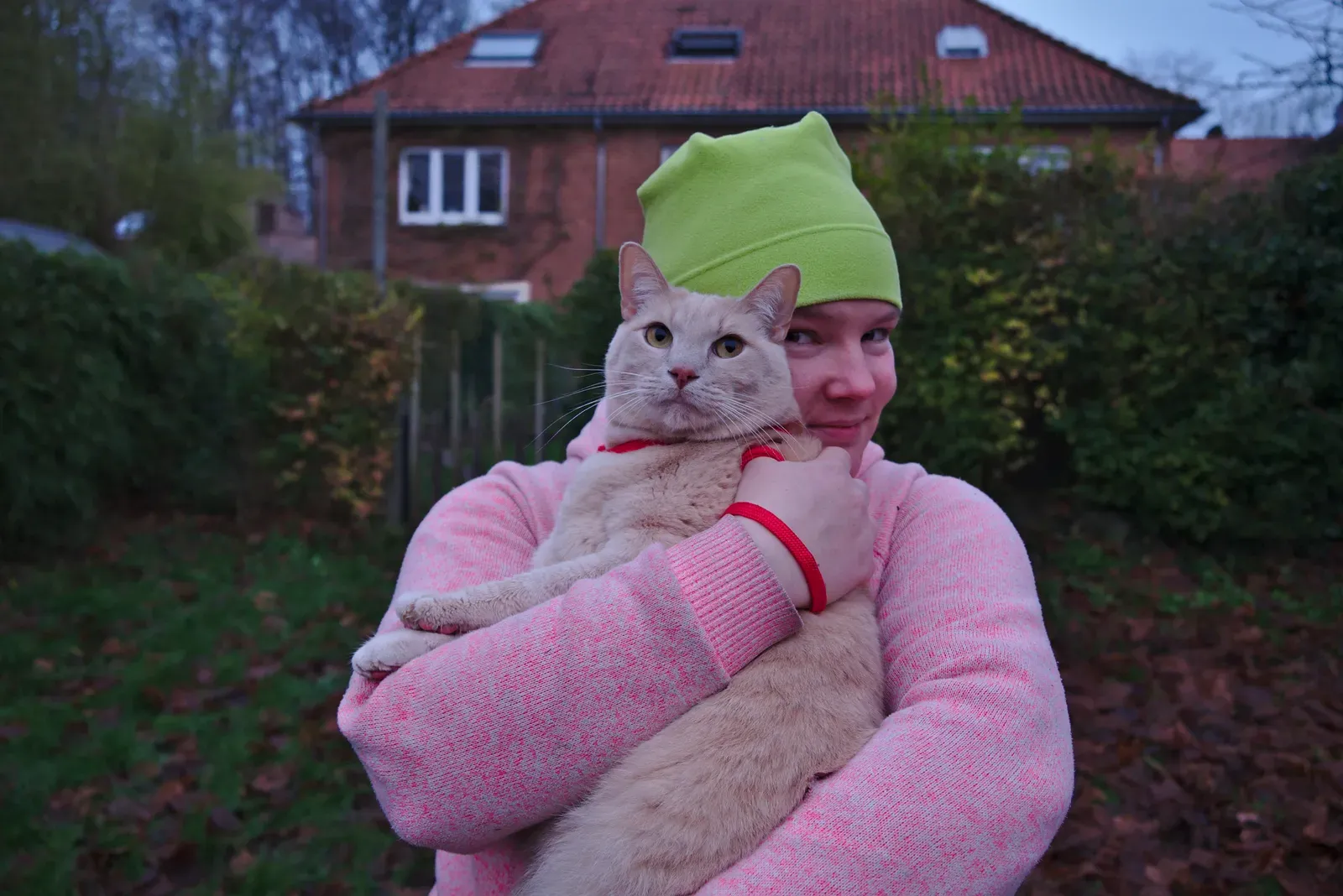
Cats are complex, emotionally intelligent, socially adaptive beings who’ve carved out a unique place in our homes and hearts. They’re not background characters in your life story. They’re co-authors. They shape your routines, influence your moods, and offer a type of companionship that’s equal parts comforting and unpredictable.
The “just an animal” label doesn’t fit anymore, if it ever did. Cats are housemates with opinions. They’re therapists with fur. They’re comedians with impeccable timing and terrible boundaries. They challenge us, comfort us, and remind us daily that connection doesn’t require words. Sometimes it just requires a slow blink, a gentle purr, and the willingness to see them for what they truly are: partners in this strange, wonderful thing we call home. What’s your cat doing right now? Probably something that proves everything we just talked about.