You’ve probably heard it a thousand times. Cats are independent, low maintenance, perfect companions for those quieter, golden years. They sleep all day, right? They groom themselves. Just add food and water, and you’re good to go. Well, hold that thought. While cats do enjoy lounging in sunbeams and napping for hours on end, not all feline companions are created equal when it comes to ease of care. Some breeds demand way more attention, energy, and daily involvement than you might expect. For seniors looking for peaceful companionship, certain cats can turn into furry tornados that climb curtains, yowl for attention at three in the morning, or demand elaborate grooming sessions every single day. Let’s be real – choosing the wrong breed can transform your serene retirement into an exhausting marathon you never signed up for. So let’s dive in and discover which breeds might be a bit too much for those seeking a calmer, more manageable companion.
1. Siamese: The Demanding Conversationalist
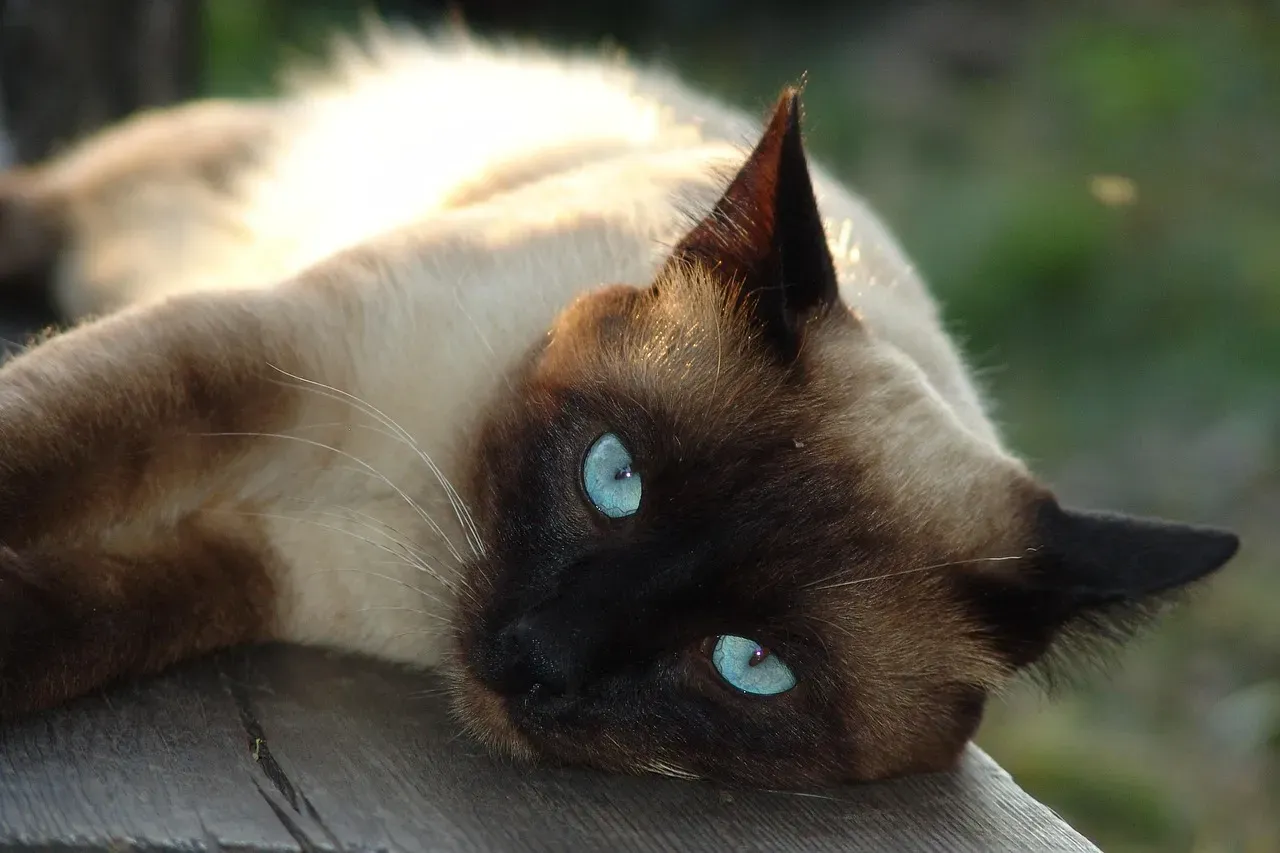
Siamese cats are highly vocal and crave constant interaction, following their owners around and often “chatting” loudly. If you’re someone who enjoys peace and quiet, this breed might challenge that preference daily. These cats are not happy when left alone for extended periods and can become anxious or demanding. Their need for constant companionship means they’ll follow you from room to room, meowing for attention and conversation.
Think about it this way: imagine having a toddler who never stops talking. This athletic, agile breed demands attention, and needs a lot of interactive games and toys to prevent boredom. For seniors with limited mobility or energy, keeping up with a Siamese’s social and mental stimulation requirements can quickly become overwhelming. Siamese cats like to play with humans and require constant attention, otherwise, they might become lethargic.
2. Bengal: The Wild Child
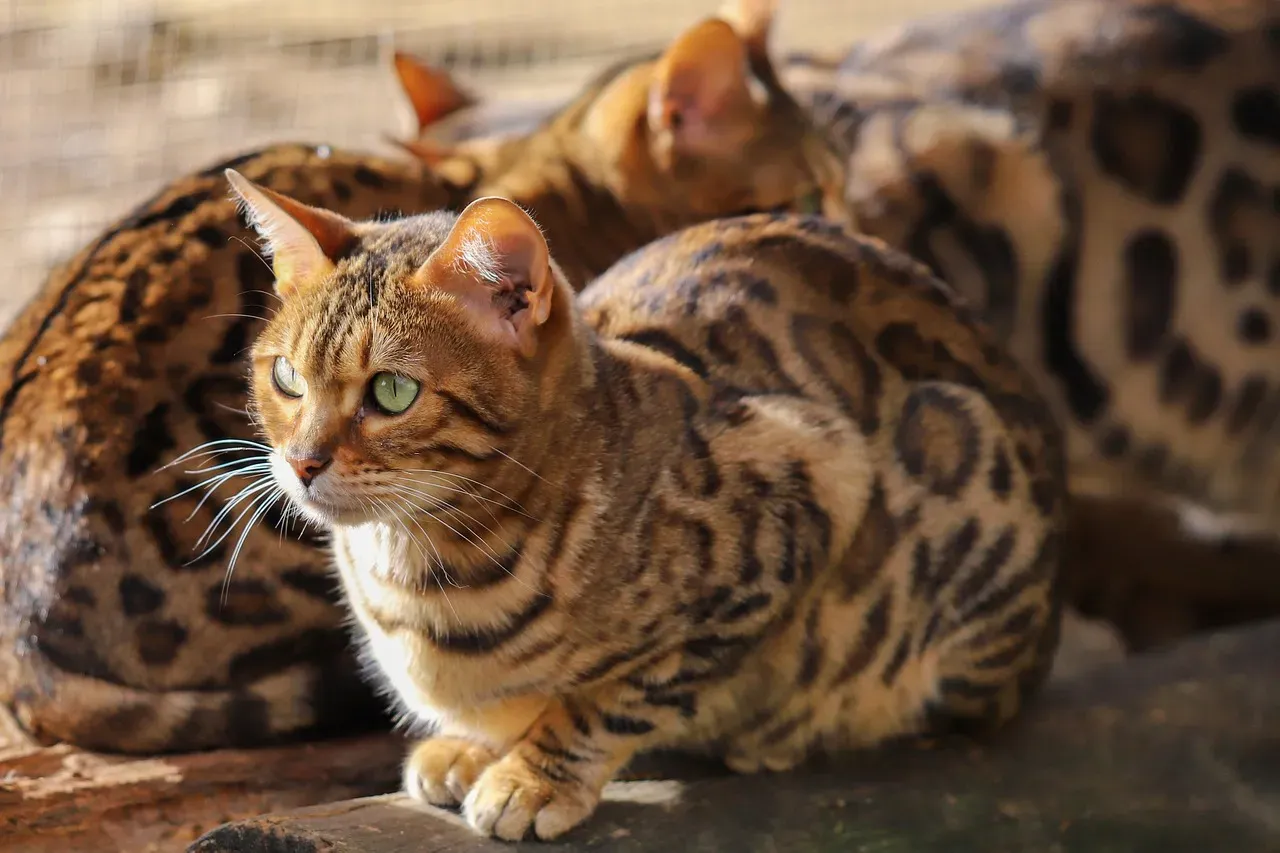
The Bengal is notoriously high maintenance, so you’ll need to put a lot of time into this cat to avoid aggressive behavior. These exotic-looking cats have wild ancestry that shows in their boundless energy levels. As one of the most adventurous and energetic cat breeds, the Bengal cat is also highly intelligent. If they get bored, they’ll let you know by getting into cabinets and toilets, destroying tissues, and hiding things that belong to you. They need stimulation for most of the day to prevent destructive behaviors.
Honestly, Bengals aren’t really the type to curl up in your lap for a quiet afternoon. Bengal cats are usually too full of energy to bother with snuggling. They require a great deal of input from their owners to sustain their interest and help them regulate their high predatory instinct. If climbing furniture, constant play sessions, and athletic antics sound exhausting rather than entertaining, this breed probably isn’t your best match.
3. Sphynx: The High-Maintenance Attention Seeker
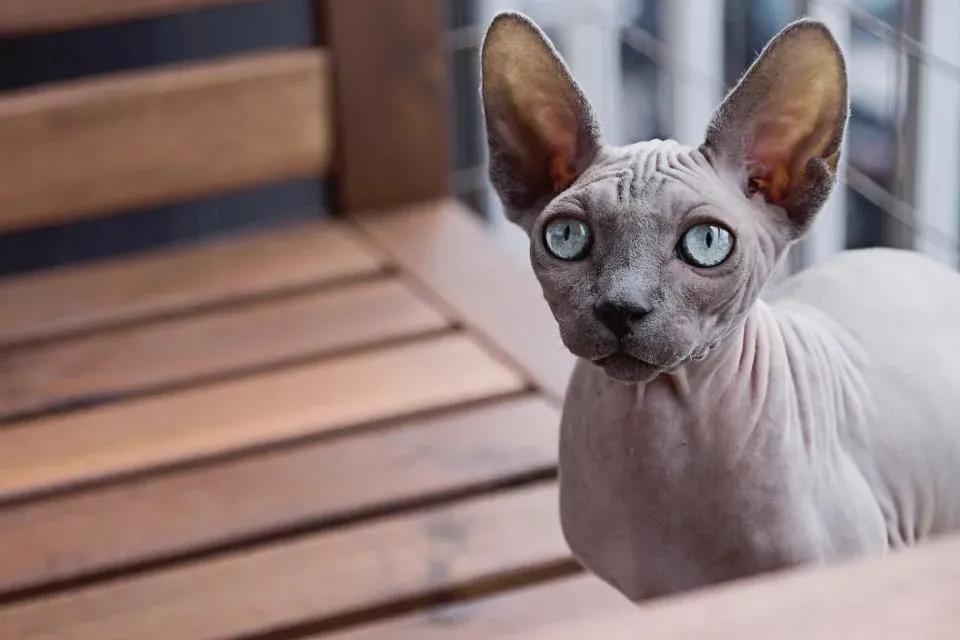
Here’s the thing – people see a hairless cat and think, great, no grooming needed! Wrong. They have a fine peach-fuzz coat that doesn’t absorb natural oils, necessitating regular baths – usually weekly – to prevent skin oil buildup and infections. That’s right, weekly baths. For a cat. Their skin is sensitive to temperature extremes, requiring protection from cold drafts indoors and sunblock outdoors in summer.
This breed is very demanding, which doesn’t just mean taking extra care of their skin due to a lack of fur. It also means the Sphynx cat always wants to be the center of attention. If they’re not getting the attention they desire, the Sphynx will act out to get what they want. For seniors seeking a more independent companion, the Sphynx’s neediness combined with their specialized care requirements can feel like a full-time job.
4. Maine Coon: The Gentle Giant with Big Needs
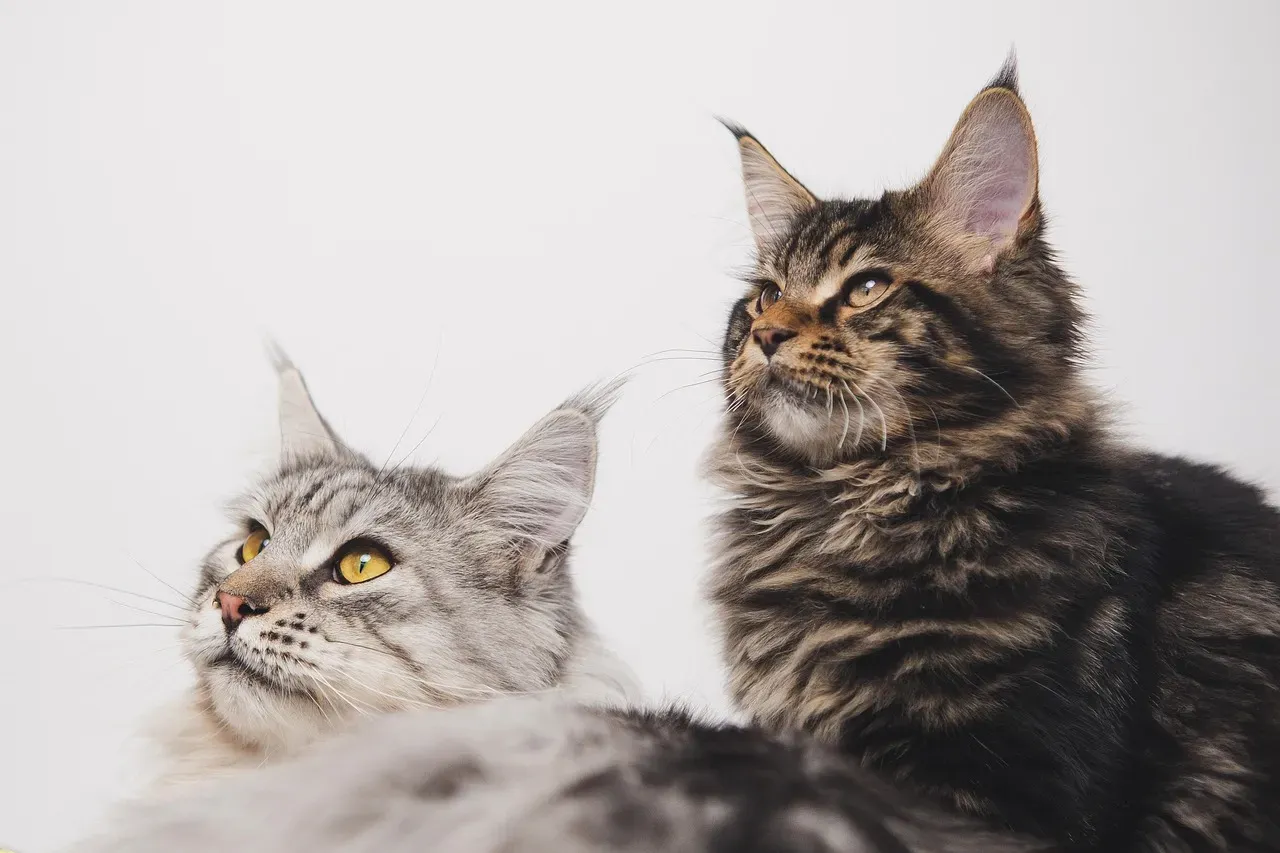
A generally healthy breed, their biggest demands are attention (they crave their owner’s company!) and exercise. While Maine Coons have wonderful temperaments, their sheer size presents unique challenges for older adults. Maine Coons are a larger breed, so they may be difficult for a weaker senior to handle. The same applies to Maine Coons, who can weigh over twenty pounds.
Maine coon coats comprise a short underlayer and a longer, thick, and waterproof top coat that requires frequent grooming. As they are a long-haired breed, Maine coons shed quite a bit and require frequent grooming. Imagine brushing a cat the size of a small dog several times a week – it’s adorable in theory, but physically demanding in practice. Their large size also means lifting them for vet visits or moving them when needed can strain aging backs and joints.
5. Persian: The Daily Grooming Commitment
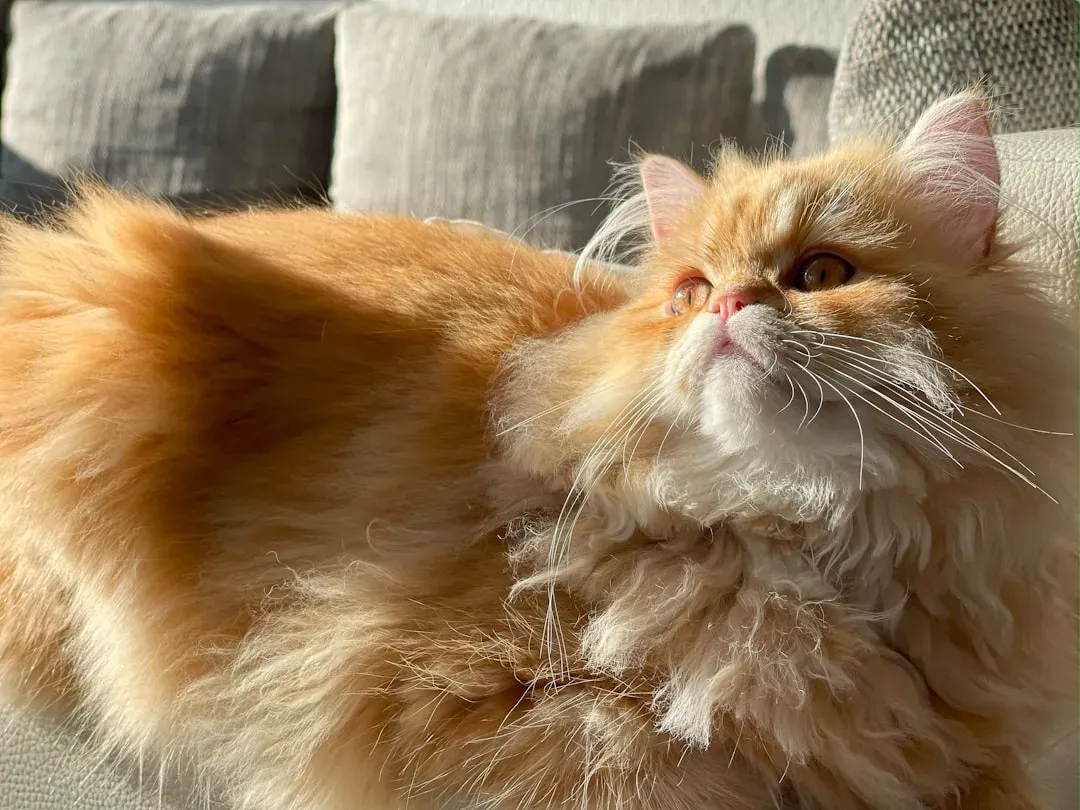
This beautiful fur demands daily grooming to prevent mats and skin issues. Let me emphasize that: daily grooming. Not weekly, not occasionally – every single day. Proper maintenance requires a daily run-through with a metal comb to keep their luxurious coats from turning into a tangled nightmare.
The Persian’s long mane means they require extra attention to stay beautiful, which can be a barrier for some seniors. Add to this their health concerns – Persian cats struggle to breathe properly. Many get short of breath quickly and suffer from inflammation and swelling in their airways – and you’ve got a breed that needs constant monitoring. For seniors with arthritis or limited dexterity, that daily brushing routine becomes a genuine physical challenge rather than a pleasant bonding activity.
6. Ragdoll: The Deceptively High-Maintenance Beauty
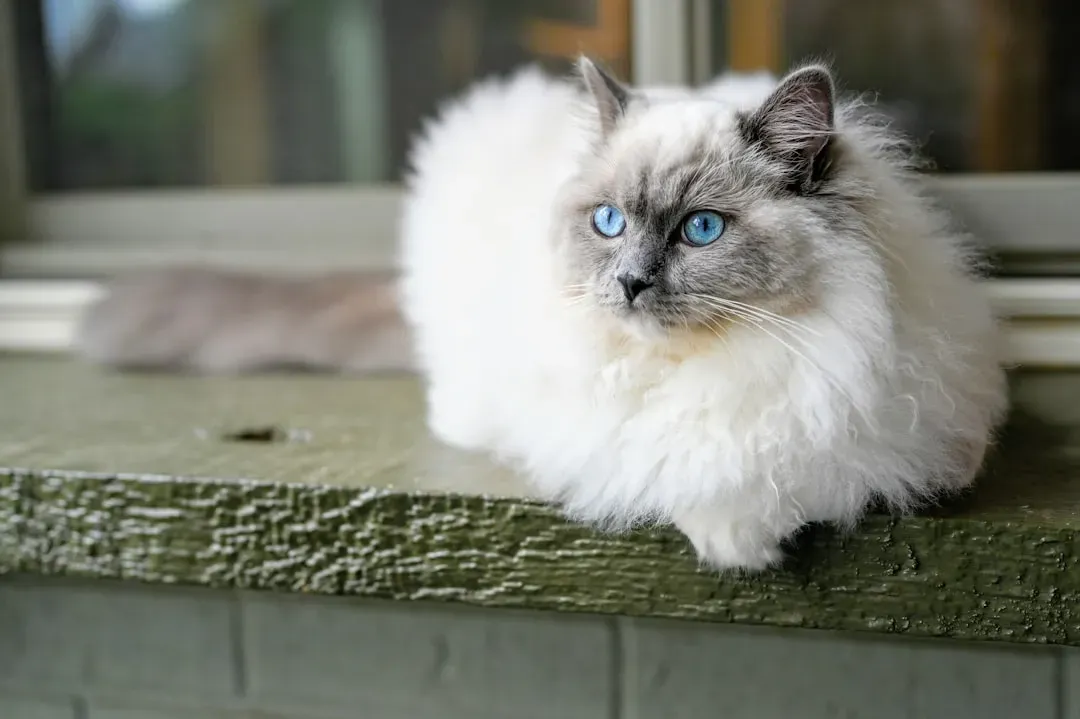
Sure, they’re called Ragdolls because they go limp when you hold them, which sounds absolutely delightful. The problem? Ragdolls tend to be very attached to their owners and often prefer indoor living due to their low awareness of road dangers. They require consistent affection and benefit greatly from interactive play and mental stimulation. Their trusting nature means they depend heavily on their owners for attention and care.
It has a semi-long coat of silky hair that requires weekly brushing to avoid knotting, and like Maine Coons, their substantial size can be challenging. Ragdoll cats are on the larger side and may require more space and be difficult to carry for some seniors. That combination of daily grooming needs, significant size, and emotional dependency creates a care package that might overwhelm someone looking for a simpler pet relationship.
7. Abyssinian: The Perpetual Motion Machine
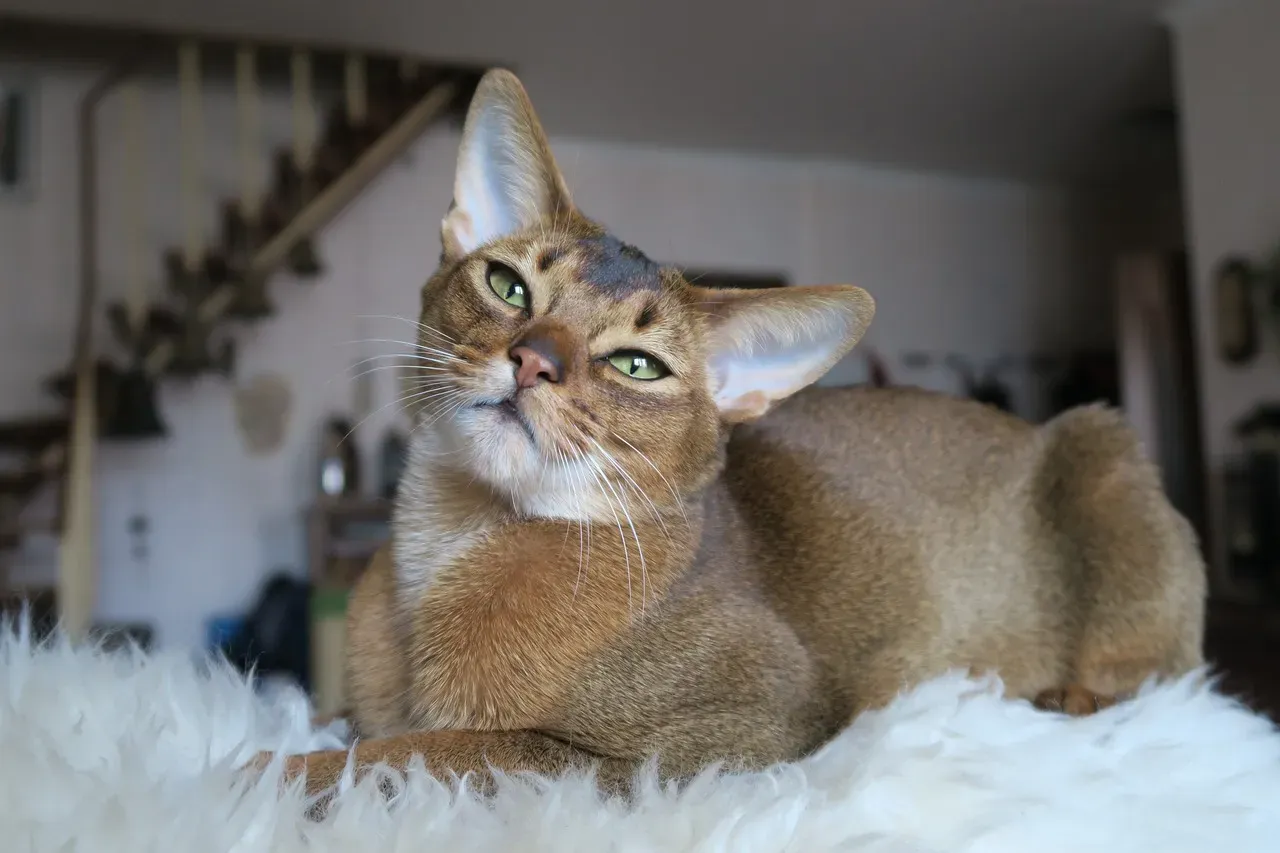
If you want a cat that actually takes naps, skip the Abyssinian. If you’re looking for a low-key and docile cat, you won’t find that in the Abyssinian. This cat will keep you on your toes. They are extremely inquisitive and performative, so you will find yourself laughing often and closing many cupboard doors.
These cats are not known for being lap cats because they like to be constantly on the move. If you want a high-energy, curious cat, they are the perfect breed for you and your family. Notice that phrase: “constantly on the move.” For seniors with limited mobility, keeping up with an Abyssinian’s activity level feels more like chasing a hyperactive toddler than enjoying feline companionship. Abyssinians are busy, active, and affectionate cats that love high places and interactive toys. Without multiple play sessions daily, they become bored and potentially destructive.
8. Balinese: The Vocal Shadow
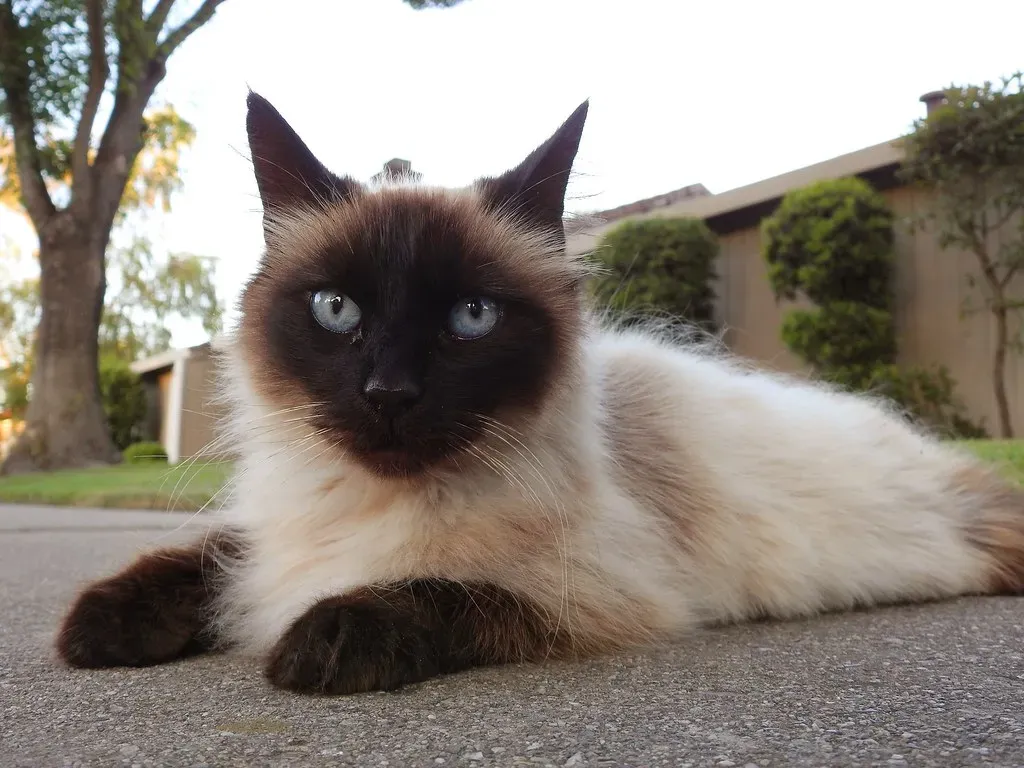
The Balinese is a vocal cat that enjoys talking with his family. They demand a lot of attention and get into mischief so should not be left alone for long periods of time, according to breed experts. Think of them as Siamese cats with longer fur – double the maintenance, basically.
The Balinese is a kind and affectionate cat that will enjoy keeping you company. While this cat breed has a long coat that sheds, a quick weekly brush can ensure it’s always in good condition. That daily grooming commitment, combined with their intense need for interaction, means you’re signing up for a cat that won’t give you much alone time. They want to be involved in everything you do, all day long. For seniors who value independence and quiet moments, a Balinese might feel more like a very affectionate stalker than a peaceful companion.
Conclusion
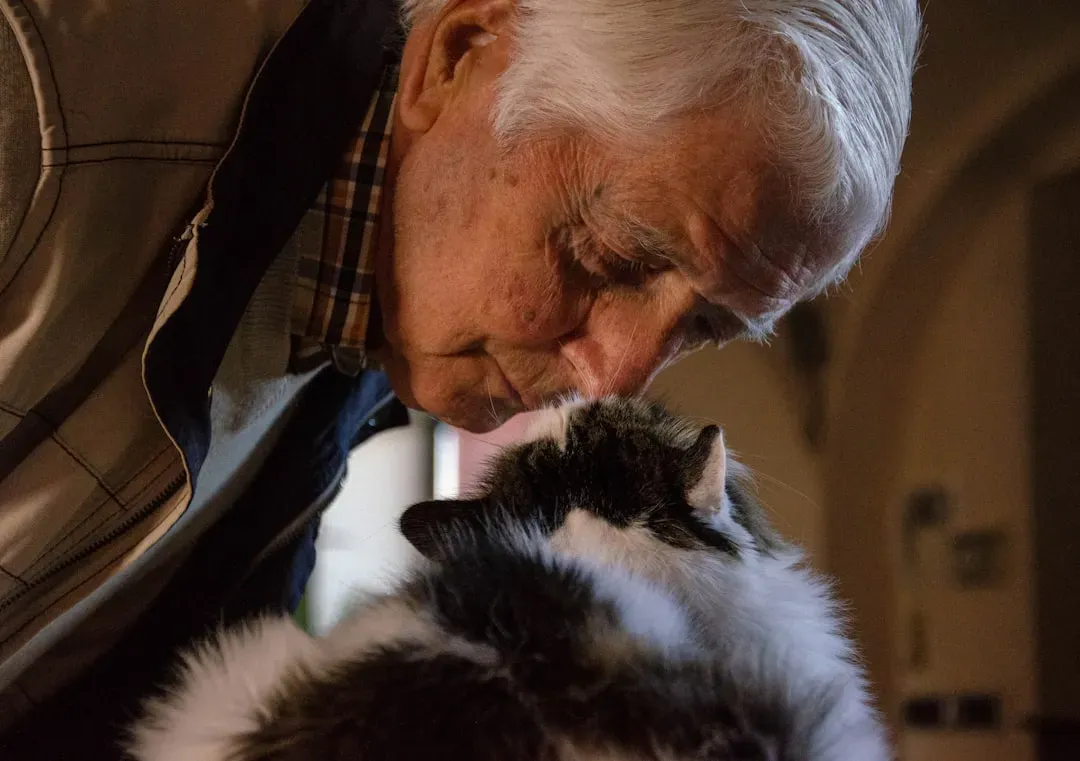
Choosing a cat should bring joy, not stress, to your retirement years. While every single breed mentioned here has devoted fans who adore their demanding personalities, they’re simply not ideal matches for seniors seeking low-maintenance companionship. The daily grooming marathons, constant vocal demands, boundless energy levels, and specialized care needs can transform pet ownership from pleasure into obligation.
That doesn’t mean seniors shouldn’t have cats – absolutely not! It just means selecting breeds better suited to a calmer lifestyle makes everyone happier. British Shorthairs, American Shorthairs, and even senior rescue cats often provide that perfect balance of affection without exhausting demands. The key is matching energy levels and care requirements to your actual capacity, not your idealized vision of cat ownership.
What surprised you most about these breeds? Did you expect some of these popular cats to be so demanding?