You might think all cats are independent creatures who spend most of their day napping in sunbeams and ignoring your existence. While there’s some truth to that stereotype, certain breeds completely shatter that expectation. Some felines demand your undivided attention, need constant grooming sessions, or require so much mental stimulation that a full-time job feels like a walk in the park compared to keeping them entertained.
If you’re juggling work, social commitments, or just value having time to yourself, choosing the wrong cat breed can turn into an exhausting surprise. Let’s be real – you adopted a cat hoping for a low-key companion, not a furry toddler who follows you everywhere and screams for attention. Here are the cat breeds that clash with hectic schedules more than most people realize.
Persian Cats
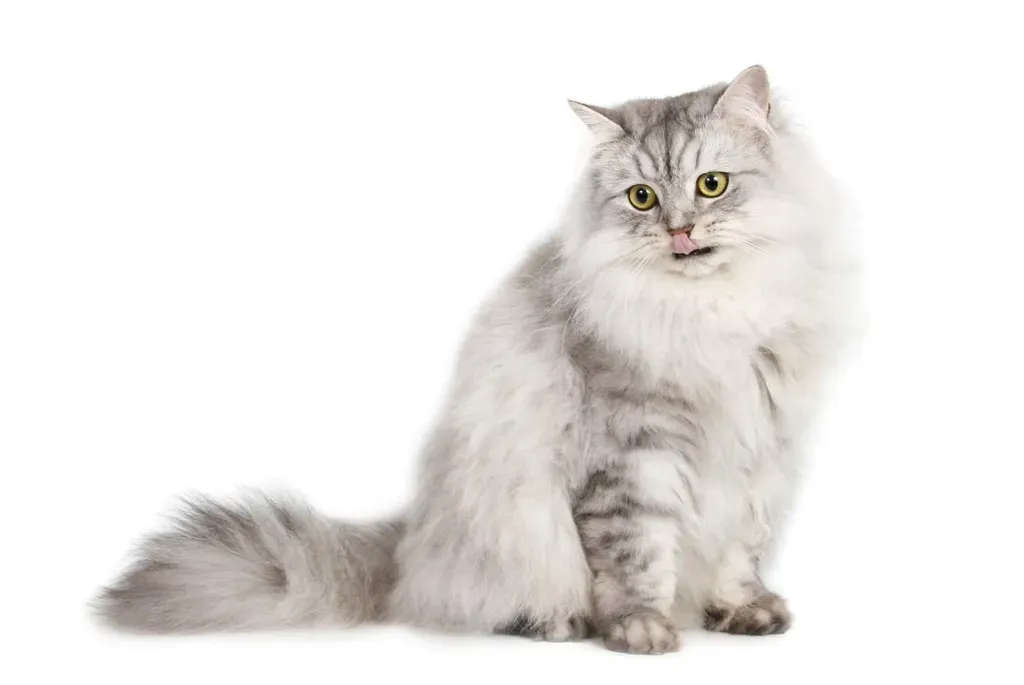
Persian cats are admired for their luxurious long coats, which demand daily grooming to prevent mats and skin issues. If you’re thinking you can skip a few days, think again. Without meticulous care, Persian coats can easily become tangled, requiring professional grooming or veterinary intervention. This isn’t just a weekly task – it’s a daily commitment that can eat up a significant chunk of your evening.
Persians have brachycephalic faces, which may lead to breathing difficulties and eye problems, so regular vet visits are essential. Their flat faces also require consistent tear stain cleaning and close health monitoring. For someone already stretched thin with deadlines and obligations, adding this level of medical vigilance can feel overwhelming. These cats are stunning, sure, yet the price you pay in time and care is steeper than most anticipate.
Siamese Cats
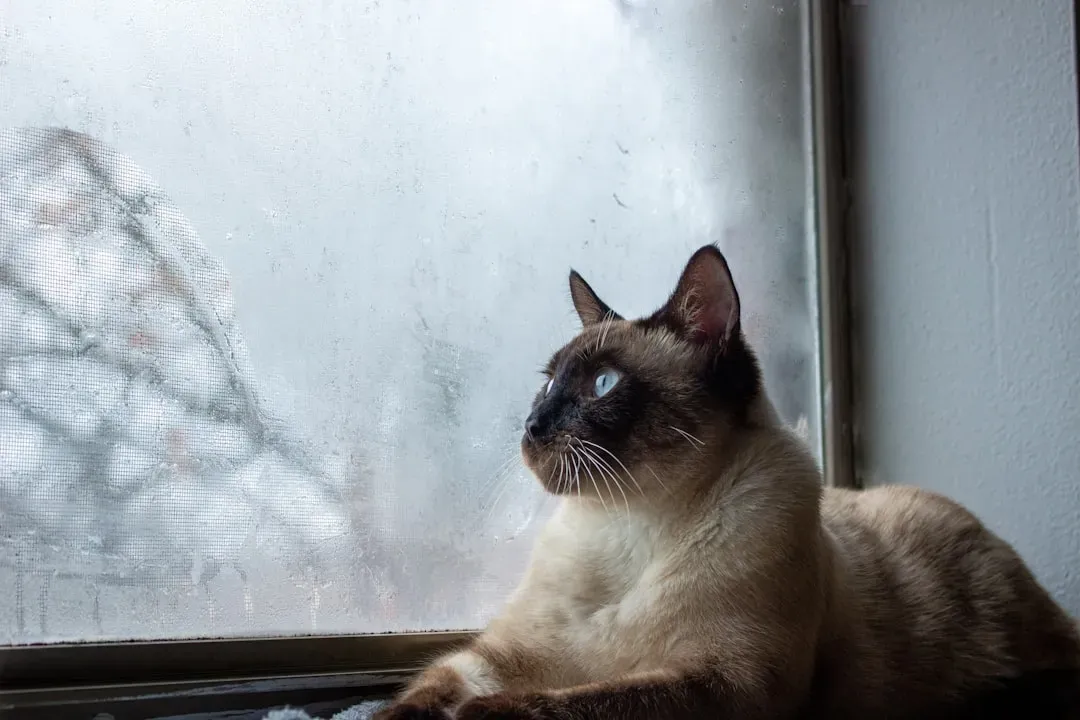
Siamese cats are highly vocal and crave constant interaction, following their owners around and often “chatting” loudly. You know those people who talk nonstop during every moment of silence? That’s essentially your Siamese cat. These cats are not happy when left alone for extended periods and can become anxious or demanding.
Honestly, if you work long hours or travel frequently, a Siamese might develop separation anxiety faster than you can say “work deadline.” Their strong attachment to owners makes them clingy when left alone, and they need a lot of interaction. Imagine coming home exhausted only to be greeted by a feline who needs your immediate attention and won’t stop vocalizing until they get it. This breed thrives on companionship, making them a poor match for anyone who values quiet evenings or solitude.
Bengal Cats
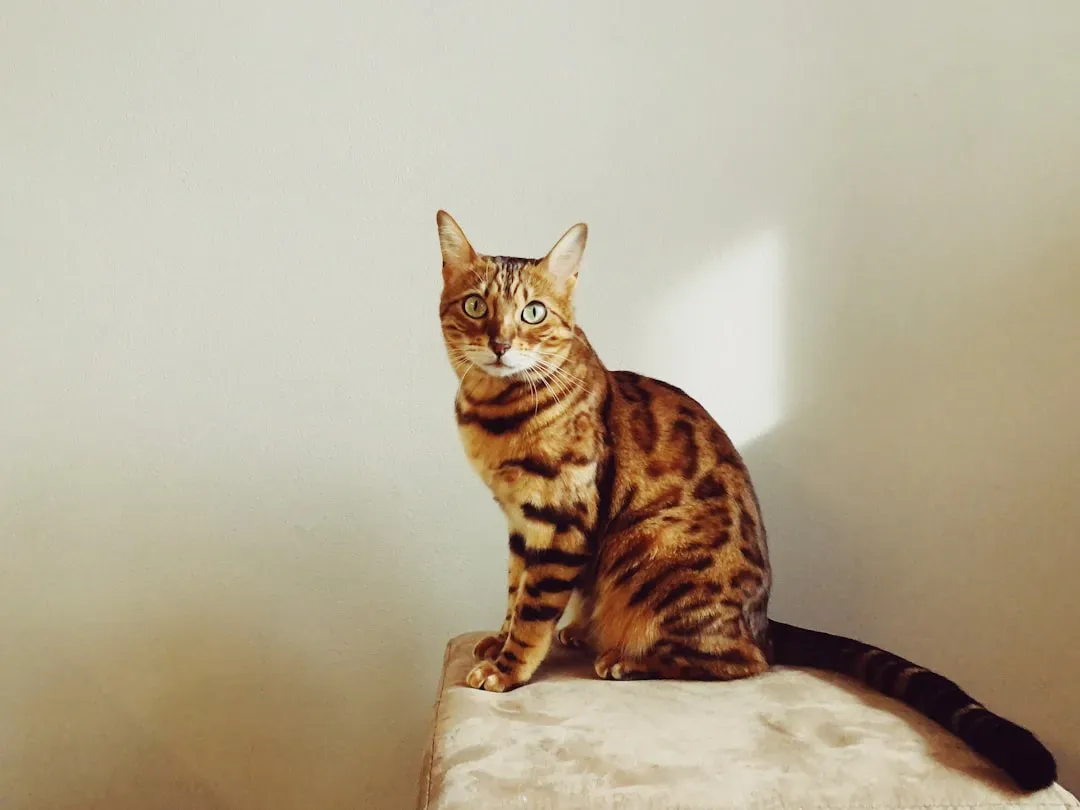
Bengals are the athletes of the feline kingdom and require an environment rich in stimulation to prevent boredom. These cats have wild ancestry, which translates to boundless energy and a strong hunting instinct. Their high energy levels mean they’ll turn your living room into a jungle gym if not given enough playtime.
Think of Bengals like having a hyperactive toddler with claws. They need interactive toys, climbing structures, and dedicated play sessions every single day. For busy owners, this can quickly lead to destruction around the house. Bengal cats may exhibit high energy and a strong hunting instinct, requiring an experienced owner to manage their behavior. If you’re barely home or too exhausted for rigorous play, your Bengal will find their own entertainment – usually involving your curtains or favorite houseplants.
Sphynx Cats
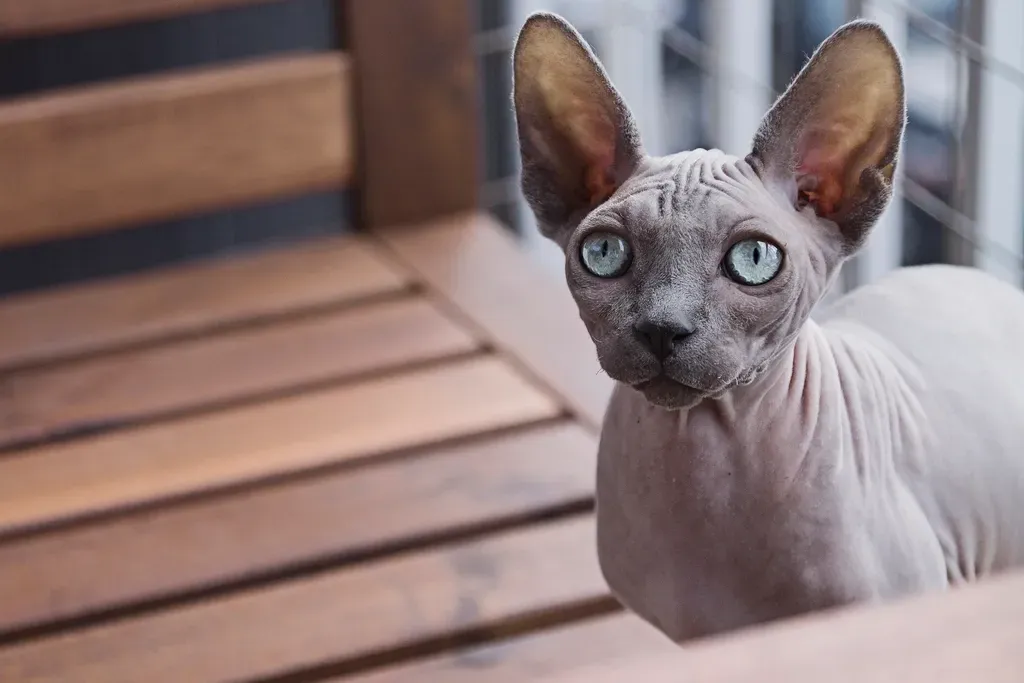
The Sphynx cat’s near-hairless body requires unique care, necessitating regular baths – usually weekly – to prevent skin oil buildup and infections. That’s right, you’ll essentially be bathing your cat more frequently than some people shower. Their skin is sensitive to temperature extremes, requiring protection from cold drafts indoors and sunblock outdoors in summer.
Sphynx cats are very social and demand a lot of attention and interaction from their pet parents. They’re needy on multiple fronts – physically demanding because of their grooming requirements and emotionally draining because they constantly seek companionship. If you travel for work or have unpredictable hours, a Sphynx will likely develop behavioral issues from loneliness. They’re gorgeous and unique, yet their care needs make them incredibly high-maintenance for anyone with a packed schedule.
Ragdoll Cats
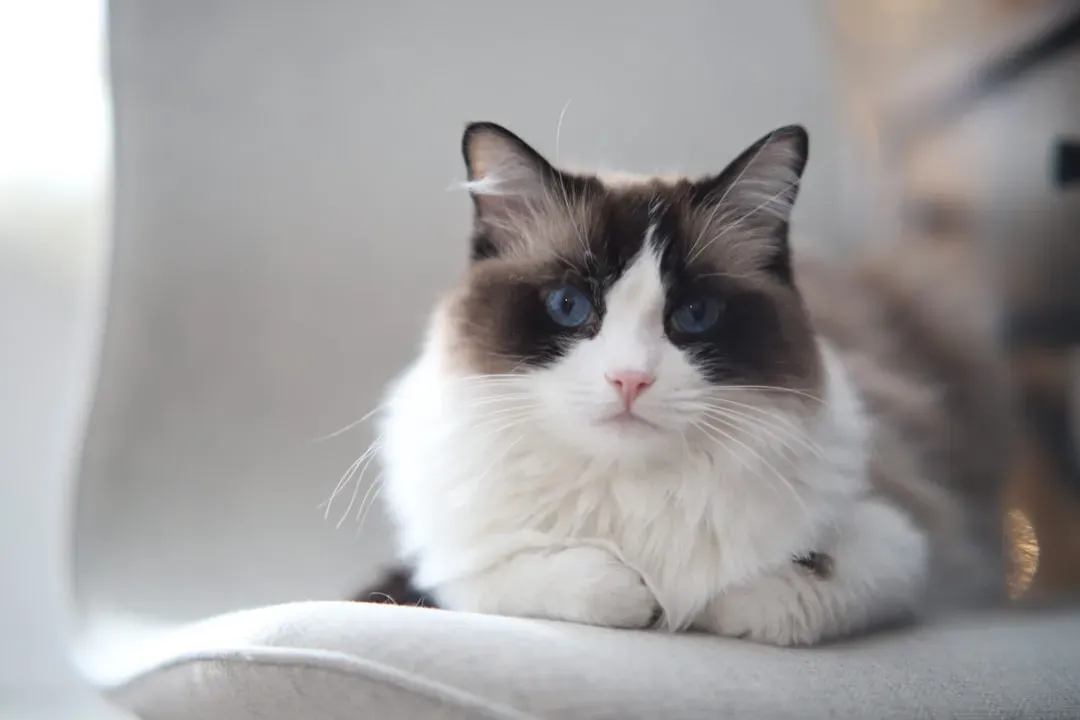
Ragdolls are extremely people-oriented and do not enjoy long stretches of solitude, thriving on companionship and interaction. While they’re gentle and sweet-natured, their emotional needs are surprisingly intense. If you work long hours or want a more independent cat, a Ragdoll may not be the best fit.
Their dense, silky coat needs regular grooming to stop it getting matted. Sure, they won’t demand constant play like Bengals, but they’ll follow you from room to room expecting cuddles and attention. For someone who travels frequently or works unpredictable hours, a Ragdoll can become depressed and anxious. Their neediness might surprise you – they’re basically emotional support animals who require their own emotional support human.
Maine Coon Cats
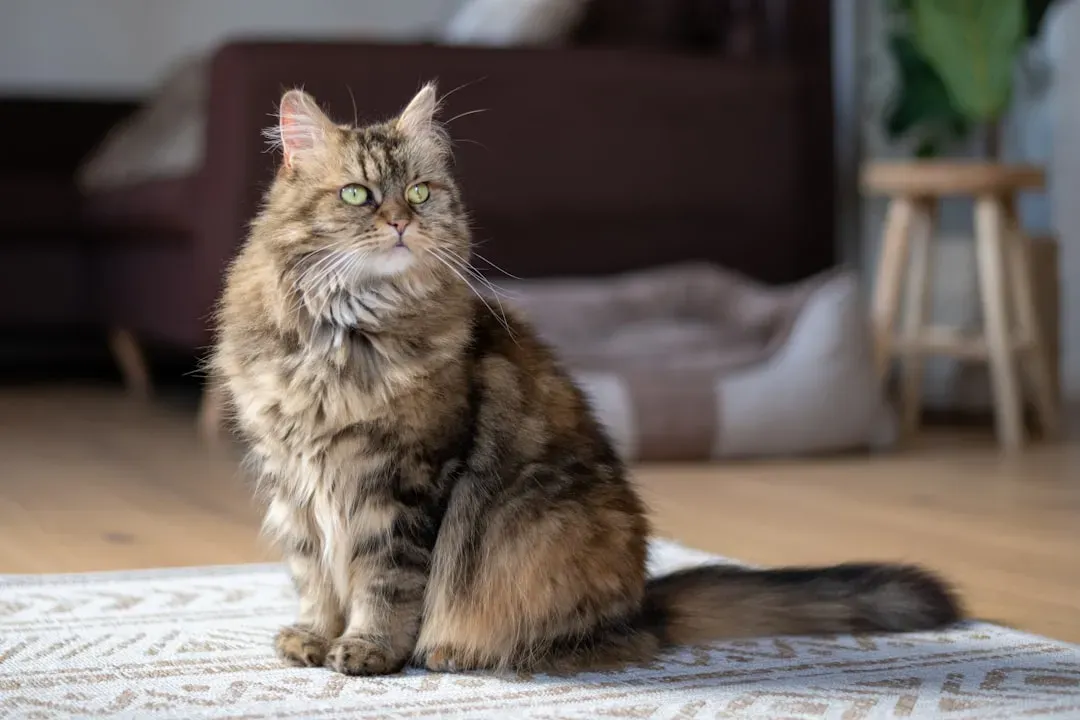
Maine coons crave their owner’s company and require attention and exercise. Despite their reputation as gentle giants, these cats aren’t content to just exist in your home without regular interaction. As they are a long-haired breed, Maine coons shed quite a bit and require frequent grooming, with some having cottony coats that need daily combing.
Their sheer size also means they need significant space and enrichment opportunities. Maine coons have a high prevalence of hypertrophic cardiomyopathy as well as hip dysplasia and other health conditions. This translates to more vet visits and health monitoring than you might expect. If you’re rarely home or live in a small apartment, a Maine Coon’s needs for space, grooming, and companionship can quickly become overwhelming.
Oriental Shorthair Cats
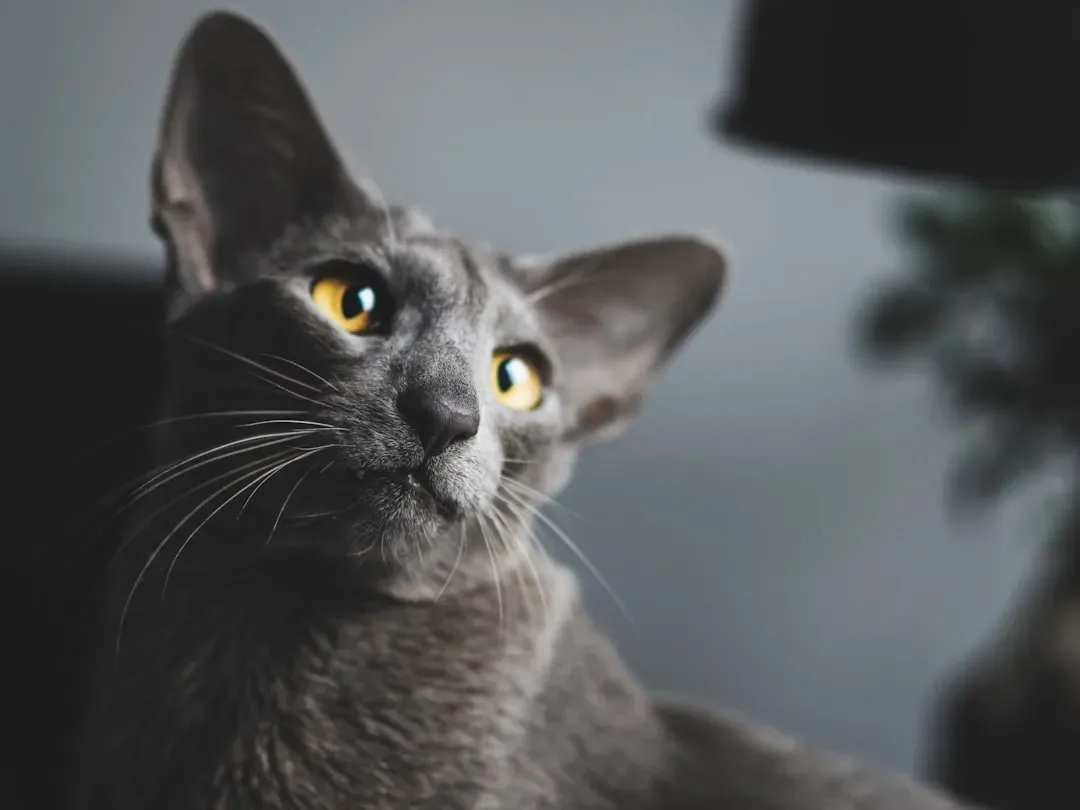
Oriental Shorthairs are lively conversationalists, known for their vocal and playful demeanor, requiring an environment rich in interaction to stay content. They’re basically the extroverts of the cat world, never missing an opportunity to vocalize their opinions about absolutely everything. Their social nature makes them unsuitable for owners who lack time for engagement.
These cats form incredibly strong bonds with their humans and expect reciprocation. Leave them alone too long, and they’ll let the entire neighborhood know about their displeasure. For someone with long work hours or frequent travel, an Oriental Shorthair’s constant need for conversation and playtime can become exhausting rather than endearing.
Balinese Cats
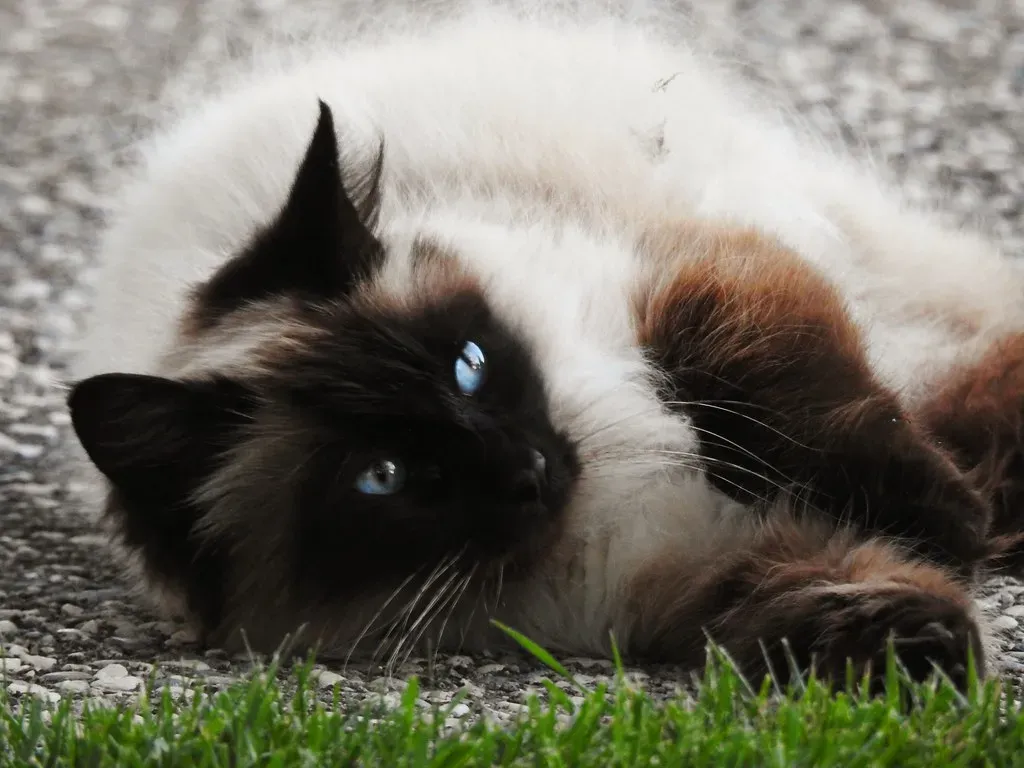
The Balinese is a vocal cat that enjoys talking with his family and demands a lot of attention, getting into mischief if left alone for long periods. Think of them as Siamese cats with longer fur – same demanding personality, same vocal tendencies, plus extra grooming requirements. They’re stunning to look at, yet their behavior can test the patience of even the most devoted cat lover.
Their intelligence means they get bored easily, and a bored Balinese is a destructive Balinese. They need puzzle toys, interactive games, and someone willing to engage with them multiple times daily. If you’re coming home drained from work and just want to collapse on the couch, a Balinese will have other plans for your evening.
Devon Rex Cats
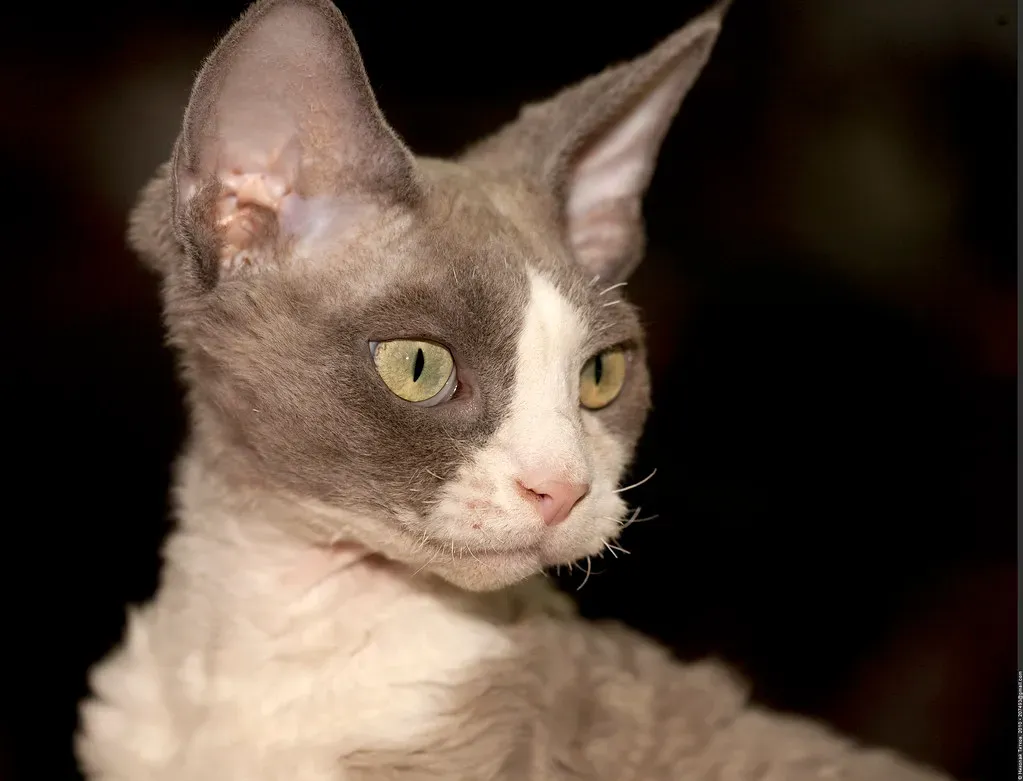
Devon Rex cats have unique, curly coats that require special attention and care. Their playful, energetic nature means they’re constantly seeking entertainment and interaction with their humans. These cats are incredibly people-oriented and don’t do well when left alone for extended periods.
Their short, wavy coats might seem low-maintenance, yet they actually need regular grooming to manage skin oils properly. Devon Rex cats are also prone to certain health issues that require monitoring. They’re mischievous and clever, which translates to needing constant supervision and mental stimulation. For busy professionals, keeping a Devon Rex entertained and properly cared for can feel like a part-time job.
Cornish Rex Cats
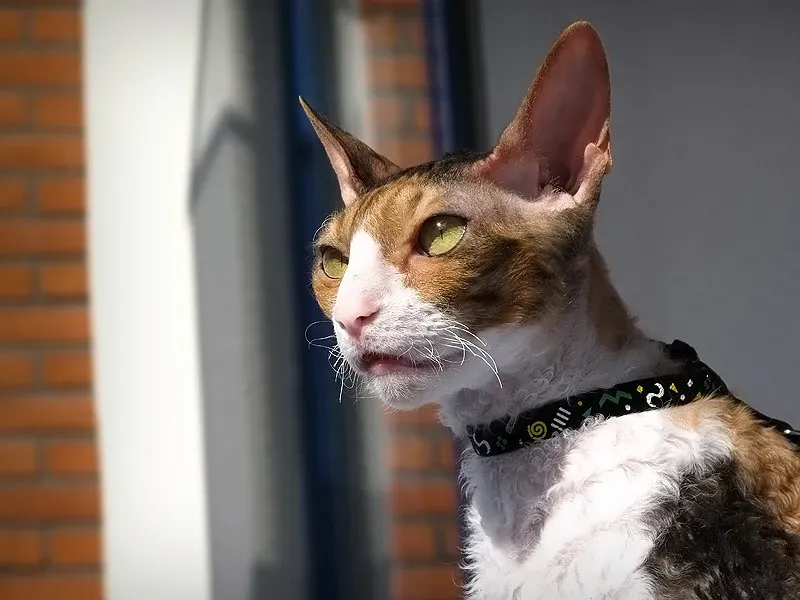
Cornish rex cats come with skin health risks and are highly social, lively breeds that love attention and can be demanding at times, not liking to be alone for long periods. Their distinctive curly coats aren’t just for show – they require specific skin care routines to prevent issues. These cats are perpetually energetic and crave human interaction constantly.
If you’re thinking their small size means less work, you’d be mistaken. Cornish Rex cats are climbers, jumpers, and explorers who need an enriched environment with plenty of vertical space. They’ll follow you everywhere and demand participation in every activity you’re doing. For someone with a packed schedule, their neediness can quickly become overwhelming.
Abyssinian Cats
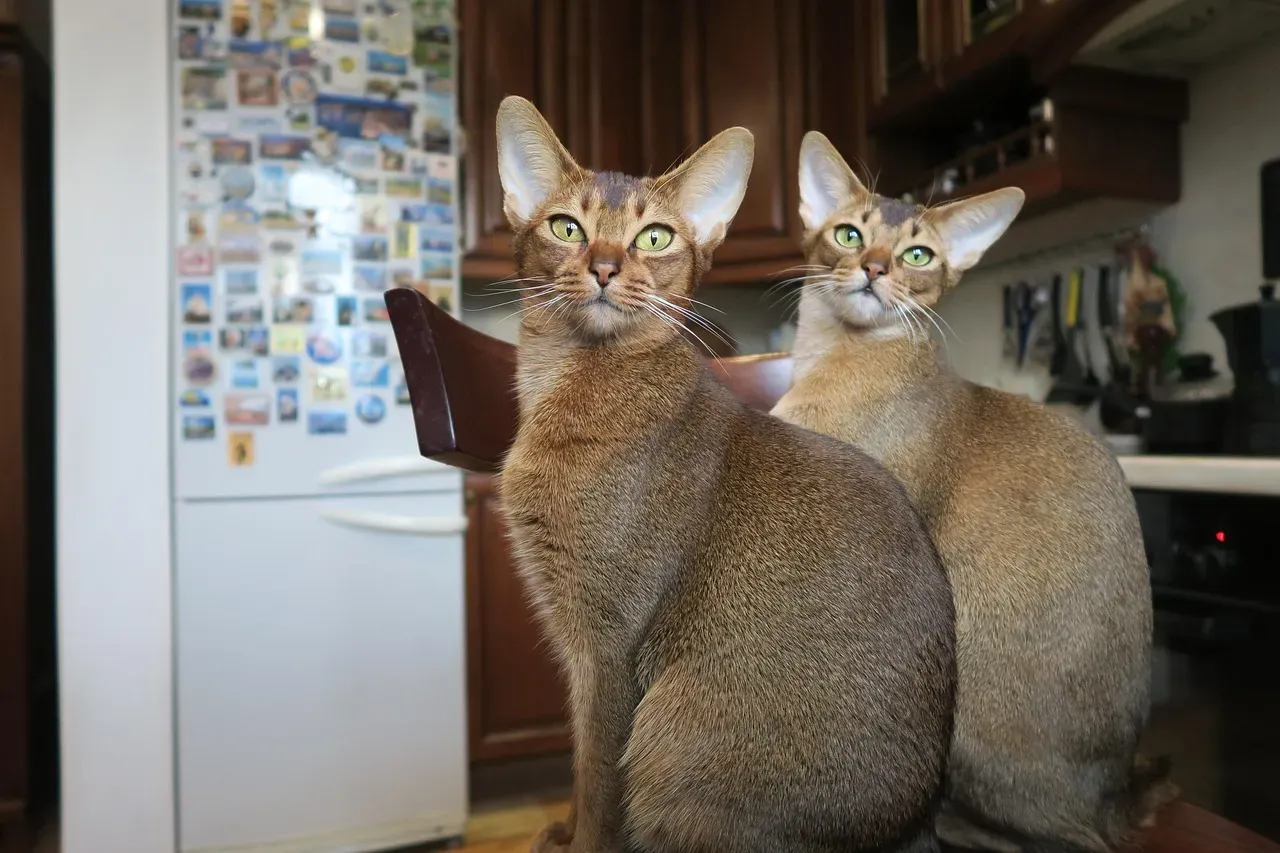
Abyssinians are highly energetic and playful, which can be demanding for owners who are not familiar with engaging cats in frequent activity and enrichment. These cats are constantly on the move, investigating every corner of your home with relentless curiosity. They’re intelligent and require mental challenges to stay satisfied.
Abyssinians aren’t lap cats who’ll quietly snooze while you work from home. They want to be involved in everything you’re doing and need dedicated playtime every single day. Their athletic nature means they need climbing structures, toys, and space to run. If you’re frequently away or too exhausted for daily interactive sessions, an Abyssinian will likely develop behavioral problems from pent-up energy and boredom.
Turkish Angora Cats

Turkish Angoras are stunningly beautiful with their silky white coats and striking eyes, yet they’re also incredibly demanding. These cats are highly intelligent and social, forming strong bonds with their chosen humans. They need regular mental stimulation and don’t handle being ignored well.
Their long, fine coats require consistent grooming to prevent tangles and matting. Turkish Angoras are also known for being quite vocal when they want something, which seems to be most of the time. They’re playful well into adulthood and need interactive toys and dedicated attention. For busy owners, their combination of grooming needs and emotional demands can prove exhausting.
Scottish Fold Cats
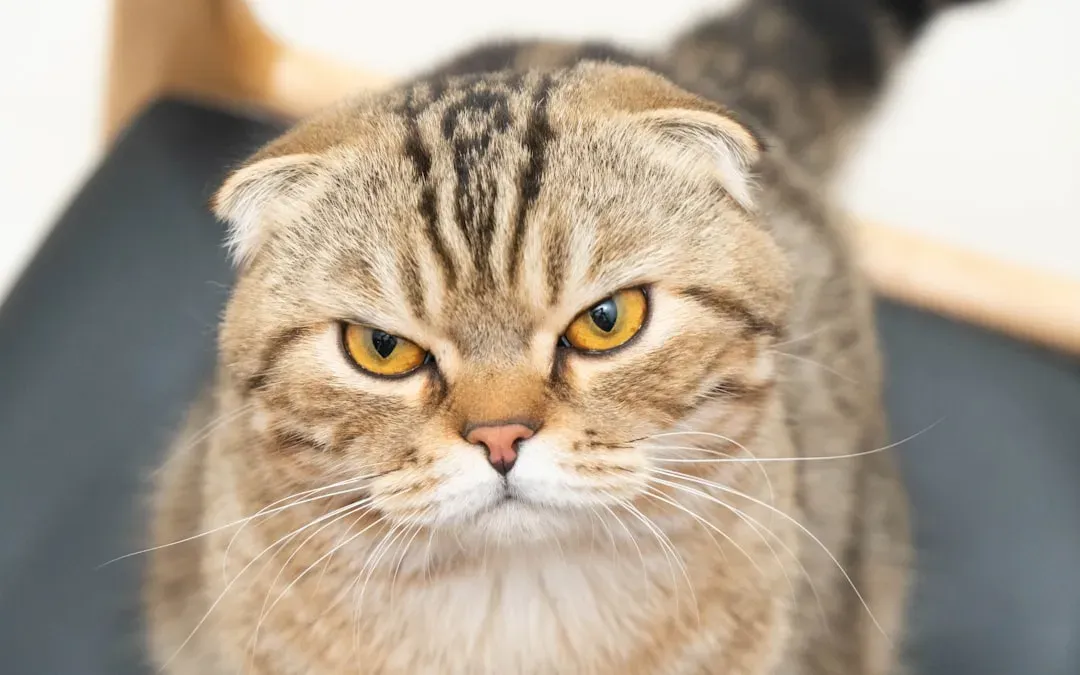
Scottish Folds are adorable with their distinctive folded ears, yet they come with unique health concerns that require vigilant monitoring. The breed can be predisposed to arthritis owing to the genetic cartilage defect that causes their folded ears, and are likely to require special management. This means more frequent vet visits and potentially lifelong medical care.
Beyond health concerns, Scottish Folds are surprisingly social and don’t enjoy being left alone for long periods. They form strong attachments to their families and can become anxious when separated. While they’re not as hyperactive as Bengals, their medical needs combined with their desire for companionship make them challenging for anyone with limited time and resources.
Himalayan Cats
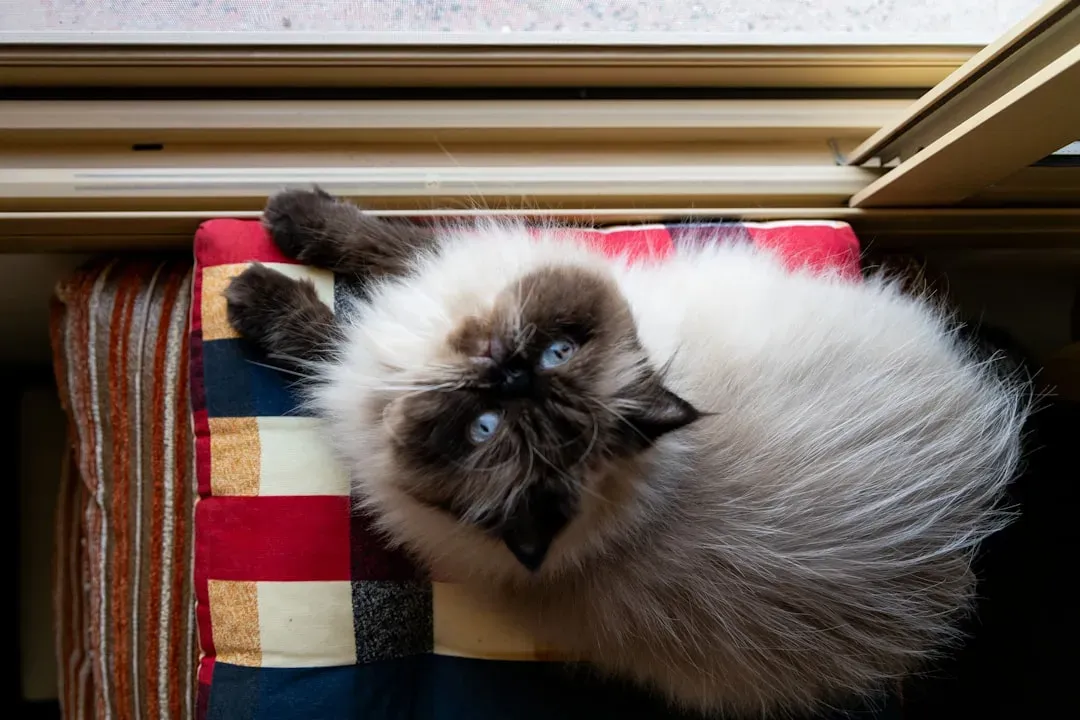
Himalayan cats with their piercing blue eyes and luxurious coats are like living, purring, high-maintenance sculptures. They essentially combine the grooming demands of Persians with specific health vulnerabilities. Their long, thick coats mat easily and require daily brushing without exception.
Himalayans also inherit the brachycephalic facial structure, meaning breathing issues and eye problems that need regular monitoring. They’re gentle and affectionate, yet their physical care requirements are substantial. For someone juggling work, family, and personal commitments, finding time for daily grooming sessions and frequent health checks can feel impossible. They’re beautiful companions if you have the time, yet brutal reality checks if you don’t.
Burmese Cats
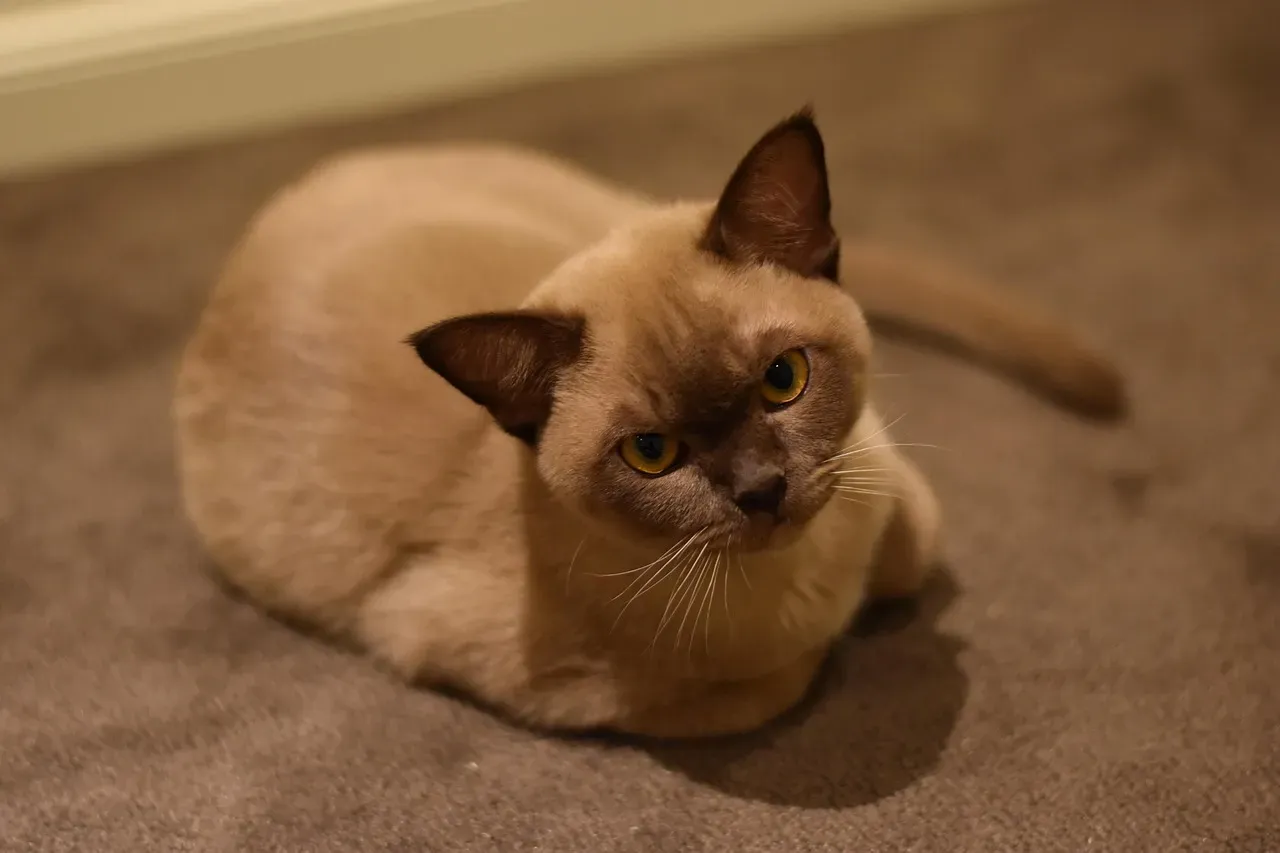
Burmese cats have a particularly high risk of developing diabetes, which can cause serious symptoms and may require daily insulin injections. Beyond potential health issues, Burmese cats are incredibly social and people-oriented. They don’t do well in homes where everyone is gone most of the day.
These cats are playful and energetic well into adulthood, needing regular interactive play sessions. They’re also quite vocal and will let you know when they’re unhappy with the amount of attention they’re receiving. For busy professionals or families with packed schedules, a Burmese cat’s combination of potential medical needs and high social demands can quickly become overwhelming. They deserve owners who can dedicate significant time to their care and companionship.
Conclusion
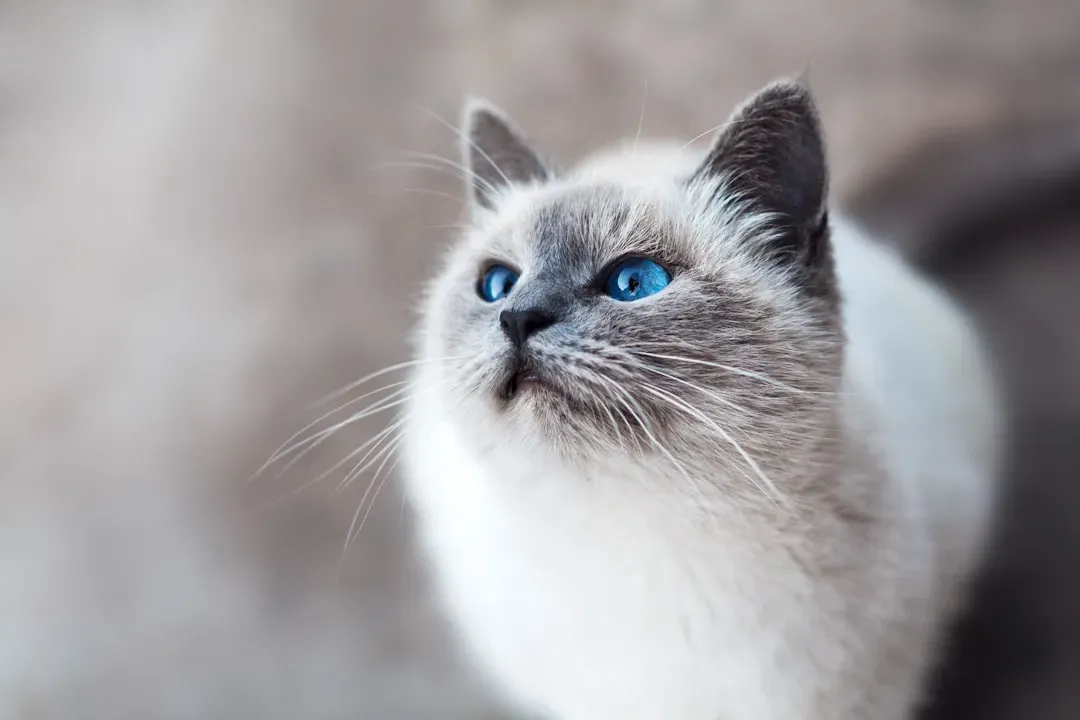
Choosing a cat breed that actually fits your lifestyle isn’t just about falling in love with adorable photos online. These fifteen breeds demand levels of time, energy, and attention that can clash dramatically with busy schedules. From the daily grooming marathons required by Persians and Himalayans to the constant vocal demands of Siamese and Oriental Shorthairs, these cats need far more than occasional feeding and a clean litter box.
If you’re someone who travels frequently, works long hours, or simply values your alone time, carefully consider whether these high-maintenance breeds are truly right for you. There are plenty of more independent cat breeds that would thrive in busier households. What surprises you most about these demanding felines? Share your thoughts in the comments.