In the depths of Samoa’s lush, isolated rainforests, conservationists have recorded a rare and hopeful sighting that has captivated scientists and bird lovers around the world. A creature long feared on the brink of vanishing forever — the manumea, a critically endangered bird closely related to the extinct dodo — was seen multiple times during a recent field expedition. This discovery not only confirms the continued existence of one of the planet’s most imperiled species but also highlights both the fragile state of its survival and the urgency of preserving its dwindling habitat.
A Remarkable Rediscovery in Samoa
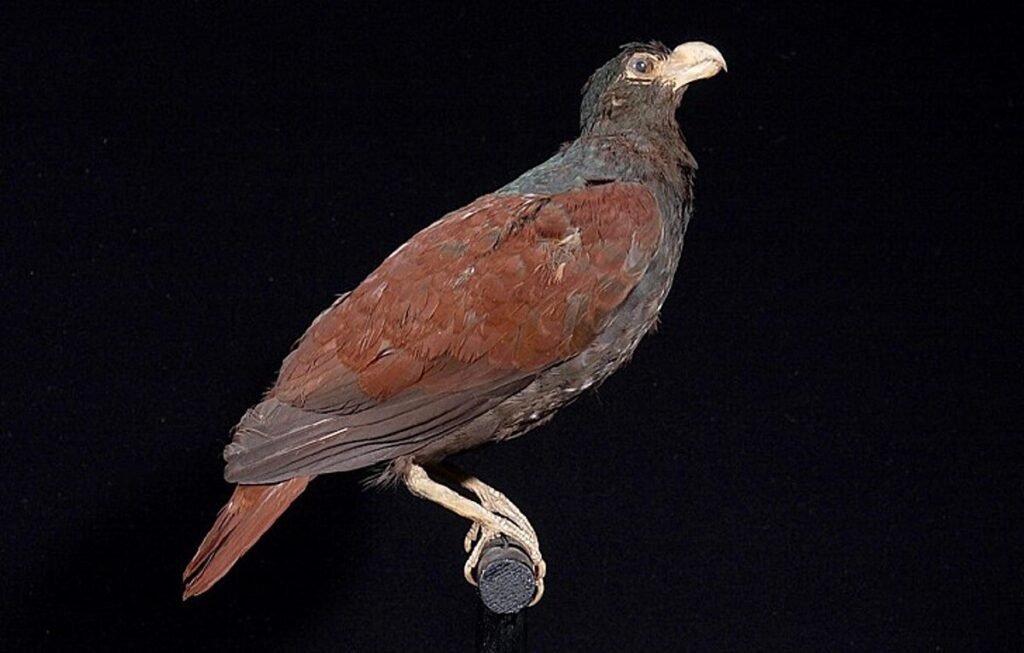
During a field survey carried out by the Samoa Conservation Society (SCS) from October to November, researchers documented at least five separate sightings of the elusive bird, prompting excitement and cautious optimism among experts. Previous expeditions often failed to glimpse the species at all, with the last confirmed photograph dating back more than a decade, making these recent encounters especially significant.
The manumea, scientifically known as Didunculus strigirostris, is native exclusively to Samoa and occupies dense primary rainforest. Its secretive nature, coupled with the rugged terrain it inhabits, has made it notoriously difficult to study or photograph — until now. The multiple observations suggest the species persists despite extreme odds.
The Little Dodo: Species Profile
Often called the “little dodo,” the manumea is a ground-dwelling pigeon that shares a close evolutionary lineage with the extinct dodo bird of Mauritius. Although the Nicobar pigeon is genetically closest to the dodo, the manumea remains a significant living representative of this unique branch of the pigeon family.
Adult manumea are about the size of a domestic chicken and are distinguished by their thick, curved red bill with tooth-like serrations that help them feed on large seeds — a niche role in their ecosystem. Their plumage is generally subdued, blending with the forest floor, but their presence plays a vital part in dispersing seeds of native trees.
Population Decline and Threats
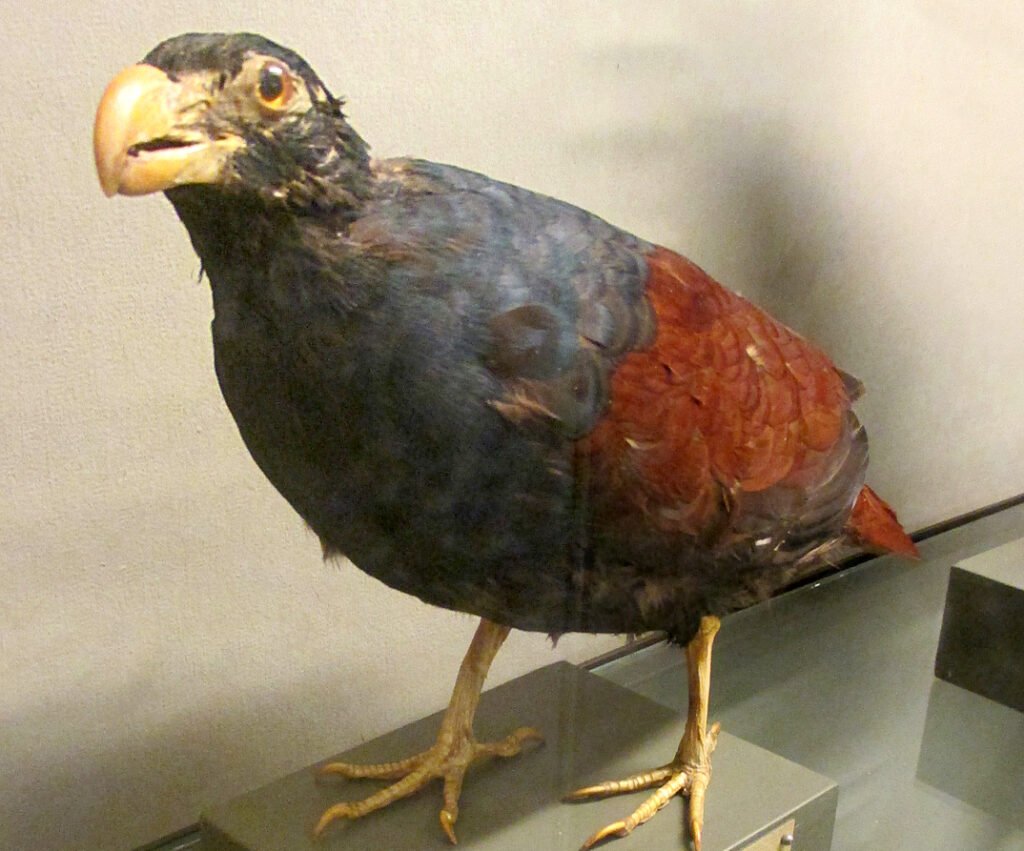
Once numbering in the thousands — early 1990s estimates suggested around 7,000 individuals — the manumea’s population cratered over the ensuing decades. Habitat destruction from logging and agricultural expansion eliminated large tracts of primary forest. At the same time, introduced predators such as feral cats and rats predate adults, eggs and chicks, compounding population losses.
By 2024, scientists estimated only 50 to 150 mature birds remained in the wild. Such low numbers place the species firmly in the critically endangered category, with an extremely high risk of extinction if current trends continue. Even dedicated hunting bans and awareness campaigns have been insufficient to counteract the pressures of invasive species and habitat fragmentation.
The Importance of the Rainforest Habitat
The sightings occurred in the remote coastal rainforest near Uafato village — an area believed to offer some shelter from frequent cyclones and retain patches of relatively intact forest. These isolated valleys may be serving as a last refuge for the manumea, allowing it to avoid some of the human-driven disruptions found elsewhere.
Primary rainforest is essential for the manumea’s survival not only because it provides food and shelter, but also because it supports the growth of the large seeds and fruits that make up its diet. The loss of such forests directly impacts the bird’s ability to survive and reproduce.
Conservation Efforts and Challenges

Conservationists stress that ongoing and expanded efforts are crucial to preventing the manumea’s extinction. Current plans include invasive predator control programs to reduce the impacts of cats and rats, which are seen as one of the most critical threats to the species’ recovery.
In addition to traditional fieldwork, researchers are exploring technological tools to improve monitoring, such as apps that recognize the manumea’s calls, making it easier to detect and track individuals across remote terrain. There are also discussions around biobanking genetic material to support future interventions like captive breeding, though experts agree that habitat protection remains the foundational need.
What This Sighting Means for the Species
The recent sightings, while limited in number, are being celebrated by scientists as a sign that the manumea has not yet slipped beyond recovery. Just confirming its presence after years of uncertainty gives conservationists a clearer basis on which to plan interventions.
However, experts emphasize that survival is far from guaranteed. With such small population estimates and ongoing environmental threats, swift action is essential. The comeback of this rare species depends not only on focused conservation programs but also on broader efforts to preserve Samoa’s remaining rainforest ecosystems and control invasive species.
The rediscovery of the manumea in Samoa’s remote rainforest has reignited hope for one of the world’s most endangered birds and its survival into the future. This rare glimpse of a species once thought nearly lost highlights both the resilience of life and the fragility of ecosystems under stress. For the manumea, sustained and coordinated conservation work may yet make the difference between extinction and recovery, reminding the global community of the urgent need to protect Earth’s most imperiled species.
Kristina is a young writer from India. An arts graduate and an avid content creator, Kristina is passionate about animals and wildlife. She enjoys exploring topics related to pet care, animal behavior, conservation, and nature, combining thorough research with engaging storytelling.