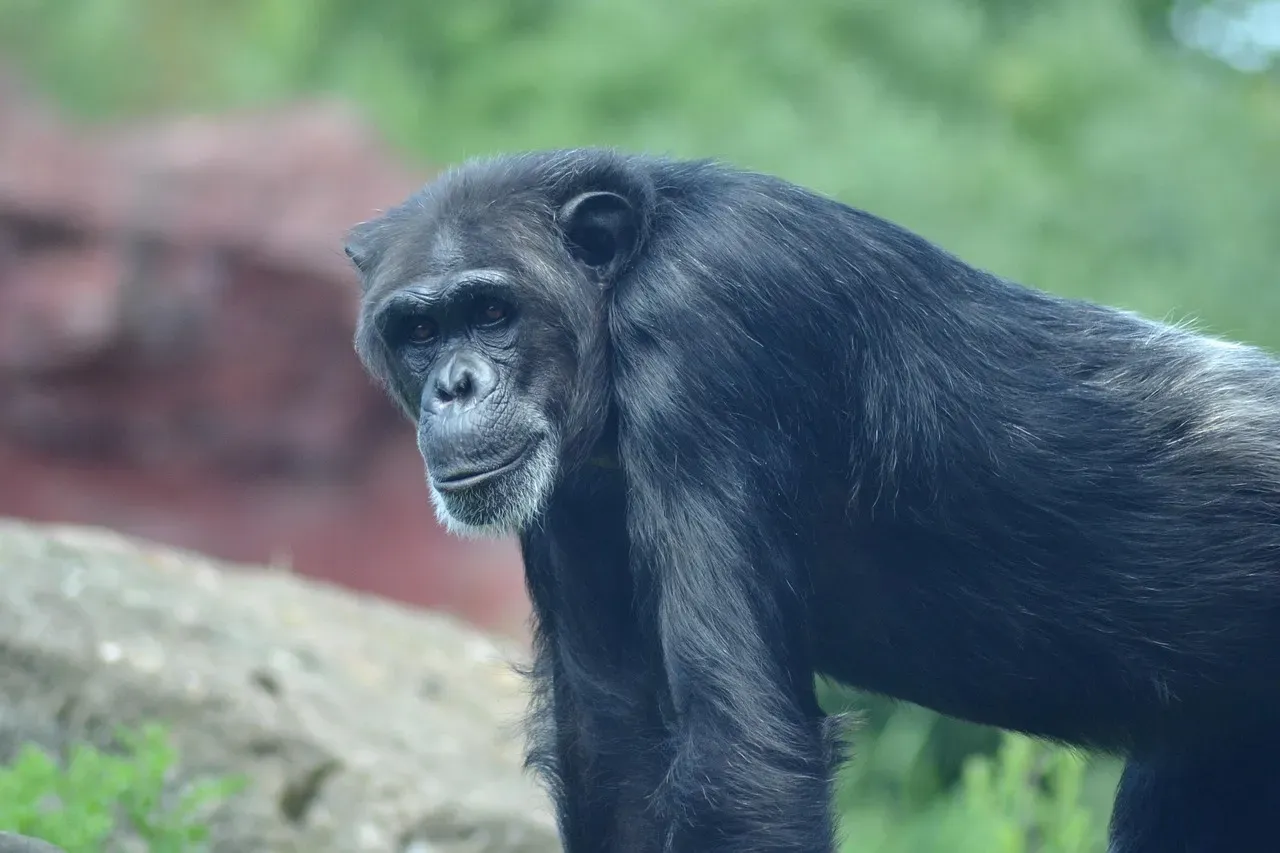
There is something almost disarming about how quiet true freedom can look. In the video “Chimp Chained Up For Thirty Four Years Gets His Own Island” by The Dodo, the moment that stops you in your tracks is not loud or dramatic at all. It is just a chimpanzee, rescued after 34 years in a tiny cage in Bangkok, lying on his back, feet in the air, soaking up the sun in what rescuers call a “happy baby” pose. For decades he barely had room to move, yet now he stretches like a relaxed infant, as if his body is finally remembering what comfort feels like. That contrast hits hard because it makes you think about all the silent days before this one, when he had no sun to roll in and no soft ground beneath him. The video lingers on this scene long enough for viewers to really feel the weight of those missing years and the relief packed into this simple stretch. It is a small, almost ordinary movement, but it has become a powerful symbol of what freedom can mean for an animal who has known almost nothing but chains.
When you watch him in that pose, you can practically see his nervous system trying to relax for the first time in decades. His limbs are loose, his face seems softer, and there is no tug of a chain, no clanging of metal bars closing in on him. The Dodo’s storytelling leans into this contrast, using that single image as emotional proof that the rescue was not just a change of location but a complete shift in his reality. It is the kind of scene that makes people pause, rewatch, and share the video, because it captures in a few seconds what words can barely explain about recovery and relief. That first peaceful sunbath is not just cute content; it is a quiet, almost sacred milestone after years of fear and restriction. The video uses this moment as the emotional center of the story, inviting viewers to feel both heartbreak for his past and honest joy for what his life has finally become.
Thirty-Four Years in a Cage: The Harsh Reality Behind One “Pet” Chimp
The video does not shy away from the uncomfortable truth: this chimp spent 34 long years chained and locked in a cramped cage in Bangkok. That is most of a chimpanzee’s typical lifespan, which means nearly his entire life was defined by metal, boredom, and isolation. Chimpanzees are deeply social, intelligent beings who, in the wild, spend their days moving through forests, forming complex relationships, playing, grooming, and solving problems. Instead, this chimp’s world was reduced to a few steps, maybe a short stretch of chain, and little to no meaningful stimulation. The footage and descriptions make it clear that his body weakened over time, and his spirit dulled under the weight of constant restriction. This was not just an uncomfortable situation; it was a kind of slow, drawn-out suffering.
Long-term captivity like this often leaves visible marks: thin muscles, stiff joints, dull eyes, and repetitive, odd behaviors that come from deep, chronic stress. Viewers familiar with primate welfare know that when a chimp is kept alone as an illegal pet, he is cut off from the very things his brain and body were built for. The video hints at how he missed out on play, on learning from elders, on the subtle social signals that shape normal chimp behavior. Without proper veterinary care, animals in these conditions also tend to suffer from untreated injuries, infections, and malnutrition. The story uses his 34-year confinement as a stark example of what happens when wild animals are treated as possessions instead of sentient beings with complex needs. By the time rescuers arrived, they were not just removing him from a bad situation; they were interrupting a lifetime of neglect that could never be fully undone, only gently healed.
The Rescue: Planning, Courage, and the First Steps Toward Freedom
What looks like a simple “before and after” story in a short video is actually the result of careful, often difficult work behind the scenes. To move a chimp who has been chained in a Bangkok cage for 34 years, rescue teams have to coordinate permissions, transport, medical support, and a safe destination long before anyone rolls the camera. In the video, you can sense how deliberate every step is: approaching him calmly, preparing a secure crate, and making sure the transition causes as little extra fear as possible. Rescuers know that an animal who has only ever known a small cage might panic when exposed to new sights, noises, and open spaces. They balance the urgency of getting him out with the need to protect his fragile physical and psychological state.
Once they secure legal and logistical approval, a new phase begins: getting him to the sanctuary where his new life waits. Transport has to account for his health, temperature, stress levels, and any existing injuries or illness. The Dodo’s narrative often highlights the compassion of the people involved – veterinarians, caregivers, and rescue organizations working together to give him a second chance. These teams typically carry out immediate health checks, drawing blood, inspecting teeth, checking for infections, and planning treatments tailored to his long years of deprivation. At the same time, behavioral experts start thinking about how to help him rediscover natural chimp behaviors, using gentle enrichment and patience instead of force. The rescue is not just a heroic “grab and go” moment; it is a coordinated, professional operation that turns outrage over cruelty into a concrete path toward recovery.
His Own Island: What a Sanctuary Really Means for a Former Captive Chimp
One of the most striking phrases in the video and supporting coverage is that this chimp now has his “own island.” It sounds almost like a fairy tale ending, but it is rooted in a practical, deeply thoughtful approach to sanctuary design. Instead of another cage, he now lives in a naturalistic island environment where trees, grass, and open sky replace concrete and bars. These sanctuary islands are built to mirror many elements of a wild habitat: there are climbing structures, ropes, shaded areas, and places to hide or rest. For a chimp who could barely move freely for decades, even the option to choose where to sit or which direction to walk is a huge psychological shift. The open space invites him to use muscles that were neglected, and the varied terrain encourages more natural movements and postures.
Another important purpose of an island setup is to give him a sense of safety and autonomy. Being surrounded by water or secure barriers means he is protected from outside threats and cannot wander into danger, but he also does not feel trapped in a tiny cage. Sanctuary staff can observe him from a distance, slowly gauging how he adjusts, what he is curious about, and how his confidence changes over time. They can add enrichment – like puzzle feeders, branches, or hidden treats – that encourages foraging and exploration, helping his mind stay engaged. The island can also serve as a transitional space if caregivers eventually consider introducing him to other chimps, allowing them to control contact and minimize stress. For viewers, seeing him on his own island underscores a powerful contrast: for the first time, his surroundings are built around his needs, not human convenience or profit. It is not “luxury”; it is the minimum kind of respect a once-abused animal finally receives.
The “Happy Baby” Pose: A Small Movement with Enormous Meaning
In the video, the moment he flops onto his back, lifts his feet, and stretches out in the sun feels almost shockingly tender. Caregivers describe it as a “happy baby” pose, a posture that signals trust, comfort, and a sense of safety. For an animal who spent 34 years chained and confined, lying on his back with his vulnerable belly exposed is not a trivial act. It means he does not expect pain or sudden restraint when he relaxes; he believes, at least in that moment, that he is safe. Rehabilitation experts often look for these small, relaxed behaviors as early signs that an animal is starting to recover mentally, not just physically. The way he quietly enjoys the warmth on his fur shows viewers that healing is not just about medicine and food, but about the return of simple pleasures that should have been his all along.
That pose is also powerful because many humans instantly recognize it: toddlers do it, pets do it, even adults sometimes sprawl out in the sun the same way. It creates an emotional bridge between species, making it harder to see him as an “exotic pet” or a curiosity. Instead, he looks like a fellow being finally exhaling after a lifetime of holding his breath. The Dodo’s framing turns that image into the emotional heart of the story, allowing it to stand as a quiet argument against keeping primates in captivity for human entertainment. Rather than using graphic suffering to make a point, the video focuses on this gentle, joyful moment as evidence of what is possible when we choose compassion. It reminds viewers that real change is measured not just in rescues completed, but in the first time a once-broken animal feels safe enough to simply rest.
From Trauma to Trust: Health, Behavior, and the Long Road of Recovery
While the video captures some quick, uplifting milestones, it also hints at a harder truth: thirty-four years of damage do not vanish overnight. When a chimp arrives at a sanctuary after such extreme confinement, veterinarians often find old injuries, poor muscle tone, dental issues, and signs of long-term stress. With steady nutrition, medical care, and space to move, physical health can improve – muscles rebuild, wounds are treated, and mobility gradually returns. Yet the emotional and behavioral scars can be far more complicated. Many former captive primates show anxiety, fear of new objects or sounds, or repetitive behaviors that once helped them cope with boredom and stress.
Sanctuary staff work slowly and deliberately to replace fear with curiosity. They introduce enrichment items, safe climbing structures, and positive interactions with caregivers who are consistent and gentle. Over time, they look for signs of progress: the first time he explores a new area without hesitation, the first playful gesture, the first relaxed nap out in the open. These are as meaningful as any medical milestone because they show his mind is beginning to trust his environment. For some animals, there may always be remnants of trauma – certain triggers, nervous habits, or moments of withdrawal. But with patient, species-appropriate care, many rescued chimps learn to enjoy their days: exploring, foraging, resting in the shade, and sometimes even interacting with other chimps if introductions are carefully managed. The video gives viewers a glimpse of the early stages of that journey, showing that rescue is not the end of the story but the beginning of a long, hopeful climb back toward a life worth living.
Why This One Chimp’s Story Matters for All Wild Animals Kept as Pets
The emotional pull of this video comes from one individual chimp, but the issues it raises are much larger than a single rescue. His 34 years in chains highlight what can happen when wild primates are treated as house pets, tourist props, or status symbols instead of sentient beings with complex needs. The story pushes viewers to confront the reality that laws against exotic pet ownership are often weak or poorly enforced, allowing situations like his to continue for decades out of sight. At the same time, it shows the crucial role sanctuaries and rescue organizations play in offering lifelong care once animals are removed from abusive conditions. These places require constant funding, trained staff, and strong cooperation with authorities to keep operating and to take on new rescues.
By sharing the video widely, outlets like The Dodo help turn one animal’s transformation into public pressure for change. Viewers moved by the sight of a once-chained chimp relaxing on his own island are more likely to support stronger wildlife protections, donate to sanctuaries, and question businesses or individuals who profit from keeping primates in captivity. The story suggests practical ways people can help: supporting reputable rescue groups, backing laws that restrict private ownership of wild animals, reporting suspected illegal pets, and educating others about why primates do not belong in cages or living rooms. In the end, his quiet “happy baby” stretch in the sun becomes more than a touching moment; it becomes a gentle challenge to everyone watching to decide what kind of relationship we want to have with the wild animals whose lives our choices can so easily shape.
Source: Original YouTube Video
Kristina is a young writer from India. An arts graduate and an avid content creator, Kristina is passionate about animals and wildlife. She enjoys exploring topics related to pet care, animal behavior, conservation, and nature, combining thorough research with engaging storytelling.