Winter transforms our neighborhoods into frosted wonderlands, but beneath that beauty lurks a host of dangers for your feline friend. Those delicate paw pads that let your cat silently stalk through your home become surprisingly vulnerable when temperatures plummet. You might think your cat’s natural instincts will keep them safe, yet the modern winter landscape presents hazards that evolution never prepared them for.
Your cat’s paws face serious risks from ice and snow, and their bodies may not naturally protect them as temperatures drop. From chemical burns caused by sidewalk salt to frostbite that can permanently damage tissue, winter paw protection isn’t just about comfort. Let’s dive into how you can shield those precious toe beans from everything winter throws their way.
Understanding Winter Paw Vulnerability
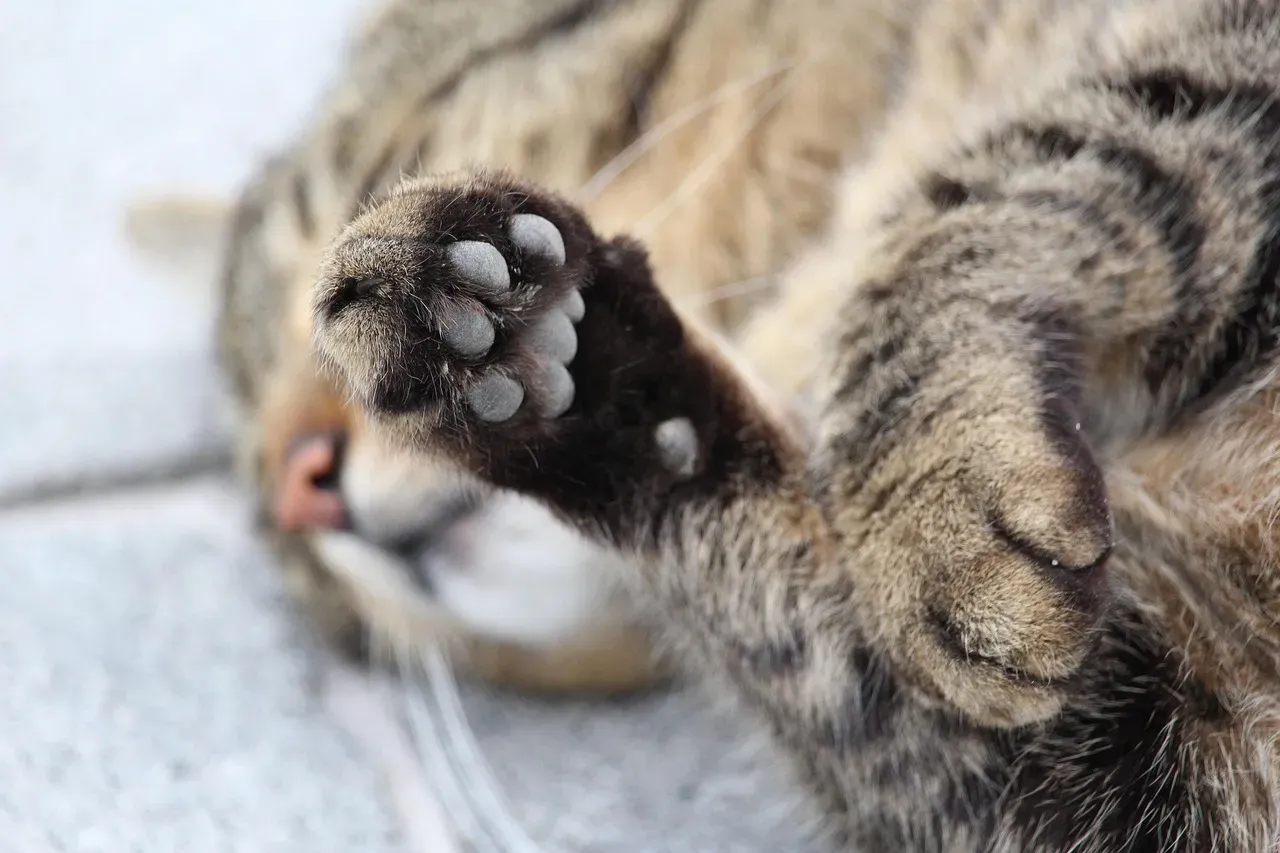
Your cat’s paw pads contain numerous nerve endings that help them navigate, maintain balance, and regulate temperature, requiring proper moisture levels to stay flexible and functional, though dryness can cause painful cracks and infections. Think of those pads like the soles of your feet. Now imagine walking barefoot across frozen pavement or through a pile of abrasive salt crystals.
While it’s easy to assume their bodies naturally protect them from weather, their paws become extremely vulnerable when temperatures drop, as ice can lodge between their toes and cause frostbite. The tissue damage often starts subtly, with areas furthest from the heart being most at risk. What makes this particularly tricky is that cats are masters at hiding discomfort, so by the time you notice limping, the damage may already be significant.
Recognizing Frostbite and Cold Injury Signs
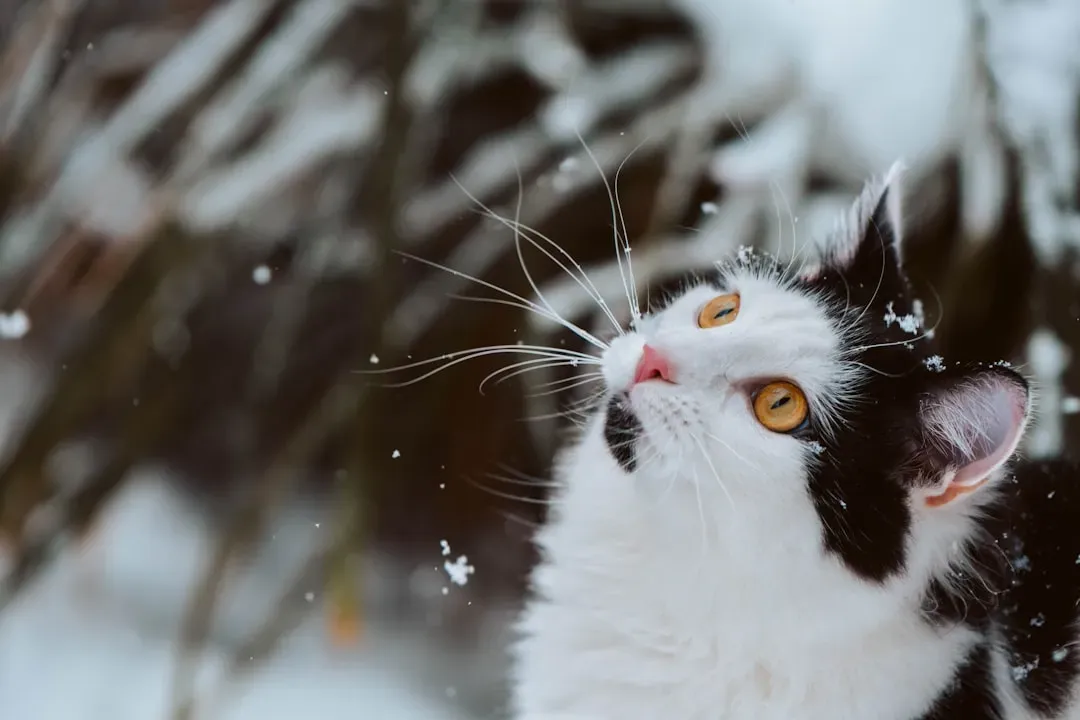
The nose, ears, tail, and digits are the most affected areas in cats. You’ll want to watch for discoloration, where the skin turns pale, gray, or even bluish. Sometimes affected areas feel cold and brittle to the touch.
Here’s the thing, though. Frostbite may not become evident for several days or weeks after exposure, and the full extent of damage can take time to reveal itself. As frostbitten tissues thaw, they may become red and painful due to inflammation. If you notice your cat favoring a paw, obsessively licking their feet, or showing behavioral changes like lethargy after winter outings, don’t wait. Early intervention makes all the difference between minor discomfort and permanent tissue loss.
The Road Salt and Ice Melt Danger
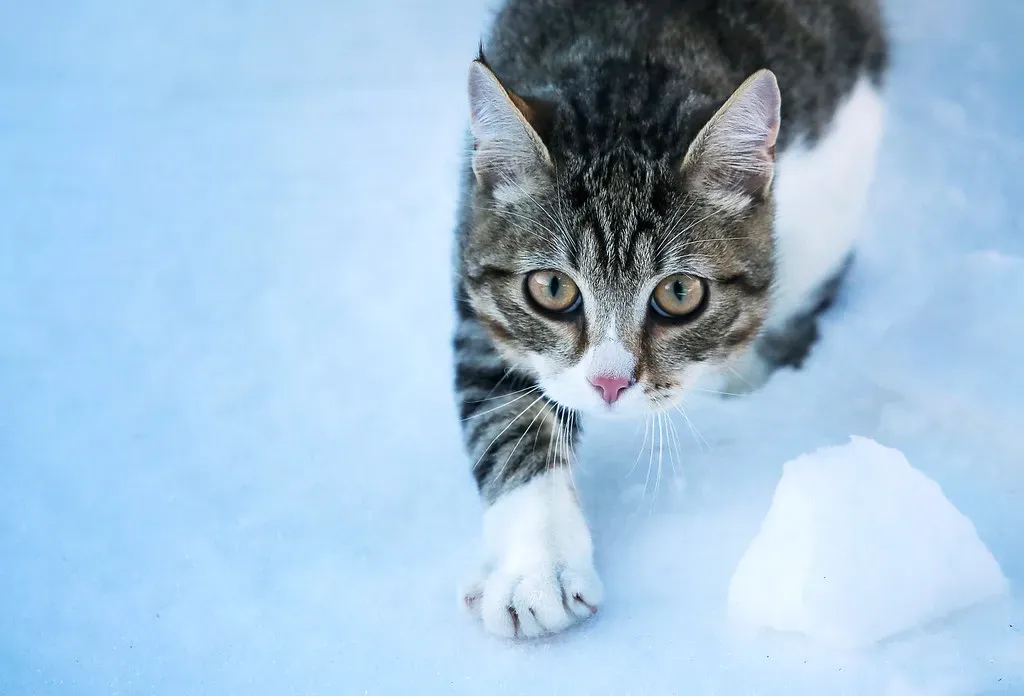
Road salt is toxic to cats and dogs, representing a valid concern according to veterinarians. Those white crystals scattered across sidewalks aren’t just irritating. They contain chemicals like potassium and magnesium chlorides or calcium salts that can cause irritation or chemical burns on paw pads, and gastrointestinal issues when ingested as pets lick their paws clean.
The problem compounds itself because cats are fastidious groomers. The most common issue when a pet ingests ice melts is stomach upset or vomiting and diarrhea, which can sometimes be severe enough to cause dehydration. Honestly, I think many cat owners underestimate how much salt residue accumulates on those tiny paws during a brief outdoor excursion.
Applying Protective Paw Balms and Waxes
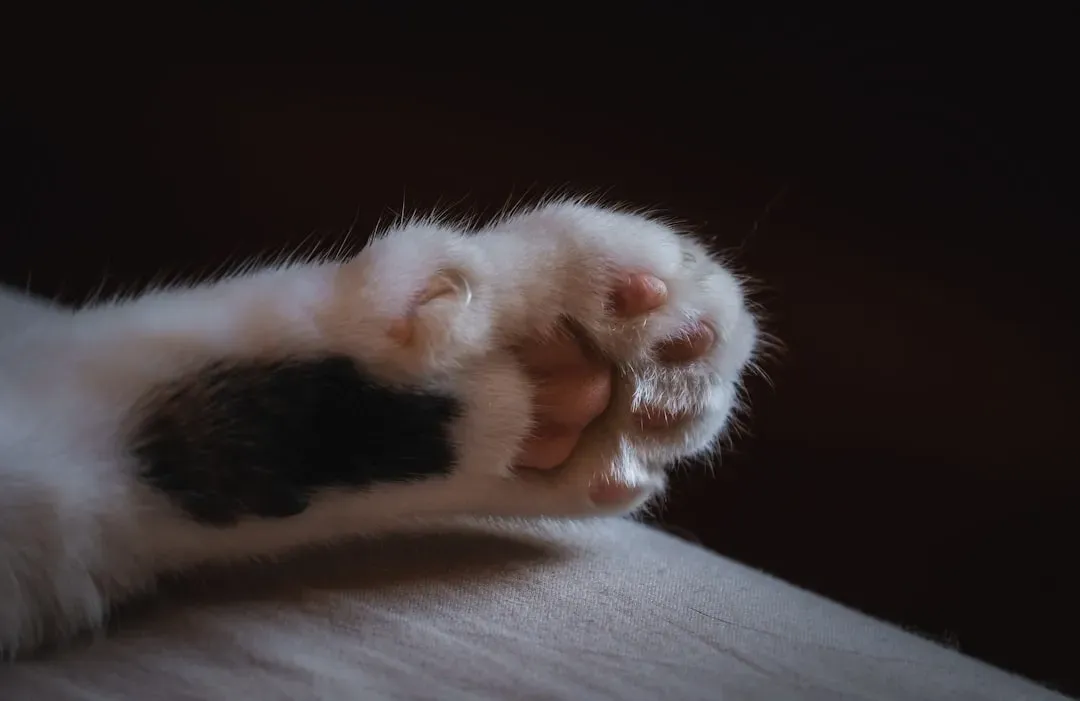
While cats don’t enjoy wearing booties, you can try using paw wax, which not only keeps toe beans soft but also protects them from salt and antifreeze. These balms create a physical barrier between delicate paw tissue and harsh winter elements.
Just make sure you wipe your cat’s paws with a warm towel when you get home to prevent them from ingesting the paw wax and to keep their paws warm. Application is simple: massage a small amount into each paw pad before outdoor time. Some formulations use natural ingredients like beeswax blended with coconut oil or shea butter, making them safe if your cat licks their paws despite your best efforts. The consistency should be thick enough to coat but not so heavy that your cat walks funny or refuses to go outside altogether.
Cleaning Paws After Winter Outings
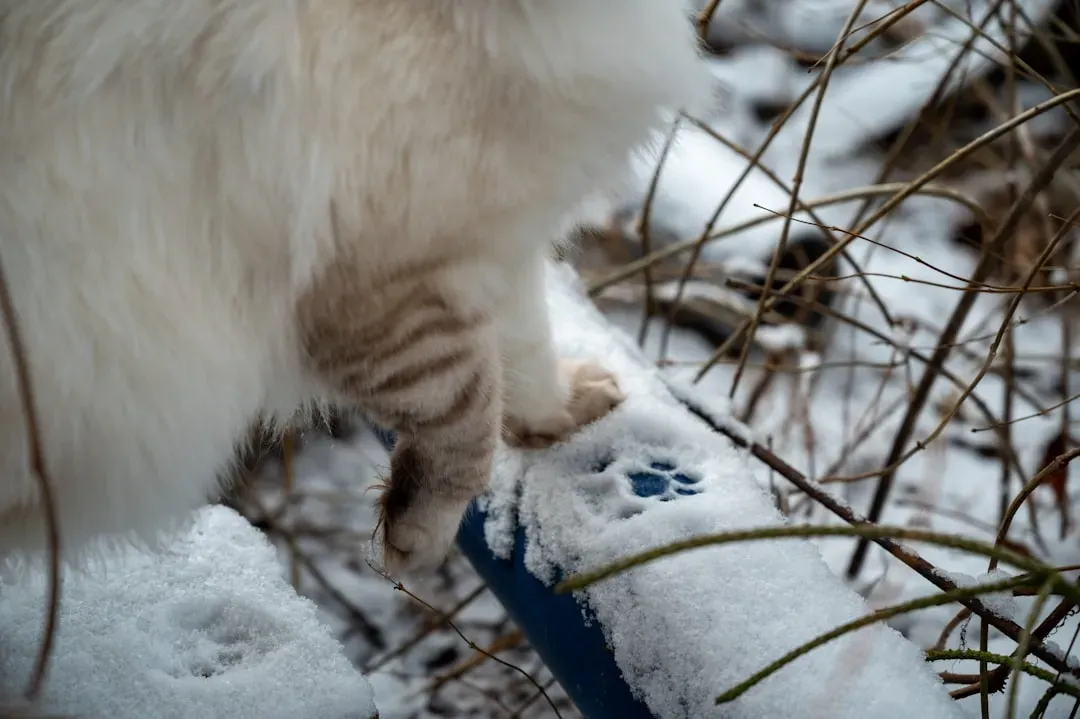
If you have a cat flap, place a plump towel or thick rug in front of it so it helps dry their paws on re-entry, giving their feet a better chance of drying with less film or debris. This simple step prevents salt and chemicals from being tracked throughout your home and reduces the amount your cat will ingest during grooming.
Cleansing and drying your pet’s paws and belly fur after coming indoors is a good preventative measure to avoid paw and mouth irritation from salt and chemicals. I’d recommend keeping a dedicated paw-cleaning station by your door with lukewarm water in a shallow bowl and several clean towels. Pay special attention to the spaces between toes where ice balls and salt crystals love to hide. Be sure to wipe their paws with a damp cloth as soon as possible and prevent them from licking or chewing their paws until they’re completely clean.
Moisturizing for Winter Dryness
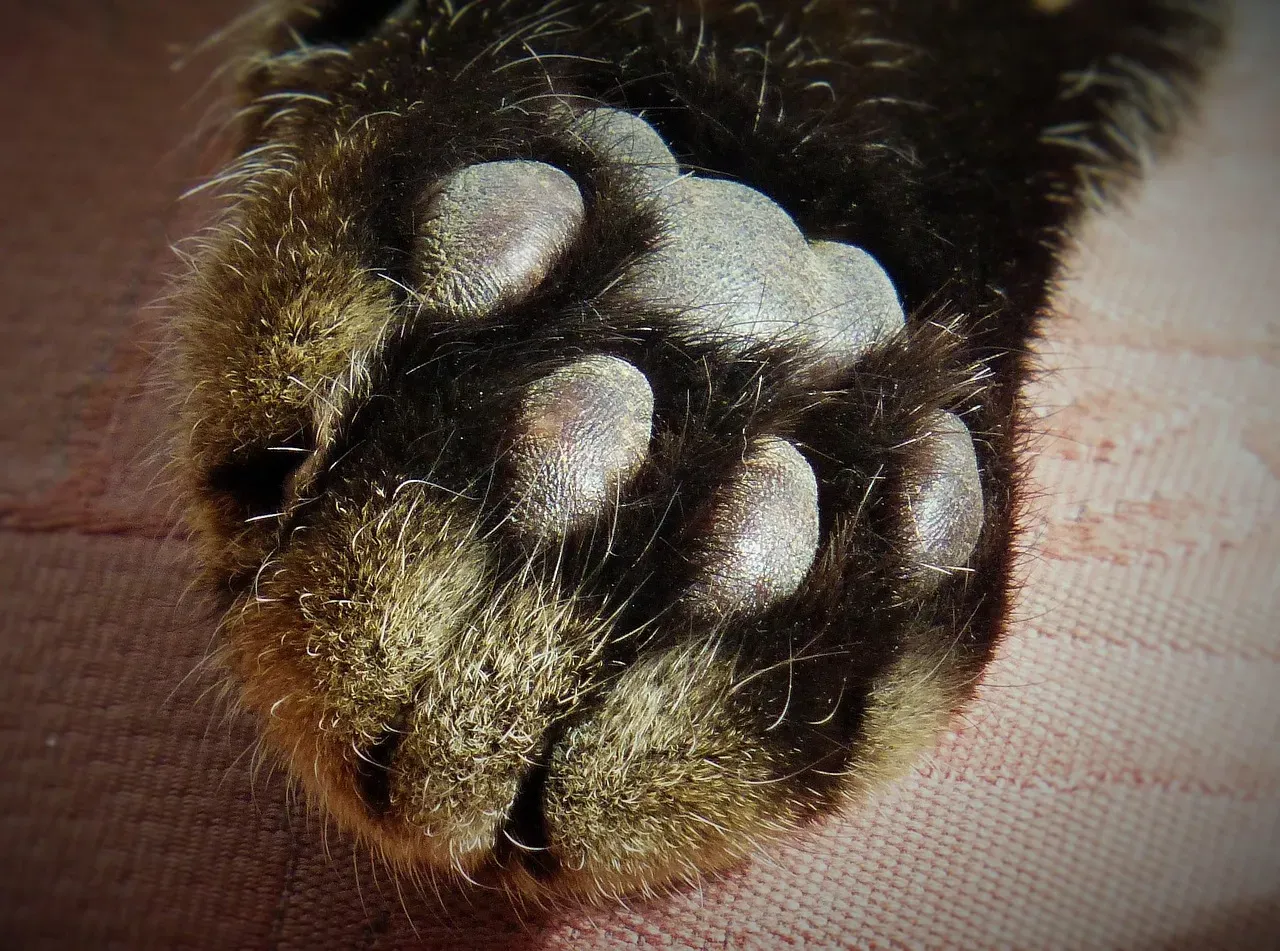
Paw pads often become dry due to cold winds and heated indoor environments, and consequently cracking may appear, so instead of waiting for dryness to develop, a pet-safe balm or moisturizer should be applied regularly. Think of it like using hand cream during winter, except your cat can’t exactly reach for the lotion bottle themselves.
If your kitty’s paw pads become dry, irritated or cracked, contact your vet who may recommend moisturizing them with olive, coconut or another food-quality oil that will be safe for them to lick. For better results, moisturizers should be used after cleaning when the skin is slightly warm, though human lotions should be avoided as many gentle pet-friendly choices are available. Regular application keeps pads supple and better able to withstand the harsh conditions they encounter outside.
Trimming Fur Around Paw Pads
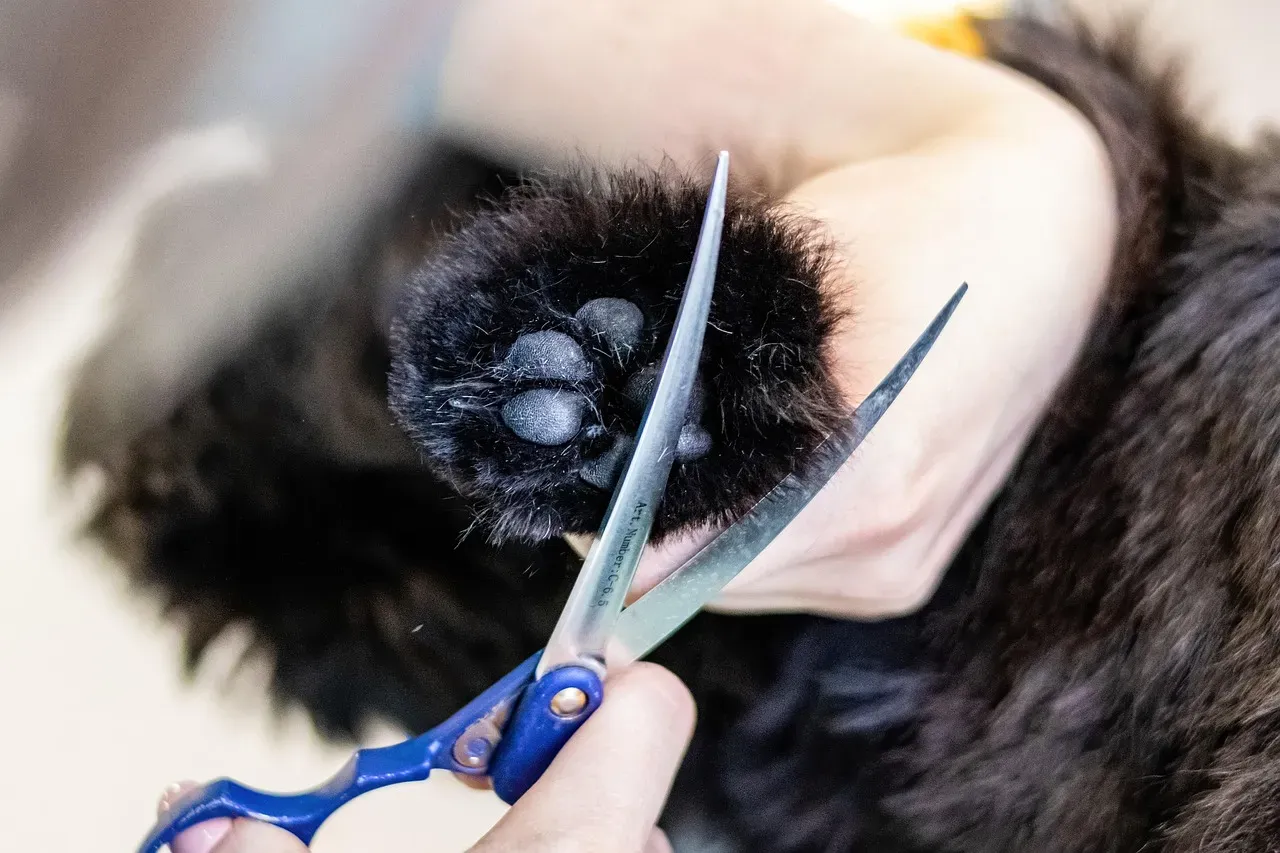
Long-haired pets are more likely to develop ice clumps around the toes, and because these clumps can tug at the skin, trimming excess fur around the paws is commonly advised. Those fuzzy tufts that look adorable in summer become ice magnets in winter.
Long-haired breeds often have excess fur around their paws and belly that can become clogged with hard ice balls causing pain and discomfort, so remember to regularly brush around the paws, legs and belly to prevent build-up. You can tackle this grooming task at home with small scissors designed for pets, taking care to trim only the hair extending beyond the paw pads. If you’re nervous about accidentally nicking your cat, a professional groomer can handle this quickly and safely during a winter grooming session.
Limiting Outdoor Exposure Time
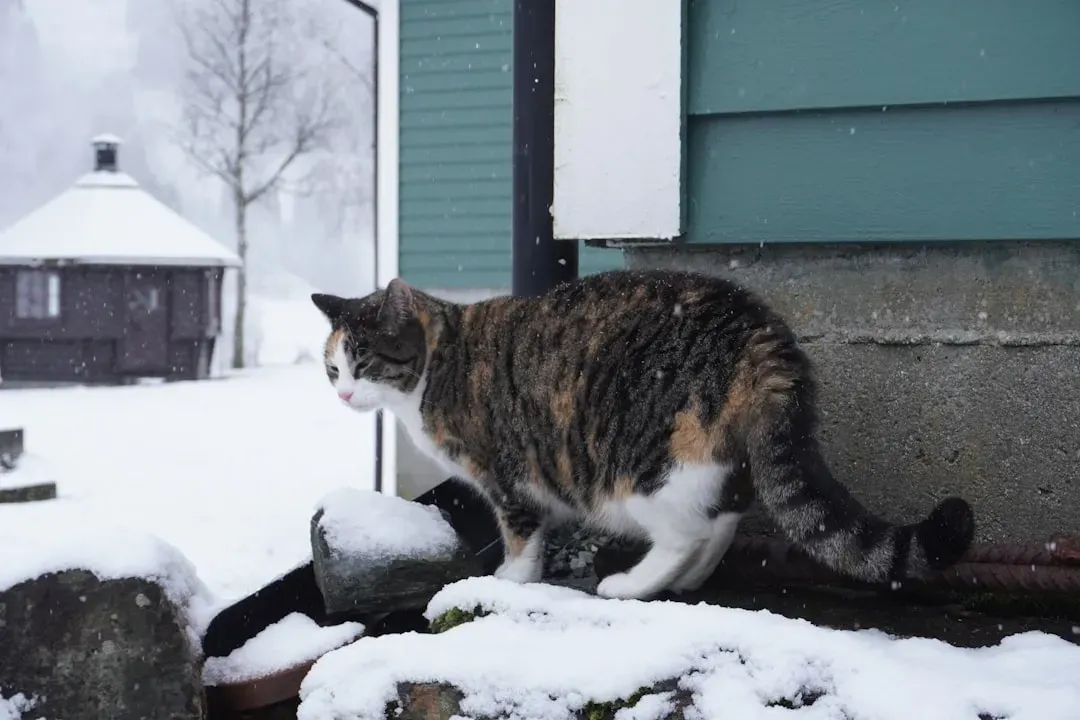
While frostbite usually happens at extremely cold temperatures, any cat living outdoors where temperatures get below 32 degrees Fahrenheit is at risk. Duration matters as much as temperature. Frostbite can occur at cold temperatures at or below freezing.
Always keep an eye on the weather before letting your cat wander out the door, as during winter temperatures can drop in an instant, especially at night, so be on the lookout for below-freezing temperatures, freezing rain, and sudden snowstorms. I know it sounds crazy, but setting a timer on your phone for ten or fifteen minutes can help you remember to call your cat back inside. Let’s be real, once you’re cozy on the couch with hot cocoa, time slips away fast. Observe your pet for signs of discomfort like shivering, holding their paws off the ground or reluctance to walk, and take them indoors immediately whenever you notice such signs.
Providing Indoor Shelter and Warmth
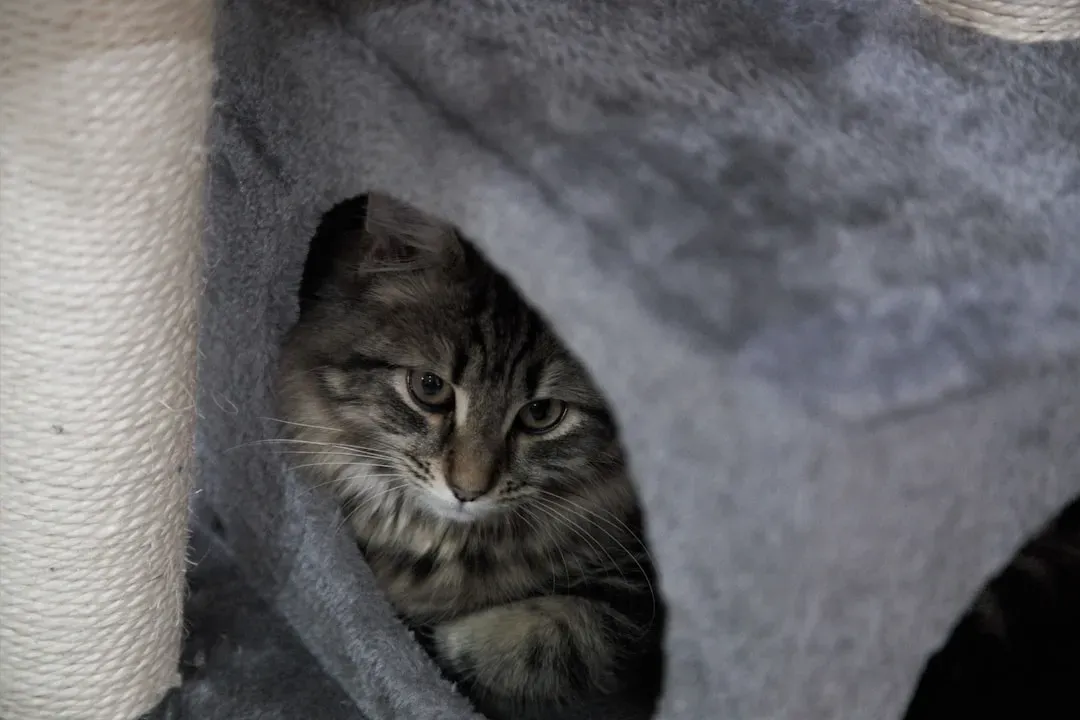
You should still offer your furry friend a warm, dry and well-insulated shelter outside, which can be a place in the shed or garage equipped with suitable bedding material like straw, self-heating heat mats, or thermal mats. For cats who insist on outdoor access regardless of weather, having a refuge becomes essential.
Dry winter air can dry out your kitty’s paws, so consider using a humidifier during cold months. This helps maintain optimal moisture levels for their paw pads while they’re indoors recuperating from outdoor adventures. Dry air can pull moisture out of the skin leading to dry paw pads, and by adding moisture to the air in your home, a humidifier helps maintain a more optimal level of humidity preventing excessive dryness. Position heated beds away from drafts and ensure your cat always has access to unfrozen water.
Monitoring High-Risk Cats
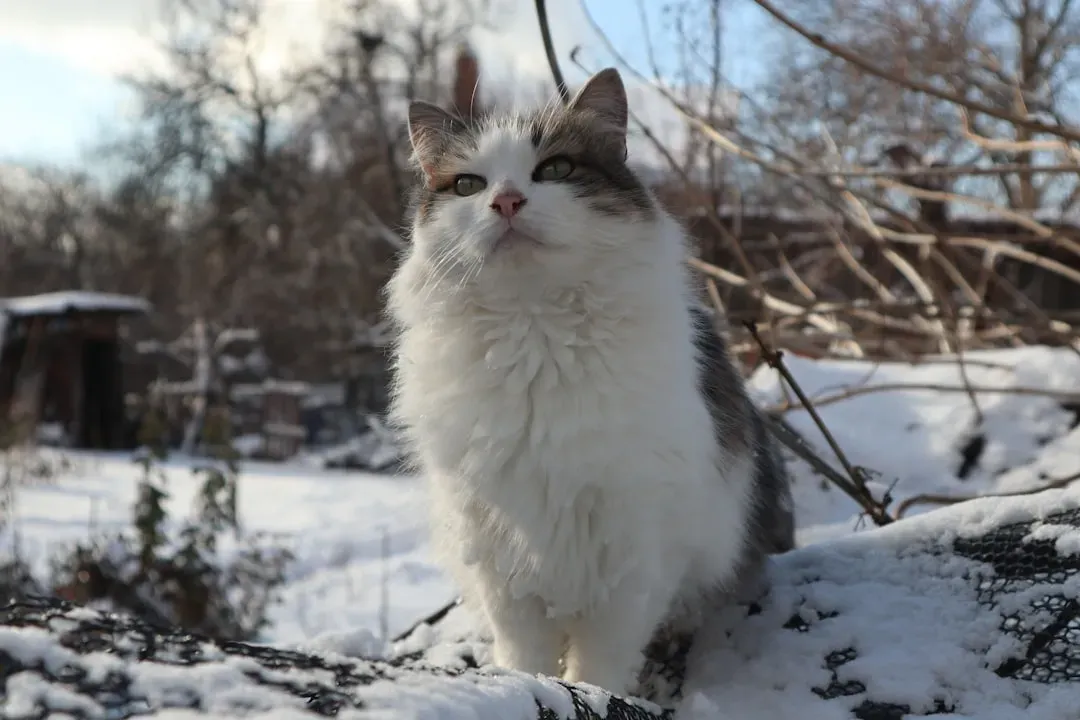
Cats who are more at risk are kittens, senior cats, and cats with medical conditions that decrease blood flow to extremities including diabetes, kidney disease, heart disease, and hyperthyroidism. These vulnerable populations need extra vigilance during winter months.
Cats with underlying health conditions, kittens, and senior cats are most vulnerable to frostbite. If your cat falls into any of these categories, you might consider keeping them exclusively indoors during extreme cold snaps. Cats that spend significant time outdoors, particularly during frigid winter months, are at greater risk of frostbite, with thin-coated breeds, kittens, senior cats, and those with existing health conditions being especially vulnerable. It’s hard to say for sure, but I’d rather err on the side of caution when it comes to these delicate companions. Regular vet checkups become even more important during winter to catch any circulation issues before they translate into cold-weather injuries.
Conclusion
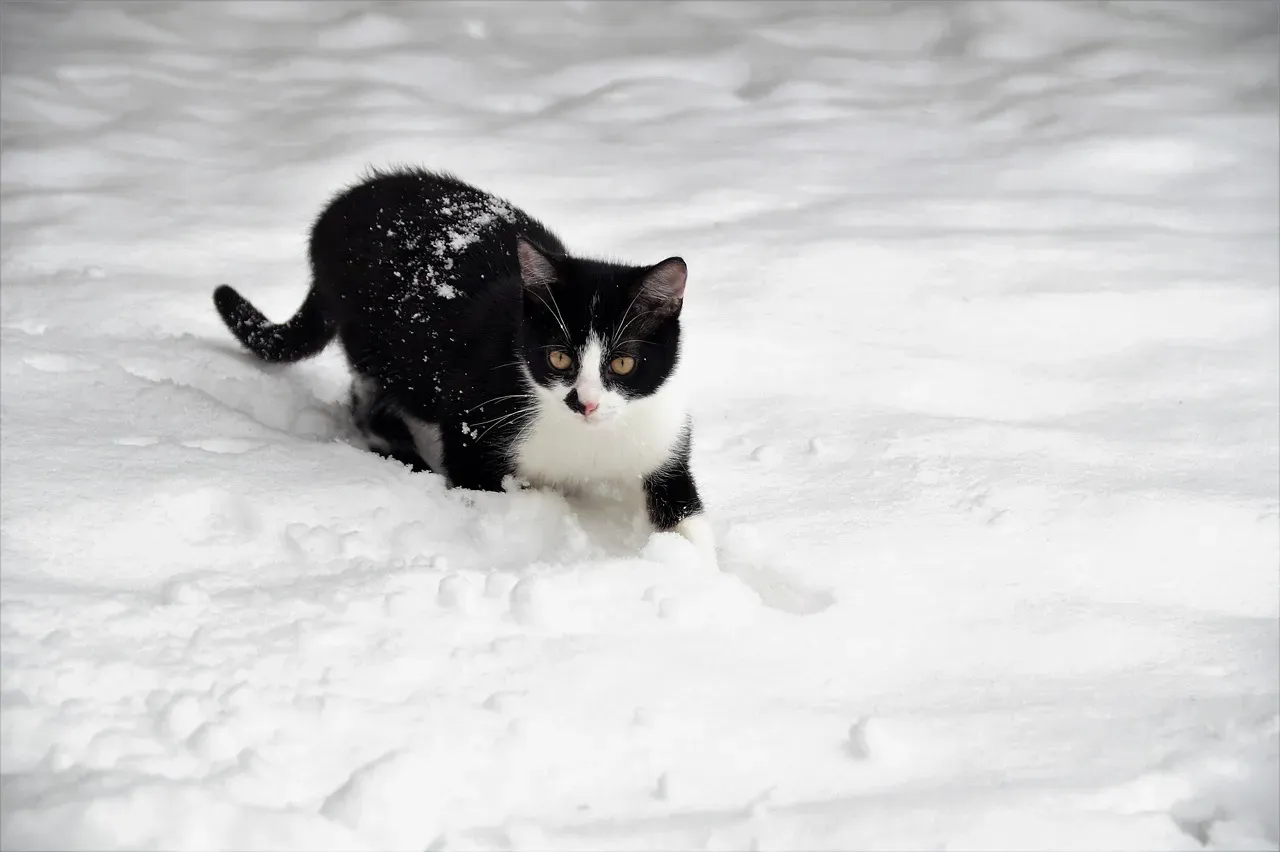
Winter paw protection plays a crucial role in keeping cats comfortable during cold months, and by combining simple steps such as routine inspections, gentle cleaning, moisturizing, and using protective gear, winter hazards can be minimized since pets depend on their paws for movement, play, and daily activities.
Protecting your cat’s paws requires consistent effort but doesn’t demand complicated solutions. Simple habits like wiping paws after outdoor time, applying protective balm before excursions, and monitoring weather conditions can prevent serious injuries. Your cat might not thank you out loud for all this fuss over their feet, but those healthy, comfortable paws will keep them adventuring safely through whatever winter throws their way. Have you checked your cat’s paws lately? What changes will you make this winter season?