You love your cat, there’s no doubt about that. Those soft paws, that purr, the way they curl up in just the right spot. Perfection, right? Then comes the moment when you call their name and… nothing. Not even a flick of an ear. Maybe they glance your way, then immediately look back out the window like you never existed. It’s frustrating. It makes you wonder if your feline friend is just being stubborn or if there’s something more going on.
The truth is, getting your cat to listen isn’t about dominance or control. It’s about understanding how their minds work and what actually motivates them. So let’s dive in and uncover what really makes your furry companion tick.
Understanding Why Your Cat Seems to Ignore You
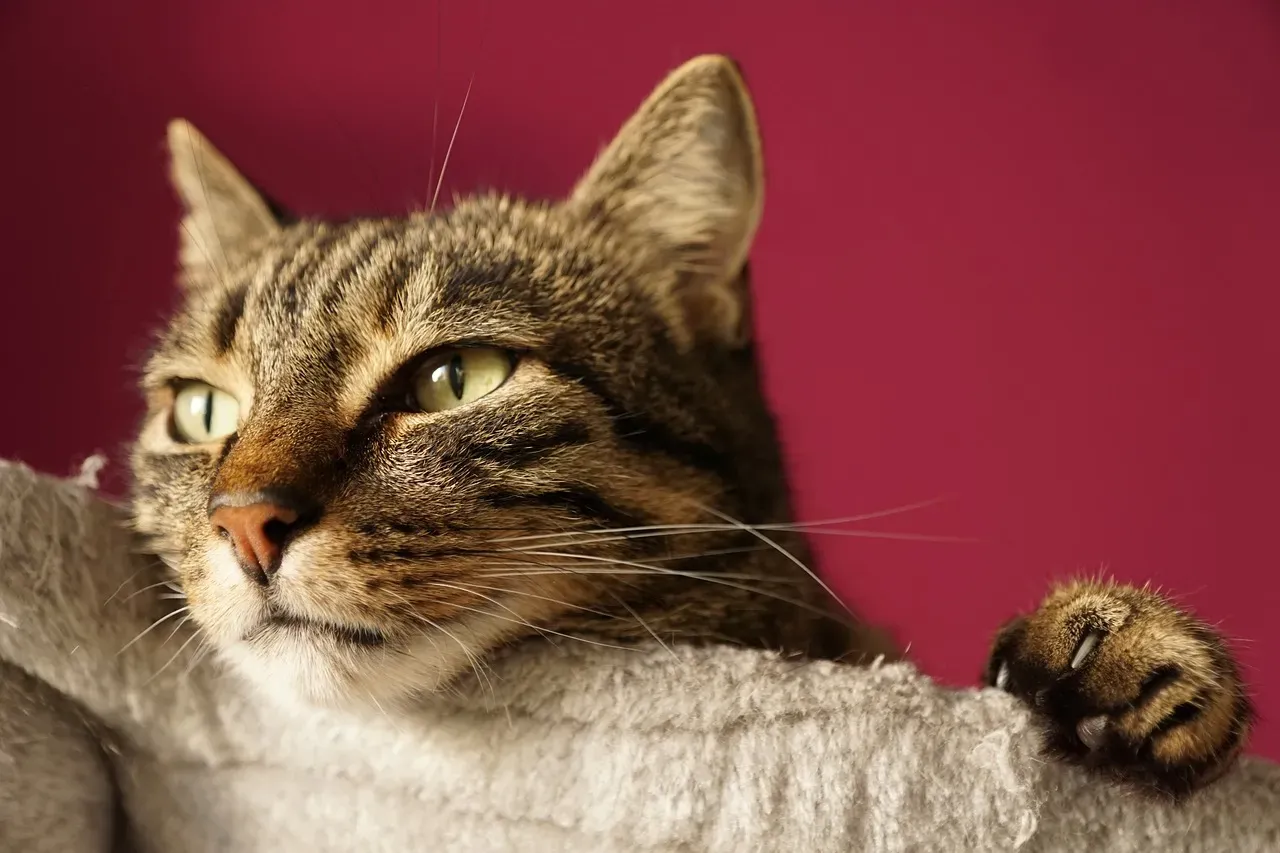
Research has shown that cats know their own name and can distinguish it from similar-sounding nouns. This means your cat certainly understands you when you call them – they are simply choosing not to respond. Let’s be real, that stings a little.
Cats aren’t obligate social animals the way dogs are, meaning that they don’t need social contact as much. Much like people who are introverts, cats thrive on socializing occasionally – on their own terms and with their favorite people – but they also enjoy alone time too. Your cat isn’t being rude. They’re just wired differently than dogs, and honestly, sometimes they simply need their space. Think of them as the independent friend who loves you but doesn’t need to text back immediately.
Creating the Right Environment for Training Success
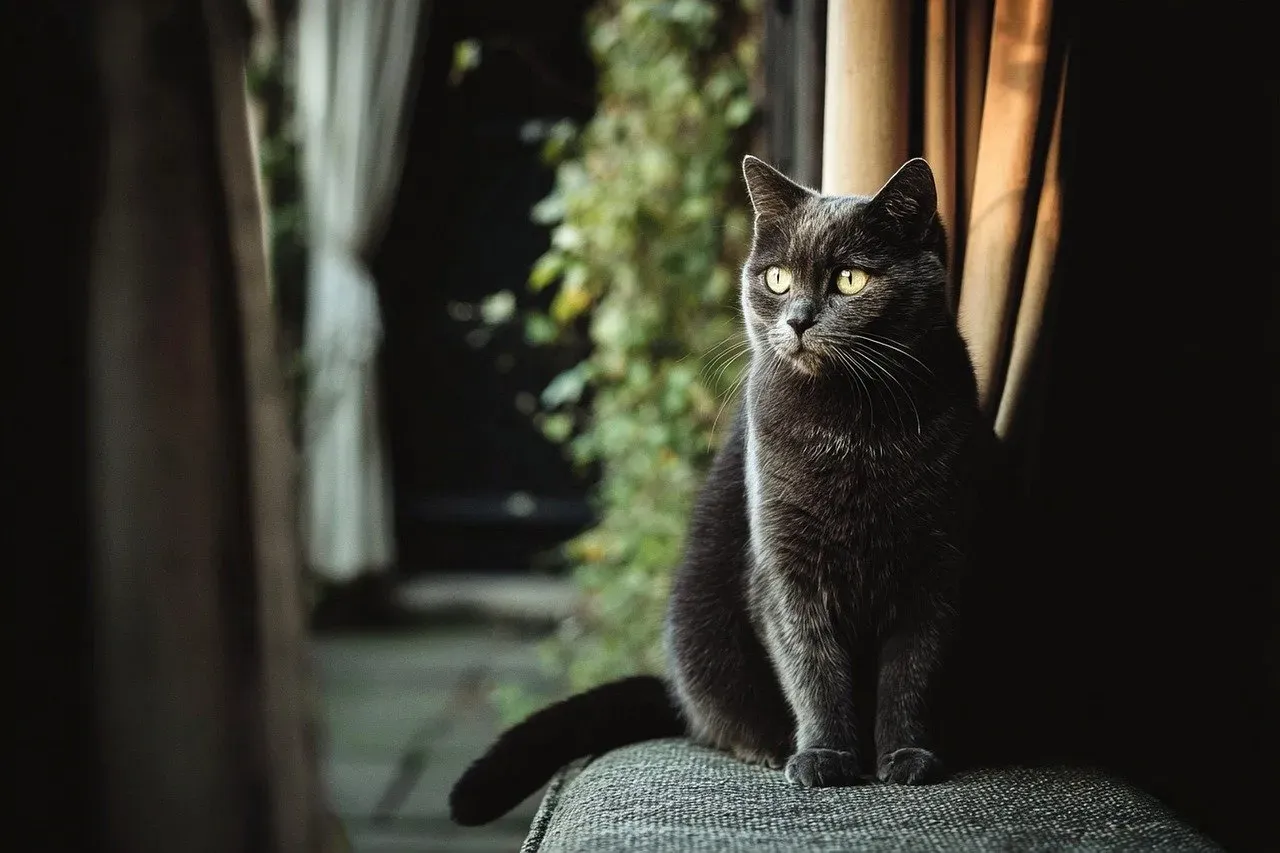
Cats rely on a secure environment. They like stability and they like routine. If your home is chaotic, noisy, or constantly changing, your cat might be too stressed to focus on you at all.
Consider whether loud visitors, construction noise, or even rearranged furniture might be overwhelming your cat. Minimize distractions during training sessions. Set up quiet retreats where your cat can feel secure, like a cozy bed in a low-traffic area. When your cat feels safe and comfortable, they’re far more likely to engage with you. It’s hard to say for sure, but I think a calm environment is half the battle won.
The Power of Positive Reinforcement
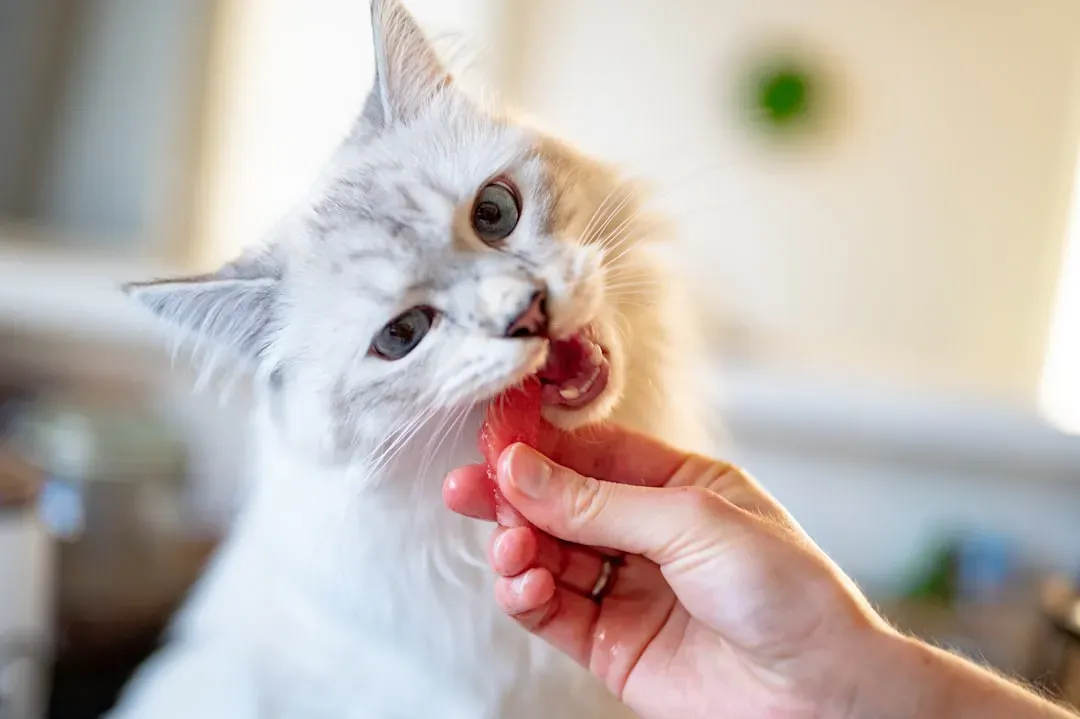
Here’s the thing about cats: punishment doesn’t work. Punishment can be deleterious, leading to fear and possible fear aggression, stress and stress-associated health and behavior problems. Physical punishment should never be used with cats or other animals.
Cats learn best through positive reinforcement. Positive reinforcement is the presentation of something pleasant or rewarding immediately following a behavior. It makes that behavior more likely to occur in the future. Instead of scolding your cat for what they did wrong, reward them for what they do right. Honestly, it’s that simple. Give them treats, affection, or playtime when they respond to you, and watch how quickly they catch on.
Choosing the Right Rewards That Actually Motivate Your Cat
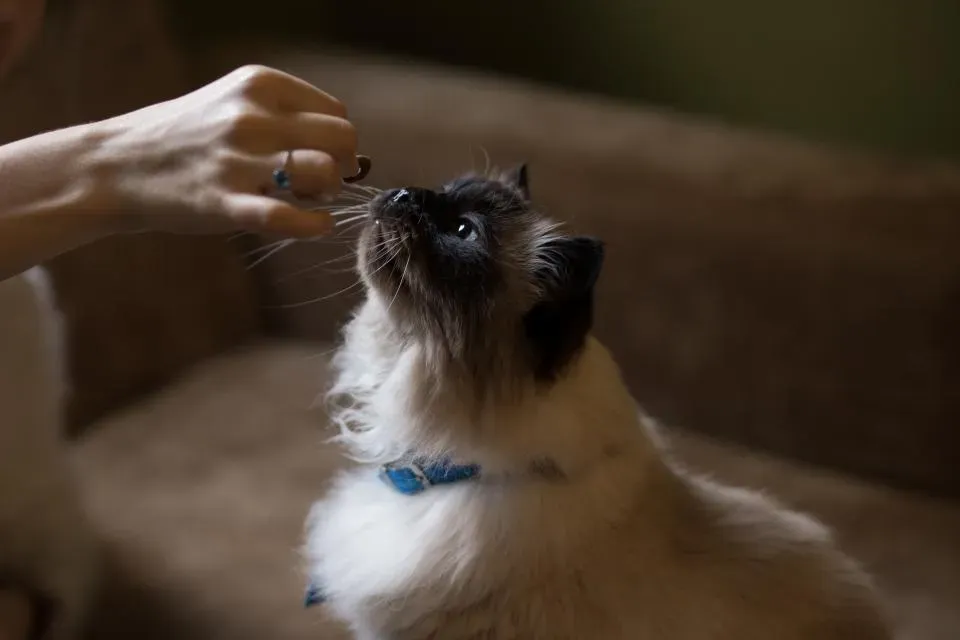
Favorite rewards for cats include delicious treats, catnip, interactive play, and petting or grooming. It is important to remember that the reward must be desirable to that individual cat and may vary between cats. Not every cat goes crazy for food. Some prefer a feather toy, while others just want your undivided attention.
Experiment a bit to figure out what gets your cat excited. A treat should be enticing and irresistible to your cat. It should be a very small, soft piece of food, so that he will immediately gulp it down and look to you for more. Small pieces of cooked chicken, tuna, or soft commercial treats work well. The key is finding that one thing your cat can’t resist. Once you know what that is, you’ve got leverage.
Mastering the Timing of Rewards
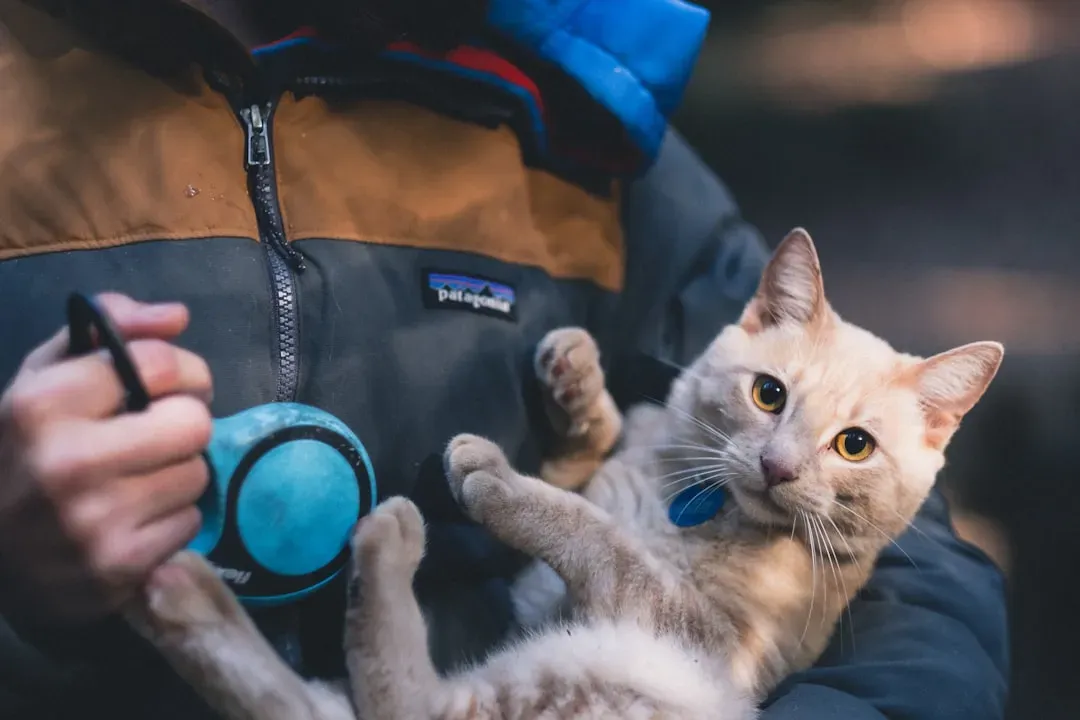
Timing is absolutely everything. Rewards must be given immediately, within 3 seconds, so that we don’t inadvertently reward other behavior that may happen after the desired one. If you wait too long, your cat won’t connect the reward with the behavior you wanted.
When you delay rewarding (with a clicker, praise or treat), your cat might not understand what they did to deserve it. If we don’t mark exactly when the behavior happens, cats can become frustrated and confused and decide they don’t want to participate. Picture this: your cat sits when you ask, but you don’t reward them until after they’ve stood up again. Now they think standing up is what earned the treat. Keep it immediate, keep it clear.
Teaching Your Cat to Recognize Their Name
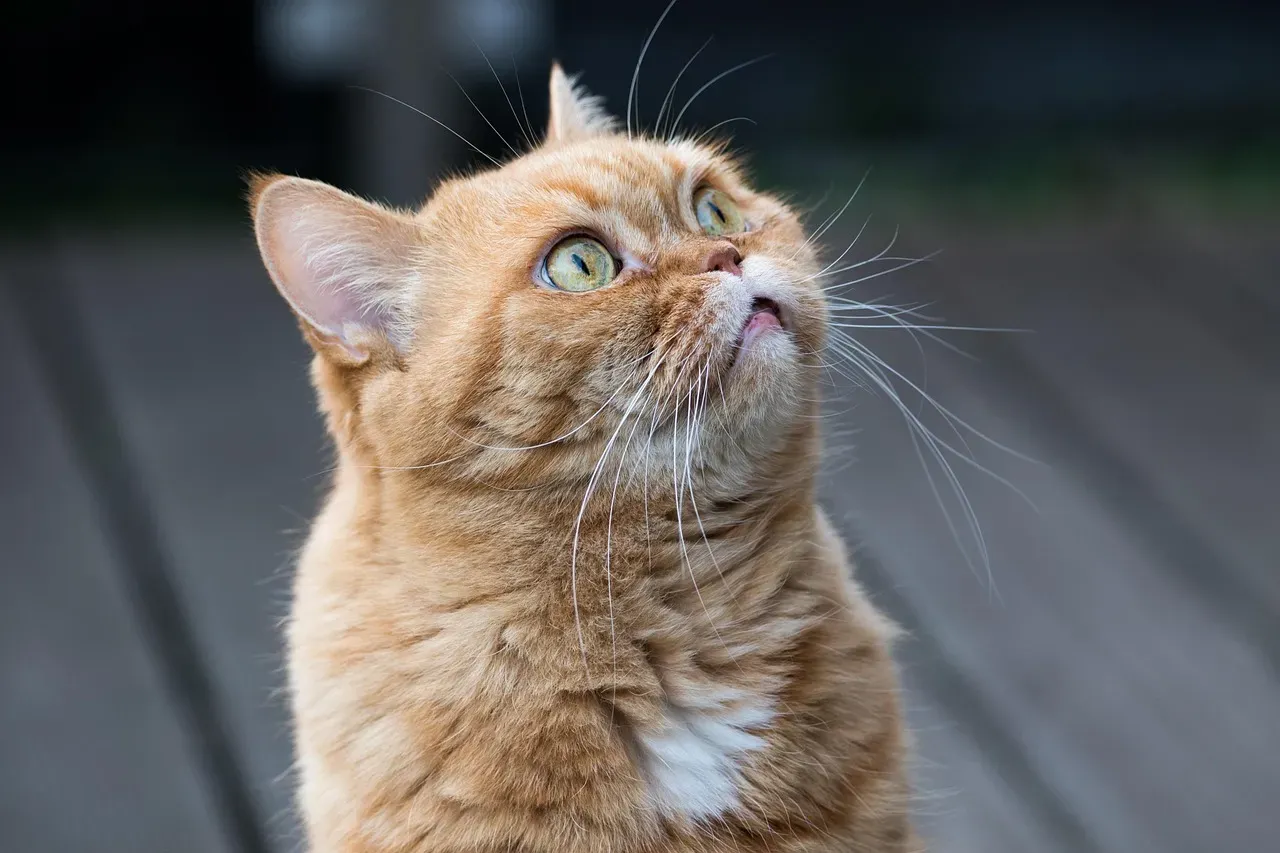
Training begins with teaching name recognition. This will help as you move onto other commands, as well. As soon as you bring your forever buddy home, start familiarizing them with their name. Practice their name, using the same intonation, and giving affection.
Cats tend to respond better to higher-pitched voices. Partner their name with a reward they love. Say their name in an upbeat, cheerful tone and immediately follow it with a treat or playtime. Repeat this consistently, and soon your cat will perk up every time they hear their name. It’s like Pavlov’s bell, but for your feline friend.
Training Basic Commands Like Sit and Come
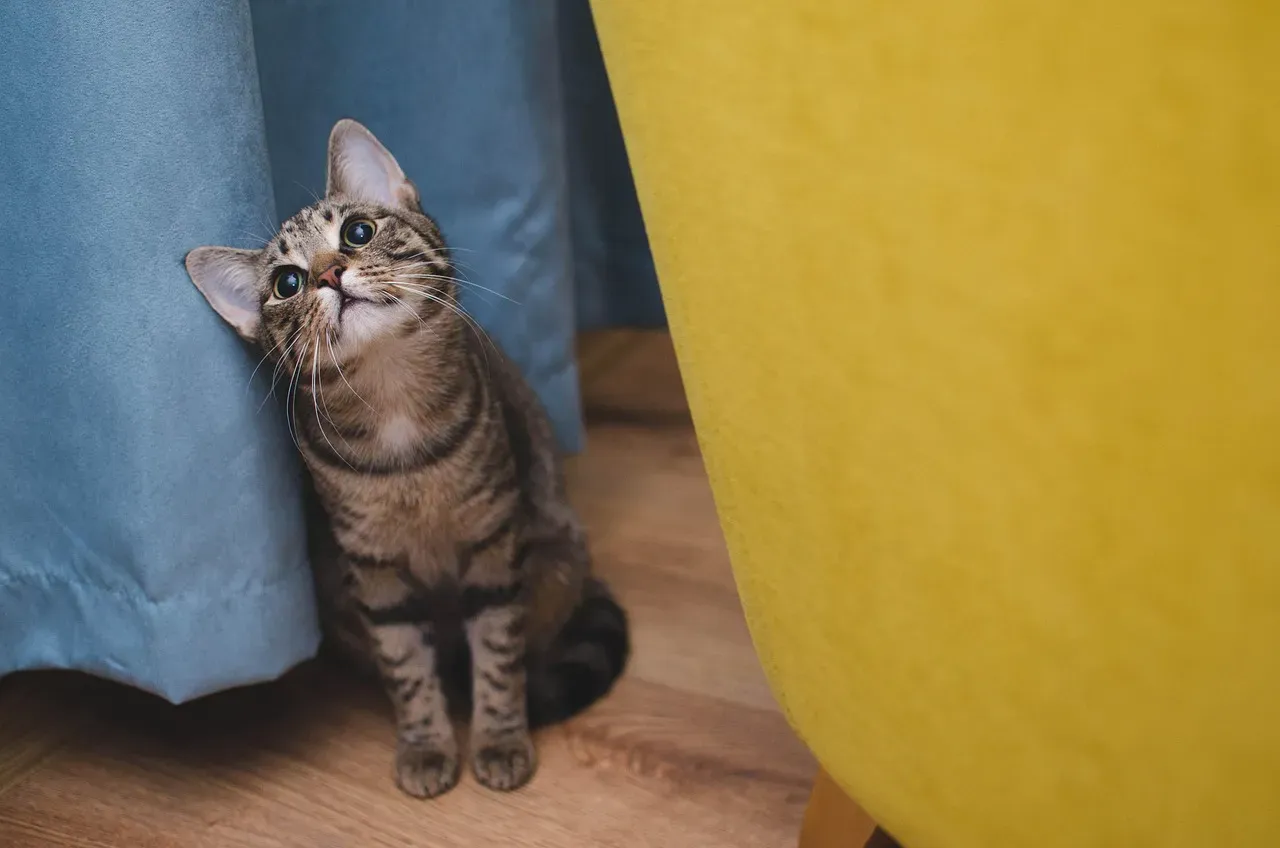
Yes, you can train your cat to sit. Using your treat as a lure, move it just above your cat’s head and back toward their ears. Your cat should tilt their head up to follow the lure, ultimately bending their back legs, which will result in the “sit” position. The moment their bottom hits the ground, say “sit” and give them the treat.
Teaching your cat to come when called, also known as recall, is a useful skill. Basically, you just need to use treats to entice your cat to come when you call their name and always reward when it happens. Start in a quiet room, call your cat’s name or say “come,” and when they approach, immediately reward them. Gradually increase the distance as they get better. I know it sounds crazy, but this actually works.
Using Clicker Training for Better Communication
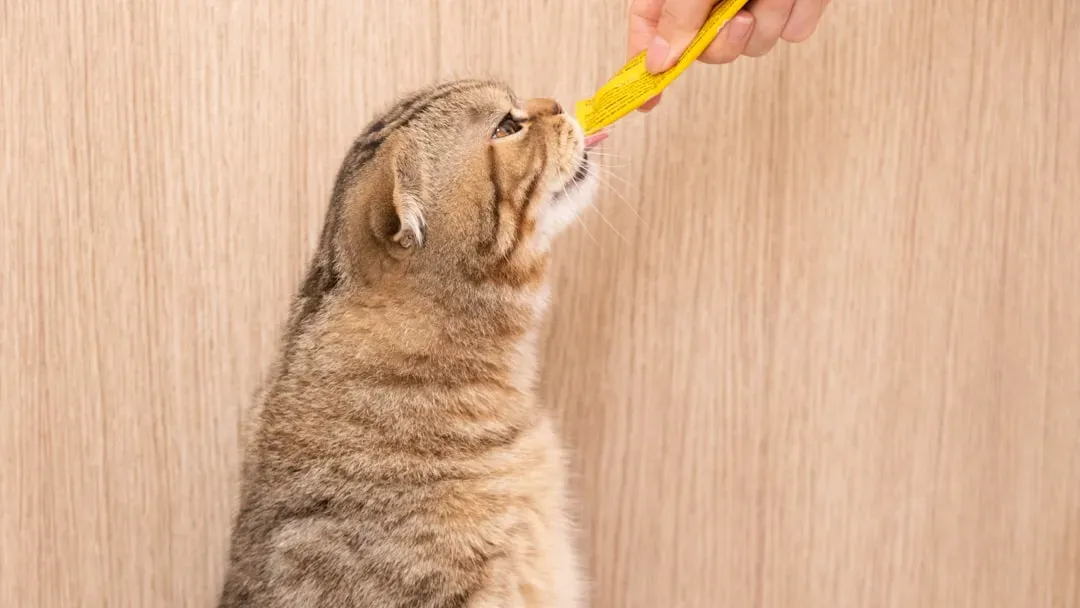
Clicker training uses a handheld device with a button that produces a loud click when pressed. It’s used as a sound marker for a behavior, letting your cat know they did the correct thing and can expect a reward. The click becomes a bridge between the behavior and the reward.
First, you need to condition your cat to understand that the click means a treat is coming. Click, then immediately give a treat. Repeat this several times until your cat associates the click with something positive. Then, use the clicker to mark the exact moment your cat does what you want. It’s precise, effective, and cats seem to grasp it quickly.
Keeping Training Sessions Short and Engaging
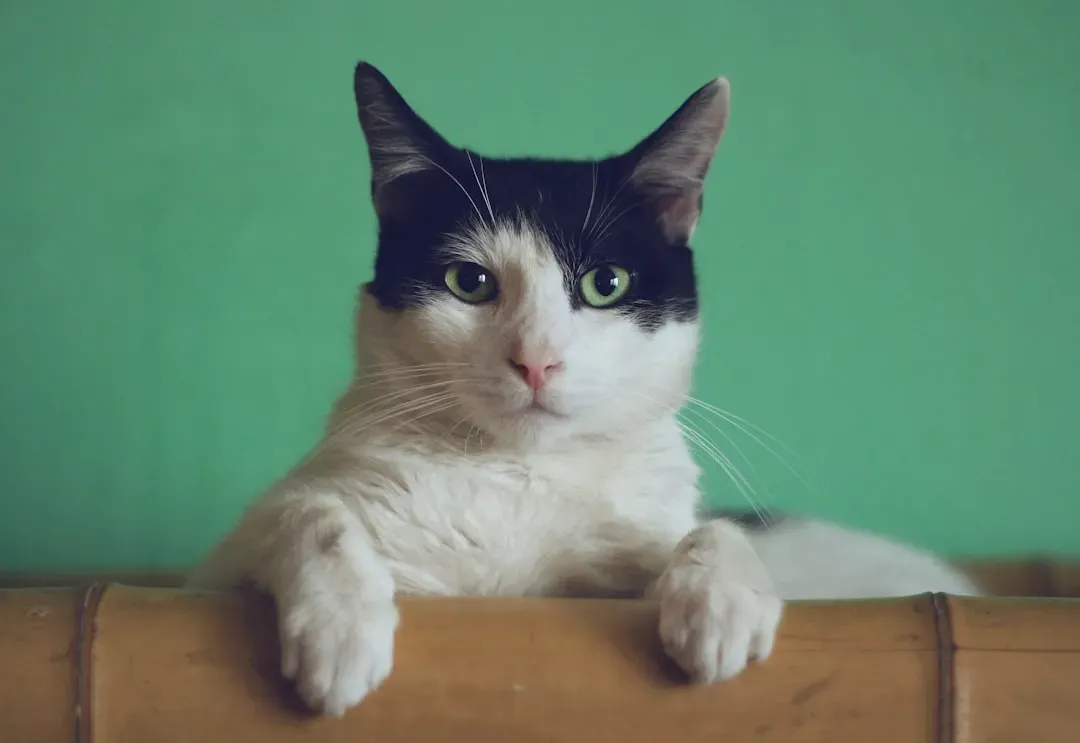
Cat training lessons often require intense focus, so keep them short and upbeat – less than five minutes is perfect. Cats aren’t like dogs who will work tirelessly for your approval. They get bored, distracted, or simply decide they’re done.
Train before meal times when your cat is hungry and motivated by food. End each session on a positive note before your cat loses interest. If you push too long, they’ll just walk away and you’ll be left talking to an empty room. Trust me, short and sweet wins every time.
Being Consistent with Commands and Cues
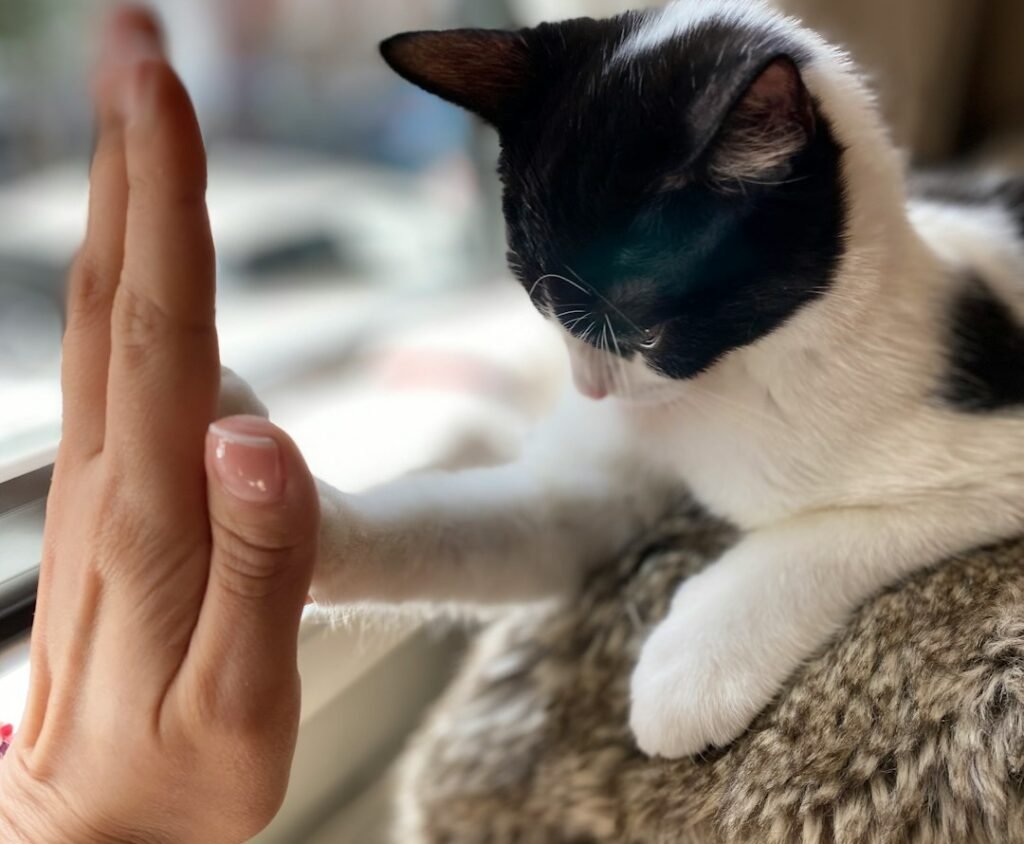
To avoid confusion, always use the same voice commands and hand signals for the behavior you are working on. Be sure that anyone else who trains with your cat also knows the correct commands and signals. If you say “come here” one day and “come” the next, your cat won’t understand what you want.
Consistency is also essential. Everyone in the family should use the same cues. Write down the commands you’re using and make sure everyone in your household sticks to them. Consistency builds clarity, and clarity builds trust. Your cat will learn faster when they know exactly what’s expected.
Recognizing When Ignoring Might Signal a Health Issue
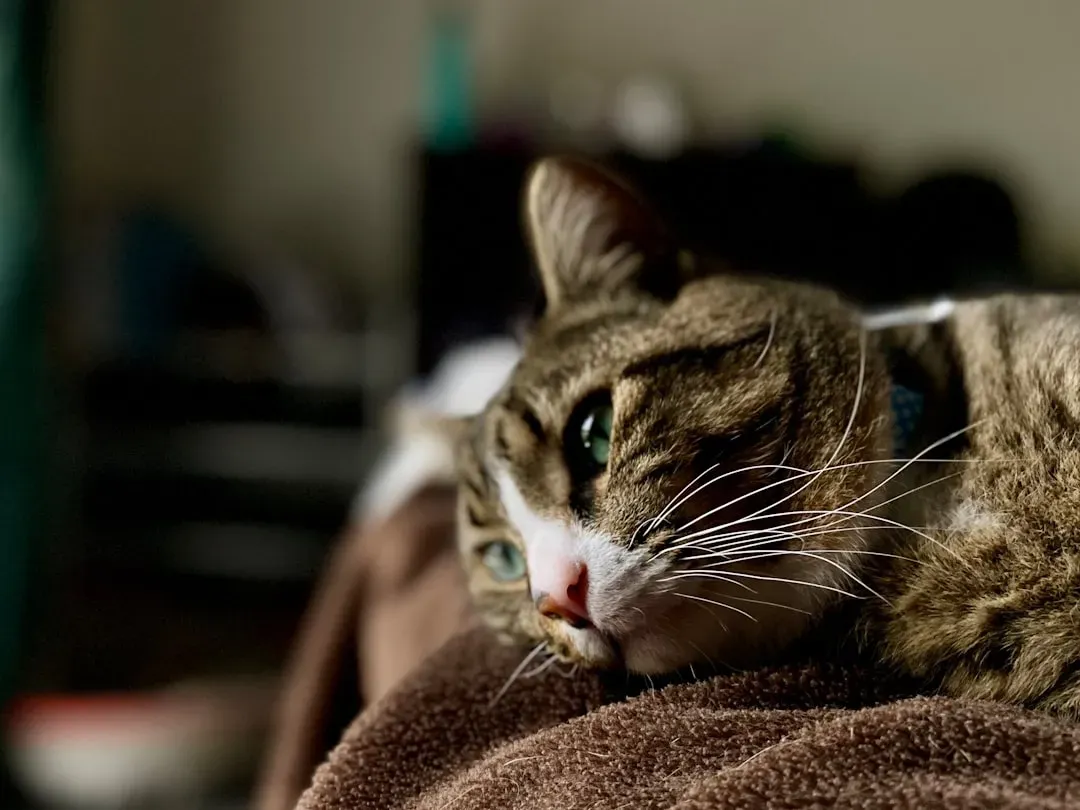
Sometimes your cat isn’t ignoring you because they’re being stubborn. If your cat is ignoring you, it could mean they’re sick or in pain – especially if this behavior started suddenly. Many medical conditions can cause cats to withdraw and interact less with their families.
Sick cats often act detached and withdrawn, behaviors that might seem like they are ignoring you. If your cat is ignoring you, illness is a possible reason, especially if they’ve started ignoring you all of a sudden. If your normally social cat suddenly becomes distant, schedule a vet visit. Better safe than sorry. Pain, arthritis, dental problems, or even cognitive decline in older cats can all affect their responsiveness.
Conclusion
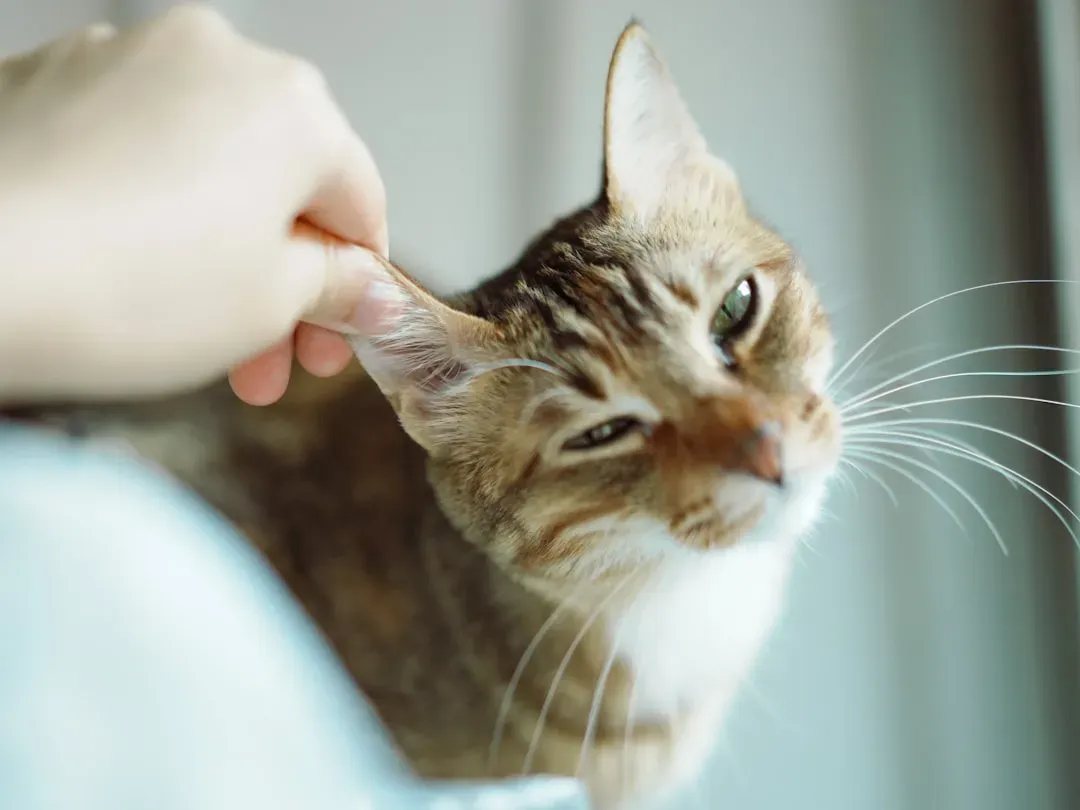
Getting your cat to listen isn’t about forcing them to obey. It’s about building a relationship based on trust, motivation, and understanding. Your cat isn’t a dog, and they never will be. They’re independent, selective, and yes, sometimes a little stubborn.
Yet with patience, the right rewards, and consistent positive reinforcement, you can teach your cat to respond to you in ways that strengthen your bond. The key is respecting who they are while gently guiding them toward behaviors that work for both of you. Remember, your cat is always learning from you, just as you’re learning from them.
Did you ever think your seemingly aloof cat could become so responsive? What will you try first?