Most cat parents think their home is already perfect for their feline companion. You’ve got the food bowl, a bed, maybe even a fancy toy or two. That should be enough, right? Well, here’s the thing. Your cat might be living with you, but their instincts are still wired for a completely different lifestyle. They’re hunters, climbers, and explorers trapped in a world of closed doors and flat surfaces.
The good news is you don’t need a complete home renovation to dramatically improve your cat’s quality of life. Sometimes the smallest adjustments can make the biggest difference in how your cat experiences their daily routine. Let’s be real, most indoor cats spend their days waiting for something interesting to happen. That’s not exactly a thrilling existence. So let’s dive in and discover which simple modifications can transform your space into a feline paradise that keeps your cat mentally sharp, physically active, and genuinely content.
Create Vertical Territory With High Perches
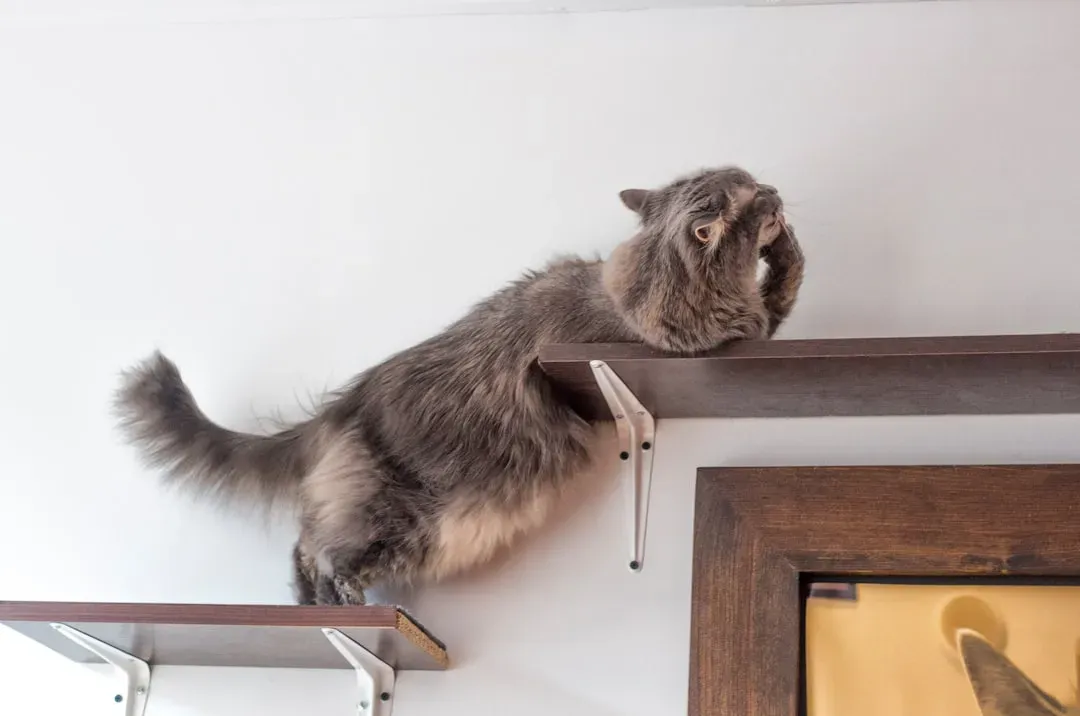
Vertical space is essential for cats because they feel more comfortable and confident when they can survey their environment from above. Think about it from your cat’s perspective. Down on the floor, they’re vulnerable, but up high, they’re in control. Installing cat trees, wall-mounted shelves, or clearing off a bookshelf gives your cat that crucial elevated vantage point they crave instinctively.
Cats like to be up high, and providing access to elevated places makes cats happy and increases the overall space available to them. You don’t need expensive equipment either. A cleared section on top of your wardrobe with a soft blanket works just as well. The key is offering multiple levels throughout your home so your cat can choose their preferred height based on their mood.
Install A Window Perch For Entertainment
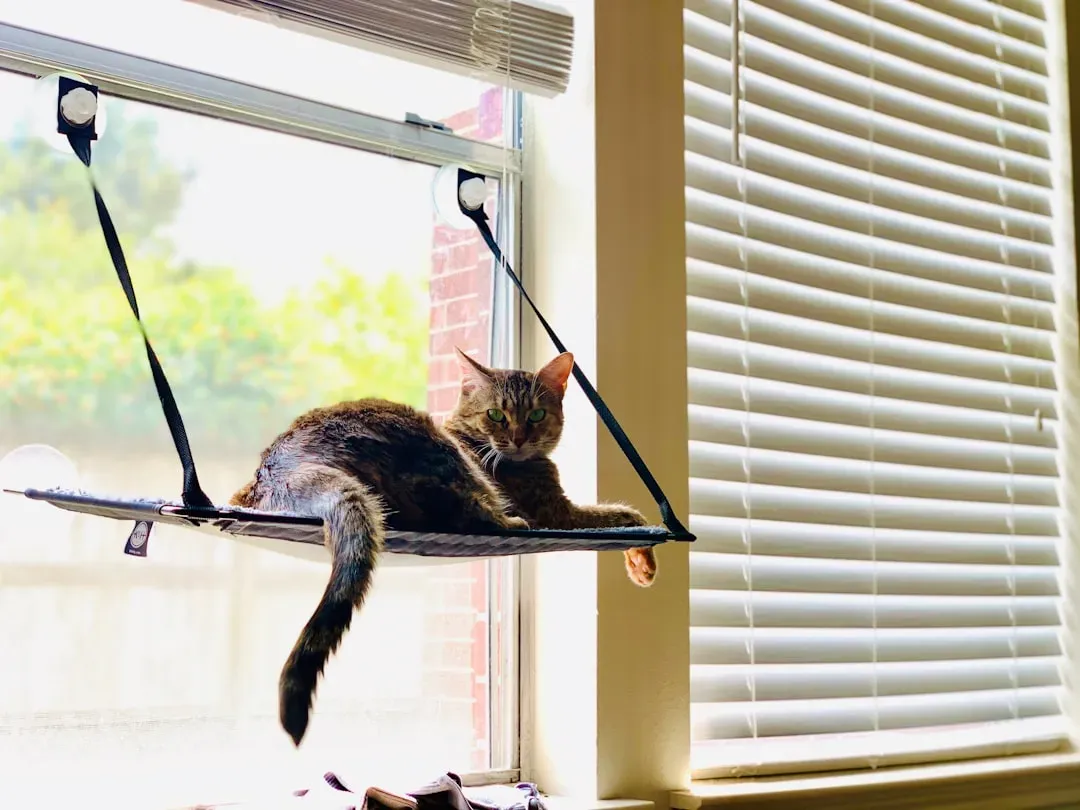
A secure perch or window hammock offers endless entertainment from birds, squirrels, and passing neighbors. Your window is basically cat television, and most felines will spend hours watching the outdoor world go by. It’s free entertainment that engages their hunting instincts and keeps their minds active without any effort on your part.
A birdbath or bird feeder placed within sight of the window can increase your cat’s enjoyment. Position the perch where your cat can comfortably stretch out in a sunny spot during the day. The combination of warmth, visual stimulation, and a cozy resting spot hits multiple needs at once. I honestly think this is one of the easiest changes you can make that delivers immediate results.
Switch To Puzzle Feeders Instead Of Bowls
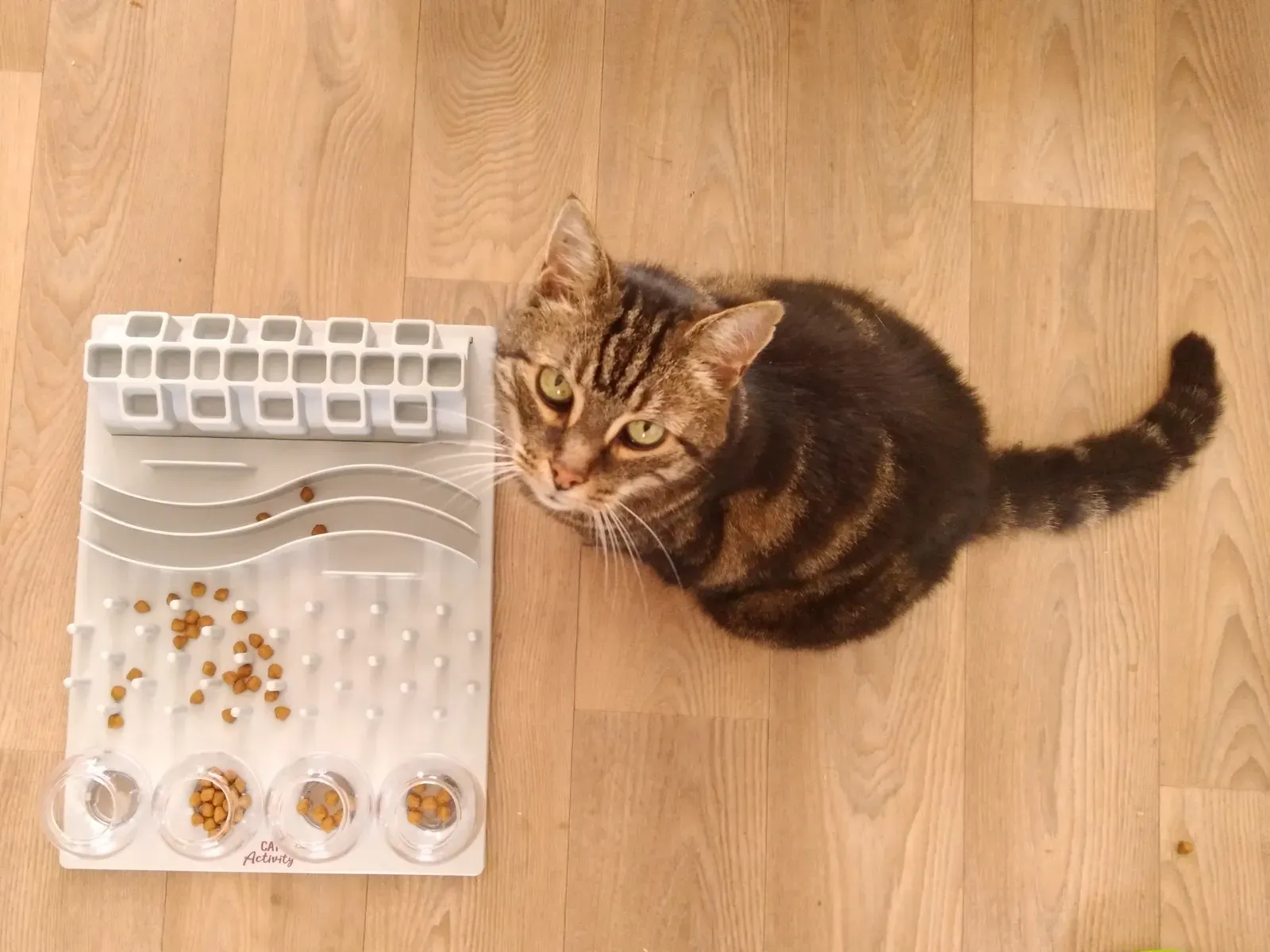
Cats in the wild eat roughly 8 to 16 small meals per day, but by making all food available in the bowl, foraging time has been reduced to a few minutes per day. This contributes to both boredom and obesity in indoor cats. Your cat’s brain is designed to work for food, not just walk up to a bowl and munch.
Puzzle feeders encourage problem solving and slow down fast eaters. You can purchase commercial versions or make your own from cardboard boxes with holes cut in them. Start with easy puzzles and gradually increase difficulty as your cat gets the hang of it. Honestly, watching your cat figure out how to extract their kibble is pretty entertaining for you too.
Add Multiple Scratching Surfaces Throughout Your Space
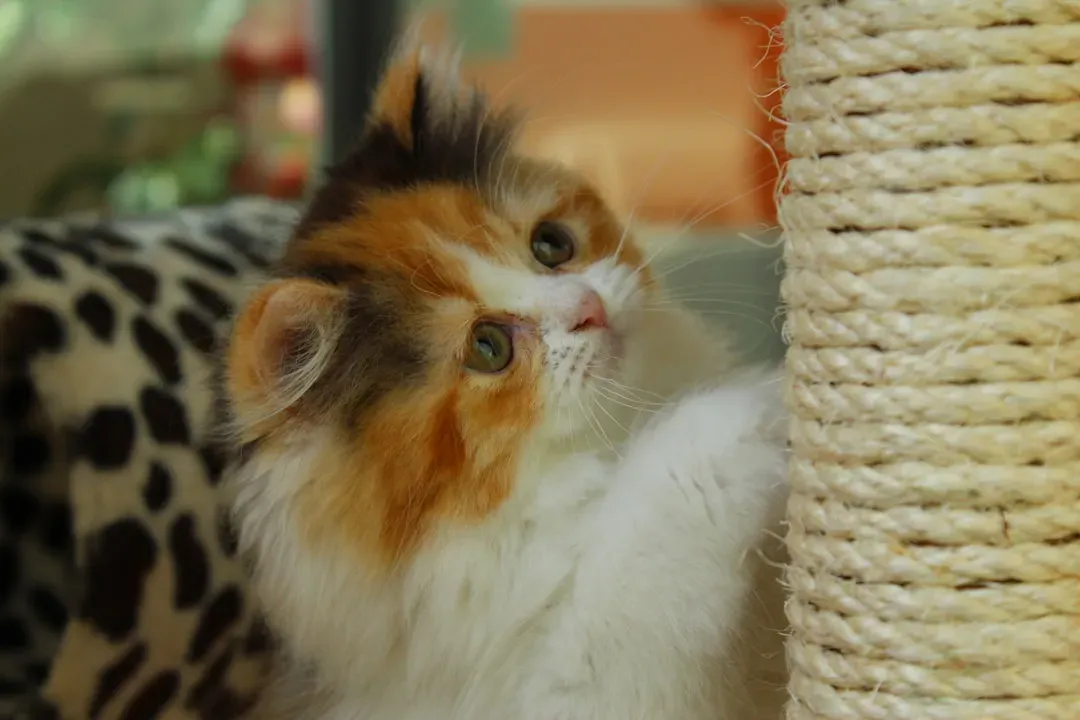
Scratching is a natural instinct for cats that’s essential for their mental health, helping them keep claws healthy, stretch muscles, and leave scent messages. If you’re not providing appropriate options, your furniture becomes the default choice. It’s not about training your cat not to scratch; it’s about giving them better alternatives.
Scratching posts should be sturdy and made of materials cats prefer, usually wood, sisal rope, or rough fabric, and many cats prefer vertical scratching posts while some prefer horizontal ones. The trick is offering variety. Place scratchers near where your cat sleeps, by windows, and in main living areas. Different textures and orientations let your cat choose what feels best for their stretching and marking needs.
Rearrange Furniture Regularly For Novelty
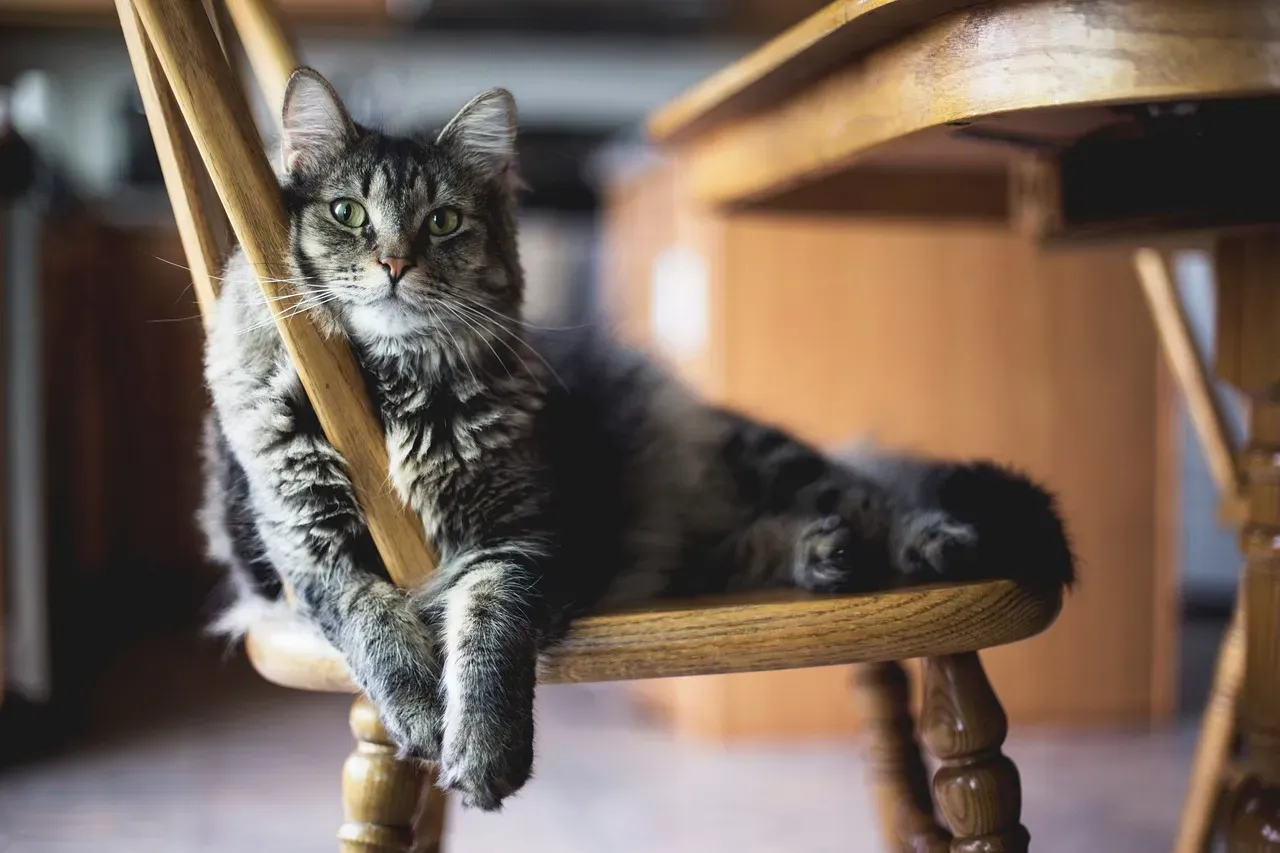
To enhance a cat’s coping skills, make regular small changes in the environment to provide novelty. This might sound counterintuitive since cats supposedly hate change, but hear me out. Small, gradual shifts actually keep your cat’s environment interesting and stimulate their natural curiosity.
Regularly moving beds and perches mimics a changing outdoor environment and encourages cats to explore. You’re not talking about a complete furniture overhaul every week. Simply rotating which chair has a blanket on it or moving a cat bed to a different corner creates just enough change to keep things mentally stimulating. It’s like giving your cat a mini adventure without leaving home.
Respect Their Sense Of Smell With Unscented Products
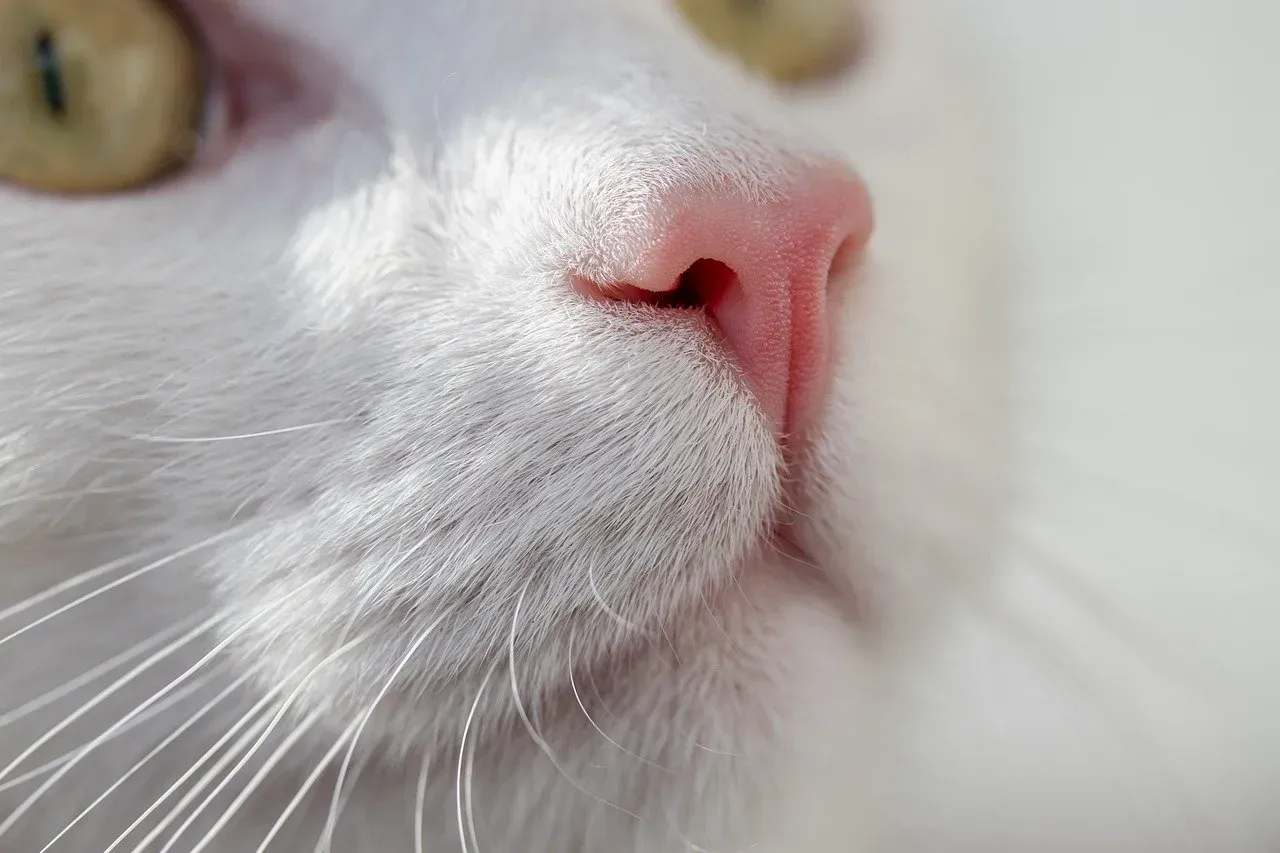
Strong smells, such as cleaning products or perfumes, incense, smoke, and scented candles, should be avoided. Your cat’s nose is exponentially more sensitive than yours, and what smells mildly pleasant to you might be overwhelming or even distressing to them. Think about how you feel when someone wears too much cologne in an elevator.
Cats use olfactory information to evaluate their surroundings and maximize their sense of security, so allow cats to scent mark their environment and avoid covering up their scent with strong cleaners or scented litters. Switch to fragrance-free cleaning products and unscented litter. Your cat marks their territory through scent, and when you constantly erase those markers with powerful chemicals, you’re essentially telling them their home isn’t really theirs. Let them smell like themselves.
Provide Private Hiding Spots At Floor Level
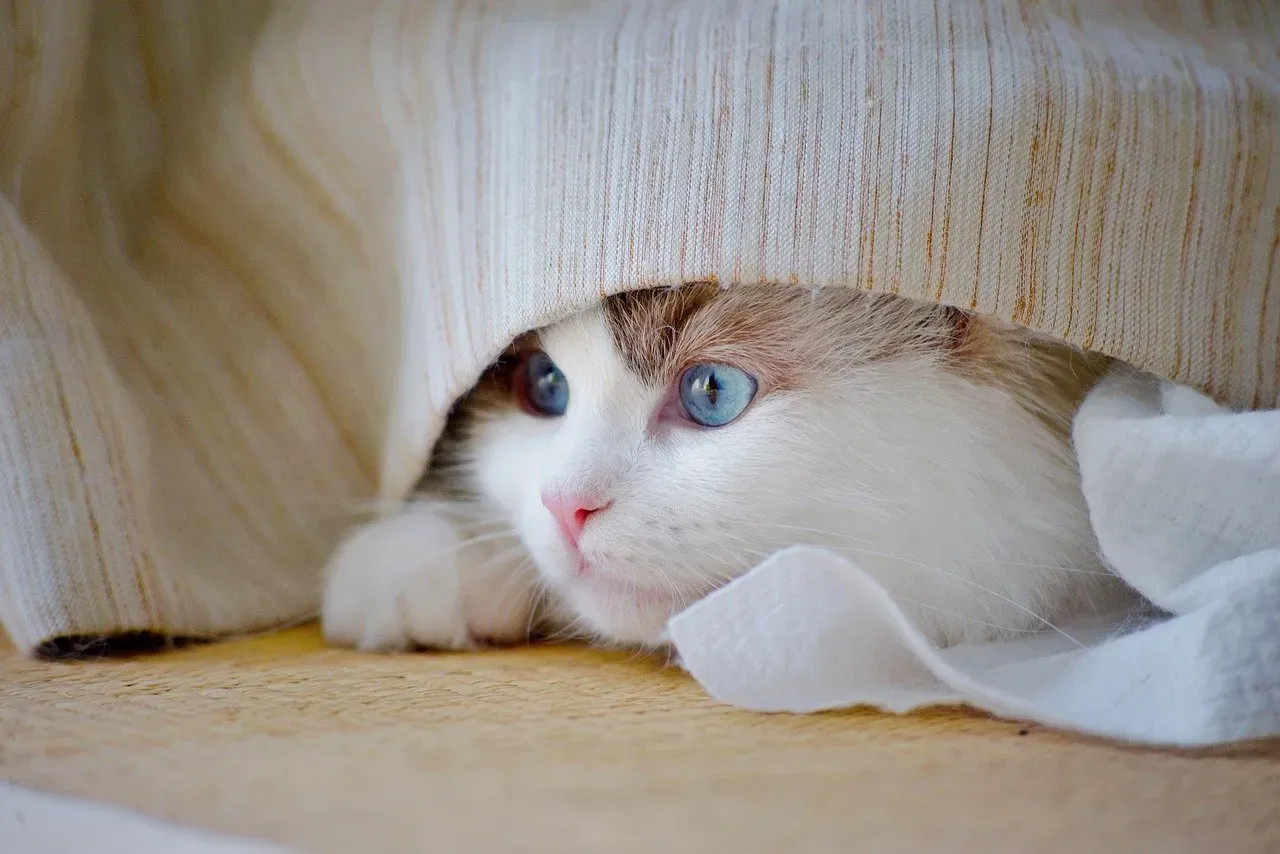
Taking time out from social demands is essential for cats, so secret hideaways can be created by making space available under the bed, inside cupboards, or behind the sofa. Even the most social cat needs alone time. These refuges give your cat somewhere to retreat when they’re overstimulated, stressed, or just need a nap away from household activity.
Your cat should never be disturbed while using a private area unless you have reason to believe they’re not well. A cardboard box with a blanket inside works perfectly. You can also leave closet doors slightly ajar or create a cozy nook under furniture. The rule is simple: when your cat is in their hiding spot, they’re off limits. This safe space reduces anxiety and gives them control over their social interactions.
Set Up Interactive Play Sessions Daily
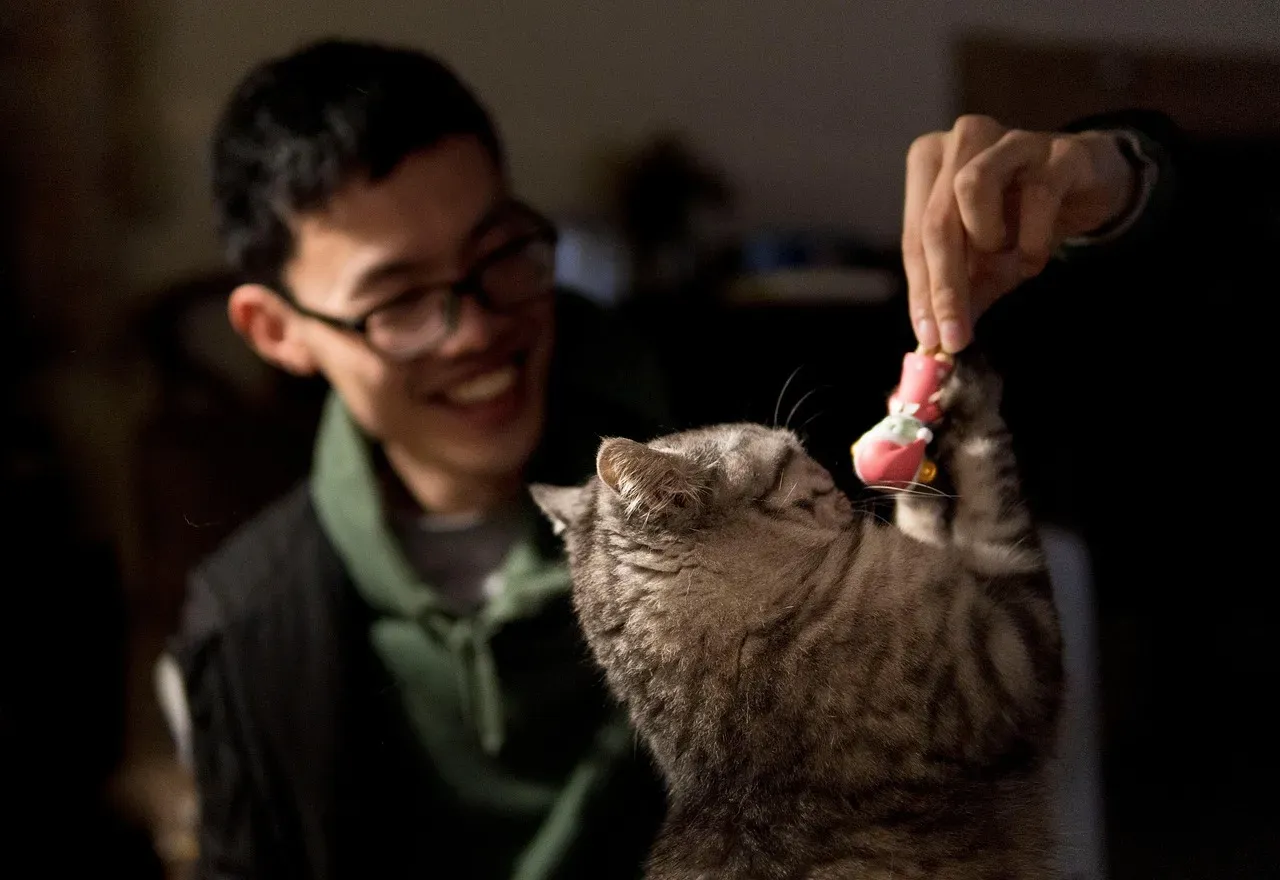
Social activities with humans can be the single most effective way to enrich your indoor cat’s environment, so set a timer for five minutes twice daily and play with your cat. I know it sounds crazy that just ten minutes of play could be so important, but cats need these short, intense bursts of activity to satisfy their hunting instincts.
Play doesn’t need to be complicated or extensive since cats prefer shorter play sessions more frequently, with five to 15 minutes two to three times a day satisfying most cats. Use wand toys that mimic prey movements like mice darting or birds flying. Let your cat stalk, chase, pounce, and catch. Rotate toys regularly to keep the novelty factor high. The mental and physical stimulation from these brief sessions prevents boredom and related behavior problems.
Optimize Litter Box Size And Placement
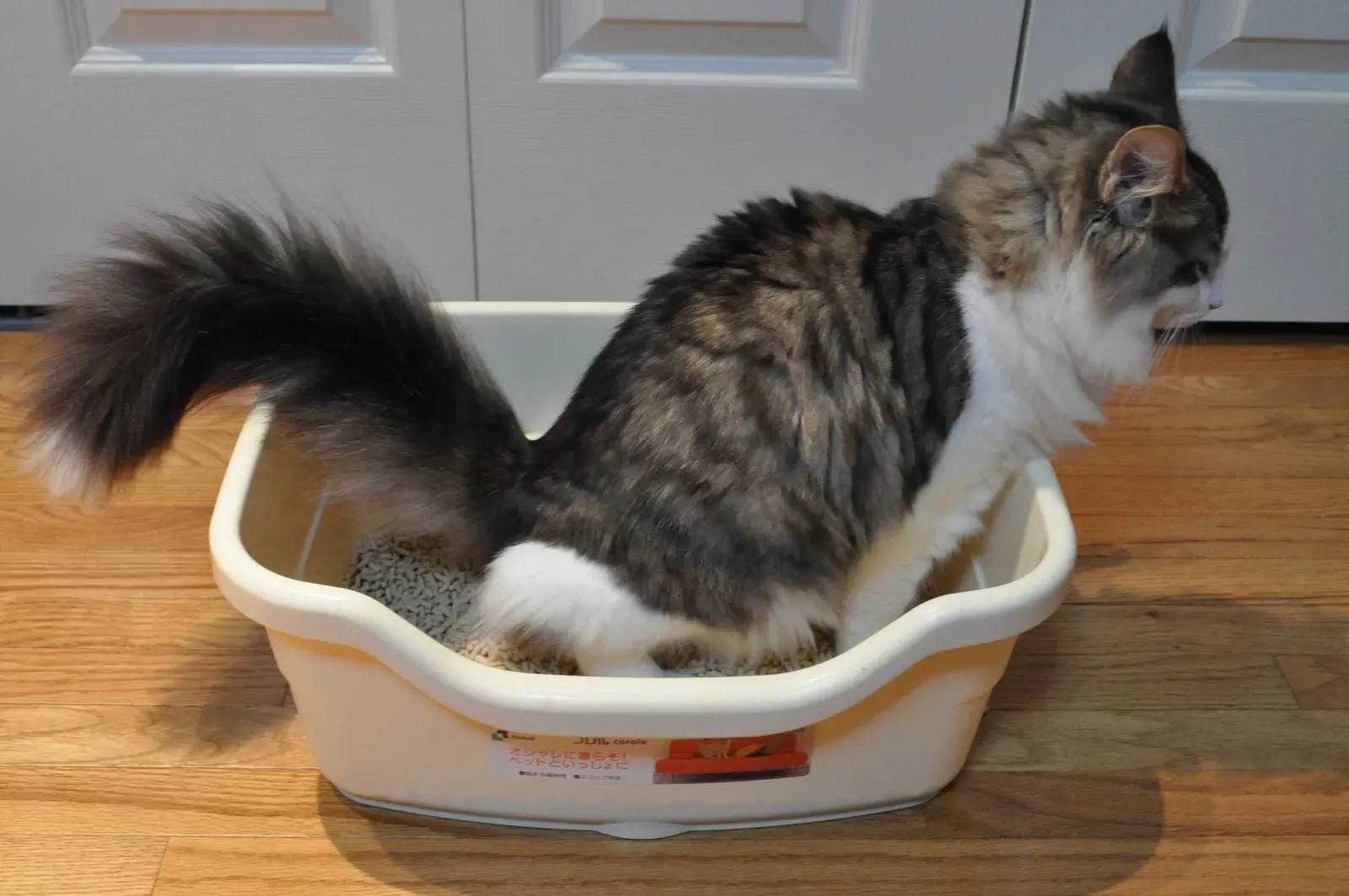
A clear deep storage container about two and a half feet long by one and a half feet wide is ideal, as cats want to see around them without being squished in a small space. Most commercial litter boxes are designed for human convenience, not feline comfort. Your cat needs room to turn around, dig, and position themselves comfortably.
If your cat is choosing not to use the litter box consistently, there may be too much noise or activity where the box is located, for example from a washer or dryer. Place boxes in quiet, accessible locations away from their food and water. Skip the hooded versions that trap odors inside. Give your cat privacy but not confinement. Following the rule of one box per cat plus one extra, positioned in different areas, eliminates territorial stress and gives your cat options.
Conclusion
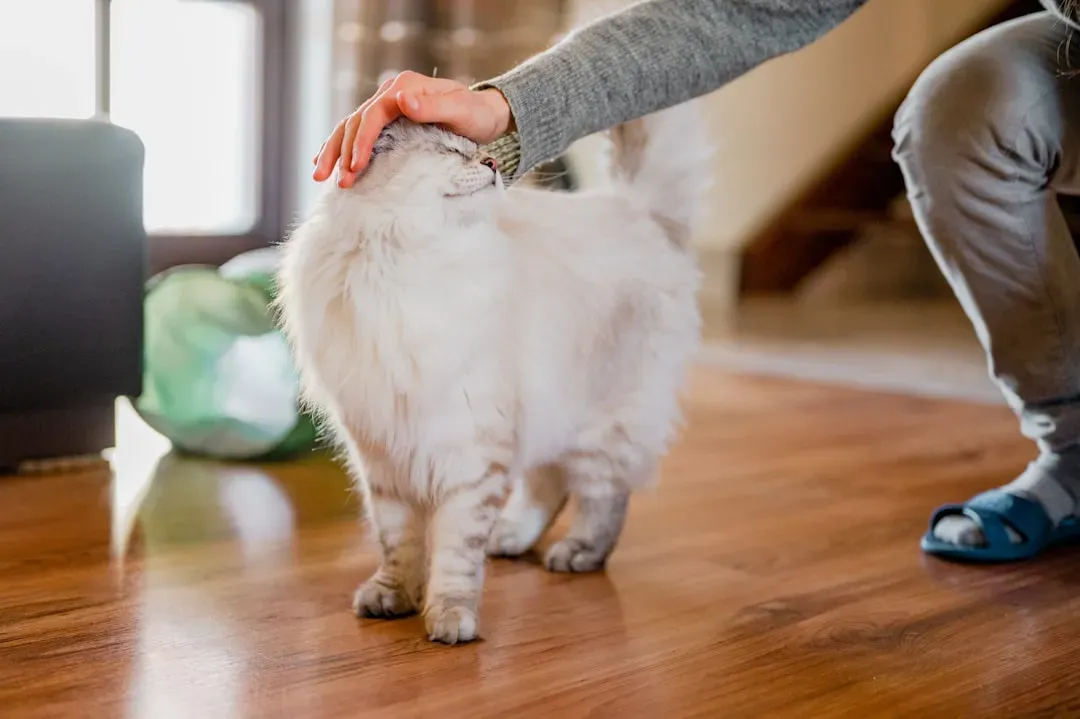
Improving your cat’s life doesn’t require massive investments or complete home transformations. These nine small changes work because they align with your cat’s natural instincts rather than fighting against them. When you provide vertical space, mental stimulation, appropriate outlets for natural behaviors, and respect for their sensory needs, you’re creating an environment where your cat can truly thrive.
The beauty of these modifications is that they benefit you too. A mentally stimulated, physically active cat is a happier, healthier companion with fewer behavioral problems. They’re less likely to wake you at dawn, scratch your furniture, or develop stress-related health issues. What do you think about these changes? Which one will you try first?