New York City’s beloved corner-store felines have officially found a new champion in local government. With the legislative session turning over and the original sponsor of a groundbreaking bill about to leave office, one City Councilmember has stepped forward to keep the momentum alive. This unexpected twist could determine whether “bodega cats”—those ubiquitous shop cats who charm locals and help control pests—receive proper legal recognition and protections in 2026.
A New Sponsor for a Cat-centric Cause
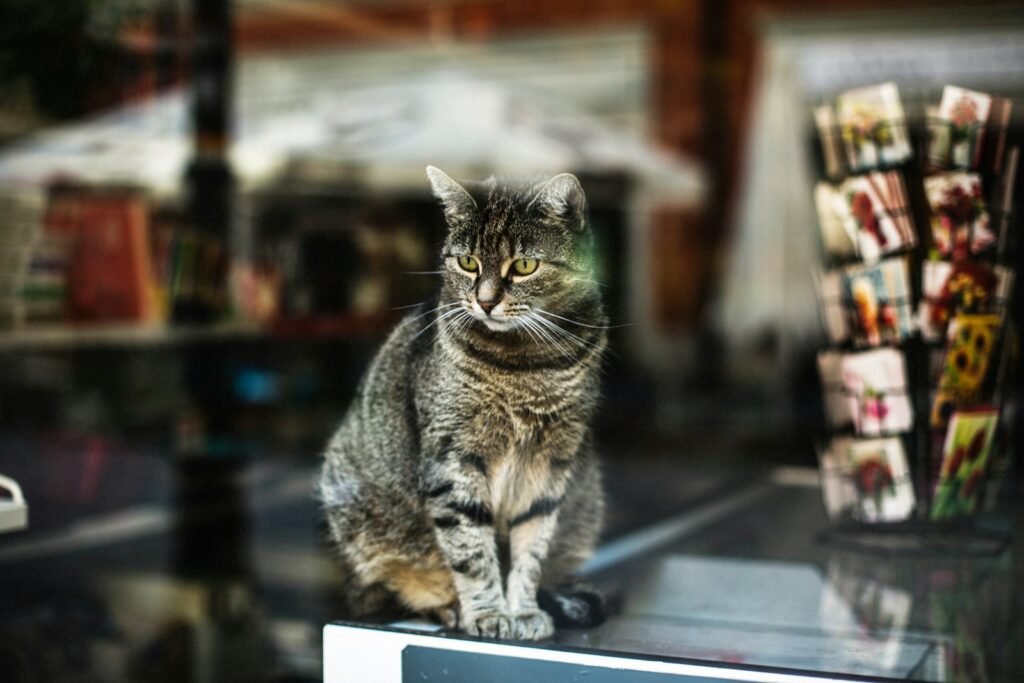
When the original bill to legalize bodega cats was introduced in November 2025 as Intro. 1471, it quickly captured public attention. Drafted with the help of advocates and co-sponsors from across the political spectrum, the legislation aimed to formally update the city’s health code to allow cats in bodegas, a practice beloved by many New Yorkers but technically still restricted under existing rules.
However, the bill faced an unexpected hurdle: its lead sponsor, Councilmember Keith Powers, is term-limited and set to leave the Council at the end of 2025. Without an active champion in the new session starting January 2026, the measure risked stalling before it could gain traction.
Frank Morano Steps Up
Into that gap stepped Councilmember Frank Morano, representing Staten Island’s District 51. Morano volunteered to take over as the prime sponsor of the bill, offering a critical lifeline to the legislation. What makes Morano’s involvement particularly noteworthy is his position as a Republican in a predominantly Democratic Council—an indicator that support for bodega cats may cross typical partisan lines.
Morano responded to the call for a new lead sponsor just minutes after outreach began, signaling both enthusiasm and urgency in ensuring the bill doesn’t lose momentum. His willingness to steer the proposal through the legislative process in 2026 gives the measure a fighting chance at meaningful advancement.
What the Bodega Cat Bill Actually Does
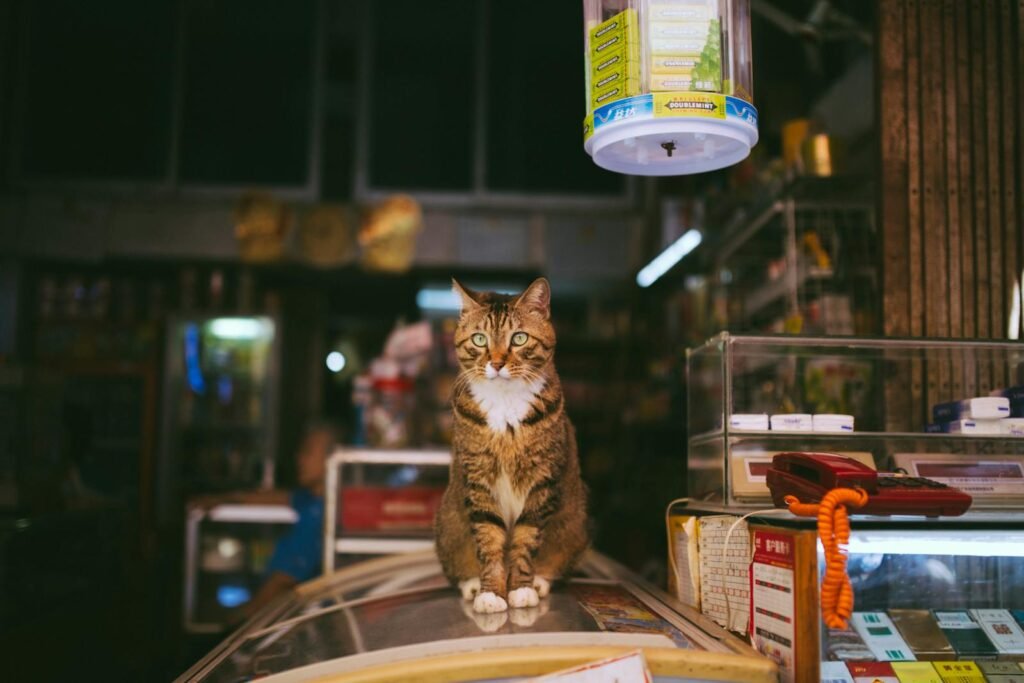
At its core, Intro. 1471 seeks to codify the status of bodega cats into city law. Although these cats have long been fixtures of New York convenience stores—helping deter rats and adding to neighborhood charm—their presence technically violates the city’s health code governing food establishments.
The bill not only proposes legal recognition of these animals but also outlines additional supports, including a free vaccination program for cats registered under the new category. It also encourages humane care practices like spaying and neutering, a step advocates say could help address larger issues of stray and feral cat populations across the city.
Bipartisan Support and Broad Appeal
One of the most striking aspects of this effort has been the diverse coalition backing it. Original co-sponsors included Democrats and Republicans from multiple boroughs, reflecting how widespread the cultural affection for bodega cats is—and how the issue resonates beyond conventional political divides.
The fact that Morano’s leadership offers bipartisan stewardship may also help the bill in committee hearings and on the Council floor. Lawmakers on both sides of the aisle may feel more comfortable supporting legislation perceived as non-controversial and rooted in local tradition rather than ideological battle lines.
Navigating the Legislative Path Ahead
Morano’s offer to lead is just the first step. For the bill to become law, it must still undergo a series of formal stages in the 2026 City Council session. Key among these is a hearing before the Committee on Health, which has not yet been scheduled as of late December 2025. Securing a hearing date and progressing the bill through committee votes will be essential early milestones.
If the measure advances past committee, it then needs majority approval from the full Council. Should it pass there, the legislation would head to the mayor’s desk for signature. New mayor Zohran Mamdani, set to take office January 1, 2026, has not publicly stated a position on this specific bill, leaving some uncertainty about the final stage of approval.
Beyond City Law: State Level Considerations
Even if Intro. 1471 clears City Hall, advocates note another hurdle remains: state law. While the city can adjust its own health codes, ultimately state regulations from the New York State Department of Agriculture and Markets govern certain aspects of food establishments and animal classifications. Achieving full legal clarity for bodega cats may require additional action at the state level.
Public Engagement and Advocacy
Public interest has been a driving force behind the bill from the start. An online petition urging legalization and protection for bodega cats drew more than 13,000 signatures, evidence of strong grassroots support. Advocates have encouraged New Yorkers to contact councilmembers and committee chairs to express encouragement for the measure, highlighting the role civic engagement plays in local policymaking.
With Morano’s commitment, supporters hope that 2026 will be the year the city’s working cats finally receive the recognition and legal status they’ve long deserved.
What began as a niche proposal to recognize New York City’s famed bodega cats has grown into a broader conversation about tradition, public health, and bipartisan cooperation in local government. With Councilmember Frank Morano stepping up to lead the bill into the 2026 session, the legislation now has renewed life and direction. Whether the measure ultimately becomes law will depend on committee action, council votes, and executive approval—but for now, New Yorkers who treasure their feline shopkeepers can watch the process with renewed optimism.
Kristina is a young writer from India. An arts graduate and an avid content creator, Kristina is passionate about animals and wildlife. She enjoys exploring topics related to pet care, animal behavior, conservation, and nature, combining thorough research with engaging storytelling.