You’ve probably seen it a dozen times. You buy an expensive cat bed, plush and comfortable, designed with feline luxury in mind. Your cat sniffs it, maybe steps on it once, then promptly ignores it. Enter: a plain cardboard box from your latest online order. Within seconds, your furry friend is diving inside, curling up like it’s the best thing that’s ever happened to them. What gives?
It turns out this peculiar obsession isn’t just quirky cat behavior. There’s genuine science behind why your cat treats that humble Amazon box like a five-star hotel. From ancient survival instincts to temperature preferences and stress management, boxes satisfy multiple needs that are hardwired into your cat’s brain. Let’s be real, if boxes could talk, they’d probably be bragging about how much cats adore them compared to that fancy furniture you splurged on.
The Security Blanket Effect: Why Enclosed Spaces Feel Like Home
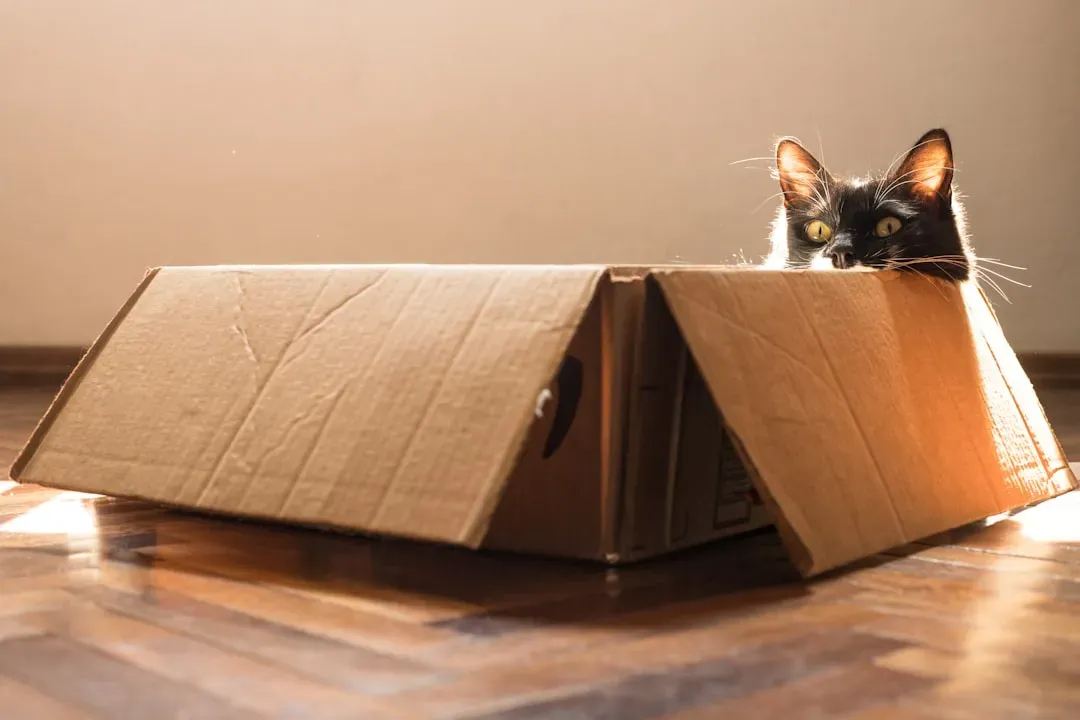
When your cat squeezes into a box, they’re tapping into an instinct that goes back to their earliest moments as kittens – that feeling of being enclosed with their mother and littermates. Think about it. Newborn kittens spend their first weeks huddled together in confined spaces, surrounded by warmth and protection.
In the wild, small hidden spaces protect cats from predators, and a box triggers that same natural instinct to find a safe den where they can curl up and feel hidden. Your house cat doesn’t have to worry about coyotes or eagles, sure, but that doesn’t stop their brain from craving the psychological comfort of walls around them. It’s like how we humans feel cozier in a small reading nook than standing in the middle of an empty warehouse.
Stress Relief in a Cardboard Package
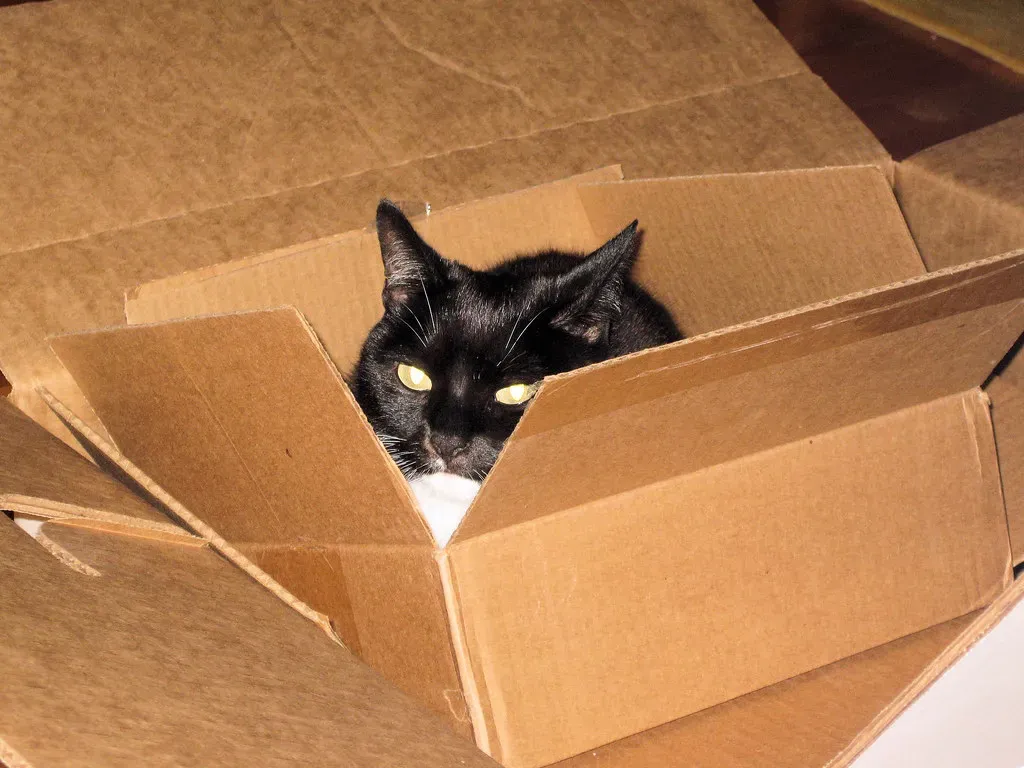
Here’s where things get really interesting. Studies have shown that stress hormones like cortisol are reduced in newly rescued cats when they’re given access to a box. This isn’t just anecdotal – researchers actually measured this stuff.
A study from the University of Utrecht in the Netherlands showed that newly arrived shelter cats who had access to boxes recovered faster and adapted quicker to their new environment compared to cats without boxes. Cats with hiding boxes showed a significantly faster decrease in behavioral stress, reaching a steady state on Day 2 compared to Day 9 for cats without boxes. Honestly, if you’ve ever moved to a new place and felt overwhelmed, you can probably relate to needing your own little sanctuary to decompress.
The Perfect Temperature Control System
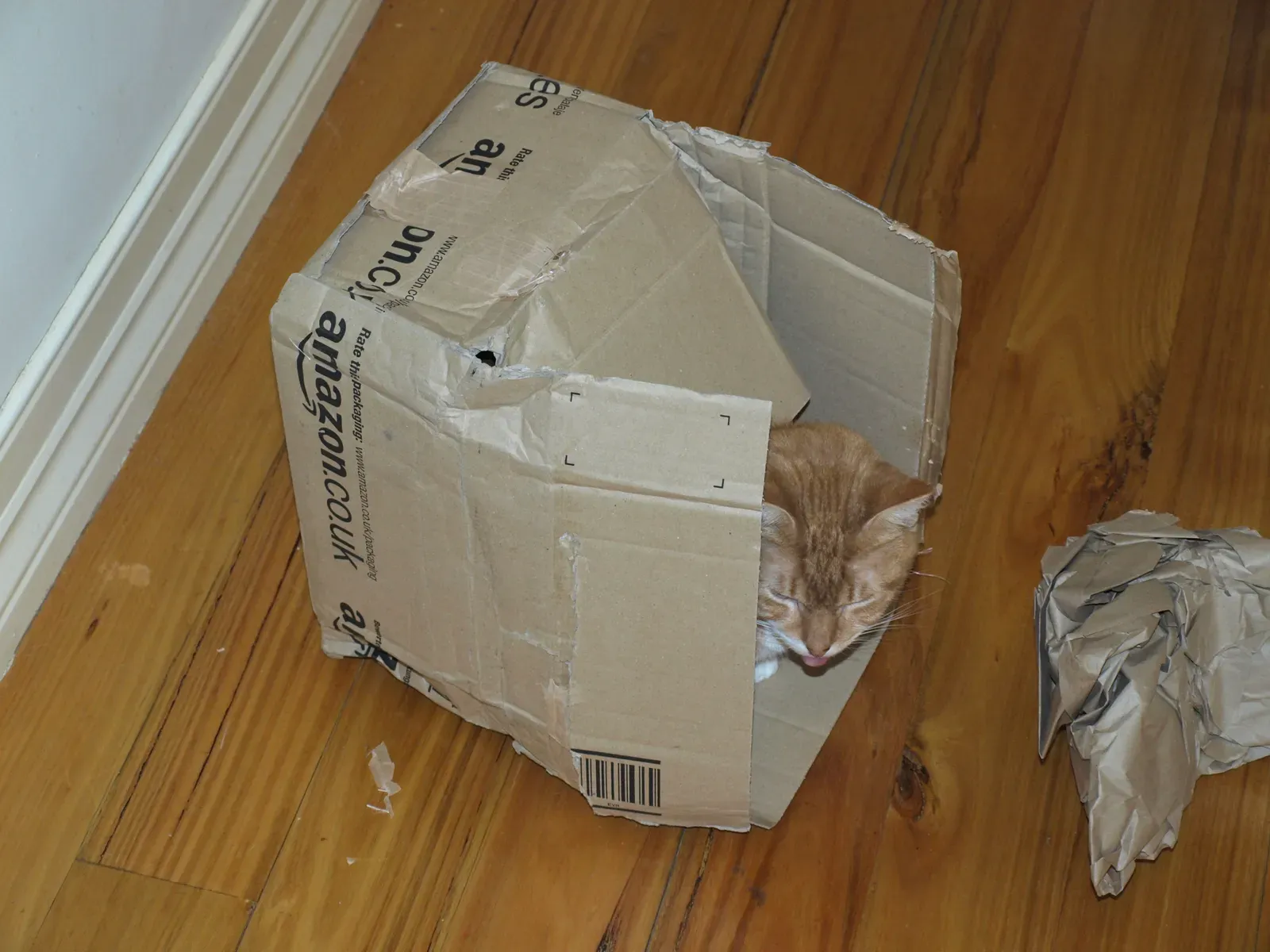
Let me share something that might surprise you. Research shows that cats are most comfortable in temperatures between 86 and 97 degrees Fahrenheit, but most homes are kept at around 72 degrees. Yeah, your cat is probably cold even when you’re comfortable.
Boxes act as insulators and trap body heat, allowing cats to enjoy warmer temperatures without needing an expensive heating bill. The cardboard material itself is a surprisingly effective thermal regulator. The confined space of a box forces a cat to curl up into a ball, which also helps preserve body heat. So that box isn’t just a hiding spot – it’s your cat’s personal heated blanket, custom-fitted to their body.
Ambush Headquarters: The Predator’s Playground
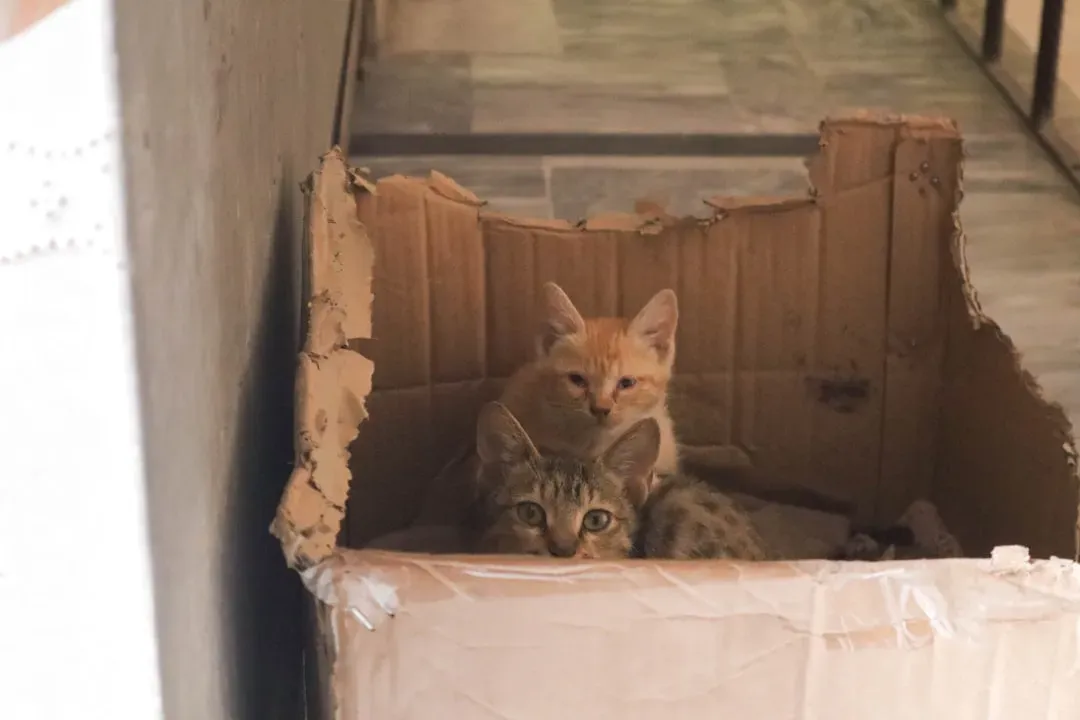
Even though your cat is a pampered pet, their hunting instincts are still alive and well, and boxes provide a confined place where they can pretend they’re in the wild, preparing to pounce. Have you ever noticed your cat’s eyes go wide as they crouch inside their box, tracking your movements across the room? That’s not just cute – that’s predatory behavior in action.
In the wild, cats are predators who need to be stealthy to catch their next meal, which often involves hiding in small spaces where they can’t be seen – crucial for survival as they sneak up on unsuspecting prey. Your ankles passing by that box? To your cat, that’s basically a gazelle wandering past their hunting blind. The box gives them the tactical advantage their ancestors relied on for thousands of years.
Curiosity Meets Novelty: The Exploration Factor
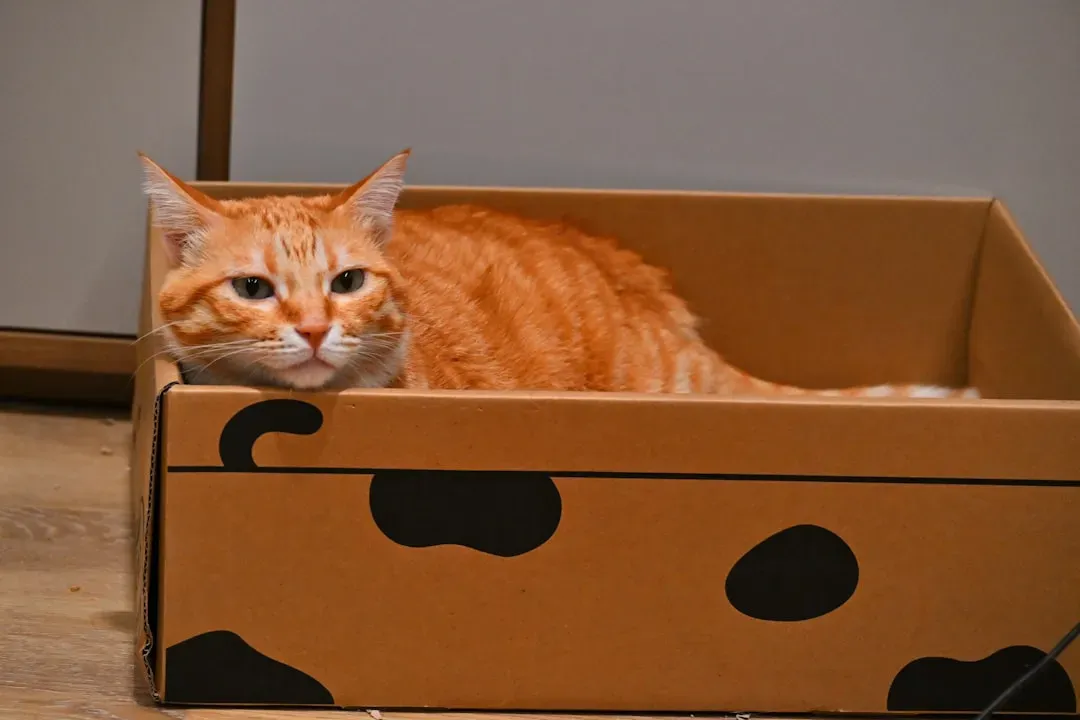
Cats are curious creatures, and boxes present an exciting world of exploration – a new box with its smells and textures represents a new puzzle that must be unraveled. It’s hard to say for sure, but there’s something about the unknown that draws cats in like moths to a flame.
Every new delivery box is a fresh mystery. What’s inside? What does it smell like? Can I fit? These questions might seem silly to us, but to your cat, they’re genuinely engaging mental challenges. A newly arrived box is also a change to a cat’s environment, and cats thrive on having new stimuli to investigate. The texture of corrugated cardboard, the rustling sound it makes, the way it bounces when they jump on it – all of this feeds their natural curiosity.
Territory Marking and Ownership Claims
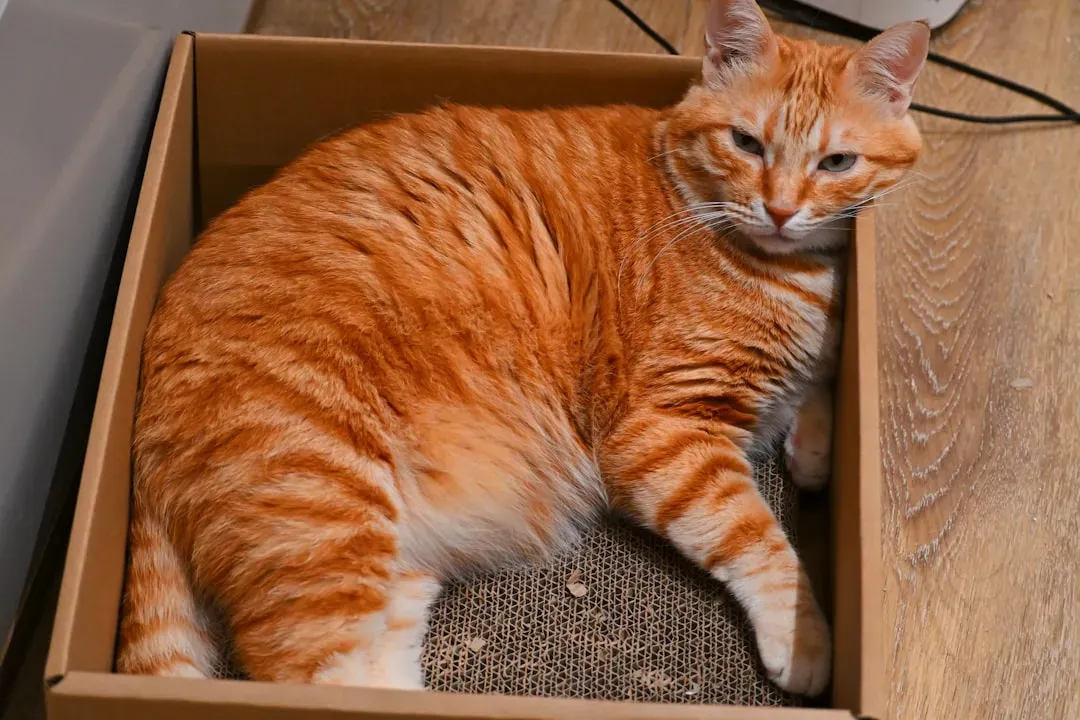
Cats have scent glands on their faces, and when they rub their faces on the sides of a box, they leave behind their scent, marking the box as their own special domain. This is your cat’s way of planting a flag and declaring, “This is mine now.”
Scent marking is hugely important to cats. They’re territorial animals by nature, and claiming ownership over objects helps them feel secure in their environment. That box you were planning to recycle? Sorry, but your cat has already signed the lease. The more they rub against it, scratch it, and spend time in it, the more it smells like them, and the more attached they become. It’s basically their version of personalizing an apartment.
Conflict Avoidance and Personal Space
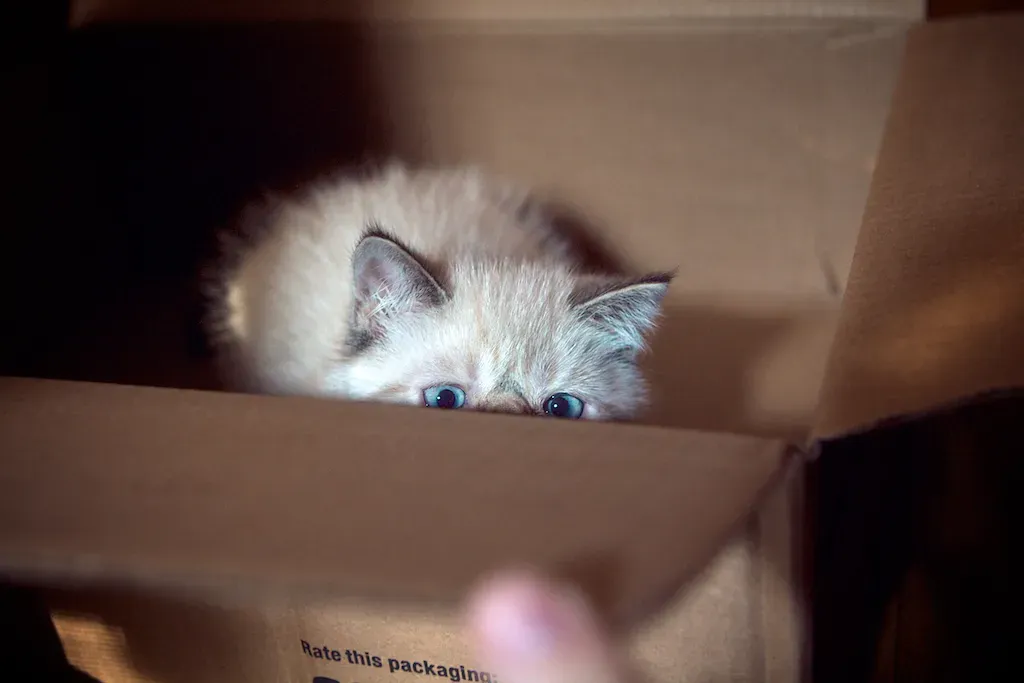
Cats lack refined conflict resolution skills, so they prefer to avoid negative interactions by hiding away – and when tensions arise with family members or other pets, the refuge of a box offers the cat a chance to recalibrate and de-stress. Let’s be honest, sometimes we all need to escape to our rooms and close the door.
In multi-pet households or homes with young children, boxes become even more valuable. They’re escape pods where your cat can retreat when things get too loud, too chaotic, or too overwhelming. Unlike us humans who can verbally express when we need space, cats rely on physical distance. That box isn’t just a hideout – it’s their way of saying they need a timeout without starting drama.
The Irresistible Texture and Scratchability Factor
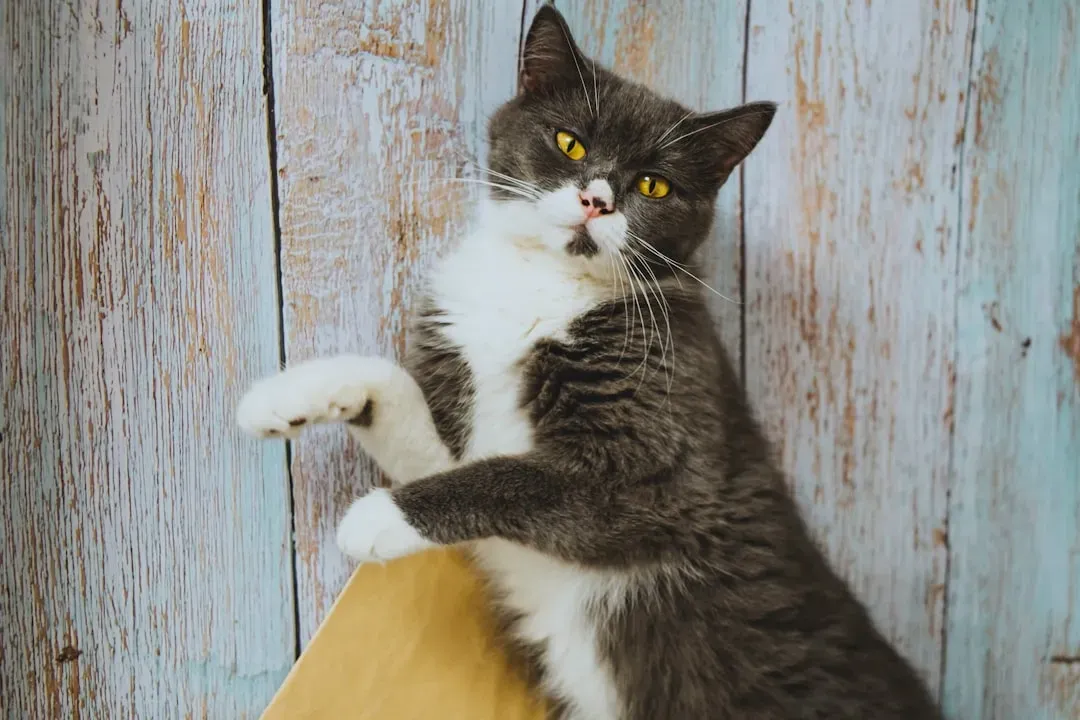
There’s a reason why most scratching posts are made out of cardboard – cats love the feel of boxes, making them the perfect place to claw and scratch their nails. If you’ve ever wondered why your cat methodically shreds the corners of boxes, now you know.
The texture of cardboard hits a sweet spot for cats. It’s satisfying to scratch, easy to grip with their claws, and makes a rewarding sound when they dig in. This isn’t just about maintaining claw health – it’s also deeply satisfying on a sensory level. Plus, every scratch session deposits more of their scent onto the box, reinforcing that sense of ownership we talked about earlier. Your cat isn’t destroying the box; they’re customizing it.
Conclusion: The Humble Box as Feline Paradise
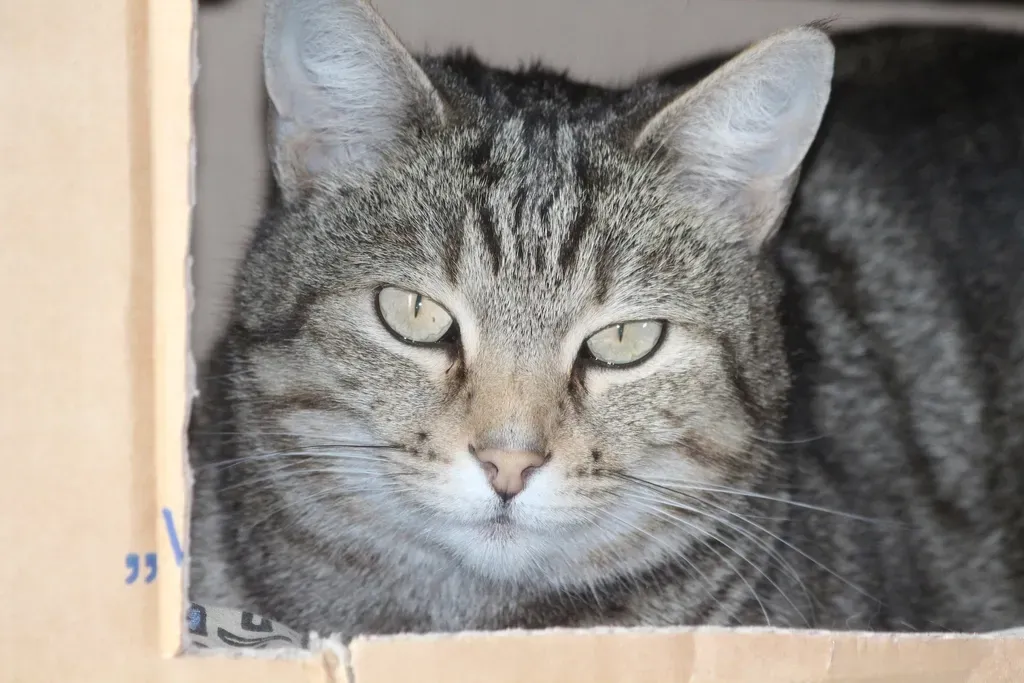
So there you have it. Your cat’s box obsession isn’t random weirdness – it’s a perfect storm of evolutionary biology, thermal comfort, stress management, and predatory instinct all wrapped up in corrugated cardboard. The hiding box appears to be an important enrichment for cats to cope effectively with stressors in their environment.
Next time you’re about to toss that delivery box in the recycling, maybe leave it out for a day or two. Your cat will thank you in their own special way – by completely ignoring that expensive toy you bought and spending hours in that free cardboard paradise instead. What’s your cat’s favorite box story? Have you noticed them choosing boxes over beds? The science might explain it, but honestly, the mystery is part of the charm.