Ever wonder why your cat gives you that look? You know the one. That judgmental, slightly confused stare that makes you question everything you thought you knew about being a good cat parent. Here’s the thing: we humans often mess up when it comes to our feline friends, not because we don’t care, but because we’re speaking entirely different languages.
Your cat isn’t trying to be difficult or mysterious. They’re just bewildered by some of the bizarre things you keep doing. Let’s dive into the common mistakes that leave cats scratching their heads (and sometimes your furniture).
Treating Them Like Dogs
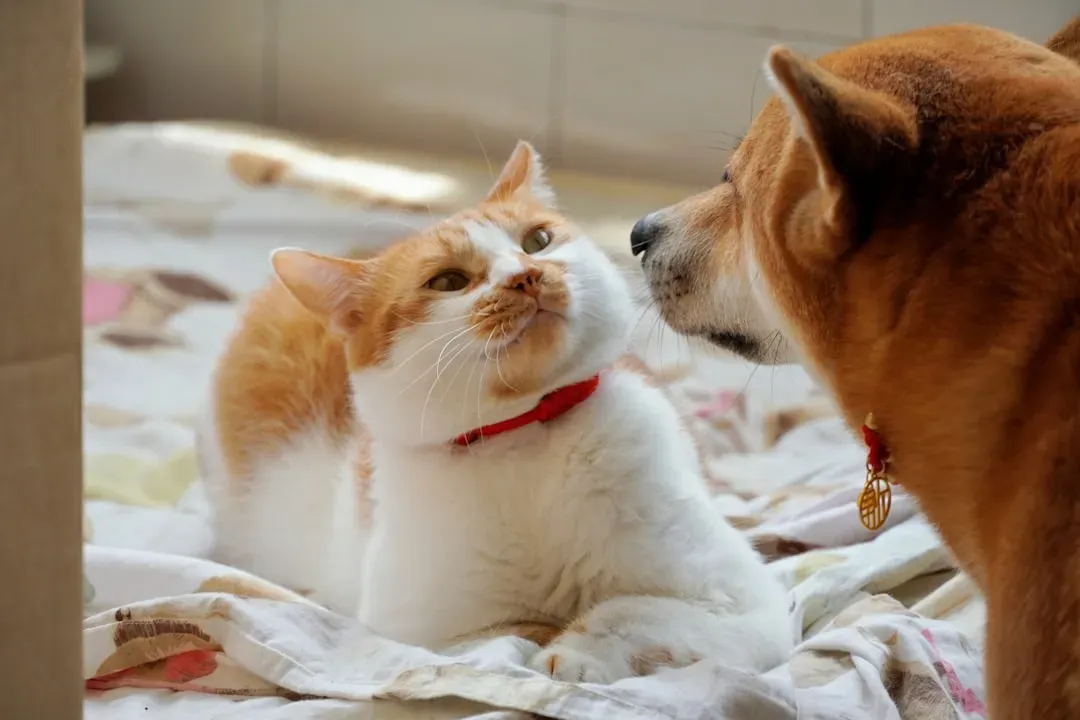
You can’t approach cats the same way you’d approach dogs without creating serious issues. Cats still carry many of their wild instincts, unlike their more domesticated canine counterparts. When you expect your cat to behave like a furry little dog, you’re setting both of you up for frustration.
Think about it. Dogs have been bred for thousands of years to work alongside humans, to please us, to read our every gesture. Cats? They basically domesticated themselves, and they’ve kept that independent streak. Cats evolved from solitary ancestors, which means their social behavior is largely based on distance and brief contact – not the prolonged, enthusiastic interactions dogs crave. So when you try to train your cat with the same techniques that work on dogs, you’re essentially speaking Greek to someone who only understands Mandarin.
Ignoring Their Body Language Signals
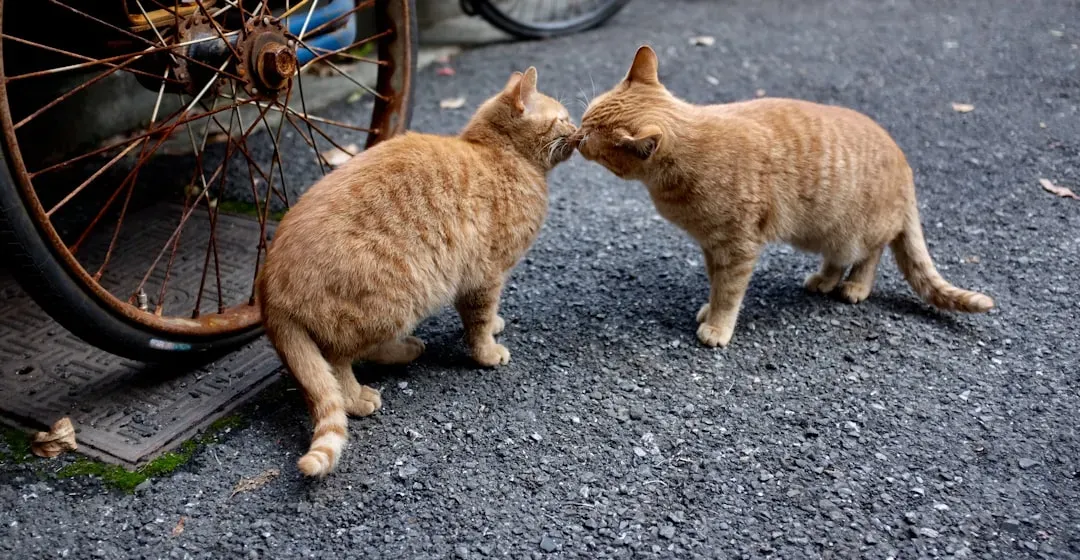
Cats that seem less predictable in their behavior are often perceived as more aggressive by their owners. If you’re not good at reading your cat’s emotional state, you’re going to get bitten and scratched more often. The problem isn’t that your cat is moody. The problem is that you’re missing the memo.
Cats communicate constantly through their ears, tails, whiskers, and posture. Many people accidentally push their cats too far by not recognizing when they want to be left alone, which can result in scratches, bites, or anxiety. That tail flicking isn’t random. Those flattened ears aren’t just for show. Your cat is literally telling you, in cat language, that they’ve had enough. Cats can easily become overstimulated from repetitive petting, and they often show you through their body language if they’re enjoying your affections or not. Learn to read the room – or in this case, the cat.
Petting Them in All the Wrong Places

The most common mistakes involve misunderstanding where cats like to be touched and failing to respect their need for personal space. You reach for that fluffy belly, thinking you’re about to experience pure joy. Instead, you get a swift reminder that cats aren’t dogs.
When your cat rolls over and exposes their belly, they’re showing trust, not extending an invitation for belly rubs. Cats don’t necessarily invite belly rubs the way dogs might – exposing their belly is a way to show they trust you enough to be vulnerable near you. Most cats prefer being petted on safer zones: between their ears, at the base of their ears, on the chin, or along their back. Without enough trust, touching their feet, tail, or underbelly is basically asking for trouble.
Staring Directly Into Their Eyes
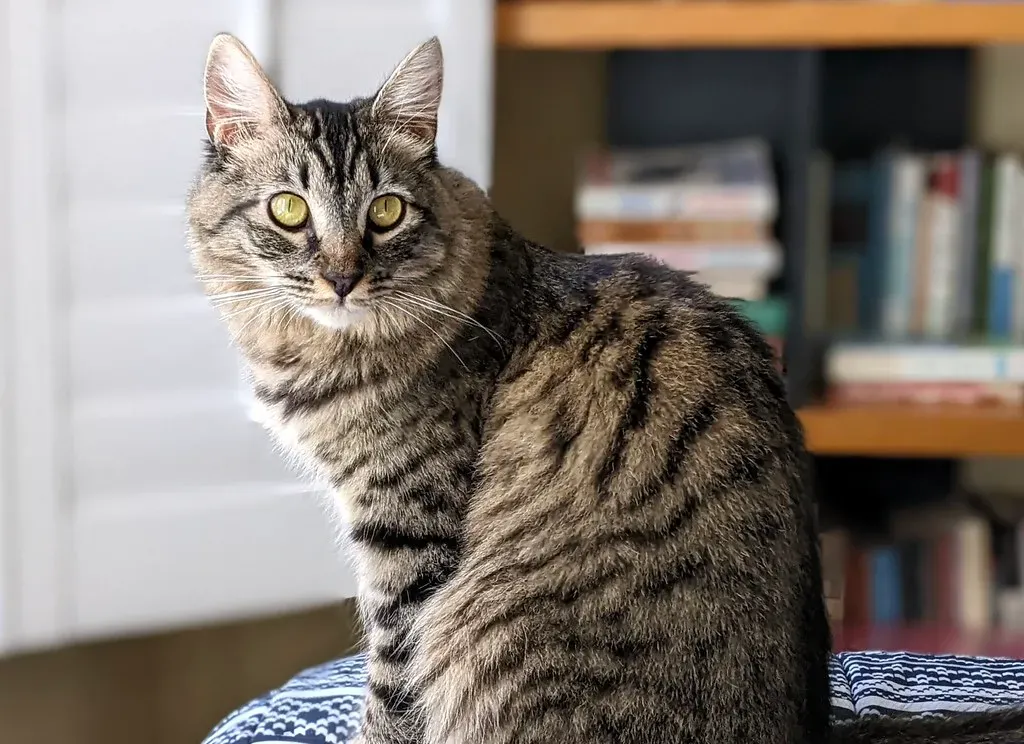
You think you’re making a loving connection. Your cat thinks you’re issuing a challenge. Direct eye contact in cats is often associated with asserting dominance or feeling threatened. You should avoid making prolonged, direct eye contact, especially with unfamiliar cats, as it can lead to tension and discomfort.
Instead, try the slow blink. Slowly blink at your cat and move your head slightly to the side – if you’re lucky, your cat will do the same back. It’s like saying “I love you” in cat language. Meanwhile, that intense stare you’re giving them? Making sounds with a strong ‘ss’ noise, which sounds like hissing to cats, will put them off and make them think you’re being unfriendly. So stop with the creepy staring contests and start with the gentle blinks.
Free-Feeding and Ignoring Portion Control
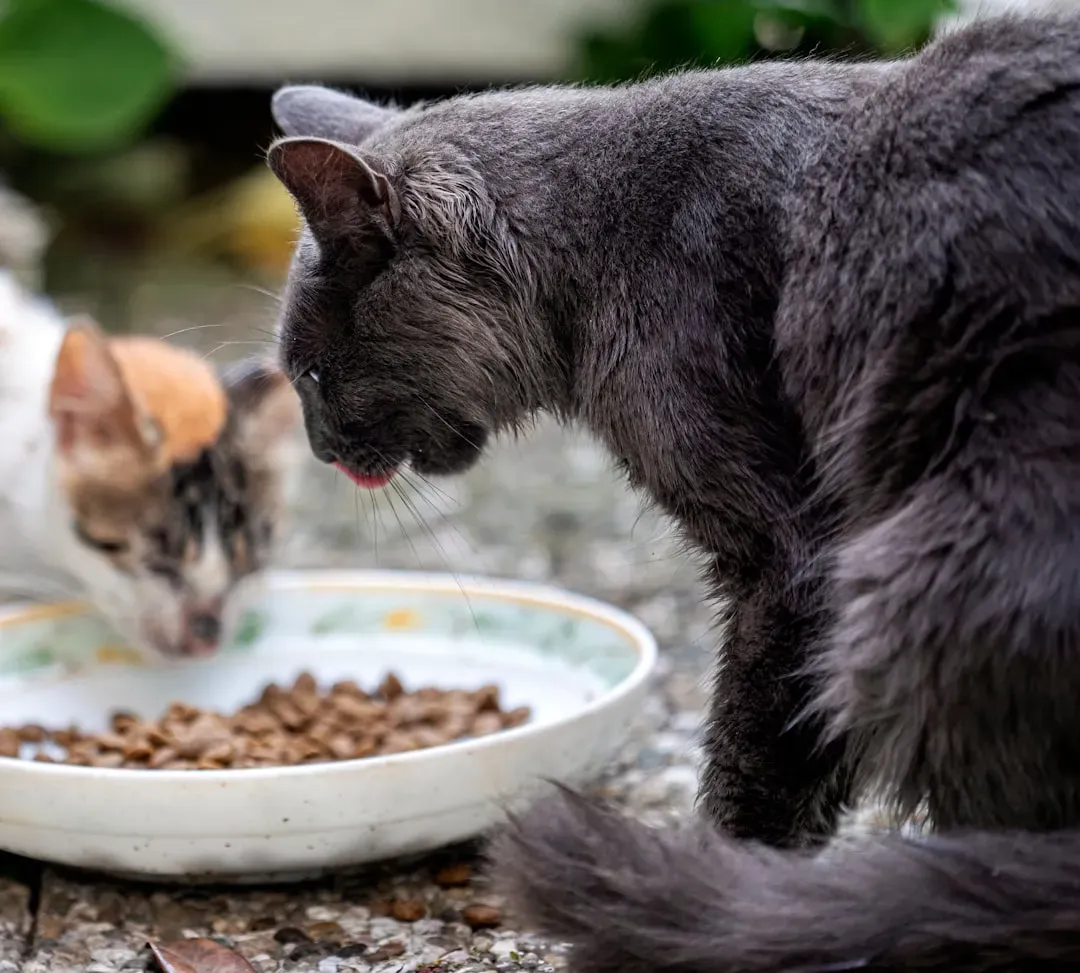
The most common mistake is feeding cats too much food per day – over half of cats seen daily are overweight, and this trend is increasing as people overfill food bowls, leave them full all day, and forget that treats count toward total daily calories. That bottomless food bowl might seem convenient, but it’s setting your cat up for serious health problems.
Leaving a bowl of food out all day is a main driver of obesity. If you put an entire pizza out and left someone to their own devices, it would likely be gone by day’s end – carbs just aren’t that filling. Your cat doesn’t have the self-control to regulate their own portions, especially when faced with high-carb kibble all day long. Measured meals at set times work much better than the all-you-can-eat buffet approach. Your cat might give you the sad eyes, but their waistline (and overall health) will thank you later.
Providing Only One Litter Box
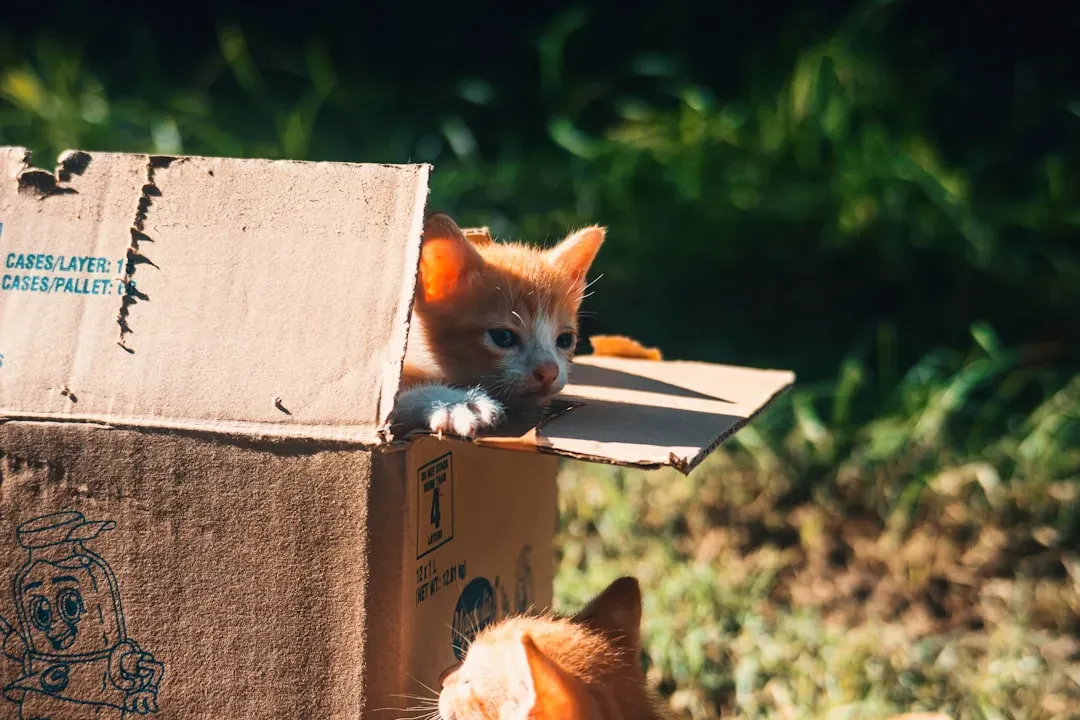
In nature, cats prefer to separate their urination and defecation behaviors. Having just one box where both happen can cause a cat to urinate outside the box. One litter box might seem like enough to you, but to your cat, it’s like having one bathroom for ten roommates.
The rule of thumb is to provide one litter box per cat, plus one more. For example, if you have two cats, you need three boxes. Location matters too. Multiple locations throughout the home actually trump the number of boxes – if you have five cats but can only manage three boxes, those three boxes must be in different areas around the house. It goes back to territorial instincts, and competition over household litter boxes can cause lasting damage, even causing cats to unfriend each other over time.
Forcing Interaction When They Want Space
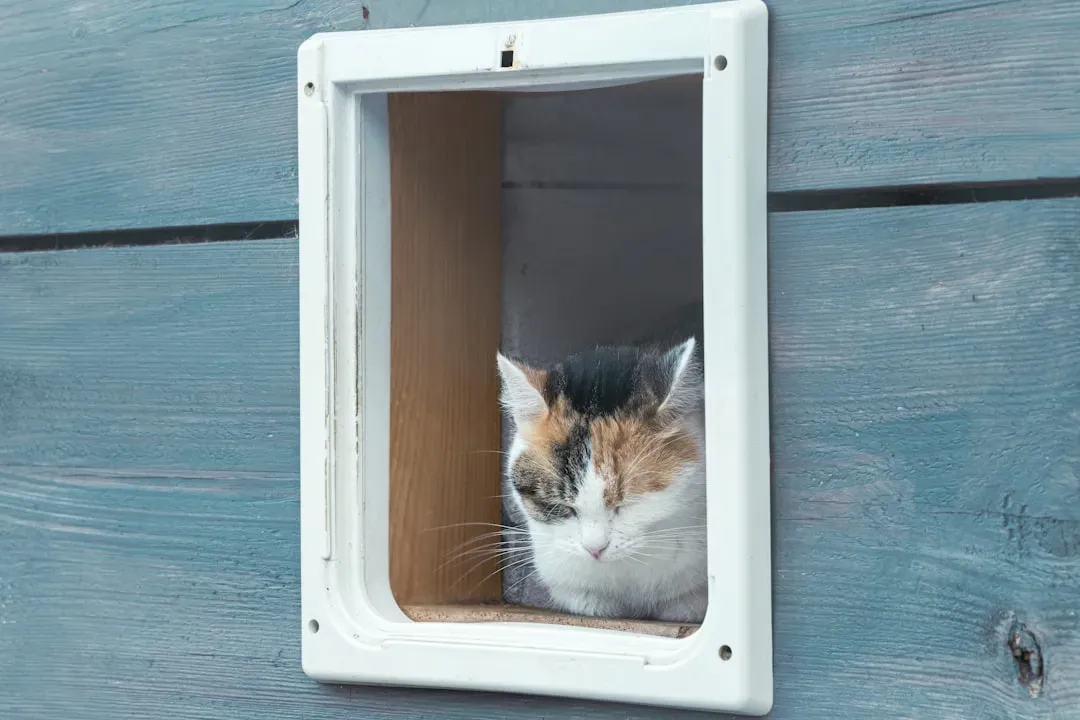
You’re feeling affectionate, so you scoop up your cat for cuddles. Your cat, however, had other plans – like existing peacefully three feet away from you. Let your cat make the first move and don’t grab them trying to force them onto your lap. Let them come to you on their terms, and let them go free when they start to wriggle to get away.
Cats show affection differently than we do. Cats are definitely attached to people, but the way they show it is very different from dogs. Dogs make prolonged physical contact, whereas cats may stay close to the person they like without necessarily engaging. Sometimes your cat just wants to be in the same room as you without being touched. That’s not rejection. If a cat is in the same room as you but not directly interacting, you shouldn’t assume they don’t like you or are ignoring you. They’re saying “I enjoy your company” in their own perfectly valid way.
Bringing Your Stress and Chaos Into Their World

Cats can both tell how humans are feeling and may alter their behavior based on our emotions. If you’re going through a challenging time, it may result in your cat behaving differently. Your cat picks up on your stress, your mood swings, your chaotic energy. They’re like little emotional sponges.
Most unwanted behaviors in cats are the result of human error, not some flaw with the cats. How you behave and your mood can have a huge impact on your cat’s behavior. When you’re stressed, rushing around, or upset, your cat feels it. They might become anxious, hide more, or even act out. Creating a calm, predictable environment isn’t just good for you – it’s essential for your cat’s wellbeing. Think of it this way: you control their entire world. If that world feels unstable or stressful, where exactly are they supposed to find peace?
Conclusion: Speaking Cat Takes Practice
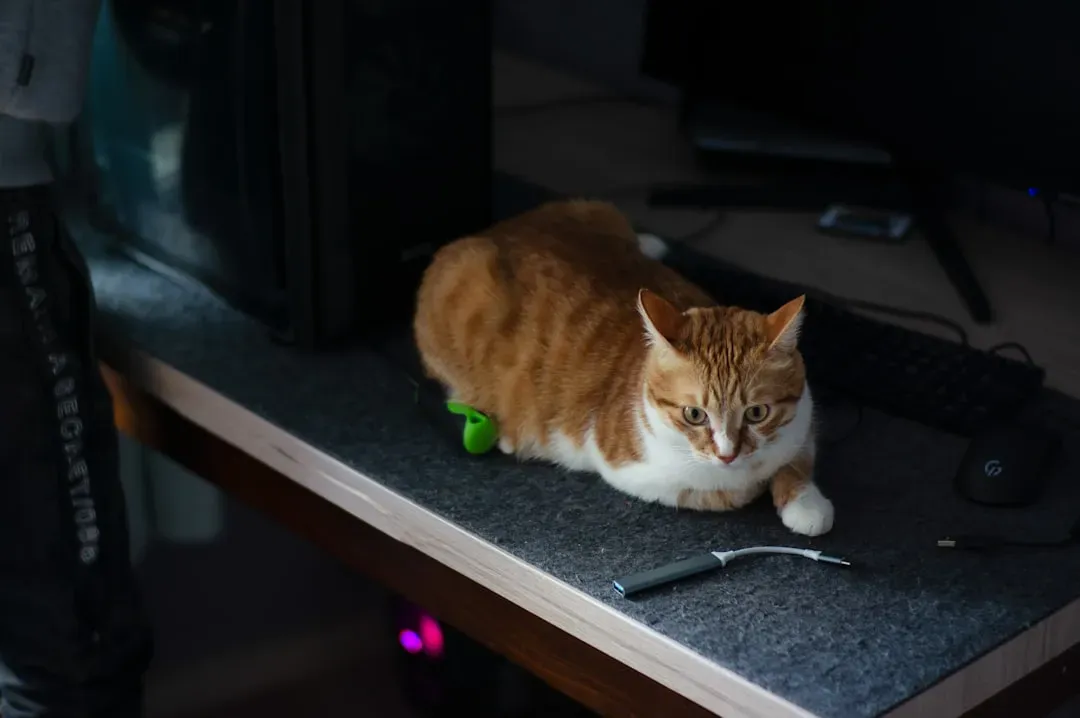
Let’s be real: none of us get everything right with our cats. They’re complex little beings with their own preferences, boundaries, and communication styles that don’t always align with what we expect. Honestly, that’s part of what makes them so fascinating.
The good news? Many widespread beliefs about cats lack empirical support. Identifying and fostering critical reflection on such beliefs can contribute to deconstructing them, improving the guardian–cat relationship and enhancing the welfare of both cats and humans. Once you start paying attention to what your cat is actually telling you – through their body language, their behaviors, their preferences – everything starts to make more sense.
Your relationship with your cat doesn’t have to be a guessing game. It just takes a little effort to see things from their perspective. What’s one thing you’ve been doing that might be confusing your cat? Think about it. Your feline friend might have been trying to tell you all along.