Ever feel like you’re being watched? You probably are. That furry little detective trailing you from room to room isn’t just curious about where you’re going or what you’re doing. Your cat has become your shadow, your constant companion, your personal stalker in the best way possible. Some might find this endearing, while others might wonder if they’ll ever have a moment alone again.
Here’s the thing though. Cats have this mysterious reputation of being aloof and independent, right? Yet here you are, unable to even use the bathroom without a feline audience. Let me tell you, there’s actually way more going on behind those bright eyes than you might expect. Sometimes it’s sweet, sometimes it’s practical, and occasionally it might even signal something that needs your attention. So let’s dig into what’s really driving this adorable behavior and when you should take note.
They Genuinely Adore You
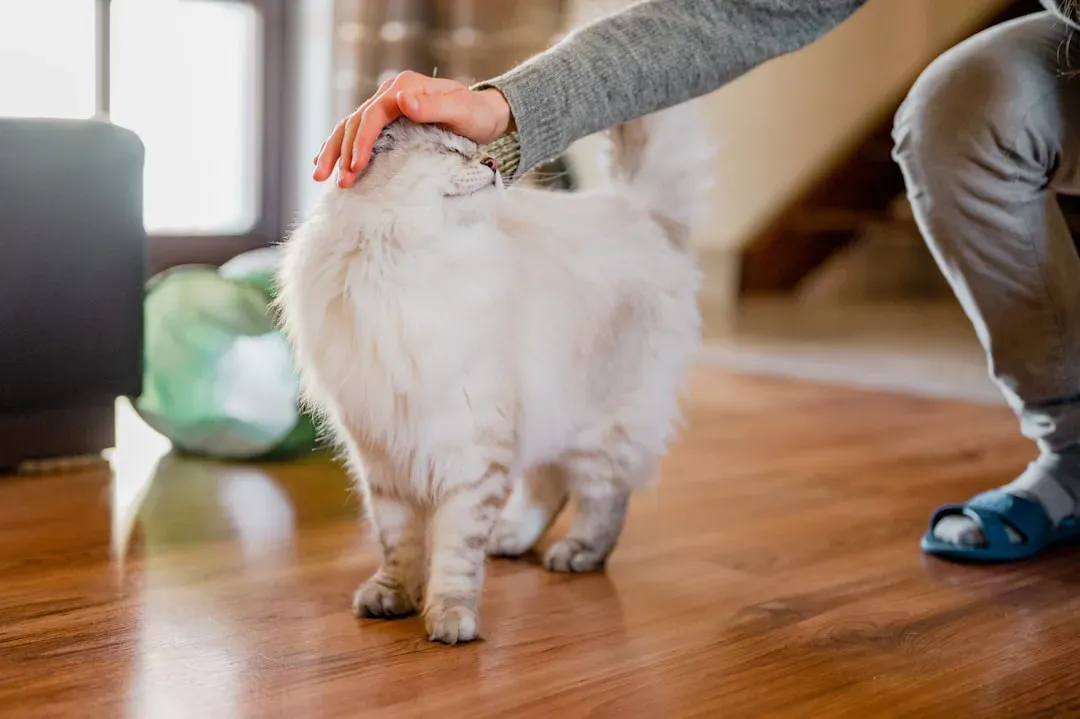
The sweetest reason for your cat following you is that they love and trust you and want to be near their favorite person at all times. Honestly, this is the most heartwarming explanation you could ask for. Following can be a clear sign of affection and trust, and cats often shadow their favorite people as a way to spend time together and maintain social bonds.
Your cat might not cuddle you the way a dog would, but following you around is their version of saying they feel safe with you. When your feline friend shadows your every move, they’re actively choosing your company over anything else in the house. That’s massive for an animal often stereotyped as antisocial.
Your Cat Is Hungry and You’re Their Meal Ticket
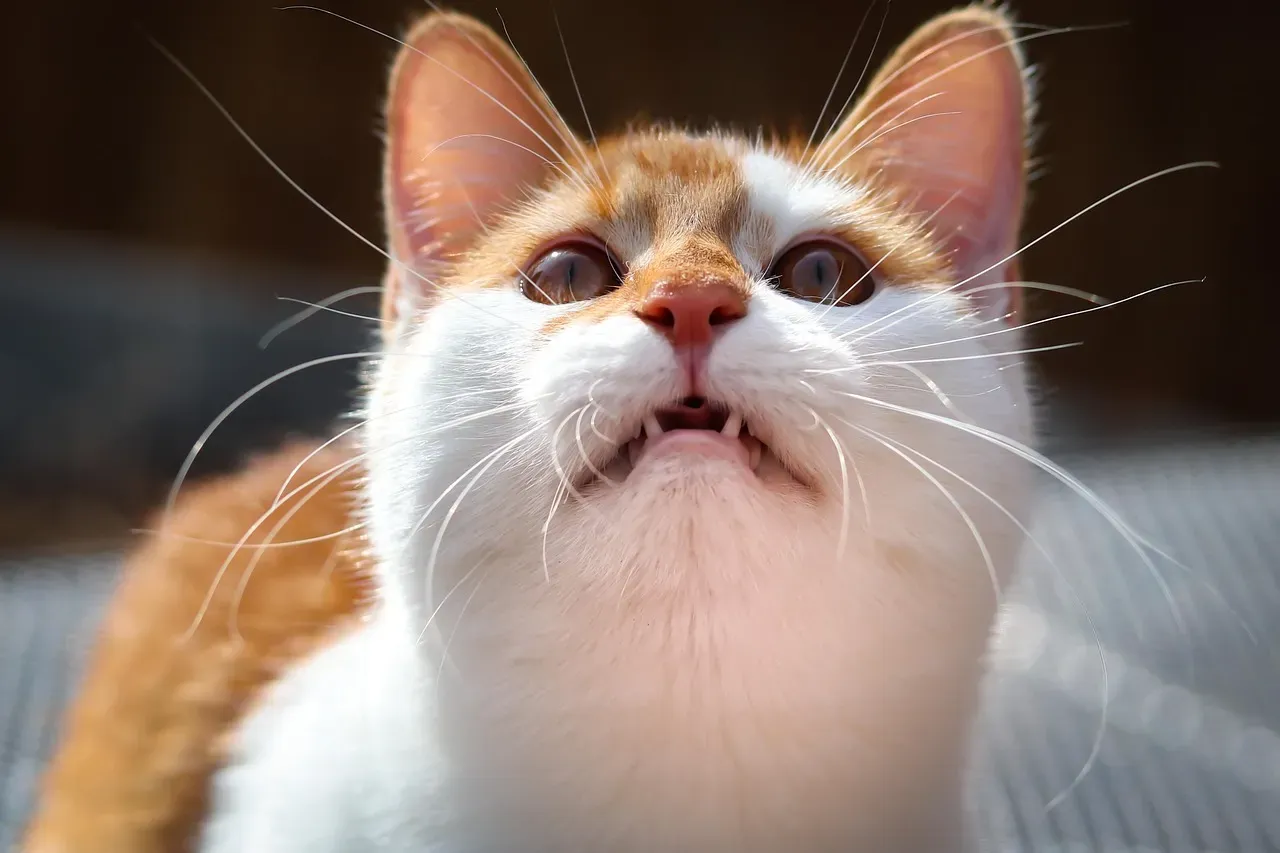
Let’s be real here. If your cat is trailing you to the kitchen around dinnertime, meowing with increasing intensity, they’re not interested in philosophical discussions. Cats like to follow a routine, and a hungry cat is a persistent cat, especially around dinnertime near wherever their food bowl is.
Cats’ natural dining rhythm involves 10 or more small meals throughout the day, but most domestic cats are forced to follow our feeding schedules, which are behaviorally and psychologically unnatural for cats. So when your furry companion follows you persistently and vocalizes, they might simply be reminding you that their internal clock says it’s time to eat. You’re basically their waiter, chef, and entire restaurant staff rolled into one.
Boredom Has Them Looking for Entertainment
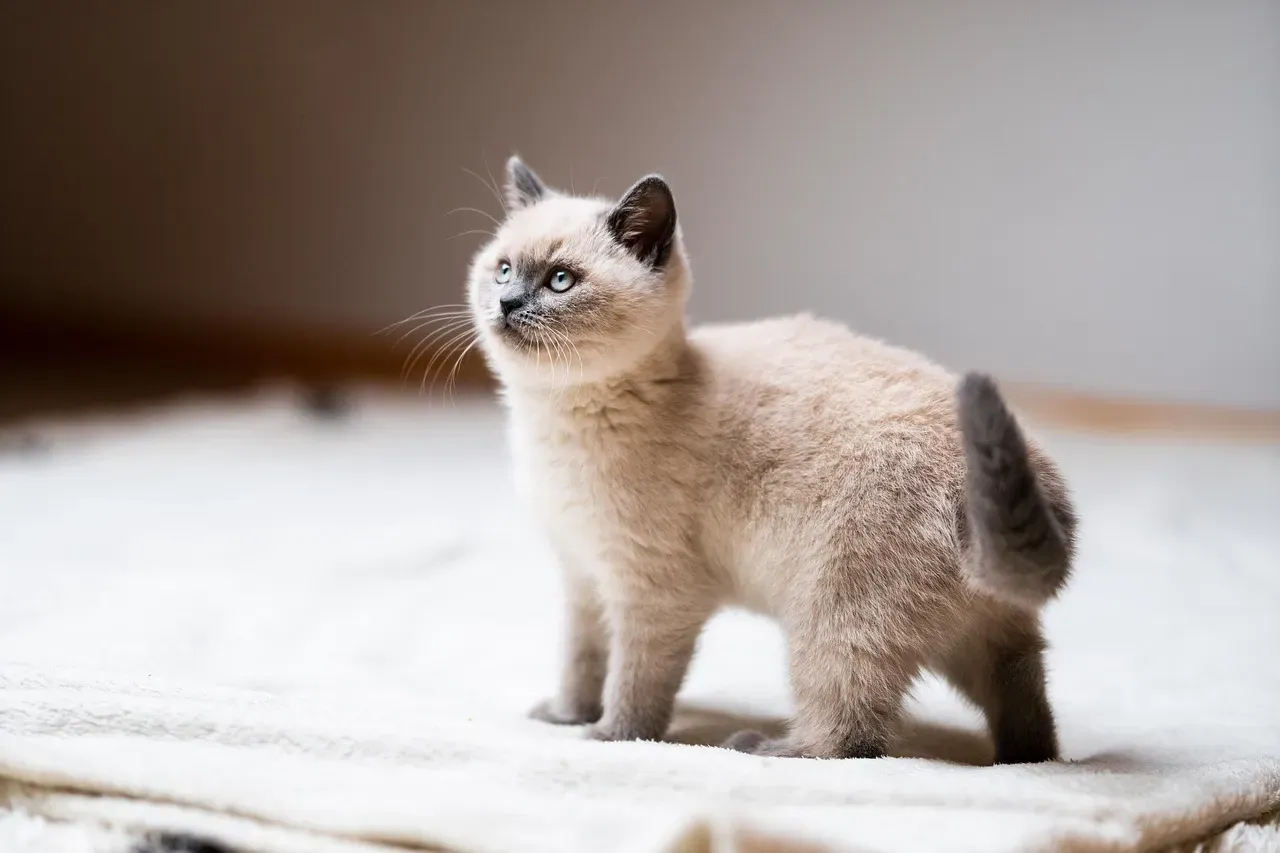
Bored cats will often follow you around, and they aren’t typically shy about expressing themselves, with their pursuit having a sense of desperation and restlessness. Think about it. You’re the most interesting thing happening in your house most days, especially if your cat doesn’t have enough toys, climbing structures, or mental stimulation.
When cats lack enrichment, you become their primary source of entertainment by default. They’re eager to see something interesting happen, and sometimes they’ll take it into their own four paws and make it happen, which might include destructive scratching, knocking things over, unleashing a fierce case of the zoomies, yowling at the top of their lungs, or jumping onto counters. If this sounds familiar, your cat is basically telling you they need more action in their life.
They’re Feeling Anxious or Stressed
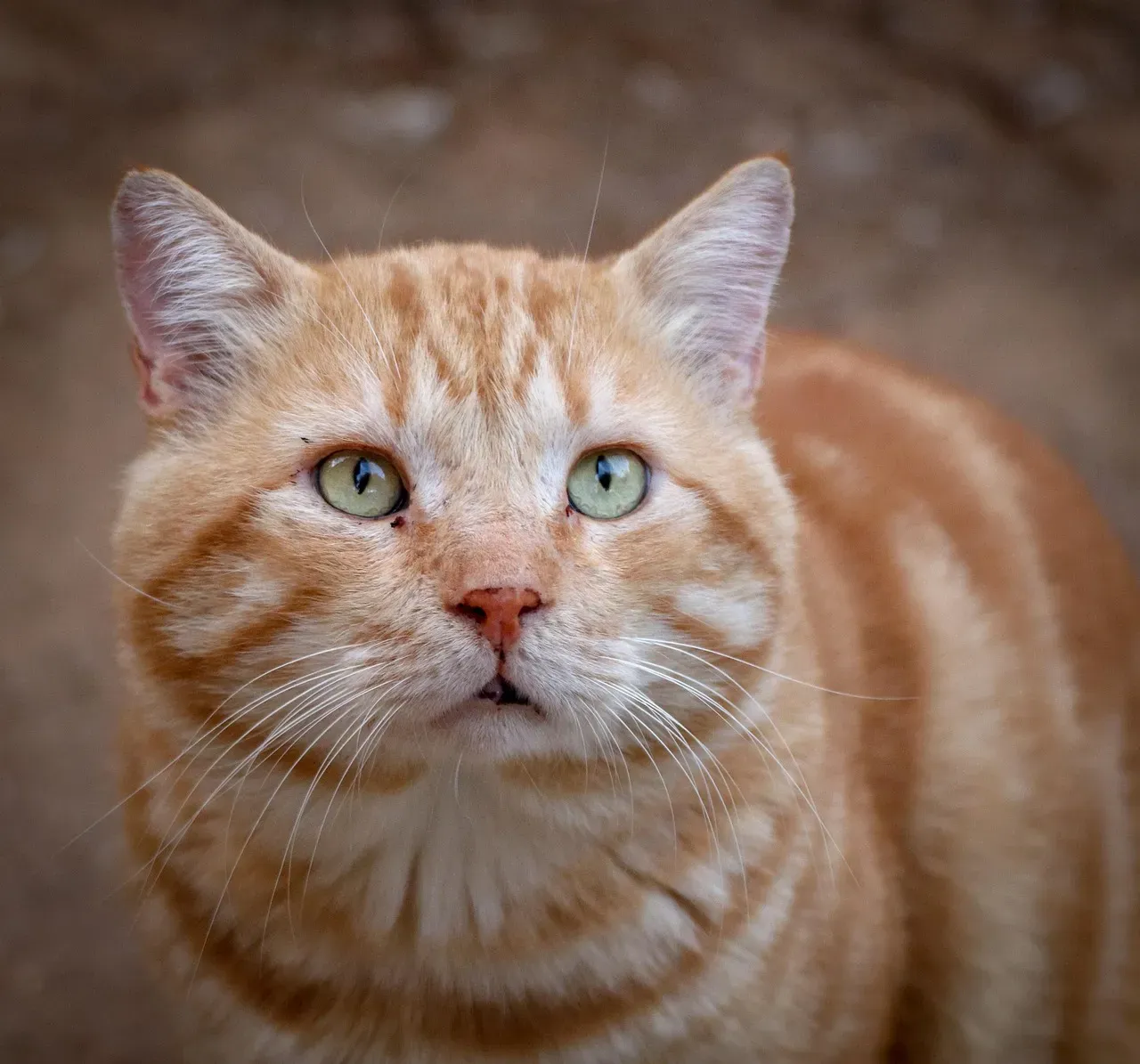
Anxiety, and particularly separation anxiety, can significantly influence a cat’s following behavior. Anxious cats typically follow their people to assure themselves of their caregiver’s presence, and by shadowing your every step, these kitties cling to a sense of safety and security.
Changes in routine, moving homes, new pets, or even traumatic events like a vet visit can trigger this behavior. Unlike healthy following behavior, anxiety-driven cats who follow you around will often have distressed or excessive vocalization, restless movement, noticeable changes in appetite, and agitated body language like a hunched posture or swishing tail. It’s their way of seeking comfort from the one person they trust most during uncertain times.
Curiosity About What You’re Up To
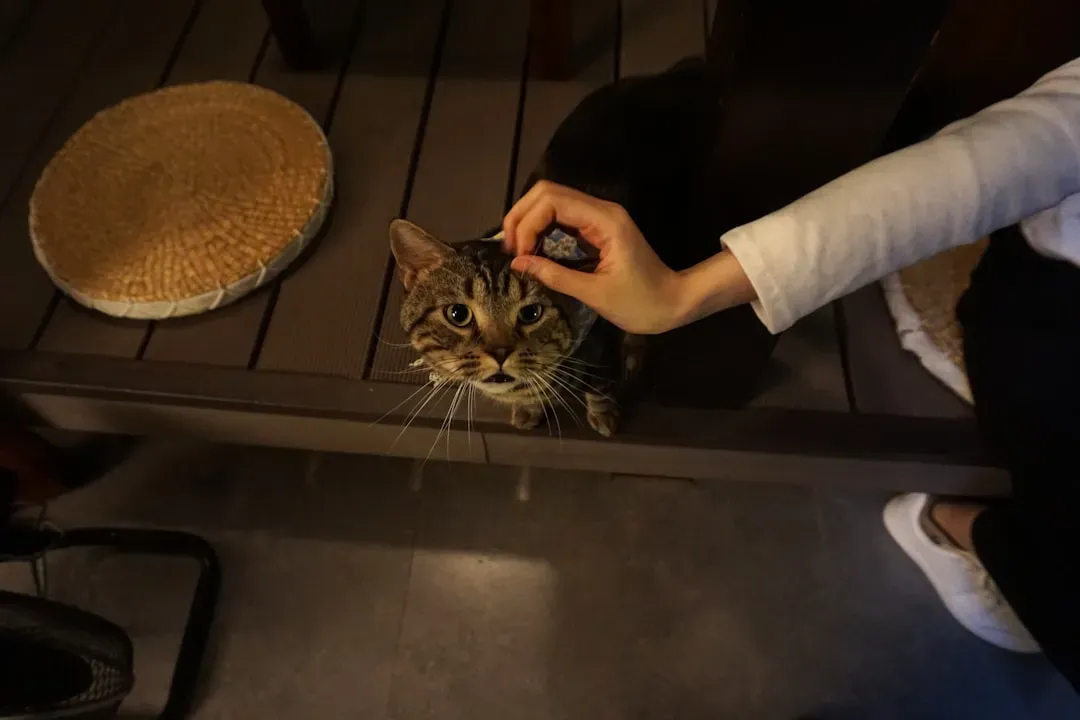
Cats are natural-born investigators. When your cat follows you everywhere, they might simply be investigating what you’re doing and ensuring nothing in their domain changes without their knowledge, which is particularly evident when you enter new rooms or spaces that are typically off-limits.
Another reason cats follow their humans is tied to their territorial instincts, as you are part of their territory, and thus, they may follow you to keep an eye on their valued possession. You’re not just their person; you’re part of their world, their turf. They want to know what’s happening at all times, whether you’re opening a mysterious closet door or just brushing your teeth. Every movement you make is potentially interesting intel.
Certain Breeds Are Just More Attached
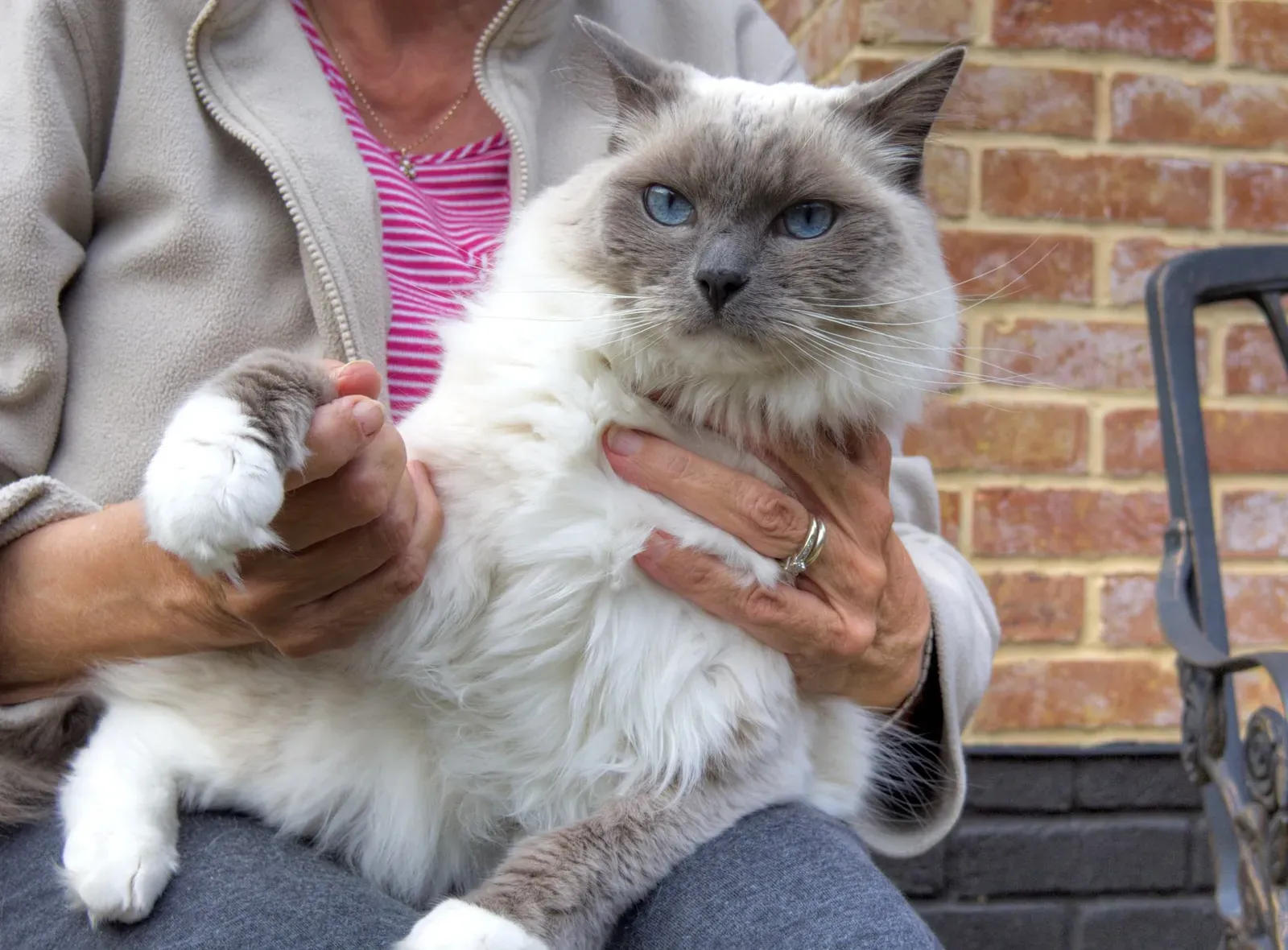
Some breeds, including Ragdolls, Bengals, Maine Coons, Persians, Siamese, Tonkinese, and Sphynx are considered to be “velcro cats” that bond closely to their humans and may follow them more than other breeds. If you’ve got one of these clingy breeds, congratulations! You’ve basically adopted a furry shadow for life.
These particular breeds were selectively bred for their sociable, people-oriented temperaments. It’s hard to say for sure, but genetics might play a huge role in why your cat can’t seem to leave you alone. They’re naturally more inclined to seek human companionship and social interaction than their more independent cousins.
Something Might Be Wrong Health-Wise
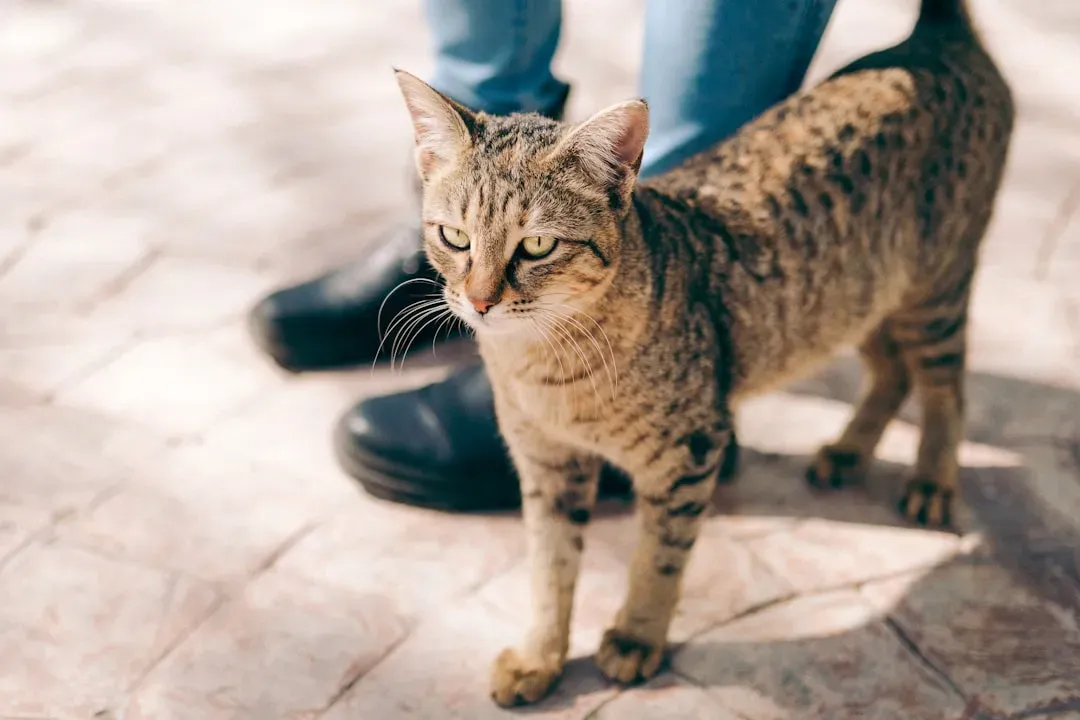
If there haven’t been any changes to your cat’s routine or disruptions to the household and they’ve suddenly decided to stick to you like glue, they might be sick or in pain. Illness can also be why a cat follows their owner around, as they may be seeking comfort from you or feeling more vulnerable since they’re not feeling well.
Cats are masters at hiding discomfort, so increased clinginess can be one of the few visible signs that something’s off. Medical conditions like thyroid problems, hearing or vision loss, cognitive dysfunction, or even chronic pain can cause your cat to seek you out more often. If your cat’s behavior suddenly shifts without any obvious environmental trigger, a vet visit is definitely in order.
Final Thoughts
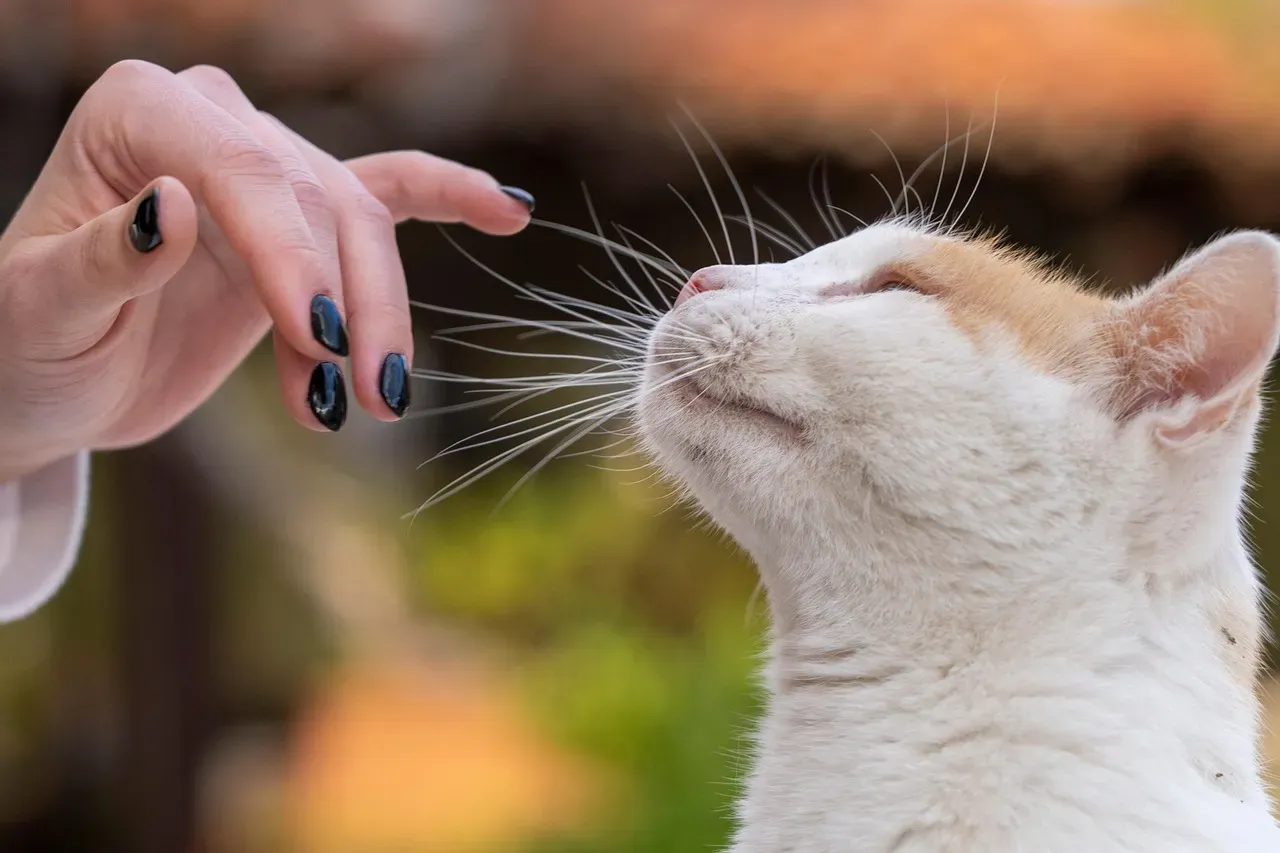
Your cat following you around is usually nothing to worry about. Most of the time, it’s just their way of showing love, seeking attention, or making sure their favorite human isn’t up to anything too interesting without them. But paying attention to how and why they follow you can reveal a lot about their emotional and physical well-being.
Whether your cat is a natural-born velcro kitty or has suddenly become your shadow, understanding the reason behind the behavior helps you respond appropriately. From providing more playtime and enrichment to scheduling that overdue vet checkup, you’ve got the tools to keep your feline friend happy and healthy. So what’s your cat’s story? Are they just affectionate, or is there more going on? What do you think drives your furry shadow?