You’ve probably heard it a thousand times. Cats are cold. Distant. They couldn’t care less about you. They only stick around because you fill their food bowl. It’s a narrative that’s persisted for decades, maybe even centuries, painting our feline companions as emotionally unavailable roommates rather than loving pets.
Here’s the thing, though. That old story about cats being aloof? It’s starting to crumble under the weight of actual science. Research from the past few years has been quietly dismantling this myth, revealing something that cat lovers have known all along: your cat does love you, just not in the way a dog does. They’re not indifferent or emotionally distant. They’re simply speaking a different language, one we haven’t always bothered to learn. So let’s dive in.
The Science That Changed Everything About Cat Bonds
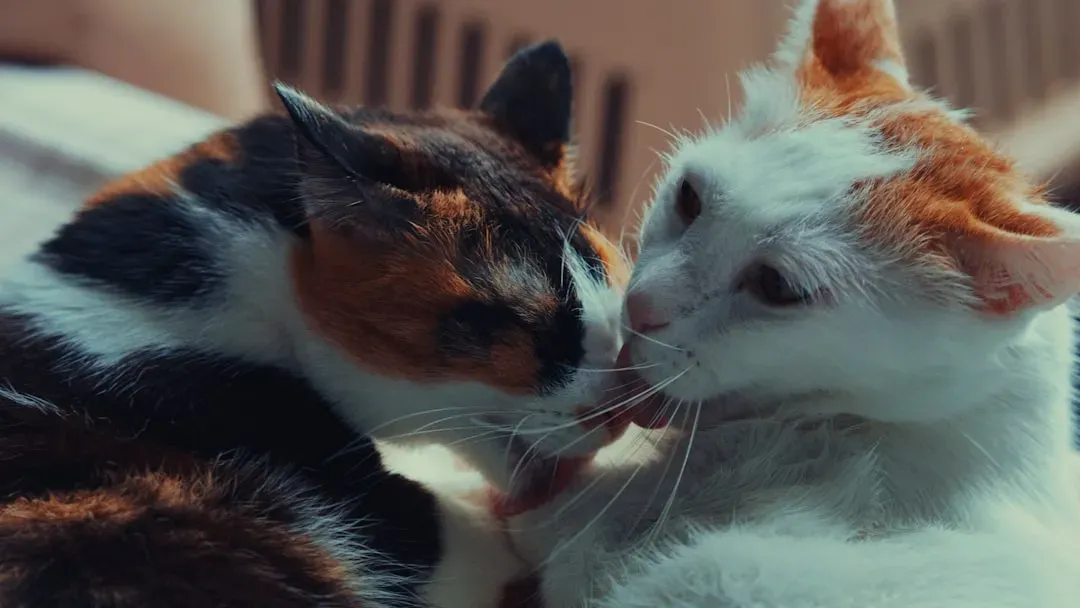
Studies from Oregon State University revealed that cats form attachments with their human caregivers similar to bonds formed by children and dogs, with roughly 65 percent showing secure attachment styles. Think about that for a second. Your cat isn’t just tolerating you.
Researchers found that cats actually showed a secure attachment rate slightly higher than the rate found in companion dogs. The experiment involved placing cats in an unfamiliar room with their owner, then separating them briefly and watching what happened during the reunion. Most kittens sought out their person for reassurance, then proceeded to explore, demonstrating they depended on their caregiver for security.
They’re Not Ignoring You, They’re Just Focused
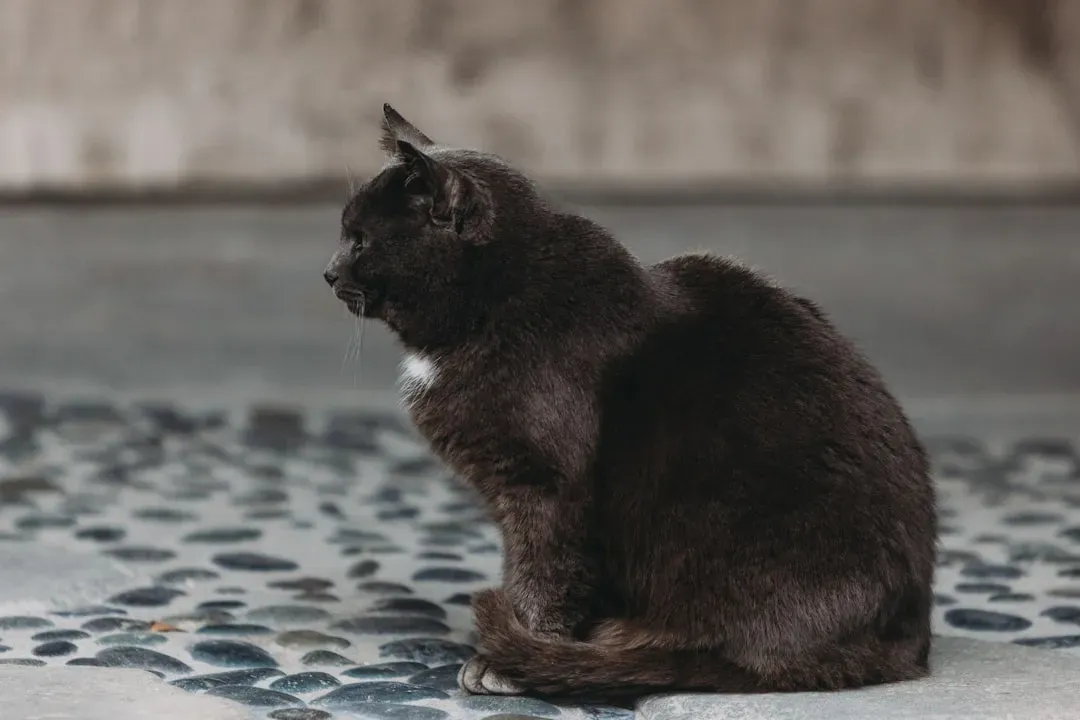
Cats are both predators and prey, so being aware of what’s going on in their environment is critical, which means what you interpret as aloofness is actually your companion being ready for anything. Let’s be real, that’s pretty impressive when you think about it.
Just because your cat may not jump to immediate attention when you call doesn’t mean they’re aloof, it means they’re focused. Their survival instincts are finely tuned. While your dog might drop everything to greet you at the door, your cat is assessing the entire situation first. That’s not coldness. That’s intelligence.
The Subtle Language of Feline Love
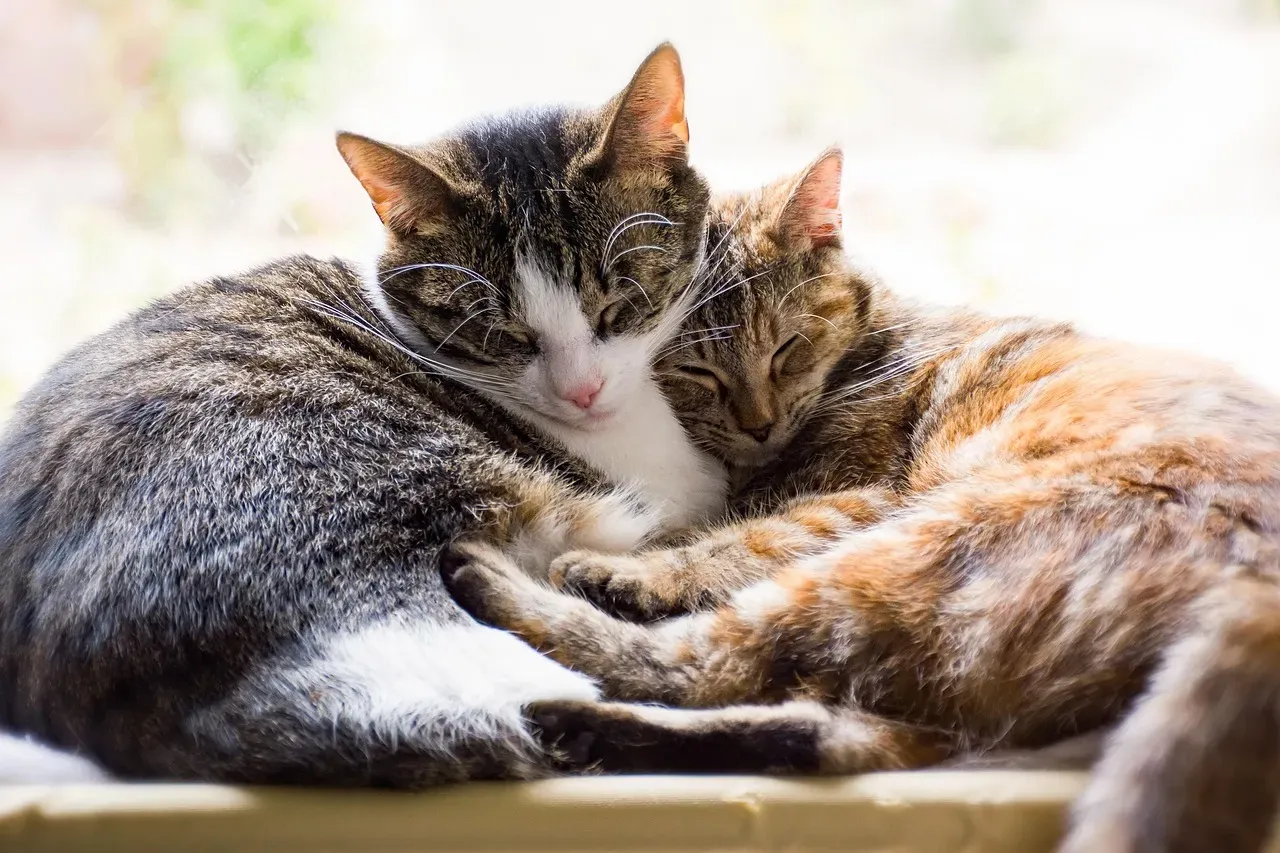
Cats show affection in so many subtle ways you might not even notice, including head bunting, slow blinks, rubbing alongside you, purring, and scratchy tongue kisses. Your cat doesn’t have to be glued to your lap to adore you.
A 2019 study revealed that cats have the same attachment to their owners that babies show to their parents, with kittens acting distressed when caregivers left and happy when they returned. Honestly, I think we’ve been doing cats a disservice by comparing them constantly to dogs. They have their own emotional vocabulary, and once you learn it, you realize they’ve been shouting their love at you all along.
Why We Got It So Wrong for So Long
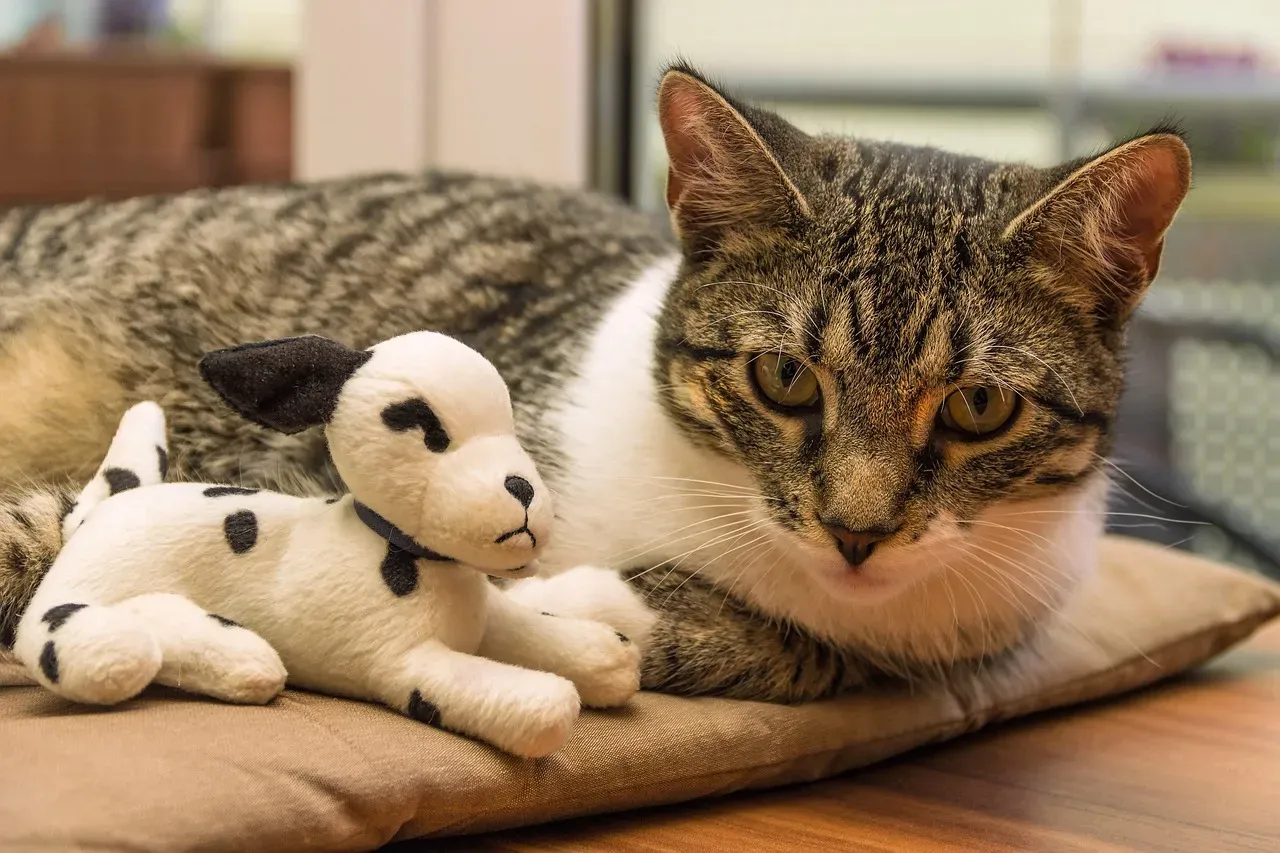
Dogs evolved to have two to three times as many fast twitch facial muscles as wolves for greater expression, while cats by contrast can’t raise their eyebrows or make sad faces. Their lack of obvious facial expressions has led to centuries of misunderstanding.
Common misconceptions that cats need less social interaction or are more independent can impact the amount and quality of social interactions people offer cats, which in turn may result in a more aloof kitty. We’ve created a self-fulfilling prophecy. We assume cats don’t need us, so we give them less attention, and then we’re surprised when they seem distant. It’s kind of ironic when you think about it.
Reading the Signs You’ve Been Missing
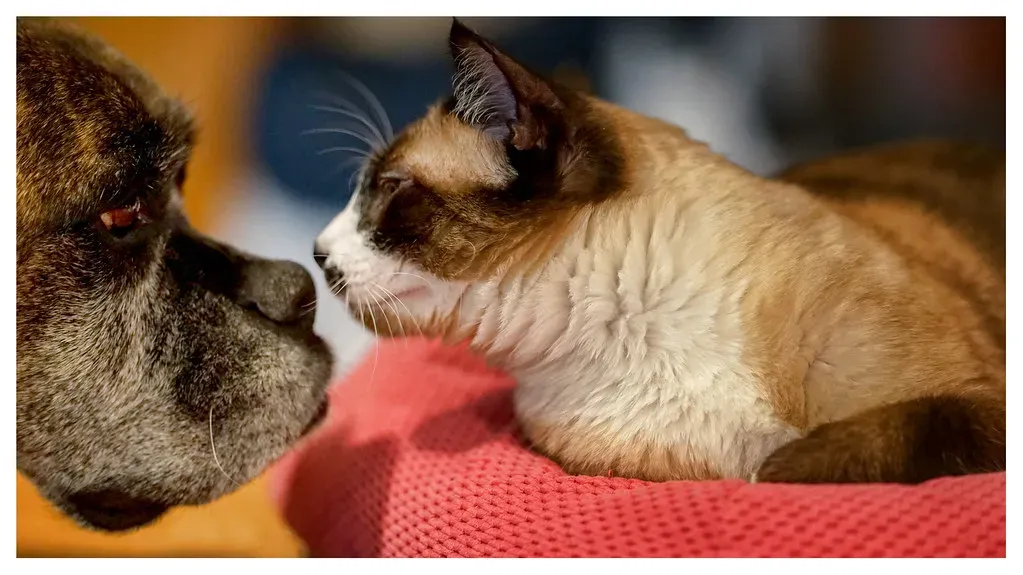
Cats blink slowly to show affection and relaxation, and if a cat blinks slowly at you, they trust you, so you can return their gesture by blinking slowly back. It’s like a secret handshake between species.
If your cat bunts you with their head or rubs their cheek against you, they’re transferring pheromones onto your body to mark you as part of their family. Most cats in one study chose interaction with humans over food, toys, or scent. Your cat literally picks you over dinner sometimes. Let that sink in.
The Independence Isn’t Rejection
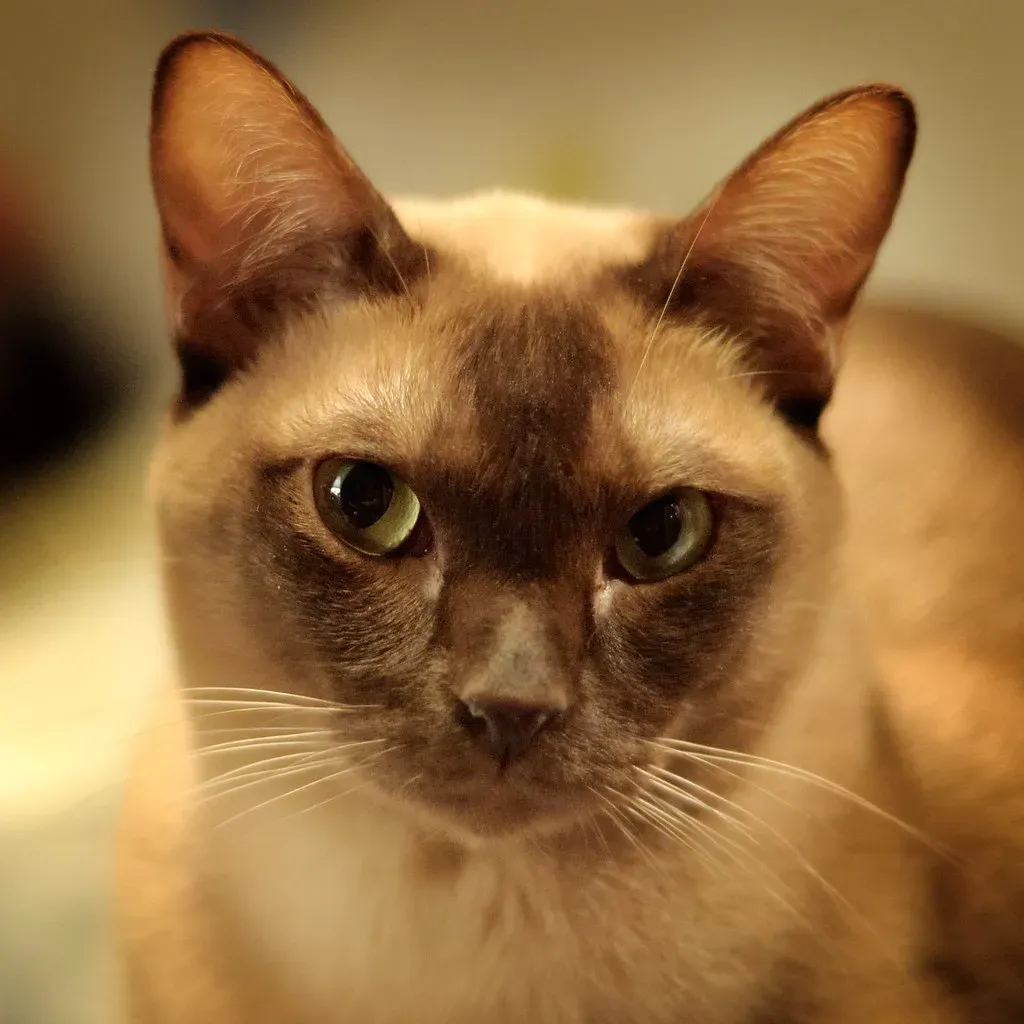
Cats who fetch demonstrate independent and coordinated agency in the onset and maintenance of behaviors with their human partners, often initiating and terminating fetching bouts more than their owners. They’re not being controlled. They’re choosing to engage.
Cats can form deep attachments with their humans similar to those of dogs, and research supports that cats are as capable of loving their owners as much as any dog. Their independence doesn’t mean they love you less. It means they love you on their own terms, which is actually kind of beautiful when you stop expecting them to behave like a different species entirely.
Cultural Myths Die Hard
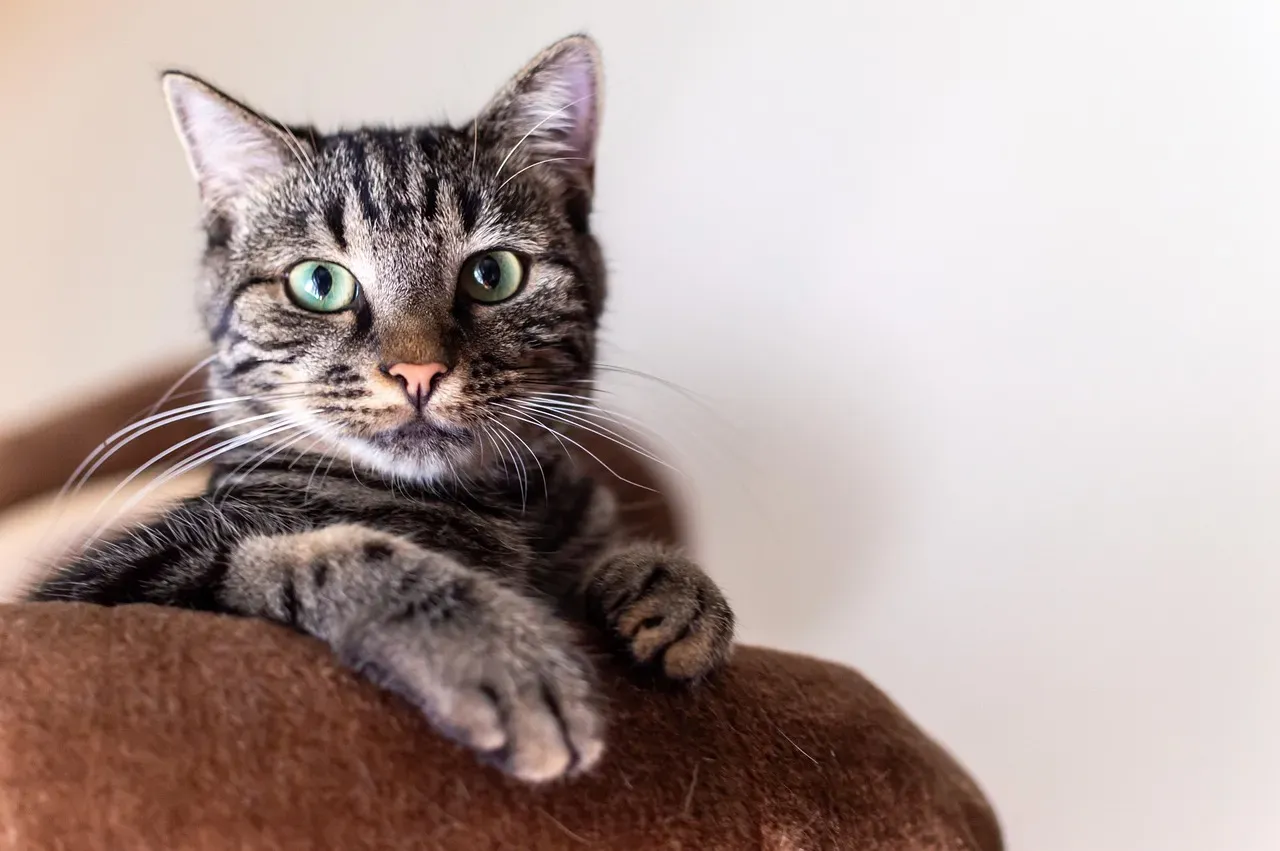
Cats have commonly been perceived as independent, solitary, and non-social animals, and when asked whether cats are naturally aloof and independent, many participants showed moderate agreement. The stereotype persists even among cat owners themselves.
Despite their popularity, cats are still often thought of as less social and less capable of feeling emotion than dogs, with owners rating cats lower in intelligence and ability to experience emotions like sadness and friendship compared to dogs. These beliefs shape how we treat our cats and what we expect from them. Maybe it’s time we adjusted our expectations based on evidence rather than old wives’ tales.
What Your Cat Really Needs From You
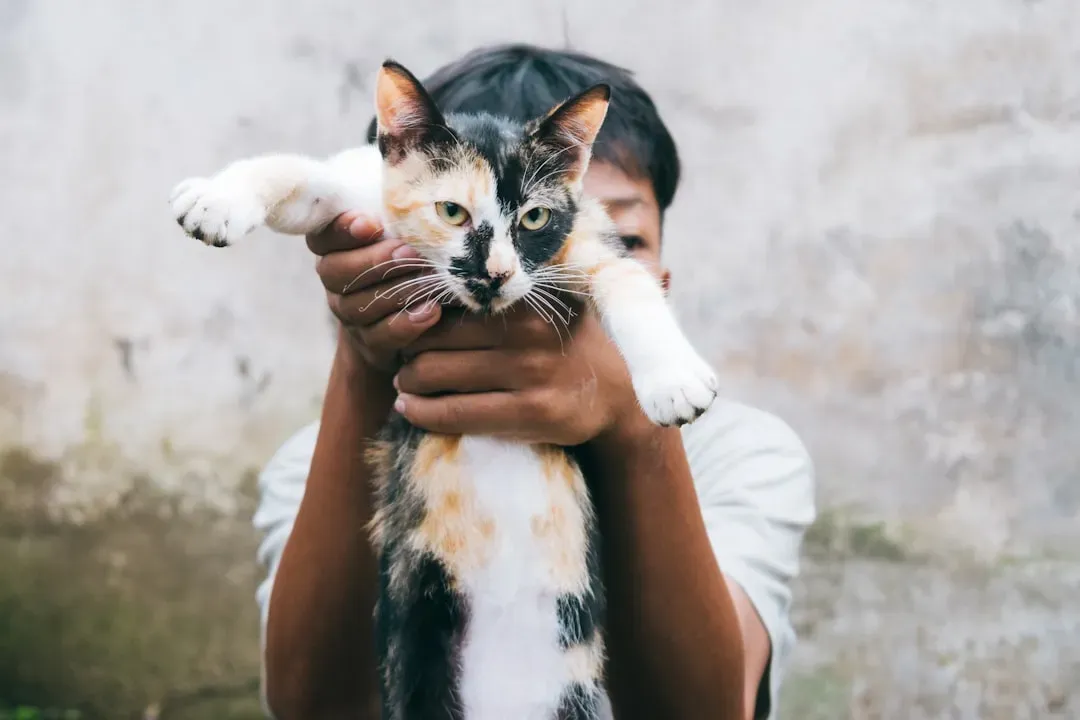
The majority of cats use their owner as a source of security, and your cat is depending on you to feel secure when they’re stressed out. They need you more than you realize, even if they’re not constantly demanding attention.
A cat may be distant by nature, but this is often not preordained and may be an outcome of life experiences, as both nature and nurture matter and even well-meaning people may not appreciate just how sensitive cats can be. Your interaction matters. The quality of your relationship shapes their behavior. If you treat your cat like they don’t need you, you might just create the aloof cat you feared you had all along.
Conclusion
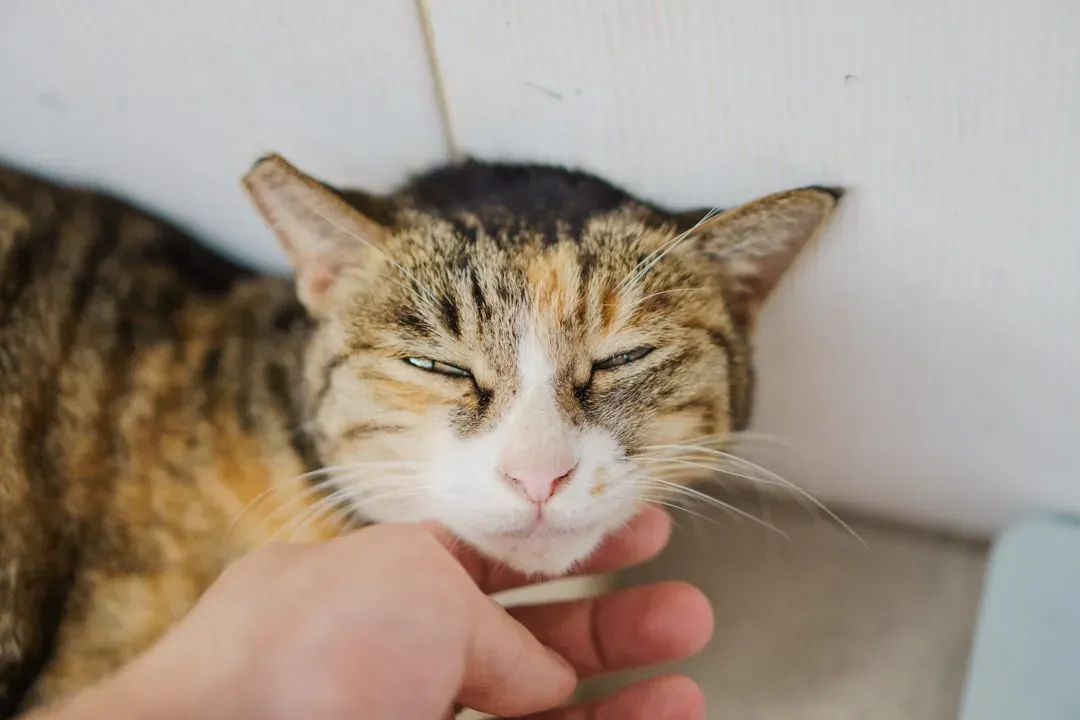
So here we are at the end, and hopefully you’re looking at your cat a little differently now. They’re not aloof. They’re not emotionally stunted or incapable of love. They’re just cats, with their own unique way of forming bonds that’s every bit as meaningful as the enthusiastic tail wagging of a dog.
The next time your cat slowly blinks at you from across the room or headbutts your hand for a scratch, remember that’s their version of shouting “I love you” from the rooftops. They’re , and honestly, there’s something deeply comforting about being chosen by a creature who doesn’t need to rely on you for survival but does anyway. What do you think about your cat’s way of showing love now?

Hi, I’m Andrew, and I come from India. Experienced content specialist with a passion for writing. My forte includes health and wellness, Travel, Animals, and Nature. A nature nomad, I am obsessed with mountains and love high-altitude trekking. I have been on several Himalayan treks in India including the Everest Base Camp in Nepal, a profound experience.