Have you ever caught your cat staring at you with that peculiar expression of bewilderment? That look that seems to say, “What on earth are you doing?” You’re not imagining it. While we think we’re being perfectly reasonable pet owners, many of our daily routines leave our feline friends utterly baffled. Cats experience the world through a completely different lens, one shaped by instinct, territorial needs, and communication styles that evolved over thousands of years. What seems perfectly logical to us might appear downright bizarre to them.
The truth is, we’re constantly sending mixed signals without even realizing it. From our confusing rules about furniture to our strange bathing habits, cats are trying their best to make sense of human behavior. Understanding what mystifies them isn’t just interesting, it can actually improve your relationship with your furry companion. Ready to see the world through your cat’s eyes? Let’s explore the everyday habits that leave them scratching their heads.
You Keep Changing the Rules About Where They Can Go

Picture this: one day you’re laughing and snapping photos as your cat sits adorably on the kitchen counter. The next day, you’re shooing them off that same spot with an irritated tone. Your cat can jump and climb pretty much anywhere they want, so they genuinely have no idea why certain spots seem acceptable to you sometimes, and then you get upset about others. From their perspective, vertical space is simply territory to explore.
If you let your cat jump on the kitchen counter one day while the next day you scold them for that exact behavior, they won’t understand where the line is drawn. This inconsistency creates genuine confusion and stress for your feline. They’re not being defiant; they’re genuinely perplexed by your arbitrary rules. To fix this, establish clear boundaries from day one and stick to them religiously. If the counter is off limits, it needs to be off limits every single time, no exceptions for cute photo opportunities.
Your Obsession with Water and Bathing Makes Zero Sense
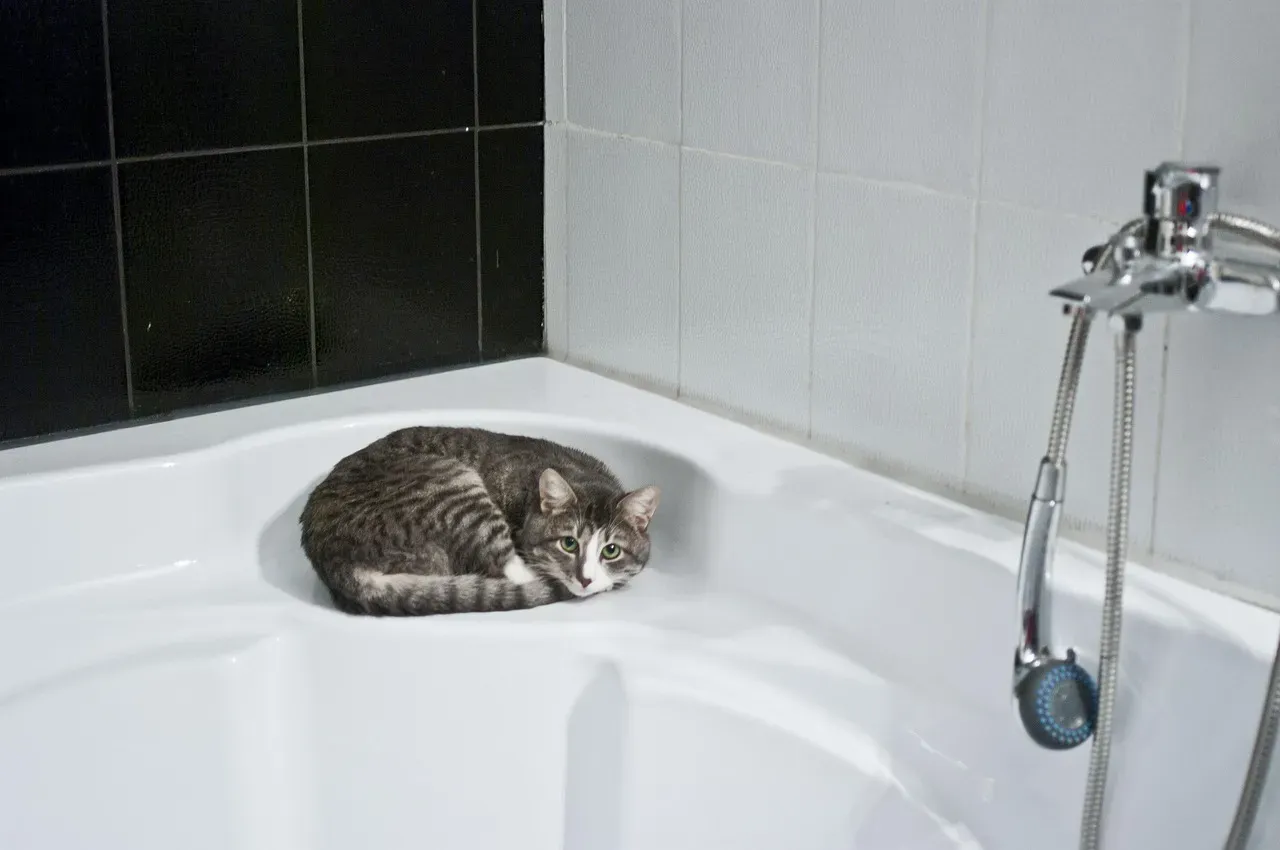
Let’s be real here. Cats watch in curious horror as you voluntarily jump into what they perceive as a “horror box,” letting water run all over you. To a creature that spends hours meticulously grooming itself with a perfectly designed tongue, your need for showers is utterly mystifying. They’re self-cleaning animals with impressive grooming habits, born with essential grooming tools including paws, a rough barbed tongue, and saliva.
Your daily shower routine probably seems like some bizarre ritual they’ll never comprehend. Cats maintain their cleanliness through their own methods, which have worked perfectly well for millennia. While a tiny handful of cats might tolerate or even enjoy water, the vast majority view your bathing obsession with genuine bewilderment. Just accept that they’ll never understand why you choose to get soaking wet on purpose, and honestly, can you blame them?
You Get Mad About Furniture Scratching Without Providing Alternatives
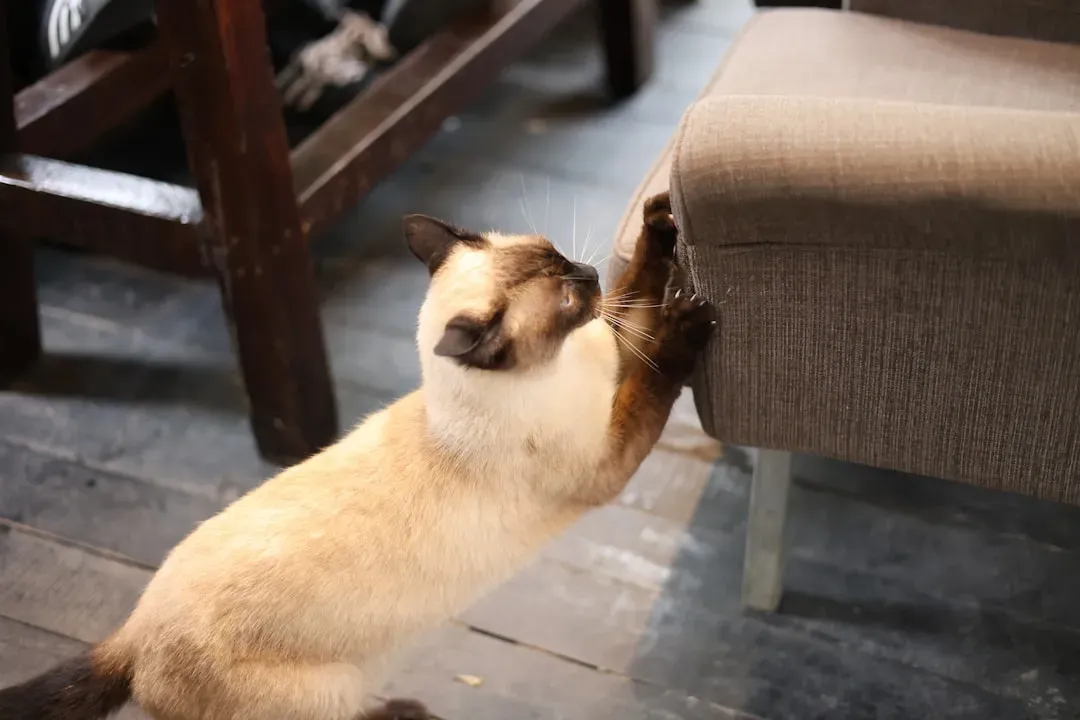
Cats have solid preferences about scratching surfaces based on paw and claw feel, positioning (some prefer vertical, others horizontal), and scent, either leaving their own or covering someone else’s. Sometimes you brush off their scratching behavior, other times you reprimand them with hand clapping or scolding, which naturally causes confusion about whether it’s appropriate to scratch or not. In reality, they’re simply acting upon their instincts.
The solution isn’t to expect them to stop scratching altogether. That’s like asking you to stop stretching when you wake up. Instead, redirect the behavior. Place a scratching mat or post near the furniture your cat targets, use catnip or toys to entice them toward the post, and when they use it, praise them to make this more of a habitual behavior. Give them what they need, and everyone wins.
You Stare Directly at Them Without Looking Away
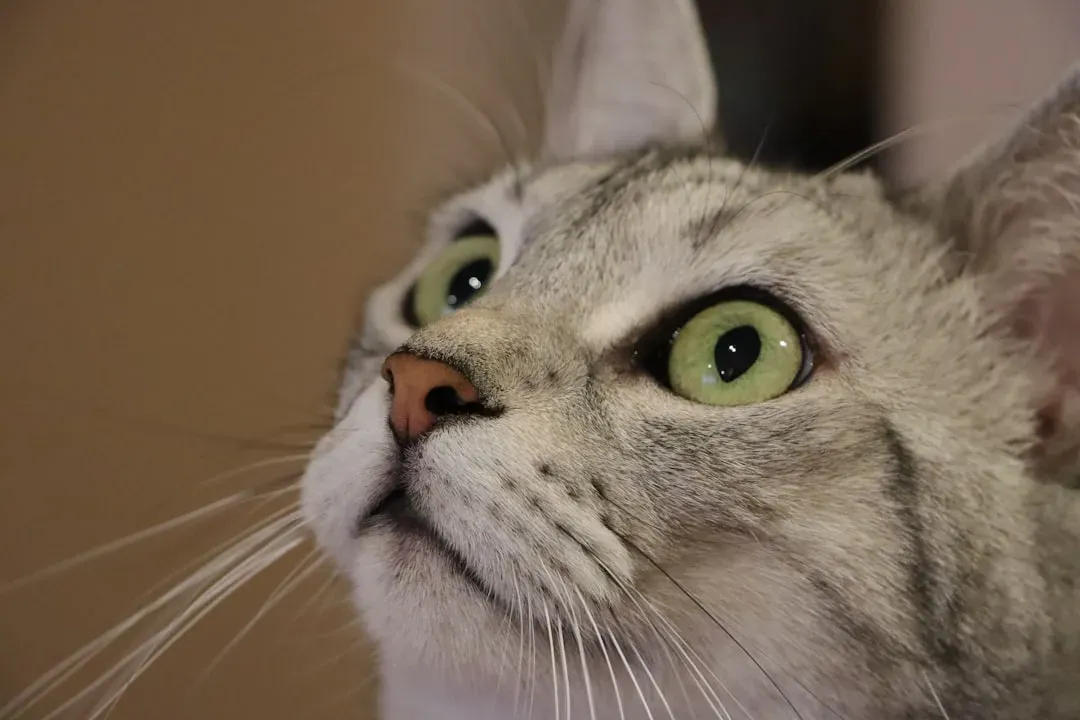
You might think you’re having a sweet bonding moment when you lock eyes with your cat and gaze adoringly at them. Unfortunately, that’s not how they interpret it. Remember a cat’s prey sequence: first they stare, then they stalk and chase, pounce or grab, and deliver their kill bite. If a cat is being stared at, they feel like they’re being hunted, which makes them uneasy.
Take the intensity out of it by looking softly at the cat, doing your slow blink, and then looking away, which is what they do with each other. This simple adjustment transforms what could feel like a threat into a genuine gesture of trust and affection. Your cat will appreciate the difference, even if you don’t realize how uncomfortable your prolonged staring was making them feel.
You’re Completely Inconsistent with Your Commands
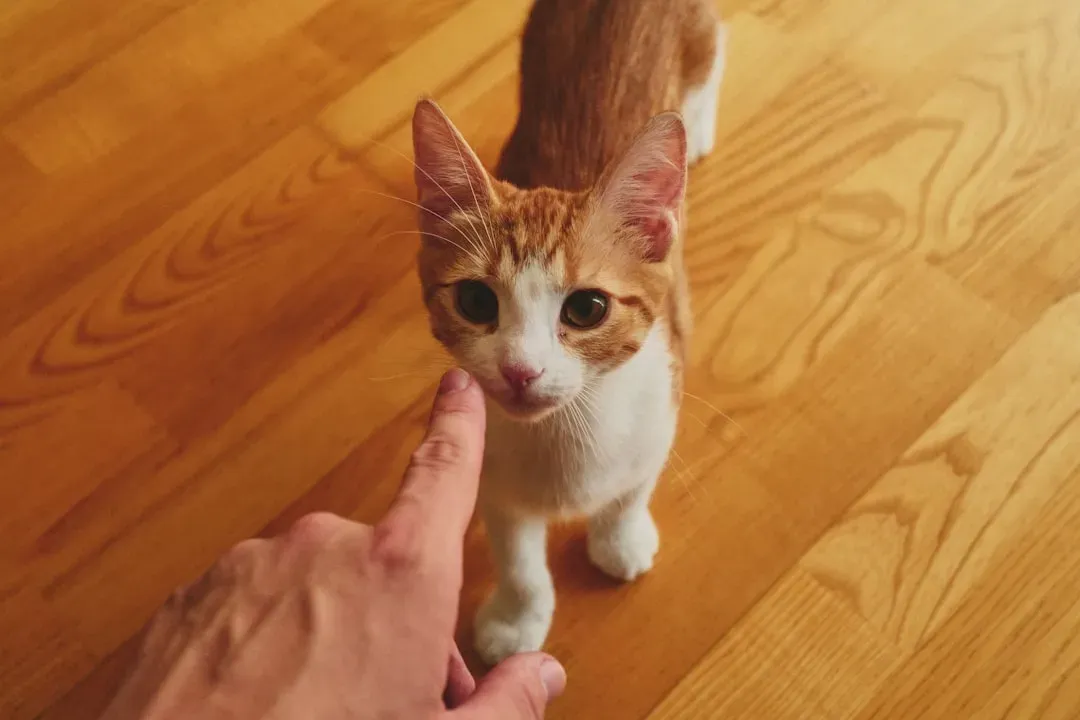
When teaching a cat to sit, you might start with a clear, concise cue, but as your cat loses interest or gets distracted, the cue changes to variations like “Sit, buddy,” “Come on, sit,” or “You gotta sit, man,” thoroughly confusing your cat. Unlike dogs, cats aren’t hardwired to decode complex verbal variations of the same command.
Stick to a simple, clear, consistent cue that sounds the same each time, whether in training or everyday life, because the more consistent you are, the better your cat will understand what you’re asking for. Cats absolutely can learn commands and tricks. They’re highly intelligent. The issue isn’t their ability; it’s our lack of consistency in communication.
You Touch Their Belly When They Show It to You
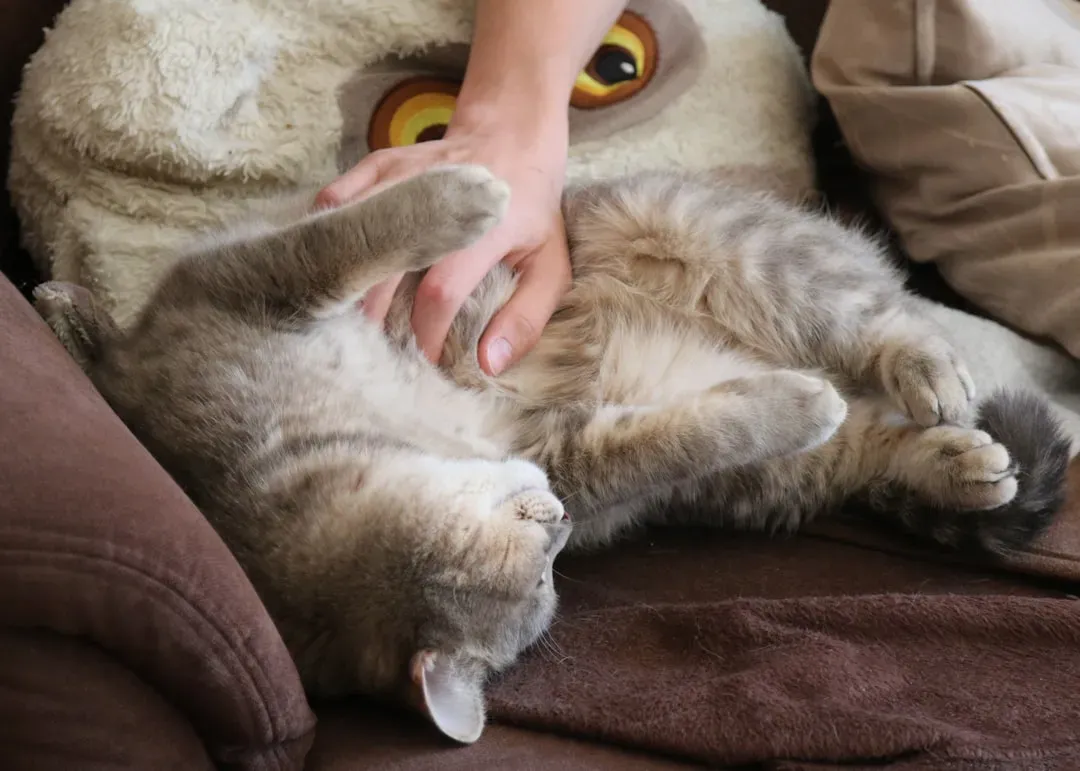
When cats expose their bellies, they’re communicating trust, but when you take them up on this “offer” by rubbing their bellies, they may retract it with a bite or a scratch, as it was only meant as a form of communication, not necessarily an invitation. This is probably one of the most common misunderstandings between humans and cats.
This behavior is actually a deep showing of trust, not an invitation for belly rubs like many people assume. Think of it as your cat saying “I trust you enough to be vulnerable around you,” not “please touch my most sensitive area.” Respect the message for what it is, a compliment, and resist the urge to dive in for belly rubs unless your particular cat has made it very clear they enjoy that specific type of contact.
You Punish Behaviors That Are Completely Natural to Them

Cats do what they do for a reason, with most behavior based on instinct, and even when they’re doing something you don’t like, there’s a reason for it. Using punishment to stop unwanted behavior won’t work because no amount of punishment will undo thousands of years of instinctual programming. If you apply punishment, they’re more likely to get defensive or fearful of you.
I think this is where humans get it most wrong. Reward the behaviors you want instead of punishing the behaviors you don’t want, because rewarded behaviors get repeated. Your cat isn’t being naughty when they hunt imaginary prey at three in the morning. They’re being a cat. Work with their nature, not against it, and both of you will be far happier.
You Only Use Your Voice to Communicate
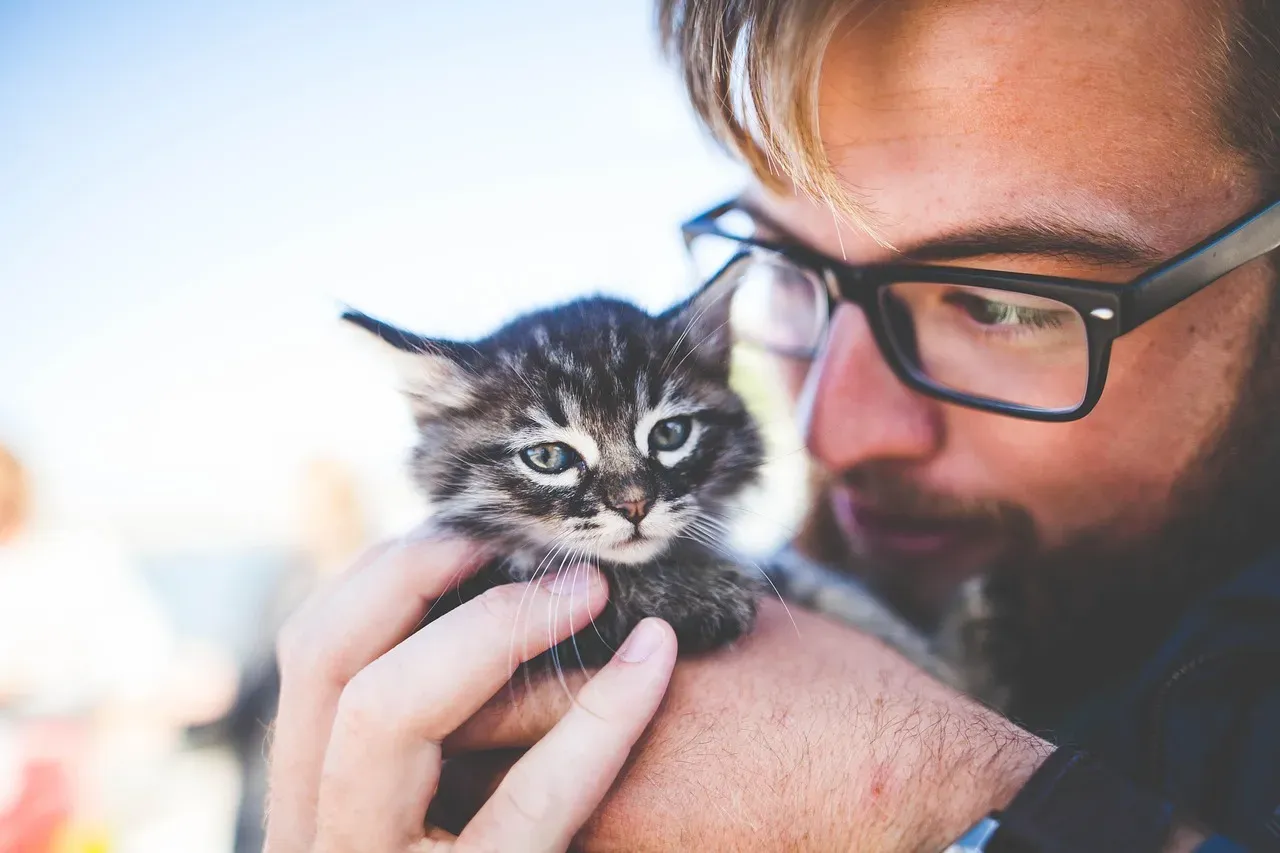
Cats interact significantly faster in response to visual and bimodal communication (visual and vocal) compared to vocal communication alone. Here’s the thing: we humans love to talk. We explain things verbally, give commands verbally, express affection verbally. Meanwhile, cats are visual communicators first and foremost.
Cats use both visual and vocal signals to communicate with humans, but they need to vocalize to get our attention, while with other cats they tend to rely on visual and olfactory signals, and when a cat says “meow,” it’s normally addressed to a human being. They developed meowing specifically for us, which is actually pretty remarkable. Incorporate more visual cues, hand signals, and body language into your interactions. You might be amazed at how much better they understand you.
You Don’t Understand They’re Trying to Feed You
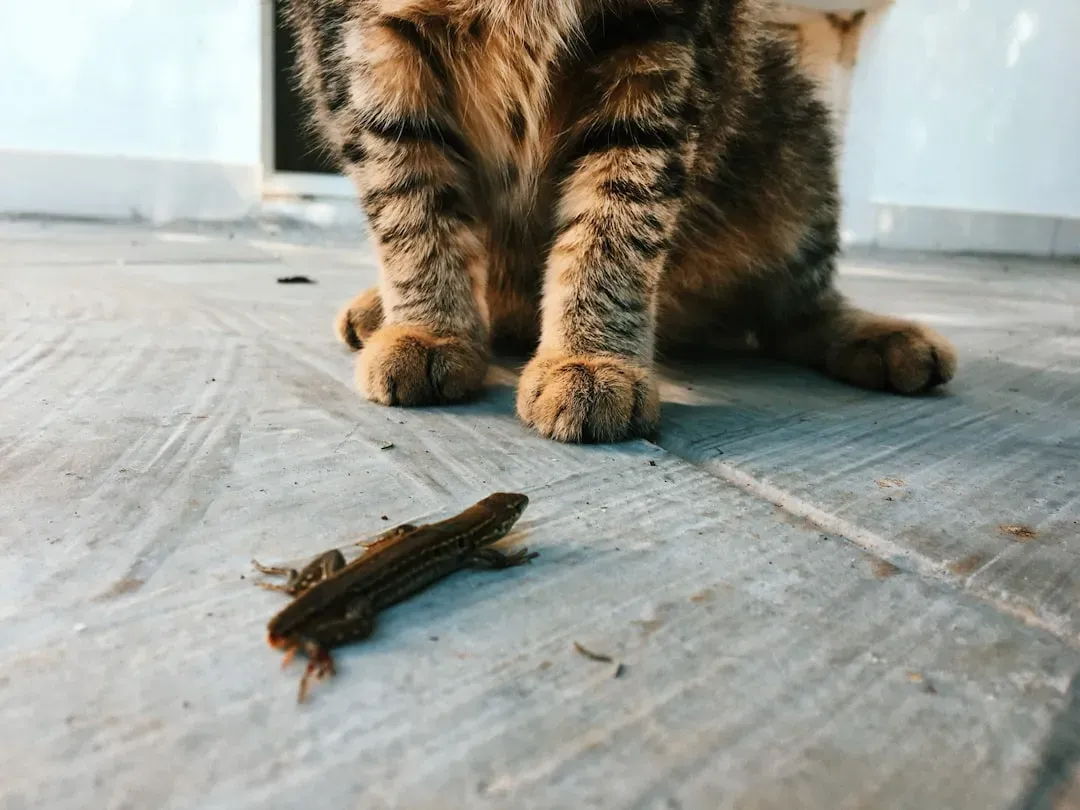
Cats have an innate hunting instinct, and when they bring humans dead birds, rodents, or bugs, this behavior is a way for cats to show affection and regard their human family as part of their pack. By presenting these items as gifts, cats demonstrate their desire to contribute to the group’s wellbeing and ensure that their humans are well-fed. Yes, it’s gross from your perspective. From theirs, it’s an act of love.
Your horrified reaction when they proudly present a deceased mouse is probably deeply confusing to them. They worked hard to catch that for you! They’re trying to teach you to hunt or at least ensure you won’t starve. While you don’t need to pretend to eat their “gifts,” try to acknowledge their effort before discreetly disposing of it. A simple “thank you” in a kind tone goes a long way, even if you’re internally cringing.
Your Sleep Schedule Is Completely Backwards
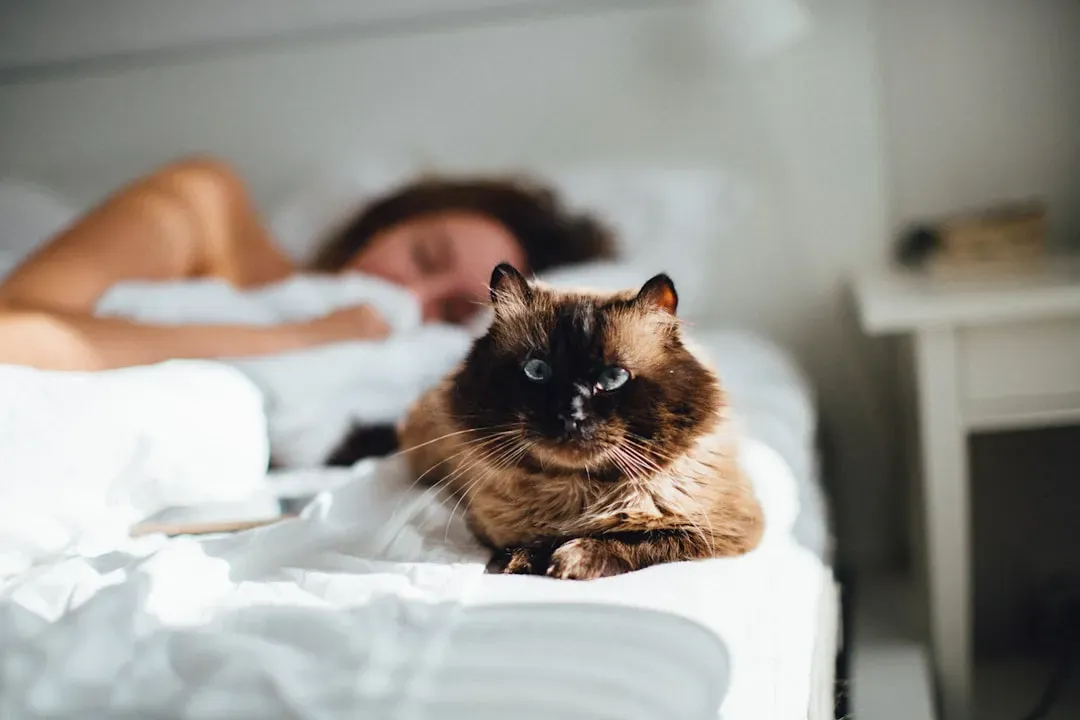
Cats wonder why humans sleep at night rather than during the day, which is when they naturally want playtime, and their humans turn them down. Cats are crepuscular, meaning they’re most active during dawn and dusk. Your insistence on sleeping through their prime activity hours makes absolutely no sense to them.
Cats don’t understand why their humans get annoyed when they wake them for breakfast at four or five thirty in the morning, even when they do it by gently biting a thigh. To minimize this confusion and the resulting early morning wake-up calls, engage in vigorous play sessions before your bedtime to tire them out. Provide puzzle feeders or toys they can use independently at night. You can’t change their biological clock, but you can help them adapt to yours a bit better.
You Expect Them to Understand Vocal Tone Like Dogs Do

Dogs perceive humans as being different than themselves and change their behavior accordingly, playing with humans completely differently than with other dogs. However, nothing about cat behavior suggests they have a separate box they put us in when socializing with us, and they obviously know we’re bigger than them but haven’t adapted their social behavior much. This is actually fascinating when you think about it.
Cats use behavior toward humans that they would use toward their mother, with all behavior shown toward us derived in some way from the mother-kitten relationship, including raising their tail, rubbing on their mother, kneading and purring. They essentially treat you like a large, somewhat incompetent cat. Your angry tone or disappointed voice likely doesn’t register the way you think it does. Focus on actions and consistency rather than expecting them to read emotional nuance in your voice.
You React Inconsistently to Their Vocalizations

Cats learn specifically how their owners react when they make particular noises, so if the cat thinks “I want to get my owner from the other room,” it works to vocalize, and they use straightforward learning. Sometimes you respond immediately when they meow. Other times you ignore them completely. Sometimes the same meow gets them food, other times it gets them nothing.
The ability to interpret cat vocalizations depends largely on the human, and owners are much better at interpreting the meaning of their own cats. Here’s how to fix this: pay attention to the context and type of meow, and respond consistently. If you don’t want to reinforce a particular vocalization (like middle-of-the-night yowling), never reward it, not even once. Cats are smart enough to recognize patterns, but only if you actually establish them. Honestly, they’re probably better at reading you than you are at reading them.
Final Thoughts

Put on your cat goggles and think about how your cat might perceive your actions, and you’ll be amazed at how well you can learn to understand their behavior and how much more clearly you’ll be able to communicate with them. The journey to understanding your cat requires patience, observation, and a willingness to see the world from their perspective. Most of the confusion between you and your feline companion stems not from their limitations, but from fundamental differences in how you both perceive and interact with the world.
We all want a deeper connection with our cats, and learning to understand their perspective is a wonderful way to build that relationship. Once you start recognizing which of your habits genuinely baffle them, you can make small adjustments that dramatically improve your daily interactions. Your cat might never fully understand why you insist on bathing in water or sleeping at night, but by meeting them halfway and respecting their instincts, you’ll create a harmonious household where both species feel understood. What habits have you noticed that seem to confuse your cat? Share your experiences in the comments below!