You’ve seen it happen countless times. Your cat is lounging peacefully on the couch, eyes half-closed, seemingly content to nap away the afternoon. Then, without any warning whatsoever, your furry friend launches into what can only be described as complete chaos. They tear through the house at full speed, bounce off walls, leap onto furniture, and race up and down the hallway like their tail is on fire. Just as suddenly as it started, the frenzy ends. Your cat settles back down, looking perfectly satisfied, as if nothing extraordinary just occurred.
What you just witnessed wasn’t random insanity. It wasn’t your cat going temporarily bonkers or being possessed by some hyperactive spirit. Those wild sprints actually serve a very specific purpose in your cat’s daily routine. Scientists have a name for this phenomenon, and understanding what’s really happening during these episodes will completely change how you view your pet’s behavior. Let’s dive in.
The Science Behind the Madness Has a Name
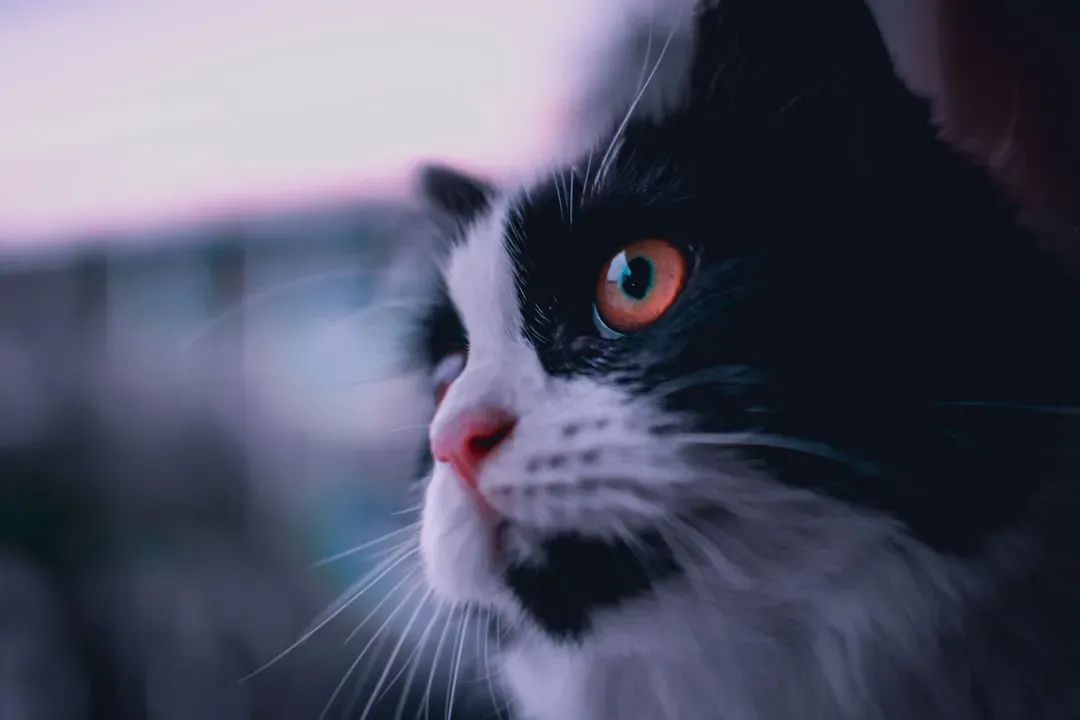
Those bursts of energy are officially called Frenetic Random Activity Periods, or FRAPs, though they’re more commonly known as zoomies. The term might sound clinical, yet it perfectly describes what you’re observing.
These episodes usually last a few minutes or less, which explains why your cat can go from zero to sixty and back again before you’ve even processed what happened. While these energetic outbursts might be startling in the moment, they’re perfectly normal feline behavior. Think of it as your cat’s built-in exercise program kicking in when their body signals it’s time to move.
Your Indoor Cat Is Conserving Energy Like a Wild Predator
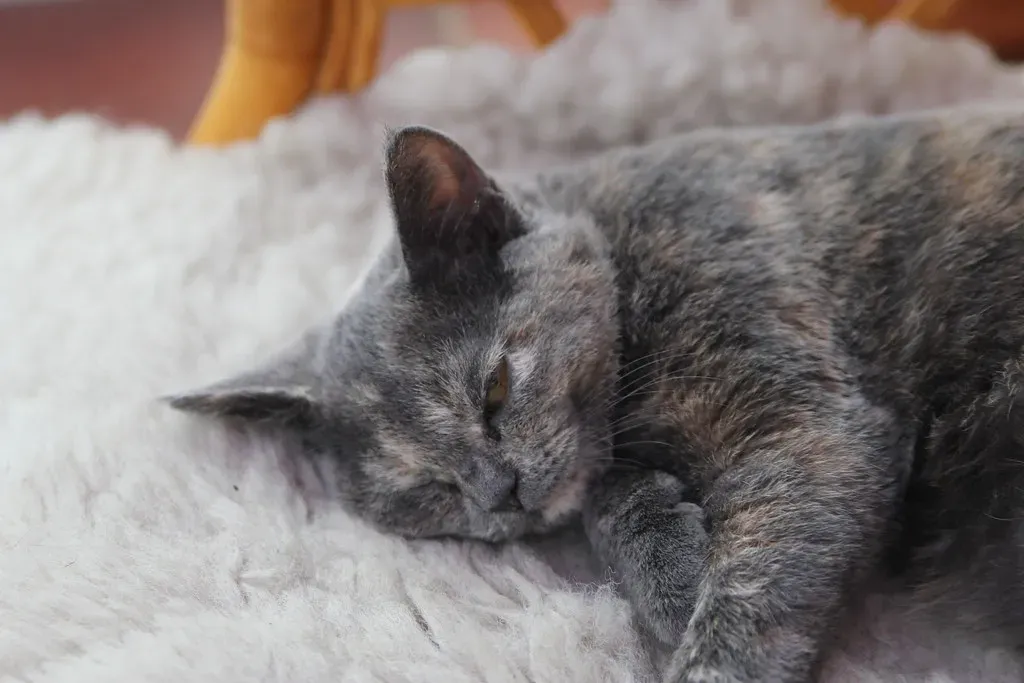
Here’s the thing about cats: they sleep much of the day, anywhere between 12 to 16 hours a day. That’s a lot of downtime, even for a creature known for laziness. Cats rest and sleep for a majority of the day to conserve energy for short, very active periods.
Cats are ambush predators and they conserve energy for multiple short bursts when hunting. Your pampered house cat might never have to stalk actual prey, yet their body still operates on this ancient programming. After a long snooze, mad dashes around the house are the ideal way for cats to awaken their mind and body. So those zoomies? They’re essentially your cat’s way of staying in fighting shape, even if the only thing they’re fighting is boredom.
Dawn and Dusk: Peak Performance Hours
Felines are more likely to get zoomies at dusk and dawn because that’s when they’re most active. If you’ve noticed your cat going absolutely wild right around sunrise or just as evening settles in, there’s a perfectly logical explanation. Cats are not nocturnal but are crepuscular, which means they are naturally most active at dawn and dusk due to their biological need to take advantage of cooler times of day in order to more effectively hunt.
This scheduling isn’t arbitrary. Since cats are crepuscular, it’s no surprise that many pet parents notice zoomies happening during the early morning or evening hours. Your cat’s internal clock is still set to their ancestors’ hunting schedule, and those twilight hours trigger something deep within their DNA that says it’s time to move.
The Post-Bathroom Victory Lap Explained
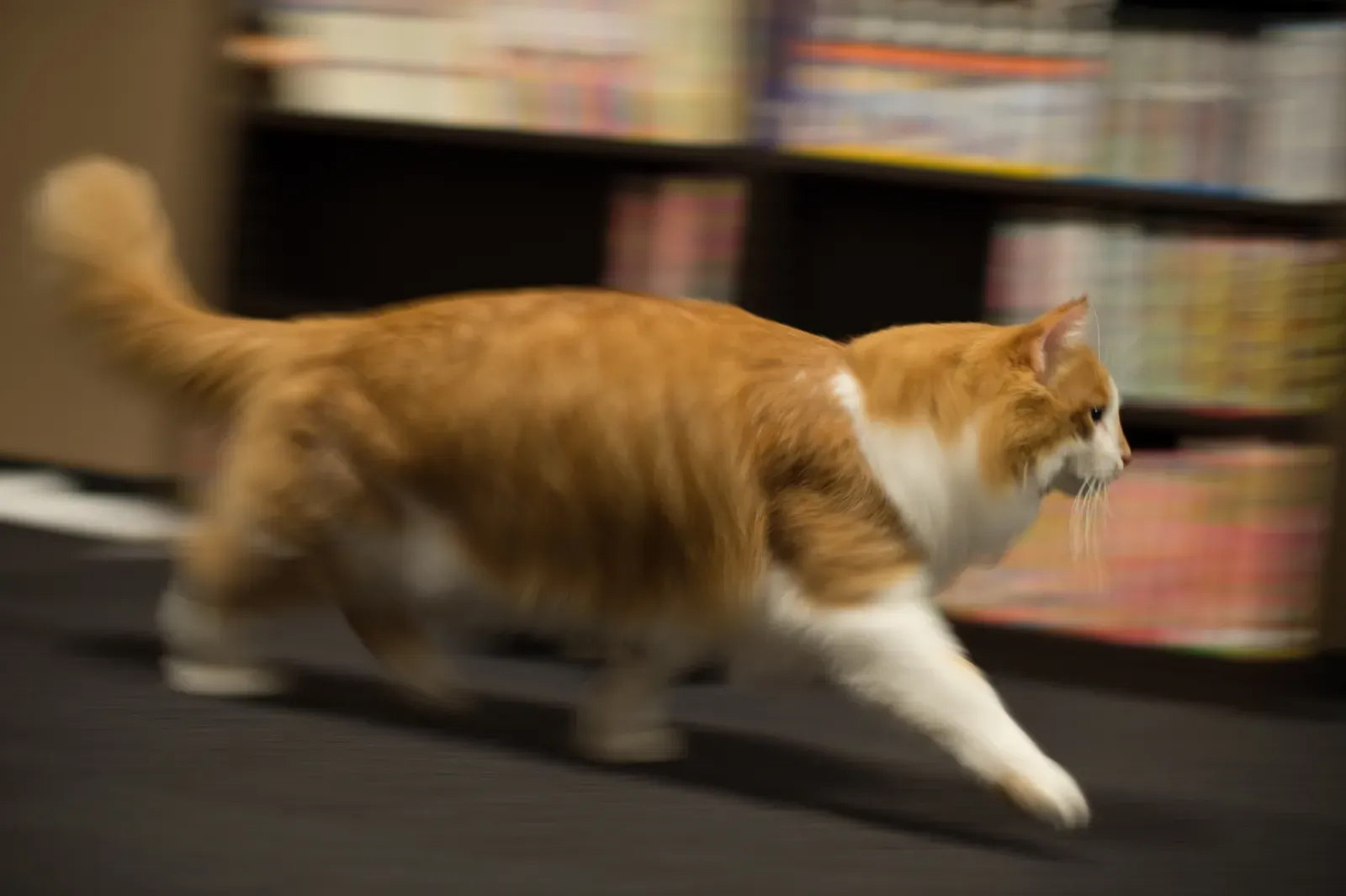
They also tend to experience FRAPs after grooming and using the litter box. Yes, you read that correctly. Many cats get the zoomies right after using their litter box, and honestly, it’s one of the more peculiar aspects of this behavior. Your cat might just feel a sense of relief after eliminating waste, and this behaviour is simply their way of expressing that freedom.
There’s also a physiological component at play. Defecating stimulates the vagus nerve, which can lead to a feeling of release and relief. Depending on the cat’s personality, that might lead to excitement and zoomies. So that post-litter box sprint isn’t your cat being weird; it’s actually a natural response to feeling physically lighter and more comfortable.
Hunting Instincts Never Really Sleep
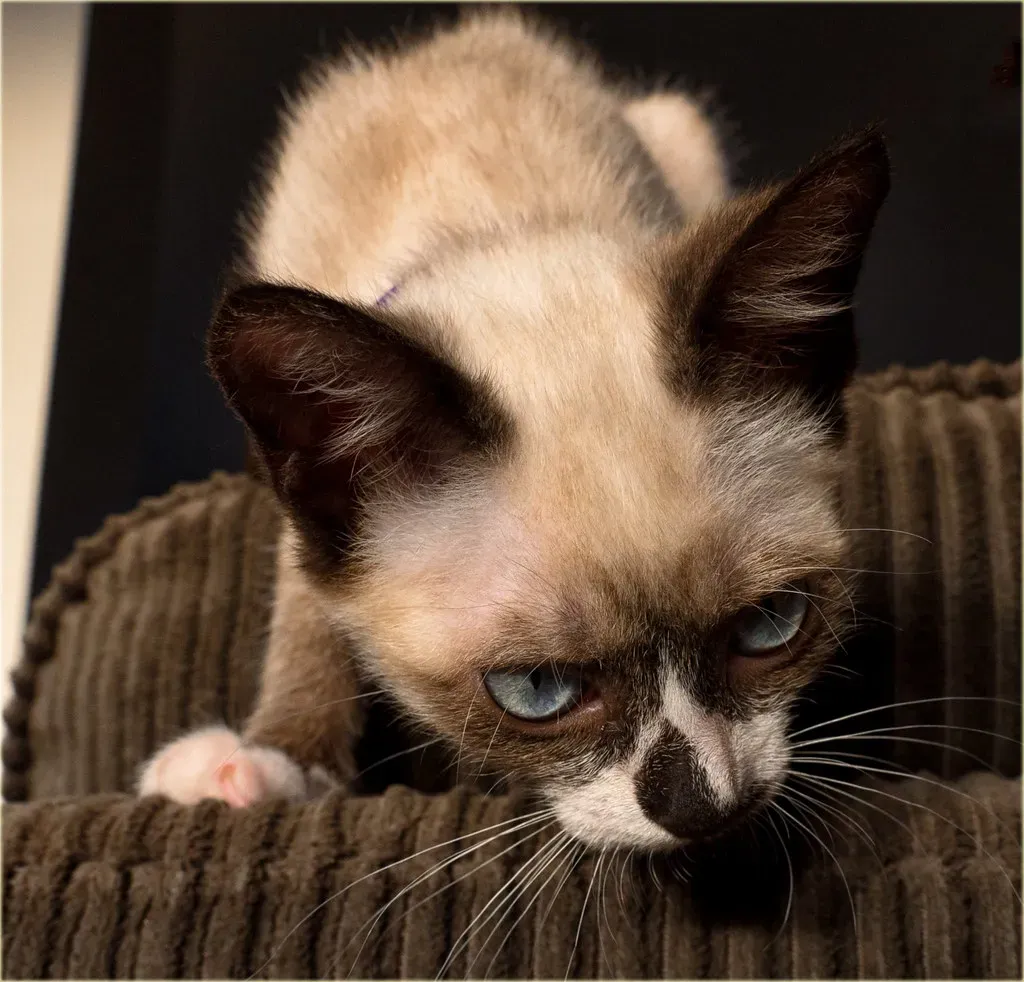
Zoomies may originate from cats’ natural predatory instincts, as the bursts of activity with their sudden sprints and sharp turns may represent hunting behaviors. Even though your cat has never caught a mouse in their life, their body knows exactly how to behave like a skilled hunter. Cats are natural predators and are wont to pursue imaginary prey, even when provided with adequate amounts of food from their owners.
During those frantic episodes, you’re essentially watching your cat practice vital survival skills. They’re stalking invisible targets, pouncing on imaginary mice, and executing the kind of agile maneuvers their ancestors used to catch dinner. These play periods allow cats to hone their survival instincts, including stalking, pouncing and pursuing. The fact that there’s no actual prey involved doesn’t diminish the value of the workout.
Physical and Mental Health Benefits Are Real
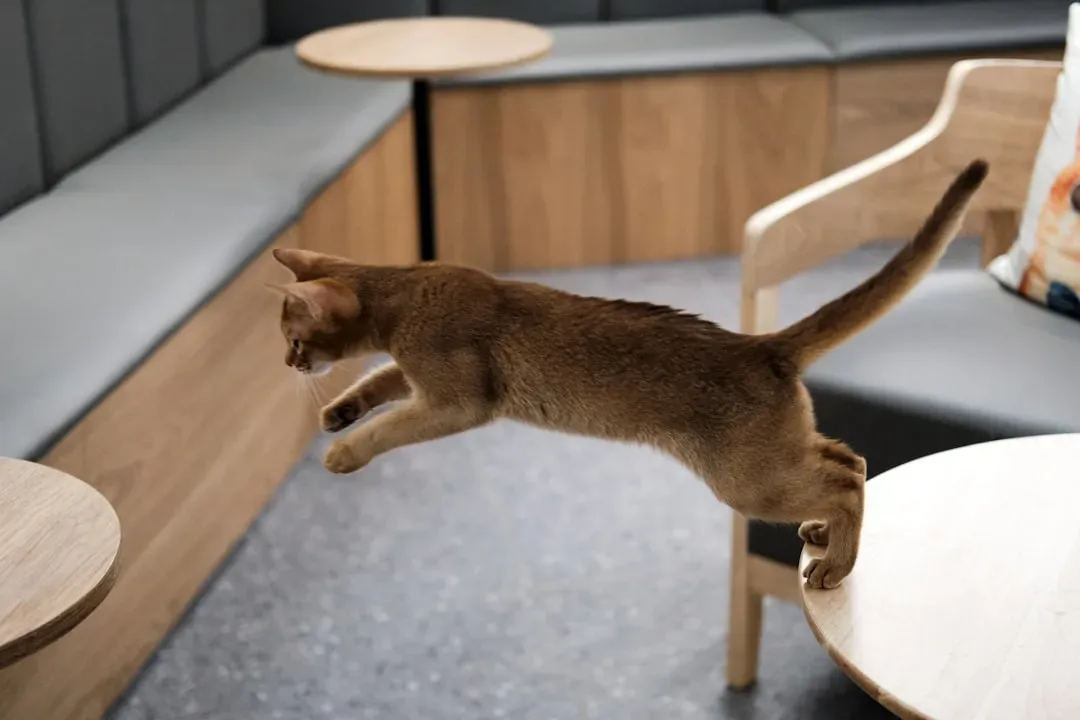
FRAPs may release endorphins, causing a pleasurable response, and from a physical standpoint, these bursts of activity can strengthen muscles, boost cardiovascular health, and support overall well-being. Your cat isn’t just running around for fun; they’re actually engaging in a comprehensive fitness routine that benefits multiple body systems.
Activities like stalking and catching interactive toys help cats focus, release energy, and feel mentally satisfied, which is especially important in preventing stress-related behaviors and improving your cat’s quality of life. Without these outlets, cats can become anxious, destructive, or develop behavioral problems. The zoomies serve as a pressure release valve for all that pent-up energy and mental stimulation needs.
Age Matters, Yet Doesn’t Eliminate Zoomies
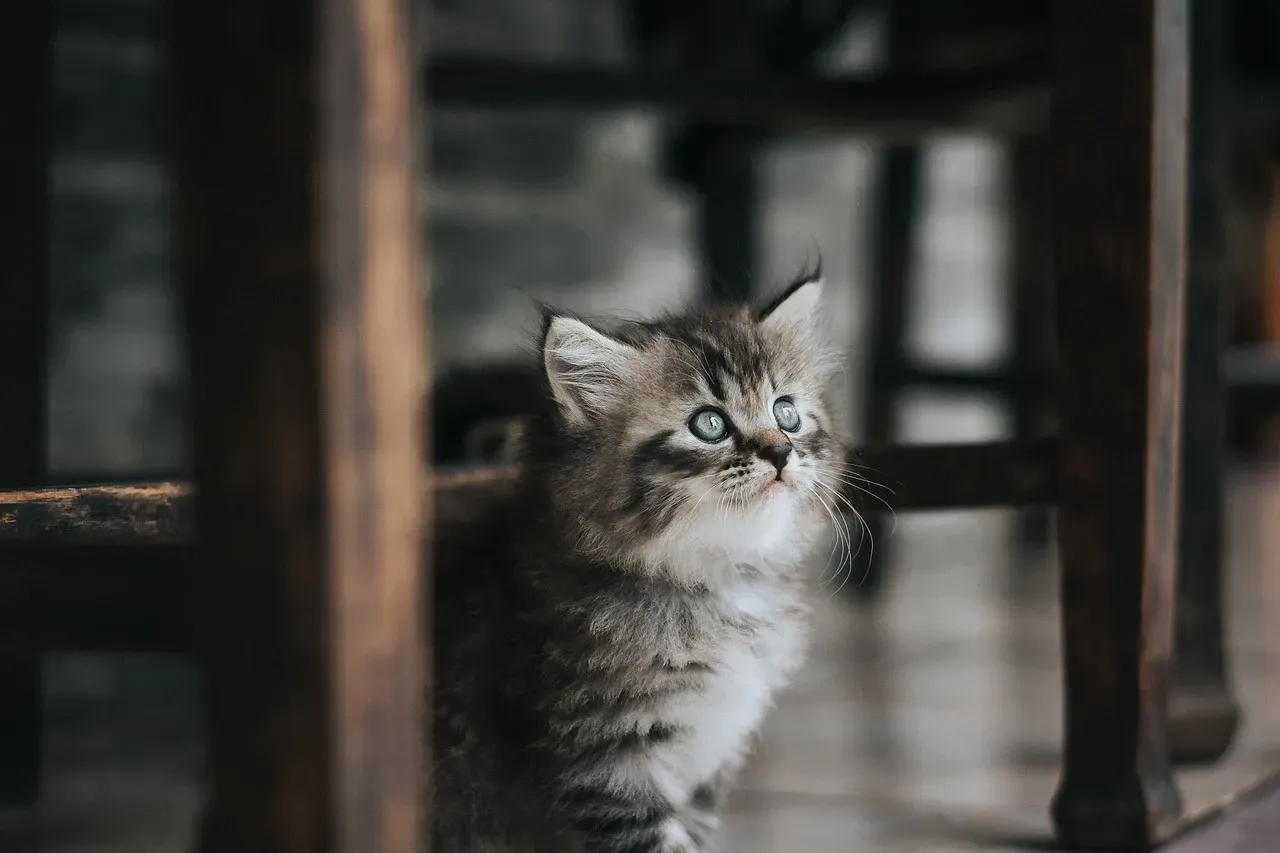
Young cats, especially kittens, tend to have frequent and intense zoomies due to their high energy levels and rapid growth. If you’ve got a kitten, you’ve probably witnessed some truly spectacular displays of athletic prowess. These bursts of activity help practice essential skills like agility, coordination, and motor control.
However, older cats aren’t necessarily exempt from the zoomie experience. Even as cats enter their senior years, they may still experience zoomies, though typically less often due to age-related changes like decreased muscle mass and arthritis. Most cats can’t sustain the zoomies for more than a minute or so, and as cats age, the FRAPs often get shorter and less frequent. Senior cat zoomies might be briefer and less intense, yet they indicate your older feline still has some spunk left.
When Daily Zoomies Signal Understimulation
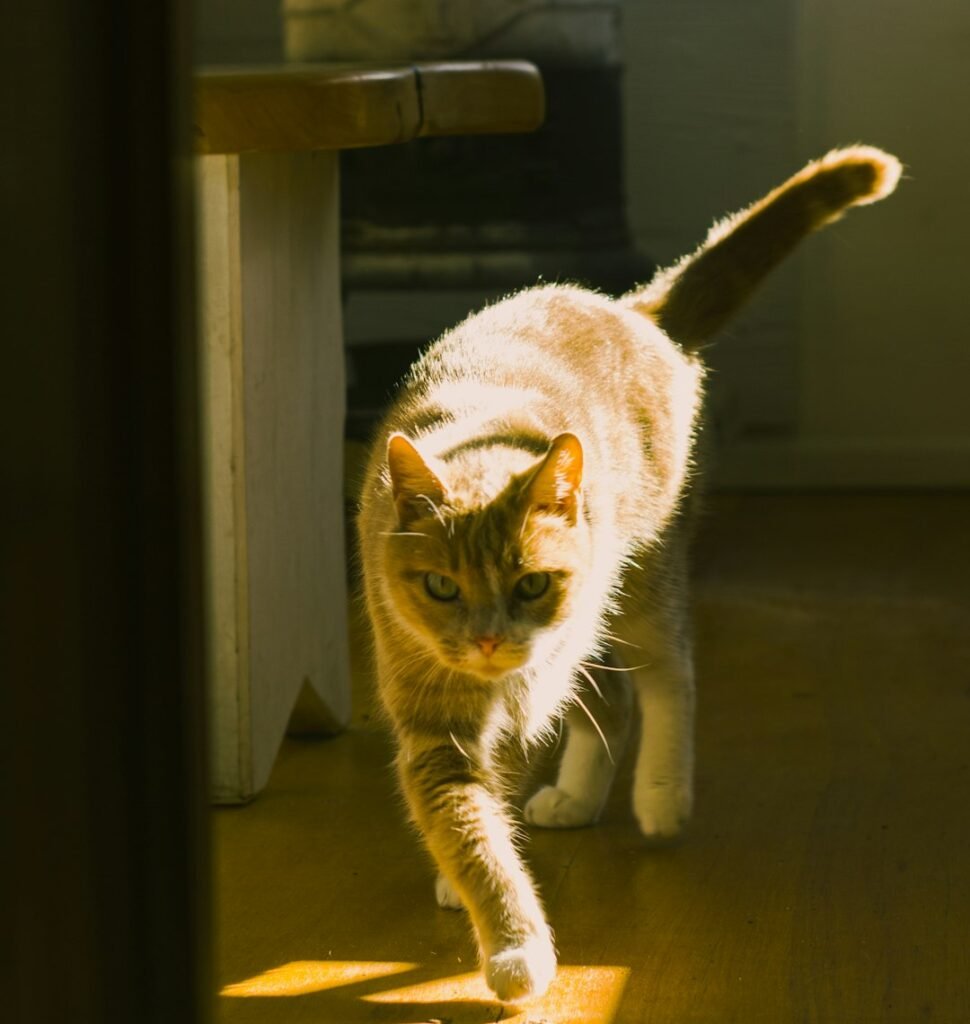
An occasional burst of frapping is quite normal, but if your cat is getting the zoomies on a daily basis, this could be a sign that they are under-stimulated and frustrated. Pay attention to frequency. A few times per week is standard; multiple times daily might indicate your cat needs more engagement throughout their waking hours.
Indoor cats, especially, may store up excess energy that needs an outlet, and frenetic random activity periods often happen when they have too much unused energy. For indoor cats who don’t get enough exercise, they may engage in the zoomies as a much-needed energy release. The solution isn’t to stop the zoomies but to provide alternative ways for your cat to burn energy before it reaches the explosive zoomie threshold.
How to Work with Your Cat’s Fitness Schedule
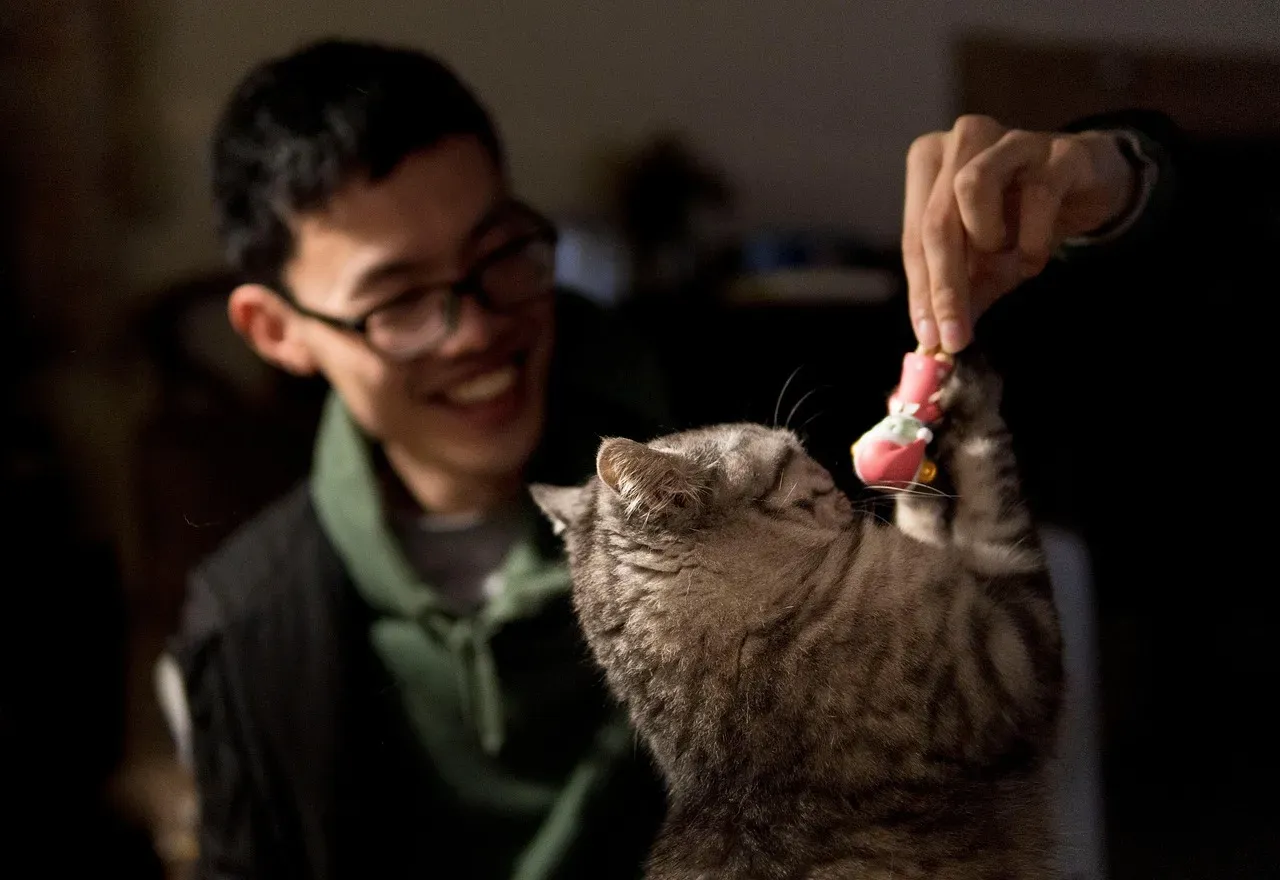
Playing with your cat multiple times a day, especially before bedtime, can help manage their energy levels and reduce excessive nighttime zoomies. Interactive play sessions are key. Feather wands, laser pointers (used properly), and toys that mimic prey movements all tap into your cat’s hunting instincts in controlled ways.
Aim for at least two to three short play sessions each day, especially in the evening to help your cat settle down at night. Think of yourself as your cat’s personal trainer. These sessions don’t need to be long; even ten minutes of focused play can make a significant difference in how much excess energy your cat has left to burn at three in the morning.
Creating an Environment That Supports Natural Behavior
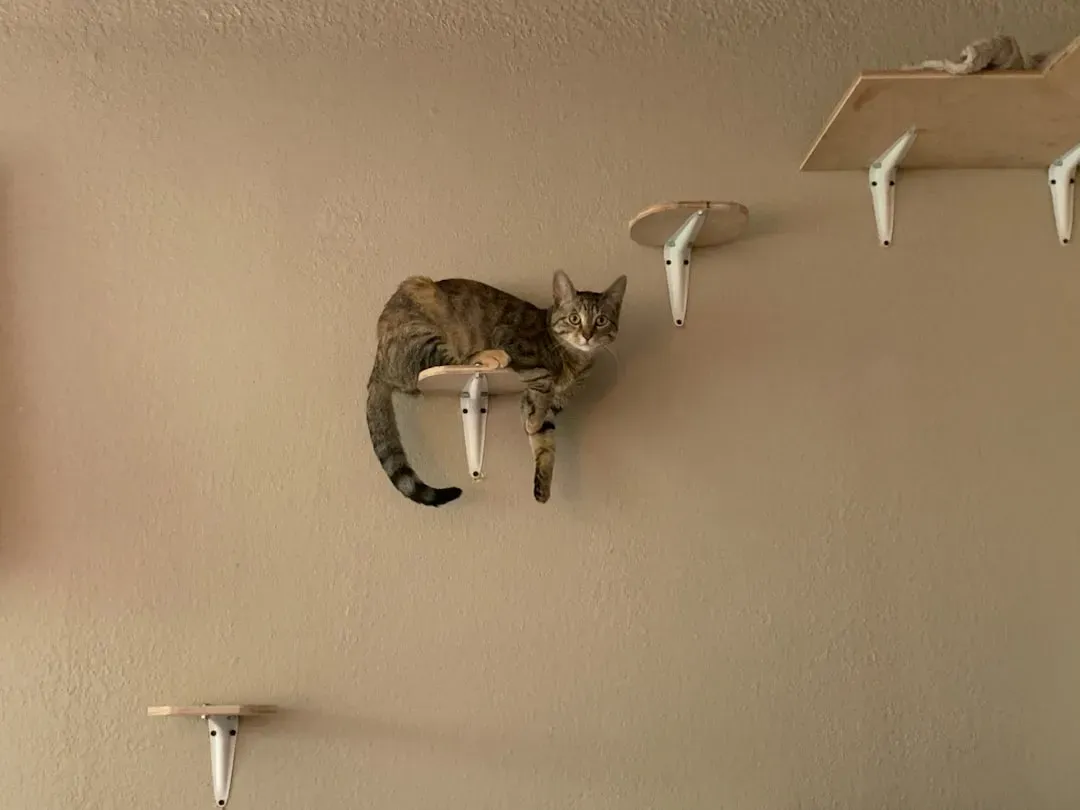
A stimulating environment helps prevent boredom and encourages natural behaviours, including cat trees and perches for climbing, puzzle feeders that encourage problem-solving, and hiding spots and tunnels. Environmental enrichment isn’t just fancy pet parent talk; it’s about giving your cat opportunities to express instinctive behaviors safely.
To keep your cat mentally and physically stimulated, creating an enriching environment includes regular interactive play sessions and interactive cat toys rotated frequently to maintain interest. The rotation part is crucial. Cats get bored with the same toys day after day, so switching things up keeps their interest alive and their minds engaged.
When Zoomies Might Signal Something More
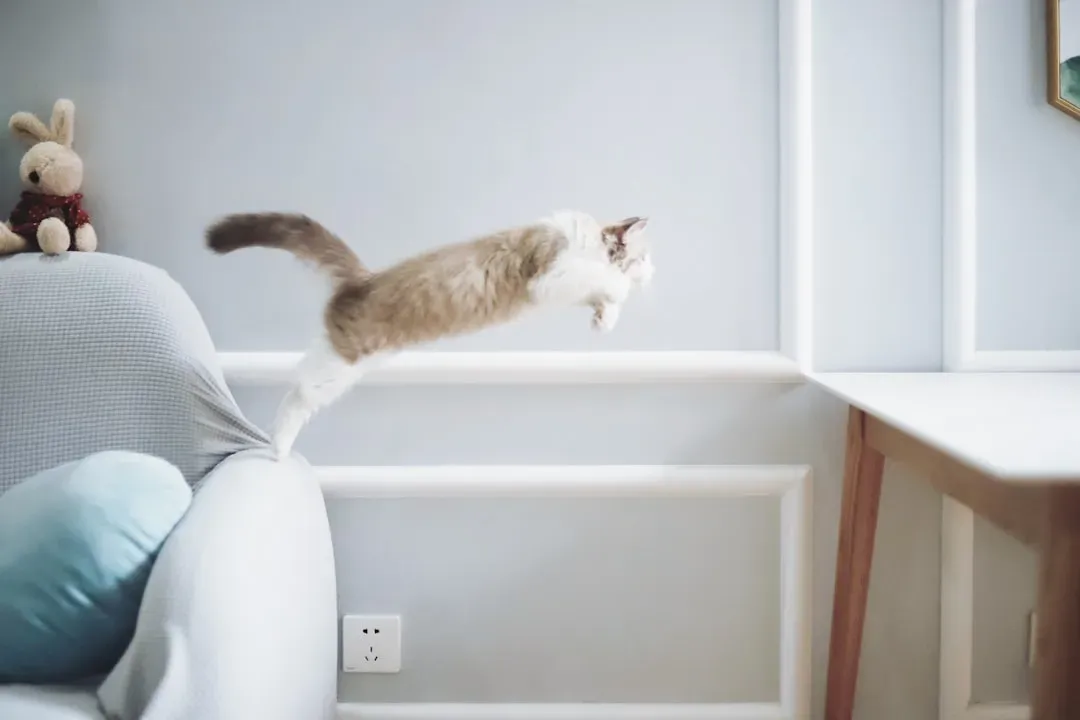
FRAPs can sometimes indicate underlying behavioral concerns including anxiety, stress, and depression, so talk to your veterinarian if you believe FRAPs have become more frequent or if your cat seems distressed. Context matters tremendously. Normal zoomies involve a happy cat who’s clearly enjoying the experience. Distressed zoomies look different and often include other signs of discomfort.
Sudden changes in zoomie behavior might signal underlying health conditions like hyperthyroidism or mobility problems. If your cat starts to exhibit above average levels of activity, it may indicate an underlying health condition such as hyperthyroidism, which increases energy levels in older cats. When in doubt, a vet visit can rule out medical issues and give you peace of mind.
Those crazy sprints across your living room at midnight aren’t your cat being difficult or strange. They’re actually a well-orchestrated fitness program designed by millions of years of evolution. Your cat is staying physically fit, mentally sharp, and true to their predatory nature, all while providing you with endless entertainment. Next time you witness the zoomies in action, you’ll know you’re watching a highly organized routine that keeps your feline friend healthy and happy. What do you think about your cat’s secret workout program? Tell us in the comments.