You’re standing in a shelter, surrounded by whiskers and curious eyes, and you’re already falling in love. Yet one question lingers before you make that lifetime commitment: should you bring home a boy or a girl? It’s the type of choice that can feel surprisingly weighty when you’re standing on the edge of forever with a new feline companion. The debate around male versus female cats has been raging among cat enthusiasts for years, and honestly, the answer is far more nuanced than you might expect.
Here’s the thing though. Your future cat is waiting, and before you get swept away by one adorable face or another, you’ll want to understand what truly sets these furry overlords apart. So let’s dive in.
The Truth About Gender Stereotypes
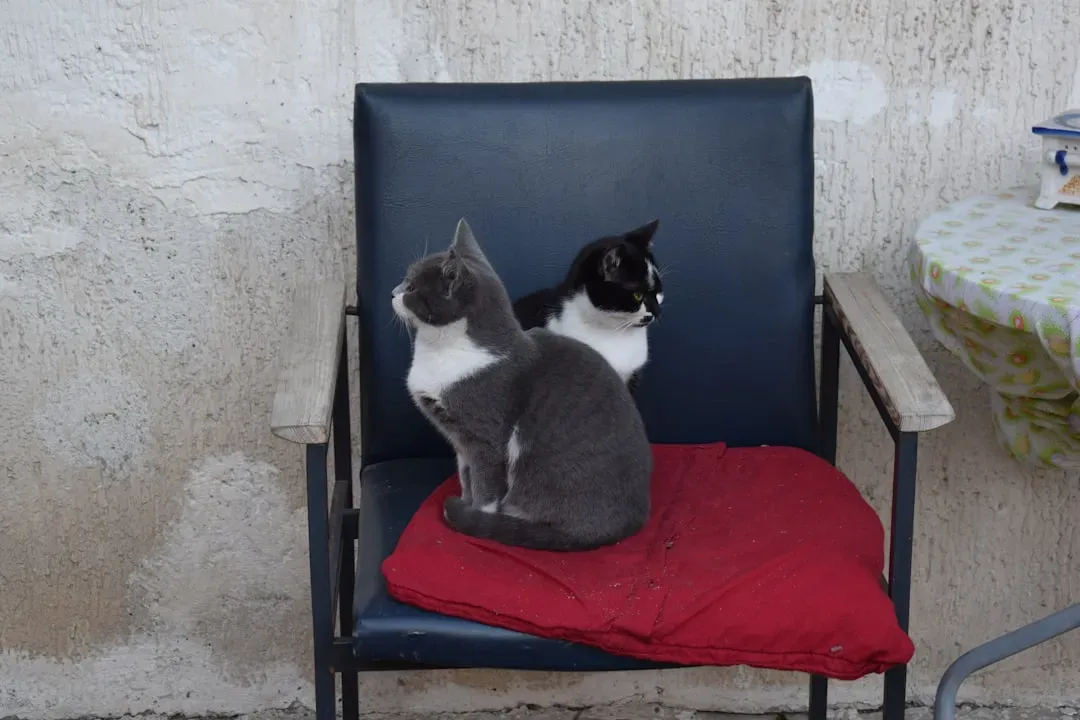
After years of working with various cats, there is no consistent difference in cat personality between male and female cats. That might surprise you, especially if you’ve heard people swear by one gender over the other. The reality is much more interesting.
What truly matters is personality and finding a cat whose energy fits best in your life. Think of it like meeting people at a party. Sure, you might notice patterns, but the individual standing in front of you matters far more than any broad generalization. Research into the personality types of 196 cats showed that sex was not a determining factor in cat personality.
Still, let’s be real. There are some tendencies worth discussing, especially when it comes to understanding what shapes your cat’s behavior beyond chromosomes alone.
When Male Cats Shine Brightest
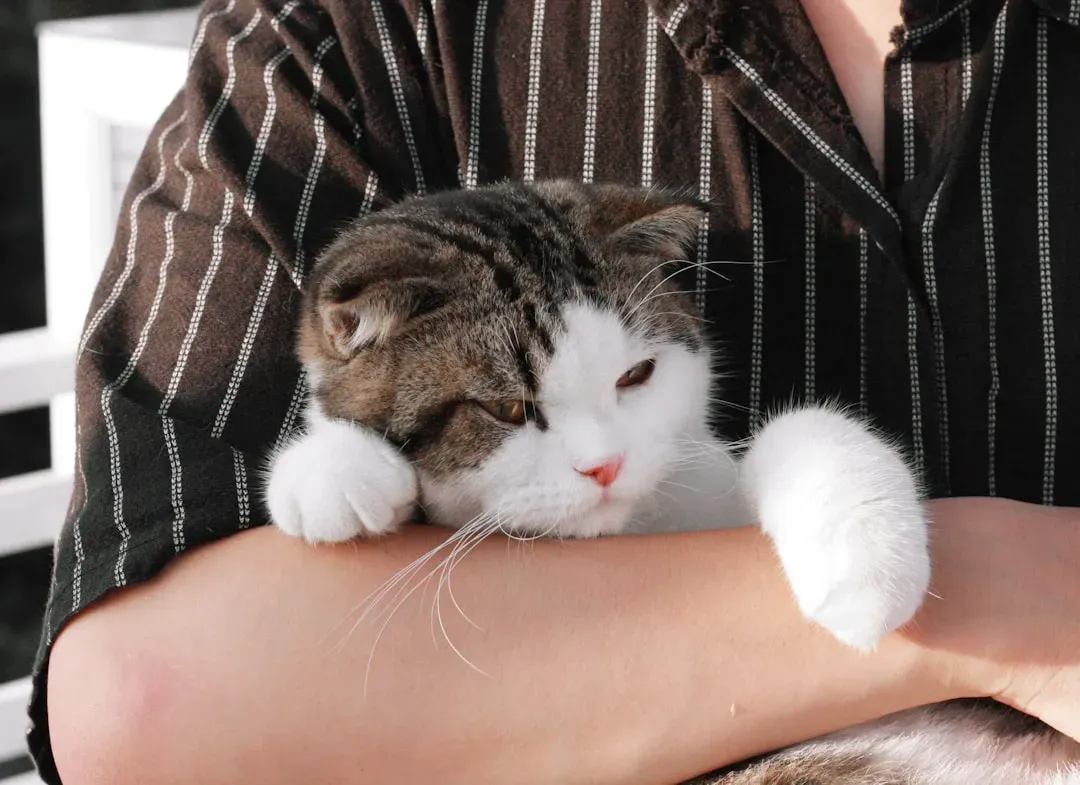
Male cats tend to be more social and affectionate with both humans and other cats. If you’re picturing a cat who curls up on your lap during movie nights and follows you from room to room, you might find your match in a male. If you want a furry friend who will play with your kids and spend hours snuggled up by your side, adopting a male kitten might be your best bet.
Some studies suggest male cats have a higher degree of boldness than female cats, making them more outgoing, social, and adventurous. I’ve watched male cats befriend everyone from toddlers to skeptical grandparents with seemingly effortless charm. They’re often the social butterflies of the feline world, unafraid to announce their presence and demand attention.
Male cats also tend to be physically larger, which can translate into a more easygoing temperament around rougher handling. Neutered males tend to be more tolerant of new cats entering their territory than females are.
The Independent Spirit of Female Cats
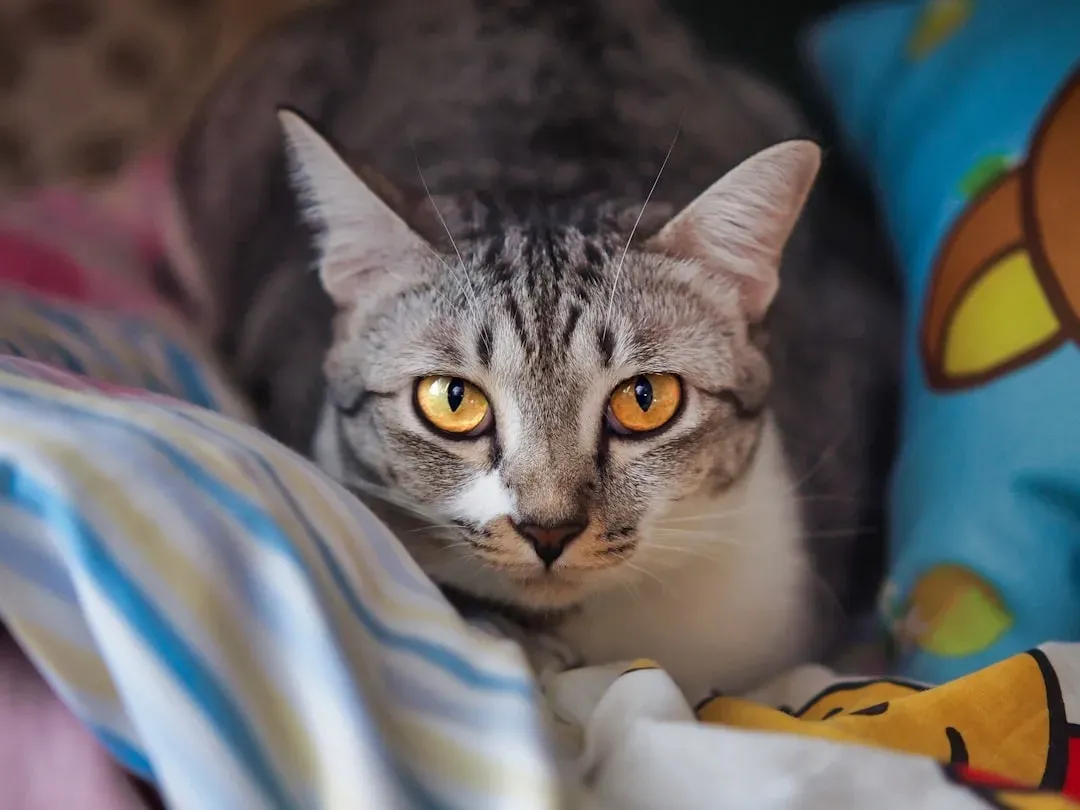
Female cats tend to be more independent than males, and if you put in long hours at work and your new pet will spend a lot of time home alone, a female will generally handle this better than a male. There’s something beautifully self-sufficient about female cats. They don’t need constant validation or your undivided attention every waking moment.
Their cautious nature makes female cats excellent judges of character and situations, more likely to assess a new person or environment thoroughly before deciding to engage. This might make them appear standoffish initially, which some people mistake for aloofness. But once you’ve earned a female cat’s trust, the bond can be incredibly deep and meaningful.
Even after spaying, the maternal instinct remains strong in females, and while they aren’t as apt to display in-your-face affection, female cats are intensely loyal and devoted to their owners. Think of it as the difference between someone who shouts their love from the rooftops versus someone who shows up quietly when you need them most.
Why Spaying and Neutering Changes Everything

Let’s talk about the elephant in the room. The biggest difference is really between neutered and unneutered cats, not boys and girls. This cannot be stressed enough because it fundamentally transforms the entire conversation around gender differences.
Neutering reduces or eliminates spraying in approximately 85% of male cats. Meanwhile, spaying suppresses heat cycles and the need to reproduce, and without hormonal fluctuations, a spayed female is usually more relaxed and content at home. These procedures don’t just prevent unwanted litters; they actually unlock your cat’s true personality by removing the overwhelming drive to mate.
Many personality traits and behaviors are most noticeable in unaltered pets, as intact males are more likely to spray urine, show aggression and escape attempts, while intact females tend to vocalize loudly to attract males. Honestly, living with an intact cat can be exhausting for everyone involved.
Size, Energy, and Physical Considerations
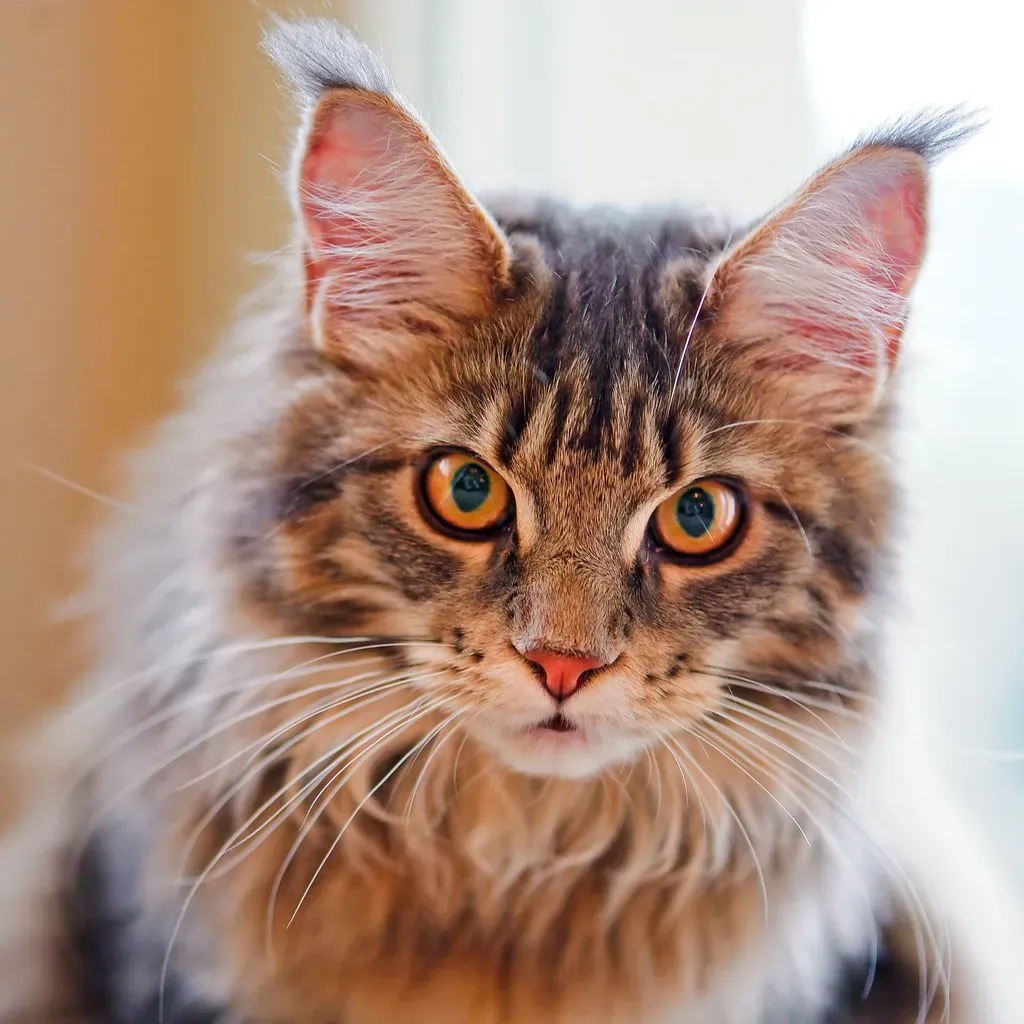
Male cats typically exhibit sexual dimorphism, weighing between 10-15 pounds compared to females’ 8-12 pounds. This size difference isn’t just about numbers on a scale. It affects everything from how much food they’ll consume to the type of carrier you’ll need for vet visits.
The energy levels can vary, though not always in the ways you’d expect. Male cats are usually more playful than females, and they can get pretty rambunctious. Expect midnight zoomies, sudden bursts of chaotic energy, and possibly some furniture rearrangement courtesy of your male cat’s enthusiastic play sessions.
Female cats can be just as playful, but their approach might be more calculated and strategic. Female cats generally exhibit superior hunting instincts, reflecting their evolutionary role as providers for kittens, which translates into more focused, strategic play behavior.
Multi-Cat Households and Social Dynamics
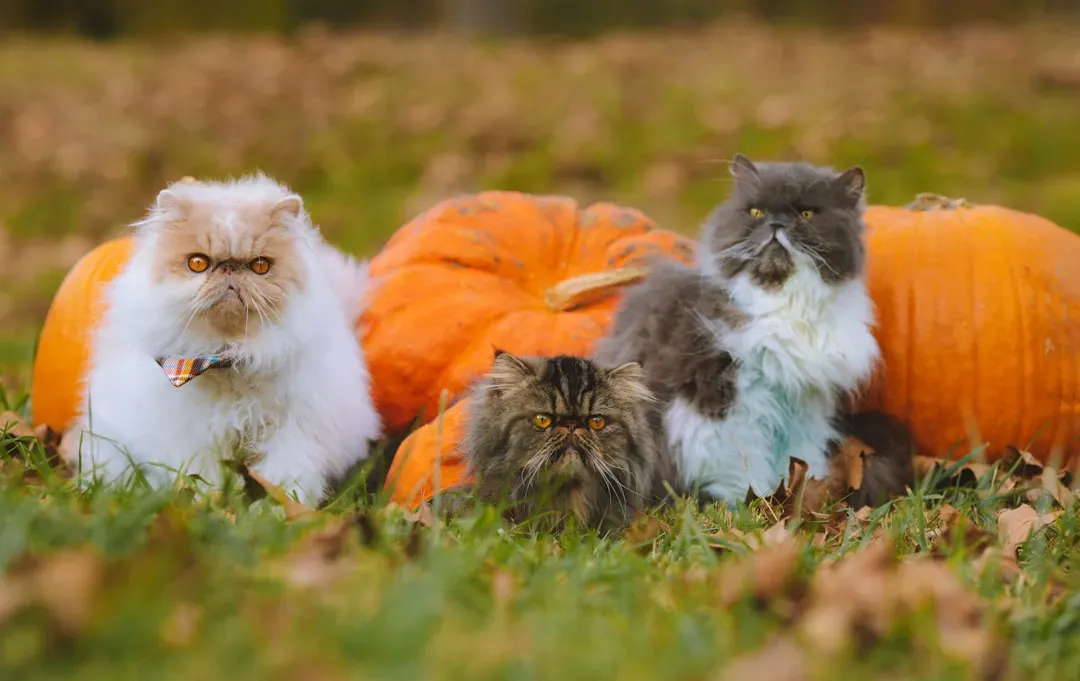
Planning to have more than one cat? Gender dynamics become a bit more interesting here. If you’re looking at getting more than one cat, then the gender of the cats won’t matter, providing they are neutered. That’s the golden rule right there.
Generally, female cats tend to be more accepting of new cats into their home and are more likely to accept another female cat than a male cat. This stems from their natural tendency to form colonies with related females in the wild. When living wild, female domestic cats will form colonies if food is abundant enough, living as a group with other females of their family and sharing resources and responsibilities for raising kittens.
Male cats, by contrast, typically roam territories alone. Once neutered, male cats tend to get along well with both male and female cats, especially if they are raised together or introduced properly, and their laid-back nature can make them good companions for other cats.
Health Differences You Should Know About
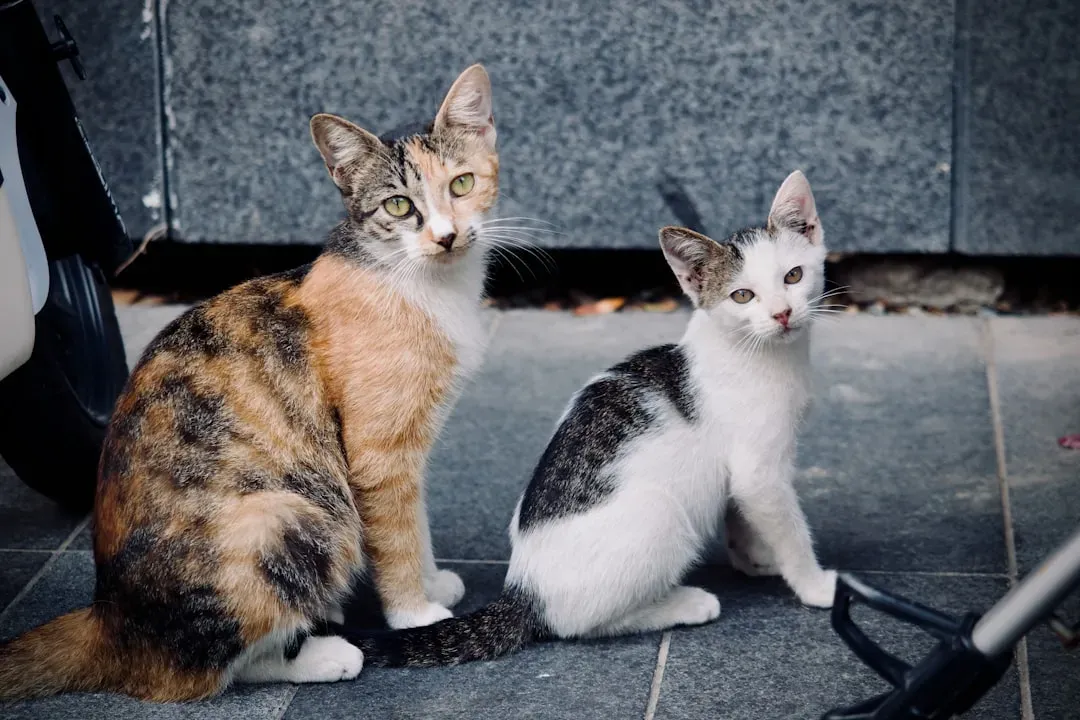
Gender does play a role in certain health considerations that responsible cat owners need to understand. Research found that female cats had an average life expectancy of 15 years compared to 13 years for male cats. That’s potentially two extra years of companionship, though many factors influence longevity beyond gender alone.
If they’re not neutered or neutered late in life, female cats have a higher risk of developing womb infections, tumours and certain cancers, though they are 90% less likely to develop mammary cancer if neutered before six months old. Male cats face different challenges. They’re more prone to urinary blockages due to their narrower urethras, which can become life-threatening emergencies requiring immediate veterinary attention.
The good news? Neutering increases the chances of living longer for both male and female cats. This single decision dramatically reduces gender-specific health risks while improving overall wellbeing.
Matching Your Lifestyle to Your Cat
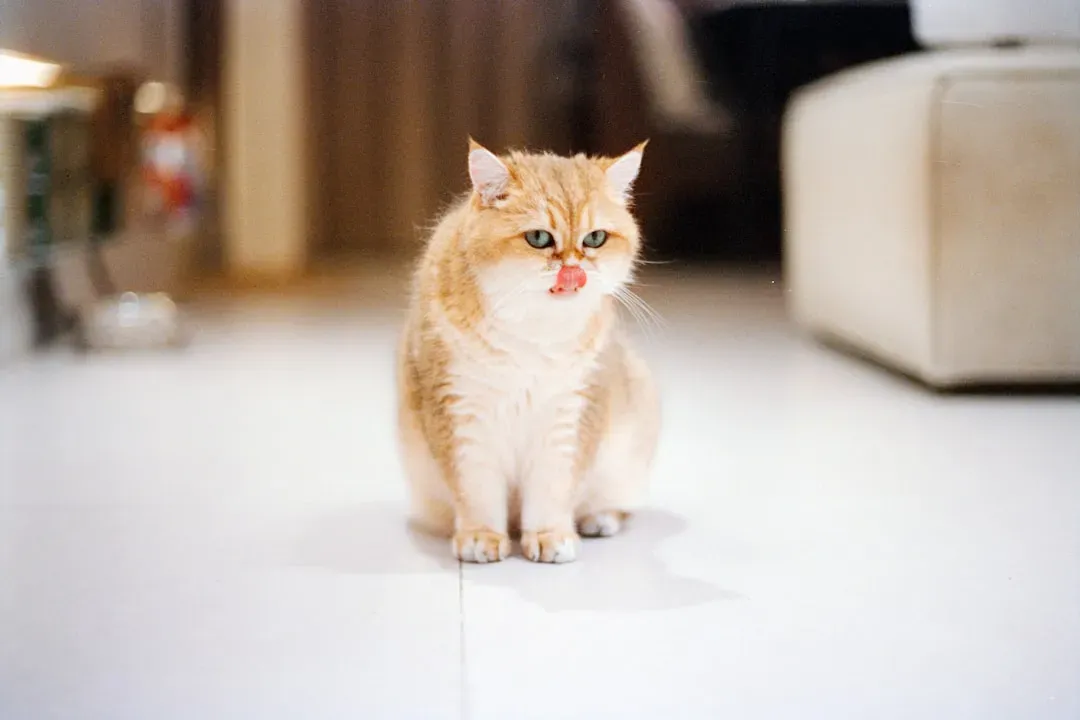
When deciding between a male and a female, consider your lifestyle and what type of relationship you hope to have with your feline friend. Are you home most days, eager for a constant companion who seeks interaction? Or do you work long hours, needing a cat who can entertain themselves without developing separation anxiety?
If you work long hours and your feline friend will be spending a lot of time alone, consider bringing home a female. They typically handle solitude with grace and won’t hold it against you when you return. Males, being more attention-seeking, might struggle more with extended periods alone.
Consider your household composition too. Larger male cats tend to be more tolerant of rough handling and physical play, making them potentially better suited for families with children who might not yet have mastered gentle touch. Female cats might prefer quieter environments where they can observe and engage on their own terms.
The Connection That Matters Most
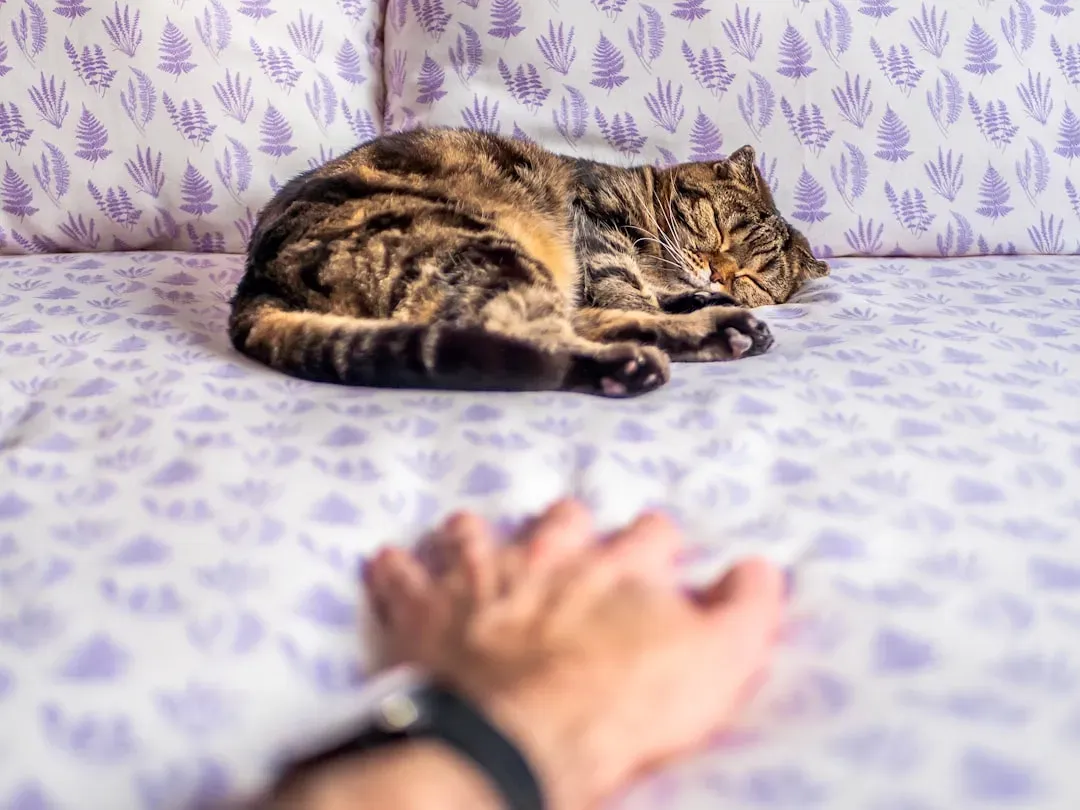
When choosing a cat to adopt, it’s less about gender and more about the connection you feel with that particular cat. This is where theory meets reality in the most beautiful way possible. You can read all the research studies and personality profiles in the world, but nothing compares to meeting individual cats and seeing who captivates your heart.
All cats have unique personalities, as many girl cats love cuddling with their owners and are just as rowdy as the boys, while some males are standoffish and prefer spending time alone, because like humans, cats are individuals with their own personalities, likes, and dislikes. I know it sounds crazy, but the cat who’s meant for you might completely defy everything you thought you wanted.
Spending time with them, observing their behavior, and considering their history and health can guide you to the perfect feline companion for your home and lifestyle. Trust your instincts. That shy female in the corner might blossom into your most devoted companion, while the boisterous male everyone overlooks could be exactly the energy your home needs.
Your perfect cat is out there, regardless of what’s listed on their adoption paperwork. Gender might influence certain tendencies, but personality, early socialization, and the unique bond you’ll build together matter infinitely more. So take your time, meet as many cats as possible, and let your heart make the final call. After all, you’re not just choosing a cat based on gender – you’re choosing your new best friend, your midnight confidant, and quite possibly the small tyrant who’ll rule your household for the next decade or more. Did you expect the answer to be so beautifully complicated?