In a heartbreaking update that conservationists are calling both painful and urgent, the International Union for Conservation of Nature (IUCN) has officially declared multiple species extinct in 2025 after decades of absence in the wild. Among the losses are two emblematic creatures once celebrated for their uniqueness: the tiny Christmas Island shrew and the slender-billed curlew, a migratory bird whose disappearance signifies a larger crisis for wildlife across the globe. The formal extinction listings underscore how slow bureaucratic processes can mask how long some species have already vanished — but the impact on biodiversity and ecosystems is immediate and profound.
The IUCN Red List Update: What It Means
The IUCN Red List of Threatened Species is the world’s most comprehensive inventory of global conservation status, tracking plants, animals, and fungi to evaluate their risk of extinction. Every species added to the Extinct category has not been observed in its natural habitat for many years despite extensive surveys and research. In 2025, at least six animal and insect species crossed this threshold, a figure scientists stress likely underestimates the true toll of biodiversity loss.
Official recognition of extinction often lags decades behind the last sighting because scientists require exhaustive evidence before making such determinations. This process is intended to avoid premature declarations but also soberingly reveals how long some species have quietly disappeared from Earth’s ecosystems.
The loss of any species represents more than just a name struck from a list — it reflects a permanent erosion of nature’s complexity. For researchers, policymakers, and activists alike, the latest IUCN update is a call to redouble efforts to save threatened species before they suffer a similar fate.
Christmas Island Shrew: Tiny Mammal Lost to History
The Christmas Island shrew (Crocidura trichura) was one of the smallest and most elusive mammals on Earth, once scurrying through the undergrowth of Australia’s remote Christmas Island. While the species was rarely seen even in its better years, confirmed sightings dwindled throughout the mid-20th century, with the last verified individuals collected in 1985.
Although direct causes of its decline are still debated, scientists point to a combination of invasive species, disease, and habitat disruption as likely drivers. Introduced predators like black rats and cats are known to have wreaked havoc on native wildlife, and some researchers believe parasites carried by invasive rodents may have further decimated the shrew population.
For decades conservationists hoped the shrew might still persist in unseen pockets of the island’s forests. But after repeated surveys failed to find any living individuals, the IUCN’s 2025 update finally listed the species as officially extinct. Its disappearance closes a unique chapter in Australia’s natural history and highlights the fragility of island ecosystems.
Slender-Billed Curlew: A Migratory Bird Lost Forever
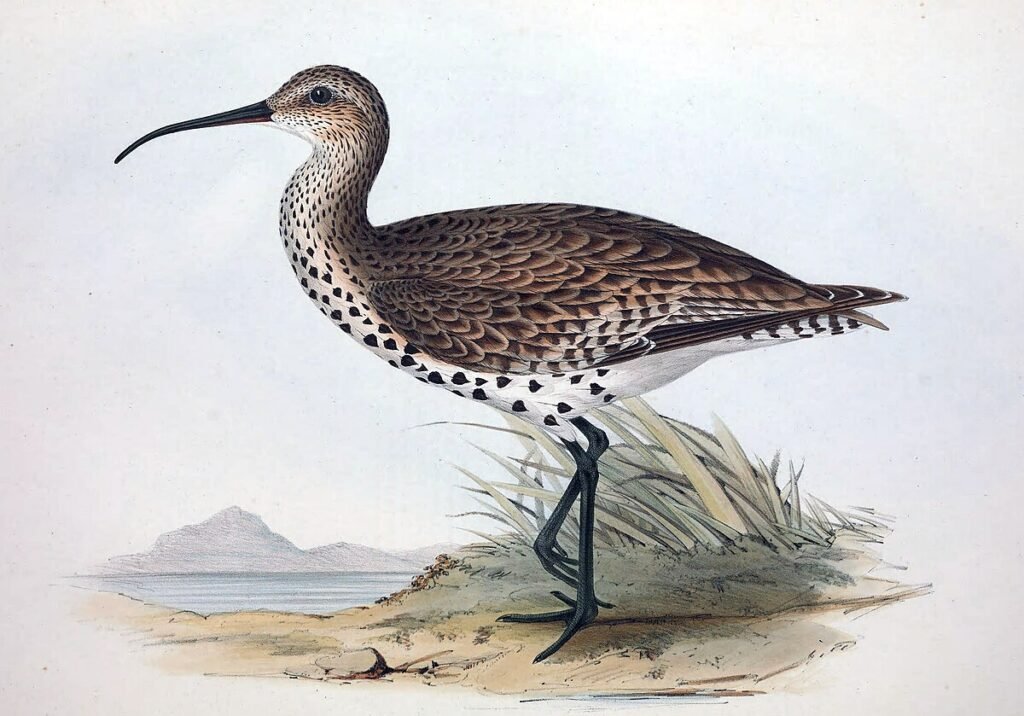
Perhaps the most evocative loss in the 2025 extinction list is that of the slender-billed curlew (Numenius tenuirostris), a long-distance migratory shorebird once seen across Eurasia and North Africa. This species was already extremely rare by the late 20th century, and the last indisputable sighting was in Morocco in 1995.
Once abundant along wetlands and coastal feeding grounds, the curlew declined precipitously due to habitat loss and overhunting. Despite extensive searches over vast tracts of territory, no verifiable sightings have occurred in decades — a grim sign that this bird’s migratory routes no longer host its passage.
Experts lament the slender-billed curlew’s extinction as a loss not just of a species but of a symbol of connectivity between continents. Its disappearance underscores the difficulties migratory birds face in the modern world, facing threats across multiple countries and habitats.
Other Species on the Extinction List
Beyond these high-profile losses, the 2025 IUCN update adds several lesser-known but equally irreplaceable animals to the Extinct category. These include a cone snail species (Conus lugubris) and three Australian mammals: the marl (Perameles myosuros), the south-eastern striped bandicoot (Perameles notina), and the Nullarbor barred bandicoot (Perameles papillon).
Like the shrew and curlew, many of these species had not been seen in decades, and their formal reclassification as extinct reflects extensive field surveys and historical data reviews. Each represents a piece of ecological heritage lost, often from remote or fragile habitats where invasive species, habitat degradation, and human pressures have driven declines over generations.
Scientists stress that the official extinction listings are likely conservative; many organisms decline unnoticed until they are gone. The 2025 update serves as both a record of loss and a stark warning about the accelerating rates of species disappearance worldwide.
Broader Trends in Global Biodiversity Loss
The 2025 extinction announcements come amid a broader pattern of concern about global wildlife declines. The most recent assessments suggest that a large proportion of bird species worldwide are experiencing population decreases, with habitat destruction, climate change, and human activity cited as major drivers.
These trends are not limited to charismatic animals; lesser-known insects, plants, and fungi also face similar pressures, often with even fewer protections or conservation efforts directed their way. The cumulative effect is a weakening of ecosystems that support human well-being and natural resilience.
Conservationists urge that the formal recognition of extinctions should galvanize stronger policy action, increased funding for endangered species protection, and international cooperation to address threats that transcend borders.
Hope in Action: Conservation Success Stories
Despite the bleak news, pockets of hope remain in efforts to preserve biodiversity. Some species once thought extinct have been rediscovered or successfully reintroduced through concentrated conservation programs. These “Lazarus” rediscoveries remind scientists that persistence and targeted intervention can yield surprising results.
Programs to protect critical habitats, restore ecosystems, and mitigate the impacts of climate change are ongoing around the world. Increased awareness, community engagement, and scientific innovation are key elements driving these efforts forward.
But the contrast between these hopeful stories and the stark reality of 2025’s extinction listings reinforces an urgent truth: prevention remains far more effective — and far less costly — than attempting to reverse losses after they occur.
A Call to Protect What Remains
The formal extinction of species like the Christmas Island shrew and the slender-billed curlew in 2025 signals not just an ecological loss but a moment of reckoning. These listings serve as red flags, reminding humanity of the consequences of habitat destruction, invasive species, and insufficient conservation action. Each extinction diminishes global biodiversity and weakens ecosystems that sustain life on Earth.
Yet within this somber moment lies an opportunity: to take decisive action now to protect species teetering on the brink. Conservation efforts that combine science, policy, and community stewardship offer pathways to safeguard what remains. If lessons from the past are heeded, the tide of loss can be slowed — and, in some cases, reversed. The challenge ahead demands urgency, innovation, and collective resolve to ensure that future extinction lists are shorter rather than longer.
Kristina is a young writer from India. An arts graduate and an avid content creator, Kristina is passionate about animals and wildlife. She enjoys exploring topics related to pet care, animal behavior, conservation, and nature, combining thorough research with engaging storytelling.