You probably think you’re the perfect cat parent. You fill their bowl, clean that litter box, maybe even let them sleep on your pillow. Yet somehow, your feline friend still gives you the cold shoulder or sulks away when you least expect it. What gives?
Cats can experience a range of emotions, from joy and curiosity to fear and anger, which means yes, you can absolutely . The tricky part is that it’s easier than you think to upset a cat, and chances are you’re doing things daily that secretly bruise their delicate ego. Let’s be real, these little furballs are way more sensitive than their aloof reputation suggests. So let’s dive in and uncover the harmless habits that might be making your cat question your entire relationship.
Ignoring Your Cat When You’re Not Busy
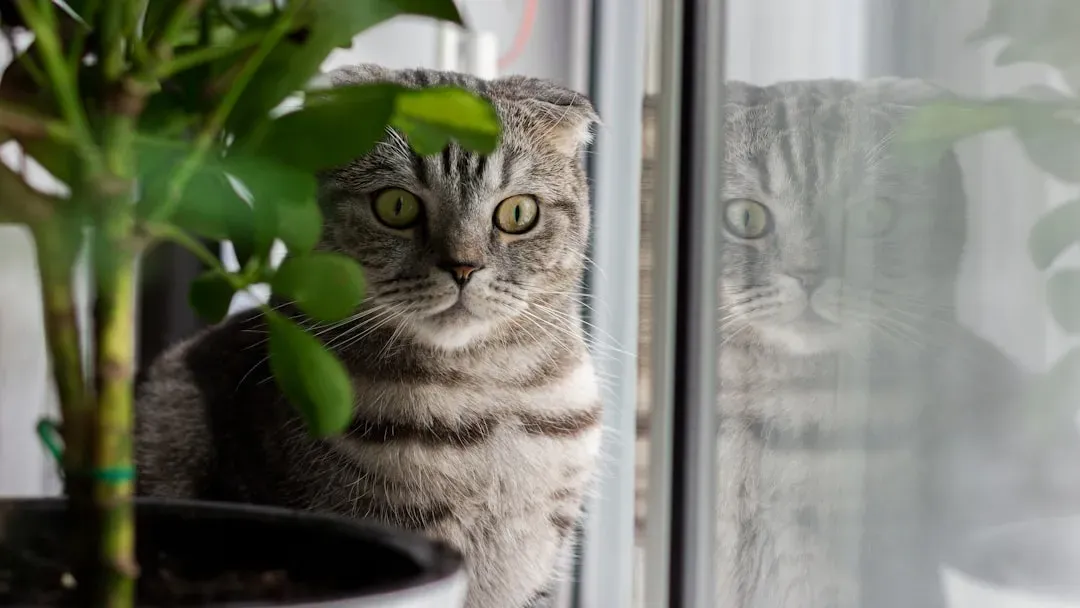
Ever find yourself scrolling through your phone while your cat stares at you with those enormous eyes? You might think they’re independent creatures who don’t really care about your attention, but that couldn’t be further from reality. Cats have an offspring-caretaker bond with their owners similar to parents and children, and not giving them enough attention is bound to hurt their feelings.
Some cats are perfectly okay with being left alone all day, but most feel dejected when their humans stay away for too long. They might not jump on you demanding cuddles like a dog would, yet that doesn’t mean they want complete isolation. Setting aside quality time shows them you care, and honestly, five minutes of engaged playtime beats hours of distracted coexistence.
Pushing Them Away When They’re Being Curious
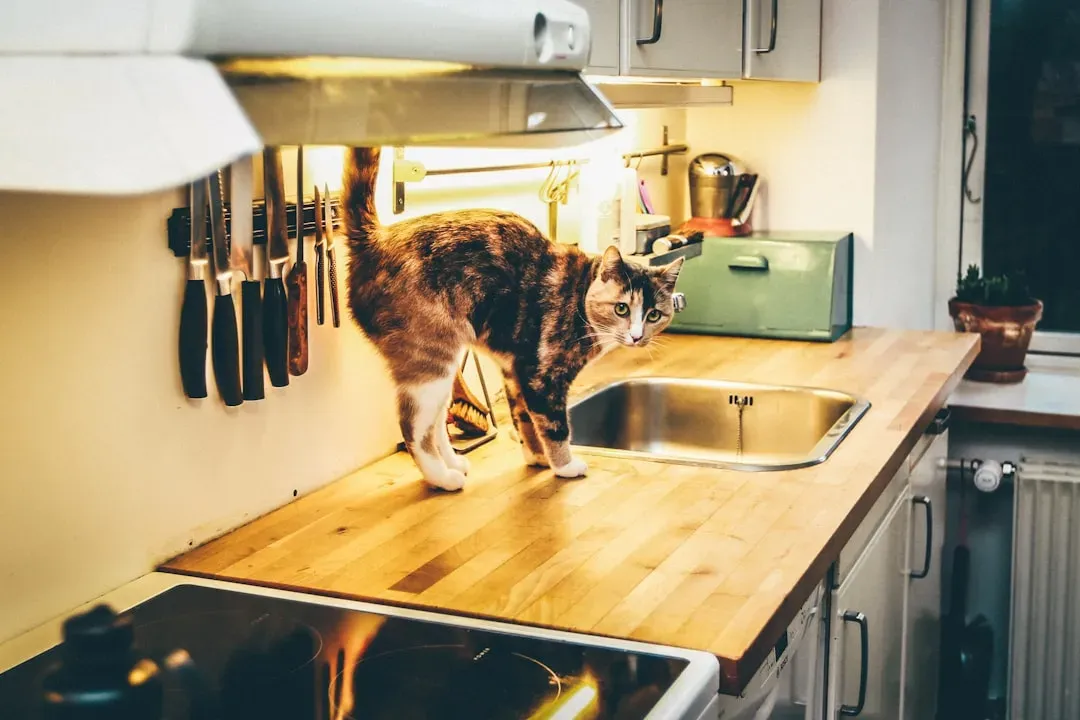
Picture this: You’re chopping vegetables and suddenly there’s a furry face right where the knife is heading. Your natural reaction is to shove them aside, right? Though it seems practical and safe, pushing your cat away, regardless of the circumstance, is a good way to hurt their feelings.
Cats can’t help their curious nature and they want to know exactly what you’re doing. Instead of that blatant shove, try offering a quick pet and redirecting them elsewhere. They’re not being annoying on purpose. They just want to be part of your world, even if that world involves dangerously sharp objects.
Raising Your Voice or Yelling at Them
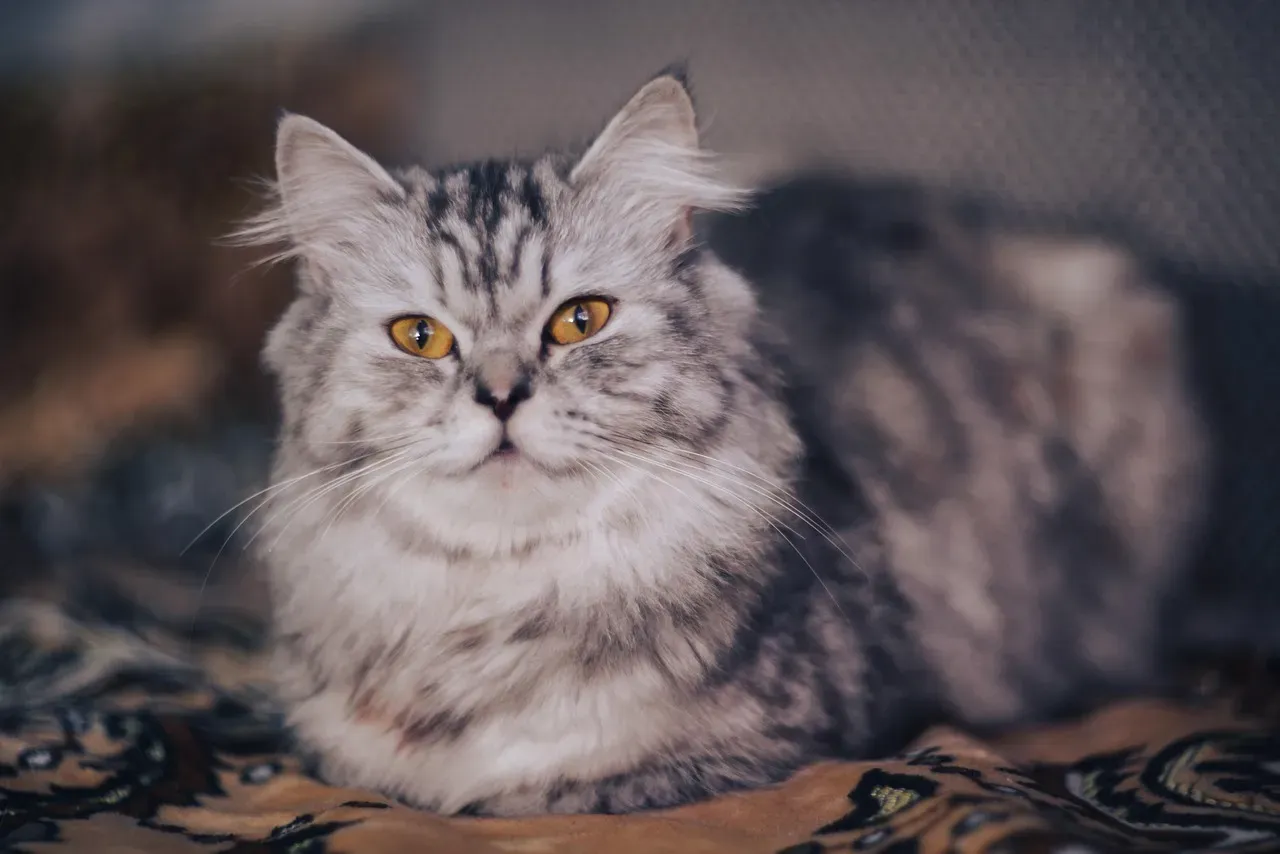
Maybe your cat knocked over your favorite mug, or perhaps they decided to sprint across your face at three in the morning. Losing your temper feels justified in the moment. However, anything you do that hurts or scares your cat is going to create a rift in your relationship, and yelling causes them unhappiness.
Cats have an impressive sense of hearing and are particularly sensitive to high-pitched noises such as loud alarms and screaming. Your raised voice doesn’t just startle them, it genuinely frightens them. Feline ears are extra sensitive to loud noises and they can perceive the person making these noises as a threat. That means every time you snap, they might see you less as their beloved human and more as something scary to avoid.
Wearing Strong Perfumes or Using Scented Products
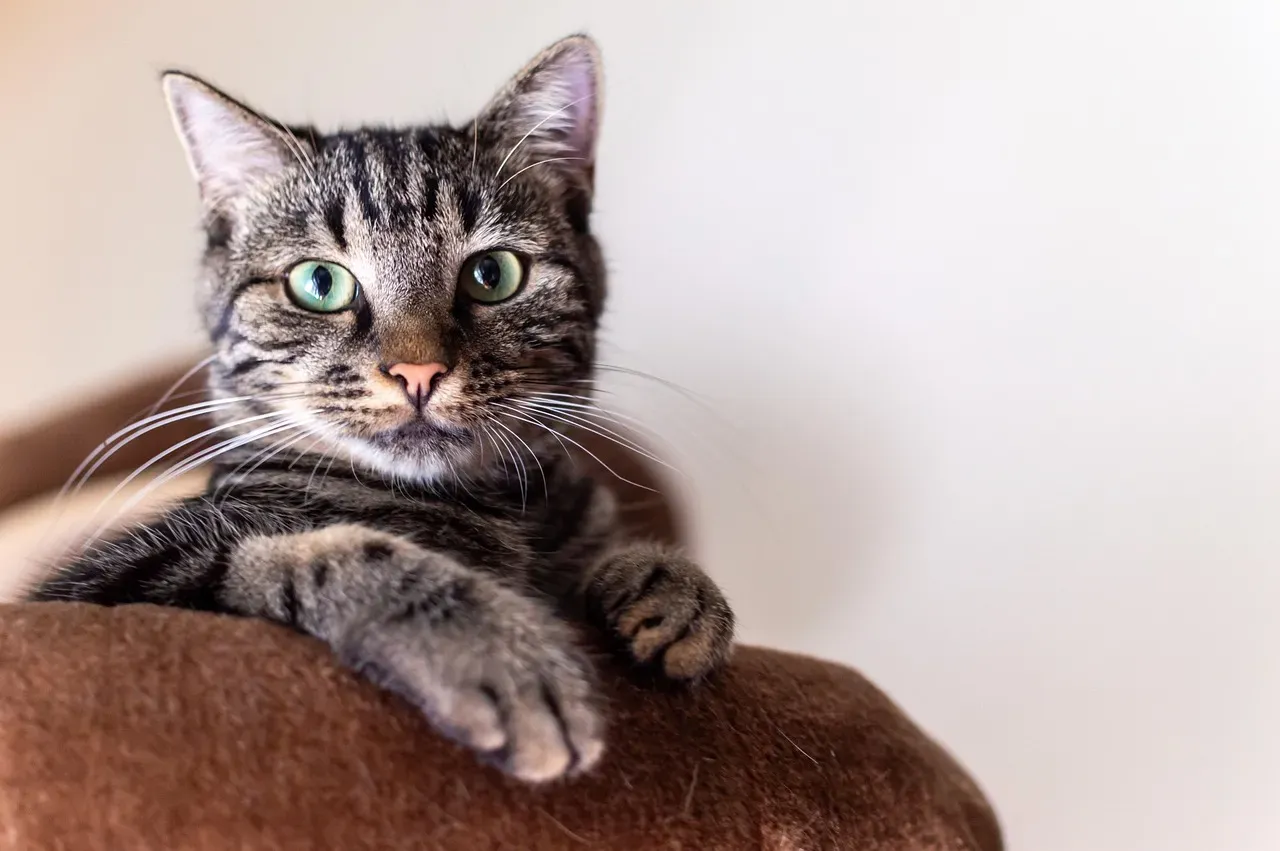
You smell amazing in that new perfume, but your cat might violently disagree. Cats have over 200 million odor receptors in their noses compared to five million in humans, so strong smells such as perfume and scented candles can irritate them. That plug-in air freshener you love? It’s overwhelming their sensitive system.
Cats have a strong sense of smell that they use to navigate their world, and while they love some scents like catnip, they dislike citrus, cayenne, and lavender. Even switching to a lavender-scented shampoo could emotionally hurt your cat without you realizing it. If your cat suddenly avoids you after you’ve changed your scent, you’ve got your answer.
Making Sudden Changes to Their Environment
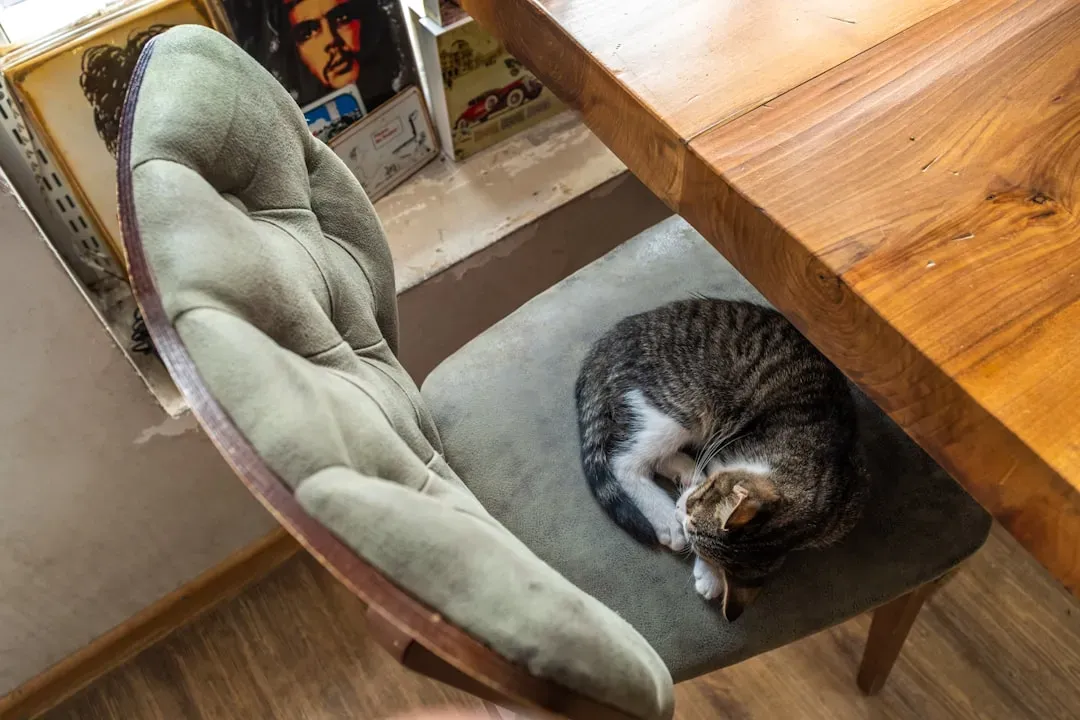
Rearranged the furniture? Bought a new couch? Moved their litter box to a more convenient spot? Congratulations, you’ve just rocked your cat’s entire world. Cats are creatures of habit and sudden changes like new furniture, guests, or moving their litter box can be emotionally unsettling.
Cats are more likely to be upset by changes in environment or routine than by anything else. Small changes that might seem completely insignificant to you could cause hurt feelings, even something as small as changing cat litter brands. What seems like no big deal to you is a major disruption to their carefully organized universe. They rely on consistency to feel safe.
Forcing Affection or Handling They Don’t Want
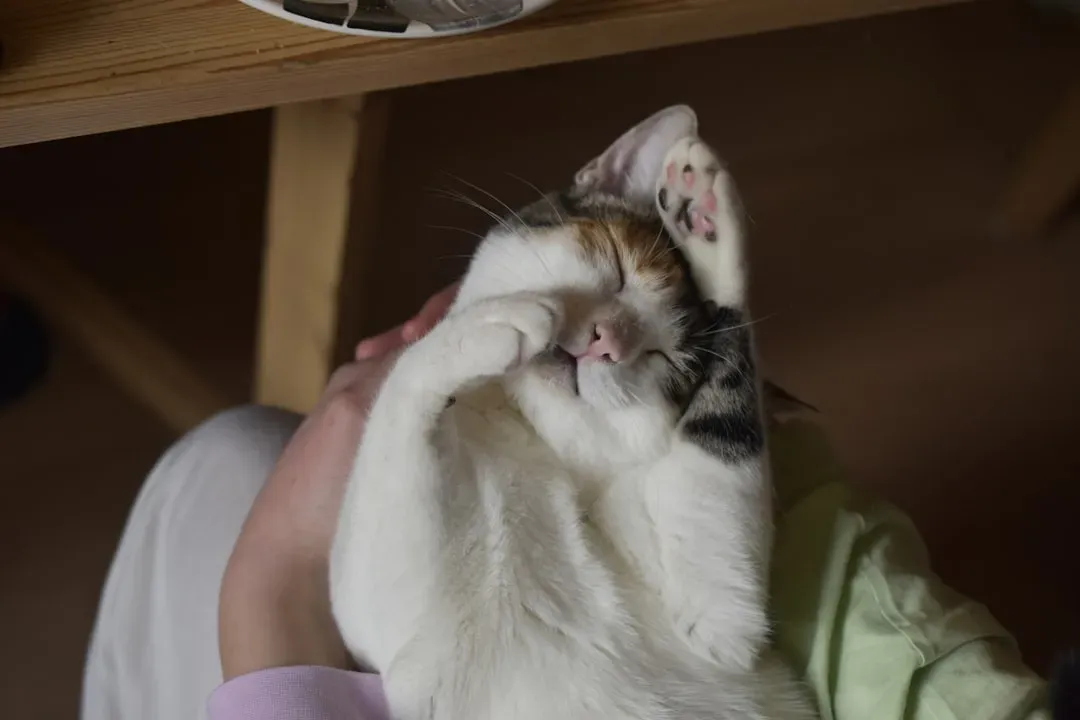
Your cat looks adorable and fluffy, so naturally you want to scoop them up for a cuddle. The problem? Not all cats enjoy being picked up or held. Being too aggressive with affection can make your cat feel scared and anxious, such as picking them up if they don’t like to be held or trying to pet them when they want personal space.
Cats are sensitive to touch and while petting them in the right spot will make them purr, touching them in the wrong place makes them anxious and irritated, as can picking up or hugging them unexpectedly. Some cats simply don’t like being touched much, while others might feel like they’re being grabbed by a predator. Respecting their boundaries isn’t rejection, it’s actually showing them love in the language they understand.
Neglecting Their Litter Box

I know, cleaning the litter box is nobody’s idea of a good time. Still, letting it get too dirty is a huge offense in the feline world. Your cat might feel upset with you if you don’t keep their litter box pristine because cats are fastidious creatures.
A filthy litter box actually offends your cat for evolutionary reasons since small felines are also prey in the wild, and cats are born with the instinct to bury their excrement. When you leave their bathroom disgusting, you’re essentially forcing them to choose between using a revolting toilet or going somewhere inappropriate. Neither option makes them happy, and both damage your bond.
Conclusion: Understanding Your Cat’s Emotional World
Here’s the thing about cats: they might act like they don’t care, but underneath that cool exterior lies a surprisingly sensitive soul. Cats are keenly aware of our emotions and sensitive to changes in their surroundings, making it possible to . The behaviors we’ve covered seem harmless because they’re so common, yet each one chips away at the trust and comfort your cat feels with you.
The good news? Now that you know what bothers them, you can make simple adjustments. Pay attention to their body language, respect their boundaries, and remember that what seems trivial to you might be monumental to them. Your cat isn’t being dramatic or difficult. They’re just being, well, a cat.
What surprised you most about these behaviors? Have you been unknowingly hurting your cat’s feelings? Share your thoughts in the comments below.
Kristina is a young writer from India. An arts graduate and an avid content creator, Kristina is passionate about animals and wildlife. She enjoys exploring topics related to pet care, animal behavior, conservation, and nature, combining thorough research with engaging storytelling.