You’ve probably heard people talk about the joys of pet ownership, maybe even rolled your eyes at those viral cat videos. Yet here’s the thing: once you cross into your mid-forties and beyond, life starts throwing different challenges your way. Retirement looms, kids move out, friends relocate. The house feels a bit emptier than it used to.
Maybe you’ve thought about getting a pet but assumed it was too much work or that cats were just aloof creatures who ignore you unless they want food. Let me tell you, the reality is far more interesting. Bringing a feline friend into your life after 45 isn’t just about having someone to feed. The benefits run deeper than you might imagine, touching everything from your heart health to your social life in ways that might genuinely surprise you.
Your Blood Pressure Gets a Furry Reset Button
Research shows that people who share their lives with cats have better cardiovascular health than those who don’t, and having a pet can reduce blood pressure. Think about it: you’re sitting on the couch after a stressful day, and your cat jumps up, settles into your lap, and starts purring. That simple moment does something remarkable to your body.
Studies using university students found that petting cats for just ten minutes decreased cortisol levels in their saliva. If it works for stressed college kids cramming for exams, imagine what it does for you when you’re worrying about retirement funds or health issues. Cat owners are up to 30 percent less likely to experience heart diseases, which is honestly a statistic worth paying attention to at this stage of life.
That Purr Is Basically Free Therapy
You might think a cat’s purr is just background noise, but it’s actually way more fascinating than that. Studies confirm that purring falls between 25 and 240 Hz, which is the frequency known to speed up healing of wounds, broken bones, and tendon and joint injuries. Yeah, you read that right. Your cat’s motor isn’t just cute – it’s therapeutic.
A cat’s purr operates within a range that’s medically therapeutic for illnesses in humans, and can lower stress, help labored breathing, lower blood pressure, and even heal bones. So when your joints ache from that weekend gardening project or you’re recovering from a minor procedure, having a purring cat nearby might actually help. It sounds crazy, but the science backs it up.
Loneliness Doesn’t Stand a Chance
This one hits different when you’re past 45. Research is the first to demonstrate that cat companions can decrease feelings of loneliness in older adults. Feline ownership can ease loneliness, improve health, and even reduce doctor visits. Life changes rapidly during these years, and suddenly you’re home more often than before.
Fostering a shelter cat with the option for adoption may be an effective solution for alleviating loneliness and improving mental health in older adults, with high interest in adoption when perceived barriers were removed. There’s something about having another living being in your space that makes the quiet less oppressive. Cats provide companionship without being demanding, which is perfect when you want connection but also value your independence.
They Give Your Days Structure and Purpose

When routines shift – maybe you’re working less, or not at all – days can blur together. Pets provide a sense of responsibility and purpose, and your regular routine of feeding, scooping, and playing gives structure to your life and stimulates you mentally. It’s not overwhelming, but it’s enough to give your mornings meaning.
You wake up because someone needs breakfast. You play because it’s enriching for both of you. Activities people did with their cats increased feelings of enjoyment and provided feelings of purpose, helping people lower stress levels, better manage emotions, and even increase their ability to handle difficult life circumstances. Honestly, having that gentle nudge to stay engaged with life matters more than most people realize.
Your Brain Stays Sharp and Engaged
Let’s be real: keeping your mind active becomes increasingly important as you age. Interacting with cats improves mood and activates the prefrontal cortex and inferior frontal gyrus in the brain, contributing to physiological and psychological health. These aren’t just feel-good hormones at work – your actual brain regions light up when you engage with your cat.
Cats also keep you on your toes in unexpected ways. You’re observing their behavior, anticipating their needs, solving little problems like figuring out why they suddenly won’t eat their favorite food. Cat owners have better psychological health than people without pets, claiming to feel more happy, more confident, less nervous, and better able to sleep, focus, and face problems. Your cognitive function benefits from this daily mental stimulation in ways that crossword puzzles alone can’t match.
Social Connections Bloom in Surprising Ways

You might not expect a cat to improve your social life, but they absolutely do. Cross-species bonding may benefit human-to-human relationships, and for cat lovers, their cats can be part of their social network, building capacity for kindness and generosity toward others. People ask about your cat, share their own pet stories, and suddenly you’re having conversations you wouldn’t have had otherwise.
There’s also something about having a cat that makes you more relatable and approachable to others. Whether it’s chatting with the vet, connecting with other pet owners online, or bonding with grandkids over your furry friend, cats become unexpected social bridges. Maintaining a social network isn’t always easy as you grow older, with retirement, illness, death, and relocation taking away close friends and family members, and making new friends getting harder. Your cat gives you something to talk about, a shared interest that opens doors.
You’ll Sleep Better Than You Have in Years
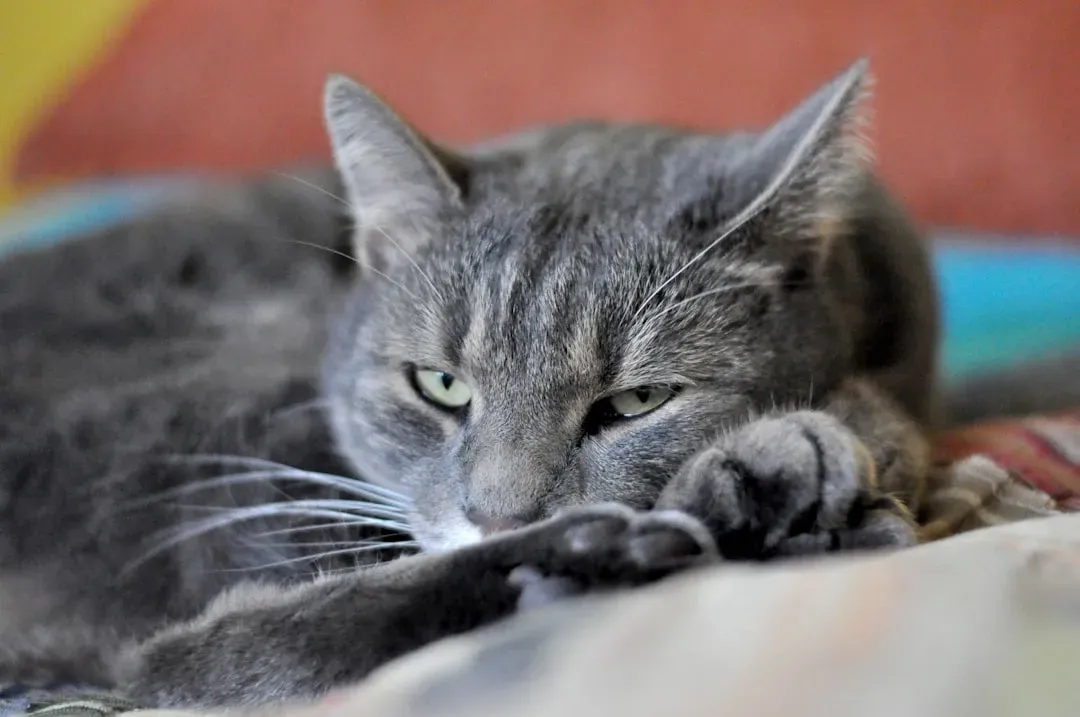
Sleep issues seem to multiply after 45, but here’s where your cat might become your unexpected sleep aid. Studies show that having your cat close by results in a better night’s sleep, with owners who allowed pets to sleep in their bed or the same room saying they had an easier time both falling and staying asleep. The warmth, the rhythmic breathing, the gentle purring – it all creates a soothing environment.
Sure, some cats might wake you at odd hours, but most settle into your sleep routine surprisingly well. There’s a comfort in not being alone in the house at night, especially if you live by yourself. Interacting with cats triggers the release of hormones like serotonin, dopamine and oxytocin, with oxytocin recognized for its role in bonding and stress relief, and physiological effects like decreased heart rate and slowed breathing. These biological changes naturally prepare your body for better rest.
Conclusion: A Companion Who Gets This Stage of Life
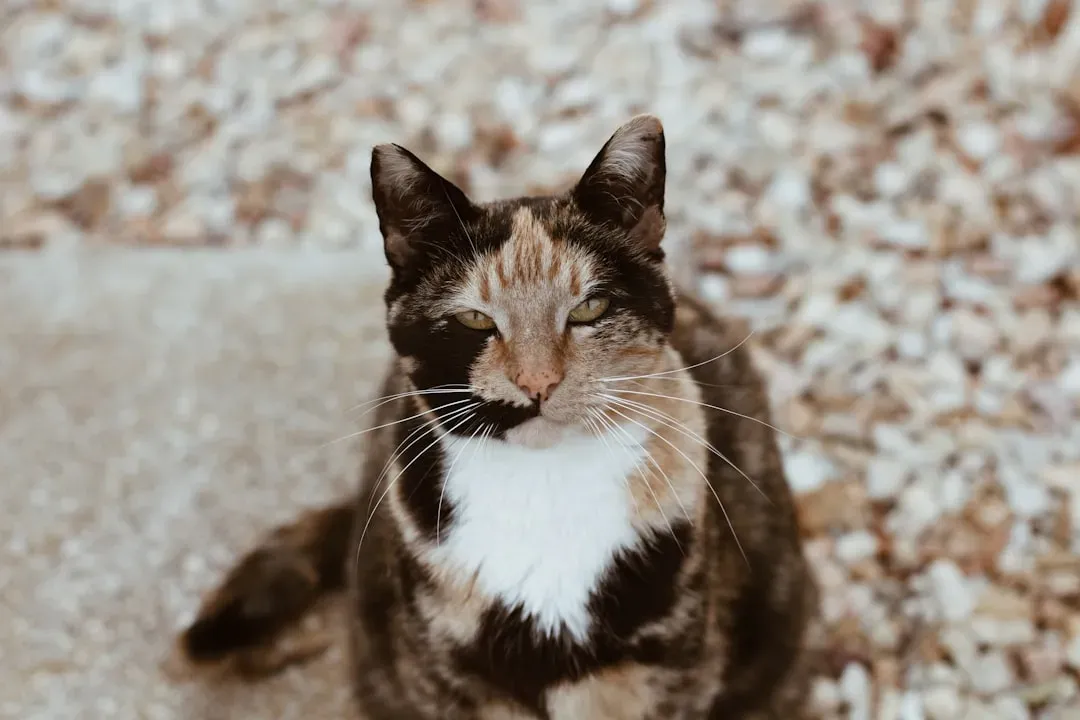
Cats are a good option for older adults because they’re more self-sufficient than dogs but still social enough to engage their owners in play and talk, and unlike dogs, they don’t require walks or intense physical exercise, making them good companions for owners with arthritis, heart disease and other health conditions. They’re low maintenance but high impact, which is exactly what you need at this point in life.
The science is clear, the benefits are real, and honestly, the companionship is priceless. Whether you’re already past 45 or approaching it, consider what a cat might bring to your life. You’re not just adopting a pet – you’re gaining a roommate who improves your health, lifts your mood, and makes coming home feel like, well, coming home.
Have you thought about welcoming a feline friend into your life? What’s holding you back?
Kristina is a young writer from India. An arts graduate and an avid content creator, Kristina is passionate about animals and wildlife. She enjoys exploring topics related to pet care, animal behavior, conservation, and nature, combining thorough research with engaging storytelling.