You’ve probably seen it happen a hundred times. Your cat sits across the room, gazes at you with those unblinking eyes, and then slowly, deliberately, closes and reopens them. It almost looks like they’re falling asleep mid-stare. Maybe you thought nothing of it, or maybe you wondered if something was wrong. Here’s the thing though: that sleepy-looking gesture isn’t random at all. It’s one of the most meaningful signals your cat can send you.
Your cat’s slow blink is a sign that they trust you and feel comfortable around you. Think of it as a feline kiss, their version of saying “I love you” without making a sound. The more you understand these subtle cues, the deeper your connection with your furry companion becomes. So let’s dive in and decode the secret messages your cat has been sending all along.
The Science Behind the Slow Blink
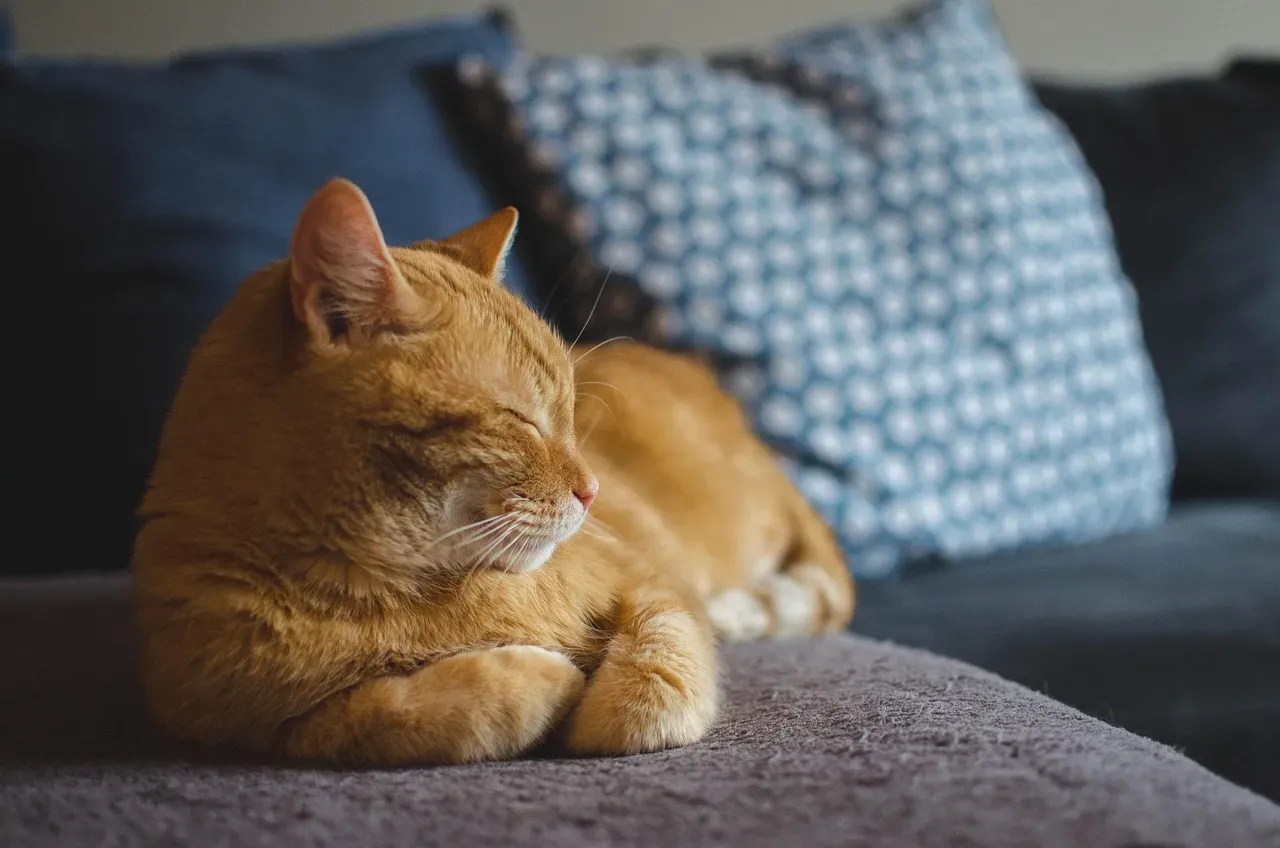
Research revealed that cat half-blinks and eye narrowing occurred more frequently in response to owners’ slow blink stimuli towards their cats compared to no interaction. Scientists at the University of Sussex actually studied this phenomenon, and what they discovered was pretty remarkable. When humans slow blink at cats, the cats are significantly more likely to slow blink back. It’s like you’re having a wordless conversation.
Slow blinking has been interpreted as a means of signalling benign intentions, since cats are thought to interpret unbroken staring as threatening. In a second experiment, cats had a higher propensity to approach an experimenter after a slow blink interaction than when they had adopted a neutral expression. This research confirms what many cat lovers suspected for years: those slow blinks aren’t accidental. They’re deliberate acts of communication that help build trust between you and your cat.
What Your Cat Is Really Saying
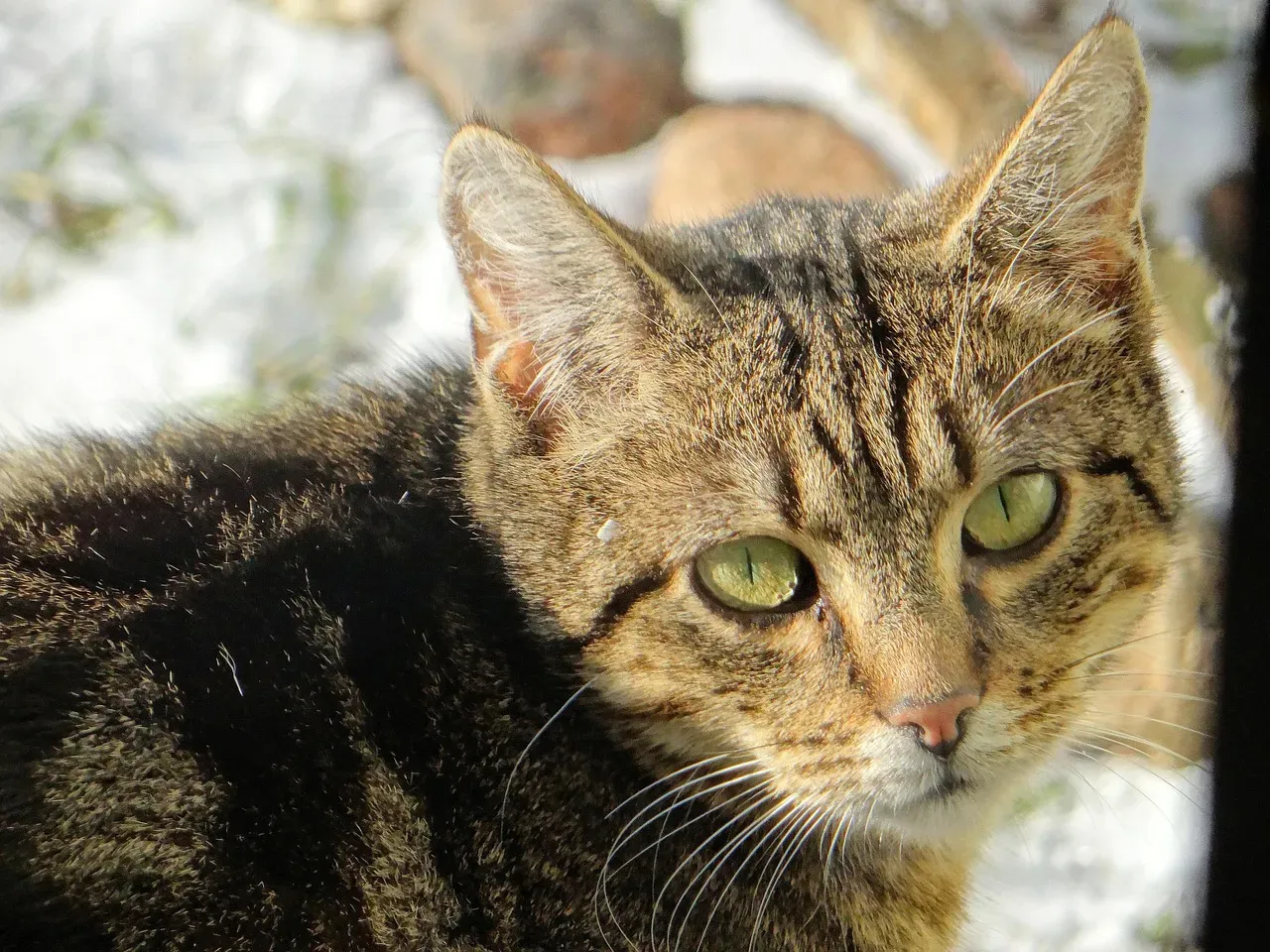
The partially closed eyes facial expression accompanied by slow blinking is similar to how human eyes narrow when smiling, and usually occurs when the cat is relaxed and content. When your cat gives you that slow, languid blink, they’re essentially telling you that everything is right in their world. They feel safe with you. They’re not threatened, not anxious, not on guard.
It’s worth noting that context matters enormously here. A cat’s slow blinking doesn’t always communicate trust or affection, though, because what looks like a slow blink is actually a squint, which generally means your pet is experiencing pain, discomfort, or injury. Pay attention to other body signals. If your cat’s body looks tense, if they’re hiding, or if the blinking seems excessive, it might be time for a vet visit instead of a cuddle session.
How to Speak Cat Back to Them
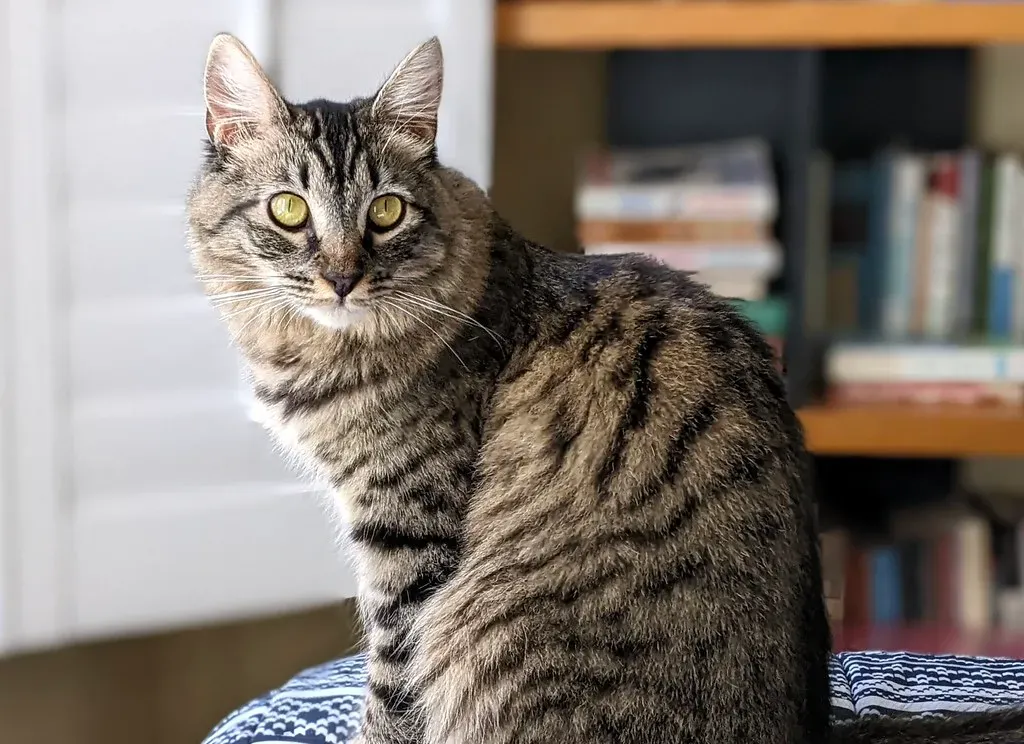
The beautiful thing about this discovery? You can talk back. Look at your cat steadily, close your eyes slowly, keep them shut tight for a moment, and then open them, and your cat will understand you perfectly. It’s honestly one of the easiest ways to bond with your feline friend.
Try it next time your cat is sitting calmly nearby. Make eye contact, narrow your eyes gently, hold them closed for just a second or two, then slowly reopen them. Cats are more likely to slow-blink at their humans after their humans have slow-blinked at them. You might be surprised at how quickly they respond. Some cats will immediately blink back, while others might get up and walk over to you, seeking more interaction.
The Tail Tells Its Own Story
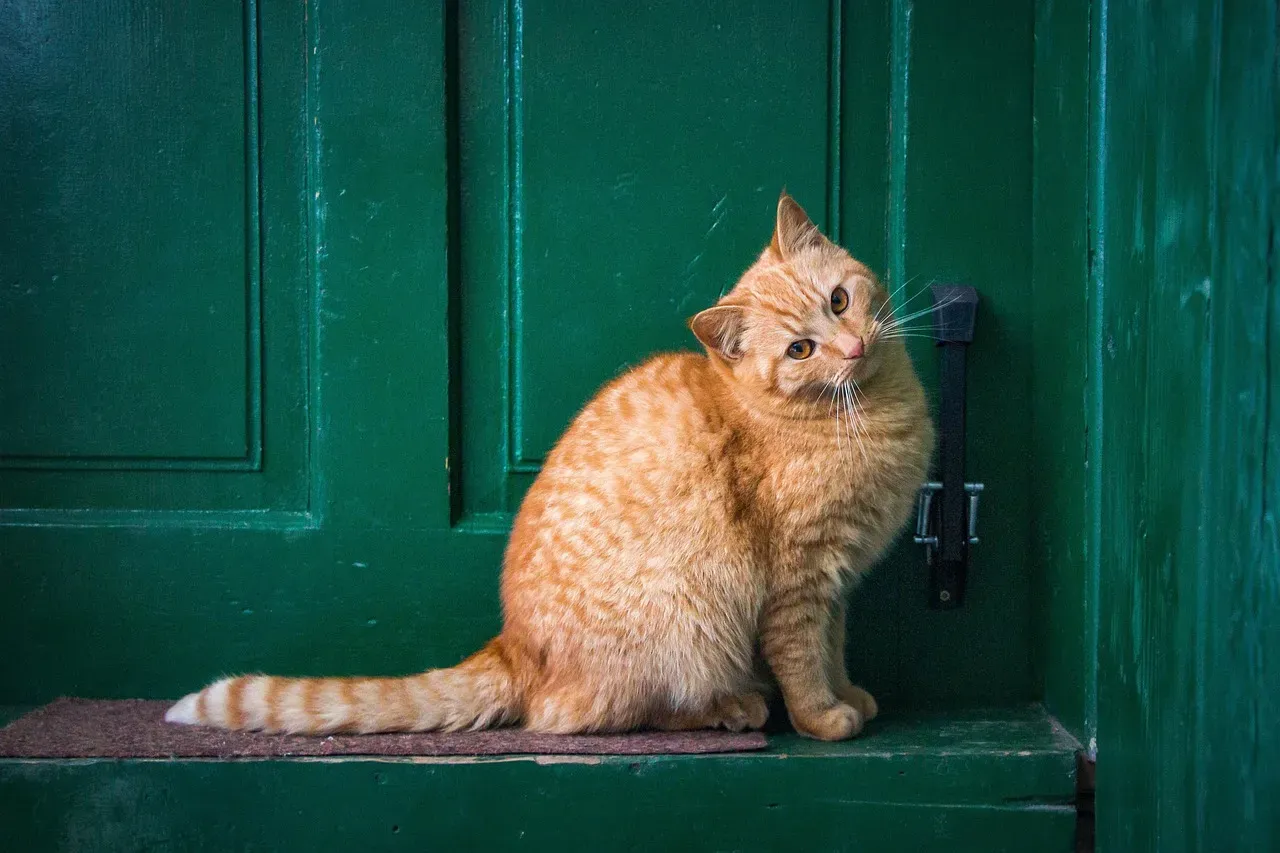
While we’re deciphering your cat’s secret messages, let’s talk about that expressive tail. In cats, it’s their tail position that provides the greatest insight into what a cat is feeling, as cats use their tail movements, along with their eyes, ears, and body postures, to communicate. Your cat’s tail is basically a mood antenna broadcasting their emotional state to anyone paying attention.
When your cat holds their tail high in the air as they move about their territory, they’re expressing confidence and contentment, and a tail that sticks straight up signals happiness and a willingness to be friendly. If you see that tail standing tall with maybe a little question mark curve at the tip, your cat is feeling great and open to interaction. On the flip side, when your cat thrashes their tail or is thumping it on the ground, they are irritated, annoyed, or angry, and if you are petting your cat and they start thrashing their tail, they are trying to tell you to stop.
Ears as Emotional Barometers
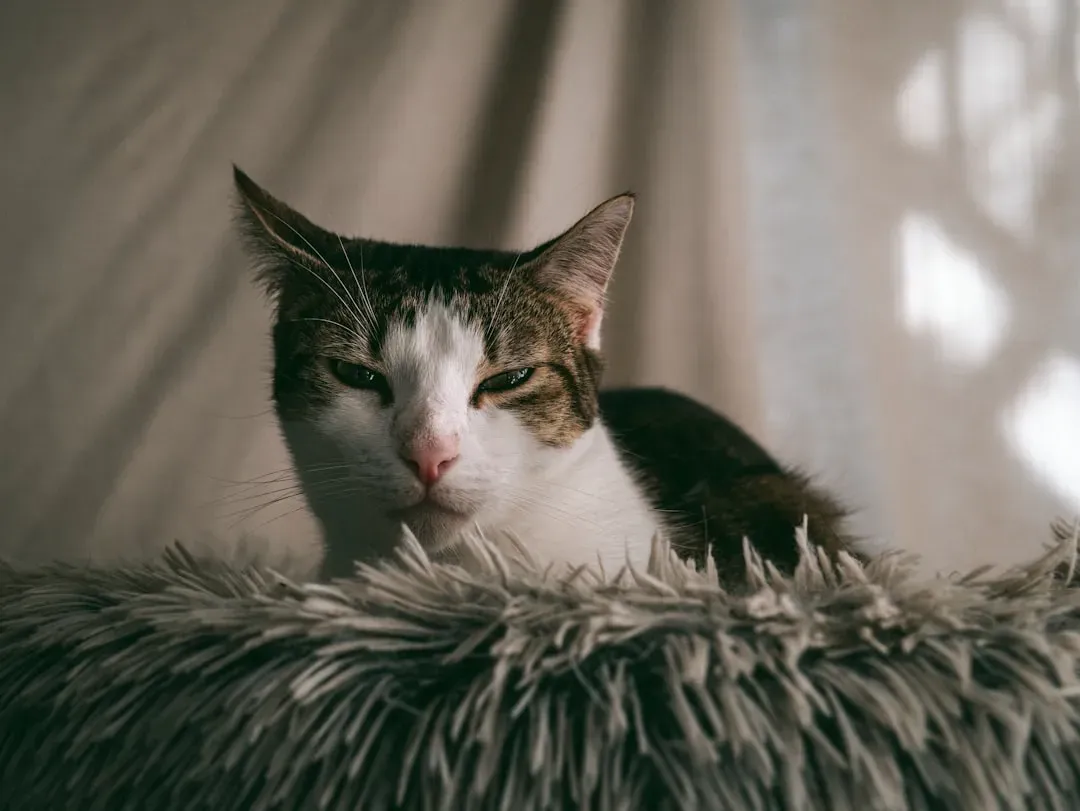
Cats have 32 muscles in each ear, way more than humans have, and these muscles allow them to move their ears 180 degrees, giving them a wide range of motion. Those triangular radar dishes on your cat’s head are constantly moving, adjusting, and communicating. Once you learn to read them, you’ll have another window into your cat’s mind.
A happy cat will usually have their ears facing forwards, while a cat that is investigating something and is on high alert will point their ears up. When your cat’s ears are in that relaxed forward position, everything is copacetic. Ears in airplane mode, flattened to the sides, usually mean your cat is nervous, anxious, or scared, which could be a precursor to them becoming aggressive, and airplane mode ears mean it’s time to back off and give them some space.
The Mysteries of the Purr
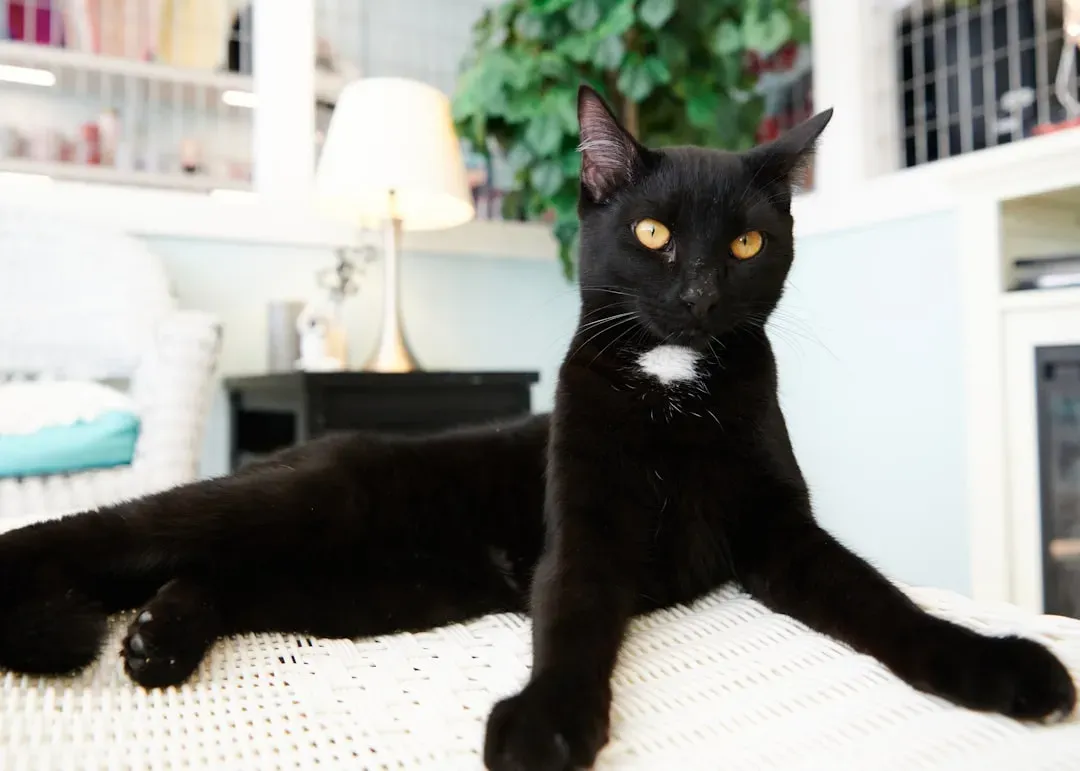
Many pet parents might assume a cat’s purring is a sign of happiness, but purrs can actually be produced when a cat is either in a positive or a negative emotional state. Here’s where things get really interesting. That rumbling motor sound isn’t always what you think it means. Yes, your cat purrs when they’re happy and content on your lap, but they also purr when they’re stressed, scared, or even in pain.
While cats do purr when they’re happy and relaxed, they also purr when they’re in pain, anxious, or frightened, and some experts even believe that cats may purr to help themselves rest or repair injuries. Sound frequencies in the range of cat purring can improve bone density and promote healing, and this association between the frequencies of cats’ purrs and improved healing of bones and muscles may provide help for some humans. So your cat might be self-medicating through vibration. Pretty amazing, right?
Reading the Whole Picture
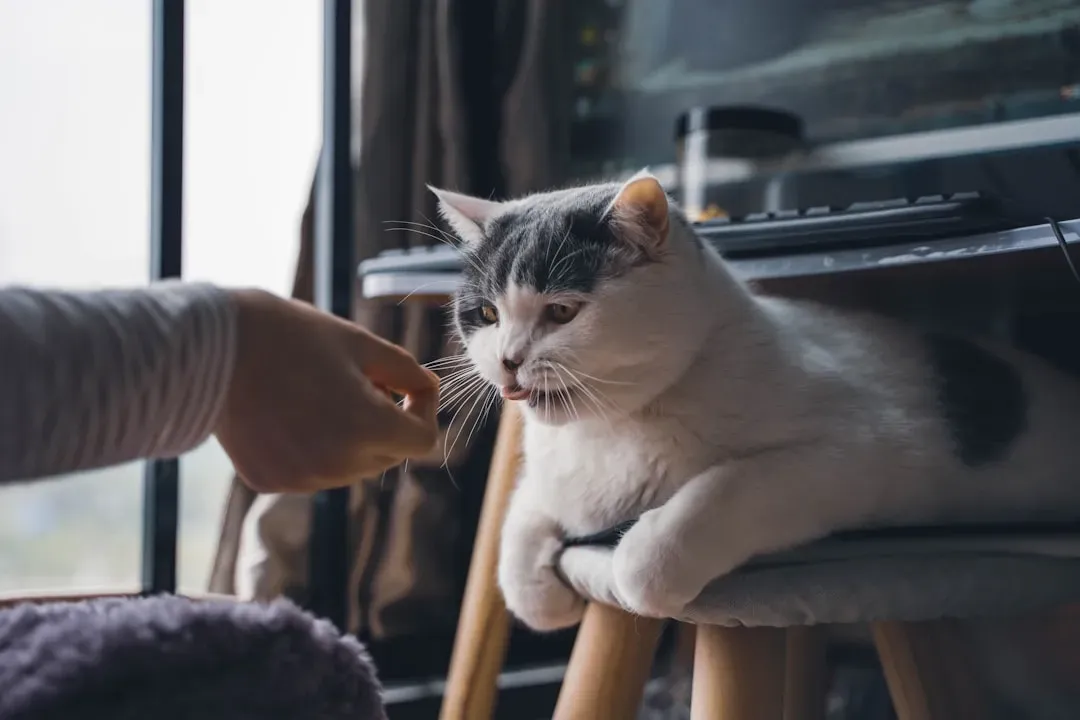
A cat’s body language and behaviors should be looked at as a part of single big picture, and by using the context of the entire situation, trying to see the situation from the cat’s point of view, and looking for subtle cues in body language, you’ll have an excellent chance at understanding your feline friends. Don’t just focus on one signal in isolation. Look at everything together.
If your cat is slow blinking but their tail is thrashing and their ears are back, something’s definitely off. But if those slow blinks come with forward ears, a high tail, and a relaxed body posture, you’ve got one contented kitty. By paying close attention to our cats’ body language, we can do a better job of attending to their needs and have even stronger, happier relationships with them. The more you observe, the more fluent you’ll become in cat.
Strengthening Your Bond Through Understanding
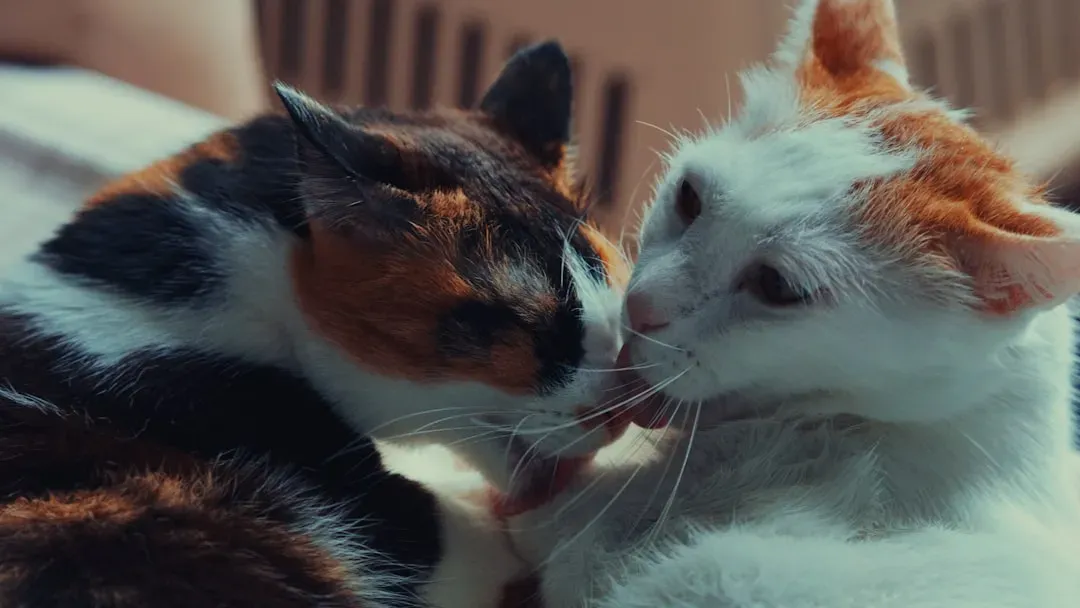
Cats that responded to human slow blinking, specifically by using eye closures, were rehomed quicker than cats that closed their eyes less, suggesting that the use of slow blinking may have given cats a selective advantage during the domestication process. Think about that for a moment. Cats essentially evolved a communication strategy specifically to connect with humans. They learned our language, in a way.
Learning how to improve our relationships with these enigmatic animals could also be a way to improve their emotional health, not just in the home environment, but across a range of potentially stressful situations. When you respond to your cat’s slow blinks, when you respect their tail warnings, when you give them space during airplane ears moments, you’re building trust. You’re showing them that you understand, that you’re paying attention, that their feelings matter.
Conclusion
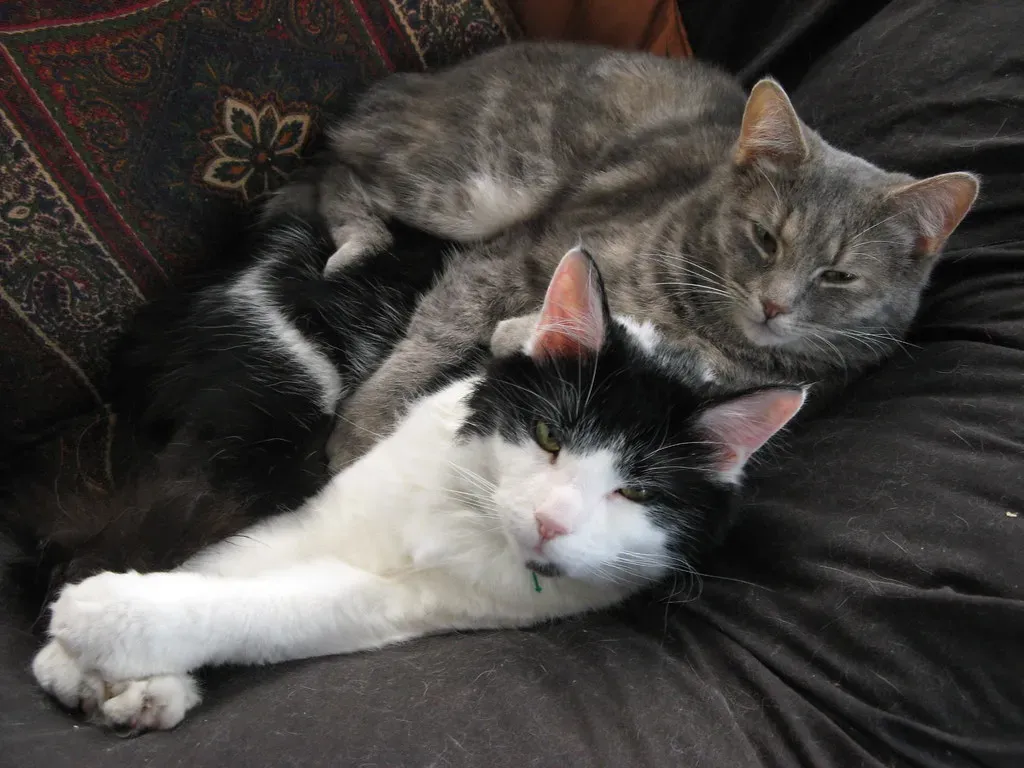
Your cat has been trying to talk to you all along, using a sophisticated system of blinks, tail positions, ear movements, and purrs. It’s a form of communication they’ve evolved specifically to better relate to and interact with us humans. Those slow blinks aren’t just cute quirks. They’re declarations of trust, affection, and comfort that your cat is offering you every single day.
The next time your cat settles nearby and gives you that sleepy, slow blink, take a moment to blink back. You’ll be speaking their language, strengthening your bond, and letting them know that you see them, you understand them, and you love them too. Your cat has already learned to speak human. Now it’s your turn to learn cat.
What has your cat been trying to tell you? Have you noticed their slow blinks before? Share your experiences in the comments below.
Kristina is a young writer from India. An arts graduate and an avid content creator, Kristina is passionate about animals and wildlife. She enjoys exploring topics related to pet care, animal behavior, conservation, and nature, combining thorough research with engaging storytelling.