When you picture a fluffy, adorable cat lounging in a sunbeam, grooming probably seems like the easy part. After all, cats are notorious for keeping themselves clean, right? Still, professional groomers will tell you a different story. Some of the most elegant, gorgeous cat breeds demand way more maintenance than most people realize.
These beautiful felines might look like low maintenance companions, but beneath those luxurious coats and sweet expressions lies serious grooming commitment. Let’s be real, not every gorgeous cat is easy to manage. In fact, some require professional intervention just to keep them comfortable and healthy. Ready to discover which breeds have groomers rolling up their sleeves? Let’s dive in.
Persian Cat
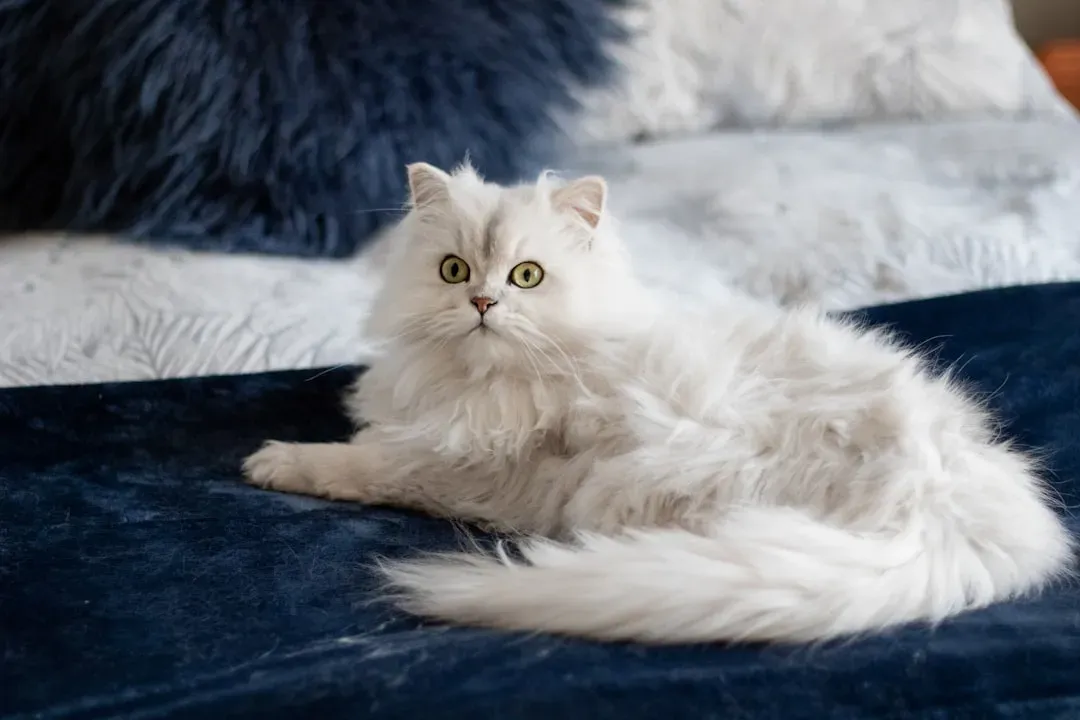
Their long fur requires more upkeep than other types of cats so this breed of feline needs to be groomed every day. The Persian might be the ultimate example of beauty demanding effort. Persian cats have a long, silky double-coat which will matt and tangle easily if not brushed daily.
Rapid matting: Even with daily brushing, mats can form overnight in certain areas. Honestly, these cats can develop tangles behind the ears, under the armpits, and around their rump faster than you’d believe. Persian cats are more likely to excrete grease because of their thick coats that pick-up dirt and matt easily. Groomers often need specialized tools and degreasing products just to get through a single session. It’s hard to say for sure, but Persians probably rank as the most grooming-intensive breed out there.
Maine Coon
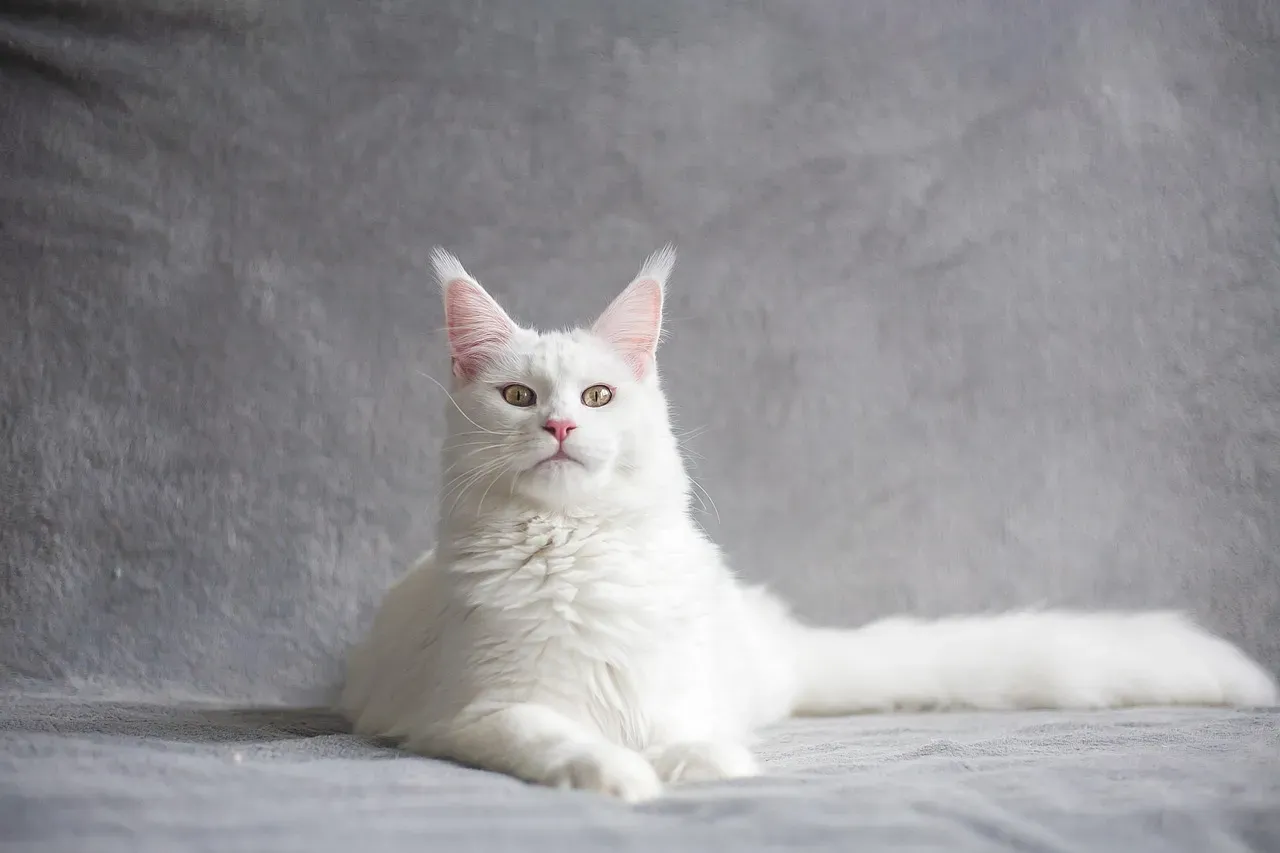
Don’t let their gentle giant reputation fool you. Maine Coon cats often develop matted fur and may resist grooming due to their thick, long coats. Matted fur in Maine Coon cats results from neglected brushing, causing painful tangles and skin irritation. These massive cats have dense undercoats that can trap dirt, debris, and loose fur.
She will tolerate 5-15 minutes of grooming before she starts objecting, and this just isn’t enough. It seems as if she can grow a matt overnight, and she has so, so much loose hair stuck in her coat. Some Maine Coons absolutely hate the grooming process despite starting young. It is actually recommended for Maine Coons as their fur tends to the oily side. Professional groomers understand these challenges and know exactly how to handle this breed’s unique coat texture and temperament.
Ragdoll Cat
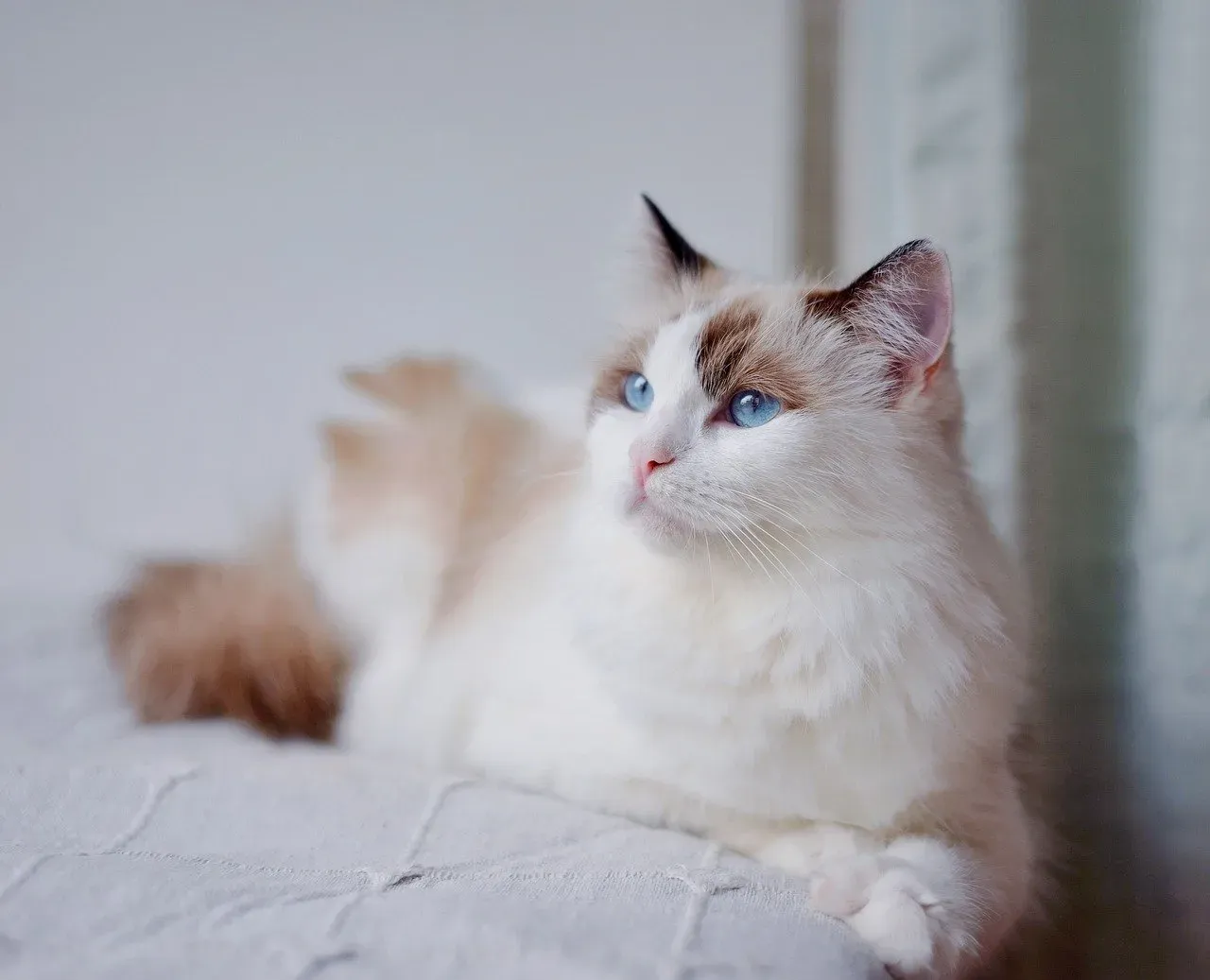
Ragdolls have this reputation for being docile and easygoing, which they often are. Yet their grooming needs tell a different story. Information from Ragdoll breeders and other online sources often claim that Ragdoll cats have non-matting fur, which is generally true, but they can indeed get mats, especially without regular grooming.
The silky texture of their coat can actually work against them. Matted fur can be painful since the tangled hairs often pull on the cat’s skin as they move. While they don’t have the dense undercoat of some breeds, their long hair around the chest, armpits, and hindquarters tangles surprisingly easily. Many owners find themselves needing professional help when home grooming sessions become too stressful for their sensitive Ragdoll.
Himalayan Cat
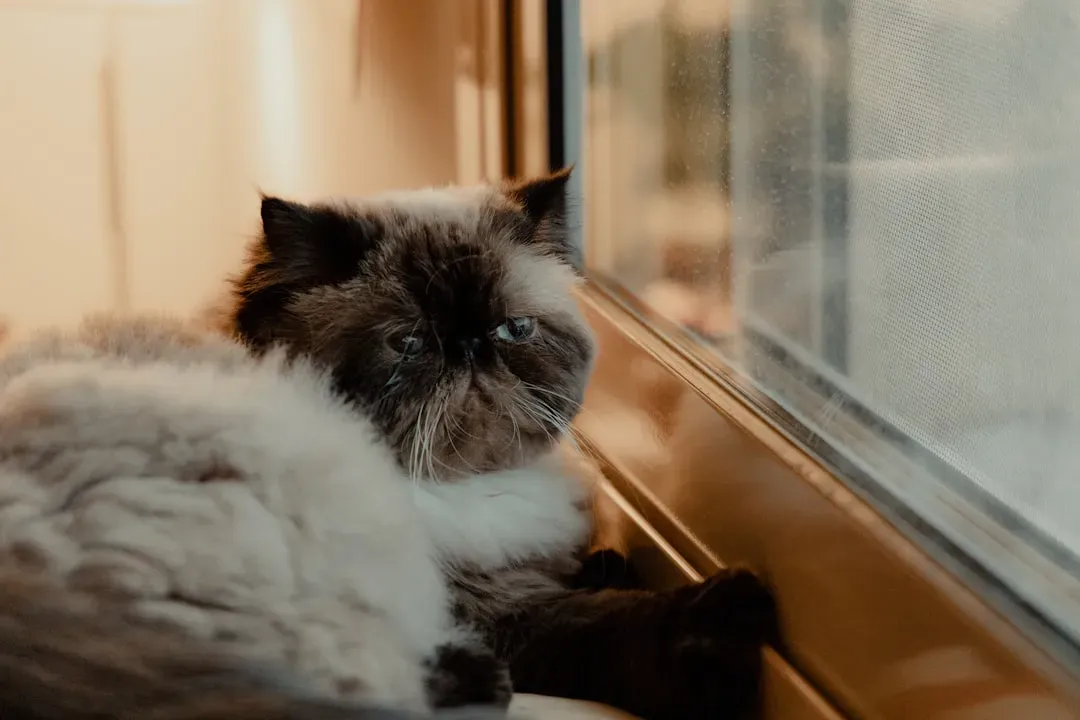
Picture a Persian with Siamese markings, and you’ve got yourself a Himalayan. The delicate and soft coat of Himalayan cats tangles very easily. These cats inherited all the grooming challenges of their Persian ancestors, which means serious daily maintenance requirements.
Himalayan cats need daily grooming to avoid knots and matting. Himalayan cats need daily grooming to avoid knots and matting. Brushing every day removes old and loose fur. In addition to increasing the risk of eye disease, the flat structure of the face also makes grooming considerably more challenging for Himalayans. Their facial structure means tear staining becomes a constant battle. Groomers familiar with Himalayans know to pay extra attention to facial cleaning and coat degreasing.
Norwegian Forest Cat
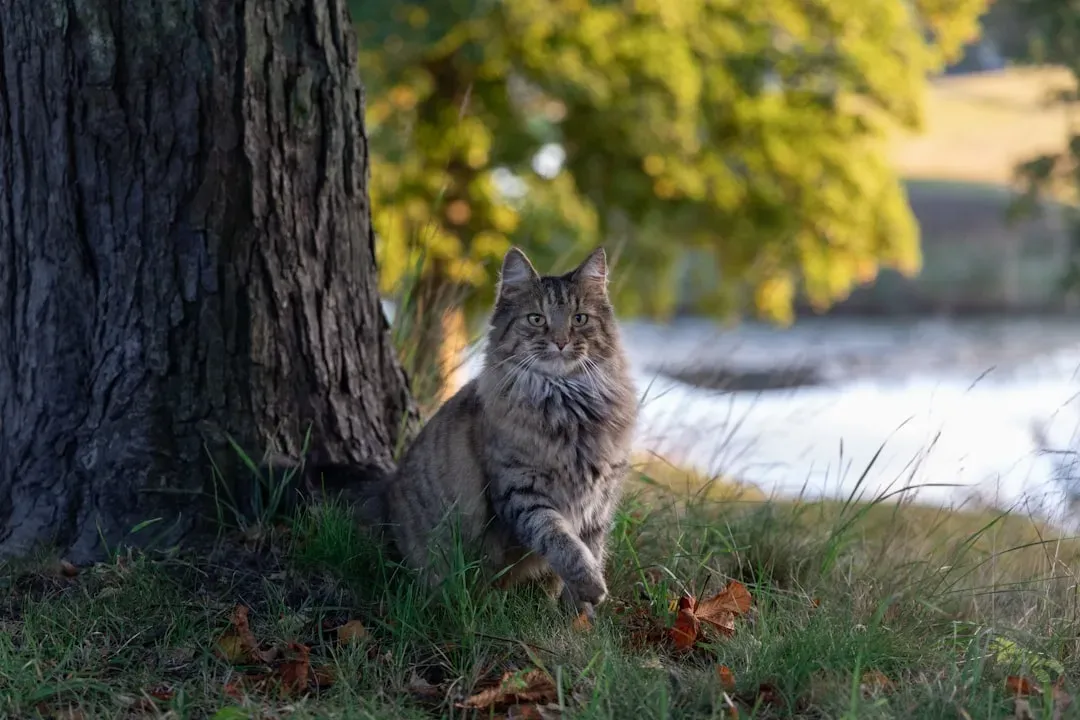
Norwegian Forest Cats were built for harsh Scandinavian winters, which means they sport an incredibly thick, water-resistant double coat. This breed looks majestic, almost wild. The flowing outer coat and dense woolly undercoat create a combination that requires consistent attention, especially during seasonal shedding periods when the undercoat releases in massive quantities.
Cat breeds that are almost as needy, but can occasionally skip a day at the home salon are the long-medium haired crew, such as Ragdolls, Norwegian Forest Cats, Maine Coons, and the like. These cats demand regular brushing to prevent matting, particularly around the ruff, pantaloons, and tail. Let’s be honest, skipping even a few days can lead to tangles that become genuinely difficult to manage without professional intervention.
Birman Cat
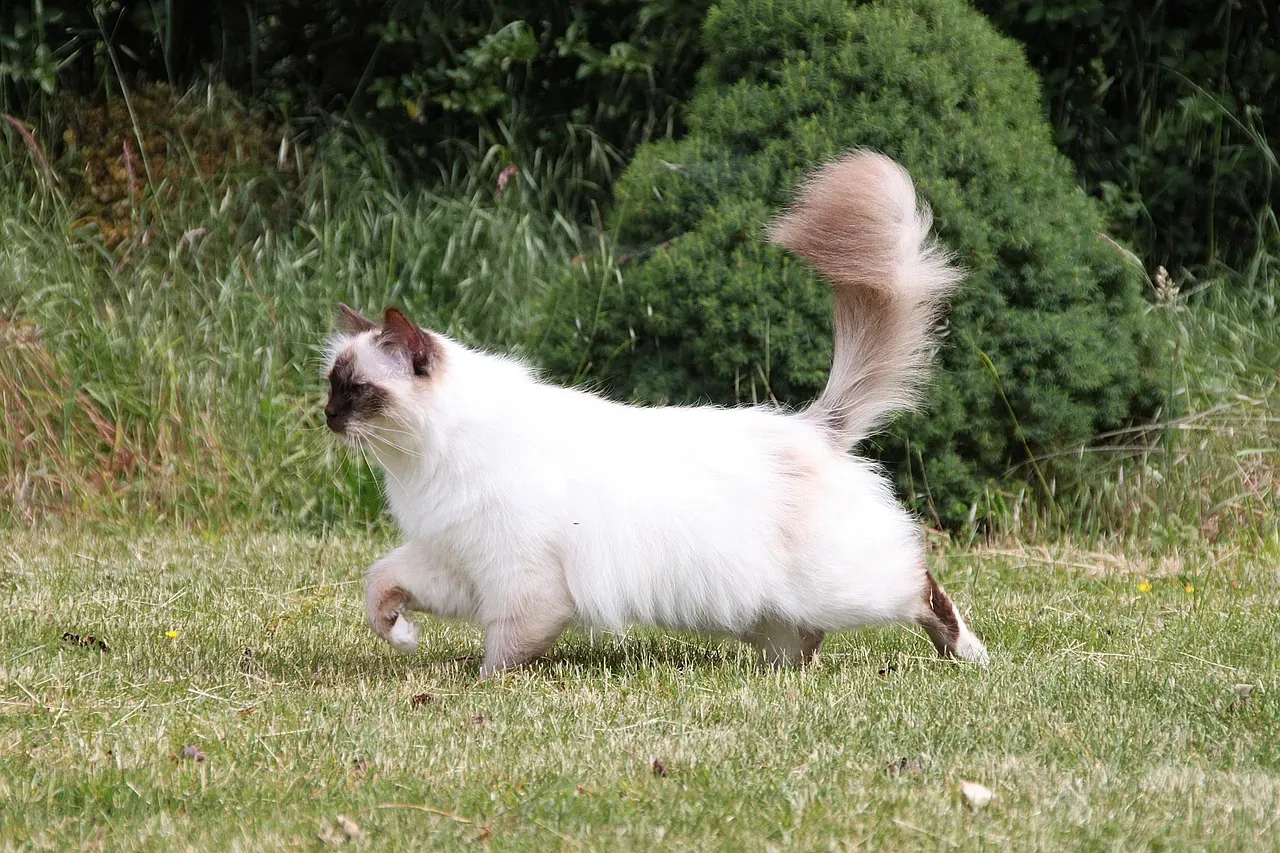
Cat breeds like the Birman, Himalayan, and Persian These longhaired cats require daily brushing to prevent tangles and matting, remove dirt and debris and to minimize shedding. The Birman might surprise you on this list because they often appear so pristine and elegant.
Their silky coat texture feels wonderful to touch but demands constant vigilance. Unlike some long-haired breeds, Birmans have coat patterns that show every speck of dirt or debris. The lighter colorpoints mean staining becomes more visible. Groomers appreciate Birmans for their typically gentle temperament during grooming sessions, though the maintenance level remains surprisingly high for such a refined-looking breed.
Turkish Angora
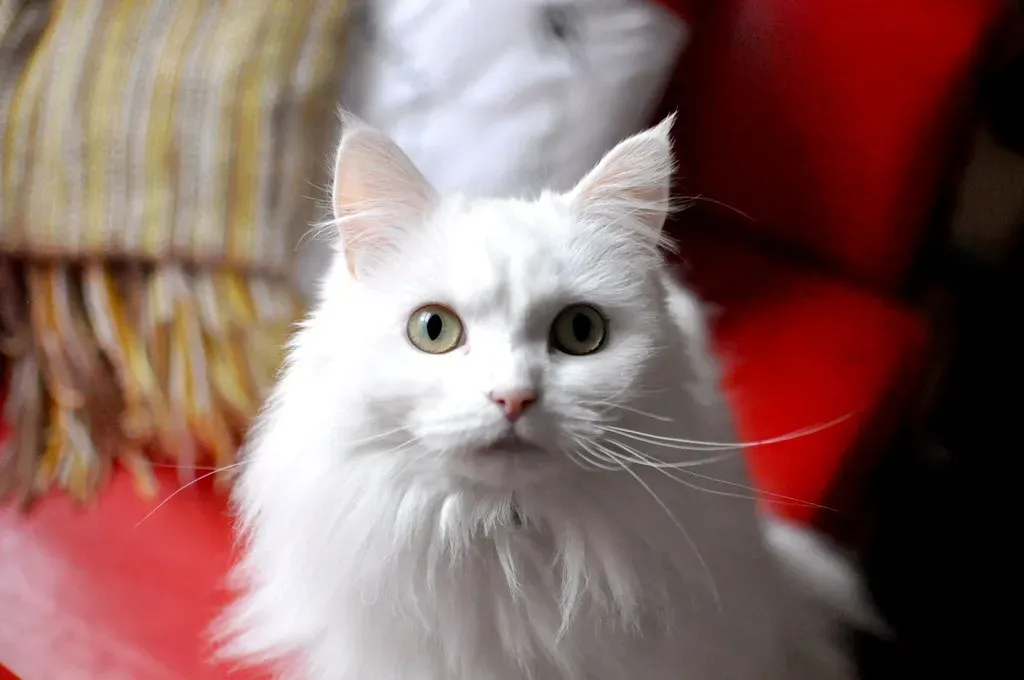
Turkish Angoras are stunning cats with fine, silky coats that shimmer when they move. That delicate coat texture creates its own challenges. The single layer of fine hair tangles more easily than you’d expect from a cat without an undercoat. Honestly, many owners underestimate how much attention these elegant cats require.
Cats with curly hair, such as Devon Rex or Cornish Rex breeds, benefit from regular grooming to maintain their unique texture. Use a soft brush or grooming mitt to gently brush through their coat. Be cautious not to disrupt the natural curl pattern while removing loose fur. While Turkish Angoras don’t have curly hair, the principle of gentle, regular grooming applies. Their fine coat can become staticky and prone to matting around the ears and tail. Professional groomers know to use specific techniques to maintain the coat’s natural flow without causing breakage.
Exotic Shorthair
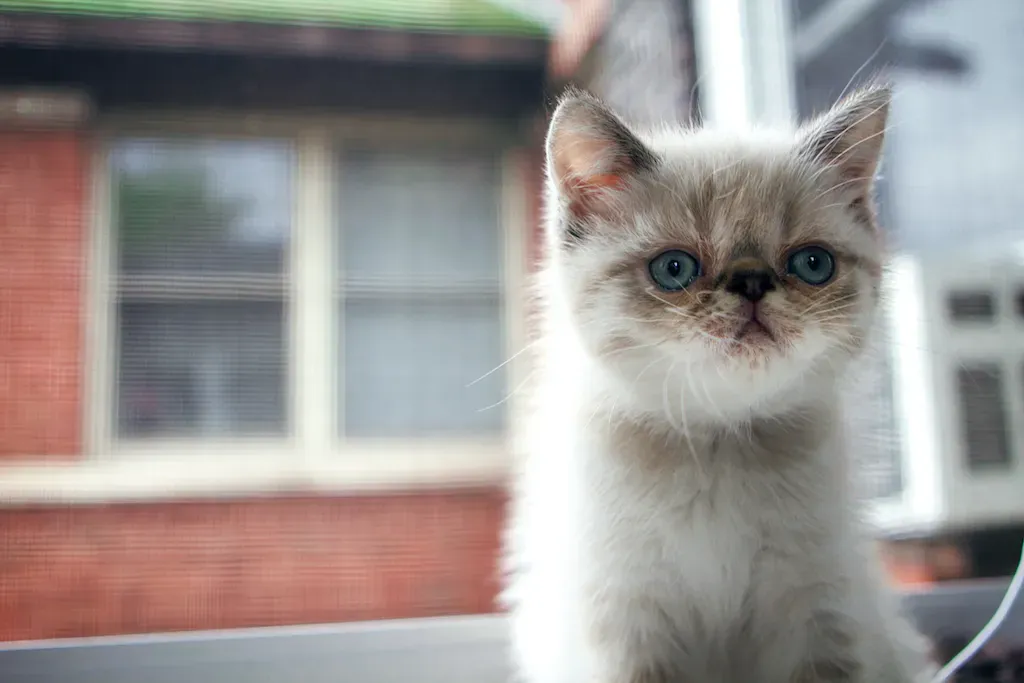
Wait, a shorthair on this list? Absolutely. Cats Have Delicate Skin: A cat’s skin is much thinner than a dog’s – almost paper-thin. This makes them more susceptible to accidental cuts if a groomer is not extremely careful. Exotic Shorthairs have that adorable flat Persian face but with shorter fur. Still, their dense plush coat requires more grooming than typical short-haired breeds.
The facial structure creates the same tear staining issues as Persians. Their dense coat sheds heavily and can mat if not brushed regularly, which surprises many owners who assume short hair equals low maintenance. Groomers often recommend regular sanitary clips and facial cleaning for this breed. The combination of dense fur and sensitive facial features makes professional grooming genuinely valuable.
Siberian Cat
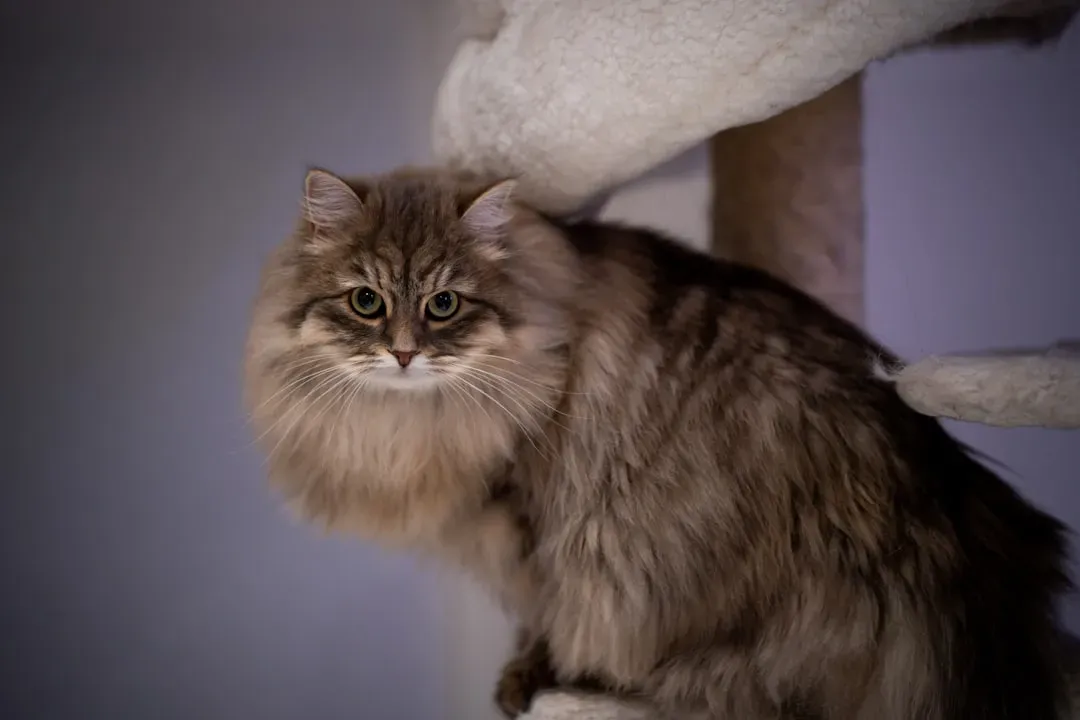
Siberian cats evolved to survive brutal Russian winters, developing a magnificent triple-layered coat in the process. That natural adaptation makes them look absolutely regal. The reality? This triple coat means serious grooming commitment, especially during spring and fall when they shed their seasonal layers.
Long-haired Cats: Breeds like Persians and Maine Coons are prone to matting, which can be painful and difficult for them to manage on their own. Siberians fall into this category despite being slightly lower maintenance than Persians. Their coat is water-resistant and coarse, which means it traps dirt and debris. The pantaloons, ruff, and tail require particular attention. Many Siberian owners find themselves seeking professional grooming help during heavy shedding seasons when home brushing simply can’t keep up.
British Longhair
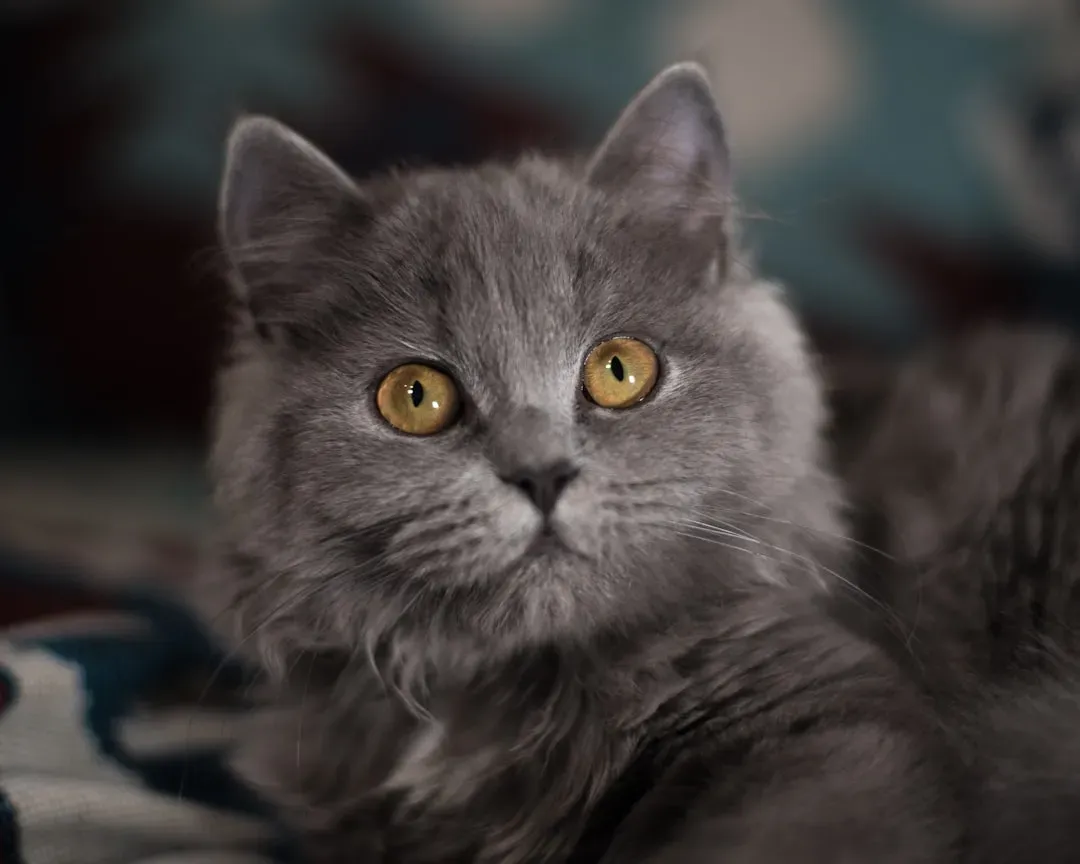
The British Longhair essentially takes the adorable chubby-cheeked British Shorthair and adds a luxurious long coat. That combination creates unique grooming challenges. The dense undercoat combined with longer guard hairs creates a coat that mats surprisingly quickly, especially around the hindquarters and belly area where friction occurs.
Long-haired cat breeds like Birman, Himalayan, and Persian cats have really long, fluffy hair that gets matted easily and traps anything that’s unfortunate enough to land in it. British Longhairs share many of these characteristics. Their round body shape makes it difficult for them to self-groom effectively, particularly as they age. Professional groomers appreciate this breed’s generally calm temperament but recognize the coat demands consistent professional attention to maintain proper condition and prevent painful matting issues.
Conclusion
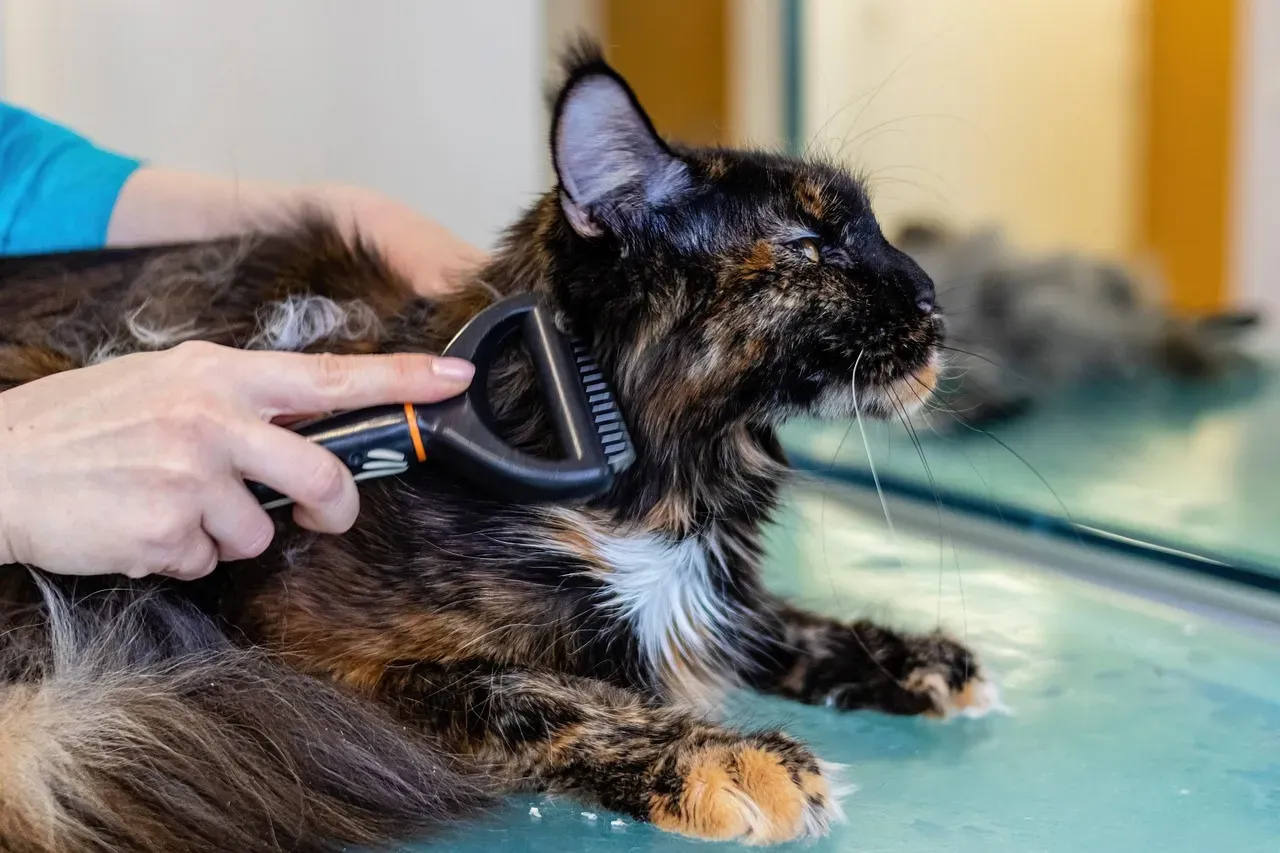
Grooming these gorgeous breeds isn’t just about aesthetics. It’s genuinely about their health and comfort. It might not seem like a big deal for your cat to develop mats and tangles. However, the massive tangles can retain debris and bacteria. Plus, they can get caught on an object and cause your cat discomfort. Additionally, mats prevent the cat’s grooming and evaporative cooling system from functioning optimally, putting your cat at a higher risk of overheating.
Choosing a groomer who specializes in cats is essential to ensure their safety and comfort. If you’re considering adopting one of these breeds, remember that their beauty comes with responsibility. Professional groomers exist for a reason, especially when dealing with breeds that demand specialized care. Did you expect some of these breeds to make the list? What’s your experience with high-maintenance cat grooming?