Picking the perfect cat for your apartment feels exciting at first. You imagine cozy evenings with a calm companion curled up beside you while you binge your favorite shows. The reality, though, can turn out quite different if you choose the wrong breed.
Maybe you’ve heard stories from friends who ended up overwhelmed by a high energy feline bouncing off walls at three in the morning. Or perhaps you’ve seen complaints online about noise issues with neighbors. Veterinarians see these situations all the time, and they’ve noticed clear patterns in which breeds tend to create challenges for apartment dwellers.
Here’s the thing: not every cat is built for small space living, no matter how much you love their appearance or personality. Let’s explore which felines often leave apartment owners wishing they’d made a different choice.
Bengal Cats
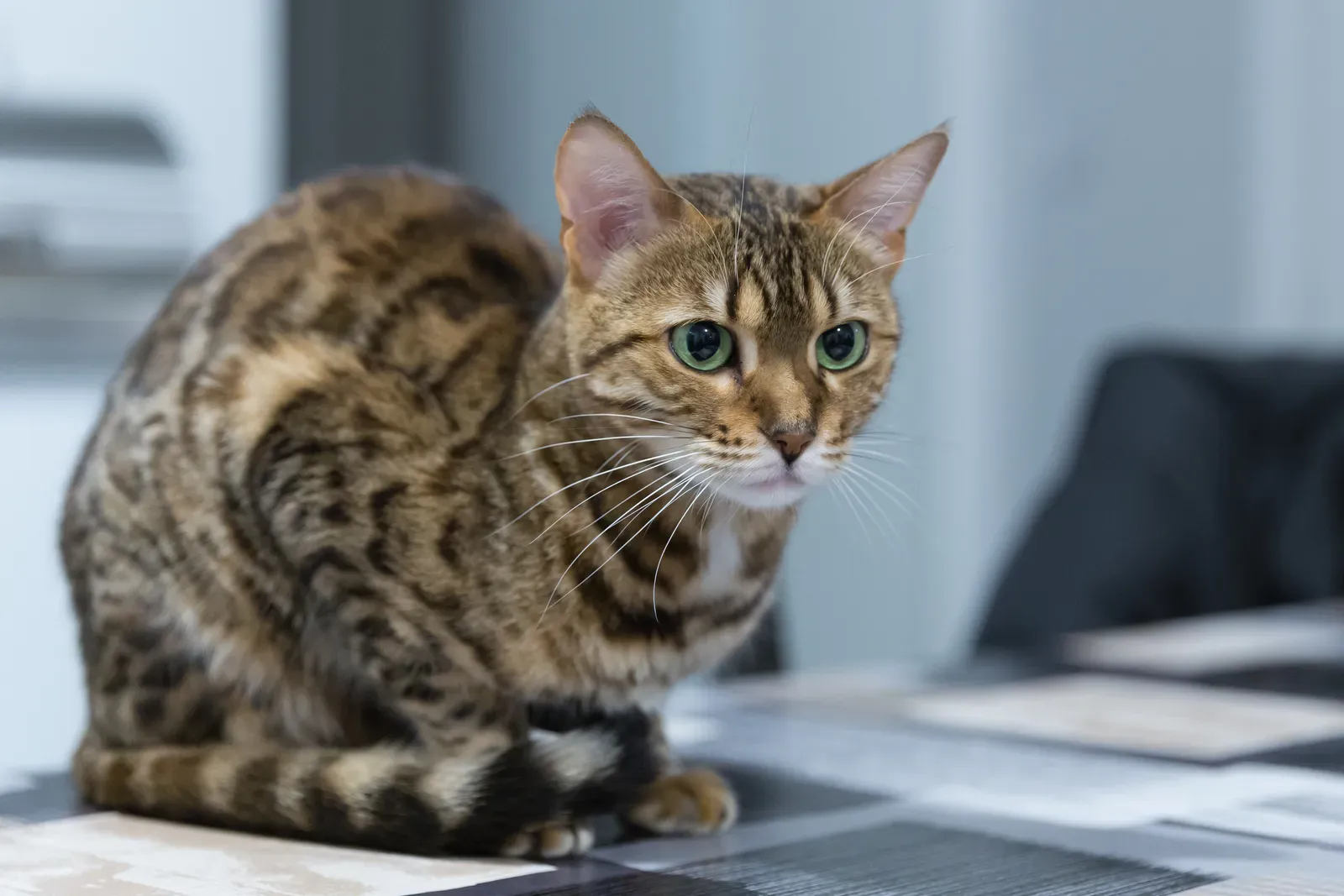
Bengal cats captivate potential owners with their striking spotted coats reminiscent of wild leopards, yet this veterinarian’s concerns about Bengals stem from their hybrid nature as crosses between domestic cats and wild Asian leopard cats, bringing significant behavioral and care challenges that many households are unprepared to handle. Their wild ancestry is more than just a cosmetic feature. It manifests in behaviors that can wreak havoc in a compact apartment setting.
Bengals are known for their high energy levels and need for extensive activity, often displaying higher energy levels than typical domestic cats, with their wild ancestry manifesting in behaviors that can be problematic in home environments, including territorial marking, destructive scratching. The extensive activity requirements of Bengal cats mean they need large spaces, multiple climbing structures, and constant mental stimulation, and without adequate outlets for their energy, these cats can become destructive and exhibit behavioral problems that strain the human animal bond. You’ll find yourself dealing with constant chaos rather than the peaceful companionship you envisioned.
Siamese Cats
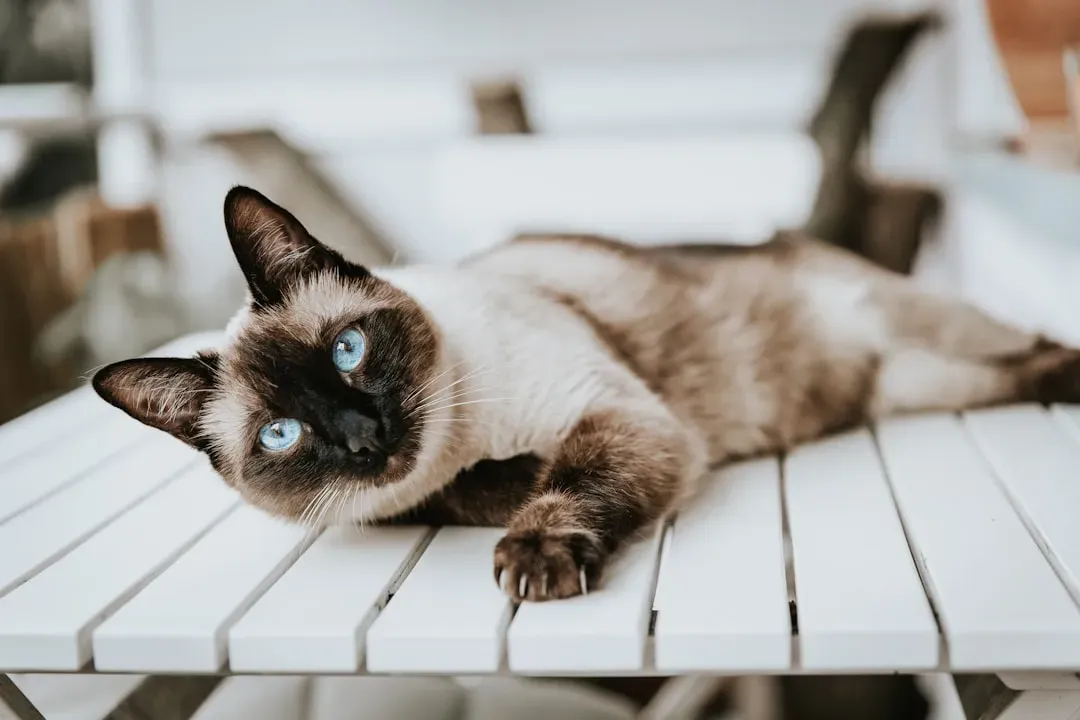
Siamese and Bengals can be quite vocal, which might cause problems in an apartment block if the walls or floors are thin. If you’ve never lived with a Siamese, you probably can’t imagine just how chatty these cats can be. They don’t just meow occasionally when they want food. They vocalize constantly throughout the day and night, expressing every thought and feeling that crosses their feline minds.
A fun and loyal breed is the Siamese, but she’s a super scratcher, so look into some DIY scratching post ideas, and because she’s a vocal cat, a larger living space works best with her to keep the noise level down. Imagine trying to take work calls from home while your Siamese provides running commentary in the background. Your neighbors probably won’t appreciate the concerts at midnight either, especially if your building has paper thin walls like so many modern apartments do.
Abyssinian Cats
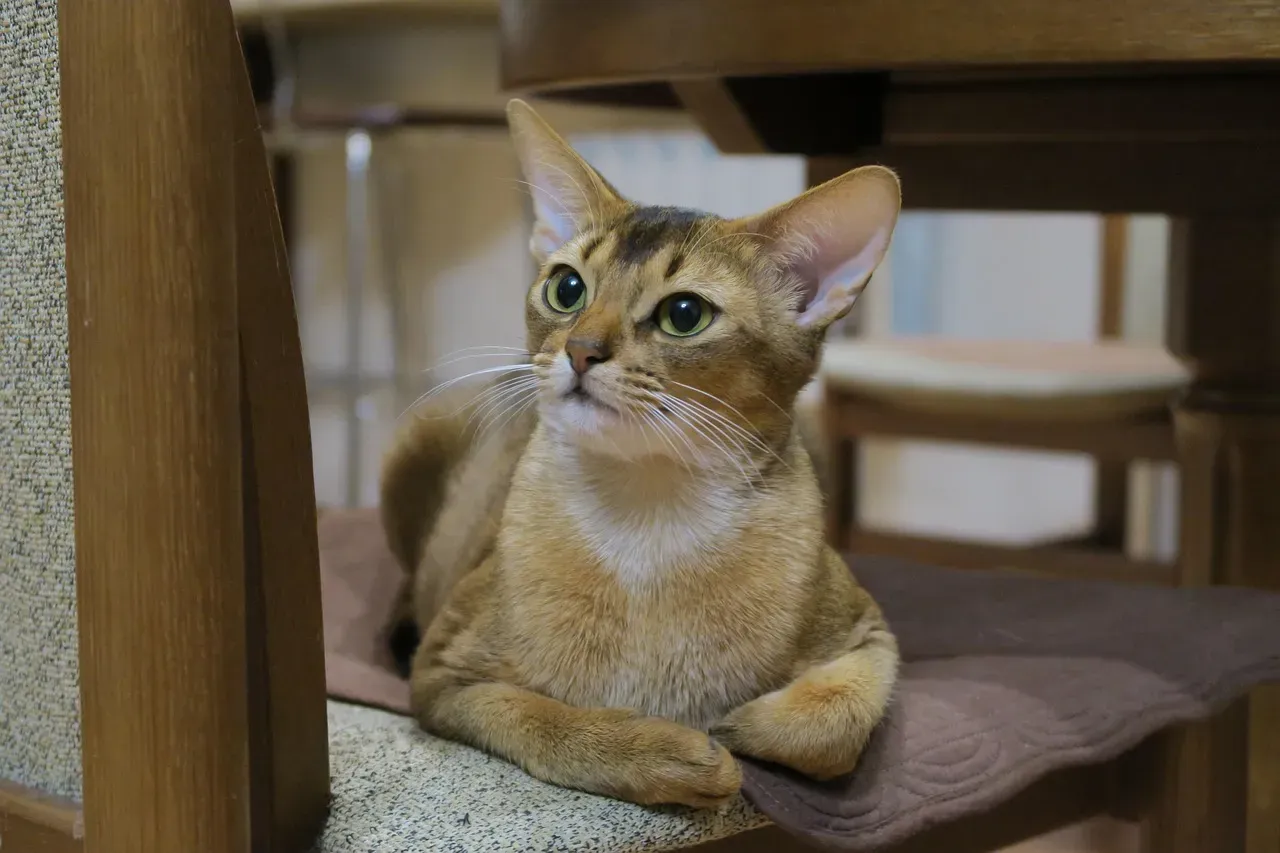
Abyssinian or Balinese cats are hyperactive and will need tons of room to run around and play, and if your space doesn’t accommodate that, then they’re not the best choice. These incredibly energetic felines seem like they’ve had ten espressos before breakfast. Their constant need for stimulation and activity makes them poorly suited for the confined quarters of apartment life.
Abyssinian cats boast tons of energy, and they may scale the walls if you try to put them in a one bedroom rental or obsessively attempt to escape to the community pool leering outside the window. Honestly, unless you’re prepared to dedicate hours each day to intensive play sessions and environmental enrichment, you’ll likely end up with a frustrated, destructive cat and a lot of damaged belongings. These aren’t cats that settle down for long afternoon naps while you work from your kitchen table.
Sphynx Cats
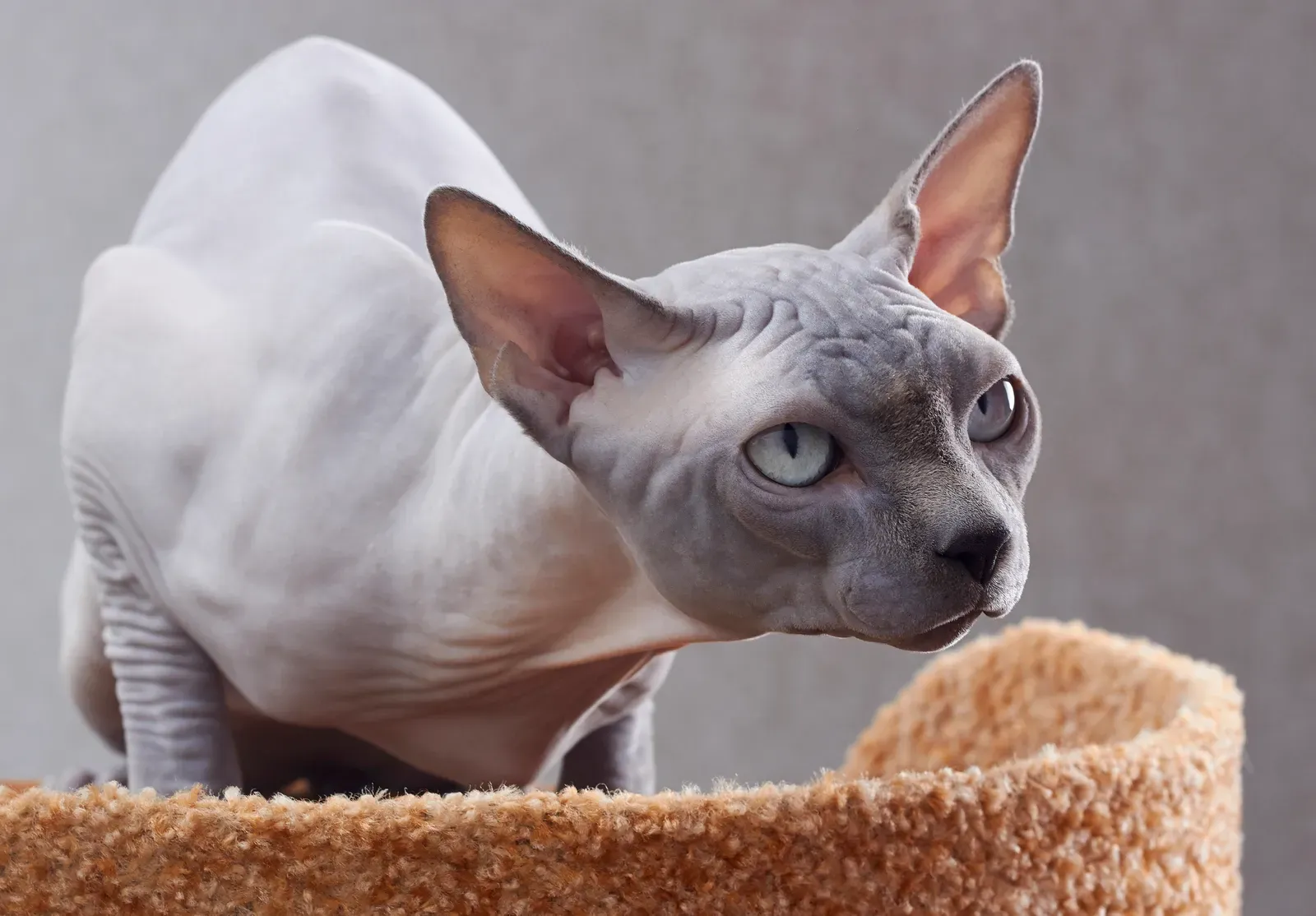
You might think a hairless cat would be perfect for apartment living since there’s no shedding to worry about. Think again. When you adopt a sphynx cat, you trade in the grooming brushes for major play time, because what they lack in fur, they make up in personality, as these kitties have high energy levels, so they’ll need an abode that allows them leap and climb without too much restraint.
Beyond personal preference, Sphynx cats face significant health challenges related to their hairless condition, as the lack of protective fur makes them extremely sensitive to temperature changes, requiring careful climate control and often necessitating clothing for warmth. You’ll constantly need to monitor your apartment’s temperature, provide heated beds, and potentially dress your cat in sweaters. The maintenance level can feel exhausting, especially when combined with their demanding personalities and need for constant attention.
Savannah Cats

Hybrids such as the Savannah cat are also ill suited for apartments since they need ample space and outdoor access. These exotic hybrids may look stunning in photos, making you think they’d be the ultimate conversation starter when friends visit. The reality involves dealing with a cat that has strong wild instincts and absolutely hates being confined indoors.
Savannah cats often become deeply unhappy in apartments, leading to destructive behaviors born from frustration and boredom. They need extensive vertical space, outdoor access, and room to roam that simply isn’t available in most apartment settings. Veterinarians frequently see Savannah cats in apartments developing behavioral issues that stem directly from inadequate space and enrichment. These magnificent animals truly belong in homes with secure outdoor enclosures where they can express their natural behaviors.
Scottish Fold Cats

Those adorable folded ears make Scottish Folds incredibly popular, especially with celebrity owners showcasing them on social media. The gene mutation that causes their ears to fold can also affect the cartilage in the rest of their joints, and be sure to talk with your veterinarian about the health concerns and possible associated costs, as well as with the breeder about their line’s history if you’re planning to get one.
The veterinarian emphasizes that while Scottish Fold cats can be loving companions, the ethical implications of deliberately breeding animals known to develop painful conditions make them unsuitable choices for conscientious pet owners who prioritize animal welfare. Living in an apartment means you’re likely working with a tighter budget, and the veterinary bills for managing chronic joint issues can become overwhelming quickly. Many apartment owners regret choosing this breed once the medical complications start appearing and the costs pile up.
Persian Cats
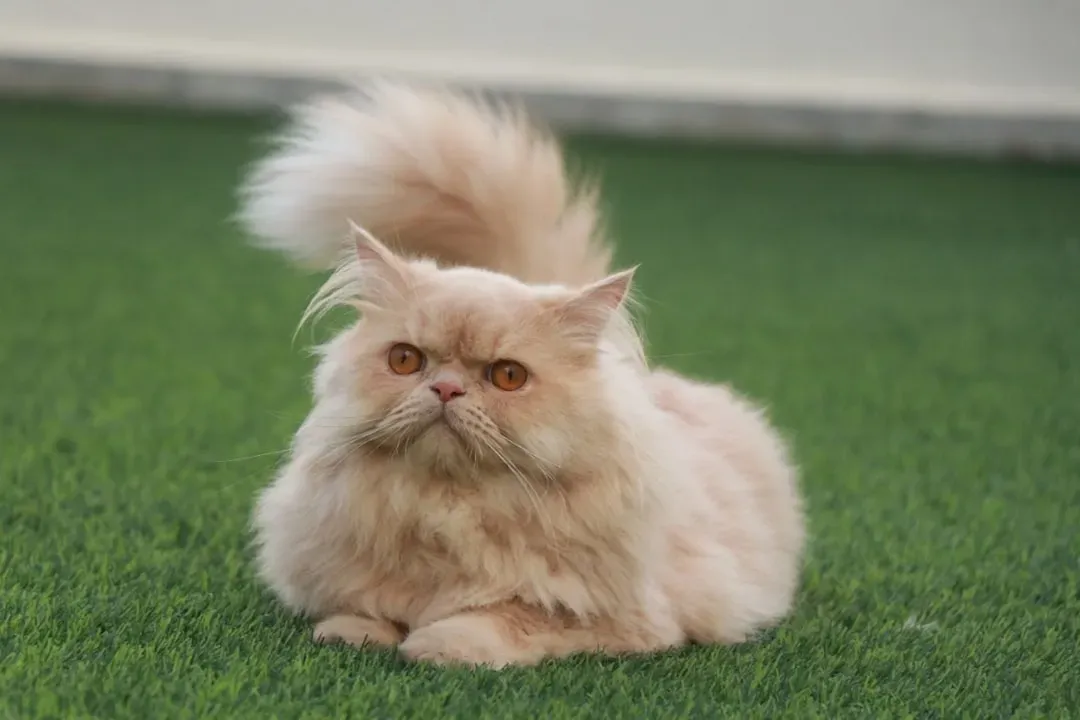
Persian cats represent one of the most concerning examples of how selective breeding for appearance has compromised animal welfare, as this veterinarian strongly advises against purchasing Persian cats due to the serious health issues caused by extreme brachycephalic flat faced breeding practices that prioritize aesthetic appeal over feline well being, with the characteristic flat face of Persian cats leading to brachycephalic airway syndrome, causing chronic breathing difficulties that can range from mild discomfort to life threatening respiratory distress.
With Persians, you may want to budget for higher than average veterinary expenses as this breed tends to have health issues. Beyond the medical concerns, their grooming requirements are intense. That luxurious coat needs daily brushing to prevent painful mats, and many Persians require professional grooming every few months. In a small apartment, you’ll constantly battle against fur accumulation on every surface despite your best efforts.
Siberian Cats
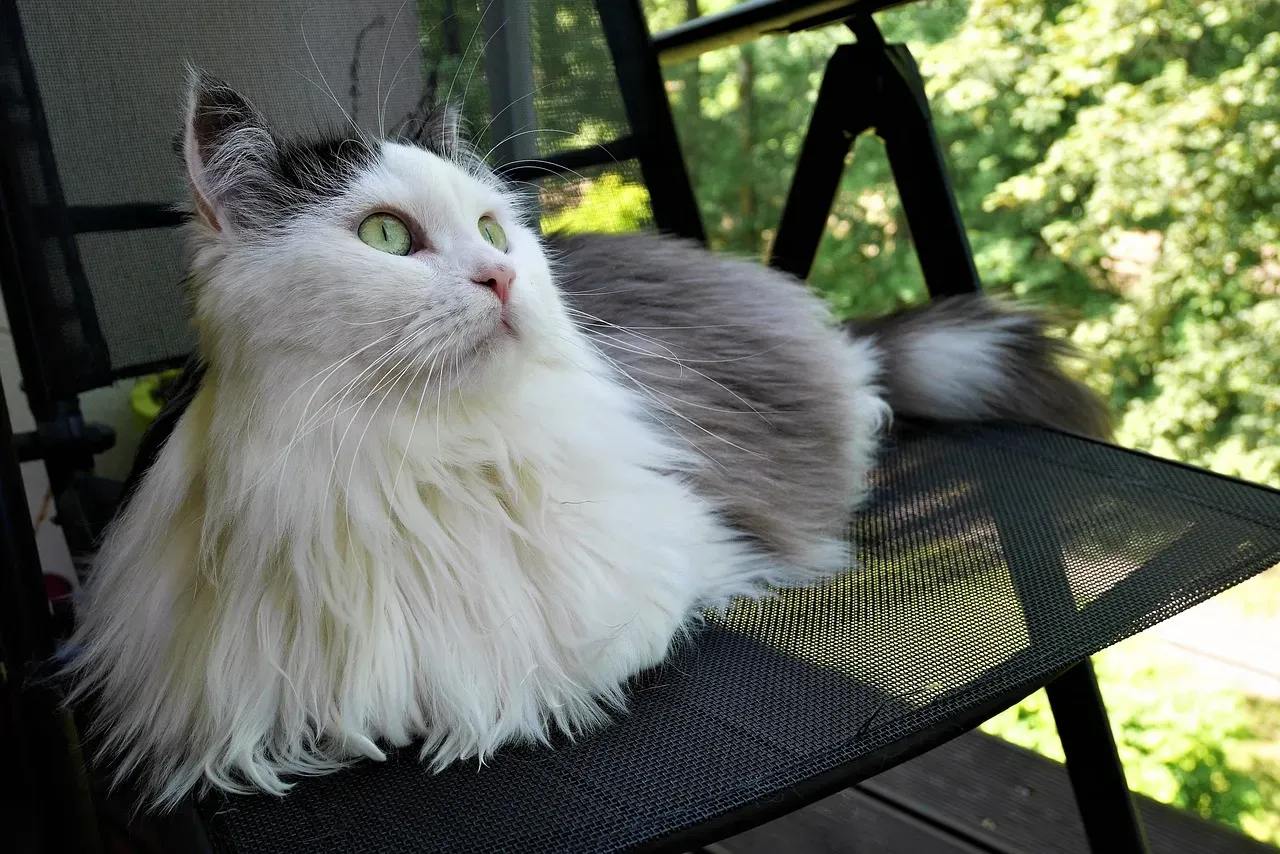
Bengals, Abyssinians, Siberians, and Siamese are all a bit too energetic for smaller spaces. Despite their reputation as adaptable cats, Siberians possess energy levels that simply don’t match well with limited square footage. These large, athletic cats were bred to survive harsh conditions and have retained their robust, active nature.
Siberian cats need substantial space to exercise their natural climbing and jumping abilities. They’re not content to lounge around all day like some breeds. Instead, they want to explore every vertical surface, leap between high perches, and engage in vigorous play sessions. In a cramped apartment, you’ll struggle to provide adequate outlets for their energy, leading to a bored, frustrated cat who might redirect that energy toward your furniture or your sleep schedule.
Conclusion
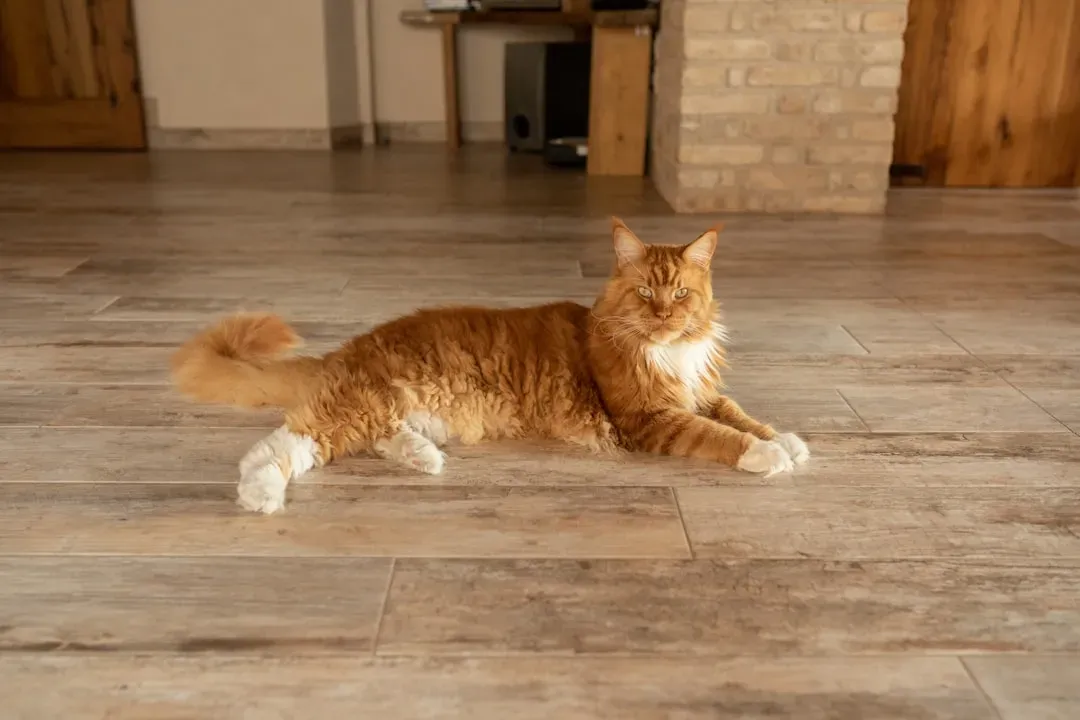
Choosing a cat for your apartment requires more than falling in love with a pretty face or an exotic breed name. The breeds discussed here consistently cause challenges for apartment dwellers, according to veterinary professionals who witness the struggles firsthand. High energy levels, excessive vocalization, serious health issues, and space requirements all contribute to owner regret.
The good news? Plenty of wonderful cat breeds thrive in apartments, from laid back British Shorthairs to gentle Ragdolls. Take time to research thoroughly, consider your lifestyle honestly, and prioritize breeds known for adapting well to compact living spaces. Your future self and your future feline companion will both thank you for making an informed decision rather than an impulsive one.
What surprised you most about these breeds? Maybe you were considering one of them before reading this. Share your thoughts with fellow apartment dwelling cat lovers in the comments below.