Have you ever wondered what your feline friend is really trying to tell you? Cats communicate constantly, yet many of us miss the subtle cues they offer every single day. Unlike dogs who wear their hearts on their sleeves, cats have mastered the art of discretion. Their communication is layered, nuanced, and often silent.
Understanding these signals isn’t just fascinating, it transforms your relationship entirely. When you can recognize the moments your cat feels truly safe and content, you’ll see a side of them you might never have noticed before. Let’s explore the secret language your cat uses when they’re at their most relaxed and comfortable around you.
The Slow Blink: Your Cat’s Version of “I Love You”
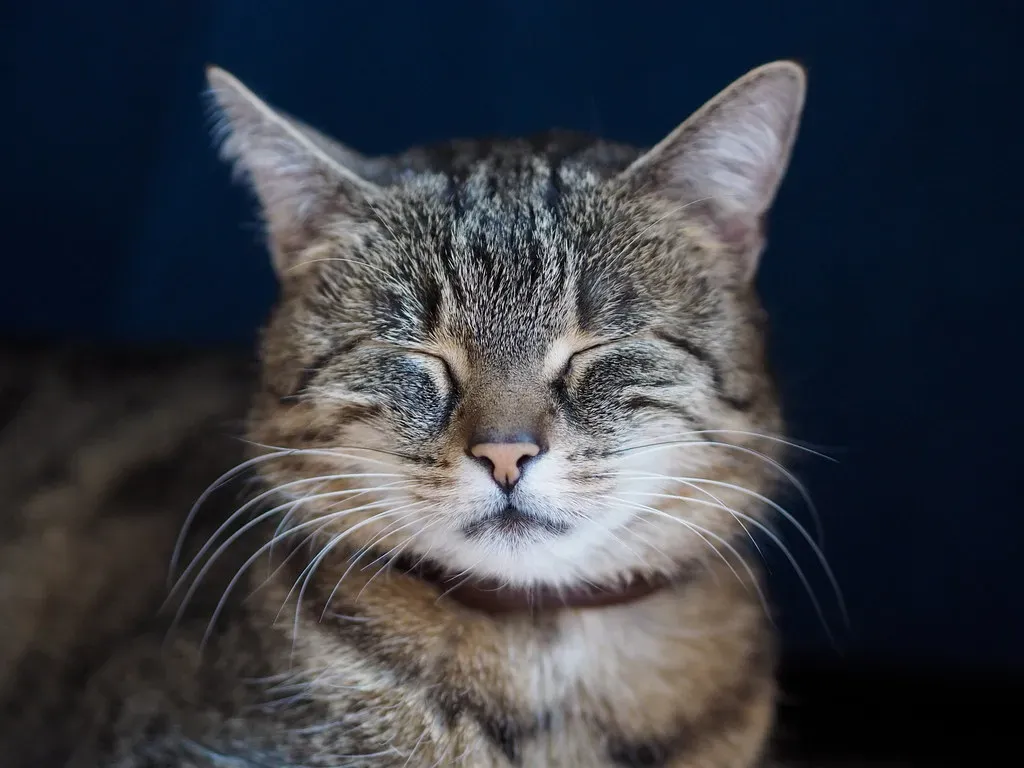
Slow blinking is a sign of trust and comfort, and reciprocating the gesture can reinforce the feeling of safety. When your cat gazes at you and gradually closes their eyes in a languid, deliberate motion, they’re making themselves vulnerable. Think about it this way: in the wild, closing your eyes around a potential threat would be incredibly dangerous.
For the most part, slow blinking is your cat’s way of telling you that they trust and are comfortable around you. It’s honestly one of the sweetest gestures cats offer. Cats more often offered a slow blink at their owners if the owners slow-blinked first, and cats were more likely to approach an experimenter who was a stranger after a slow-blink exchange. You can try this yourself: narrow your eyes gently at your cat and hold for a couple of seconds. If they blink back slowly, you’ve just shared a moment of pure feline affection.
The Upright Tail with a Question Mark Curve
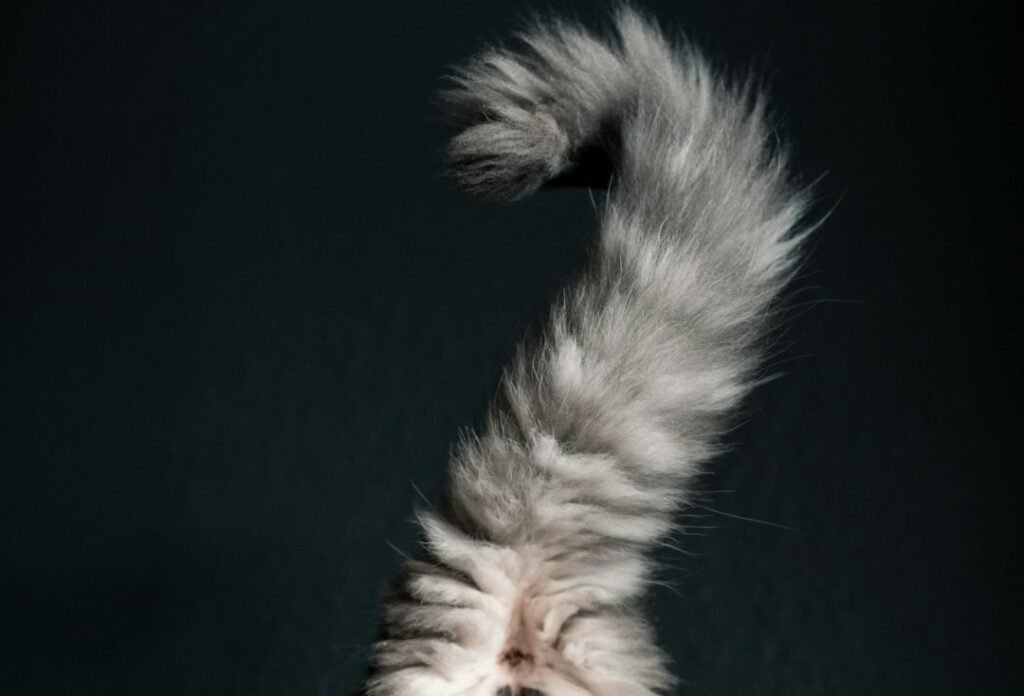
One of the most reliable signs of a confident cat is a tail that’s lifted vertically, high in the air, and most of the time, this tail position indicates that the cat feels comfortable and open to interaction. When your cat approaches you with their tail held high, sometimes with a slight curl at the tip creating that adorable question mark shape, they’re essentially waving a friendly flag.
A tail held high with a “question mark” curve at the tip is friendly and usually in a good mood. This is your cat’s way of inviting engagement and showing confidence in their environment. If your cat’s tail is hoisted up in the air, rigid and straight like a flagpole, your pet is confident and self-assured, and many cats will hoist the tail when they see you’re coming home – it means she’s happy to see you. It’s hard to miss once you know what you’re looking for.
Kneading: When Your Cat “Makes Biscuits” on You
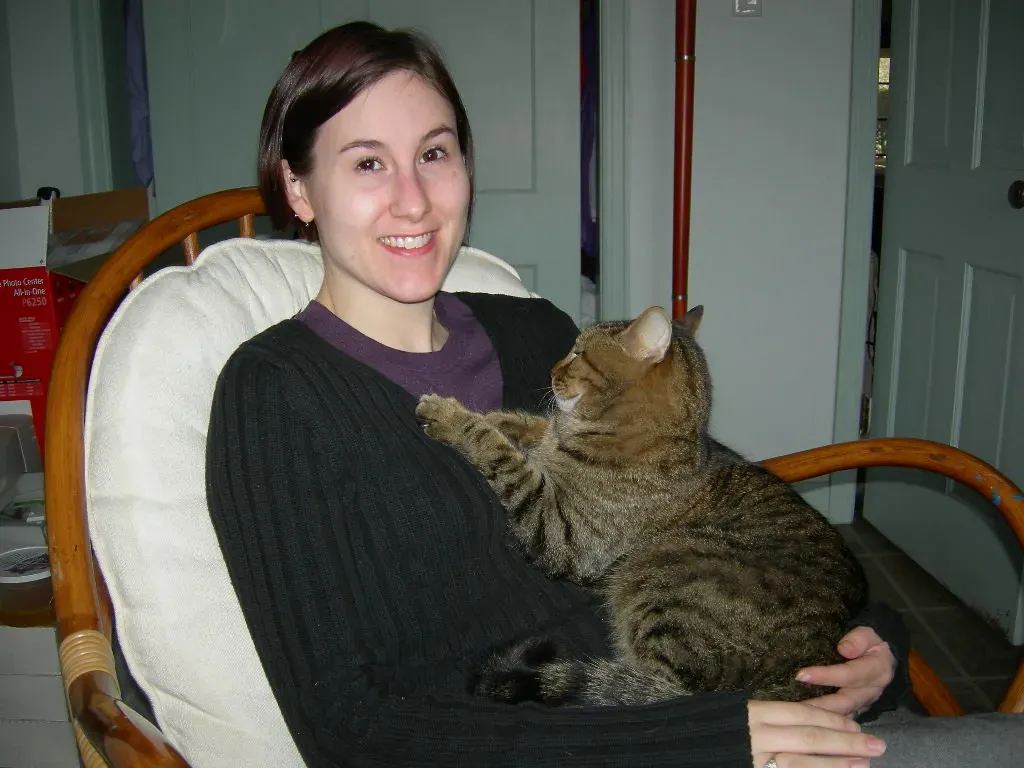
Kneading, often called “making biscuits,” signals comfort and contentment. This rhythmic pressing of paws into soft surfaces is one of the most endearing behaviors cats display. Kittens use a kneading action to stimulate milk production from their mother cat when nursing, and because nursing and being around a mother cat’s calming pheromones encourages a sense of contentment in young kittens, many cats will continue to knead into adulthood to create a similar sense of calm and relaxation.
Let’s be real, when your cat digs their claws into your lap while purring, it can hurt a bit. Still, this behavior is deeply rooted in comfort and security. When grown cats knead, it usually means they feel super safe and relaxed around you, and it’s a cozy, happy behavior that shows your kitty really trusts their home and you. Many cats even appear to drift into a trance-like state while kneading, completely lost in the soothing motion.
Exposing the Belly: The Ultimate Trust Signal
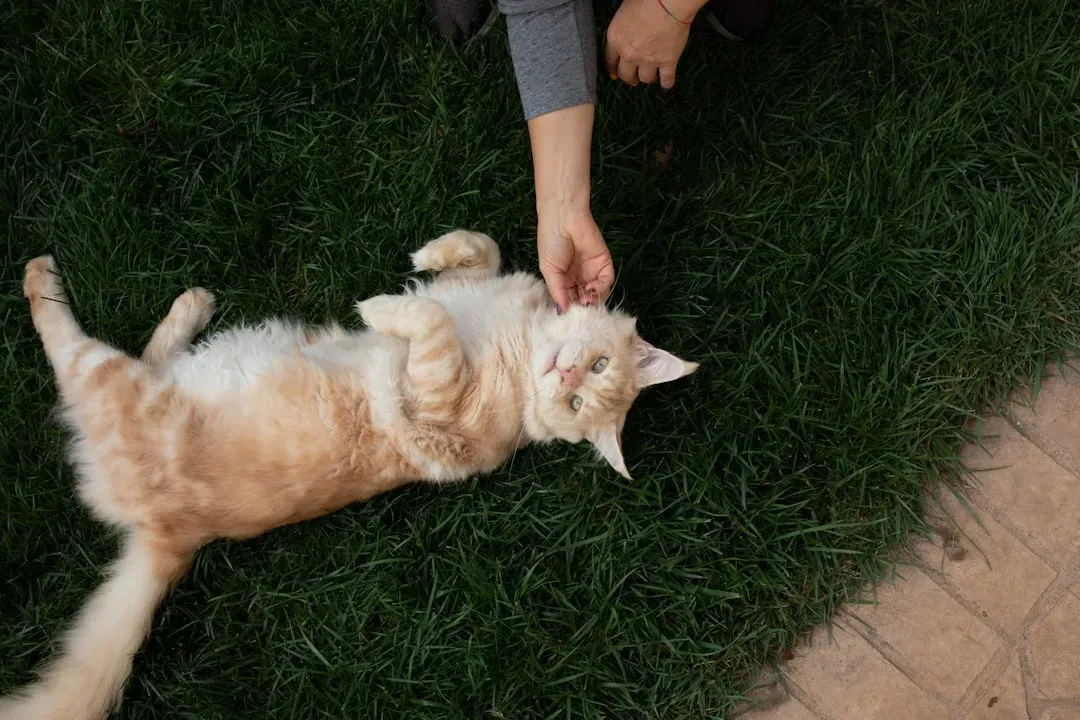
This is often considered the ultimate sign of trust for a cat, as cats only lie on their backs and show their bellies when they are in their most relaxed state. When your cat rolls over and exposes their stomach, they’re showing you the most vulnerable part of their body. This isn’t something cats do lightly.
A cat’s stomach is a vulnerable area, and lying on their back with it exposed is a way for your cat to signal that they are perfectly relaxed and at ease around you. However, here’s where it gets tricky: just because they show you their belly doesn’t mean they want you to touch it. But this is not an invitation to pet or rub your cat’s belly. Some cats will tolerate gentle belly rubs, while others may swat or bite if you try. The display itself is the compliment.
Purring in Relaxed Environments
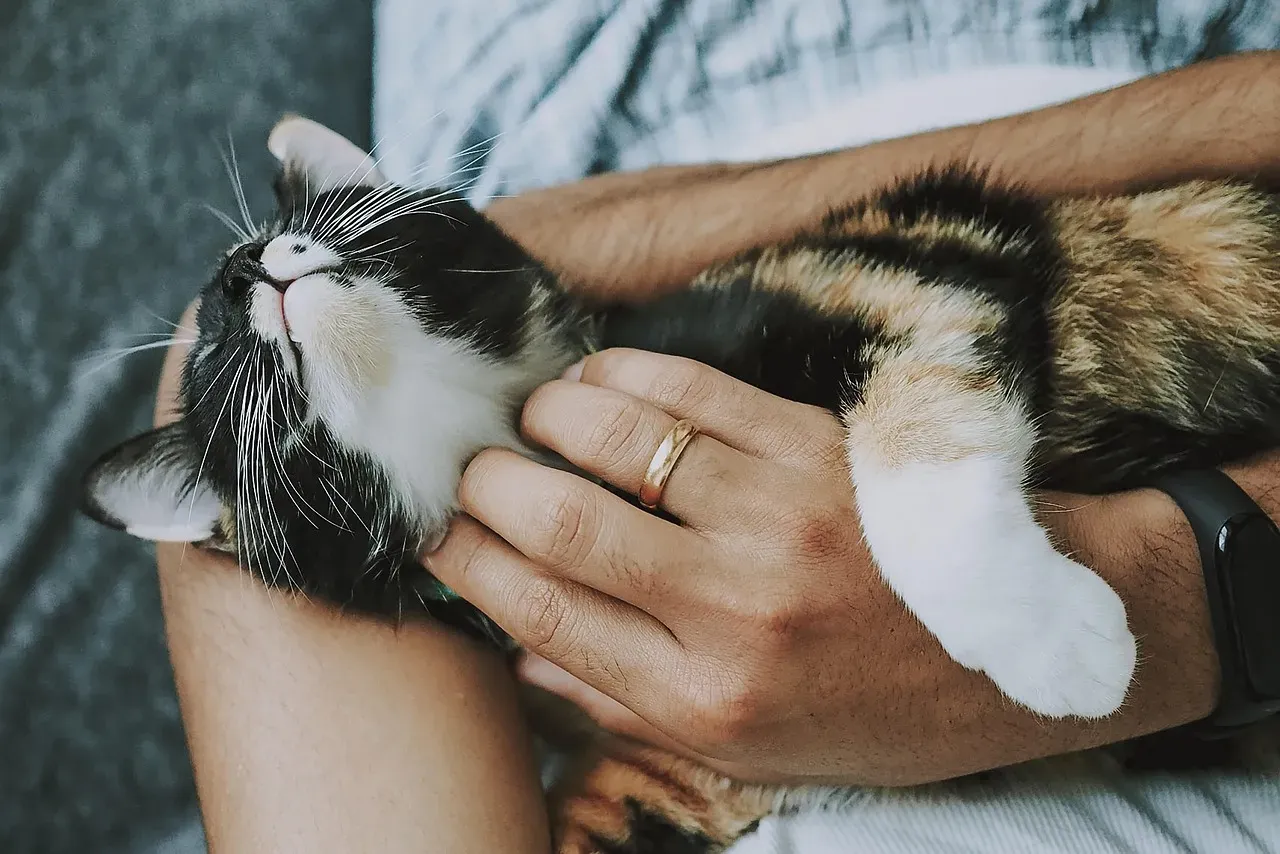
Usually, the cat purrs to show that it is happy and feels safe. That familiar rumbling sound is often the soundtrack to a contented cat. A relaxed cat with soft eyes and a slow-blinking gaze is likely purring out of contentment. When your cat is sprawled out on your lap or curled up beside you, purring away, they’re telling you they feel secure.
That said, purring isn’t always straightforward. A cat’s purring can also indicate distress, such as illness, injury, or impending death, and the exact reason for this is unknown, but it is suspected that by purring, the cat communicates to other cats that it is harmless or tricks potential predators into thinking everything is fine. Context matters enormously here. If your cat is purring while relaxed and happy, you’re witnessing pure contentment.
Sleeping Near or On You
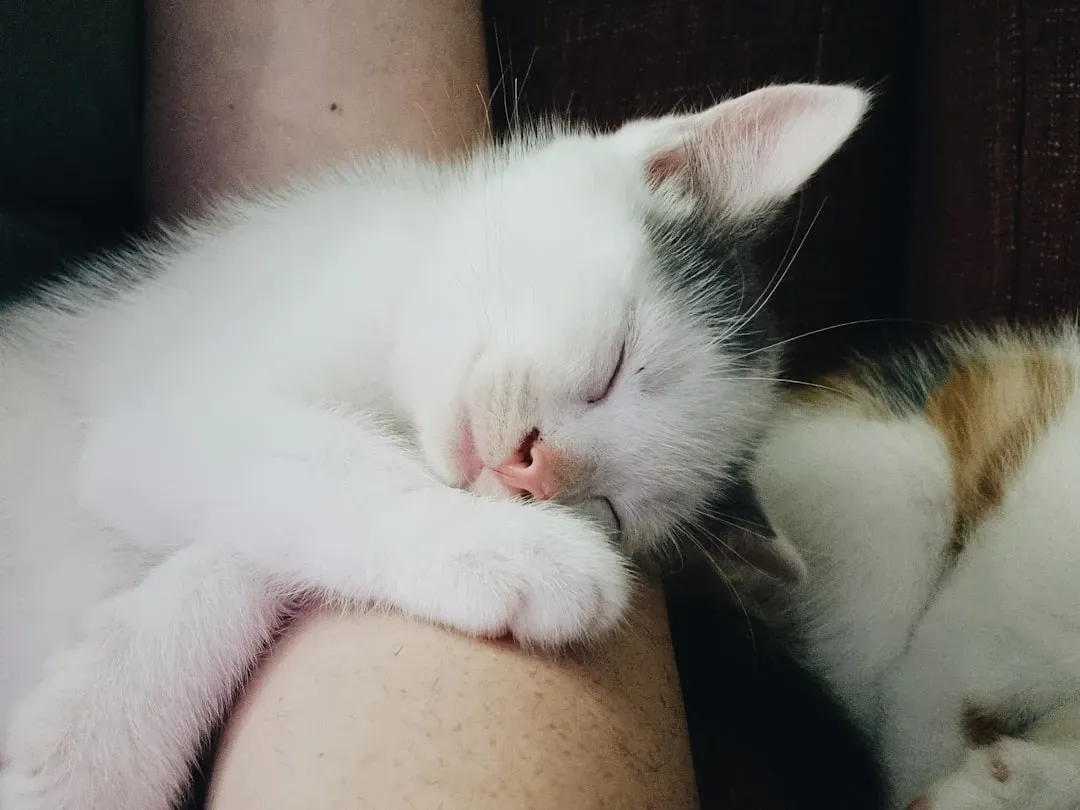
When a cat is asleep they are of course vulnerable, so choosing to sleep in your presence, rather than wandering off and finding another safe haven, means that they feel relaxed and don’t see you as a threat. Sleep is when cats are most defenseless, so this choice speaks volumes about how safe they feel with you around.
Cats that are nervous, anxious, or afraid of predators often hide or seek out secure spots when it’s time to sleep, but in contrast, a cat that feels safe and comfortable in their home will confidently sleep in vulnerable positions, like lying in the middle of the living room with their belly fully exposed, and this relaxed sleeping posture is one of the most reliable signs your cat is happy. Whether they choose your lap, the foot of your bed, or just nearby on the couch, their proximity during rest is a powerful statement of trust.
Head Butting and Cheek Rubbing
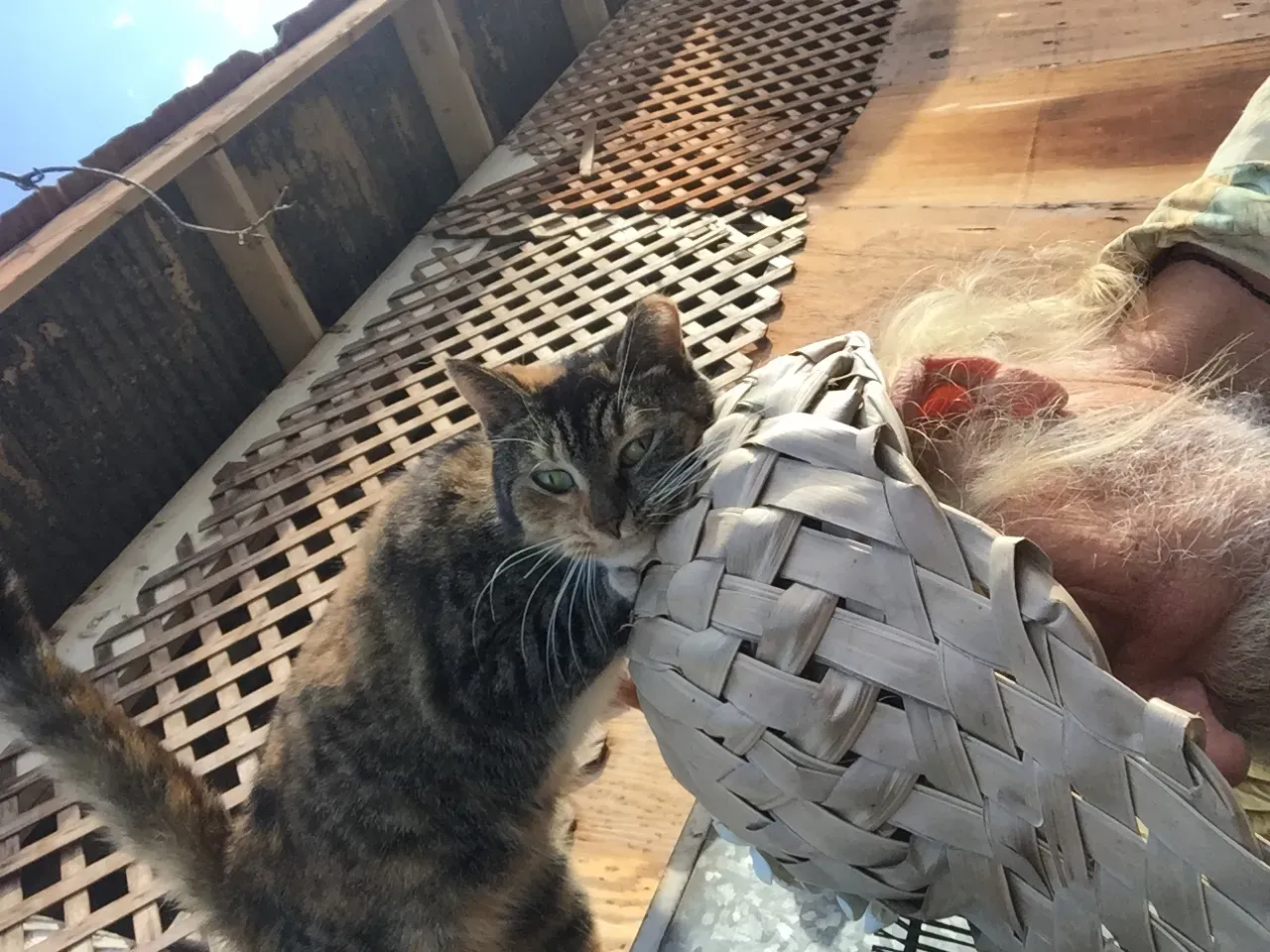
Head butting and facial rubbing deposits pheromones to the things – and people – cats consider important, and cats have scent glands on their cheeks, forehead, and chins that release pheromones. When your cat bumps their head against you or rubs their face on your hand, they’re marking you with their scent. It might seem odd to us, but it’s deeply meaningful to them.
When a cat rubs their face against you, it’s more than just a sweet gesture, it’s a natural behavior where they mark you as part of their territory using scent glands located on their cheeks, and this is a strong sign that your cat feels safe, trusts you and considers you a loved member of their social group. I know it sounds crazy, but you’re essentially being claimed as part of their family. This behavior, often called “bunting,” is reserved for those they feel closest to.
Relaxed Body Posture and Loose Movements
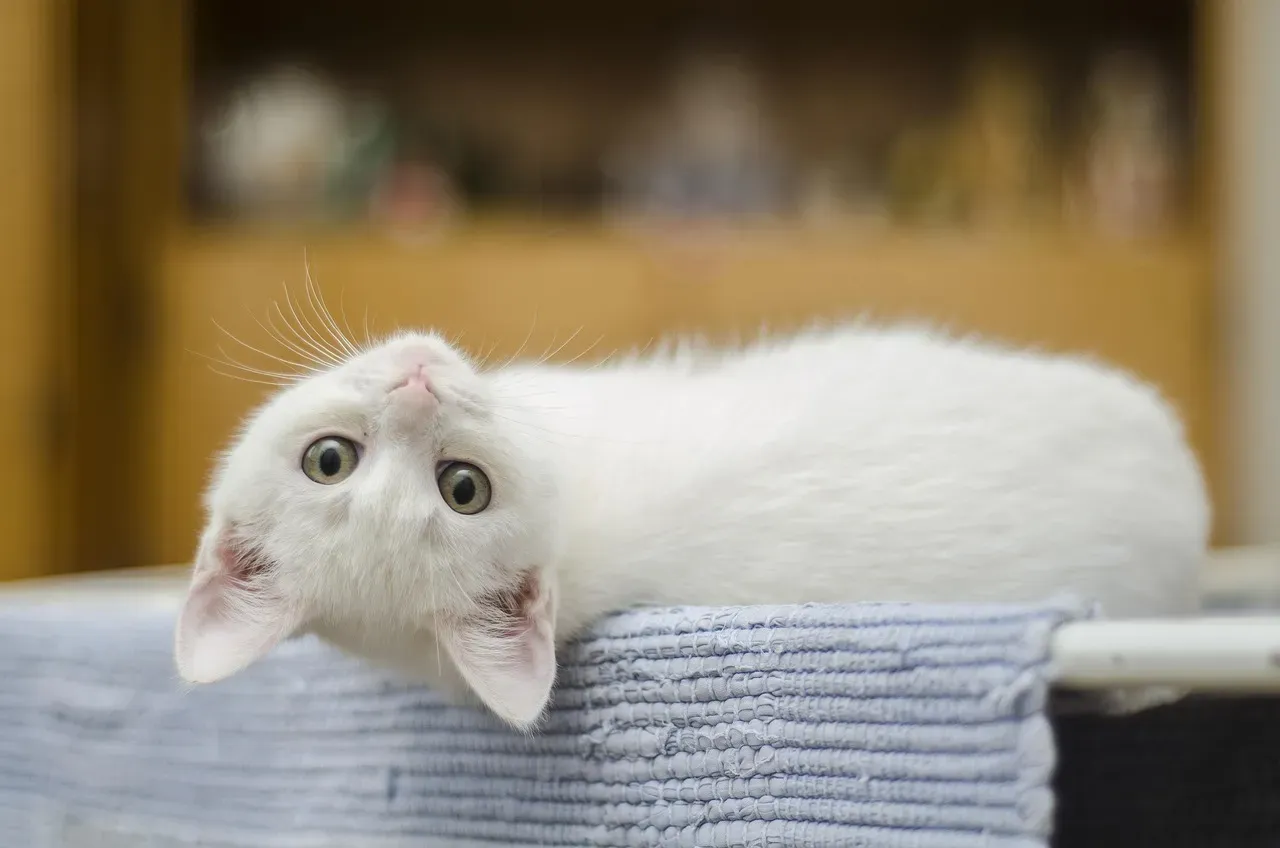
Relaxed body indicates comfort and safety. When your cat moves through your home with a loose, flowing gait and their body appears soft rather than tense, they’re broadcasting contentment. A cat that feels safe and secure will typically lie down in a relaxed, sprawled position, with their body loose and no signs of tension in their muscles, and this is the ultimate “I trust you” position.
Watch for those moments when your cat stretches out fully, perhaps even extending their toes in a satisfying stretch. Cats that feel secure will show relaxed body language, such as an upright tail, stretched posture, and slow blinks. Everything about their physicality seems easy and unguarded. They might flop down beside you without a care in the world, or lounge in a sunny spot with complete abandon.
Soft Eyes and Half-Closed Eyelids
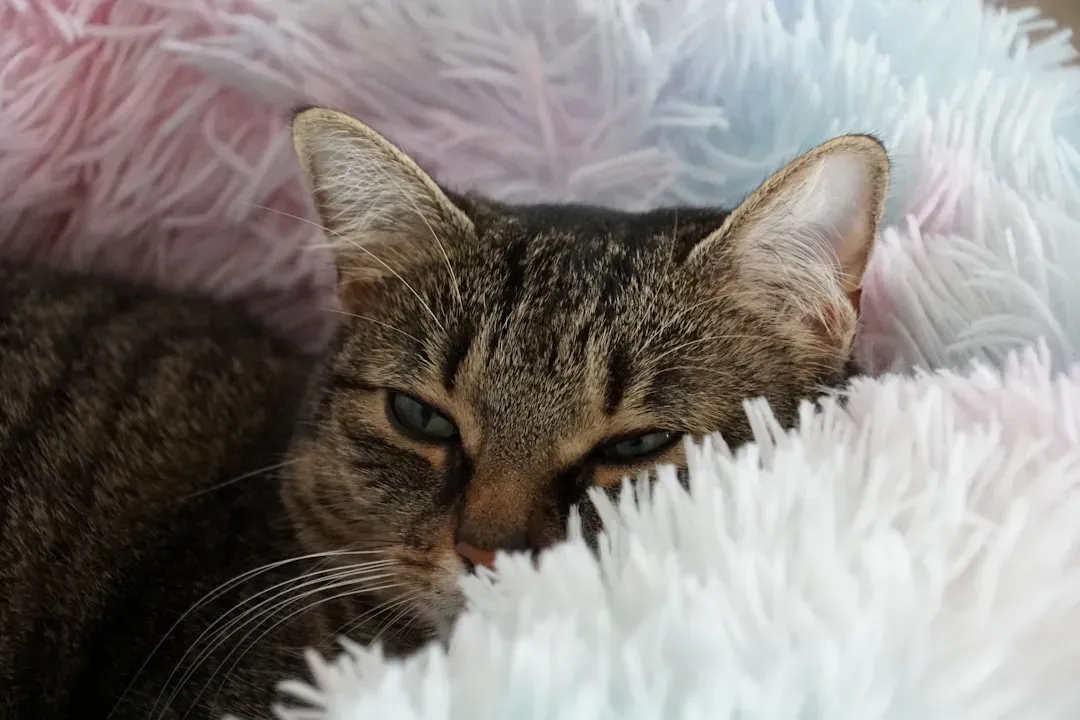
Wide-open eyes may indicate fear, interest, excitement, or aggression, while half-closed or drooping eyes convey relaxation and friendliness. Your cat’s eyes tell you so much about their emotional state. When they look at you with soft, slightly narrowed eyes rather than wide-open stares, they’re showing you they feel at ease.
The difference is subtle but significant. Cats with dilated pupils and wide eyes are often alert, excited, or anxious about something in their environment. Yet when those eyes appear sleepy and relaxed, with lids partially lowered, your cat is in their happy place. It’s the feline equivalent of a gentle smile. Many cat parents miss this signal entirely because it’s so understated compared to a dog’s enthusiastic tail wag.
Spending Time in Your Presence
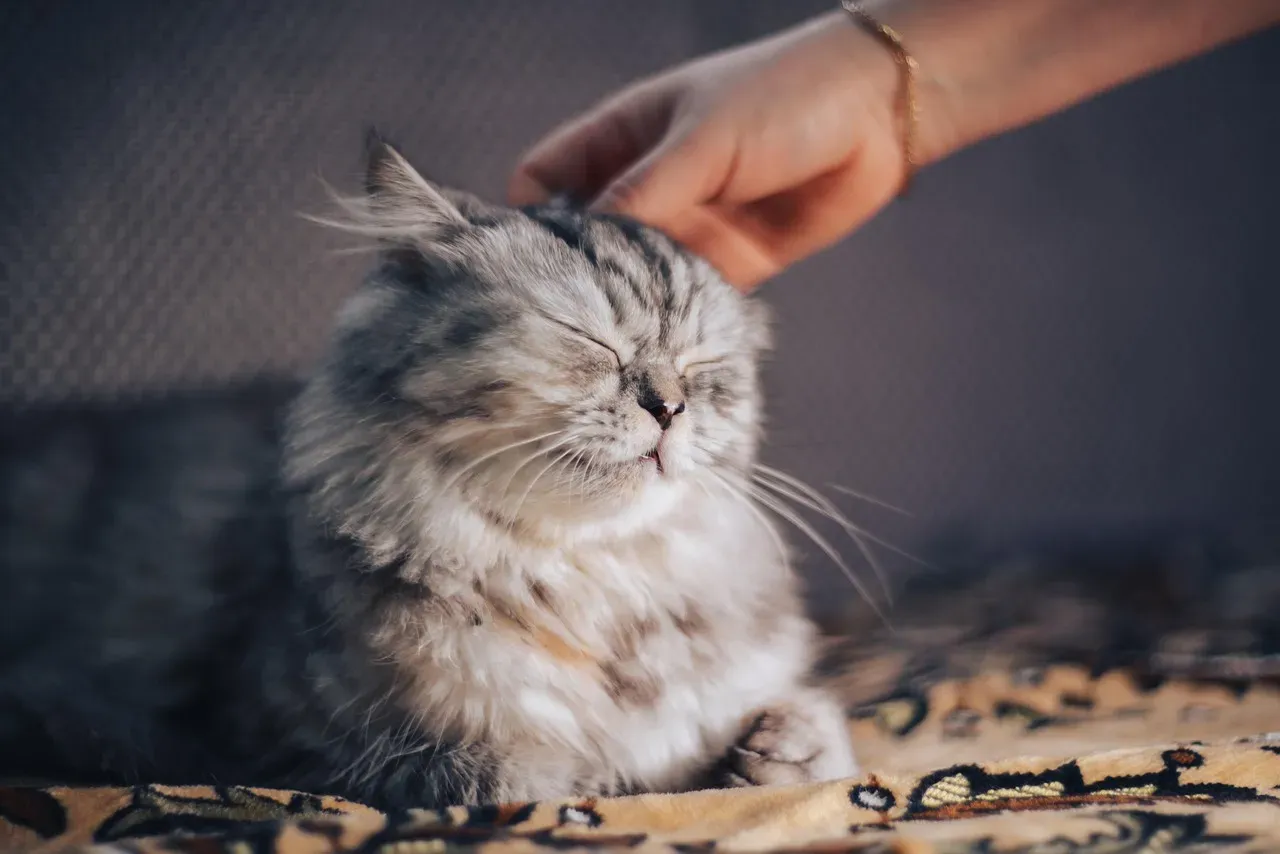
If your furry feline likes spending time with you, chances are, they feel comfortable in your presence, and a nervous cat would run and find somewhere to hide, but if they’re happy sauntering around the house with you around, it means they feel safe. Honestly, sometimes the simplest signals are the most profound. Your cat choosing to be in the same room as you, even if they’re not directly interacting, speaks volumes.
A cat who wants to spend time with you is showing you that they appreciate you and trust you, and perhaps they like to curl up in your lap in the evening, or they may enjoy a morning pat. Some cats will follow you from room to room like a fuzzy shadow. Others prefer to stay within view but maintain their independence. Both approaches indicate your cat feels secure enough to remain nearby rather than hiding away.
Conclusion: Becoming Fluent in Feline
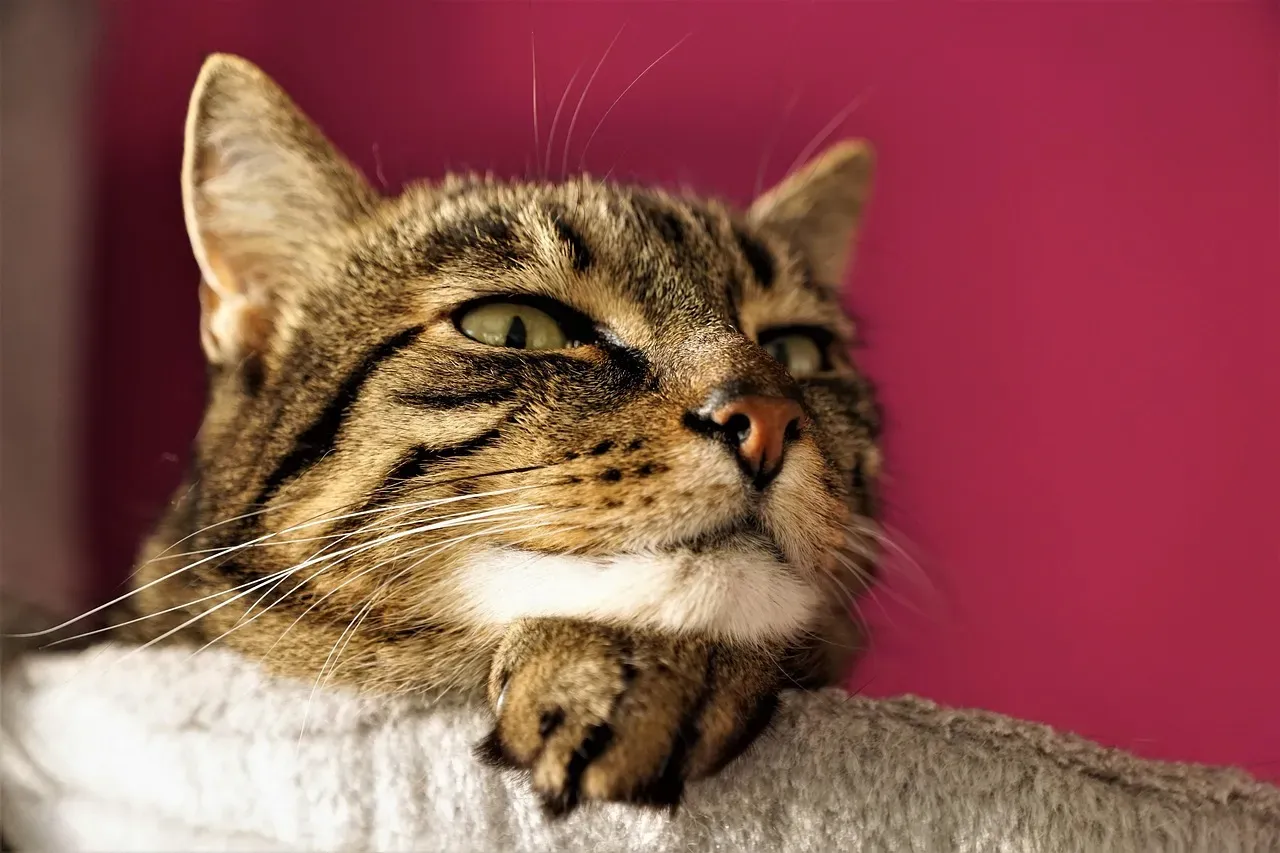
Cats may seem mysterious, but once you learn to read their subtle comfort signals, a whole new world opens up. These quiet gestures – the slow blinks, the gentle kneading, the relaxed postures – reveal just how much your cat trusts and loves you. Each signal is a window into their emotional state, showing you when they feel safe, content, and completely at home.
The beauty of understanding cat body language is that it deepens your bond immeasurably. You’ll notice things you once overlooked: the soft eyes when they glance your way, the tail question mark as they approach, the vulnerable belly displayed in complete trust. These moments are gifts from your feline companion, offered in their own unique language. So what do you think – have you been missing some of these signals from your cat? Start paying closer attention, and you might be surprised by how much they’ve been telling you all along.
Kristina is a young writer from India. An arts graduate and an avid content creator, Kristina is passionate about animals and wildlife. She enjoys exploring topics related to pet care, animal behavior, conservation, and nature, combining thorough research with engaging storytelling.