You’ve settled onto the couch with your favorite feline, ready for some quality snuggle time. Within seconds, your sweet kitty transforms into a whirlwind of claws and hissing fury, leaving you confused and maybe a bit scratched. Sound familiar? Here’s the thing: cuddling your cat isn’t as straightforward as it might seem.
Most of us think we’re showing our cats love when we scoop them up for hugs and kisses. Turns out, we might be doing the exact opposite. Cats are complex creatures with their own set of rules about physical affection, and breaking those rules can damage the bond you’ve worked so hard to build. Let’s dive into the most common cuddling mistakes that even experienced cat owners make, and more importantly, how to fix them.
Forcing Physical Contact When Your Cat Isn’t Ready
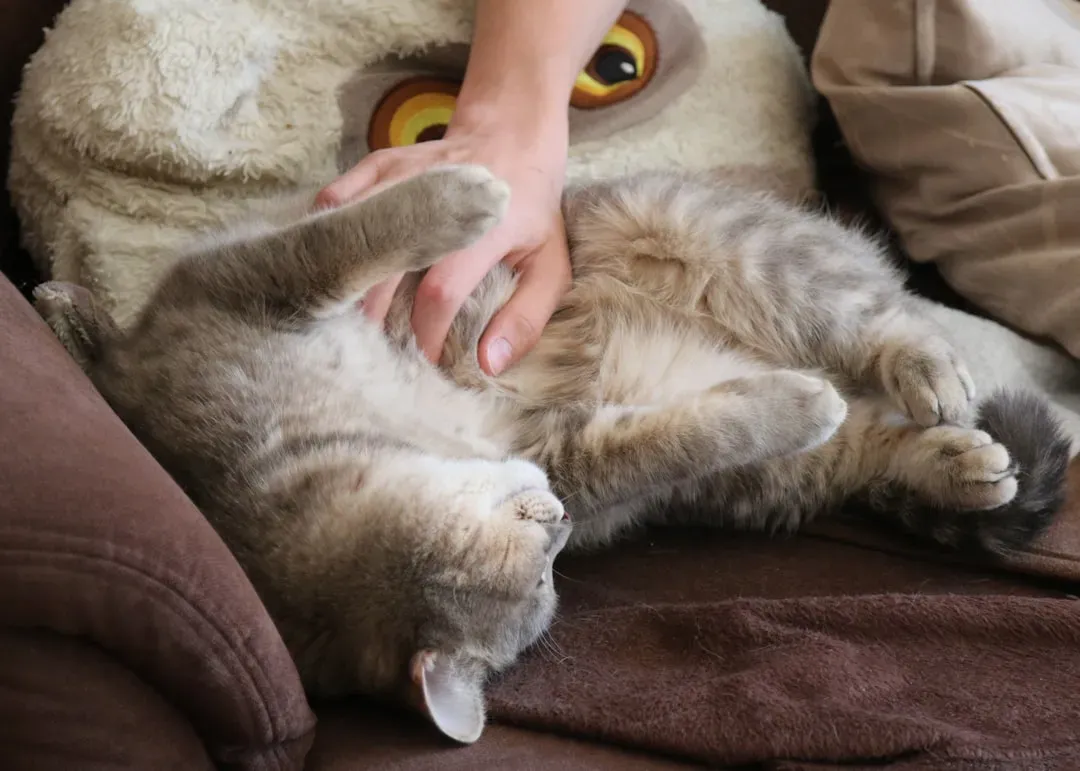
Many cat owners approach their pets and immediately begin petting or handling them without waiting for signs that the cat is receptive to contact. This is probably the biggest mistake you can make. Think about it from your cat’s perspective: imagine someone twice your size suddenly grabbing you without asking. Pretty scary, right?
What’s important is that you let your furry friend set the snuggle schedule, as some cats really have to be in the mood to cuddle. Instead of hunting down your cat for cuddle time, let them come to you. This approach violates cats’ fundamental need for personal space and control over social interactions, as cats are naturally cautious animals that prefer to assess situations before engaging. When you respect this natural process, your cat will actually seek you out more often for affection.
Ignoring the Subtle Warning Signs

Your cat is constantly communicating with you, but are you listening? Cats sometimes communicate very subtly, with a slight twitch of the tip of the tail or the ears being enough to signal they don’t want to be stroked anymore, but we humans easily overlook such signals. Let’s be real: most people miss these cues entirely until their cat starts actively fighting to escape.
Cats get overstimulated more easily than others and may freak out, though if you’re careful you may be able to figure out when they’re getting close to overload. Watch for flattened ears, a twitching tail, dilated pupils, or tense body posture. Your cat might not feel comfortable with the way you are touching them if you’re touching too intensely or too quickly. These signals mean your cat needs space, and ignoring them teaches your pet that their communication doesn’t matter to you.
Petting in All the Wrong Places
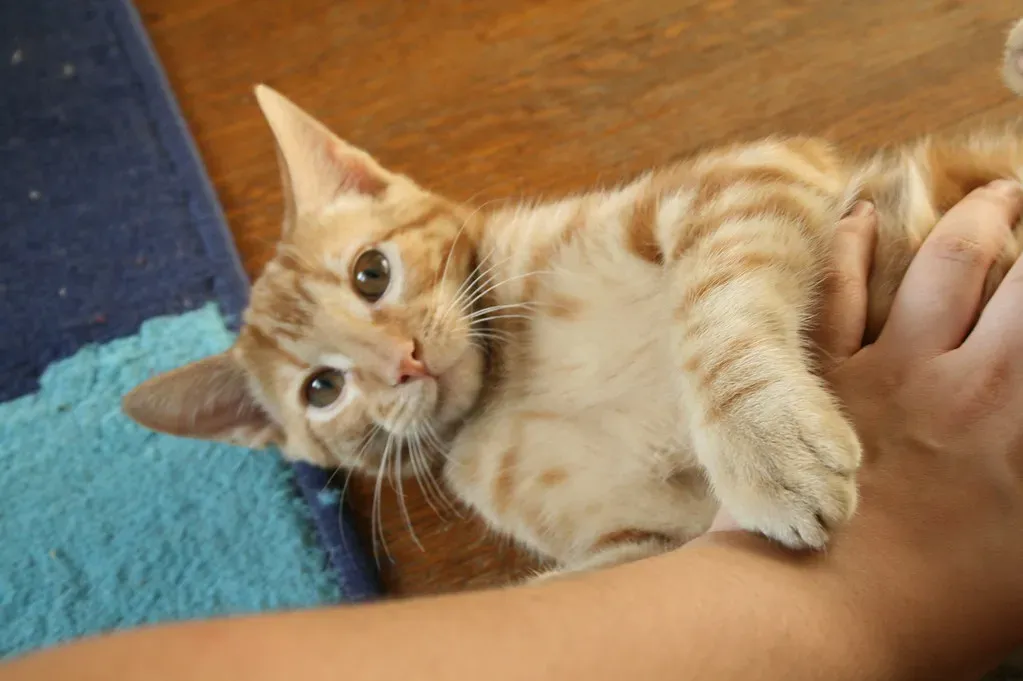
Not all body parts are created equal in the feline world. Very few cats like to be touched on the belly, as this is a very vulnerable place. That fluffy tummy might be tempting, but for most cats, it’s a no-go zone that triggers their defensive instincts.
Humans often assume that if a little petting is good, more extensive touching must be better, but cats have very specific preferences about where they enjoy being touched. Generally speaking, cats prefer gentle touches around their face, chin, and the base of their ears. Some enjoy having their backs stroked, but others find it overstimulating. The key is paying attention to what your individual cat enjoys rather than assuming all cats are the same. Some cats prefer a light touch for petting and often like it if you start at their shoulders, avoiding their head and neck, as heavy patting makes them duck and may make them avoid you.
Picking Them Up the Wrong Way
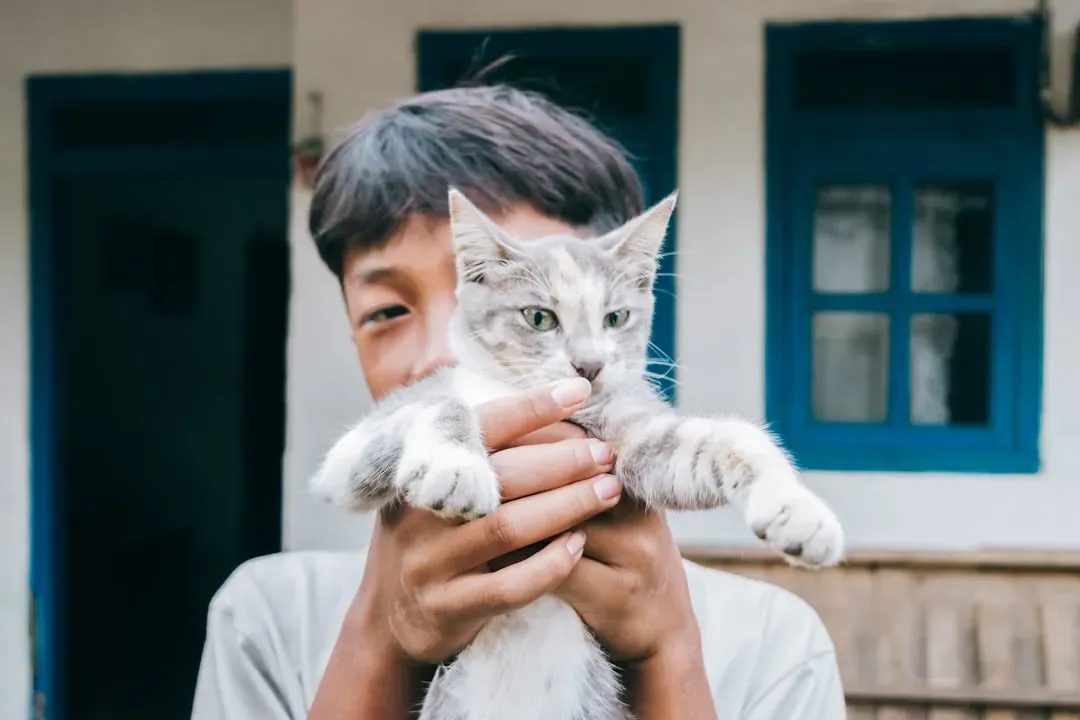
Honestly, the way most people pick up cats makes me cringe a bit. Picking up a cat by the scruff of the neck can actually cause trauma, pain, and muscle damage, even though some people think it’s safe because mother cats pick up their kittens this way. Adult cats are way too heavy for this method, and it causes unnecessary stress.
When picking up your cat, her weight should be supported properly and preferably should be dispersed across her hindquarters or rear legs, while she may choose to place her front paws on your arm or shoulders. Place one hand under your cat’s chest just behind the front legs, then gently scoop under the hindquarters with your other hand to ensure even support. Once you’ve got them, hold them close to your chest so they feel secure rather than dangling awkwardly in mid-air. Cats tend to feel safe when they’re held tightly, so gently squishing them into your body will help them feel supported and secure, though you shouldn’t be so restrictive that they can’t look around.
Cuddling for Too Long
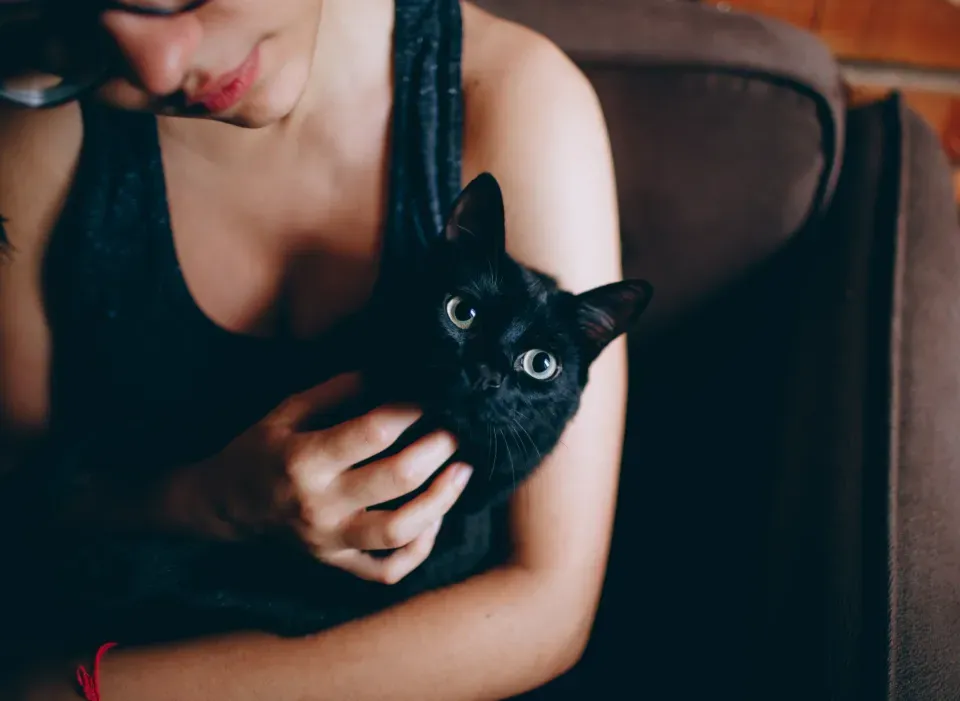
Even the most affectionate cat has limits. Petting can have a stimulating effect on cats, so you should be careful not to stroke too vigorously and above all not for too long, otherwise the cat may become overstimulated and release its energy by clawing. It’s like a balloon that eventually pops when you blow in too much air.
Some cats will seek closeness during times when they are able to be near people without being cuddled, hugged or petted. This means your cat might want to sit next to you without being touched constantly. I know it sounds crazy, but sometimes the best cuddle session is just sitting quietly together. Pay attention to how long your cat tolerates handling before they start squirming or showing signs of stress. Some cats max out at 30 seconds, others can go for several minutes. Learn your cat’s threshold and always stop before they reach it.
Restricting Their Escape Route
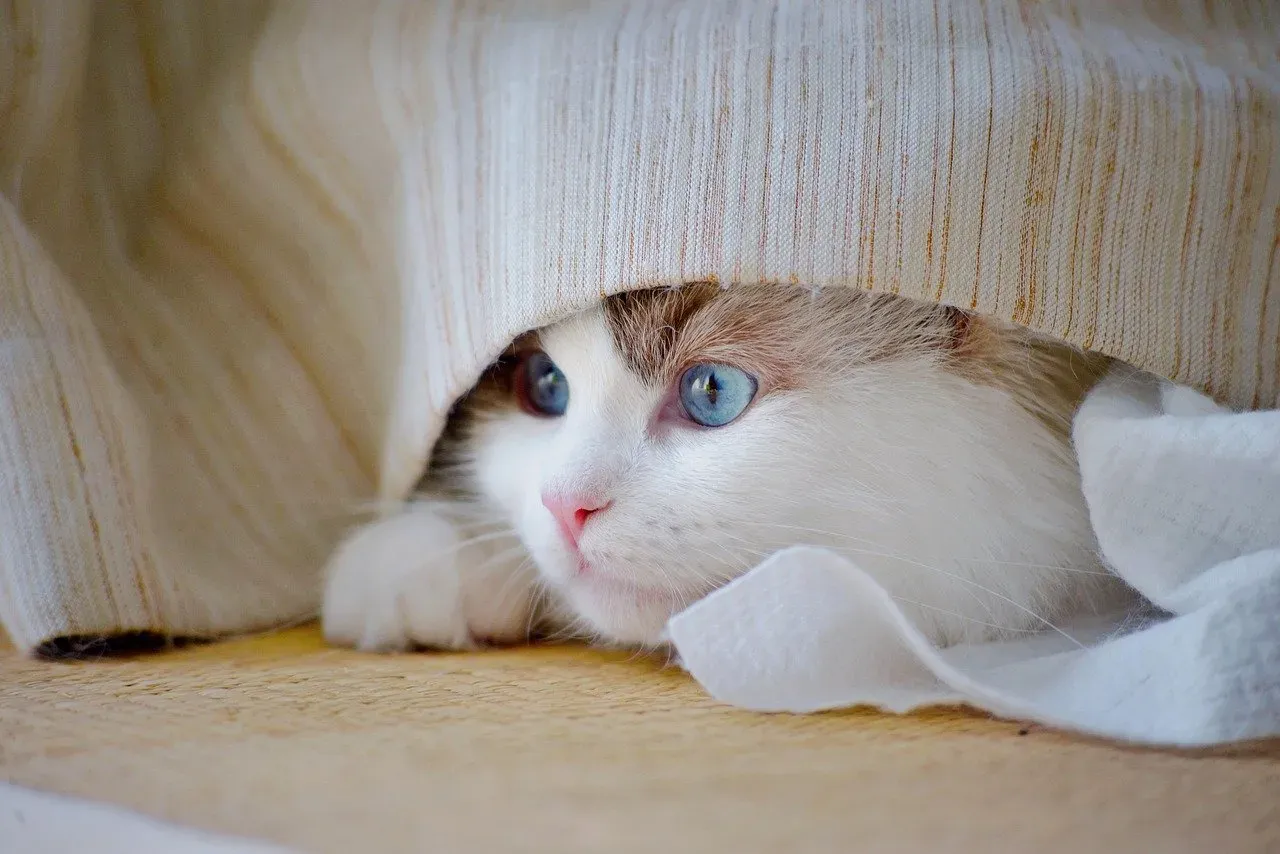
Dragging a cat out of hiding or restraining the cat and forcing them to cuddle or play doesn’t bode well for an anxious cat. Yet people do this all the time, especially when they think their cat needs comfort. Cats are usually most comfortable when they have all four paws on the ground because they know they can run away to safety if they feel scared or threatened, as being picked up takes away their choice.
When you’re holding your cat, make sure they know they can leave whenever they want. When your cat begins shifting around, squirming, or meowing, this is a signal that they’re ready to be put down, and you should honor their needs to maintain a positive association with being held. Never grip tighter when your cat tries to leave. This creates negative associations with cuddling and teaches your cat that being in your arms means being trapped. Put them down gently on the floor rather than making them jump, and they’ll be more willing to cuddle next time.
Treating All Cats the Same
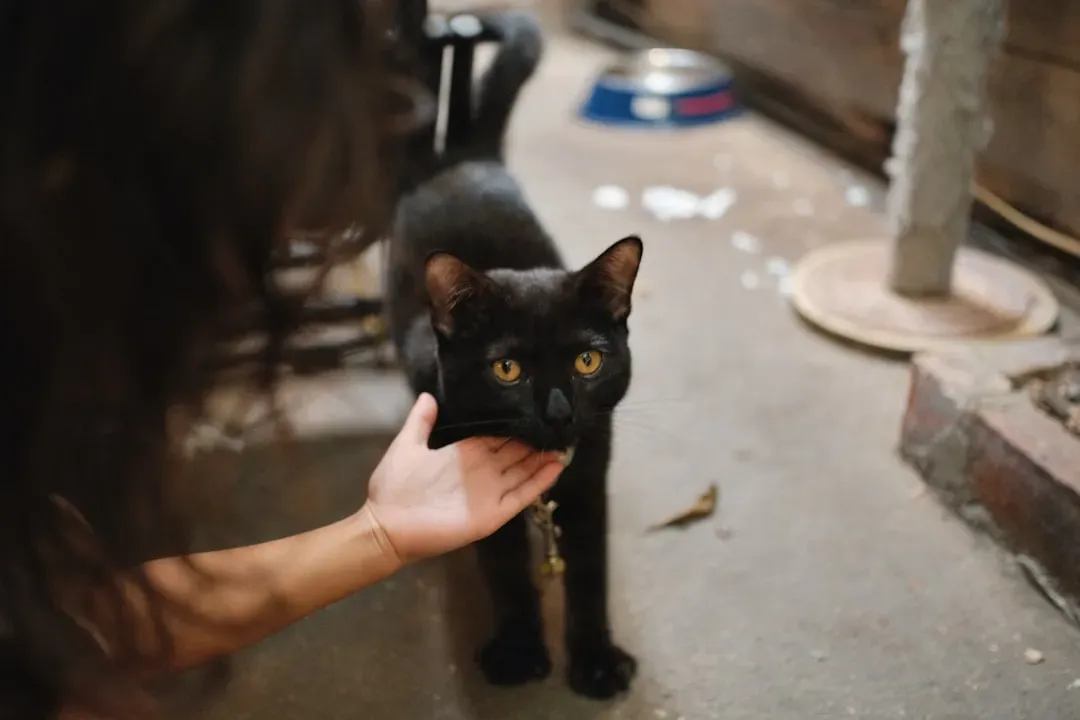
Some cats like to cuddle, some cats don’t, and many change their minds throughout the day, as it depends on the cat and the context. What worked with your childhood cat might be completely wrong for your current feline companion. Some cats are naturally more outgoing and enjoy human contact more than others, with breeds like Ragdolls and Persian cats known for their affectionate nature.
Your cat’s past experiences matter enormously too. Depending on the experiences the dog or cat has had in the past with human touch like rough handling, blows, or mistreatment, your pet might not yet appreciate being cuddled. A cat from a shelter or rescue background might need months or even years to feel comfortable with physical affection. Some cats will never be lap cats, and that’s perfectly okay. They’re not broken, they’re just being themselves. Cats are not predisposed to seek out physical affection and are not born wanting to be pet or picked up or cuddled, as those are things they only experience through human interaction. Respecting your cat’s individual personality is the greatest gift you can give them.
Conclusion
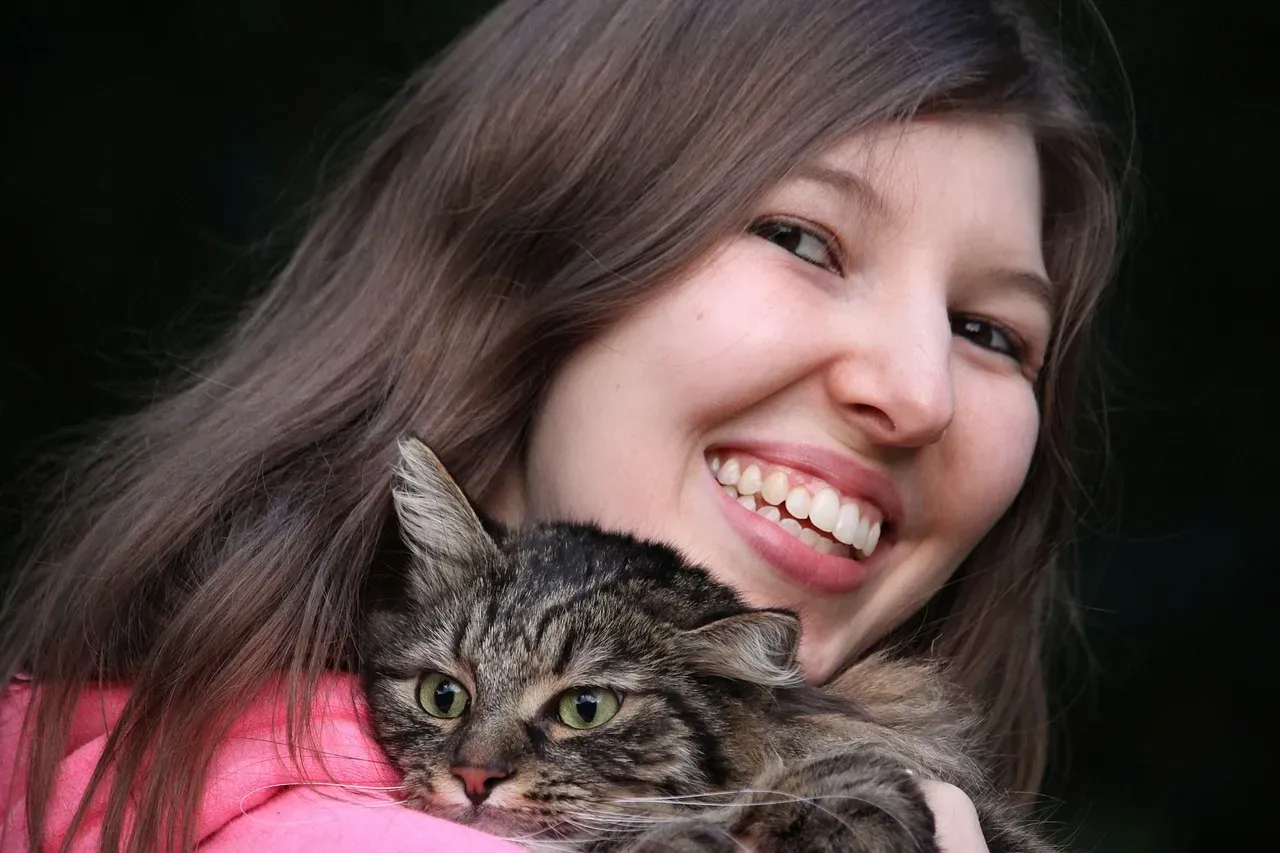
Cuddling your cat successfully isn’t about imposing your needs for affection onto them. It’s about learning their language, respecting their boundaries, and creating an environment where they feel safe enough to seek you out. Developing a strong cuddling relationship with your cat requires patience, respect, and understanding. The more you pay attention to what your individual cat enjoys, the stronger your bond becomes.
Think about it: would you rather force uncomfortable hugs that stress out your cat, or create a relationship where your cat voluntarily climbs into your lap because they genuinely want to be near you? The choice seems pretty obvious. Start implementing these changes today, and you might be surprised how much more affectionate your cat becomes when they’re calling the shots. What’s your cat’s favorite way to show affection? Share your experiences with us in the comments below.
Kristina is a young writer from India. An arts graduate and an avid content creator, Kristina is passionate about animals and wildlife. She enjoys exploring topics related to pet care, animal behavior, conservation, and nature, combining thorough research with engaging storytelling.