You’ve probably noticed that your cat sometimes stares at you with those mesmerizing eyes, flicks their tail in mysterious ways, or makes sounds that seem to have specific meanings. It’s hard to say for sure, but your feline friend is likely trying to tell you something important. The thing is, cats have been communicating with us all along, using a rich vocabulary of body language, vocalizations, and subtle gestures that we often miss or misinterpret.
Learning to speak your cat’s language isn’t just about understanding what they want. It’s about building trust, strengthening your bond, and creating a deeper connection with your furry companion. Think of it as unlocking a secret code that’s been hiding in plain sight. So let’s dive in and discover how you can become fluent in feline communication.
Master the Art of Slow Blinking
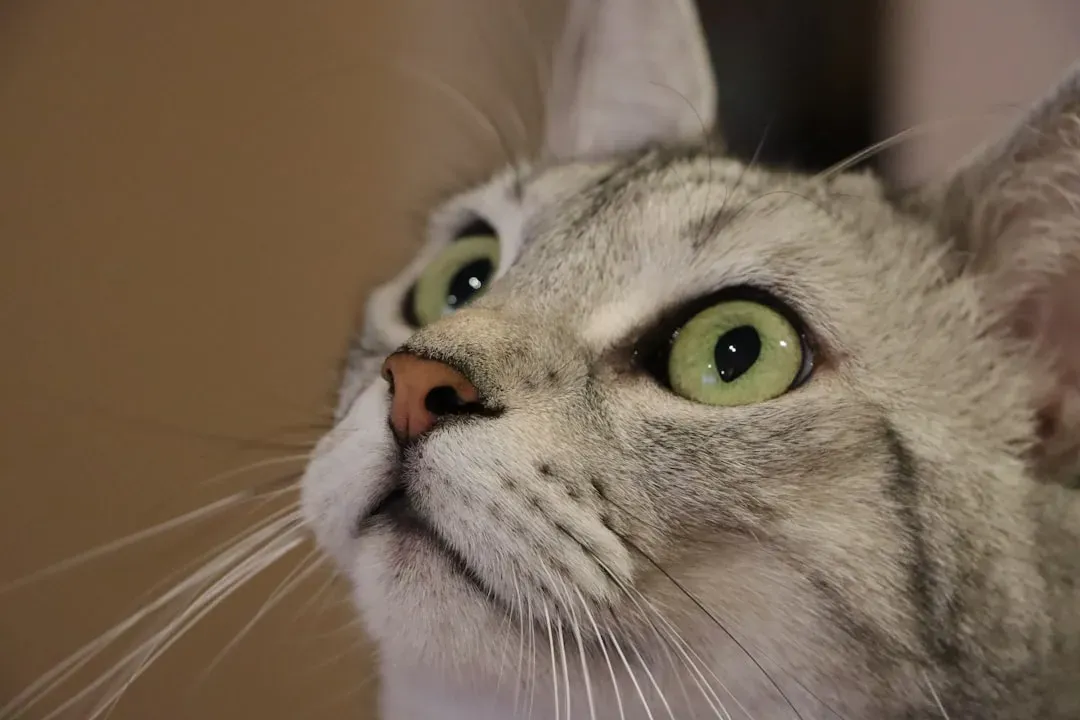
When your cat slow blinks at you, it’s actually a sign of trust and affection, often called a “cat kiss.” This gentle narrowing of the eyes is one of the most endearing ways your cat shows they feel safe and comfortable around you. Studies have even proven that the slow blink strengthens the human-cat bond.
You can respond to this sweet gesture by slowly blinking back at your cat. Try narrowing your eyes at them as you would in a relaxed smile, followed by closing your eyes for a couple of seconds. It’s honestly one of the simplest yet most powerful ways to tell your cat you love them too. The beauty of this communication method is that it works across distances and doesn’t require any physical contact, making it perfect for those moments when your cat is lounging across the room.
Pay Attention to Tail Positions and Movements
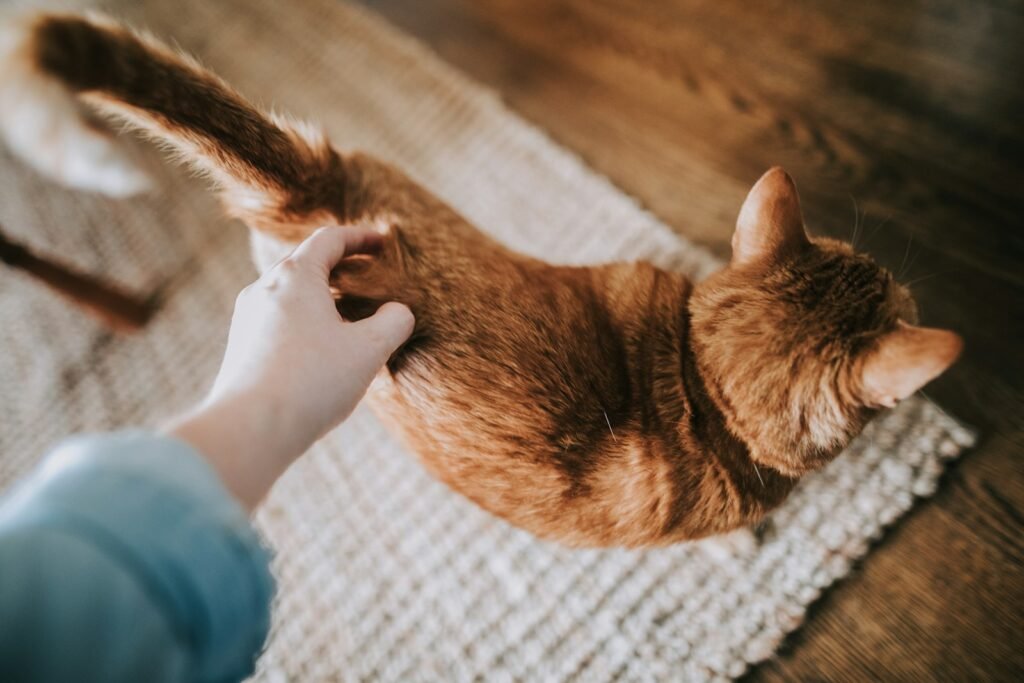
Your cat’s tail is like a mood ring that never lies. If your cat walks into the room with their tail sticking straight up, they’re feeling confident, comfortable and ready to engage in some friendly interaction. A tail that points up accompanied with a quiver at the base often means your cat is especially excited to see you.
Watch out for other tail signals too. When your cat bends their tail in the shape of a question mark, this is good news, as it’s their way of asking you if you’d like to play. Conversely, if you notice their tail thrashing or lashing back and forth, that’s your cue to give them some space. Whipping or lashing of the tail is a sign that your cat is angry, and that they may take a sudden, strong action in the near future. Reading these tail signals helps you respond appropriately to your cat’s emotional state.
Decode Their Vocal Repertoire
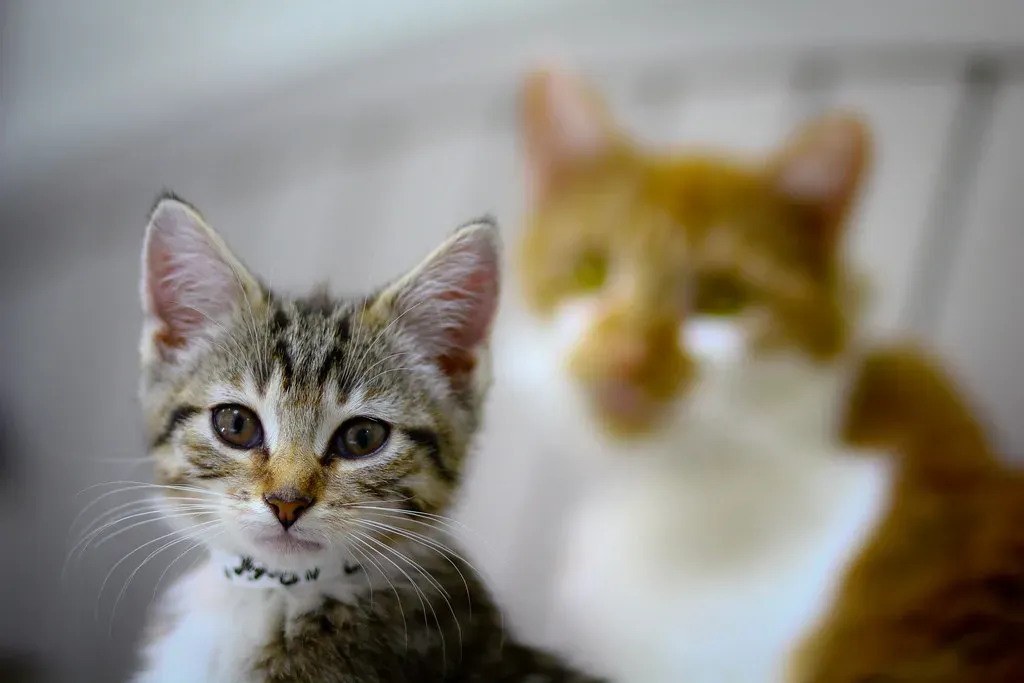
Here’s the thing about cat meows: kittens meow to attract their mothers, but in adult cats, the meow is almost exclusively used to communicate with humans. Your cat has basically developed a special language just for you. Let’s be real, that’s pretty remarkable when you think about it.
You might be able to tell the difference between your cat’s “I’m hungry” meow and their “I want to play” meow, and there’s ongoing research around the idea that cats can make slight adjustments to their vocalizations to give them specific meaning just for us. Pay attention to the pitch, length, and intensity of your cat’s meows. Short, high-pitched meows often signal greetings, while longer, more drawn-out vocalizations might indicate frustration or demand. When your cat trills, it’s probably feeling friendly and familial, and cats often trill to their owners to greet them.
Understand the Ear Position Language
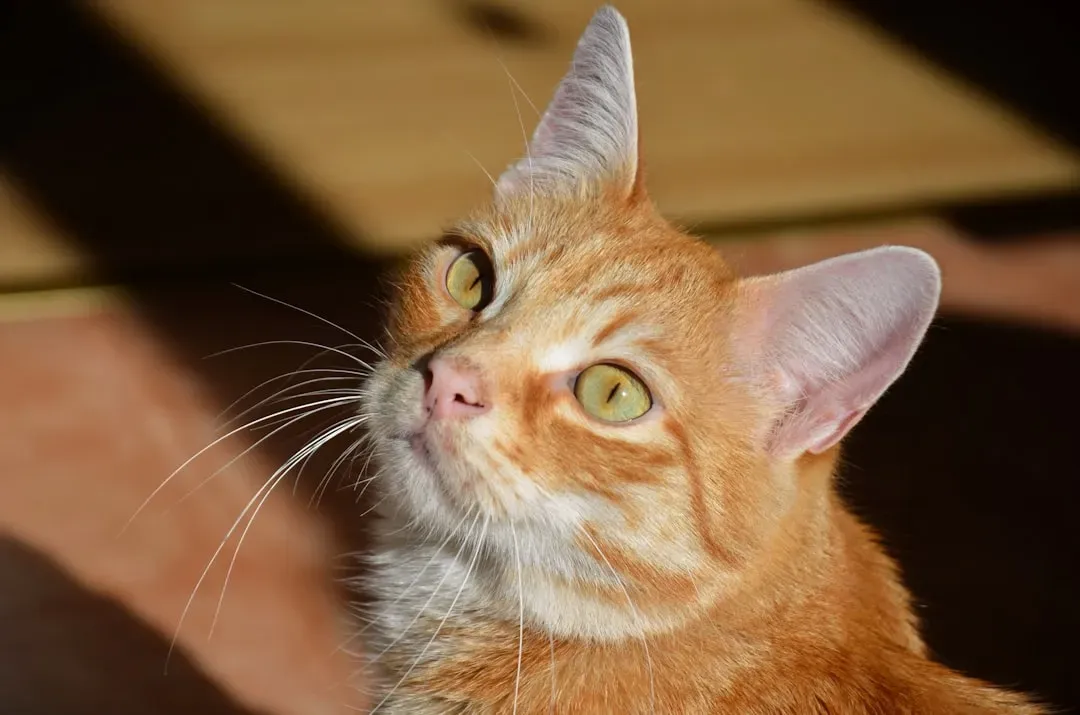
Your cat’s ears are among the most expressive parts of their body. They can swivel, flatten, perk up, and rotate to communicate a whole range of emotions. Ears forward signal that your cat is alert, curious, and interested in what’s happening, while ears slightly relaxed mean they’re comfortable and content.
Ears flattened sideways, sometimes called airplane ears, indicate nervousness or uncertainty, while ears pinned back signal that your cat is defensive, angry, or fearful. In interactions between cats, ear positions are actually the best predictor of the outcomes of these interactions. When both you and your cat have relaxed, open postures, the communication flows naturally. Respecting what their ears are telling you prevents misunderstandings and potential scratches.
Respond to Their Body Posture Cues
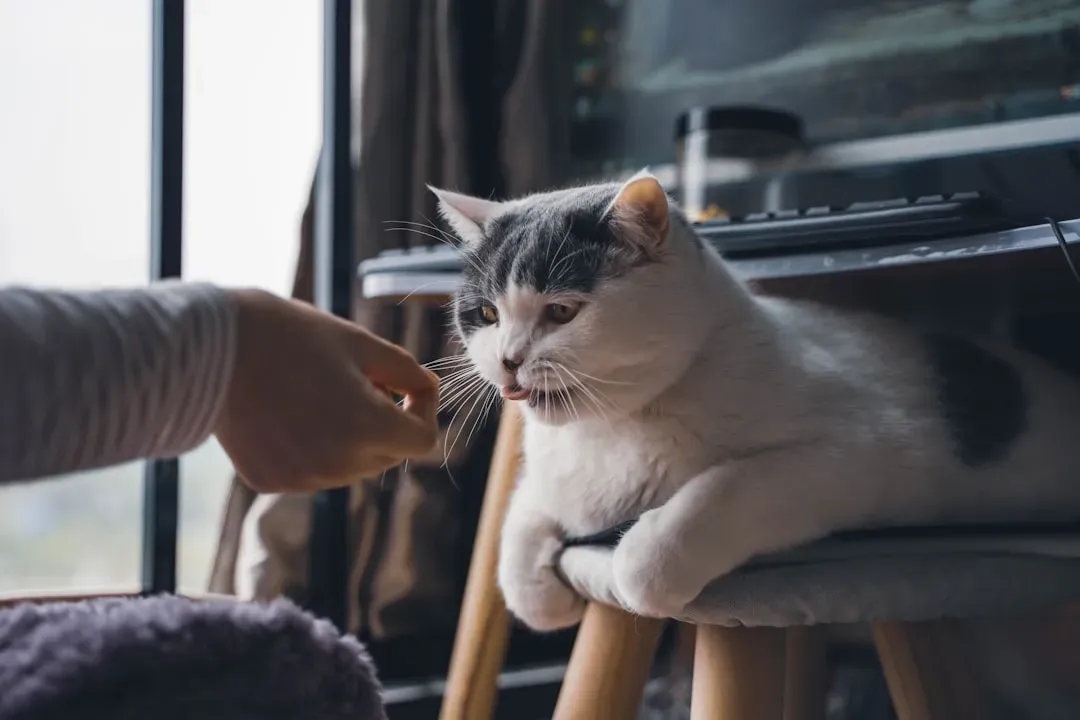
Cats rarely communicate with just one signal, instead combining ears, eyes, tails, and posture into a full message. Think of your cat’s entire body as a canvas painting their emotional state. A relaxed cat typically has a loose body with their limbs stretched out comfortably.
When your cat is feeling stressed, they may have a stiff and tense body held low to the ground. A fearful cat might initially make themselves look smaller by crouching low to the ground and scrunching up their body. On the flip side, in cat-human interactions, the cat most often approaches with its tail up prior to rubbing itself against the human. This confident approach with the tail-up display shows that your cat views you as someone safe and trustworthy. Learning to read these whole-body signals helps you understand the complete picture of what your cat is expressing.
Recognize and Respect Their Personal Space Signals
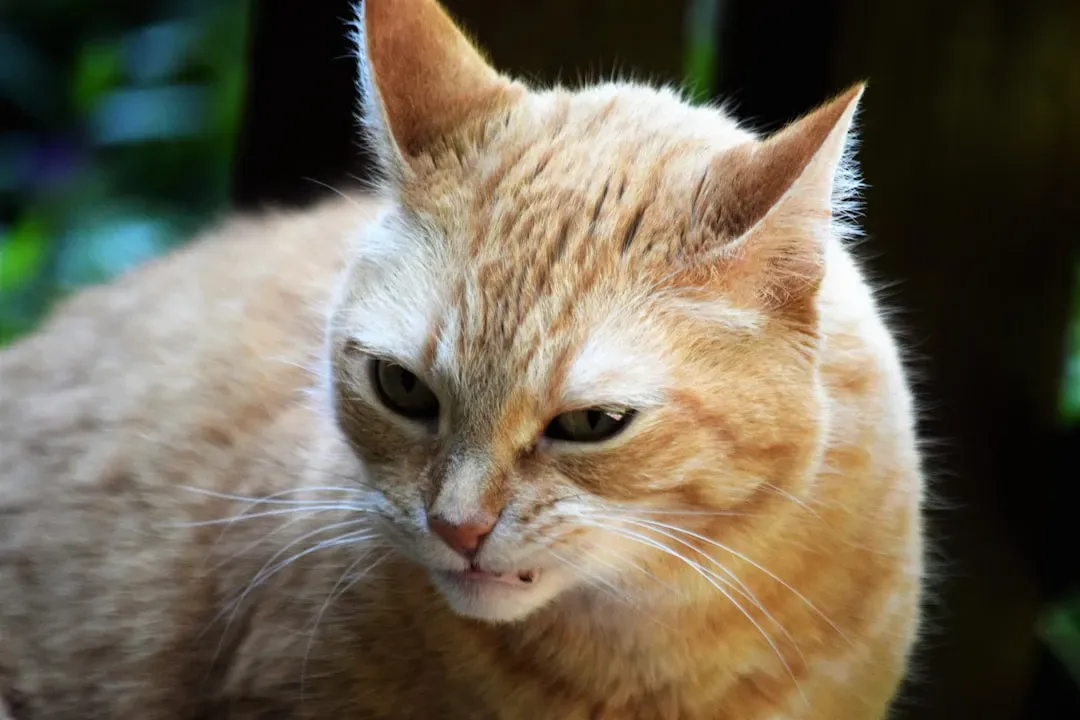
Research shows cats adjust their body language and vocalizations when interacting with humans, using more eye contact and meows than they do with other cats. Your cat has adapted their communication style specifically for you, which means you need to honor the boundaries they’re setting.
When interpreting cat body language, consider everything that’s going on around the cat and put yourself in their paws to ask how the situation and environment might make them feel. If your cat moves away from you, tucks their tail beneath their body, or flattens their ears, they’re clearly asking for space. Some cats have a lower threshold for interaction than others. Maybe your cat only wants a few minutes of petting before they’re done, and that’s perfectly okay. Respecting these signals builds trust over time.
Engage in Interactive Communication
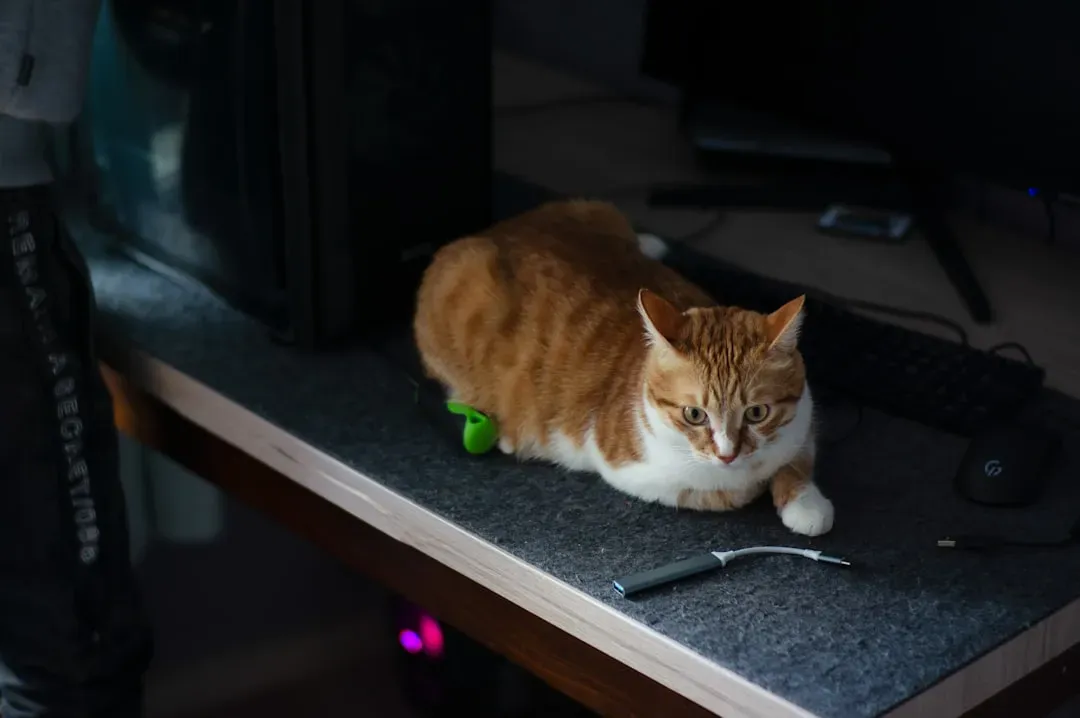
When you learn to read cat signals accurately, you can respond in ways that build trust, and respecting boundaries when your cat is anxious, or engaging playfully when they’re in the mood, helps nurture a stronger relationship. Communication is a two-way street, after all.
Headbutting and rubbing are forms of cat communication that allow cats to mark their territory by transferring scent from glands located around their cheeks and jaw, and these behaviors signal comfort, affection, and familiarity. When your cat rubs against you or headbutts your hand, respond with gentle affection. Try offering slow blinks, speaking softly, or engaging in play when they signal they’re ready. The key is being present and attentive, noticing the subtle shifts in their behavior and responding appropriately. Over time, this creates a beautiful dialogue between you and your feline companion.
Building a Lasting Connection
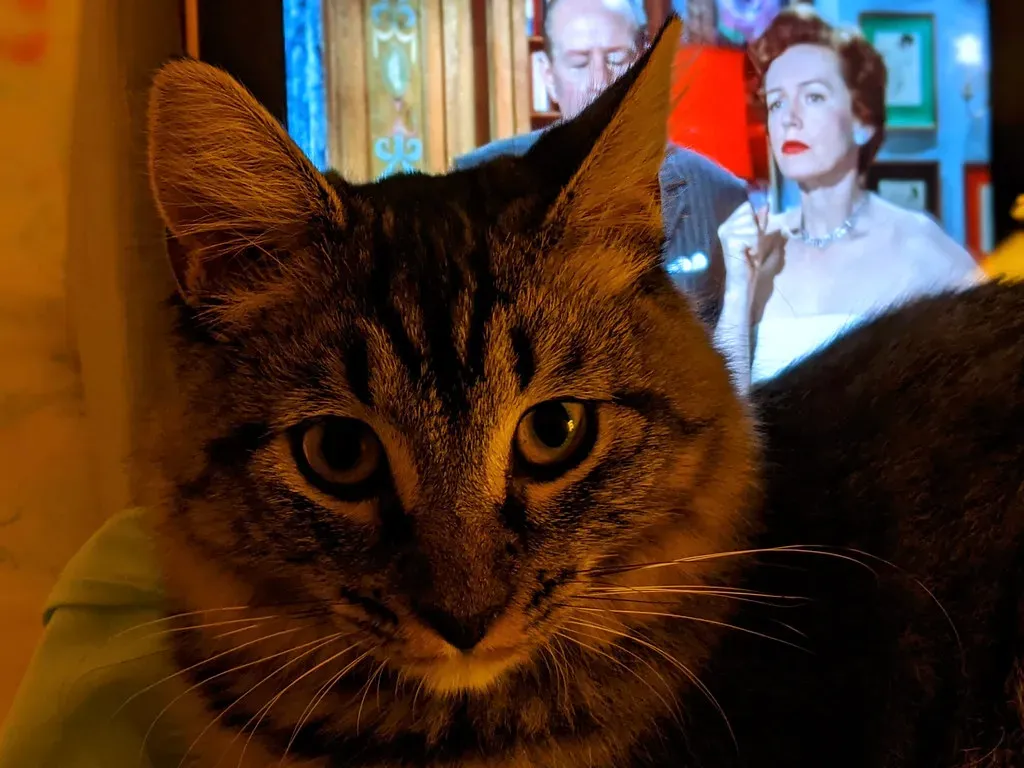
Learning transforms your relationship from coexistence to true companionship. Cats have earned a reputation for being hard to read, but it’s not their fault, they just communicate differently than humans, and by using the context of the entire situation, trying to see the situation from the cat’s point of view, and looking for subtle cues in body language, you’ll have an excellent chance at understanding your feline friends.
The beauty of feline communication is that it rewards patience and observation. Every cat has their own personality, their own quirks, and their own preferred ways of expressing themselves. Some cats are chatty and vocal, while others prefer silent signals through body language. By paying attention to all the ways your cat communicates, from their slow blinks to their tail positions, from their meows to their ear movements, you’re showing them that you truly see them and value what they have to say. This mutual understanding creates a bond that goes beyond simple pet ownership.
What aspects of cat communication have you noticed in your own feline friend? Tell us in the comments.
Kristina is a young writer from India. An arts graduate and an avid content creator, Kristina is passionate about animals and wildlife. She enjoys exploring topics related to pet care, animal behavior, conservation, and nature, combining thorough research with engaging storytelling.