In a historic shift that ends decades of controversy and suffering, new U.S. federal law has formally prohibited the shooting of live animals in military trauma training exercises. Until now, certain branches of the U.S. armed forces had subjected pigs, goats, and other animals to “live fire” drills intended to simulate battlefield injuries—a practice that animal welfare advocates and medical experts have long criticised as both cruel and scientifically outdated. With the enactment of the 2026 National Defense Authorization Act, a bipartisan amendment now mandates that these exercises be replaced with advanced simulation methods, marking a watershed moment in both animal protection and military medical training.
A Landmark Legal Change Ends Live-Fire Animal Wounding
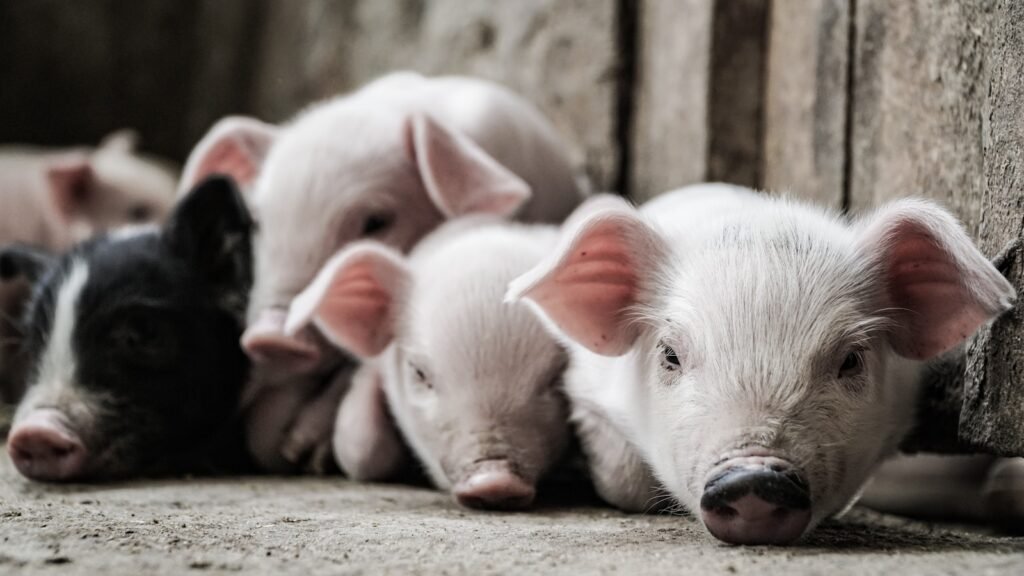
The news stems from language included in the 2026 National Defense Authorization Act (NDAA), signed into law in late 2025, which explicitly bans the use of live animals in live-fire trauma training across all branches of the U.S. military. Under the new provision, the Secretary of Defense is required to ensure that live animals—whether dogs, cats, nonhuman primates, marine mammals, or others—are not shot in trauma drills. Instead, training scenarios must now use alternatives such as high-fidelity human simulators, mannequins, donated cadavers, or trained participants acting as mock patients.
This prohibition reflects a major shift in policy, driven by extensive advocacy and scrutiny over decades. Supporters of the amendment hailed the move as a long-overdue correction in training standards, both on ethical grounds and in recognition of modern medical simulation technology.
Decades of Advocacy and Exposure
The push to end animal wounding in military exercises was neither sudden nor accidental. Advocacy organisations, particularly the People for the Ethical Treatment of Animals (PETA), played a central role in bringing attention to the issue. Investigations and undercover documentation exposed practices in so-called “wound labs” where animals were suspended and shot to mimic combat trauma—activity that many critics characterised as needlessly brutal and of unclear educational value.
Historical efforts extend back decades. In the early 1980s, exposure of a military plan to purchase shelter dogs for shooting tests led to the cancellation of that program and a temporary ban on using certain animals in similar training. However, that restriction was later lifted for pigs and goats, prompting renewed campaigns and investigations that kept the issue in the public eye until legislative success was achieved.
What the New Law Requires from the Military
Under the NDAA amendment, implementation of this ban is comprehensive. It tasks military leadership with replacing animal shooting in trauma drills with alternatives wherever training must replicate battlefield injuries. According to the statute, the Department of Defense must ensure live animals are not used in live-fire trauma training and Employ simulators, mannequins, cadavers, or human role-players as substitutes in all such exercises.
The language of the law makes no exception for specific species, meaning that a broad range of animals previously used for such drills are protected under the new framework. This legal requirement applies to all service branches including the Army, Navy, Marine Corps, Air Force, Space Force, and the National Guard components.
Modern Simulation Technology Takes Centre Stage
One of the core reasons cited for the change is the remarkable advancement in human-relevant simulation technology. Leaders in medical training note that many simulators today can accurately reproduce human anatomy, physiological responses, severe bleeding, airway challenges, and reactions to treatments—elements critical for preparing medics and corpsmen for real battlefield conditions.
Supporters argue that simulators and mannequins not only eliminate animal suffering, but also provide more accurate, repeatable, and customizable training scenarios that better reflect human anatomy. This perspective is echoed by medical professionals and military veterans who have publicly called for a modernization of trauma training methods.
Broader Context and Remaining Challenge
While the ban on live-fire shooting of animals represents a major win for animal rights groups and many medical professionals, experts note it does not end all animal use in military medical contexts. Other training activities, such as procedures performed on anesthetised animals or tests of equipment and weapons, may still occur under certain conditions, though efforts continue to reduce these as well.
Furthermore, advocates stress that training programs must be carefully evaluated to ensure that simulators and alternative methods truly prepare service members for real-world trauma care without compromising readiness or patient outcomes. Some critics argue this transition must be managed thoughtfully to balance ethical concerns with the imperative of effective soldier medical training.
A Historic Move Toward Humane and Effective Training
In conclusion, the banning of live-fire animal shooting in military trauma training is a historic policy change that reflects both ethical progress and practical investment in modern medical education methods. This legislative shift ends a practice long criticised for cruelty and questionable scientific value, and places the U.S. military among a growing group of institutions embracing sophisticated training technology. As implementation unfolds through 2026 and beyond, the focus will be on refining trauma training to ensure it remains effective for preparing medics while respecting animal welfare in accordance with new legal standards.
Kristina is a young writer from India. An arts graduate and an avid content creator, Kristina is passionate about animals and wildlife. She enjoys exploring topics related to pet care, animal behavior, conservation, and nature, combining thorough research with engaging storytelling.