You’ve probably heard all sorts of advice about what makes your cat happy. Some of it sounds reasonable enough. Other bits make you wonder where people come up with these ideas in the first place.
The truth is, cats have been misunderstood for centuries. We’ve built entire belief systems around feline behavior that simply don’t hold up under scrutiny. Your cat isn’t the aloof, self-sufficient creature pop culture has made them out to be, and that constant purring might mean something completely different from what you think.
Studies show that most cats create strong attachments to their guardians and experience feelings of comfort and safety by being around them. So let’s dive into the myths that have been clouding your understanding of what really makes your feline friend tick.
Myth 1: Purring Always Means Your Cat Is Happy
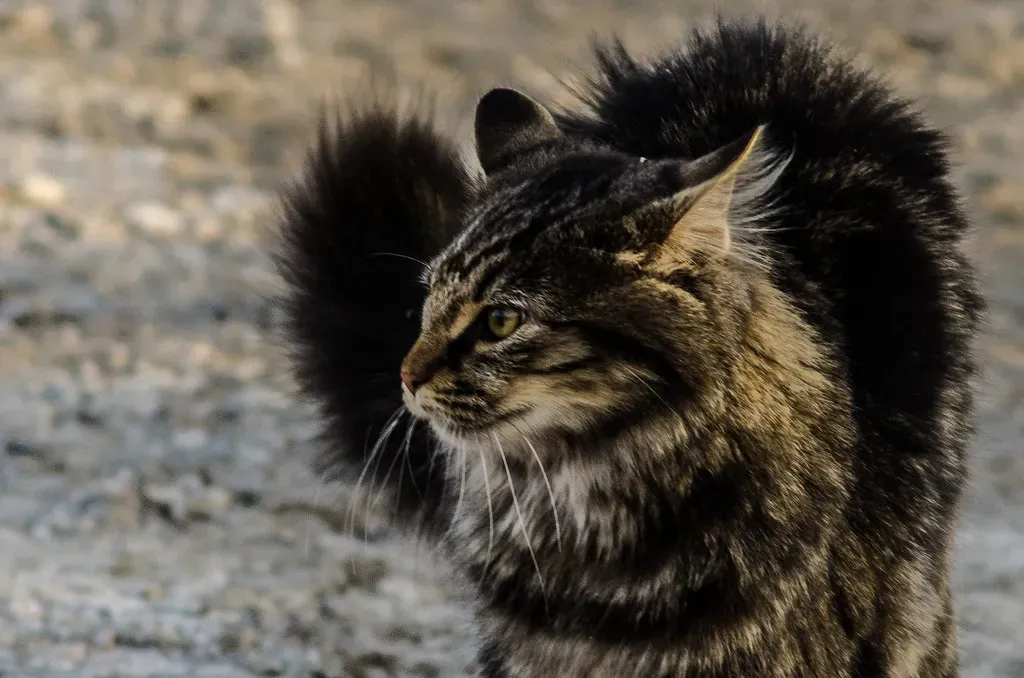
This is probably the most widespread misconception out there. You hear that rumbling vibration and automatically assume everything’s perfect in your cat’s world. Cats purr when they are happy, but they also purr when they feel sick, are in pain, or are afraid. It’s almost like they’re using purring as a Swiss Army knife of emotional expression.
Scientists believe that purring has self-healing properties, as the sound frequency of a cat’s purr may promote healing of bones and tissues. Your cat might be purring at the vet’s office not because they’re enjoying themselves, but because they’re trying to calm down and literally heal their own stress. Pay attention to the whole picture: body language, ear position, and whether your cat is hiding or eating normally.
Myth 2: Cats Are Naturally Aloof and Don’t Need Your Attention
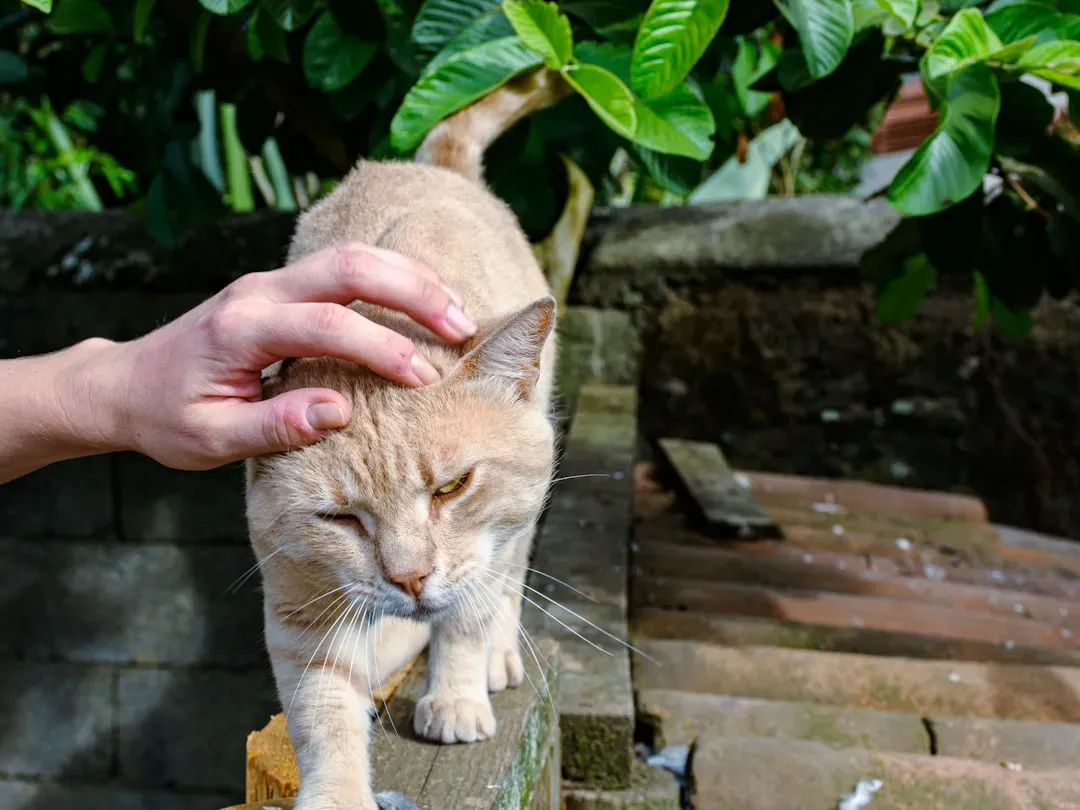
Let’s be real, this myth has done serious damage to cat-human relationships. Sure, cats aren’t going to follow you around wagging their tail like a golden retriever, but that doesn’t mean they’re cold and indifferent. Many cats are friendly, playful, and smart – they just show it in their own unique ways.
Cats are actually social creatures that form strong bonds with their human companions and other cats, and many cats enjoy cuddling, playing, and interacting with their owners. Some even develop separation anxiety when left alone for extended periods. Your cat might show love through slow blinks, head bumps, or by simply choosing to be in the same room as you. Independence doesn’t equal indifference.
Myth 3: Milk Makes Cats Happy and Healthy
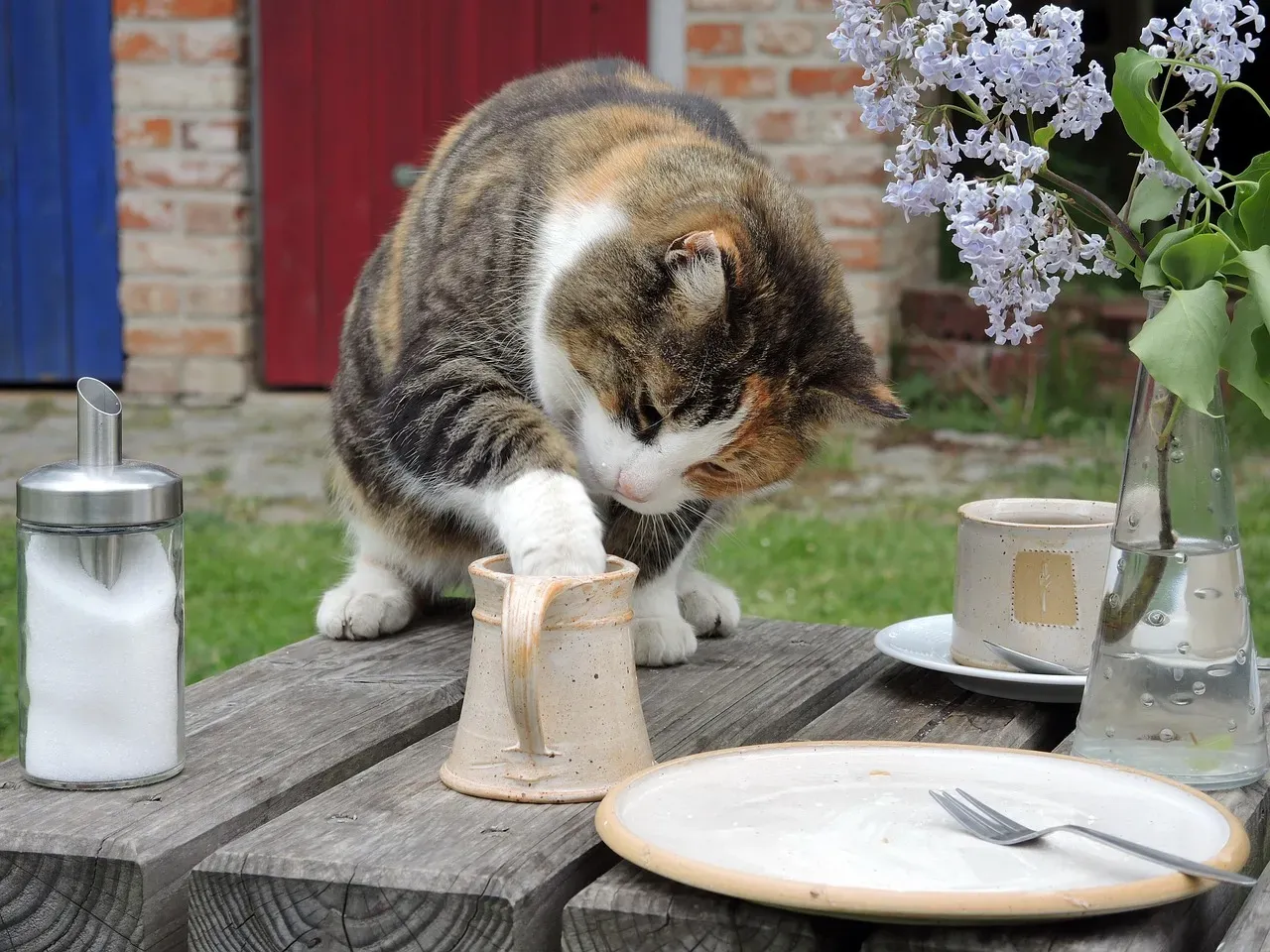
The image of a cat lapping up a bowl of milk is practically iconic. Movies, cartoons, and even well-meaning neighbors have perpetuated this idea for generations. Here’s the thing though: most adult cats are actually lactose intolerant, as they lose the ability to digest lactose as they grow older.
Giving your cat milk can lead to gastrointestinal upset, diarrhea, and discomfort. Water is what your cat really needs. If you want to treat your cat to something special, there are cat-safe alternatives on the market that won’t cause digestive drama. Your cat might seem to enjoy milk, but their stomach definitely won’t thank you later.
Myth 4: Cats Are Nocturnal Party Animals
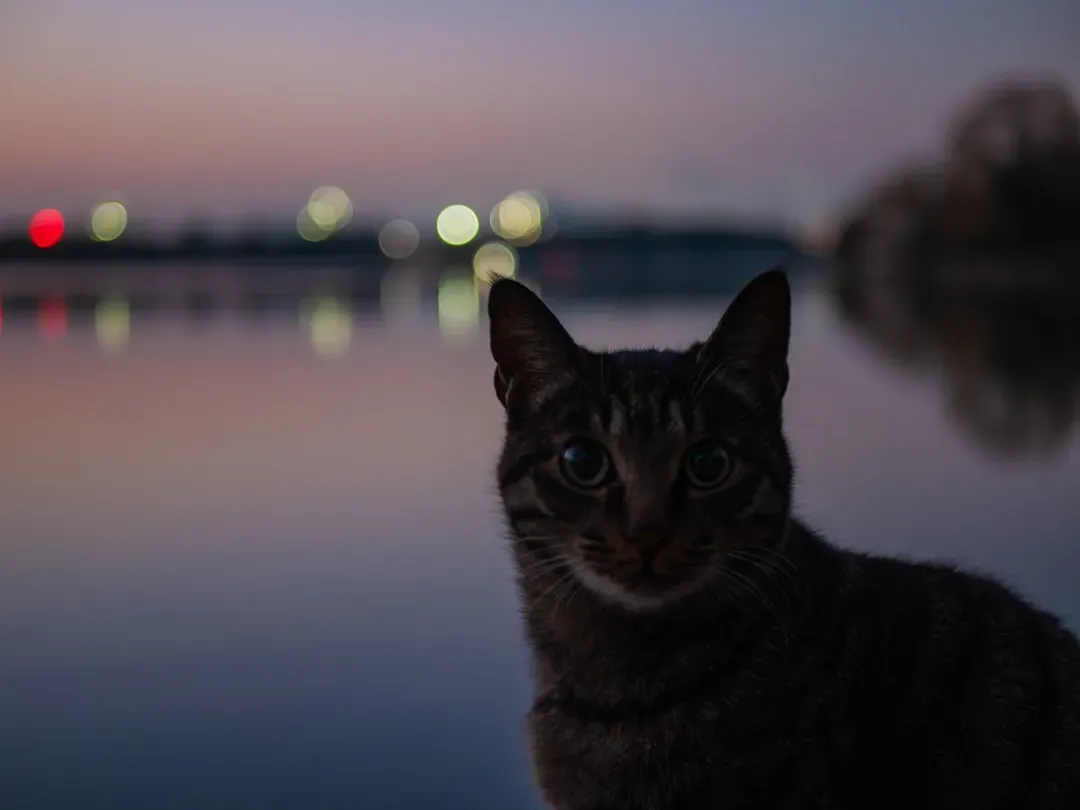
You might blame your cat’s three in the morning zoomies on their “nocturnal nature.” Honestly, it’s easy to see why this myth persists when your cat is racing around at ungodly hours. Cats are actually crepuscular, meaning they are most active during dawn and dusk, with this misconception arising from the fact that cats are often more playful and energetic during the early morning and evening hours.
In the wild, cats hunt during these twilight hours when their prey are most active, and domestic cats have retained this instinctive behavior. Understanding this natural rhythm can help you establish routines that work for both of you. Try engaging your cat in play sessions before bed and feeding them a meal afterward to mimic their natural hunt-eat-sleep cycle.
Myth 5: Cats Are Low-Maintenance Pets
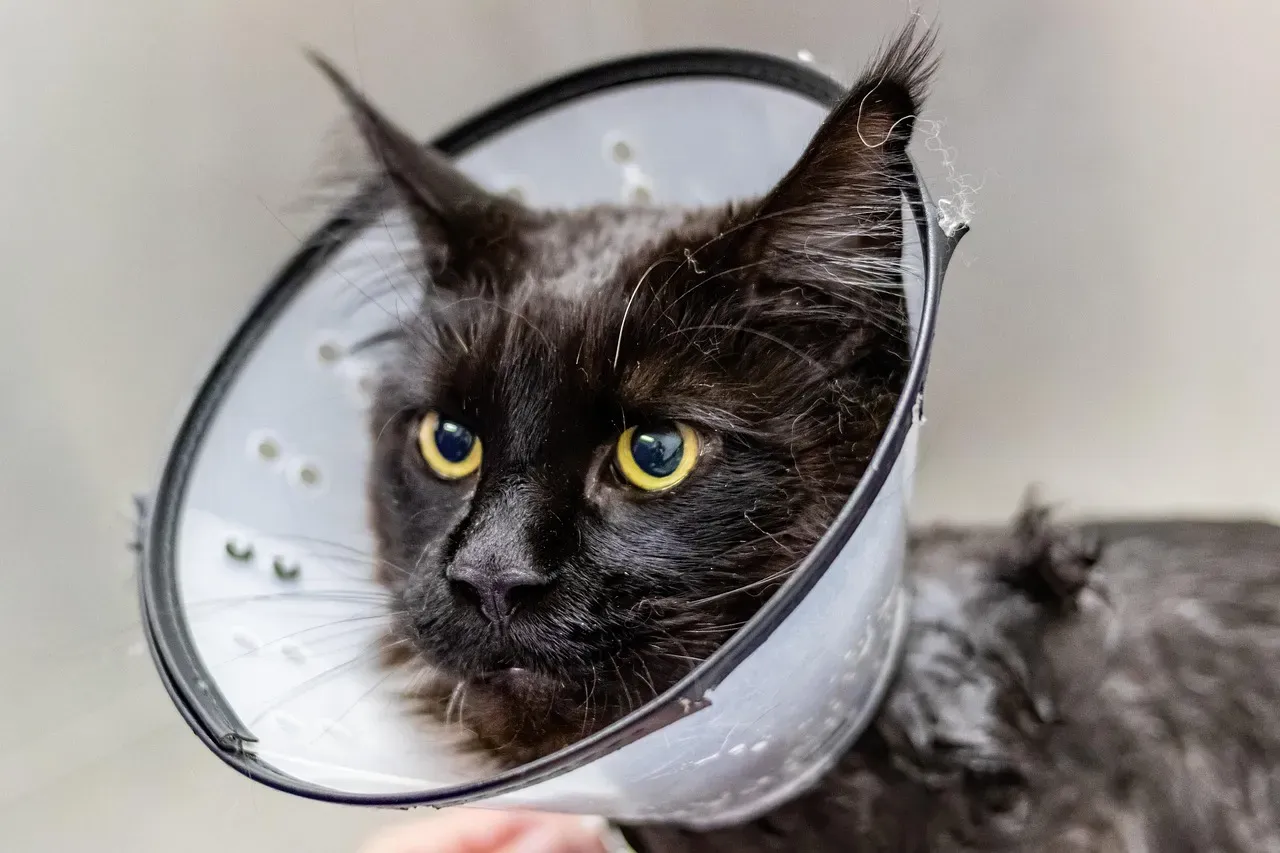
This myth drives veterinarians and cat behaviorists absolutely nuts. People assume that because cats use litter boxes and don’t need daily walks, they’re basically self-sufficient. While cats may not require daily walks or extensive training, they still have specific needs that must be met to ensure their health and happiness, including regular veterinary check-ups, a balanced diet, clean litter boxes, and plenty of mental and physical stimulation.
Neglecting these needs leads to behavioral problems, health issues, and a seriously decreased quality of life. Your cat needs environmental enrichment, interactive play, scratching posts, hiding spots, and yes, your attention. They might not be as demanding as dogs, but they’re far from maintenance-free.
Myth 6: All Cats Hate Water
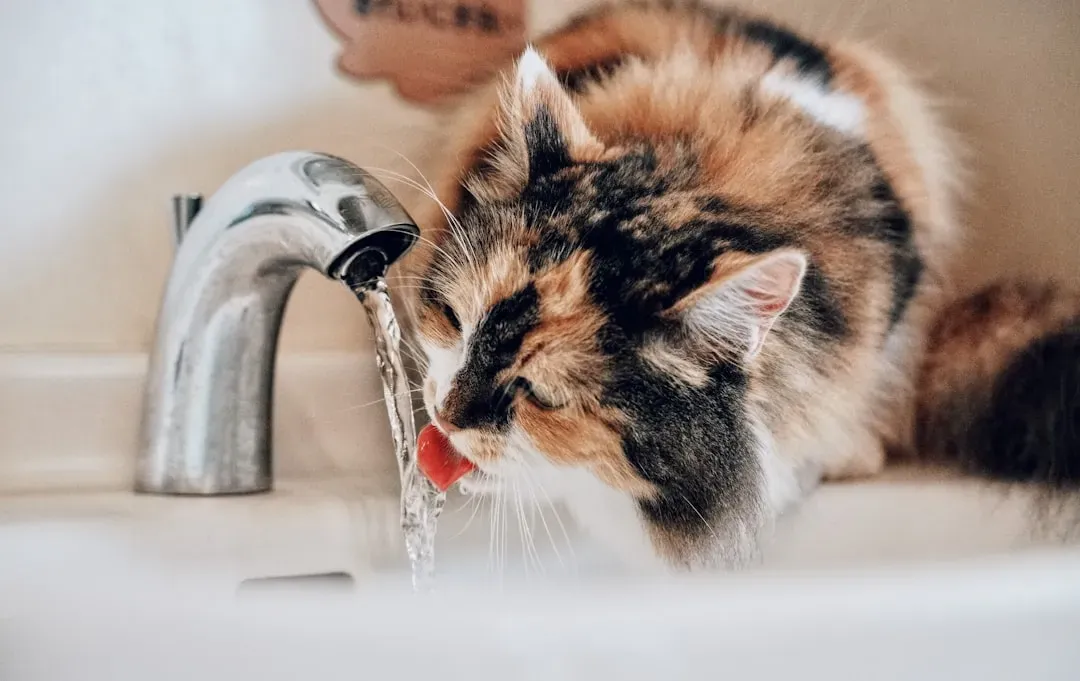
You’ve probably seen viral videos of cats absolutely losing it at bath time. The internet has convinced us that every single cat on the planet despises water with the passion of a thousand suns. While many domestic cats may indeed dislike getting wet due to their dense fur taking a long time to dry, some breeds like the Maine Coon and Turkish Van actually enjoy water, with distaste depending on the individual cat’s early experiences and exposures.
Some cats will happily play with running water from faucets or even join you in the shower. It really comes down to individual personality and early socialization. Painting all cats with the same brush ignores the wonderful diversity in feline personalities.
Myth 7: Cats Always Land on Their Feet
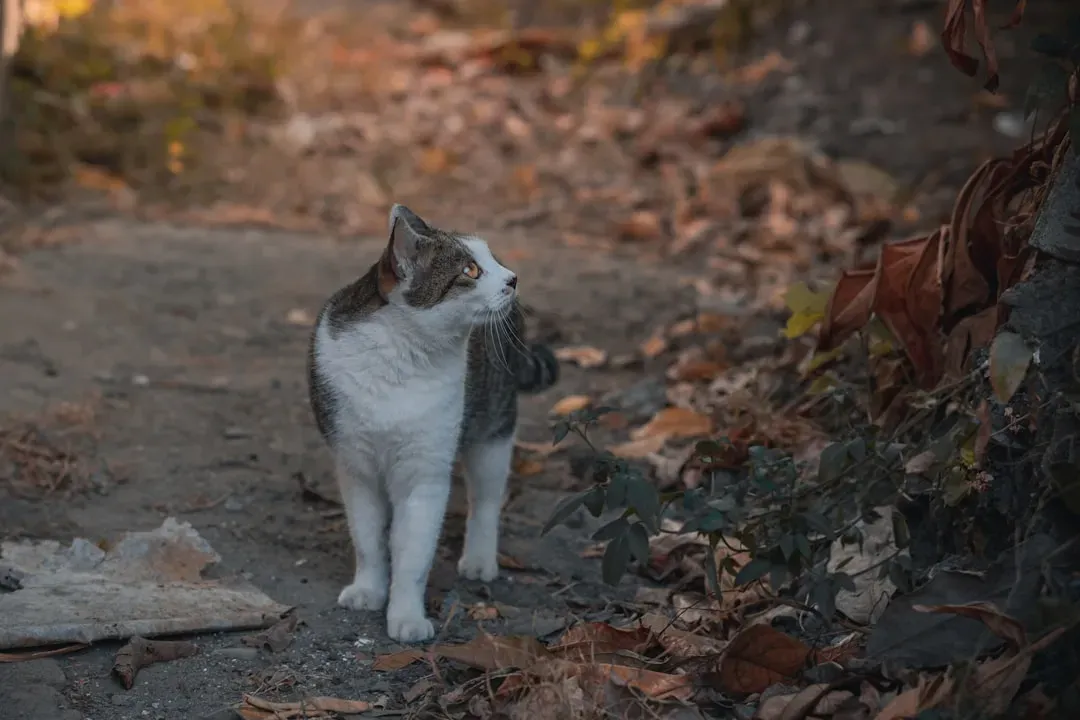
The old saying about cats having nine lives probably stems partly from this dangerous myth. While cats are known for their agility and remarkable ability to right themselves during a fall through a unique “righting reflex” that allows them to twist their bodies mid-air, they don’t always land on their feet.
Falls from significant heights can still result in serious injuries, so it’s crucial to keep cats away from open windows and high balconies. Cats can and do suffer broken bones, internal injuries, and worse from falls. Believing they’ll always land safely creates a false sense of security that can have tragic consequences. Secure your windows and balconies, period.
Myth 8: Indoor Cats Don’t Need Environmental Enrichment
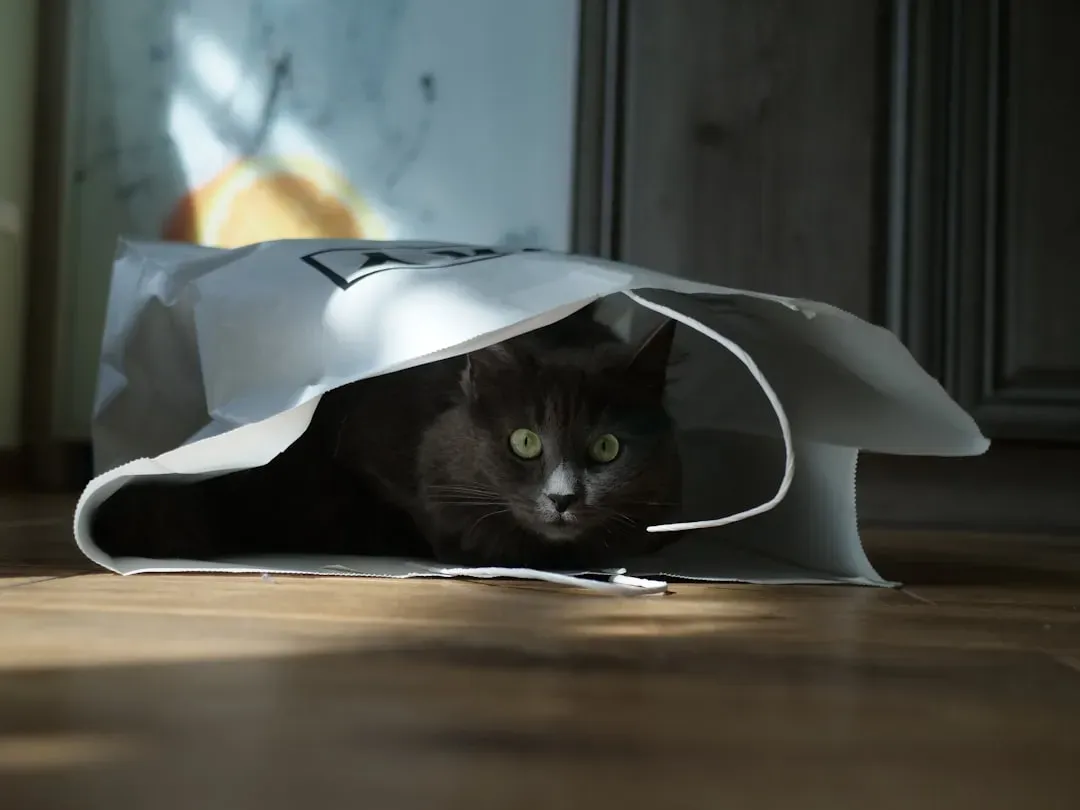
Some people think that as long as a cat has food, water, and a litter box, they’re all set. I’ve seen too many indoor cats living in barren environments, and their owners genuinely don’t understand why their cat seems bored or develops behavioral issues. Having easy access to a safe space to retreat and hide is more than mere luxury and is instead a basic, vital need.
In studies, when cats were offered access to areas containing a place to perch, a toy, or a box to hide in, cats spent the most time in the compartment with the hiding box. Your indoor cat needs vertical spaces, hiding spots, scratching surfaces, puzzle feeders, and interactive play. Think of enrichment as mental and physical exercise combined. Without it, your cat isn’t just bored; they’re fundamentally unhappy. Their environment shapes their entire quality of life.
Conclusion
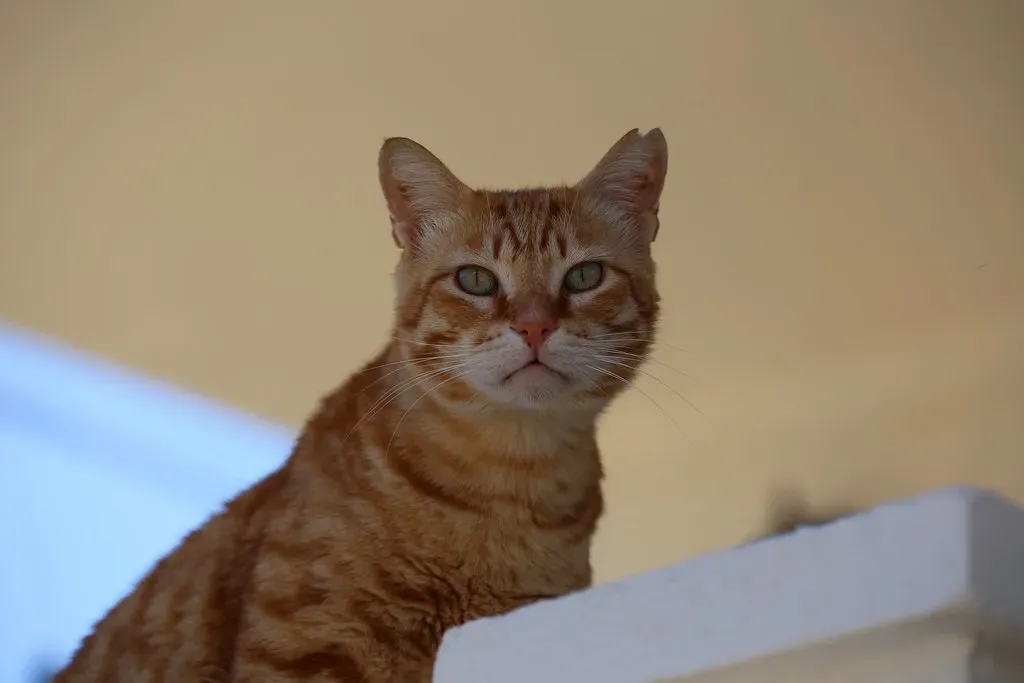
Understanding what truly makes your cat happy goes way beyond debunking old wives’ tales. It requires you to see your cat as the complex, emotional, intelligent creature they actually are. Cats are sentient beings that experience both positive and negative emotions, with an ability to seek the positive and avoid the negative, and promoting positive emotions while minimizing negative emotions such as fear, frustration and pain enhances feline well-being.
The myths we’ve explored today aren’t just harmless misconceptions. They actively prevent cats from reaching their full potential for happiness. When you stop believing that purring always means contentment, that cats don’t need attention, or that they’re naturally low-maintenance, you open yourself up to really understanding your feline companion. What surprised you most about these myths? Have you been unknowingly believing any of them? Share your thoughts in the comments.
Kristina is a young writer from India. An arts graduate and an avid content creator, Kristina is passionate about animals and wildlife. She enjoys exploring topics related to pet care, animal behavior, conservation, and nature, combining thorough research with engaging storytelling.