You adore your tiny ball of fluff, watching her pounce, play, and explore every nook and cranny of your home. Kittens are naturally curious creatures, which makes them absolutely adorable to watch. That curiosity can also land them in dangerous situations faster than you can say “no.” Your home likely contains everyday items that seem harmless to you but could spell disaster for your kitten. Some are obvious dangers, while others might surprise you. Let’s dive into the hidden hazards lurking in your household that could put your little feline friend at risk.
Lilies: Beautiful But Deadly
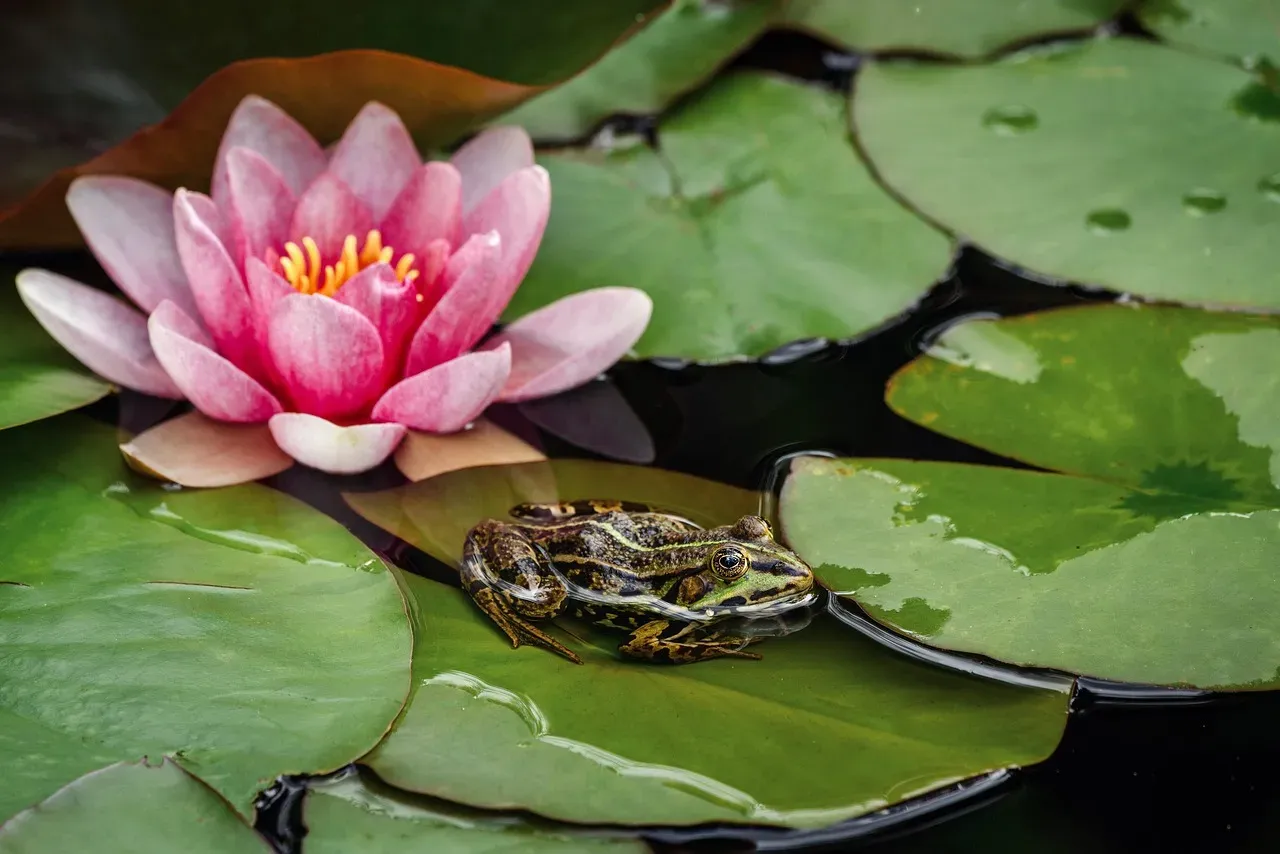
Many types of lilies, including tiger, Asiatic, Easter, Japanese show, and daylilies, are often used in floral arrangements, but even one bite of a petal or leaf can cause kidney failure in your kitten. This isn’t just a minor stomach upset we’re talking about. Eating less than one leaf, part of a flower, pollen, or even drinking water from a vase holding cut lilies can be fatal.
What makes lilies particularly terrifying is how deceptively innocent they appear. You might receive a gorgeous bouquet for your birthday, not realizing it’s basically a ticking time bomb for your kitten. Even the pollen brushed onto your kitten’s fur during a curious sniff can be ingested during grooming, leading to severe consequences. If you’re a lily lover, you’ll need to choose between those blooms and your kitten’s safety.
Human Medications: Never Share Your Pills
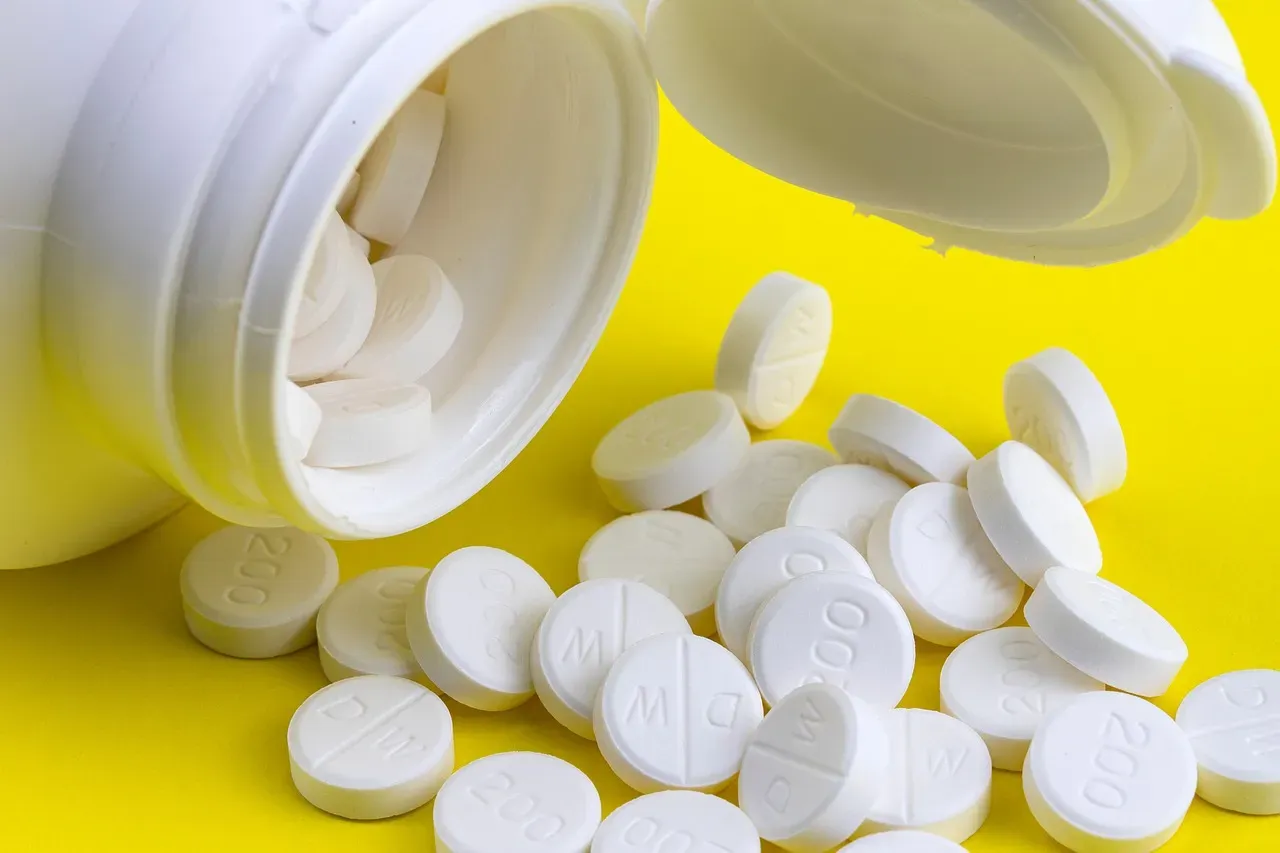
Even small amounts of certain human or veterinary medications can be deadly to cats if ingested, with common human medications that are poisonous to cats including ibuprofen, acetaminophen, and antidepressants. Your kitten won’t understand that the little pill on your bathroom counter isn’t a toy.
Interestingly, human antidepressants are like catnip to cats, as they love the smell of common antidepressants such as Effexor, Prozac, Cymbalta, and Zoloft and can’t resist eating the pill. This attraction makes these medications especially dangerous. Unfortunately, these medications are some of the deadliest for cats, due to cats’ decreased ability to metabolize them compared to humans and dogs. Always store your medications in secure cabinets and never leave pills lying around where your curious kitten might find them.
Household Cleaners: Toxic From Floor to Ceiling
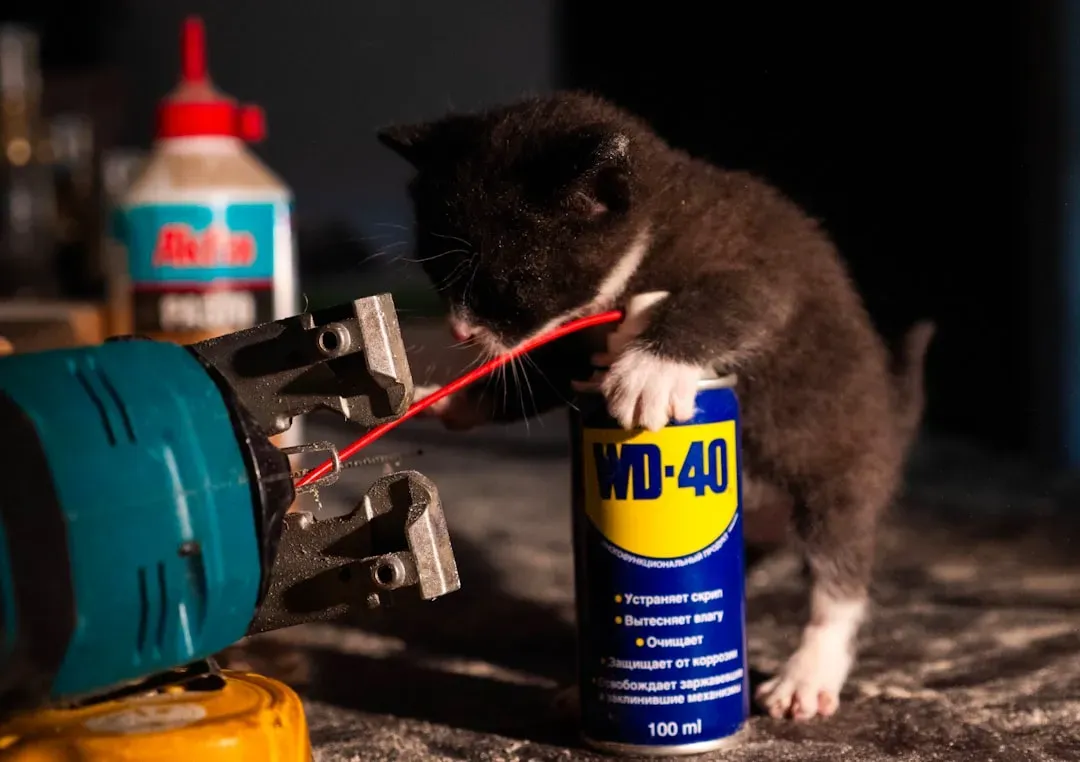
When ingested by a cat, some household cleaning products can cause profuse drooling, chemical burns, vomiting, diarrhea, seizures, difficulty breathing, and even death. Your sparkling clean home could be a minefield for your kitten. Those products you use to scrub your toilet or mop your floors aren’t just harsh on stains.
Cats often walk across spilled detergent and ingest toxins while grooming, with signs of detergent poisoning including drooling, burns in the mouth, vomiting, and respiratory distress. You don’t even need your kitten to drink directly from the bottle for trouble to start. A few drops on the floor, a paw pad stepping through it, followed by the inevitable grooming session, and suddenly you’re dealing with a poisoning emergency.
Chocolate and Caffeine: Not Just a Dog Problem
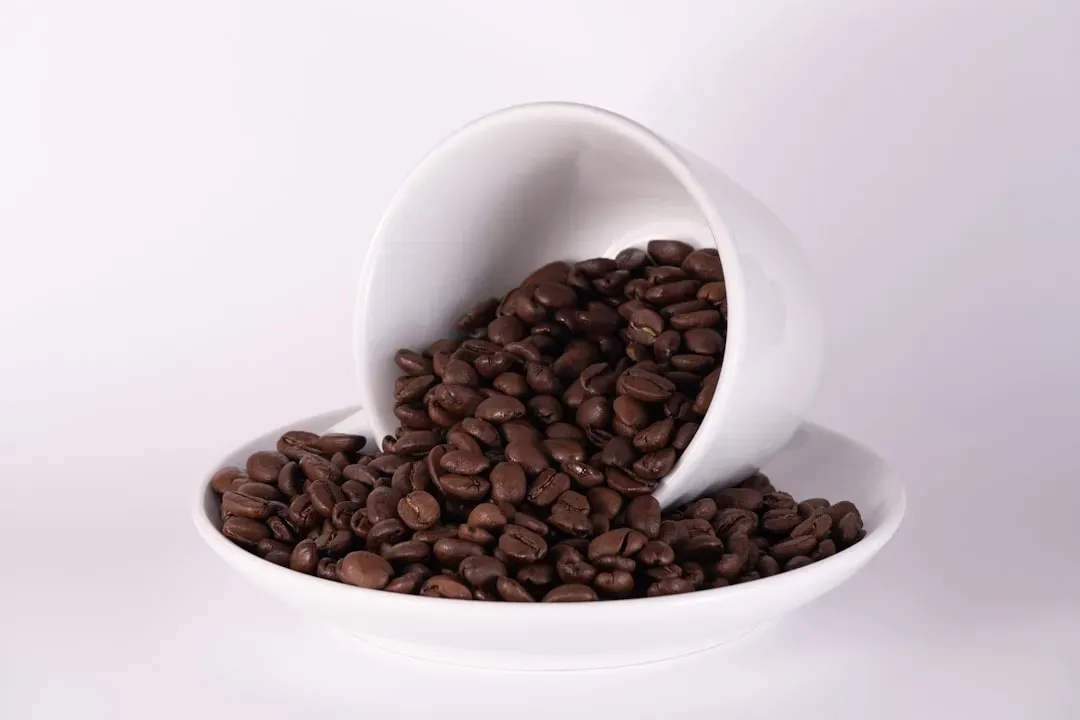
Theobromine, a stimulant found in chocolate, is toxic to cats, especially dark chocolate and cocoa powder, with symptoms of poisoning including vomiting, seizures, and irregular heart rhythms. While cats aren’t typically drawn to sweets like dogs are, kittens might investigate anything new and interesting on the counter.
Coffee or tea contain caffeine, which can cause an increased heart rate, tremors, seizures, and even death. That morning cup of coffee you left unattended? Your kitten might decide it looks like an interesting water bowl. The same goes for energy drinks, soda, or any caffeinated beverages. Keep these drinks covered or out of reach entirely.
Onions, Garlic, and Related Foods: Kitchen Staples Turned Dangerous
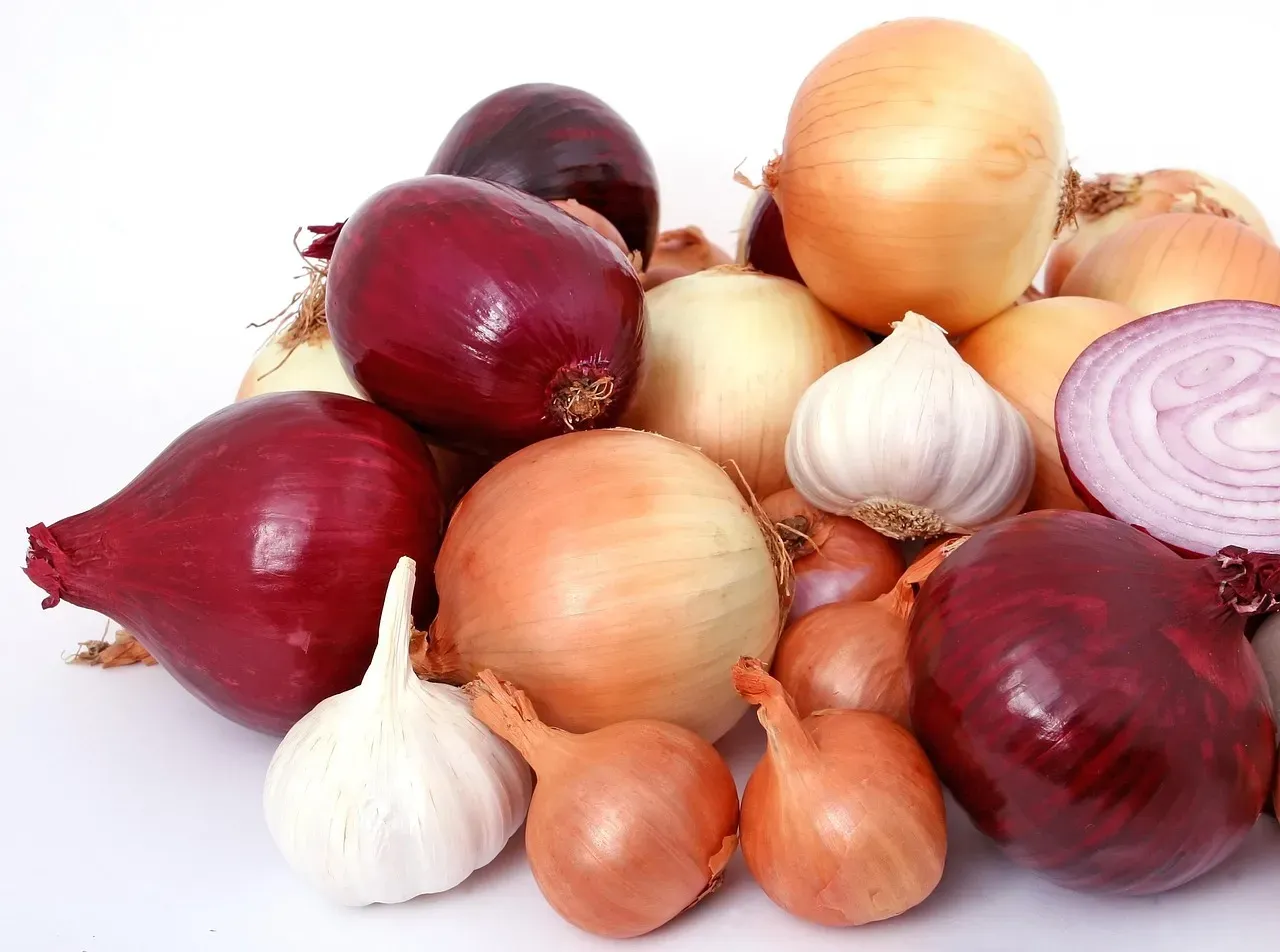
Onions, leeks, and garlic belong to the ‘Allium’ genus and contain N-propyl disulfides and thiosulfates, which destroy a cat’s red blood cells, causing anemia. You might think a tiny piece of garlic bread or a scrap of onion from your dinner plate is harmless, but it’s not worth the risk.
What’s particularly sneaky about these foods is that the damage isn’t always immediate. Your kitten might seem fine after eating a small amount, but the destruction of red blood cells happens gradually. Even foods cooked with onion or garlic powder can be problematic. When you’re preparing meals, keep your kitten away from the kitchen counter and never let them lick plates or utensils that have touched these ingredients.
Antifreeze: Sweet Taste, Deadly Consequences
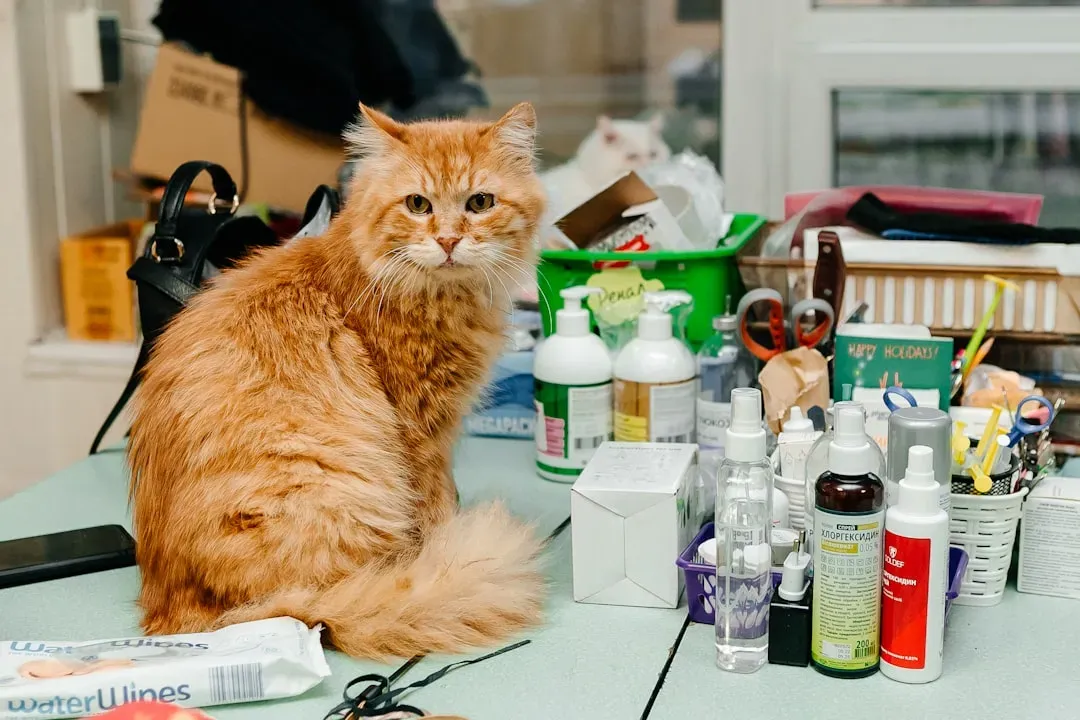
Antifreeze is toxic and attractive to cats, making it one of the most dangerous winter chemicals for cats, with ingestion leading to vomiting, seizures, and difficulty breathing. Antifreeze contains ethylene glycol, which can cause kidney failure if ingested, and unfortunately, cats are drawn to the sweet taste of antifreeze, but just a few licks can be fatal for them.
This is one of those substances where timing is everything. If you suspect your kitten has licked even the tiniest amount of antifreeze, you need to get to the veterinarian immediately. The window for successful treatment is incredibly narrow. Store antifreeze in tightly sealed containers in locked garages or sheds, and immediately clean up any spills with absorbent materials.
Essential Oils: Aromatherapy Gone Wrong
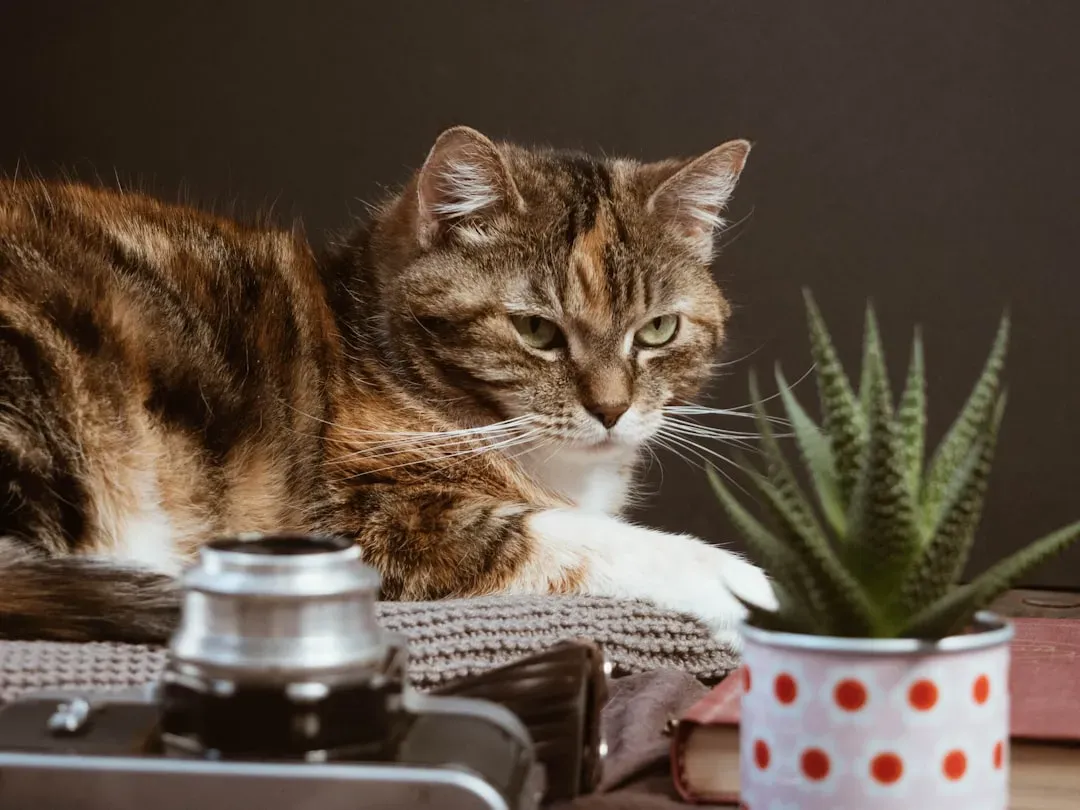
Essential oils contain potent chemicals that can be rapidly absorbed both orally and through the skin, and cats are particularly susceptible to the harmful effects of essential oils, as they have difficulty metabolizing them, with exposure to just a small amount potentially leading to health problems like liver damage, respiratory issues, and neurological problems.
Oil of cinnamon, citrus, pennyroyal, peppermint, pine, sweet birch, tea tree, wintergreen, clove, eucalyptus and ylang-ylang are poisonous to cats, with ingestion, skin exposure or inhalation from a diffuser potentially being toxic. That relaxing lavender diffuser you’re running in your bedroom? It might be creating a toxic environment for your kitten. Honestly, the wellness trend of essential oils has created a whole new category of accidental pet poisonings.
Certain Houseplants: Green Doesn’t Mean Safe
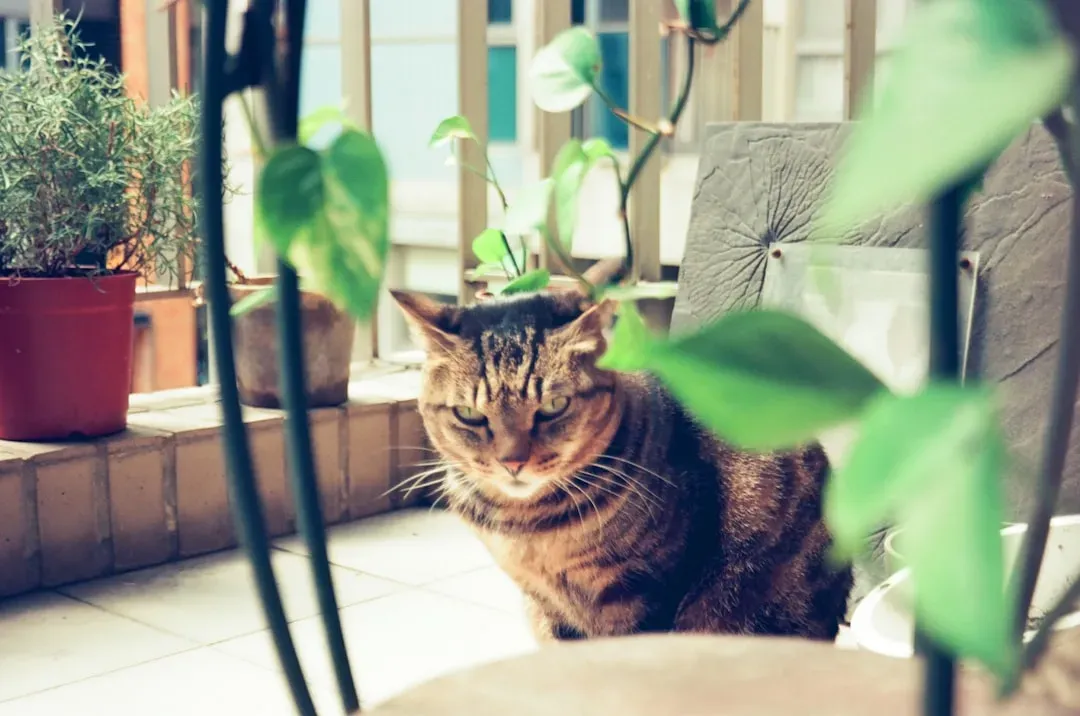
Common plants such as tulips, daffodils, lilies, philodendrons, Dieffenbachia, foxglove, and Japanese yew are very dangerous for cats. While some cats will ignore plants, kittens and indoor cats are more prone to chewing them.
Your indoor jungle might be stylish and help purify the air, but it could also be a collection of toxic snacks from your kitten’s perspective. While the entire sago palm plant is toxic to cats, the seeds or nuts are the most dangerous, and this toxin can cause severe vomiting, diarrhea, liver failure, difficulty breathing, and death. Before you bring any new plant into your home, research whether it’s safe for cats, or better yet, stick to verified cat-safe plants.
Raw Dough: Rising Trouble in Tiny Bellies
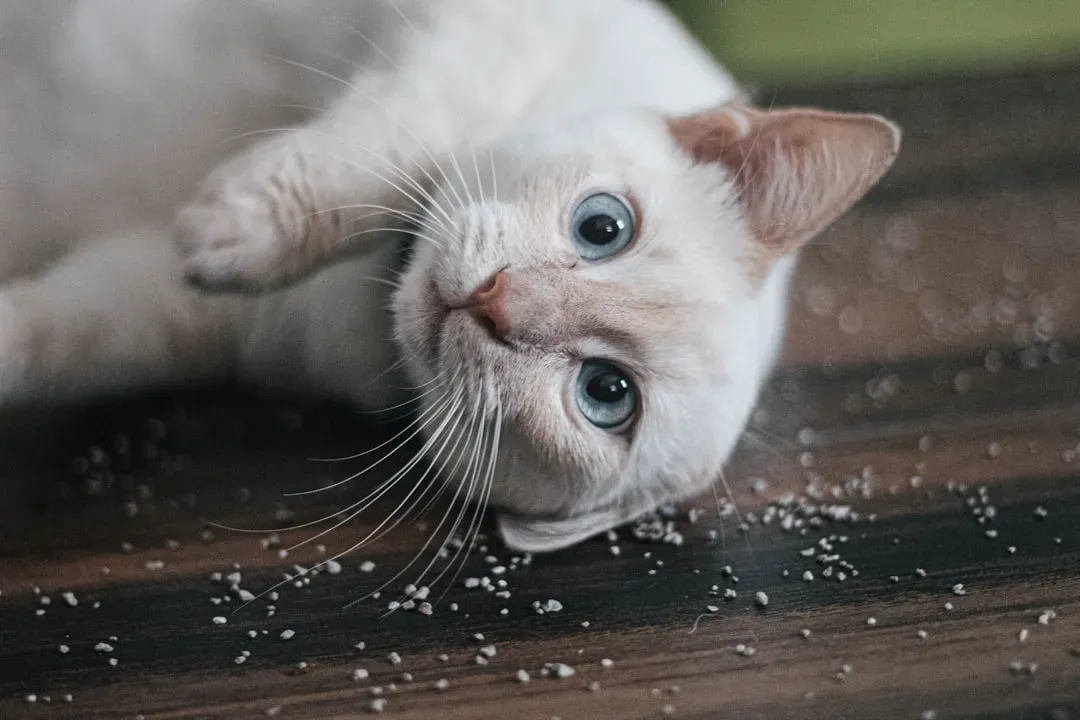
When ingested, raw dough expands in the stomach, leading to bloating, gas buildup, and even alcohol poisoning due to fermentation, with signs including vomiting, seizures, and lethargy. You might leave dough rising on the counter, not thinking twice about it. Your kitten, however, might find it irresistibly squishy and fun to bat around before taking a taste.
The double danger here is both the physical expansion and the chemical reaction happening inside your kitten’s stomach. As the yeast ferments, it produces alcohol, creating a secondary poisoning risk. If you bake regularly, always cover rising dough and keep it somewhere your kitten absolutely cannot access. Let’s be real, even a closed oven might not be enough if your kitten is particularly determined and clever.
Rodent Poison: Secondary Poisoning Risk
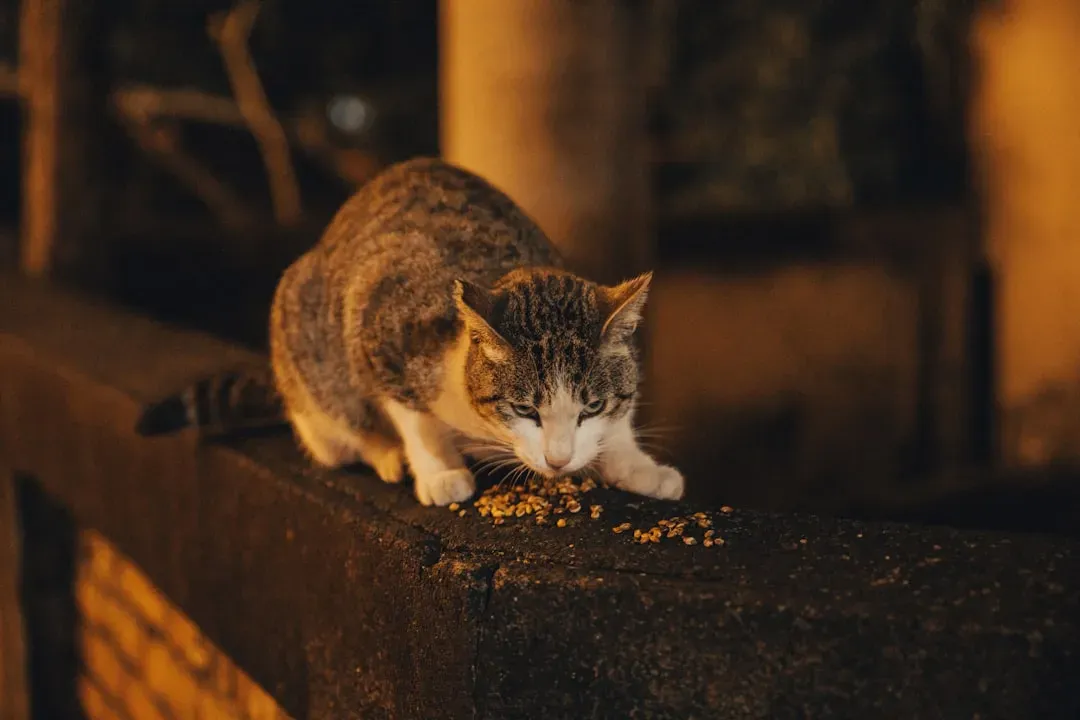
Mouse and rat poisoning affects cats, with cats even being affected by mouse or rat poisoning by eating a rodent that died from poison. You might never put out rat poison yourself, but if you live near other homes or have neighbors who use it, your kitten could be at risk.
This secondary poisoning is particularly insidious because you might not even know there’s poison involved. Your kitten catches what seems like a slow, easy-to-catch mouse, and suddenly they’ve ingested a lethal dose of rodenticide. Mice and rat poison can be toxic for your cat, either by their coming into contact with the poison directly or eating a mouse that has been poisoned. If your kitten is showing unusual symptoms and you have any reason to suspect rodent poison in the area, mention this to your veterinarian immediately.
Dog Flea and Tick Medications: Not Interchangeable
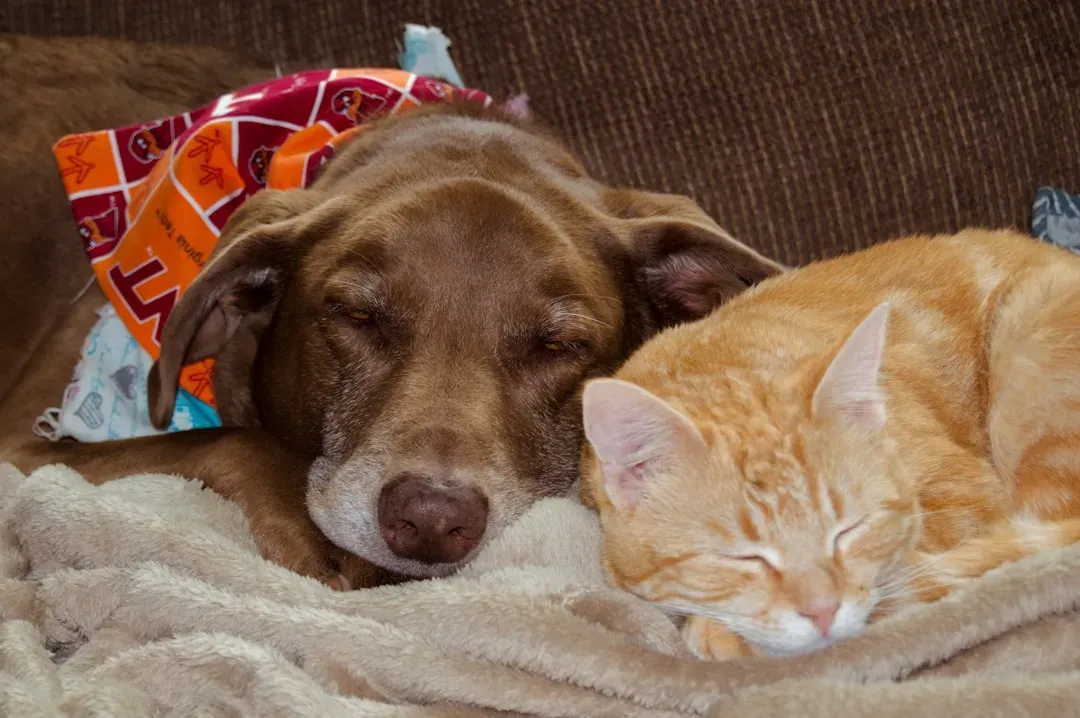
Dog-specific insecticides containing pyrethroids, such as permethrin, are highly toxic to cats, with poisoning occurring when dog flea products are directly applied on cats or cats lick these medications off dogs, leading to neurologic stimulation. You might think flea medication is flea medication, but that assumption could be fatal for your kitten.
Cats can become severely ill and even die if a flea-and-tick medication meant for dogs is applied on them or if they snuggle with a dog before the dog’s topical flea-and-tick medication has had a chance to dry. If you have both dogs and cats in your household, you need to be extremely careful about keeping them separated after applying any topical treatments to your dog. This isn’t just about waiting an hour. Some products require complete drying and absorption before it’s safe for your kitten to have contact with your dog.
Conclusion: Knowledge Equals Safety
Your kitten depends entirely on you to keep them safe from the hidden dangers lurking in everyday items. The good news is that with awareness and some simple precautions, you can create a much safer environment for your curious little explorer. Store medications and chemicals securely, research plants before bringing them home, keep toxic foods out of reach, and always supervise your kitten during their adventures.
Remember that kittens are more vulnerable than adult cats because of their smaller size and developing bodies. What might cause mild symptoms in a full-grown cat could be catastrophic for a three-month-old kitten. When in doubt, always err on the side of caution and contact your veterinarian immediately if you suspect your kitten has ingested something toxic. Quick action can make the difference between a close call and a tragedy. Did you realize how many everyday items could be dangerous to your kitten?
Kristina is a young writer from India. An arts graduate and an avid content creator, Kristina is passionate about animals and wildlife. She enjoys exploring topics related to pet care, animal behavior, conservation, and nature, combining thorough research with engaging storytelling.