Thinking about bringing a feline friend into your Upper Midwest home? If you live somewhere where winter means shoveling snow in November and not seeing bare ground until April, you already know the climate can be brutal. Temperatures can plummet well below zero, winds howl across frozen lakes, and snowdrifts pile higher than your car windows. Most people bundle up in layers, but what about your future cat?
Here’s the thing. Not all cats are created equal when it comes to handling frigid temperatures. Some breeds practically shiver at the thought of anything below room temperature, while others seem genuinely built for blizzards. If you’re searching for a companion who won’t just survive but actually thrive during those long Minnesota winters, you’re going to want a breed with specific traits. Think thick coats, sturdy builds, and ancestors who lived through some seriously harsh conditions. Let’s dive in and discover which furry friends are best suited for life in the frozen north.
Siberian Cat: The Ultimate Cold Weather Champion
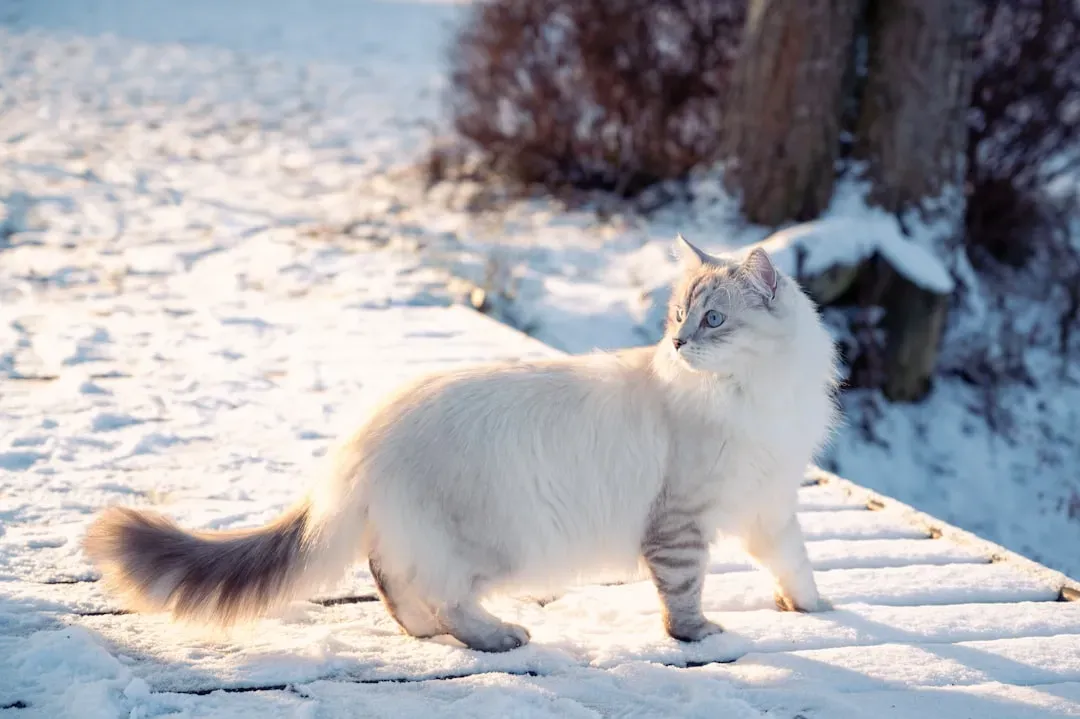
When it comes to cold resistance, the Siberian cat takes the crown, originating from Siberia, known since at least the 17th century. These cats have insulated ears and a dense thick coat that is moisture resistant to help them survive during the winter season. Their triple-layered coat is truly remarkable, adapting to seasonal changes in ways most cats simply can’t match.
The Siberian cat’s coat actually varies by season, sporting a thick, rich, full, triple coat in winter that protects them from Russia’s cold climate. This additional fluff has helped them survive temperatures as cold as 5 to 14 degrees Fahrenheit until they could find shelter. Despite their imposing ancestry, these winter cats are as friendly and affectionate as they come, being intelligent as well as people-oriented. Honestly, they’re perfect for families who want both a snow-ready companion and a loving cuddle buddy.
Norwegian Forest Cat: Viking Heritage in a Fluffy Package
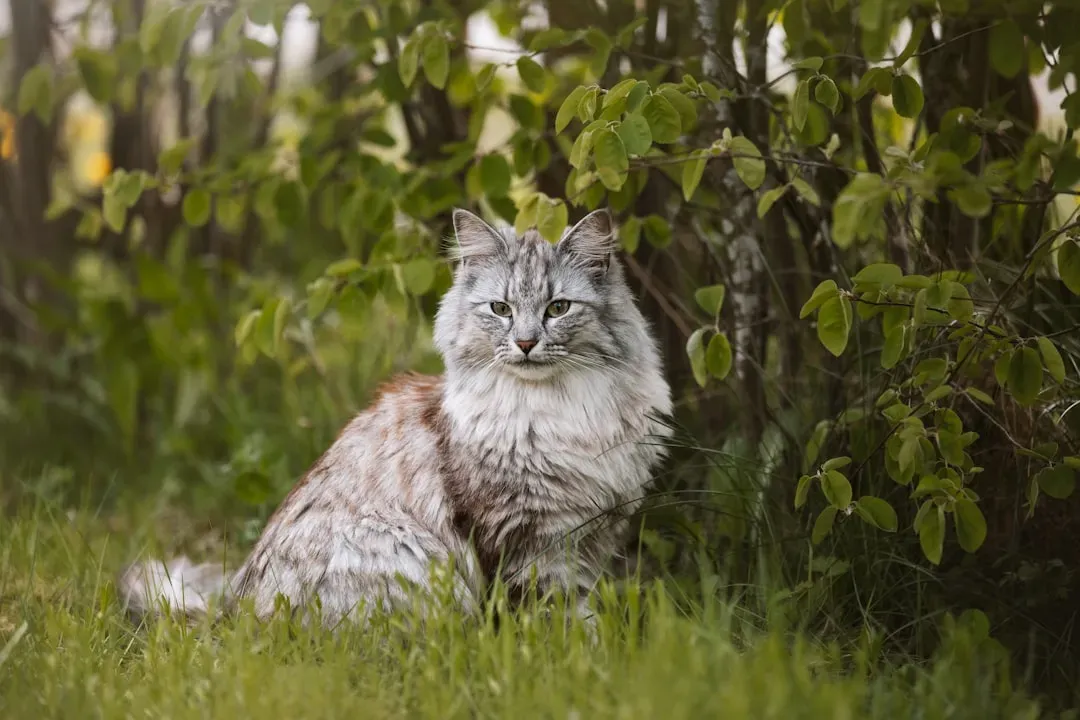
The Norwegian Forest Cat is one of the best cats for winter weather, having extremely thick coats that are even thicker around their most vital areas. Their outer coat is completely waterproof, and their inner coat insulates them to keep them warm. These magnificent creatures look like they stepped straight out of Norse mythology, which makes sense given their Scandinavian roots.
These kitties can run down trees headfirst and have sturdier claws than most other cats, probably developed to climb over mountainous rocky terrain. During winter, their ruff is full and the dense wooly undercoat thickens to protect them from the cold, with this sturdy breed taking around 5 years to fully mature and males weighing 12 to 16 pounds. Let’s be real, if your cat looks like it could survive a Viking voyage, it can definitely handle a Minnesota winter.
Maine Coon: America’s Gentle Giant Built for New England Winters
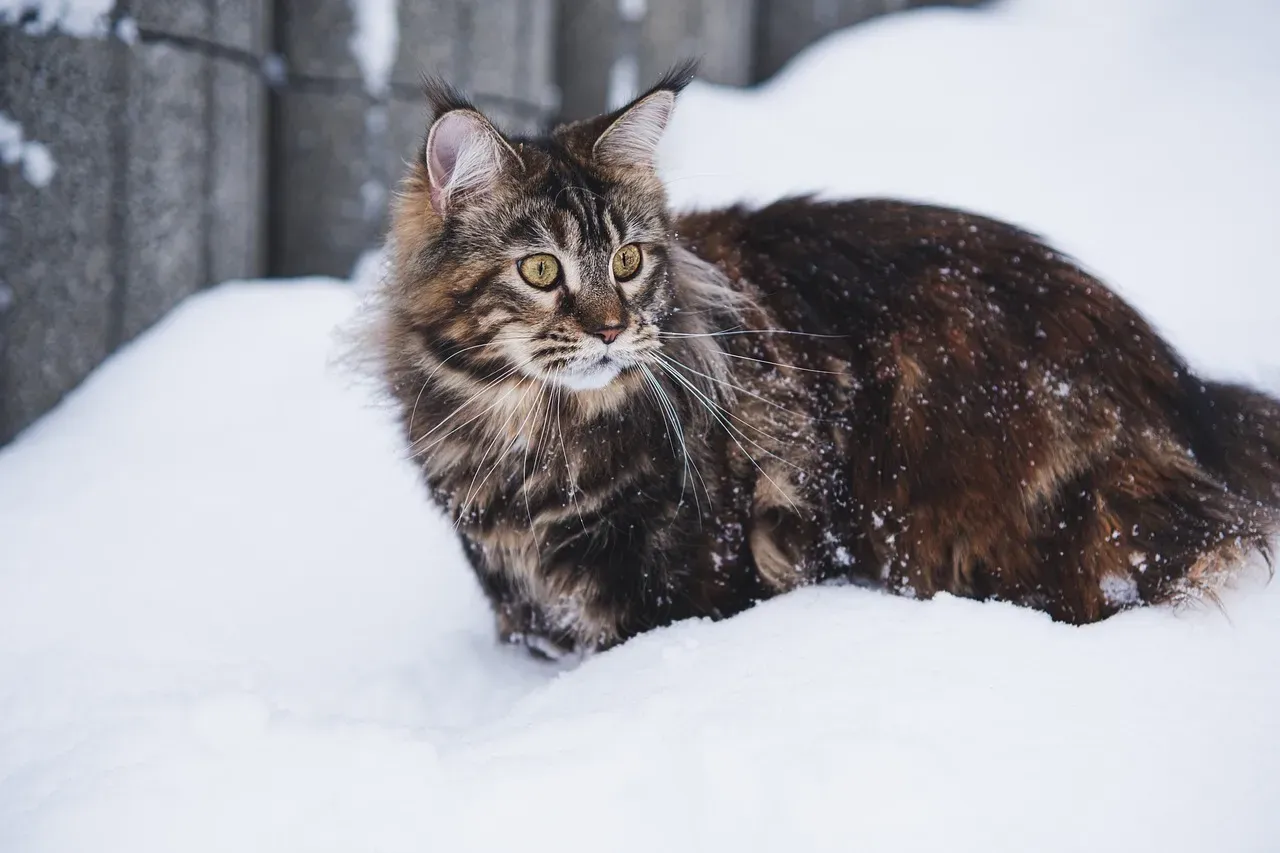
The Maine Coon naturally developed in the state of Maine where average winter temperatures range from 15 to 25 degrees Fahrenheit, and many members of this breed love spending time outside in the winter. Maine Coons have adapted to colder elements by growing a thick, luscious, semi-water-resistant coat, and their large, wide paws act like snowshoes in the winter. It’s hard to say for sure, but these cats might genuinely enjoy snow more than most humans do.
These amazing cats have a large body, a dense coat that repels moisture, a long bushy tail and tufted ears and toes, with the wedge-shaped face of Maine Coon cats helping to tell them apart from Norwegian forest cats. Maine Coons are generally hardy and friendly, often remaining playful and curious well into adulthood, and many are affectionate companions that like to be involved in family life. They’re basically the definition of a winter-ready family cat.
Russian Blue: Elegant Yet Surprisingly Hardy
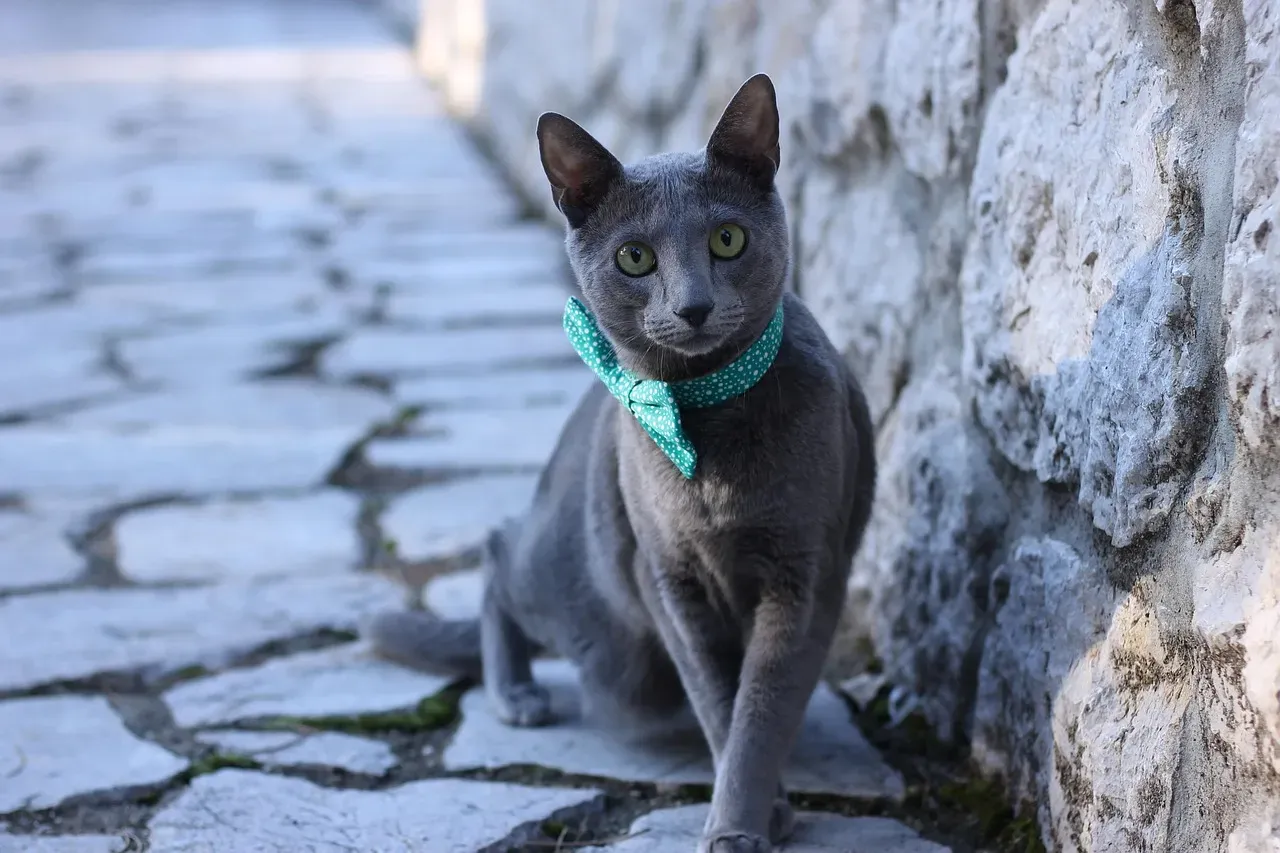
Russian Blue cats originated on the Russian port of Arkhangelsk on the White Sea, about 150 miles south of the Arctic Circle, and keep warm with their hallmark double coat. You might not expect such a sleek, elegant cat to handle brutal cold, but their genetics tell a different story. With a sleek yet insulating coat, the Russian Blue is surprisingly winter-resistant, with its thick undercoat locking in warmth.
These cats have a thick double coat with an insulating layer on the inside, while the outer coat is a coarse layer of hair that helps keep water and moisture away from their body. Russian Blues are intelligent, playful, and love to stay snug by curling up in cozy spots during snowy periods, and can live up to 20 years. Their stunning silver-blue appearance combined with cold weather tolerance makes them a pretty fantastic choice for Upper Midwest living.
Scottish Fold: Compact Warmth with Adorable Ears
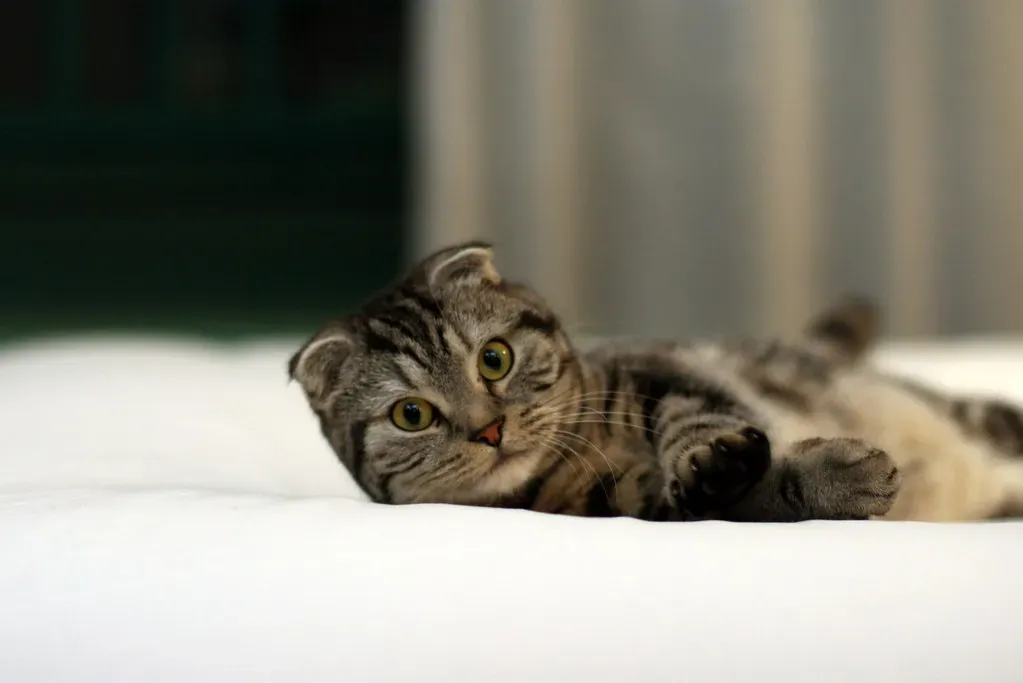
Scottish Folds are best known for their adorable folded ears, but they also have thick, plush coats that make them winter-ready, having originally adapted to cold climates with their dense hair and soft undercoat. Scotland is a country with an extremely cold climate, and as such, the Scottish Fold is perfectly suited for cold weather. Their compact build and thick fur make them surprisingly well-equipped for chilly environments.
Plush, dense fur helps them stay snug in homes where cold and damp weather lasts for many months, with their steady, undemanding nature matching households that spend long, quiet evenings inside during icy seasons. Long-haired Scottish Folds are better suited to harsh environments due to the exceptionally dense fur they possess around their toes, upper thighs, tail, and ears. I think these cats are perfect for folks who want winter hardiness without the massive size of a Maine Coon.
Manx: The Tailless Wonder from the Isle of Man
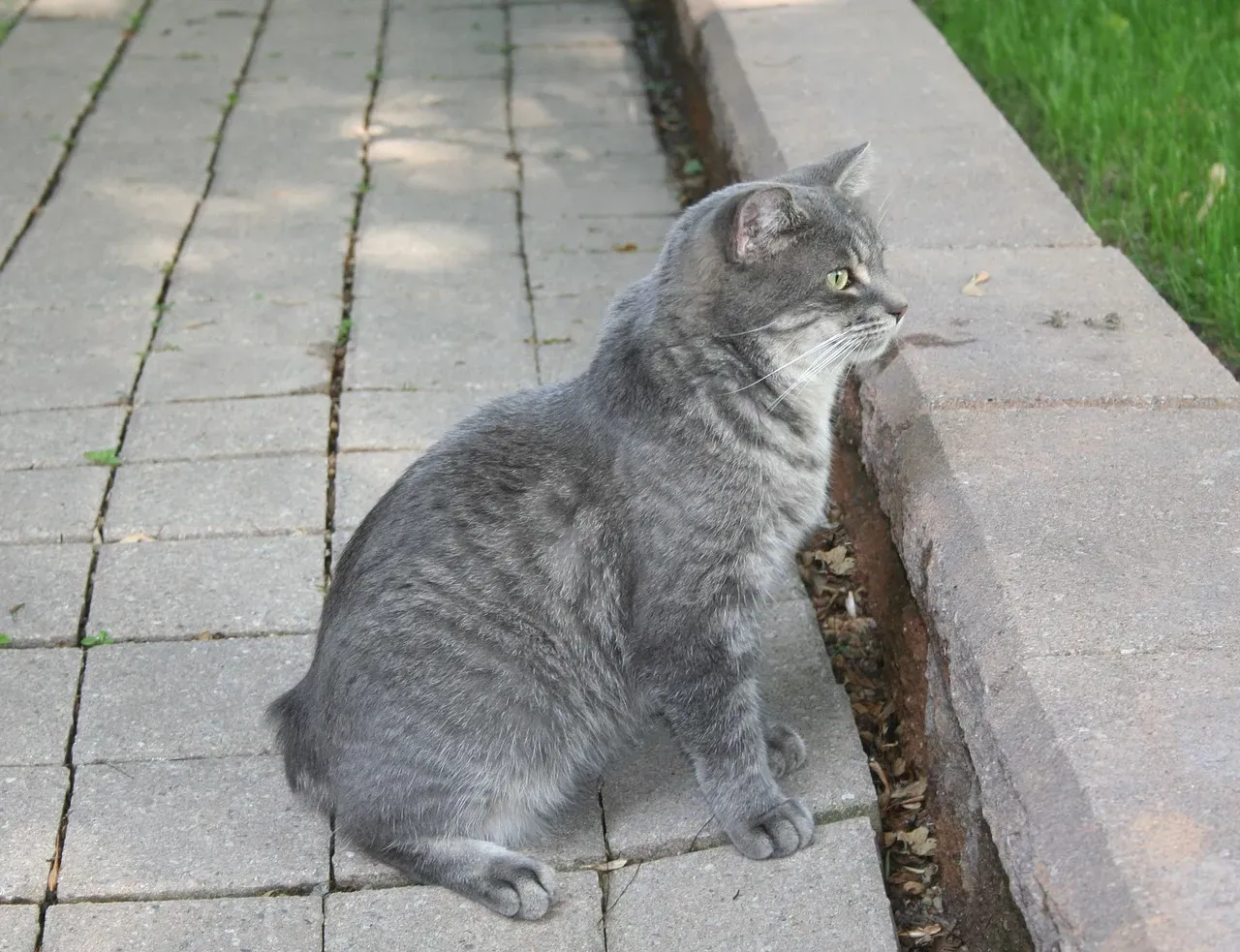
Originating on the Isle of Man, where the climate is cool, wet, and windy, Manx cats developed into hardy cats that handle chill and damp better than many breeds, with their thick coat and sturdy build helping them work as mousers in rough coastal weather. The Manx cat is a tailless cat breed that’s well suited for cold conditions, having long legs that keep their bodies off the ground and a thick double coat that helps insulate them.
They have a thick double coat that helps insulate them, with their coat extending around their entire body, including their underbellies, enabling them to stay warm even when they have to settle down on the cold ground. Their lack of a tail might seem odd at first, but honestly, it doesn’t affect their ability to handle winter weather one bit. A loyal, family-oriented attitude means they happily spend stormy days indoors, staying close to their people, with natural hunter roots suiting rural or coastal areas where winters are damp.
Persian: Fluffy Elegance Meets Winter Warmth
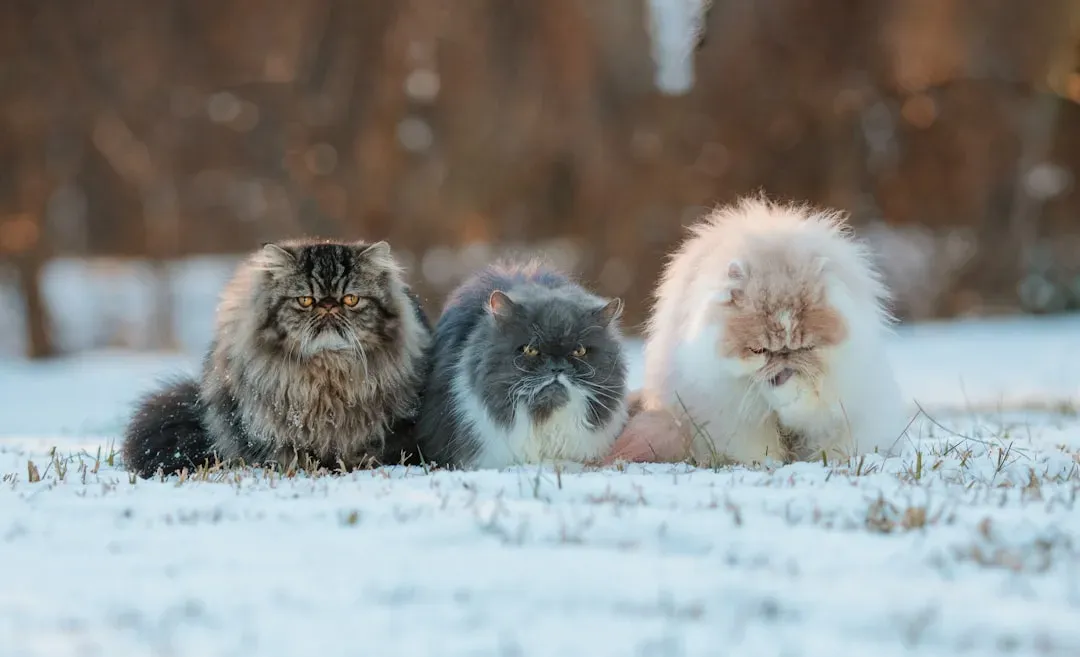
Wherever Persian cats originally came from, it had harsh winters, which is evident because they display some of the fluffiest fur of any cat breed. Persian cats have a double coat, and although most live indoors these days, they are perfectly able to withstand the cold. Their long, luxurious fur might require extra grooming, but it certainly serves a practical purpose beyond just looking gorgeous.
They have an extremely thick double coat that does wonders for them in the winter. Keep in mind that Persians do need regular brushing to prevent mats and tangles, especially during shedding season. Their calm, laid-back temperament makes them ideal indoor cats who appreciate the warmth of home but have the genetic tools to handle colder temperatures when needed.
Turkish Van: Water-Loving Mountain Cat
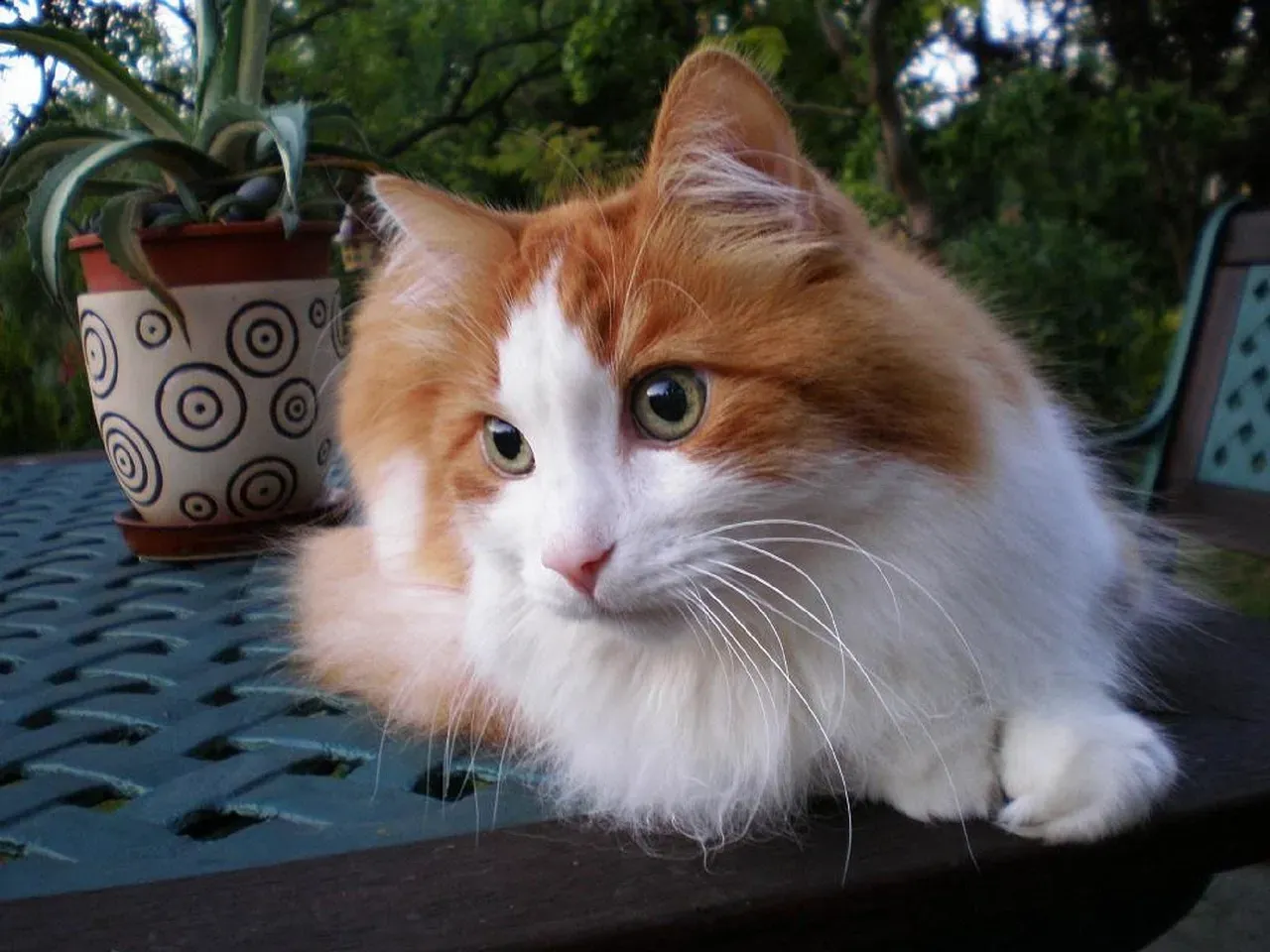
When temperatures begin to drop, the Turkish Van’s coat becomes longer and thicker, and tufts of hair emerge between their toes, with a water-resistant, single-layer coat for enduring winter elements. Like its close cousin, the Turkish Angora, the Turkish Van is used to experiencing extreme temperatures and will have no trouble handling chilly climates, with long, thick winter coats that keep them lovely and toasty warm.
Another unique characteristic of Turkish Vans is their love for water, and they’re strong, capable swimmers. This might sound crazy, but a cat that actually enjoys water can be surprisingly practical during winter when melting snow creates puddles everywhere. This breed developed strong hind legs and a fondness for jumping and climbing to see their surroundings, likely needed for survival, though even with their history of surviving winter weather, they shouldn’t be left out in freezing temperatures for very long.
Himalayan: Regal Persian-Siamese Hybrid
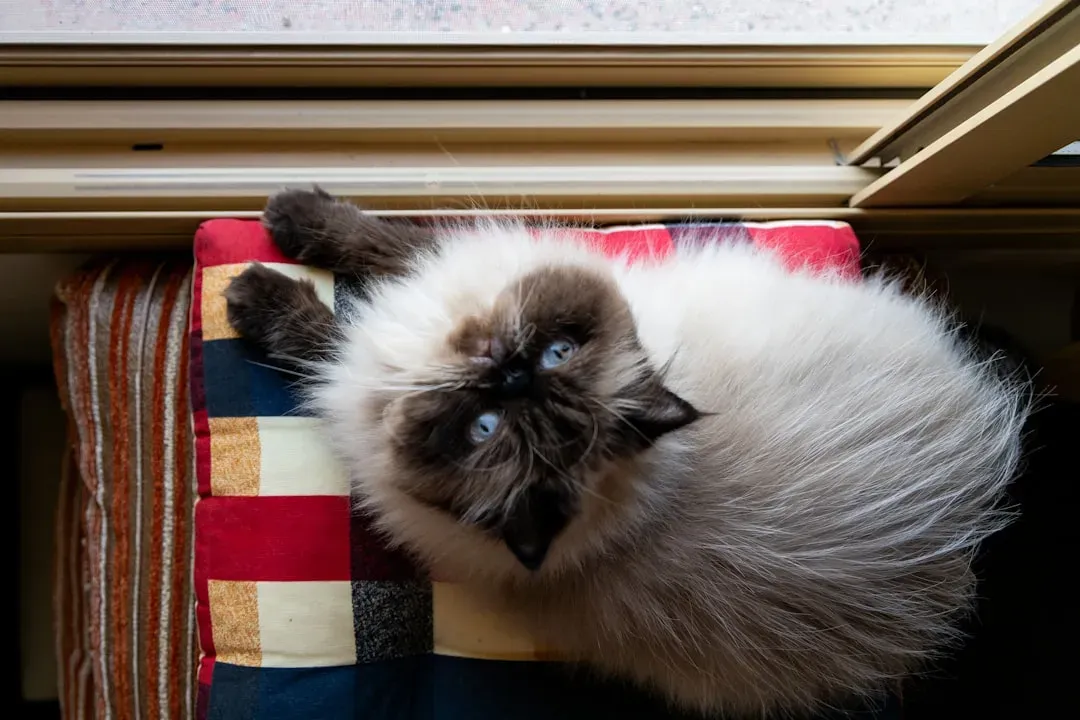
Himalayan cats are darling and fuzzy Siamese-Persian hybrids that are tough, strong, and robust, and it’s easy to see why they thrive in the cold with their long, dense, and luxurious coat. These cats inherited the best traits from both parent breeds, including substantial fur coverage perfect for cold climates. Their striking color points and blue eyes make them stunning to look at, while their thick coat keeps them comfortable.
Himalayan cats are very people-oriented, loving nothing more than to cuddle up with their owners, though they do love their play sessions too. They’re independent enough to entertain themselves but social enough to enjoy family time. Their robust build and dense fur mean they can comfortably handle the temperature fluctuations that come with Upper Midwest living.
Chartreux: France’s Rare Cold Weather Expert
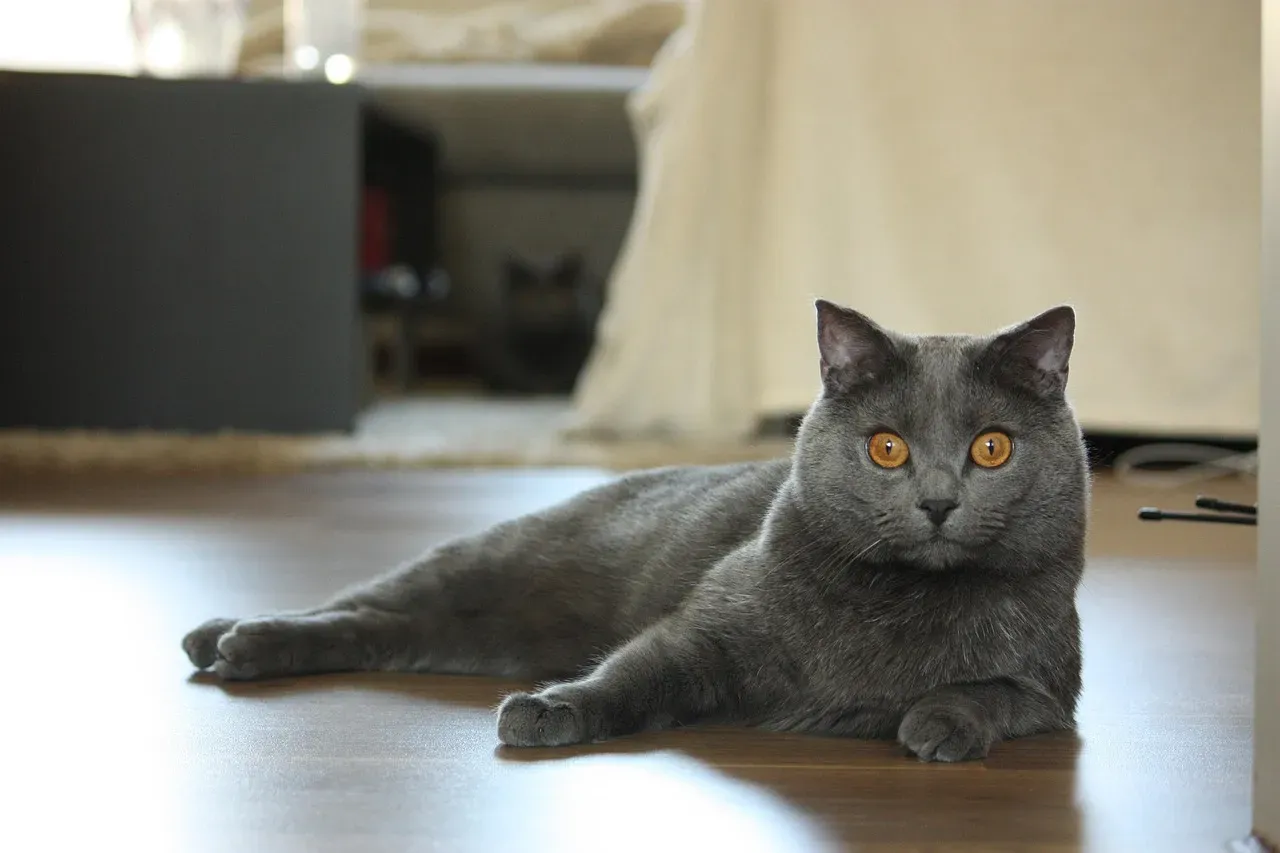
The Chartreux is a rare cat breed but one that’s especially suited for cold weather, having not only a double coat that keeps them warm during the colder months, but a coat that’s water-resistant too. This French breed doesn’t get nearly enough attention for its cold weather capabilities. Not only do they have a double coat that keeps them warm during the colder months with water-resistant properties, but the Chartreux is also a great hunting cat that can withstand cold weather.
Despite their robust, strong build, Chartreuxs are a chilled-out, friendly breed who love relaxing with their pet parent. Their calm demeanor combined with impressive winter resilience makes them excellent companions for quieter households. The fact that they’re rare only adds to their appeal if you’re looking for something a bit different from the typical cold-weather breeds.
Keeping Your Cold-Weather Cat Comfortable Year-Round
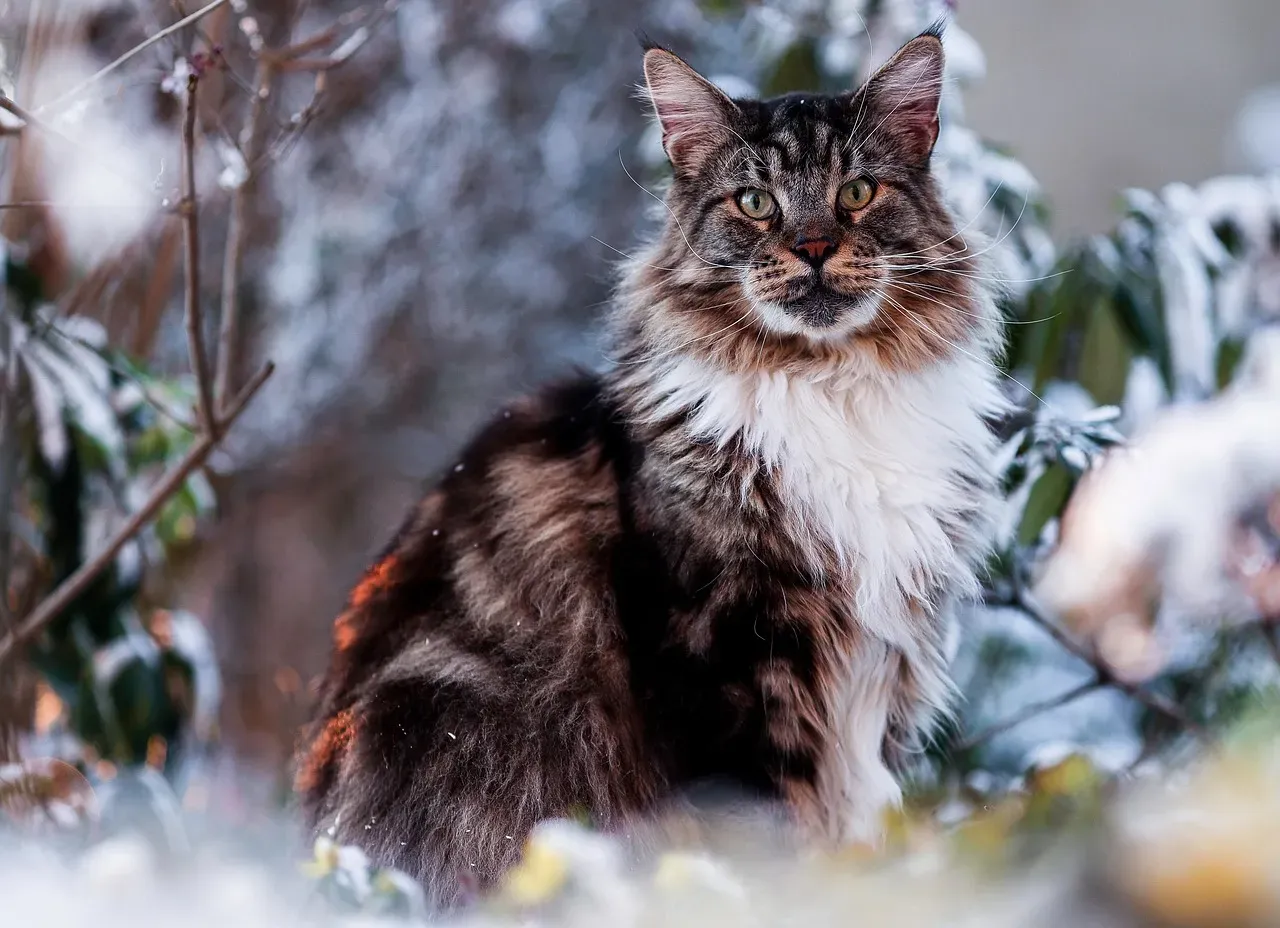
Even though these cats originated in cold climates and can typically handle cold weather better than other breeds, they can still develop severe hypothermia and frostbite if they’re out in freezing weather for too long, with no cat generally staying out in temperatures below 45 degrees Fahrenheit for extended periods. Dense fur may need regular grooming to prevent matting and maintain its insulating power. Regular brushing sessions become especially important during seasonal coat changes when these breeds shed heavily.
Providing extra cat food and fresh water is important during colder temperatures as it helps them stay warm. You’ll want to ensure your cat has access to warm shelter, cozy bedding, and plenty of calories to fuel their internal heating system. Even the hardiest breeds appreciate a warm lap and a toasty fireplace after venturing outside into Minnesota’s subzero temperatures. What do you think? Ready to welcome one of these winter warriors into your home?
Kristina is a young writer from India. An arts graduate and an avid content creator, Kristina is passionate about animals and wildlife. She enjoys exploring topics related to pet care, animal behavior, conservation, and nature, combining thorough research with engaging storytelling.