Picture an elusive cat prowling the rugged mountains of Turkey, its coat patterned with rosettes like ancient symbols from a forgotten civilization. You might not have heard much about the Anatolian leopard lately, and honestly, there’s a good reason why. These magnificent creatures have teetered on the brink of extinction for decades, vanishing from landscapes where they once reigned supreme.
What makes this big cat so fascinating isn’t just its striking appearance or secretive nature. It’s the way this animal survived against impossible odds when most experts declared it extinct. The story of the Anatolian leopard reads like a mystery novel, filled with unexpected sightings, heated debates among scientists, and a desperate race against time. So let’s dive in and uncover what makes this vanishing predator one of nature’s most compelling survival stories.
They Were Declared Extinct For Nearly Half A Century
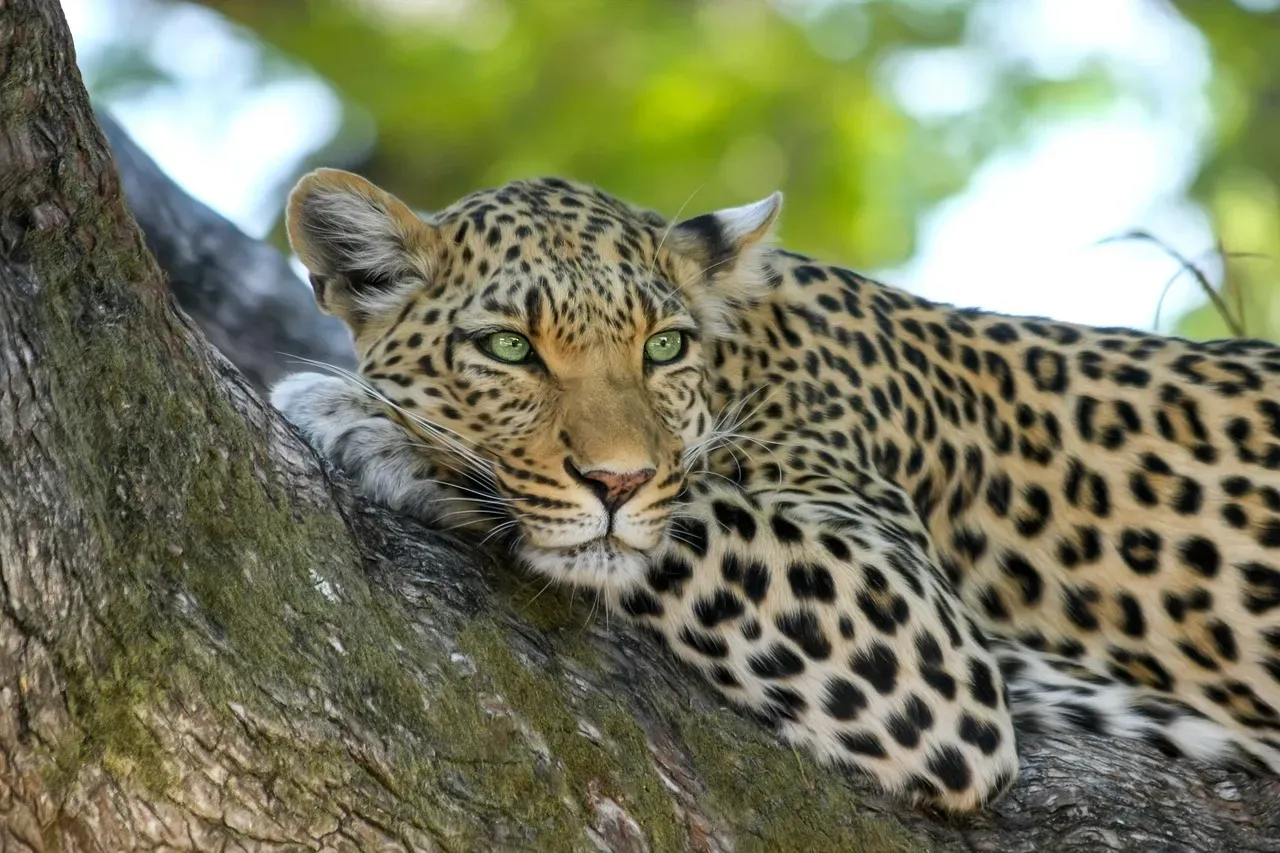
The last official sighting of the Anatolian leopard was in 1974, when a dramatic incident occurred in a Turkish village. The animal was killed after an attack on a woman in Bağözü village, Beypazarı, marking what many believed to be the final chapter for this subspecies.
For the next 45 years, the Anatolian leopard existed only in memory and museum collections. However, in 2019 someone spotted an Anatolian leopard in Turkey: 45 years after they had supposedly been extirpated. This shocking rediscovery sent ripples through the conservation community and reignited hope that the species might still cling to survival in Turkey’s wild corners.
It’s Actually The Same Subspecies As The Persian Leopard
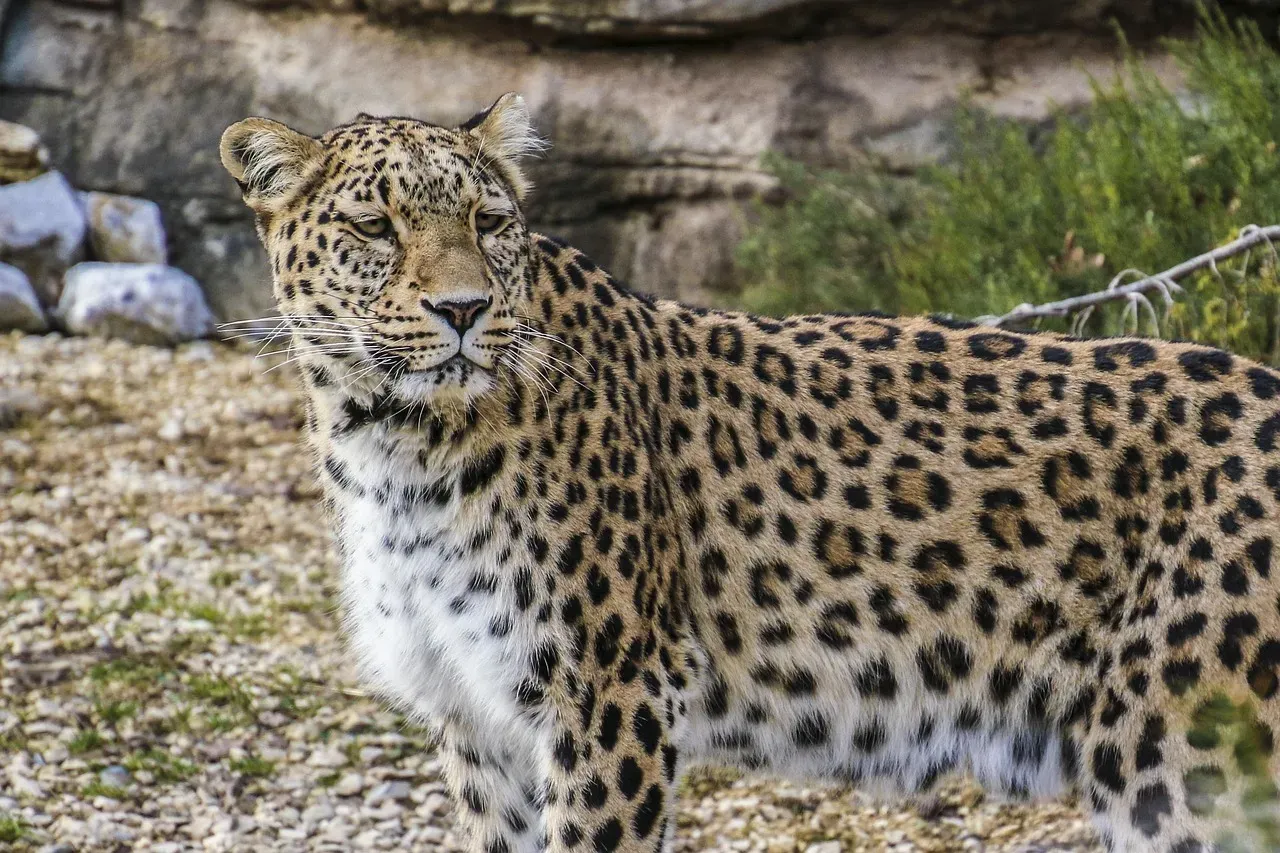
Let’s be real, taxonomy can get messy. In the 19th and 20th centuries, the Anatolian leopard was considered a distinct leopard subspecies that occurred only in western Turkey, giving it a unique identity among big cats.
Modern science told a different story, though. Kitchener et al. decided to collect these two subspecies that have the same characteristics under the name of P. p. tulliana. What this means is that the Anatolian, Persian, and Caucasian leopards are all scientifically the same animal, despite their different names across various regions. The classification debate might sound academic, yet it has real implications for conservation efforts and understanding how these leopards dispersed across vast territories.
They’re Among The Largest Leopard Subspecies In The World
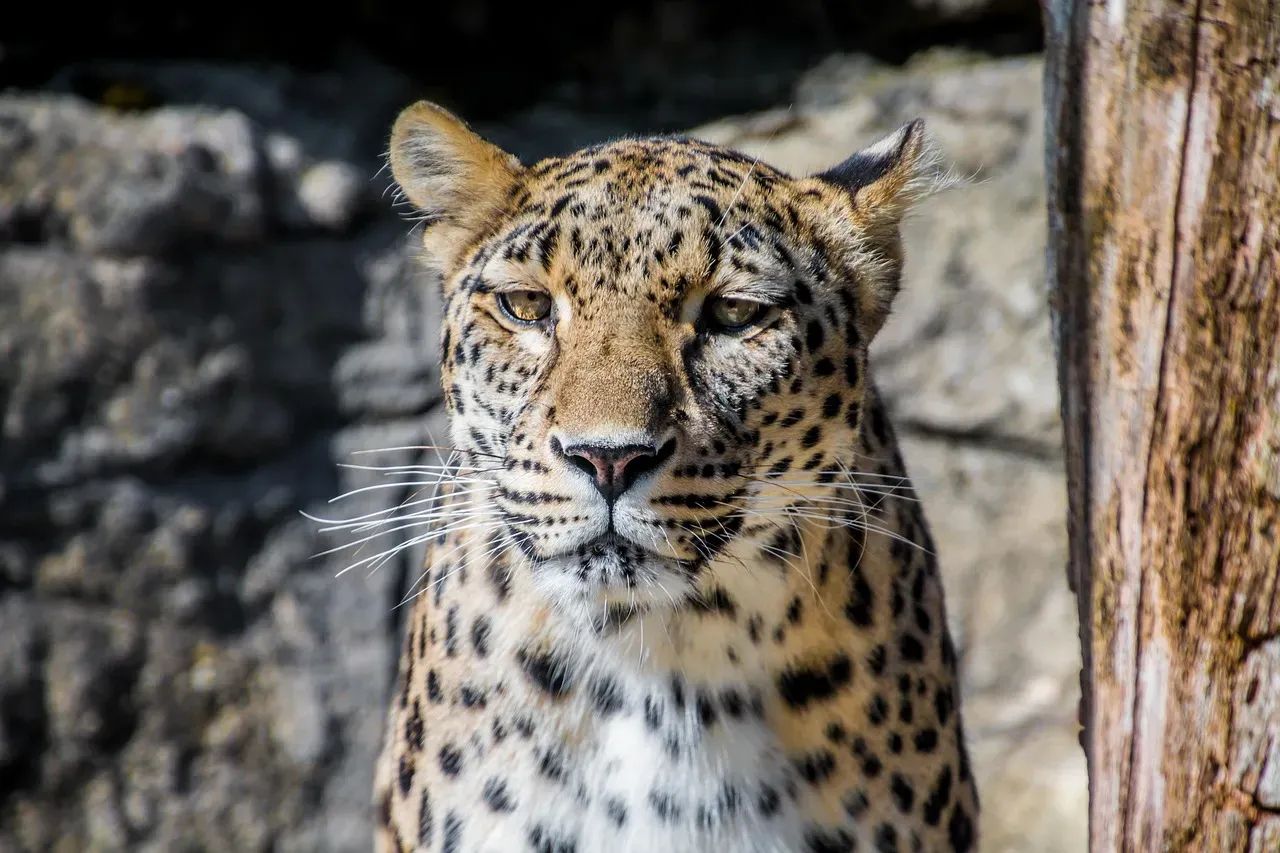
Size matters when you’re talking about apex predators. Among leopard subspecies, the Persian leopard is considered the largest. Males can weigh up to 198 pounds (90 kg), while the slenderer females weigh up to 132 pounds (60 kg).
To put that in perspective, an adult male Anatolian leopard can weigh as much as a large human. Their substantial build makes them powerful hunters capable of taking down prey considerably larger than themselves. This impressive size distinguishes them from their African cousins and gives them the strength to survive in harsh mountainous terrain where other predators might struggle.
Trophy Hunting Nearly Wiped Them Out
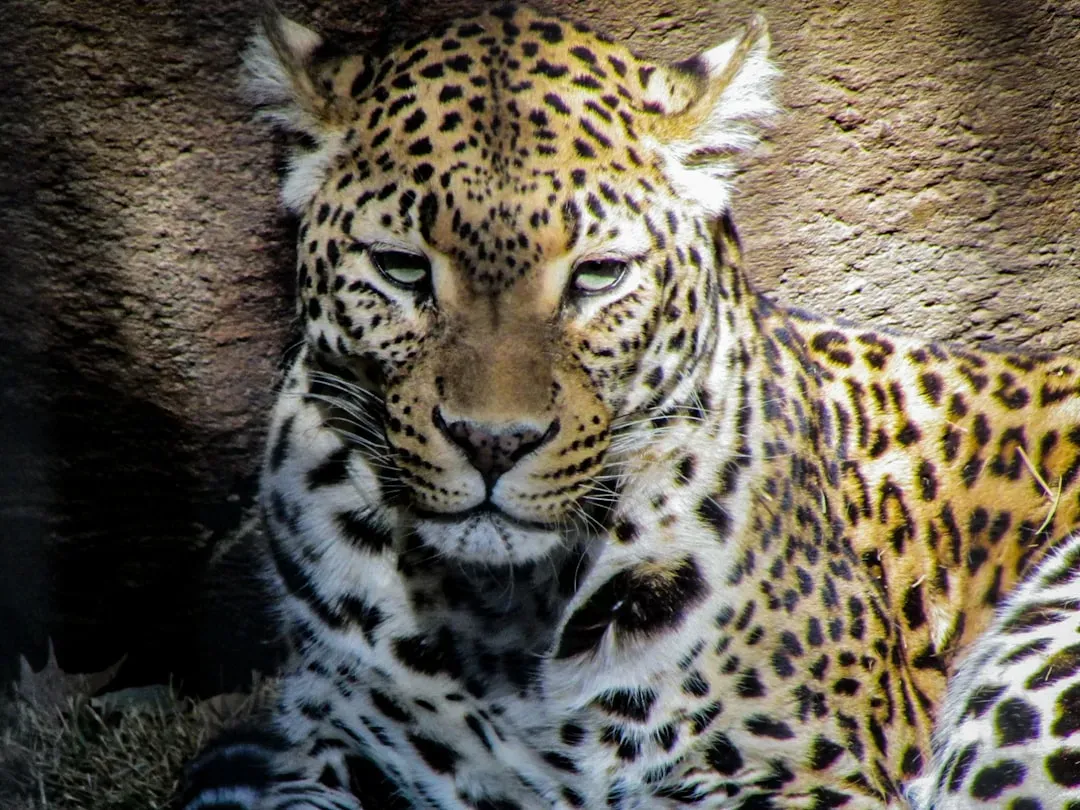
Here’s where the story gets heartbreaking. Extensive trophy hunting is thought to be the prime factor for the decline of the Anatolian leopard in this area, reducing their numbers from thriving populations to scattered individuals within mere decades.
One hunter named Mantolu Hasan, singlehandedly killed at least fifteen of these animals, possibly as many as fifty. The ruthless pursuit of these leopards as hunting trophies during the mid-20th century decimated their population faster than they could reproduce. It’s hard to say for sure, but trophy hunting’s devastating impact remains a cautionary tale about unchecked exploitation of wildlife.
Only About 1,100 Individuals Survive Worldwide
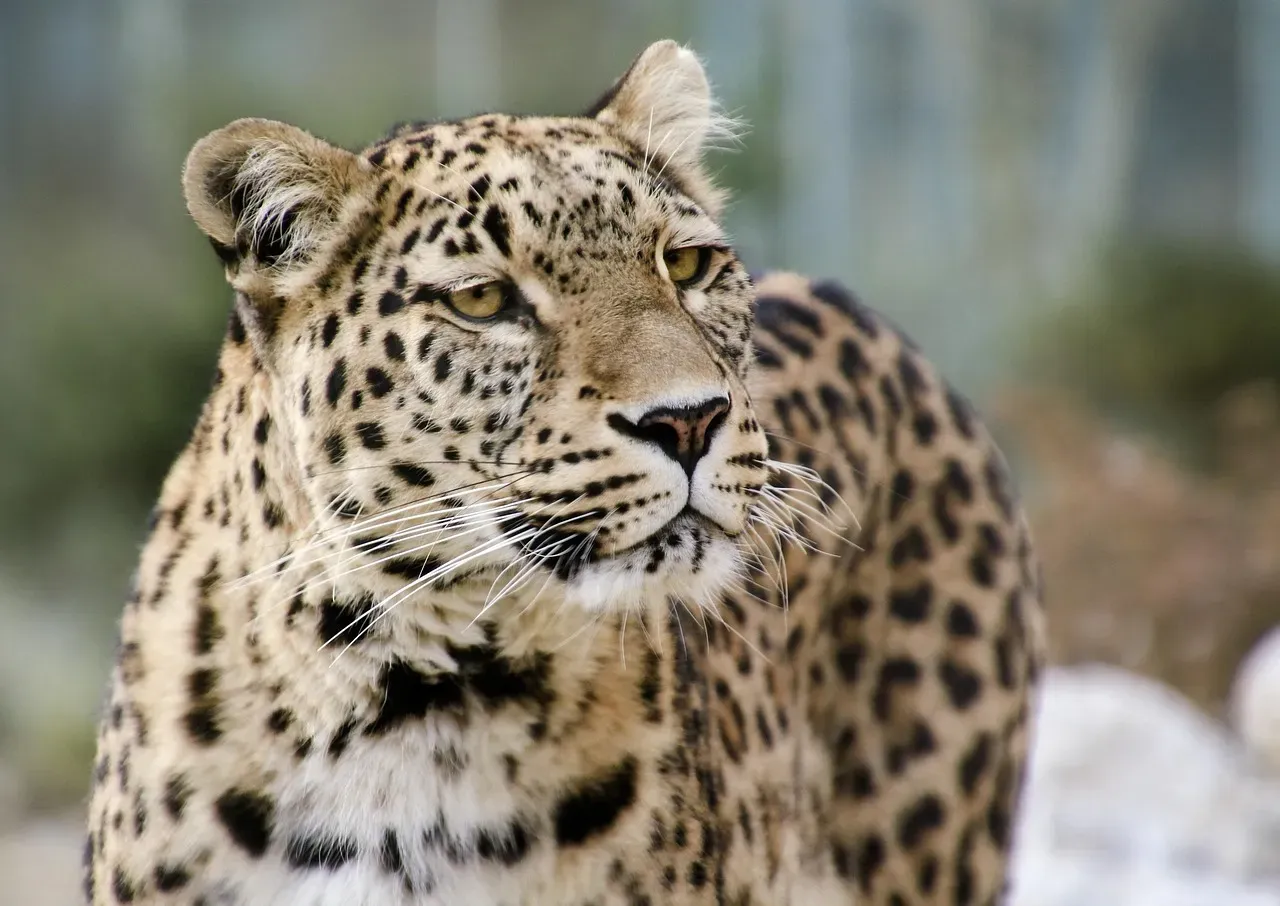
The numbers tell a grim story. Today, the subspecies’ population is estimated at fewer than 1,100 adults, spread across a massive geographic range from Turkey to Central Asia.
The largest remaining population, estimated at 500–700 individuals, resides in Iran, while Turkmenistan hosts a distant second population of up to 100 leopards. These fragmented populations face the dual threats of isolation and genetic bottlenecking. When populations become this small and disconnected, every individual matters tremendously for the species’ long-term survival. The situation in Turkey appears even more precarious than these broader numbers suggest.
Their Historic Range Has Shrunk By Over 70 Percent
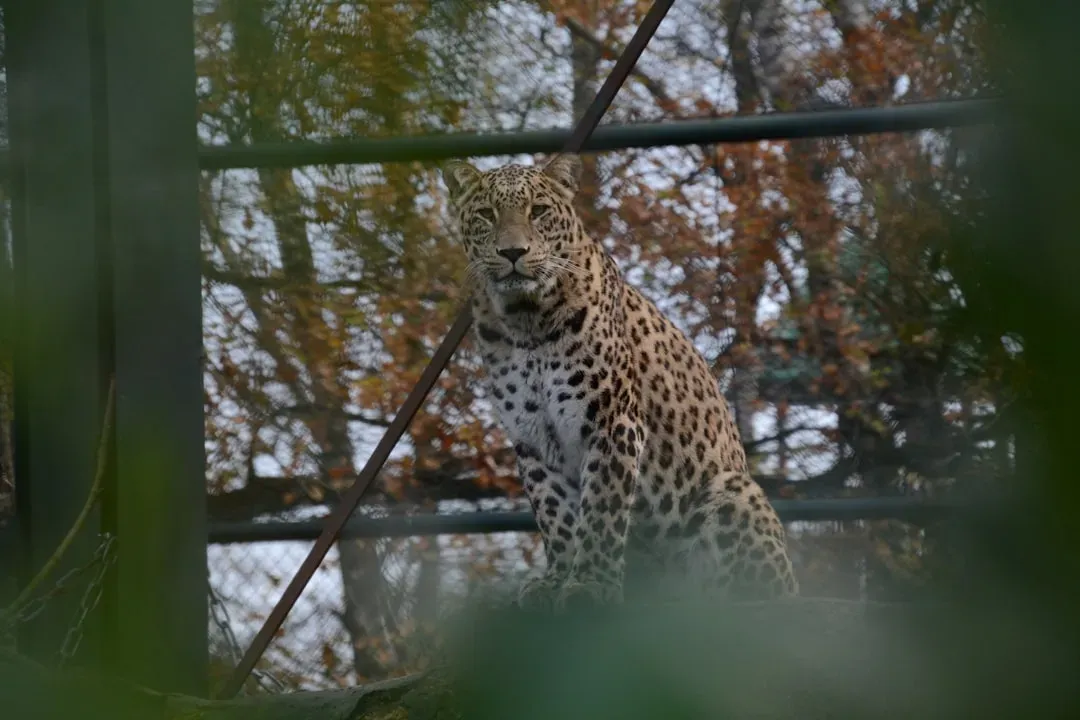
Imagine losing the vast majority of your homeland. Today, this majestic big cat’s distribution is drastically reduced and fragmented, with more than 70 percent of its historic range lost.
P. p. tulliana was once numerous in the Aegean Region between İzmir and Antalya, with the Beşparmak Mountains considered a stronghold. Now, these leopards occupy only tiny pockets of their former territory. Several factors contributed to the decline of the leopard population in this region between the late 1940s and mid 1970s, including deforestation, conversion of natural habitat to orchards, road construction, and killing of leopards in retaliation for livestock predation. The dramatic habitat loss reflects broader patterns of human expansion that have pushed countless species to the margins.
They Have An Ancient Cultural Significance In Anatolia
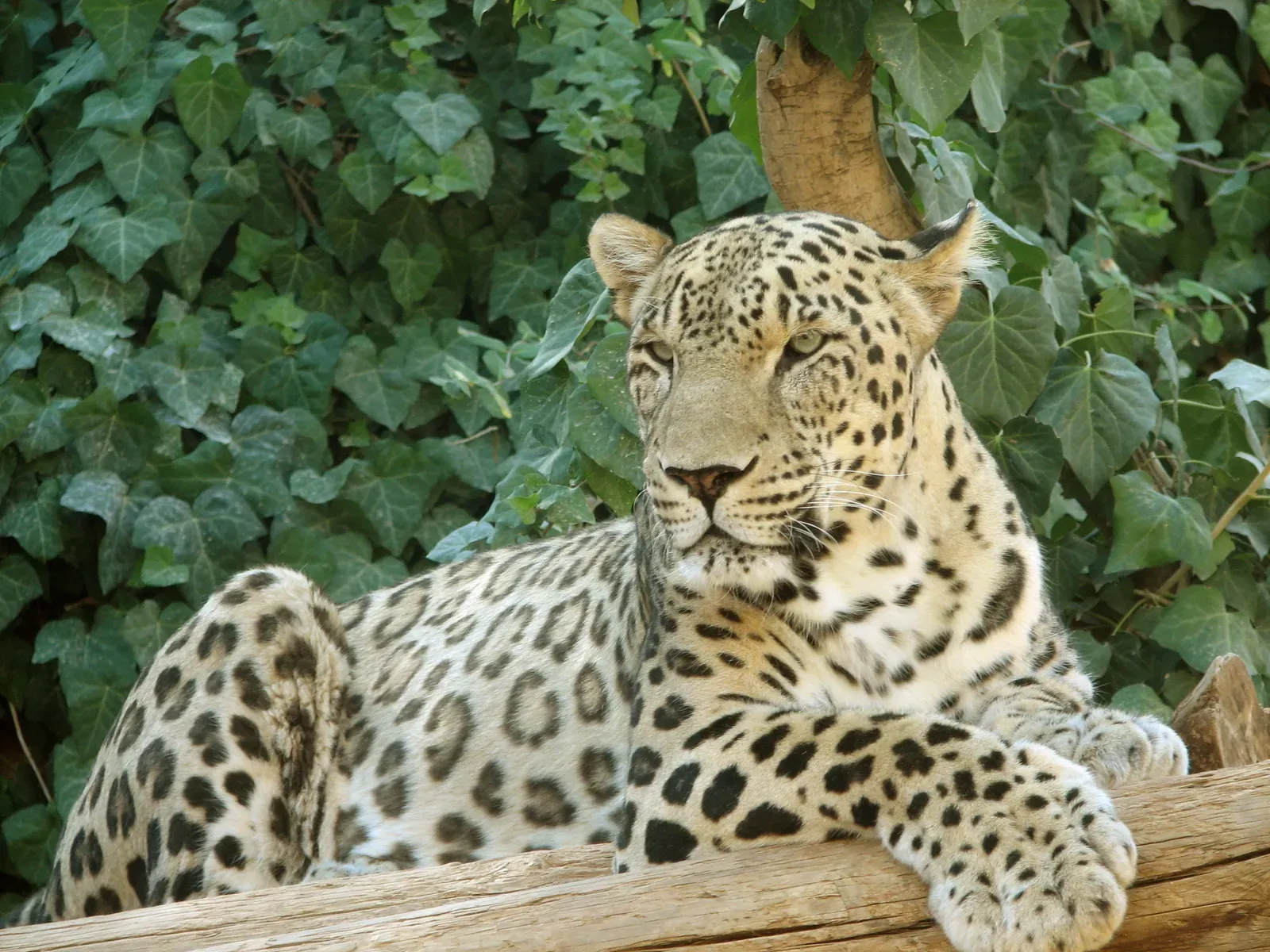
The oldest indicator of the existence of leopards in Anatolia is the wall reliefs on the Temple of Leopard (Leopard Shrine) in Çatalhöyük, Konya, dating back to 9,000 years. Think about that for a moment – these cats have been intertwined with human civilization in this region since the Stone Age.
Representations of the Anatolian leopard dating from the Neolithic period to the end of the 6th century BC were found in the ancient city of Thyatira in Anatolia. The leopard is depicted in statues, pottery, ivory works and coins associated with the Lydian culture. Even Roman politicians sought them out. When Roman statesman Marcus Tullius Cicero was serving as Governor of Cilicia in 50 BC, he asked for leopards to be sent from Kibyratis in Anatolia, which were used for gladiators to fight. The deep cultural resonance makes their near-extinction not just an ecological tragedy, but a cultural one as well.
Recent Camera Trap Footage Shows They Still Exist
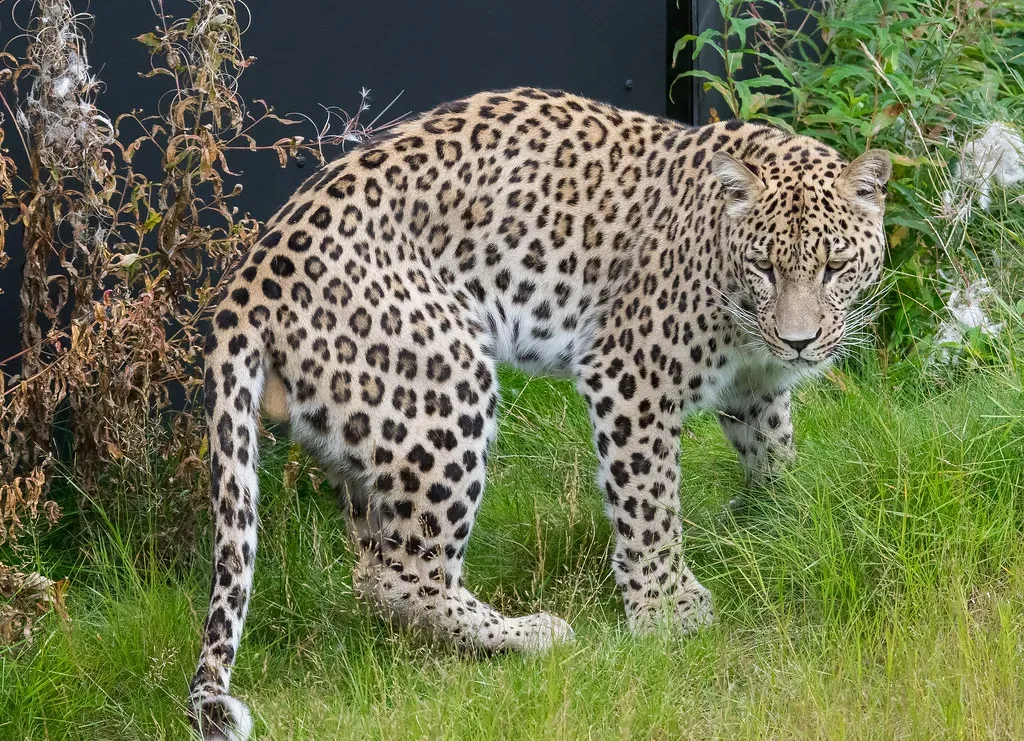
The first confirmed sighting of an Anatolian leopard, scientifically known as Panthera pardus tulliana, in Turkey was on Aug 25, 2019, when camera traps captured images of a male individual. This groundbreaking moment proved what many conservationists had desperately hoped – the leopard had somehow survived decades undetected.
As a result of the study, a total of 84 new records from 54 different localities were obtained from all regions except the Marmara region in Northwestern Türkiye. These records include footprints, camera trap photos and videos, thermal camera footage, and eyewitness accounts. Once believed to have become extinct in the country, the Anatolian leopard has been spotted several times since 2019 by camera traps in the wild. Each new sighting adds another piece to the puzzle of where and how these secretive cats are surviving.
All Confirmed Individuals In Turkey Are Male
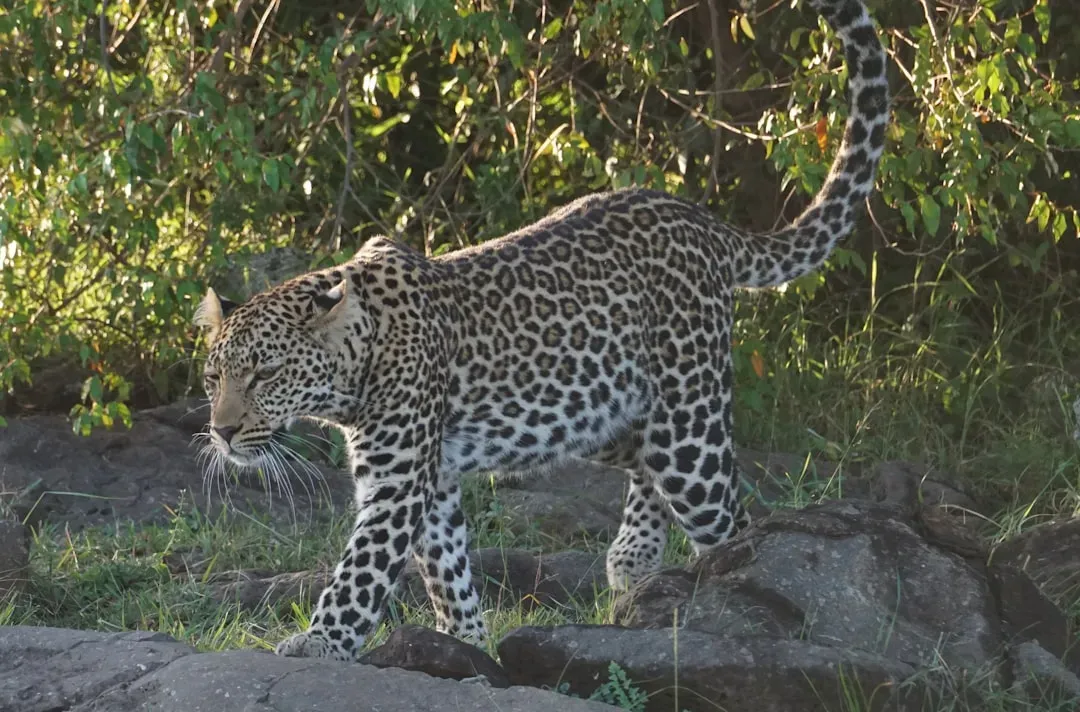
Here’s the thing – and it’s a massive concern. Camera-trap footage of the endangered Anatolian leopard has revealed that all 10 recorded animals are male, threatening the species’ survival, while extensive efforts are underway nationwide to identify females.
This means males are currently present in our country, but it doesn’t rule out the existence of females, according to researchers working on the species. The absence of confirmed females raises urgent questions about breeding possibilities and long-term viability. Without reproductive pairs, even a handful of males cannot sustain a population. Roughly 400 camera traps have been deployed across potential habitats specifically to locate females and offspring.
Conservation Efforts Are Finally Ramping Up
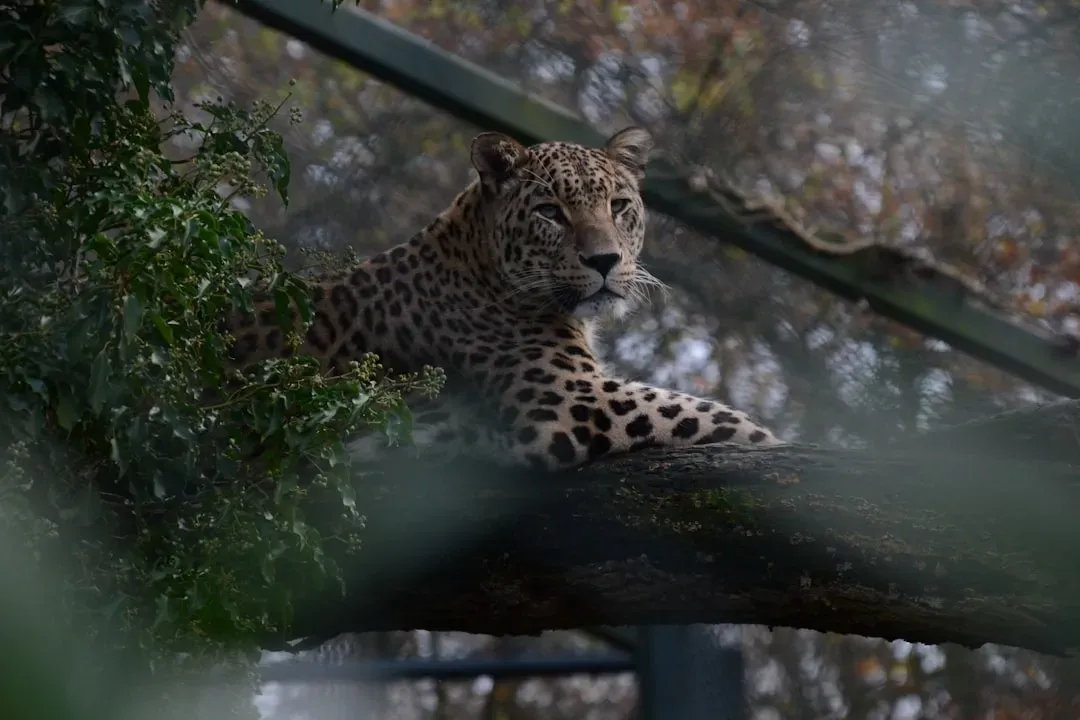
Officials from the Agriculture and Forestry Ministry have initiated consultations with scientists to explore strategies for increasing the population of the Anadolu Pars (Anatolian leopard), a species once thought extinct. This announcement came during May 2025 at a national wildlife congress.
In response, the DKMP established a Leopard Research Unit to study the leopard’s current and potential habitats and develop a Leopard Action Plan to guide conservation efforts. Turkey’s Leopard Research Unit is now working on mapping the leopard’s range to ensure better conservation of its habitat and resources. International cooperation has also expanded, with captive breeding programs and protected area networks being established across the leopard’s range. Yet challenges remain formidable – from habitat fragmentation to human-wildlife conflict to the simple difficulty of monitoring an animal that excels at remaining unseen.
Conclusion
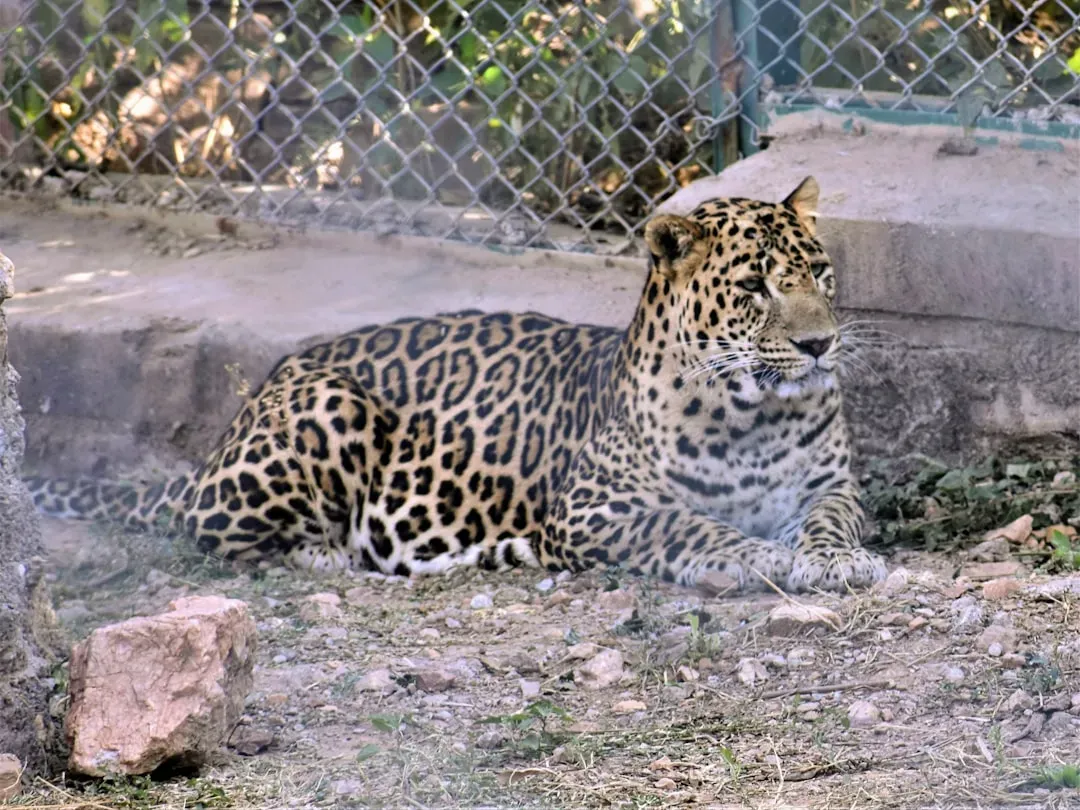
The Anatolian leopard’s story encapsulates both the devastating impact humans can have on wildlife and the possibility of redemption through dedicated conservation. From ancient temple walls to modern camera traps, these spotted predators have witnessed millennia of change in Anatolia. Their survival against overwhelming odds demonstrates nature’s remarkable resilience.
Yet their future hangs by the slenderest of threads. With potentially only males remaining in Turkey and fewer than 1,100 individuals surviving across their entire range, every action matters now. What happens next depends on sustained conservation efforts, international cooperation, and whether we can coexist with these magnificent survivors. Did you expect that a species declared extinct for 45 years would still be clinging to survival in hidden mountain valleys? What does it say about what else might be out there, waiting to be rediscovered?
Kristina is a young writer from India. An arts graduate and an avid content creator, Kristina is passionate about animals and wildlife. She enjoys exploring topics related to pet care, animal behavior, conservation, and nature, combining thorough research with engaging storytelling.