Your cat perches on the edge of the sink, watching you brush your teeth with those unblinking eyes. She knocks your coffee mug off the counter for no apparent reason. Maybe she spends hours grooming in the same spot, or suddenly stops using the litter box she’s loved for years. You laugh it off as typical cat weirdness. They’re mysterious creatures, right?
Here’s the thing, though. What if those strange little habits aren’t just personality quirks? What if your feline friend is actually trying to tell you something important about their health? Cats are masters at hiding pain and illness, an evolutionary defense mechanism, which makes decoding their behavior all the more critical. Let’s dive into the hidden meanings behind those oddball antics.
When Your Cat Suddenly Becomes a Recluse
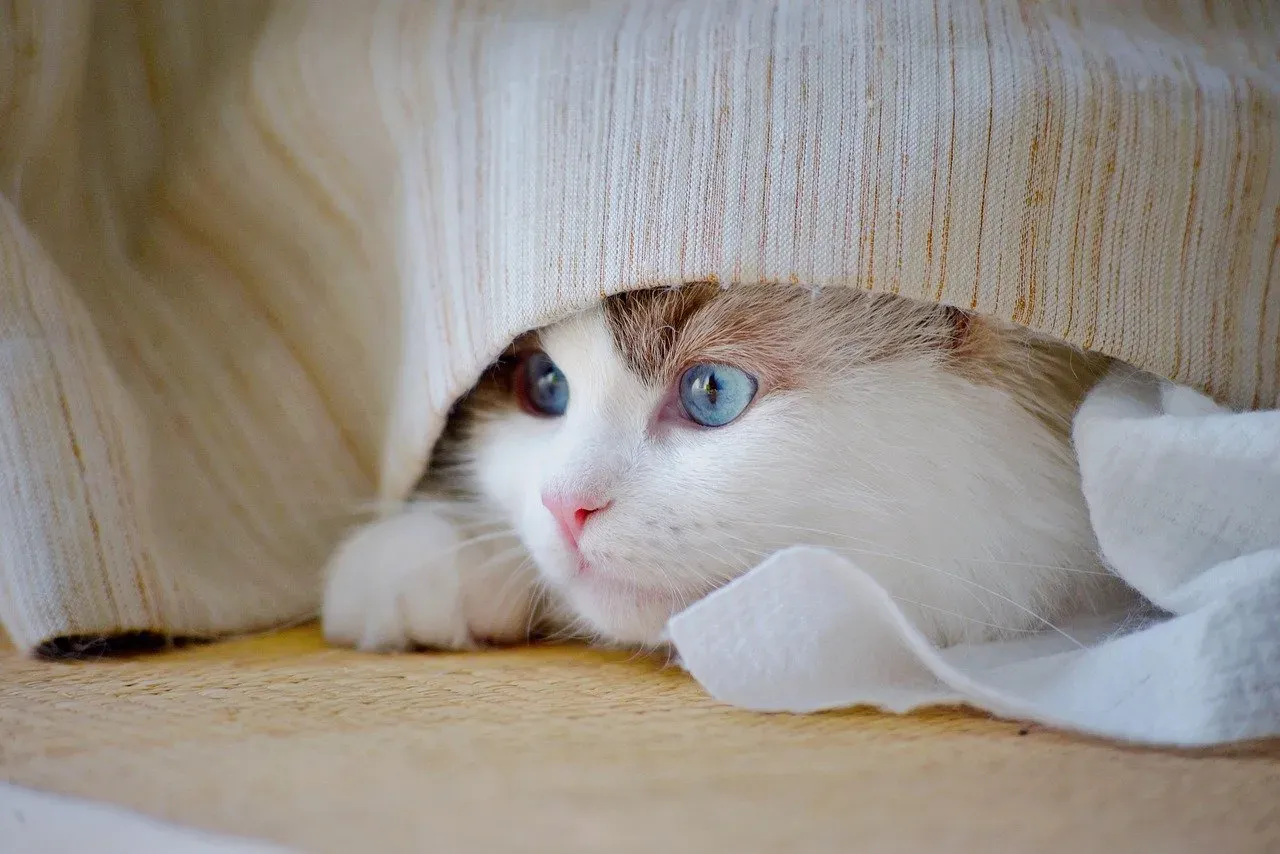
You used to find your cat lounging on the couch beside you, purring contentedly. Now? She’s vanished under the bed or tucked herself into the darkest corner of the closet.
Cats may become withdrawn, anxious, or display unexpectedly aggressive behavior towards their owners when experiencing intolerable pain. This isn’t your cat being antisocial or moody. Cats hide when they’re scared, stressed, in pain, or avoiding someone that intimidates them. Think of it as their survival instinct kicking in. In the wild, showing weakness makes them vulnerable to predators, so they retreat to protect themselves when something feels wrong inside their bodies.
The Litter Box Mystery That Demands Your Attention
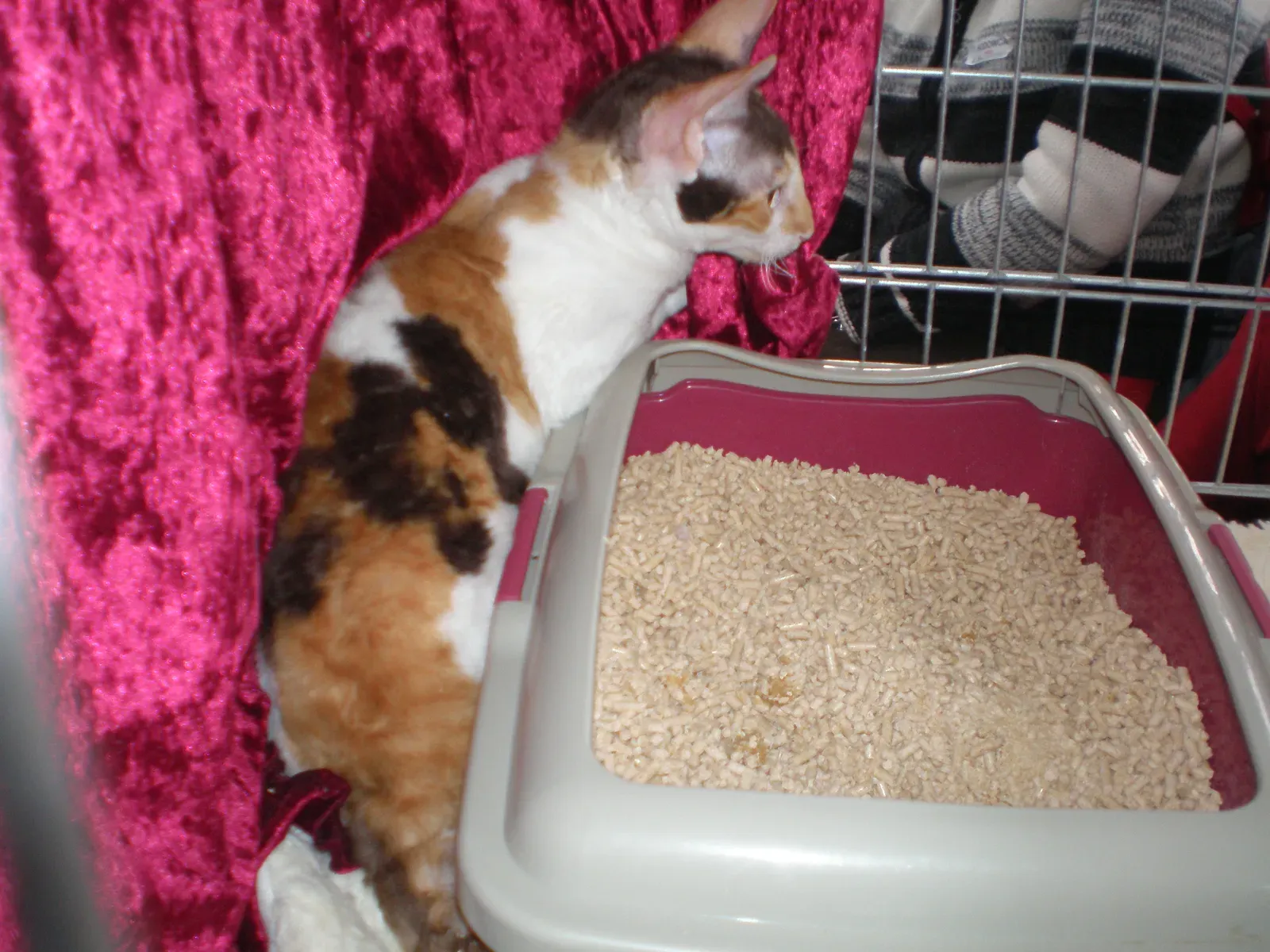
A cat in medical distress often starts eliminating outside of its litter box, which could signal arthritis making it too painful to navigate to the box, or a urinary tract or intestinal issue. Honestly, this is one of those behaviors that cat owners find most frustrating. You might think your cat is being spiteful or trying to punish you.
Cats may stop using the litter box if they associate pain with it, which can happen with bladder infections, gastrointestinal disease, or arthritis. Male cats especially need immediate attention if they’re straining without producing urine. A urinary blockage can rapidly become a larger problem if not addressed quickly, turning into a life-threatening emergency within hours.
That Excessive Grooming Habit Isn’t About Being Clean
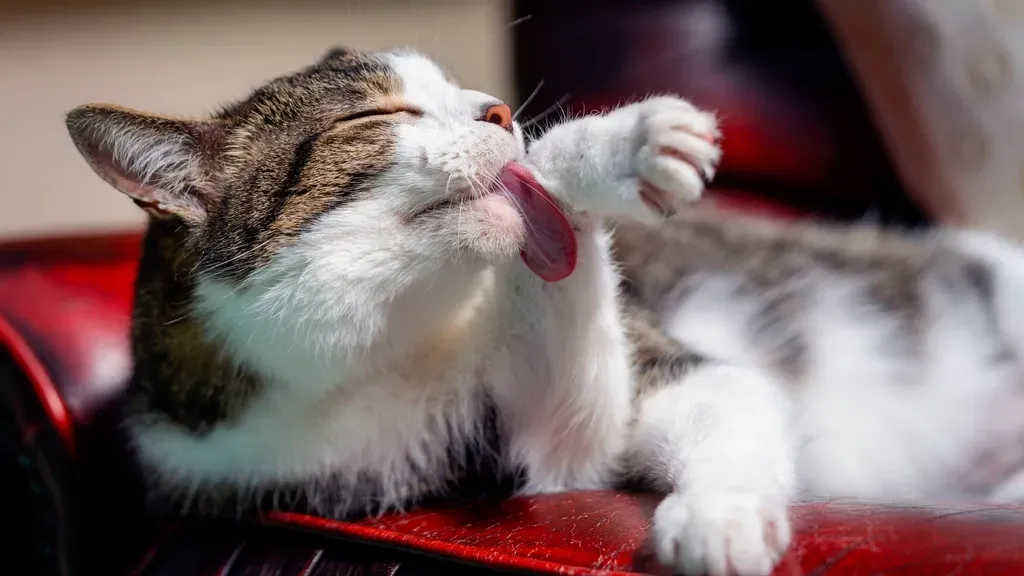
Cats that suddenly over-groom themselves may be experiencing allergies, dry skin, or a flea problem, and they overgroom because licking releases endorphins that make them feel soothed. You’ll notice bald patches, red skin, or rough spots where the fur looks thin and damaged.
The flip side? A decrease in grooming may signal an underlying health problem, with overweight cats having difficulty reaching some areas, and older cats experiencing dental or arthritic pain. If your formerly pristine cat now sports a matted, dull coat, this could indicate joint pain, obesity, or dental disease making grooming uncomfortable. It’s hard to say for sure without a vet visit, but changes in grooming almost always mean something deeper is going on.
When Your Quiet Cat Won’t Stop Yowling
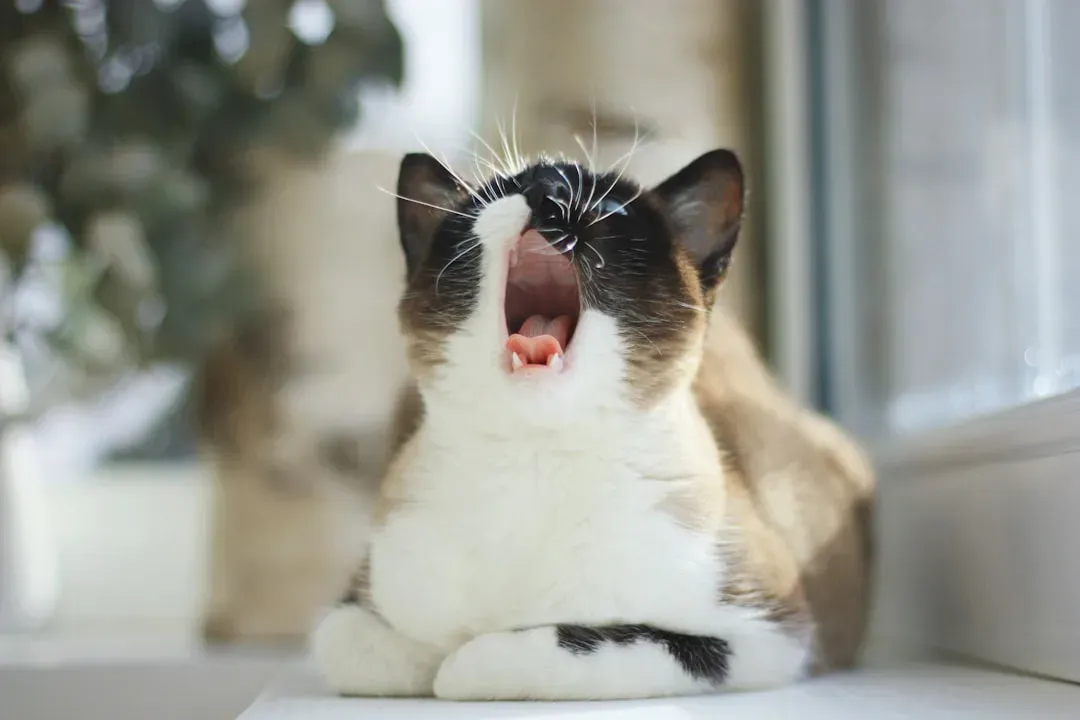
Some cats are naturally chatty. Yet if your typically quiet companion suddenly becomes vocal, or your talkative cat goes eerily silent, pay attention. Changes in vocalization may indicate illnesses such as asthma or an upper respiratory infection, while yowling may be a symptom of hearing loss.
A sudden increase in vocalization could be a sign of pain, stress, or another medical or behavioral problem. Senior cats might meow more due to cognitive decline or confusion, especially at night. Think of it like someone calling out because they’re disoriented or uncomfortable. Excessive vocalizations can be a sign of senility in older cats, resembling early dementia symptoms.
Eating Like There’s No Tomorrow or Not At All
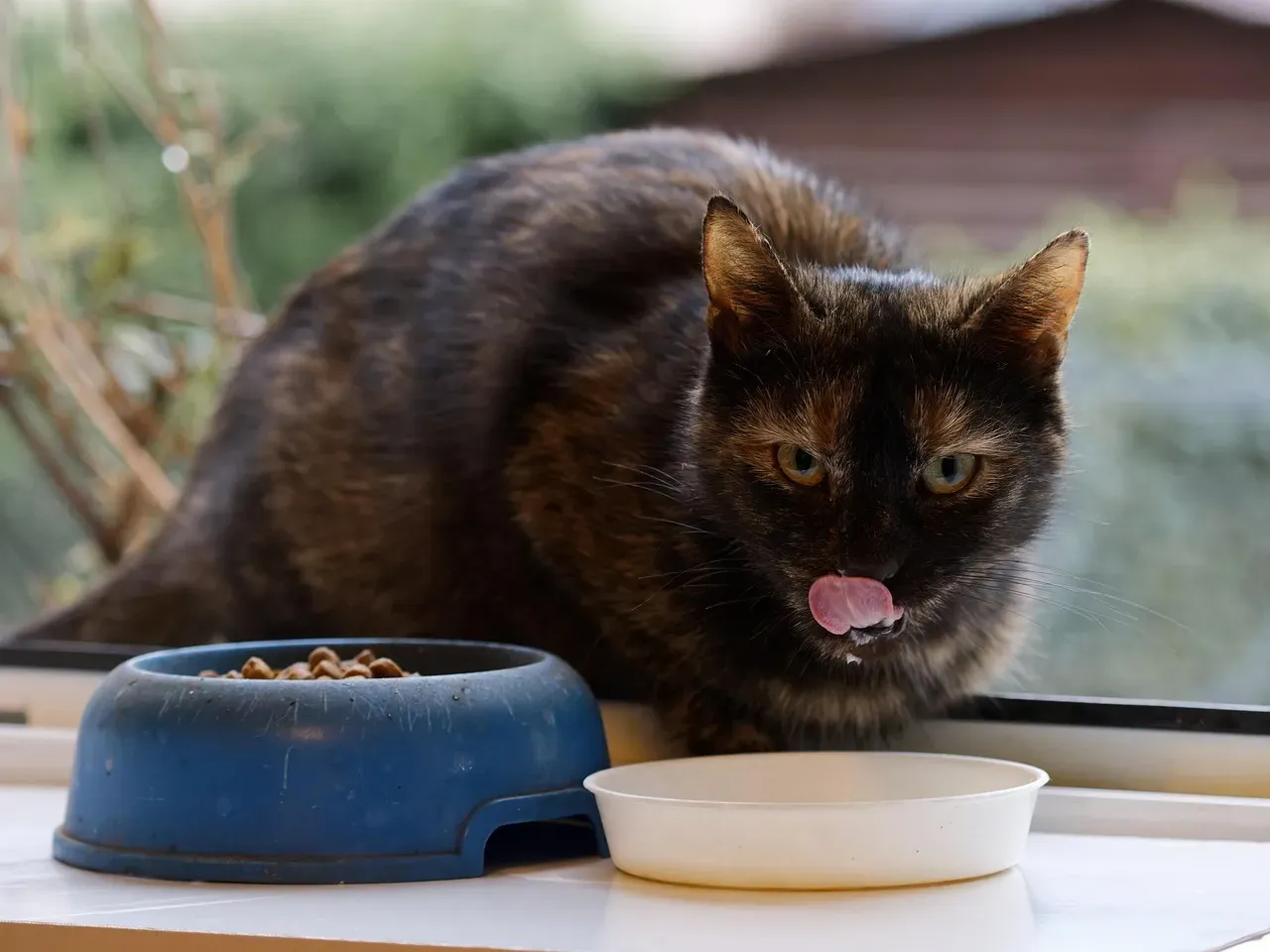
When a cat suddenly loses their appetite, it could be a sign of upset stomach, stress, dental problems, intestinal parasites, a cardiac problem, ingestion of a toxic substance, or intestinal blockage. Loss of appetite isn’t something to wait out for days. If your cat is eating far less than usual, contact your veterinarian as soon as possible before a serious condition called Hepatic Lipidosis develops.
On the flip side, ravenous eating is equally concerning. A ravenous appetite can cause your cat to act very out of character and can have many causes, including hyperthyroidism, inflammatory bowel disease, diabetes, and intestinal worms. Your cat isn’t just being greedy or dramatic. These appetite changes may point to something medical that needs addressing.
The Water Bowl Obsession You Shouldn’t Ignore
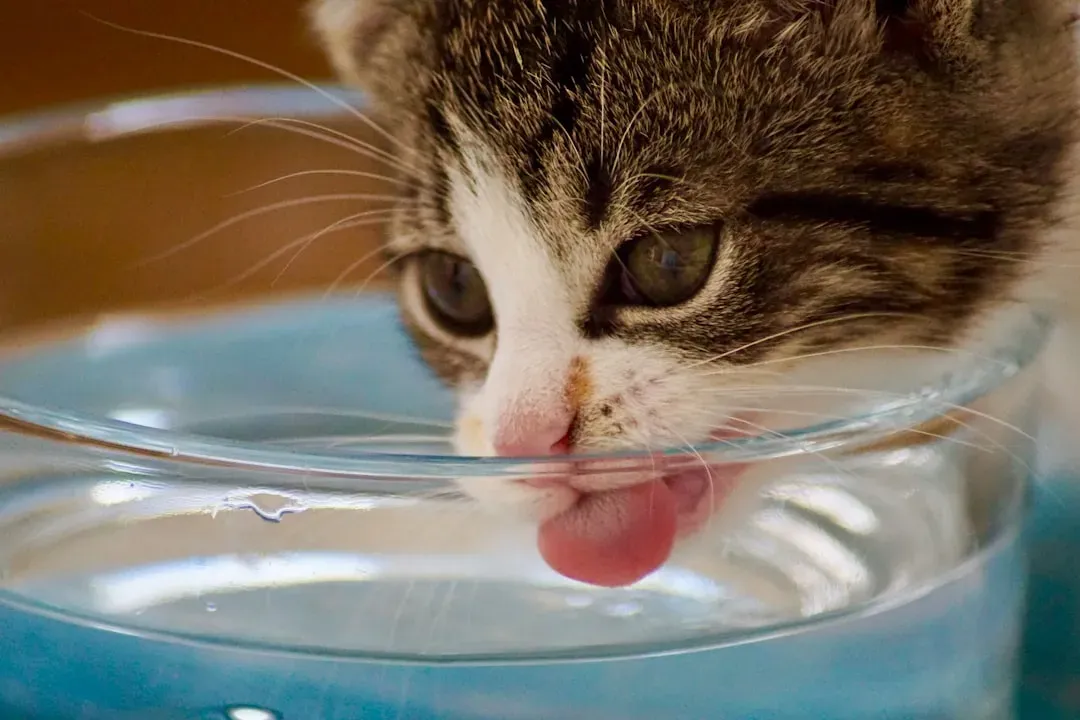
Increased thirst may suggest kidney disease, diabetes, or hyperthyroidism. If your cat who normally takes a few polite sips suddenly can’t get enough water, this is a major red flag. Excessive thirst could indicate a problem with your cat’s liver or kidneys, organs that are critical to filtering waste from the bloodstream.
A significant decrease in water intake might indicate dehydration, urinary tract issues, or another underlying illness. Sometimes lack of drinking means your cat is too weak or tired to reach the bowl. It’s worth tracking how much your cat drinks in a typical day so you’ll notice when patterns shift dramatically.
When Aggressive Behavior Comes Out of Nowhere
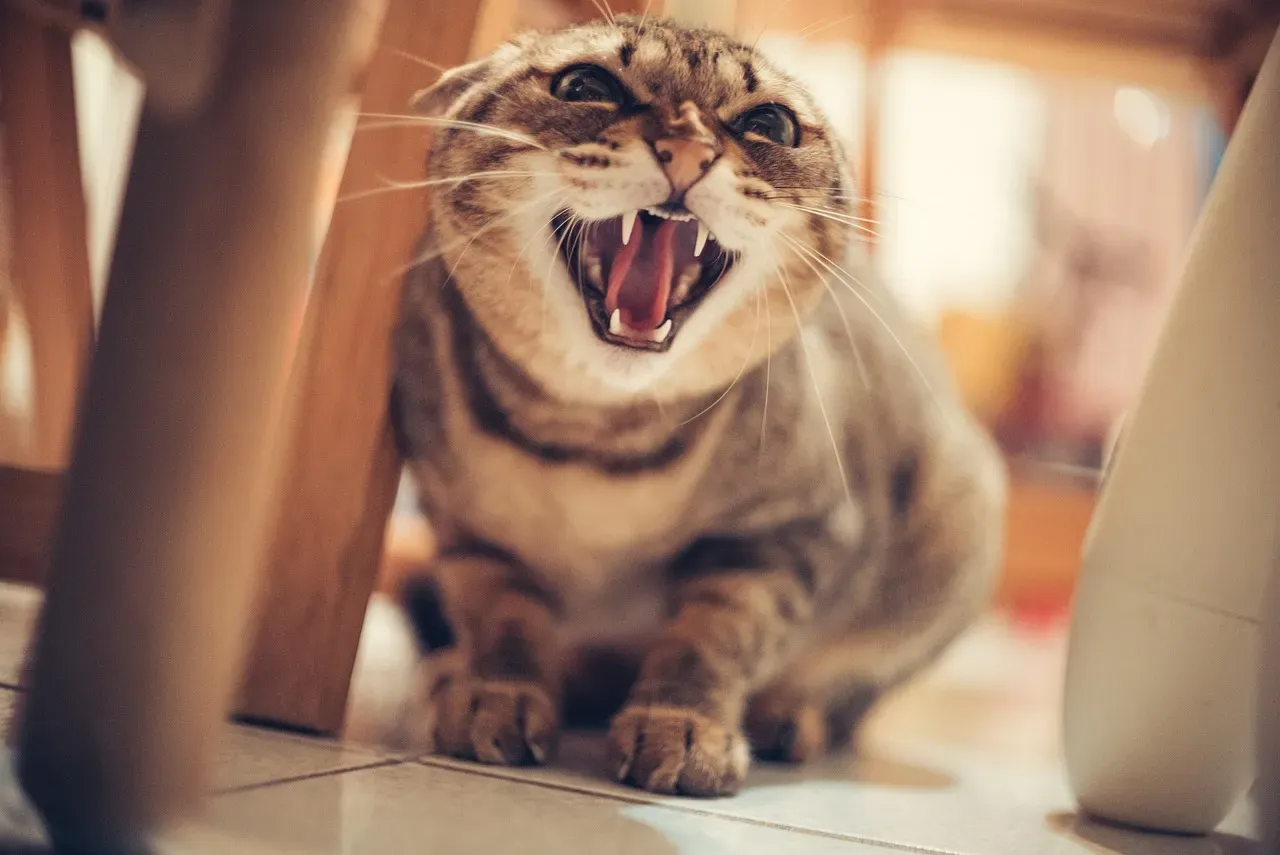
Your sweet, gentle cat suddenly hisses at you when you reach to pet her. She swats at your hand or bites without warning. Sudden aggression like hissing, biting, or swatting without clear reason can be a sign of an underlying medical condition or emotional distress. Let’s be real, cats don’t turn mean for no reason.
Cats that bite during petting might have a low tolerance for physical contact or might be more easily overstimulated, and aggression can be particularly intense if the cat is approached when aroused. Pain aggression is a defensive reaction that occurs when a cat is in pain and may happen when a cat anticipates being moved or touched. Your cat might be protecting a sore spot or reacting to internal discomfort you can’t see.
That Weird Head Pressing Against Walls
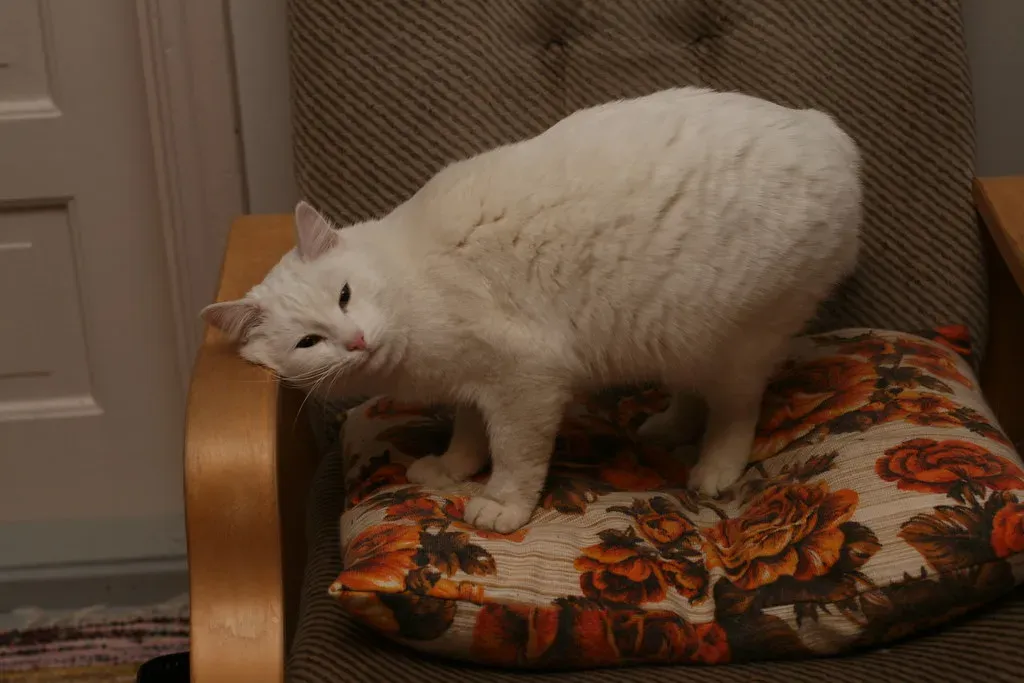
While gentle head-butting is a sign of affection, rigid head pressing against walls or furniture is a serious red flag pointing to neurological disorders such as brain tumors, stroke, trauma, or liver disease. This isn’t the cute bunting behavior where cats rub their cheeks on you to show love.
Head pressing is never normal, and if you see your cat doing this, get to a vet right away as this behaviour often points to serious medical emergencies. I know it sounds crazy, but this single behavior can indicate toxin buildup in the brain or severe neurological damage. There’s no wait-and-see approach here.
Chewing on Things That Aren’t Food
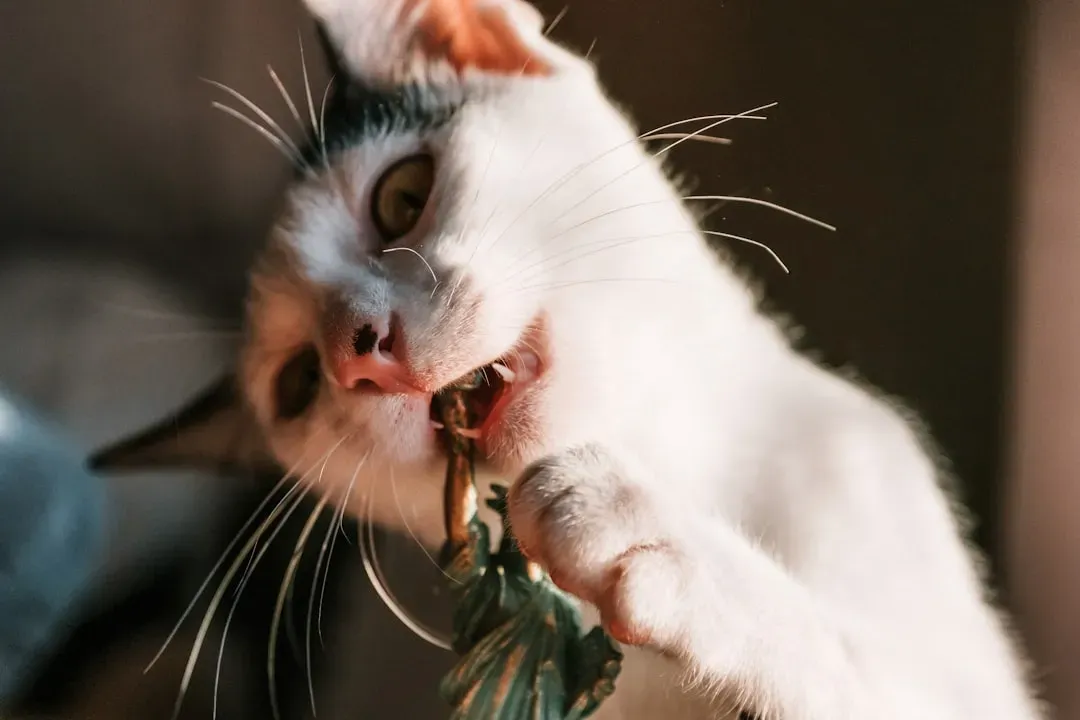
Cats that either chew, suck, or eat inappropriate and inedible material have a condition called pica. You might find your cat gnawing on plastic bags, wool blankets, electrical cords, or even cardboard. This goes way beyond playful batting at objects.
Proposed reasons for pica include mineral deficiencies, anemia, hyperthyroidism, genetics, boredom, and stress. Because the material ingested is inedible, it can cause stomach upset and even become lodged in the gastrointestinal tract, leading to a potentially life-threatening condition. Think of it like a blockage forming in a pipe. The longer it goes unaddressed, the more dangerous it becomes.
Sleeping More or in Strange New Places
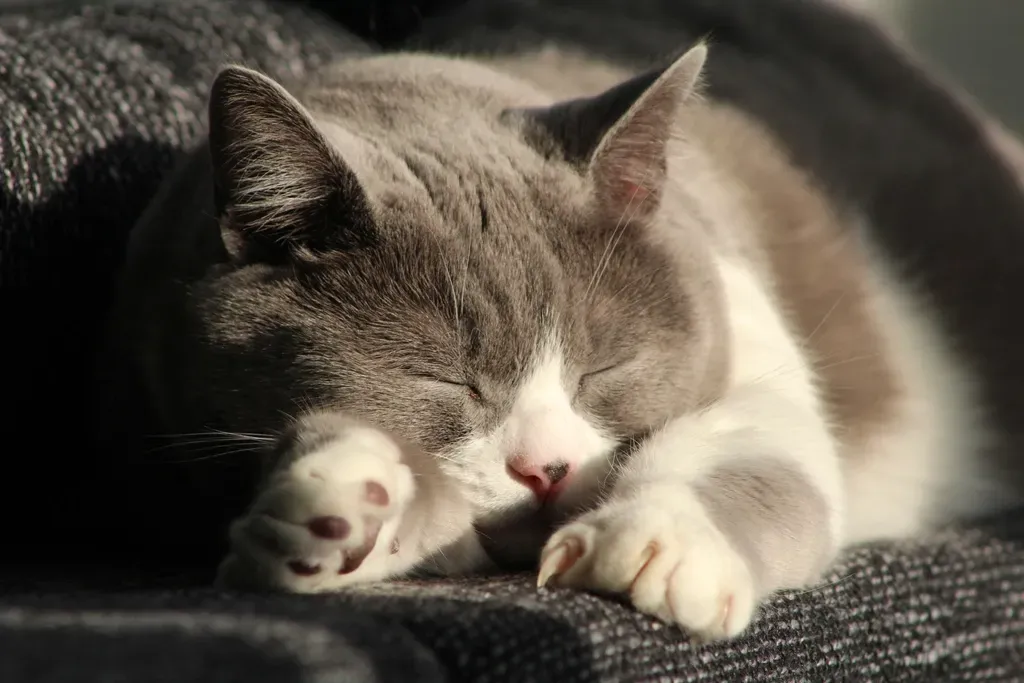
Many illnesses, especially those causing a fever, can make your cat feel more lethargic and sleepy than normal. Cats already sleep between twelve to eighteen hours daily, so how do you know if it’s too much? Watch for changes in the quality and location of sleep.
You might notice that your cat doesn’t curl up for naps in their favorite high place anymore, as cats suffering from pain, especially joint pain caused by arthritis, struggle to jump and climb. If your cat suddenly prefers low, easily accessible spots instead of their beloved perch by the window, joint pain or mobility issues could be developing. Feline cognitive dysfunction syndrome can cause various behavioral changes including altered sleep patterns, with affected cats often awake at unusual times.
Understanding the Timeline: When to Act
A noticeable behavior change can indicate that a disease has progressed to an advanced stage, which is precisely why catching these signs early matters so much. Make an appointment with your veterinarian if your cat’s new behavior persists longer than 24 hours, as early detection is key since behavioral issues in cats are often an indicator of a progressing illness.
Here’s what most people don’t realize: Cats often physically hide and mask their symptoms for a long time before behavioral issues begin and a cat owner notices something is wrong. By the time you see behavioral changes, your cat has likely been dealing with the problem for a while. Your vet will perform physical examinations and possibly blood work, urinalysis, or x-rays to identify what’s happening beneath the surface. The sooner you act, the better the prognosis tends to be.
Your cat’s peculiar behaviors might seem like harmless quirks or amusing oddities. Yet those strange habits could be your feline friend’s only way of communicating that something hurts, feels wrong, or needs your help. From hiding under beds to excessive meowing, from litter box avoidance to aggressive outbursts, each behavior tells a story if you know how to listen. Behavioral changes can be your cat’s way of communicating that something in their body, or in their world, has changed.
The next time your cat does something that makes you scratch your head, don’t just brush it off as typical cat weirdness. Take a moment to consider whether this behavior is new, different, or persistent. Your attention to these subtle clues could make all the difference in catching health problems early when they’re most treatable. What quirky habit has your cat shown you lately? Could it be trying to tell you something important?
Kristina is a young writer from India. An arts graduate and an avid content creator, Kristina is passionate about animals and wildlife. She enjoys exploring topics related to pet care, animal behavior, conservation, and nature, combining thorough research with engaging storytelling.