Have you ever found yourself wondering why your cat insists on napping in that bizarre little corner behind the couch or why they’ve abandoned their fancy cat bed for a cardboard box? Your feline’s choice of snooze spot isn’t random. In fact, where your cat chooses to catch some sleep can reveal quite a bit about their personality, emotional state, and how they view their environment. Cats are mysterious creatures by nature, spending nearly two-thirds of their lives asleep, so they’ve had plenty of practice selecting the perfect nap location.
Every cat is unique, and its sleeping patterns can vary based on age, activity level, and personality. The places they pick for their catnaps aren’t just about comfort. They’re about security, temperature, social bonds, and even their wild ancestry. So let’s dive into what these napping preferences might be telling you about your furry companion.
The Sunny Window Seeker
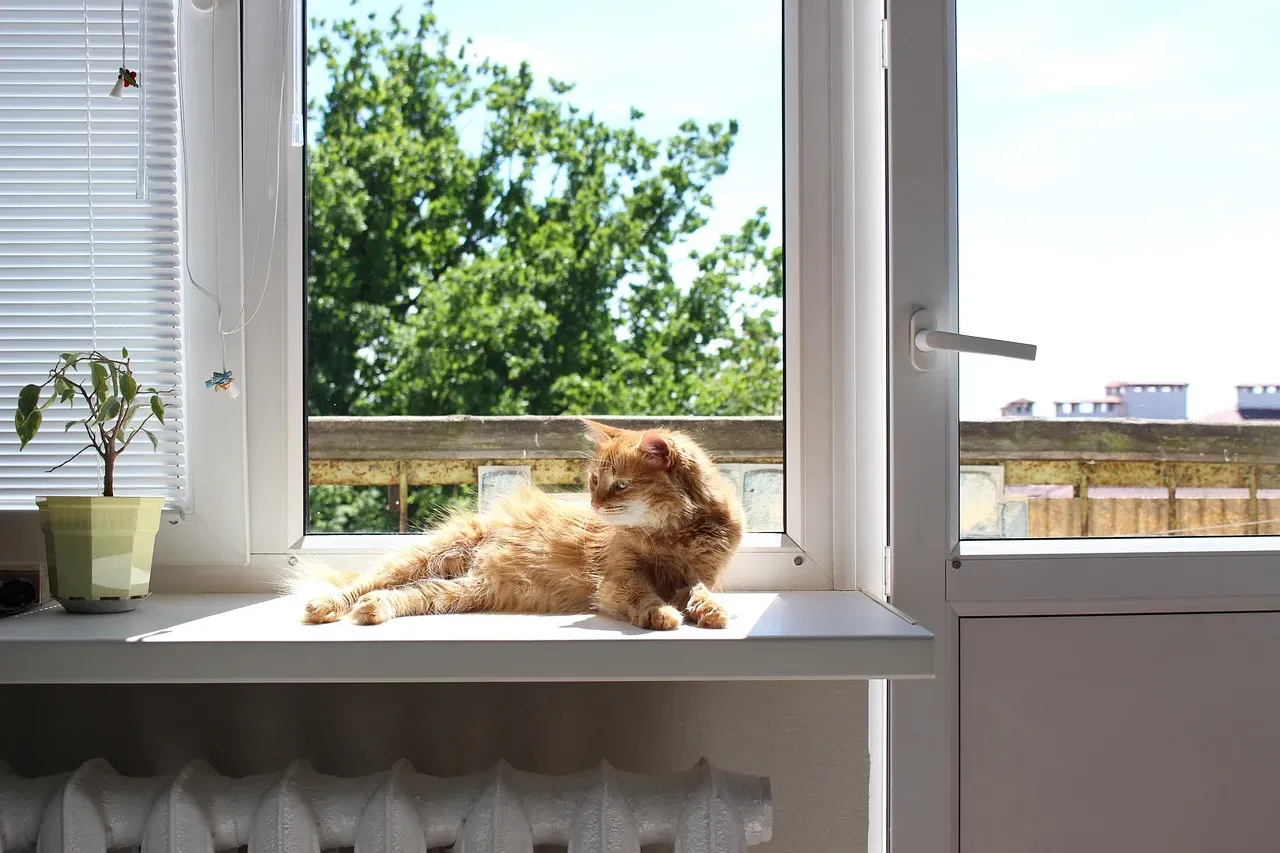
Does your cat gravitate toward any window where sunshine pours through? This tells you something important. Your cat is a warmth enthusiast who knows exactly how to soak up those cozy rays. Temperature tends to be the biggest factor in where cats choose to sleep, and depending on the changing weather and season, cats might prefer a spot that is particularly warm or cool based on their needs. Window sitters are often confident felines who enjoy a bit of visual stimulation while they rest.
Many cats love observing the world outside, and a window perch not only satisfies their curiosity but also offers a perfect vantage point for a restful nap. These cats tend to have an observant personality. They’re keeping tabs on the neighborhood birds, passing pedestrians, and any activity that might be worth investigating later. If your cat has claimed a sunny window as their napping throne, they’re likely alert, curious, and maybe a touch territorial about their favorite viewing spot.
The Box Dweller
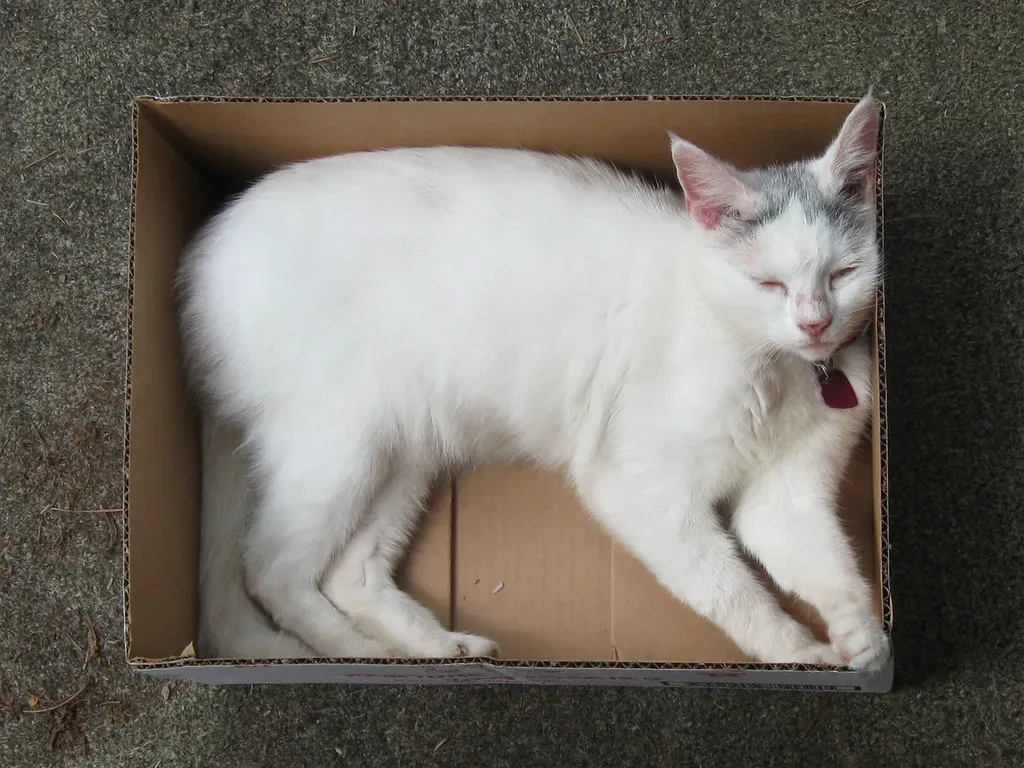
There’s something almost magical about the way cats are drawn to boxes. Leave an empty cardboard box on the floor, and chances are your cat will be curled up inside it within minutes. This behavior reveals a cat who values security above all else.
Cats sleep in boxes or other enclosed areas to stay hidden from any predators or rivals that might want to pick a fight with them, and if your cat’s an indoor kitty, the desire to sleep in a box may indicate they are hiding from someone or something in the house. Box lovers are typically cautious cats who prefer having their backs protected. These felines might be a bit more anxious or simply enjoy the snug, den-like feeling that a confined space provides. Sleeping in a box or enclosed space can often be a form of hiding away and may suggest a cat is not feeling completely safe in their surroundings, and having their back in contact with something can help a cat to feel reassured.
Honestly, if your cat is a serial box napper, they probably appreciate predictability and routine. They’re not necessarily fearful, just strategic about their comfort.
The High Perch Enthusiast
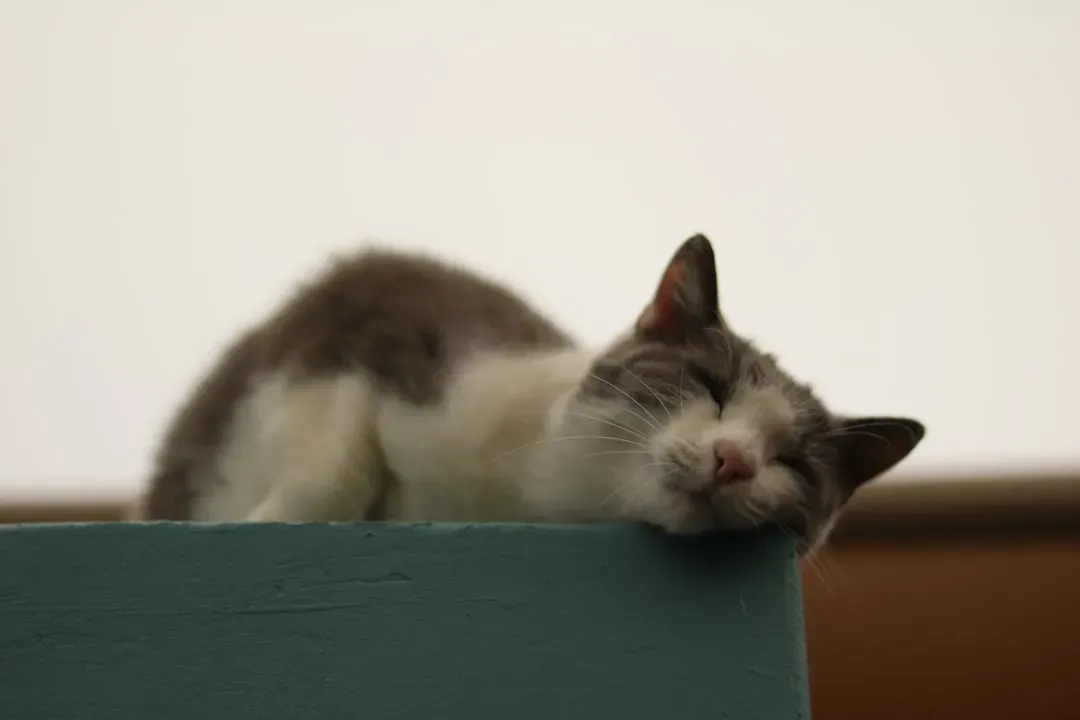
If your cat has claimed the top of your bookshelf, refrigerator, or cat tree as their preferred napping zone, you’ve got an adventurous personality on your hands. Some cats prefer a spot with height so that they have a good view of what is around them, allowing them to feel safest in the moment. These elevated sleepers are typically confident and territorial. They want to survey their kingdom from above.
High perches appeal to cats with a bit of a dominant streak. They’re saying, in their own way, that they’re in charge here. To reduce predation risks, cats prefer to rest in elevated positions so that predators are more visible to them and the cats, in turn, are more visually concealed from predators. Cats who consistently choose elevated sleeping spots are often alert, watchful, and protective of their space. They may be slightly more independent and less inclined to seek constant cuddles, preferring instead to keep a watchful eye from their lofty vantage point.
The Undercover Agent
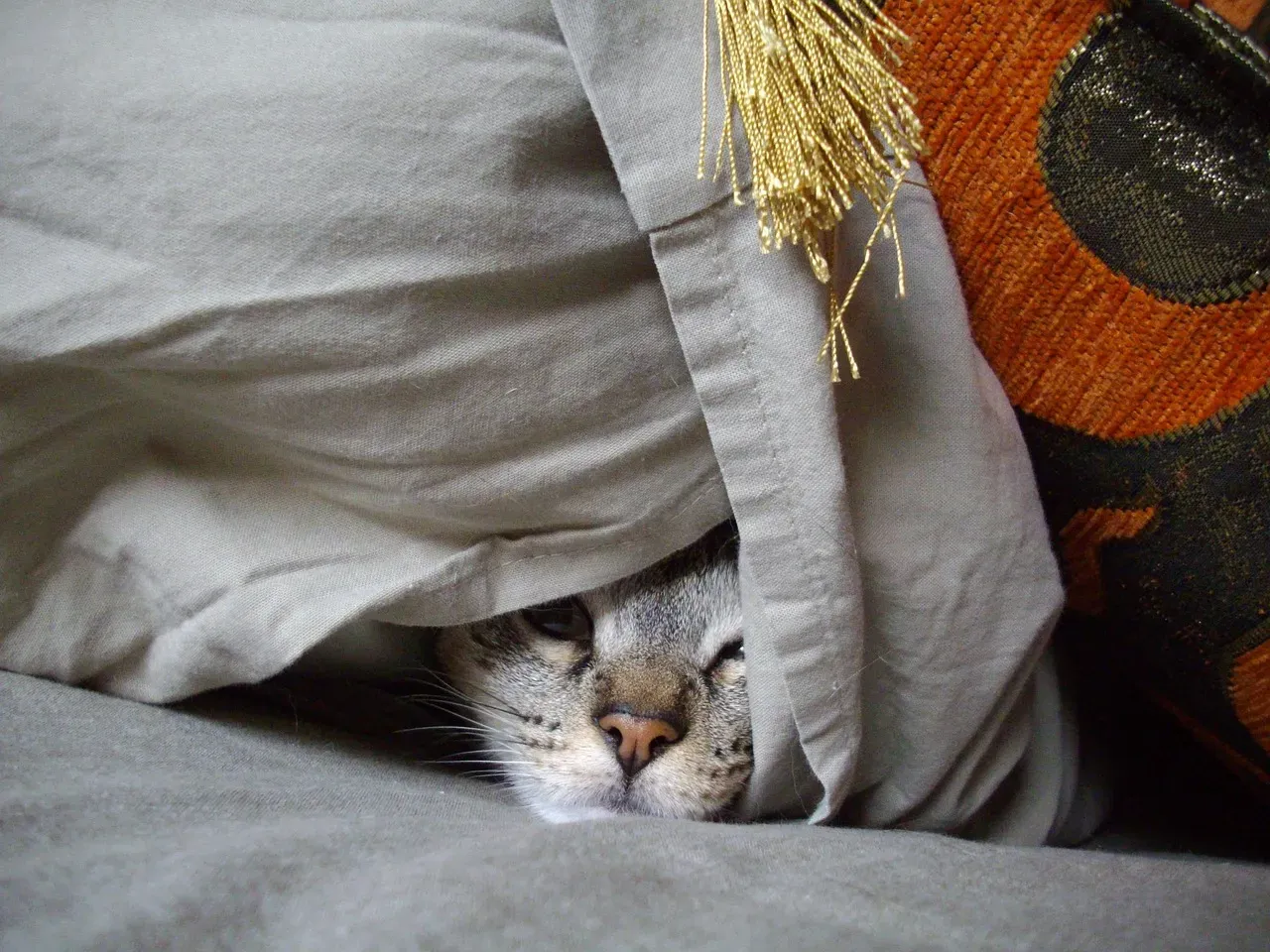
Some cats refuse to sleep anywhere that isn’t hidden. Under the bed, inside closets, tucked away in the laundry basket – these are the cats who value privacy and solitude. Your cat may be sleeping in a new and odd place simply because they’re seeking out some privacy, and they might be tired of you waking them up in the middle of their nap to pet them or tell them how cute they are, with a sense of security coming from finding a new spot to nap.
These hidden nappers often have introverted or sensitive personalities. They’re not necessarily unfriendly, but they do need their alone time. If your cat consistently hides to sleep, it might mean they’re feeling overwhelmed by household activity or simply crave a quiet retreat. Hidden sleepers are usually thoughtful cats who prefer structured comfort. Let’s be real – some cats just want peace and quiet, and there’s nothing wrong with that. Give them their space, and they’ll emerge when they’re ready for interaction.
The Human Body Sleeper
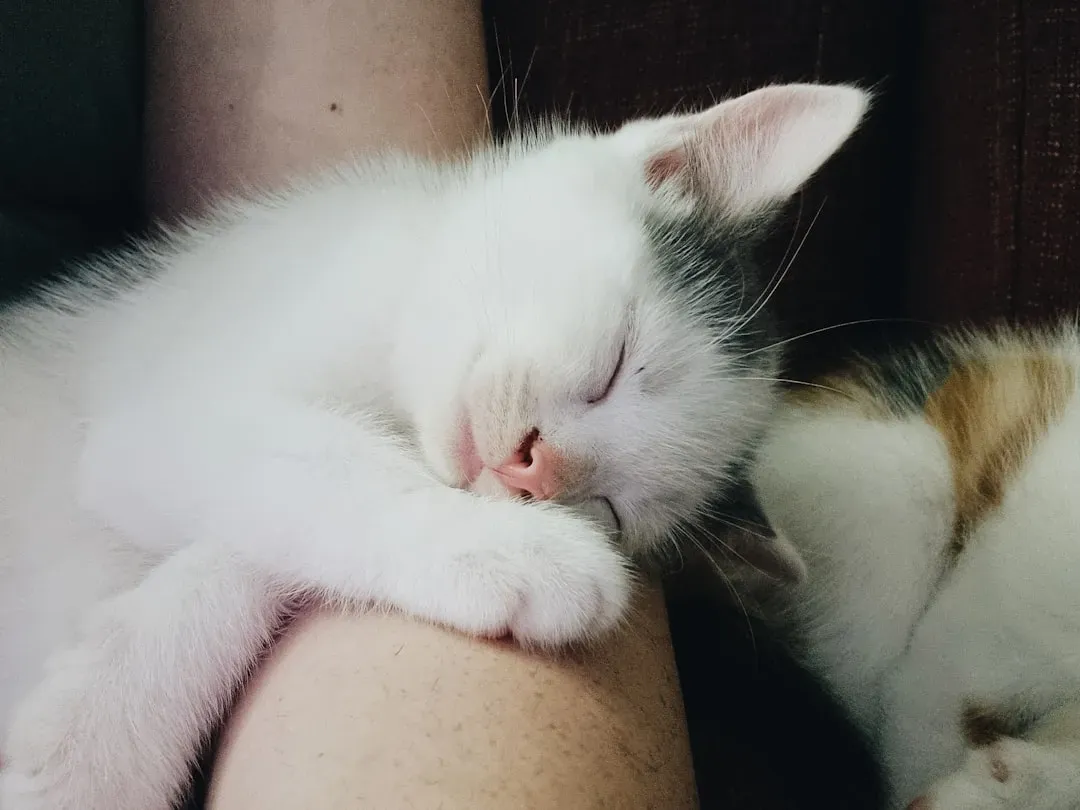
There’s a special breed of cat that refuses to sleep anywhere except on top of their human. Whether it’s your lap, chest, feet, or even your head, these cats have made you their personal mattress. This behavior screams affection and attachment. By curling up close to you, whether pressed against your chest or simply at your feet, your cat is signaling that they feel safe in your presence, and according to research, a cat’s sleeping position can reveal the depth of their attachment.
Cats are highly sensitive to rhythmic sounds, and few things are as calming as the steady thump-thump of a heartbeat and the gentle rise and fall of breathing, much like how newborn kittens seek the warmth and heartbeat of their mother, with many pet owners reporting their cats prefer sleeping on their chest precisely because of these soothing, familiar sounds. Cats who sleep on you are typically social, affectionate, and deeply bonded to their humans. They’re the type who follow you from room to room and genuinely enjoy your company. I think these are the cats who see their humans as part of their family group, not just providers of food and shelter.
The Radiator Hugger
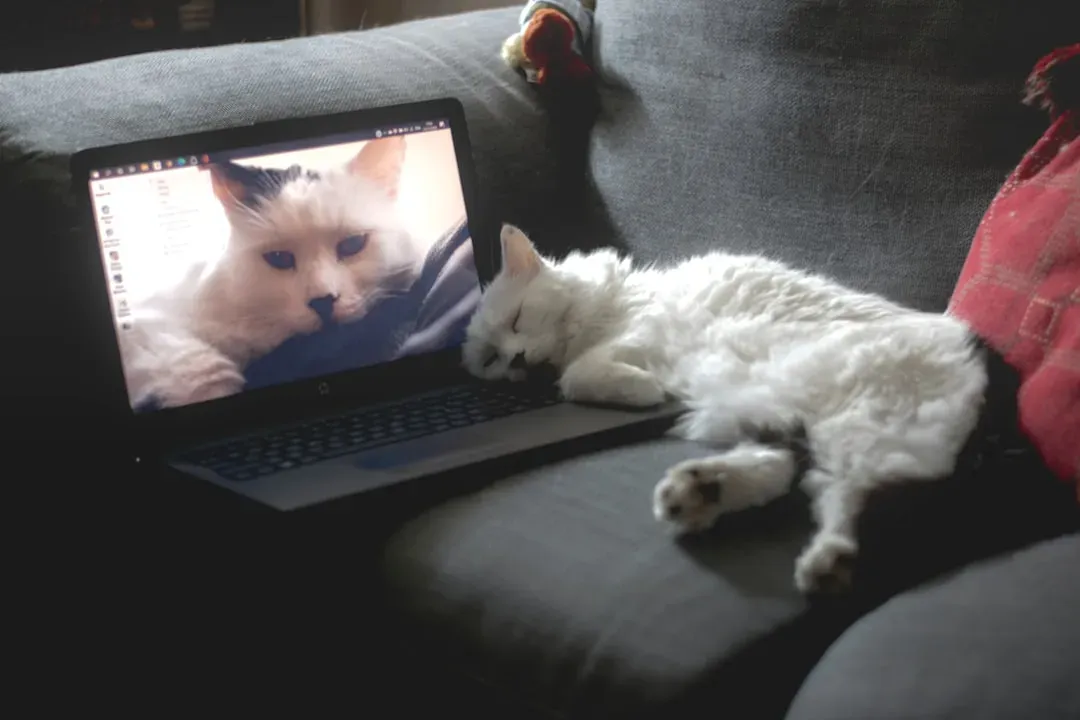
Does your cat plant themselves next to any heat source they can find? Radiators, heating vents, even your laptop – if it’s warm, they’re there. Cats are particularly sensitive to temperature changes and will often select sleeping spots based on their thermal comfort, and during colder months, you might find your cat curled up near radiators or electronic devices. Heat-seeking cats are practical creatures who prioritize comfort.
These cats are often relaxed and easygoing. They’re not overly concerned with monitoring their environment; they just want to be cozy. When the weather is warm, cats seek high shaded sleeping nooks where they can stretch out, and during the cool winter months they’ll find a place bathed in warm sunshine or sidle up to a heat source, curling up with face between paws to reduce body heat loss. If your cat is a dedicated radiator hugger, they’re likely laid-back and content, with a personality that values simple pleasures.
The Constant Location Switcher
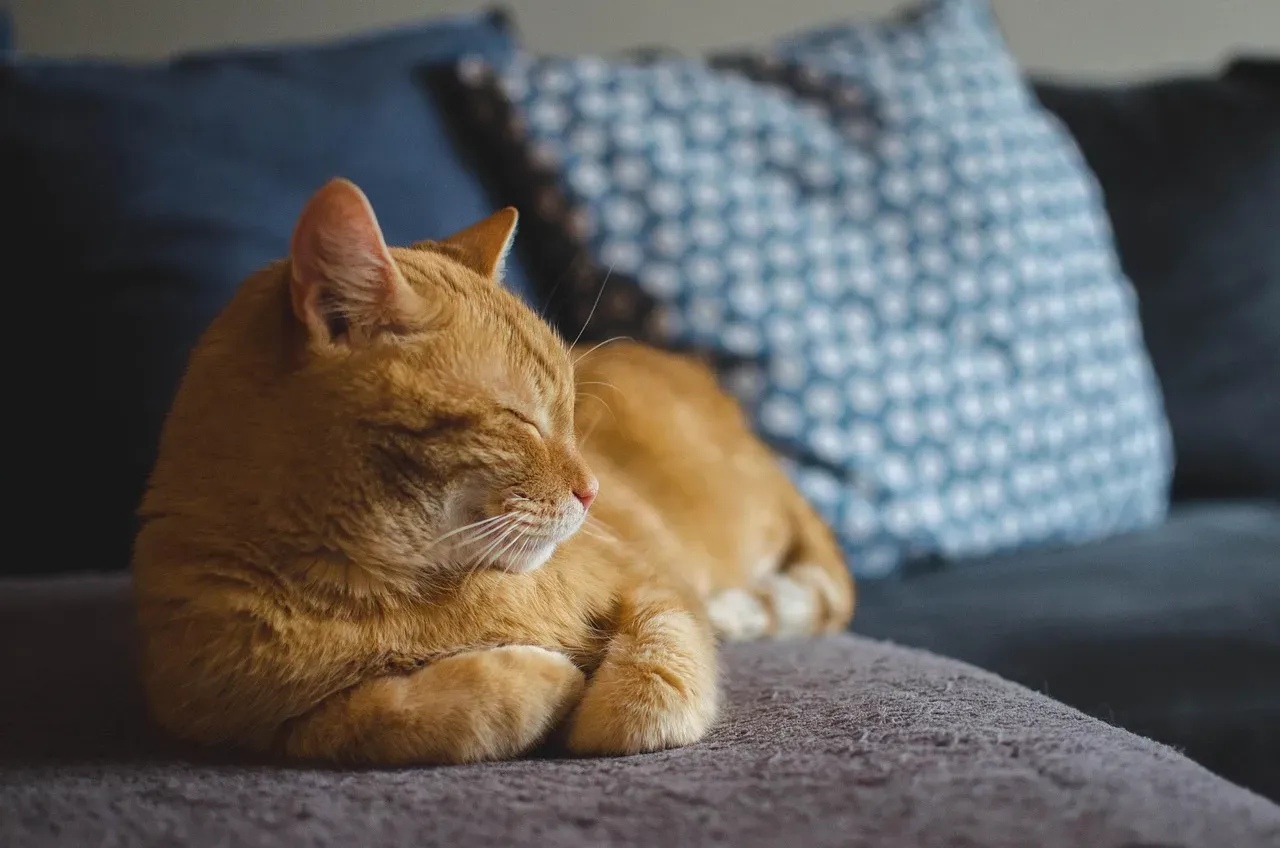
Some cats seem incapable of settling on a single favorite spot. One day they’re in the closet, the next they’re on the couch, and by evening they’ve moved to the bathroom sink. Cats often rotate their preferred sleeping area, and this behaviour is seen in the African wildcat, which our domestic cat is descended from, as they will look for a safe place within their territory and rotate the spot to help keep parasite levels low.
Location switchers are adaptable, curious cats with a touch of wanderlust. Your cat may seek a new sleeping spot simply because of their instinctual behavior, as cats in the wild are used to sleeping in different places. These felines aren’t particularly anxious; they’re just keeping their options open. They might also be responding to subtle changes in temperature, light, or household activity that you haven’t even noticed. It’s hard to say for sure, but cats like this tend to be independent thinkers who march to the beat of their own drum.
The Bed Co-Sleeper
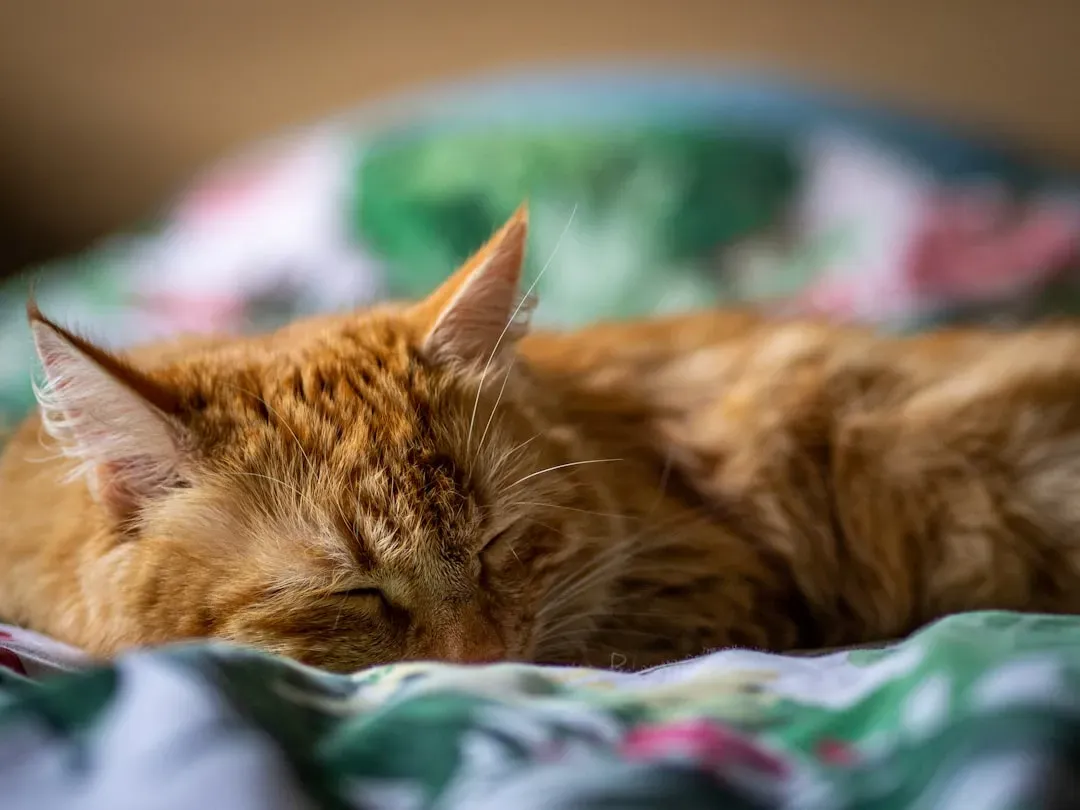
The owner’s bed is a common favorite sleeping spot for many cats, underscoring the idea that once cats find a comforting spot, they prefer to stick with it for consistency. If your cat has claimed a specific spot on your bed – whether at your feet, beside your pillow, or smack in the middle – they’re making a statement about your relationship.
Sleep can be a vulnerable time, and cats instinctively gravitate toward places where they feel safe, so by choosing to sleep near a familiar human, cats not only find warmth and comfort but also benefit from a sense of security that reinforces their bond. Bed co-sleepers are typically social, affectionate cats who see you as part of their family unit. Some cats are not comfortable sleeping on their human because they prefer the security of a small buffer zone, and this sleeping position is their way of saying that they are bonded to you but need a little extra space. Whether they’re right on top of you or just nearby, they’re showing trust and companionship.
The Odd and Unusual Spot Napper
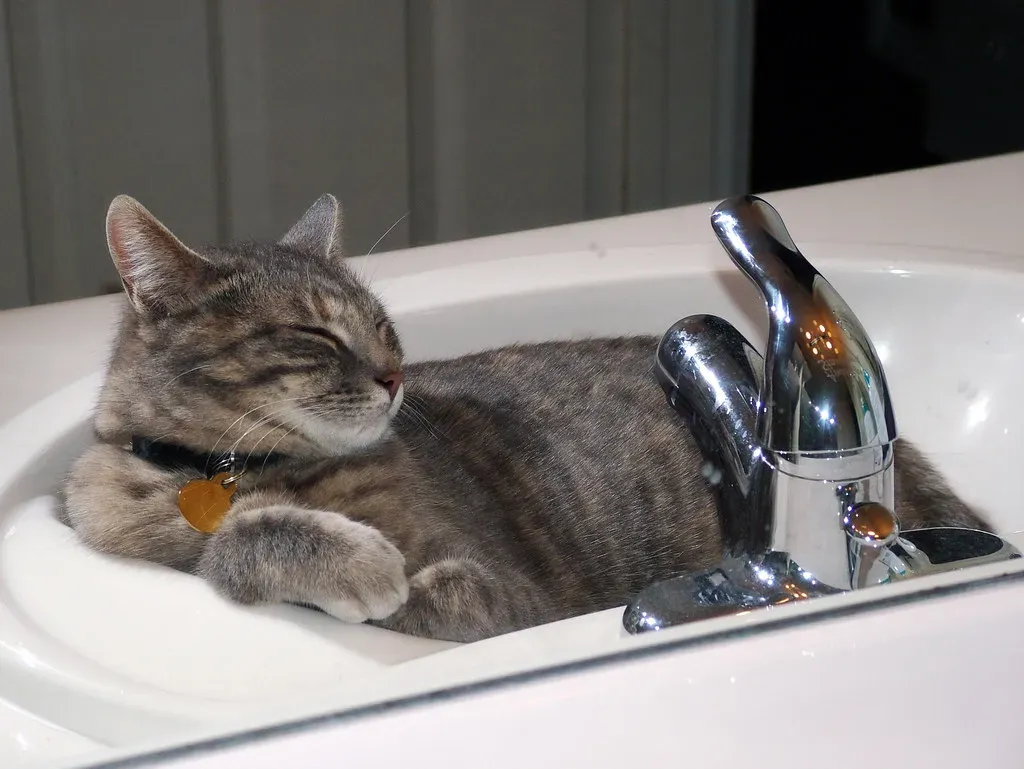
Perhaps your cat has chosen the bathroom sink, a pile of fresh laundry, or even an open drawer as their go-to napping spot. Cats adopt various quirky sleeping positions and may choose unusual spots like drawers, cardboard boxes, bags, or even pillowcases as their resting places. Cats who favor these unconventional locations are often quirky, independent thinkers with a sense of adventure.
Sometimes these choices are about temperature or texture. A cool tile floor might be perfect on a hot day, while a pile of clean clothes offers softness and your familiar scent. If a cat is sleeping somewhere, it is because they think it is comfortable the way it is, and if they didn’t, they would find somewhere else to be. Cats with unusual napping preferences tend to be confident and unconcerned with social norms – at least, cat social norms. They’re the rebels of the feline world, and honestly, we love them for it.
The Social Sleeper with Other Pets
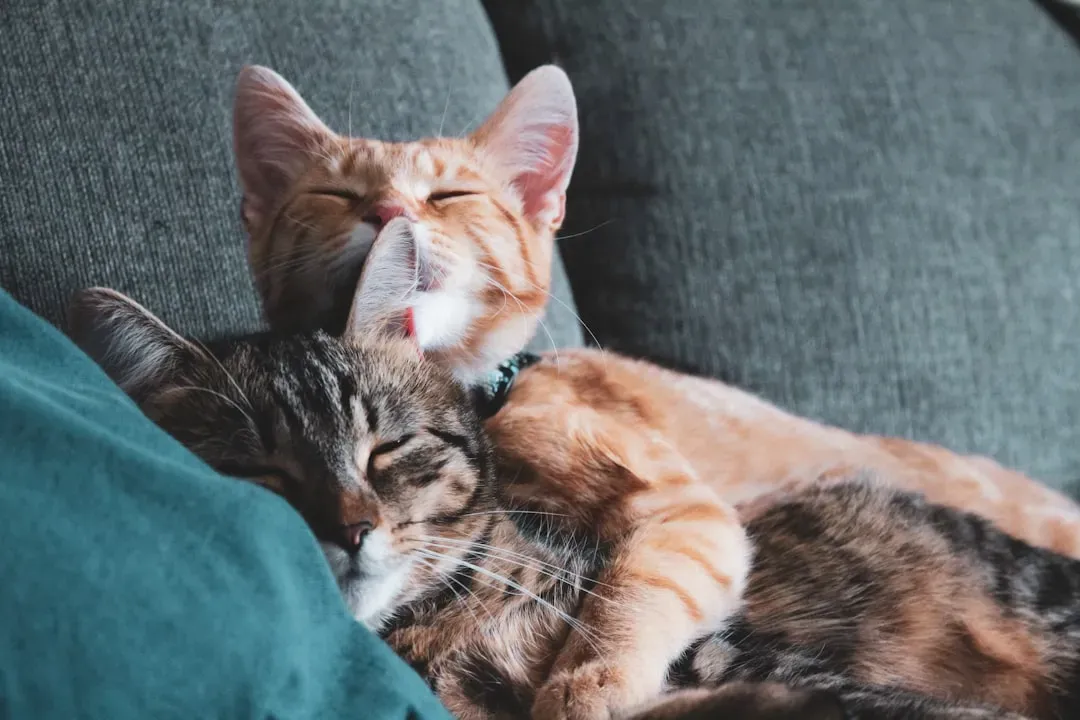
While some cats living in the same home merely tolerate each other, many more enjoy each other’s company and will even sleep together, sometimes simply sharing the same comfortable bed, but cats may also sleep together because they are bonded to each other, and sleeping in a group provides heat. If your cat regularly cuddles up with other pets for nap time, they have a friendly, social personality.
These cats are typically secure, well-adjusted, and comfortable in their home environment. Although cats are often labeled as solitary hunters, they exhibit surprisingly social behaviors when it comes to rest, as felines may prefer some independence during the day yet they often seek out trusted companions at night, revealing a more communal side of feline behavior than many realize. Social sleepers are the peacekeepers of the household. They’re not interested in conflict and genuinely enjoy companionship, whether that comes from another cat, a dog, or their human family members.
Final Thoughts on Your Cat’s Napping Personality
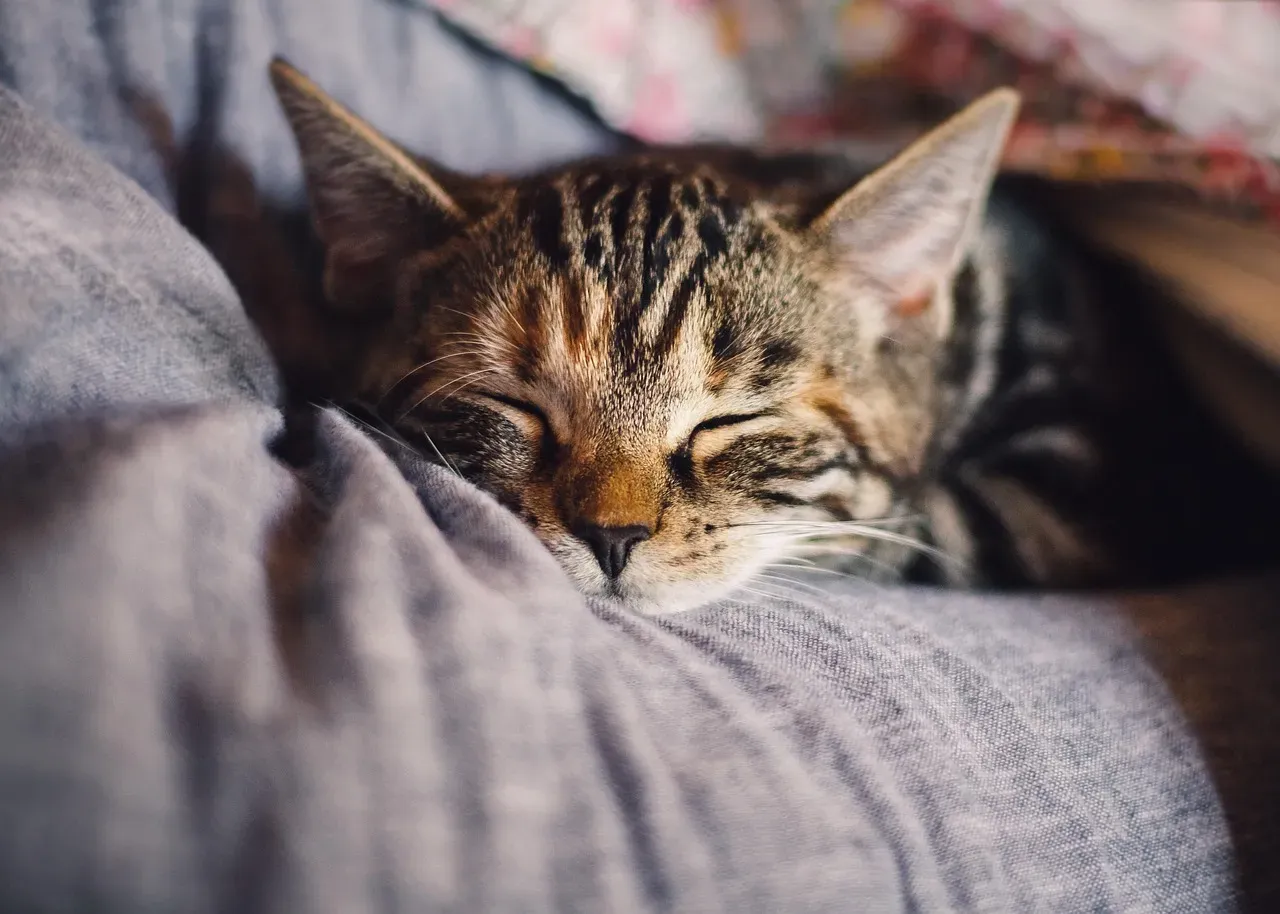
Your cat’s favorite napping spot is more than just a preference – it’s a window into their personality, comfort level, and emotional world. Whether they’re a box dweller seeking security, a high perch enthusiast surveying their domain, or a human body sleeper craving connection, each choice tells a story. Cats choose their sleeping positions based on comfort, temperature, and safety, offering insights into their well-being and emotional state.
Understanding these preferences can help you create a more comfortable environment for your feline friend and deepen your bond with them. Pay attention to where your cat gravitates for their countless daily naps. You might just discover something new about the unique personality hiding behind those sleepy eyes. Where does your cat love to nap most, and what do you think it says about them? Tell us in the comments.
Kristina is a young writer from India. An arts graduate and an avid content creator, Kristina is passionate about animals and wildlife. She enjoys exploring topics related to pet care, animal behavior, conservation, and nature, combining thorough research with engaging storytelling.