Have you ever wondered what your cat is really trying to tell you when that tail starts moving? Unlike dogs, whose wagging tails typically signal pure joy, your cat’s tail movements are far more nuanced and complex. That elegant appendage isn’t just for balance. It’s a sophisticated communication device that broadcasts everything from contentment to annoyance, from curiosity to fear. Let’s be honest, our feline friends can be pretty cryptic, but once you crack the code of tail language, you’ll understand your cat on a whole new level. So let’s dive in.
The Confident High Tail: Your Cat Is Feeling Social
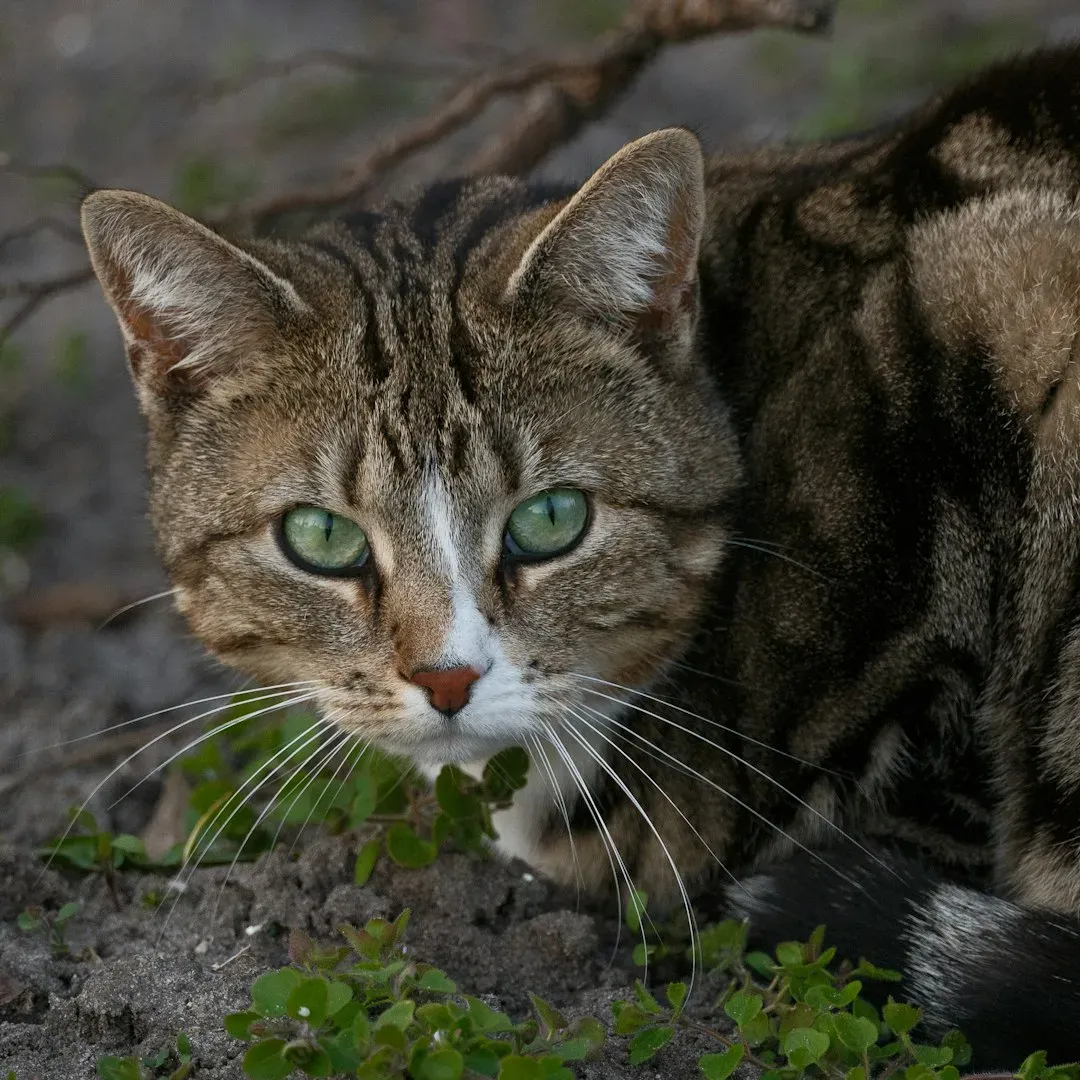
When your cat holds their tail straight up in the air, they’re expressing confidence and contentment, signaling happiness and a willingness to be friendly. This tail position indicates a friendly greeting between cats, and it’s how kittens greet their mothers. Think of it as your cat’s version of walking into a room with their head held high, ready to engage with the world.
If your cat approaches you with their tail up, this is a good time to pet them or play with them. I know it sounds crazy, but this simple tail position is basically your cat saying hello and letting you know they’re open for business. The higher the tail, the better they feel.
The Question Mark Curve: An Invitation to Play
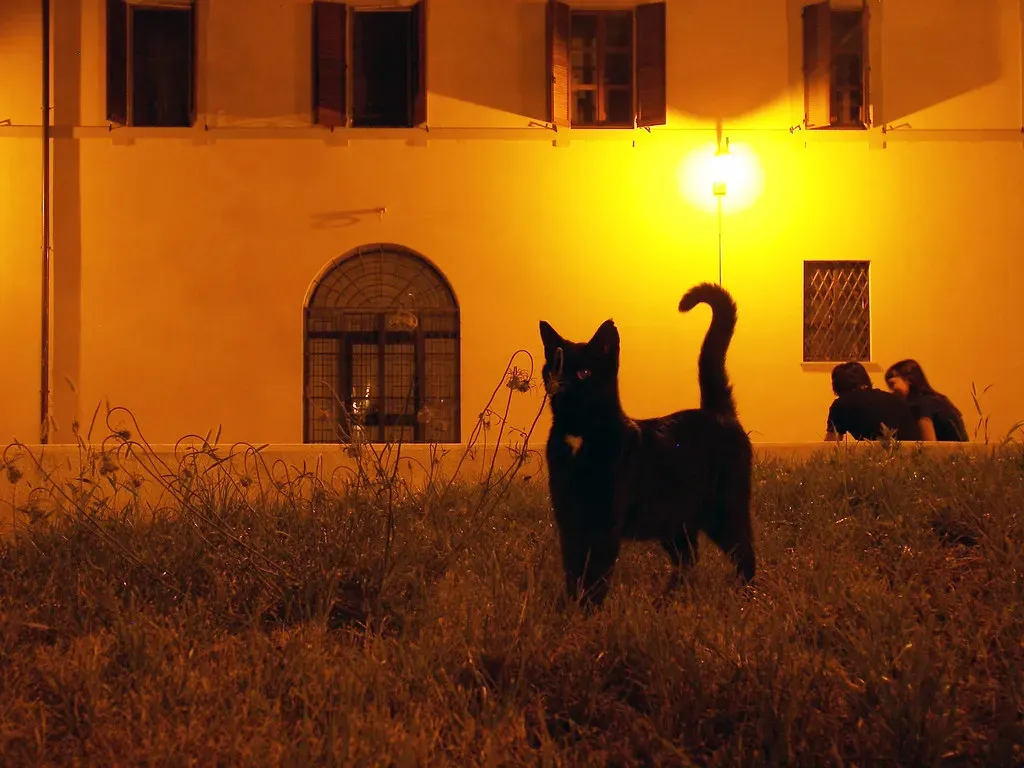
A tail held high with a question mark curve at the tip is friendly and usually in a good mood. Here’s the thing: this isn’t confusion at all. The question mark isn’t about confusion but instead, is an invitation to play or interact.
When you see that adorable curved tip, your cat is essentially asking if you want to hang out. You might consider taking a break from your daily business to play with your cat if you notice a curve in their tail, as this position often signals a playful mood and a cat that’s ready to share some fun. It’s one of the most endearing tail positions you’ll encounter, honestly.
The Low Swish: Focus Mode Activated
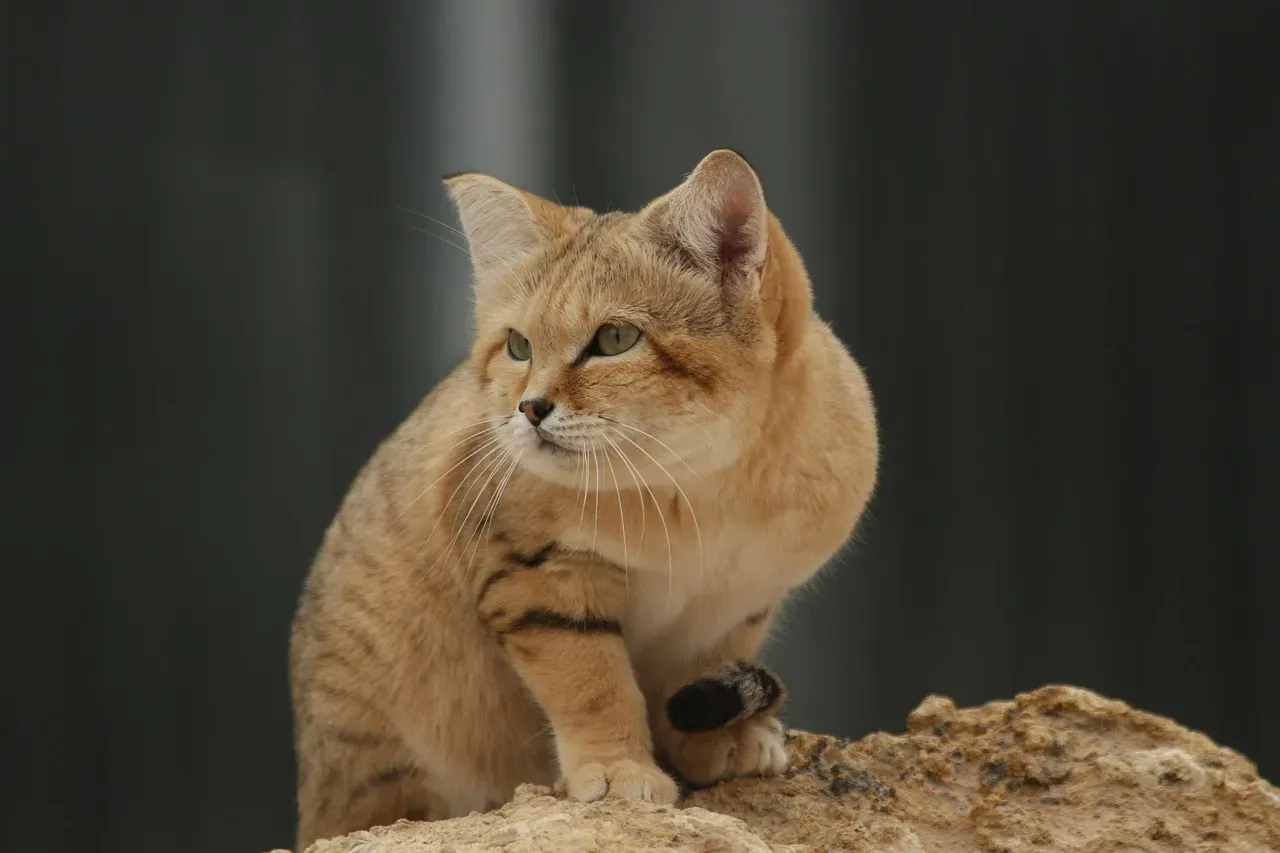
When your cat slowly swishes their tail from side to side, they may be intently focused on something like a toy, another animal in the home, or something outside, and they may be about to pounce. This is when your cat transforms into a tiny predator right before your eyes.
As consummate hunters, cats wag their tails when stalking prey as it helps them to stay balanced before they pounce, and tail swishing during hunting is a sign of concentration. You might see this when they’re watching birds through the window or fixating on a toy mouse. It’s their inner wildcat coming through, and it’s completely natural behavior. Let them enjoy their hunting instincts.
The Rapid Thrash: Back Off, Please
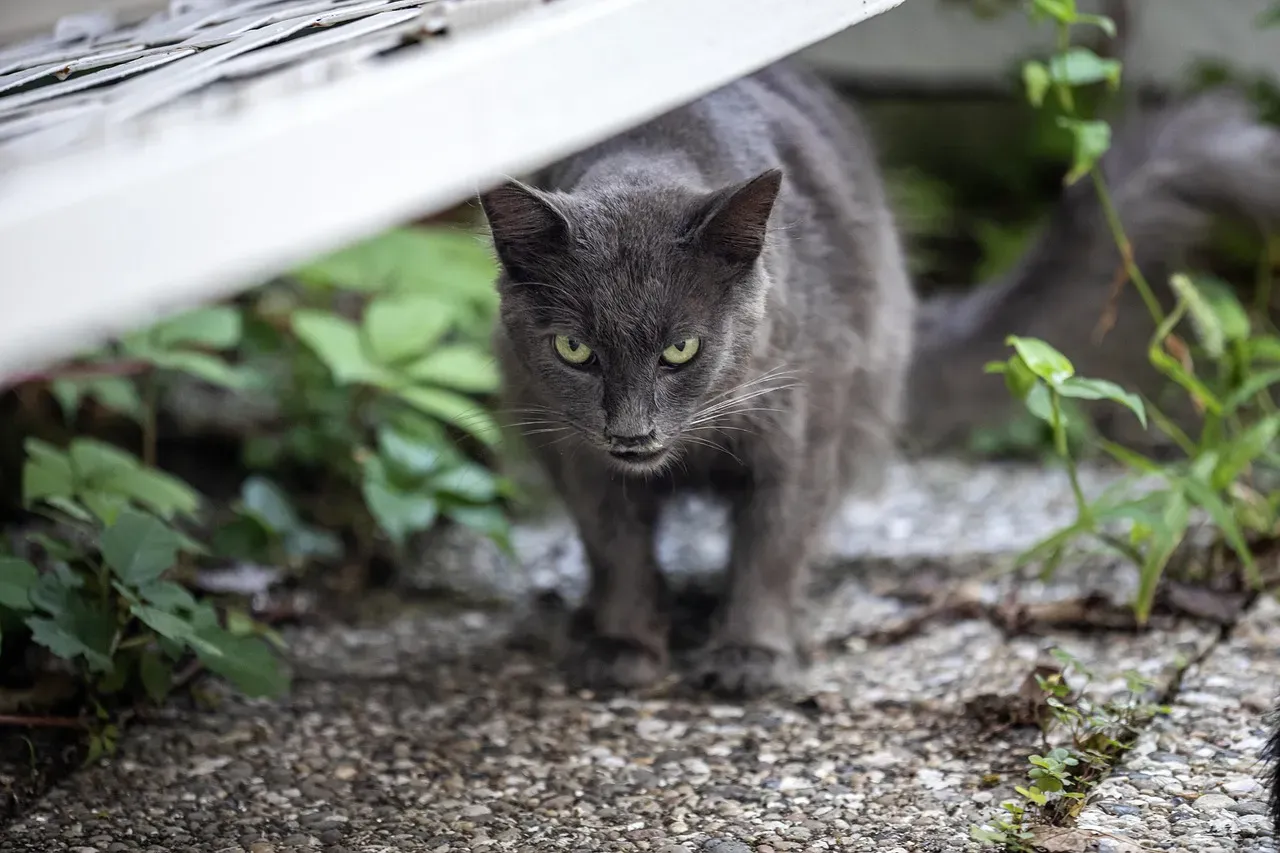
When your cat thrashes their tail or is thumping it on the ground, they are irritated, annoyed, or angry, and this tells you that something is bothering your cat. This is one tail movement you really don’t want to ignore. If your cat is lashing their tail, it means they’re really ticked off about something and are making their feelings known.
If you are petting your cat and they start thrashing their tail, they are trying to tell you to stop, and if you don’t, then the thrashing tail may be a prelude to hissing, growling, swatting, or biting. Let’s be real, when you see that tail whipping back and forth aggressively, it’s time to give your cat some space. They’ve been polite enough to warn you.
The Tail Twitch: Mild Irritation or Intense Focus
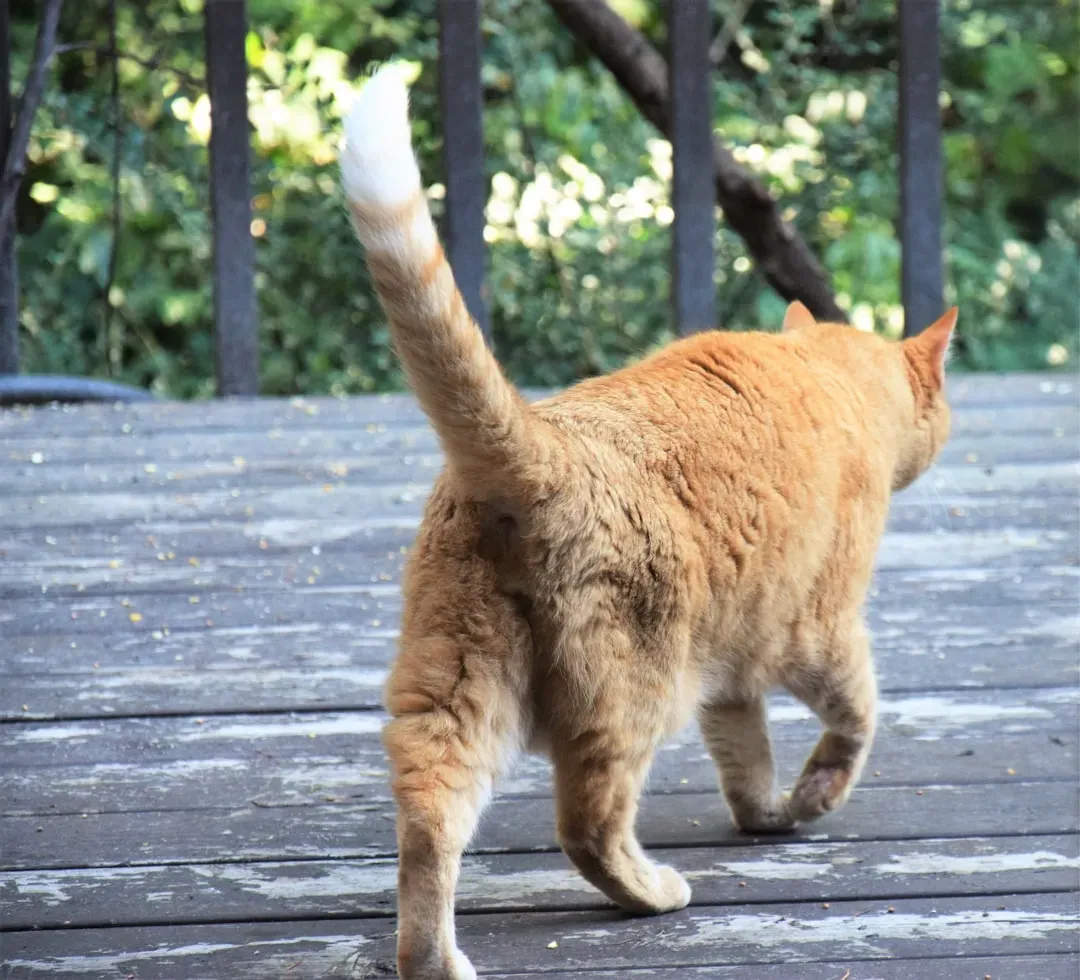
Cats twitch the end of their tails when they are hunting and playing, as well as when they are mildly irritated and frustrated, so you need to read the scene and look for other clues to their mood. This one can be tricky because the context matters enormously.
If your cat’s tail is twitching or quivering, it could signify a range of emotions from extreme focus while hunting to mild irritation, and the key is to look at the broader context. Is your cat staring out the window at wildlife? Probably fascination. Are they sitting next to you while you’re petting them? Maybe they’re getting a bit overstimulated. Pay attention to what else is happening around them.
The Wrapped Tail: Personal Space, Please
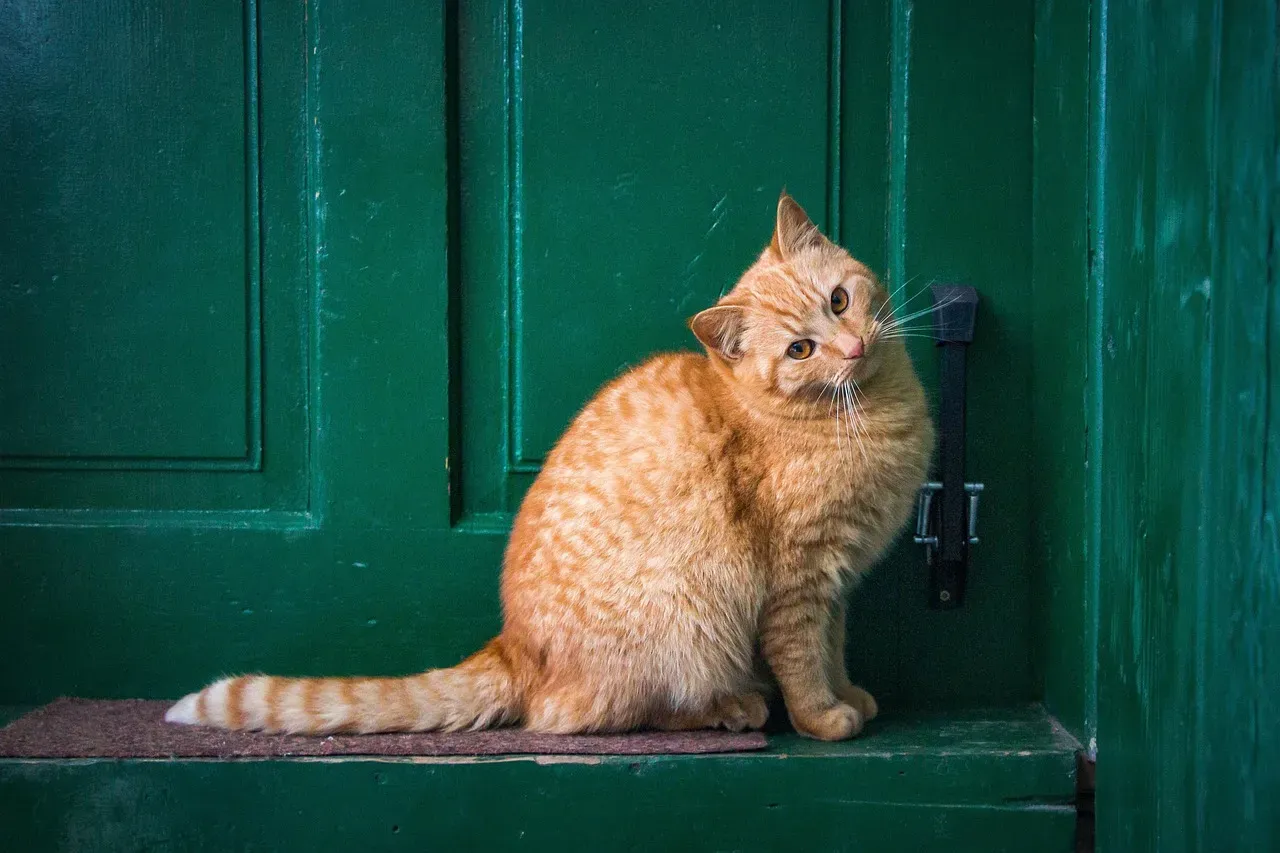
If your cat is sitting or lying down with their tail wrapped around their body, then they are frightened, defensive, in pain, or feeling unwell. Cats will often wrap their tails around themselves when they are contented and don’t want or need interaction, like humans standing with their arms folded, sending the message “I am contented here by myself.”
However, you need to watch for other signs. If your cat frequently crouches with their tail curled tightly around their body for more than a few days, then an evaluation by your veterinarian is warranted to rule out pain or illness. Sometimes they just want to be left alone, but sometimes it signals something more serious.
The Puffed Tail: Maximum Alarm Mode
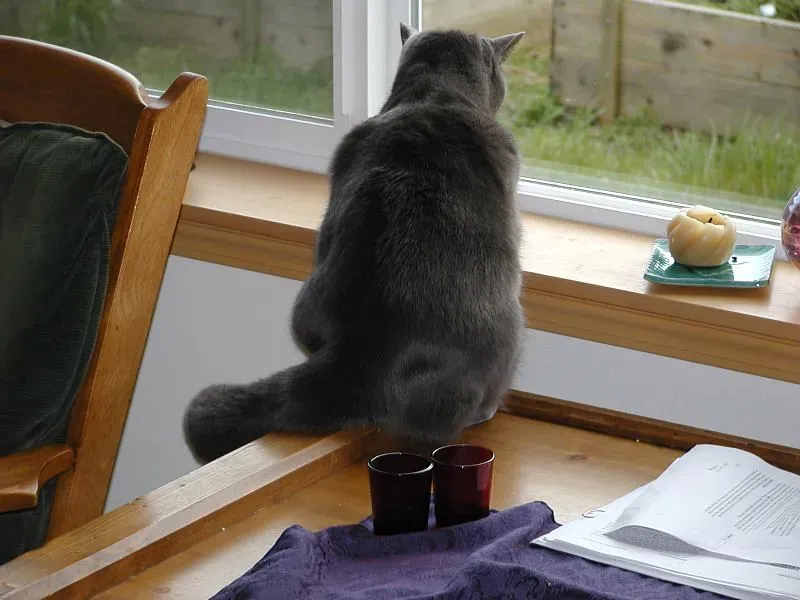
A puffed-out tail, often two or three times the size of a normal one, is either a sign of a very excited cat or one that is scared and ready for a fight, and a feline may also have hair raised on their back to make them appear larger and a more formidable opponent. This is the classic Halloween cat pose, and it’s quite dramatic.
Your cat is trying to make itself appear larger to scare predators away, as stress hormones in response to a fight or flight situation contract the tail muscles, making their fur stand on end and appear twice its size. Whether it’s a loud noise or an unfamiliar animal, your cat is saying they feel threatened. Give them space and time to calm down.
The Tail Quiver: Excitement Is in the Air
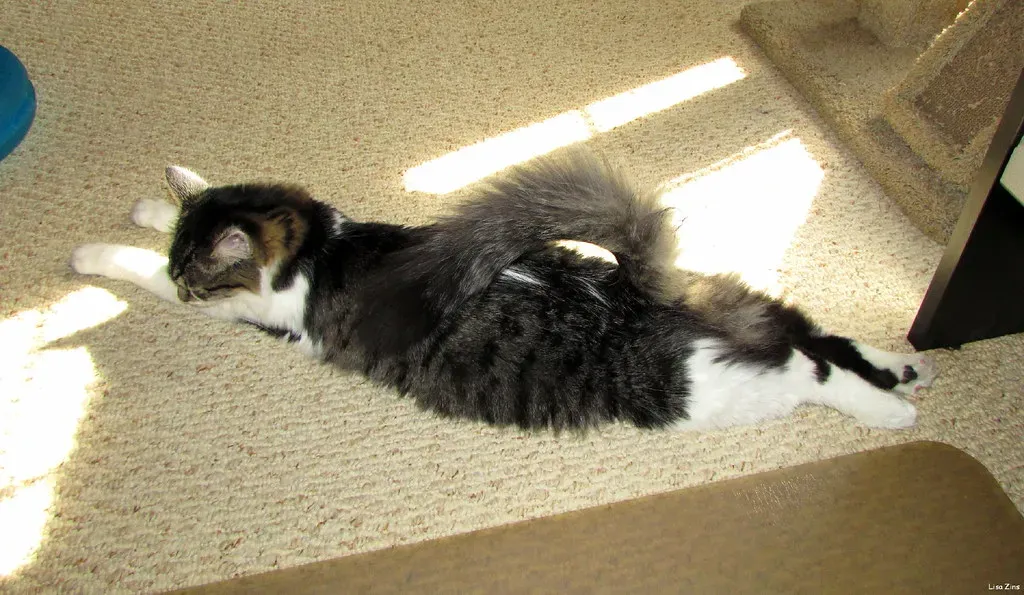
Your cat may quiver their tail when they are especially excited to see you or another cat. A quivering tail that’s pointed up and held high is usually a feline declaration of happiness and excitement, usually paired with other body language and verbal reactions like rubbing against your legs, enthusiastic head butts, and purring.
This is one of the sweetest tail movements you’ll see. It’s hard to say for sure, but many experts believe this rapid vibration shows genuine joy. While tail quivering is often a positive reaction, in some situations a quivering tail is a sign that a cat is about to urine mark, especially if your cat raises a quivering tail and immediately backs up to a vertical surface.
The Wrapped-Around-You Tail: You’re Part of the Family
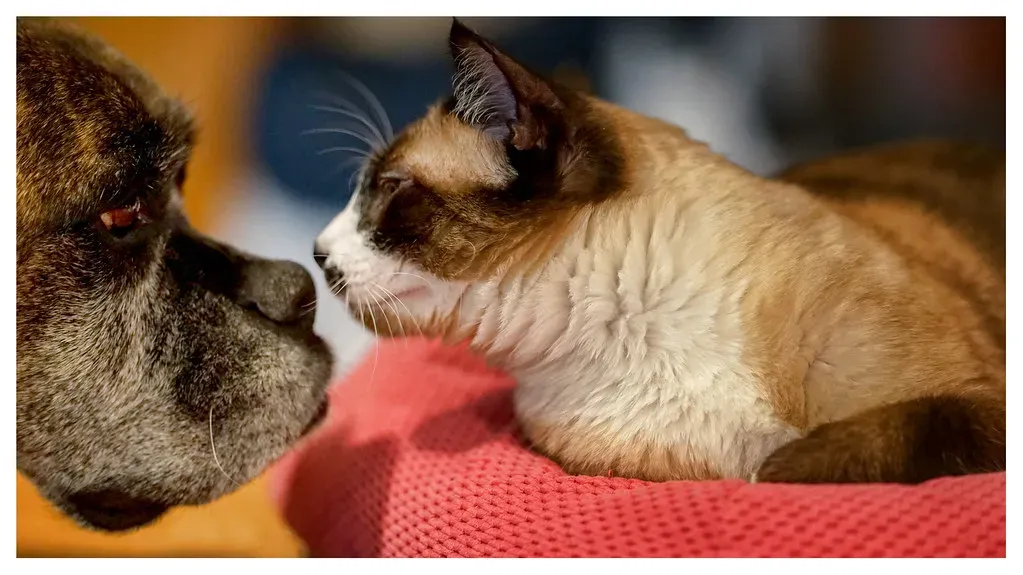
When a cat wraps their tail around a person or animal, it is usually a sign of affection, and if a cat uses their tail to wrap around your leg or perhaps another cat’s tail, this is a sign of close affection. When your cat wraps his tail around you, he’s basically giving you a kitty hug, sharing his scent with you through scent glands in his tail.
This is peak cat affection right here. Your cat is marking you as part of their inner circle, their family. It’s similar to when they rub their face against you, but with their tail. Feel honored when this happens because it means your cat truly trusts and loves you.
The Slow Wag: Uncertainty and Decision-Making
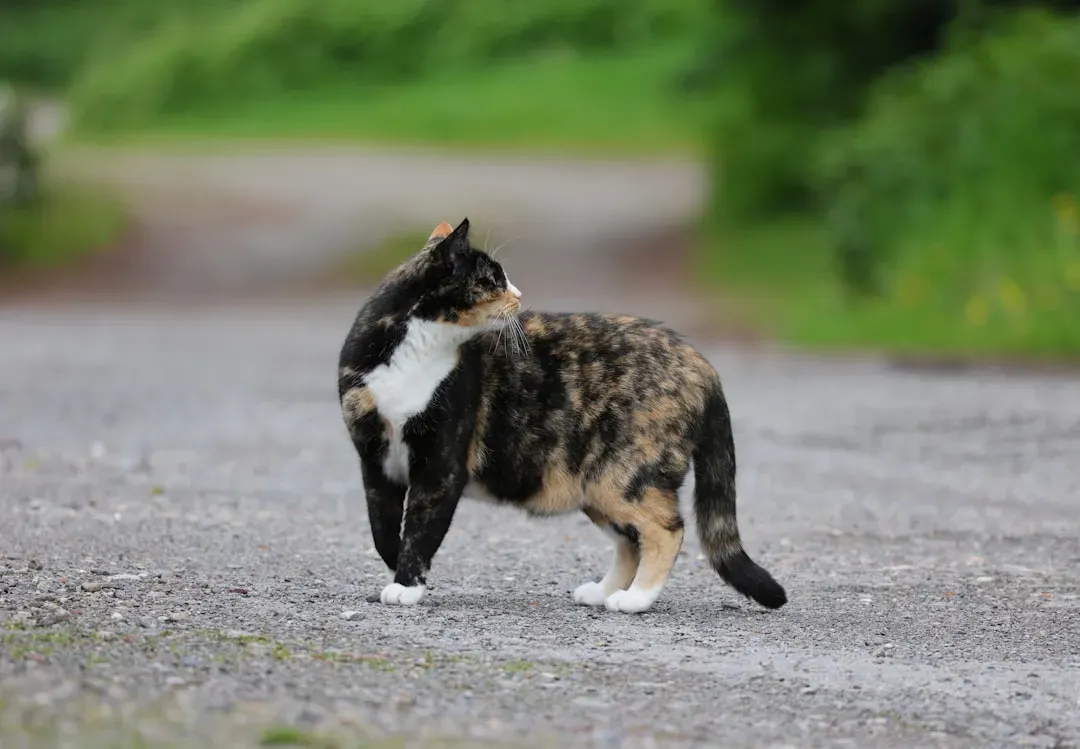
A wagging tail means that the cat is ambivalent: they are pausing for thought, not sure about what to do next. A slowly wagging tail usually means your cat is uncertain about what to do next, maybe trying to decide whether to run away or attack another cat, whether to pounce on a toy or back away.
This is different from the aggressive thrashing. This wag is slower, more contemplative. Your cat is literally weighing their options. You might see this when they’re deciding whether to investigate something new or when two cats are sizing each other up. Give them time to make up their mind.
Understanding the Full Picture: Context Is Everything
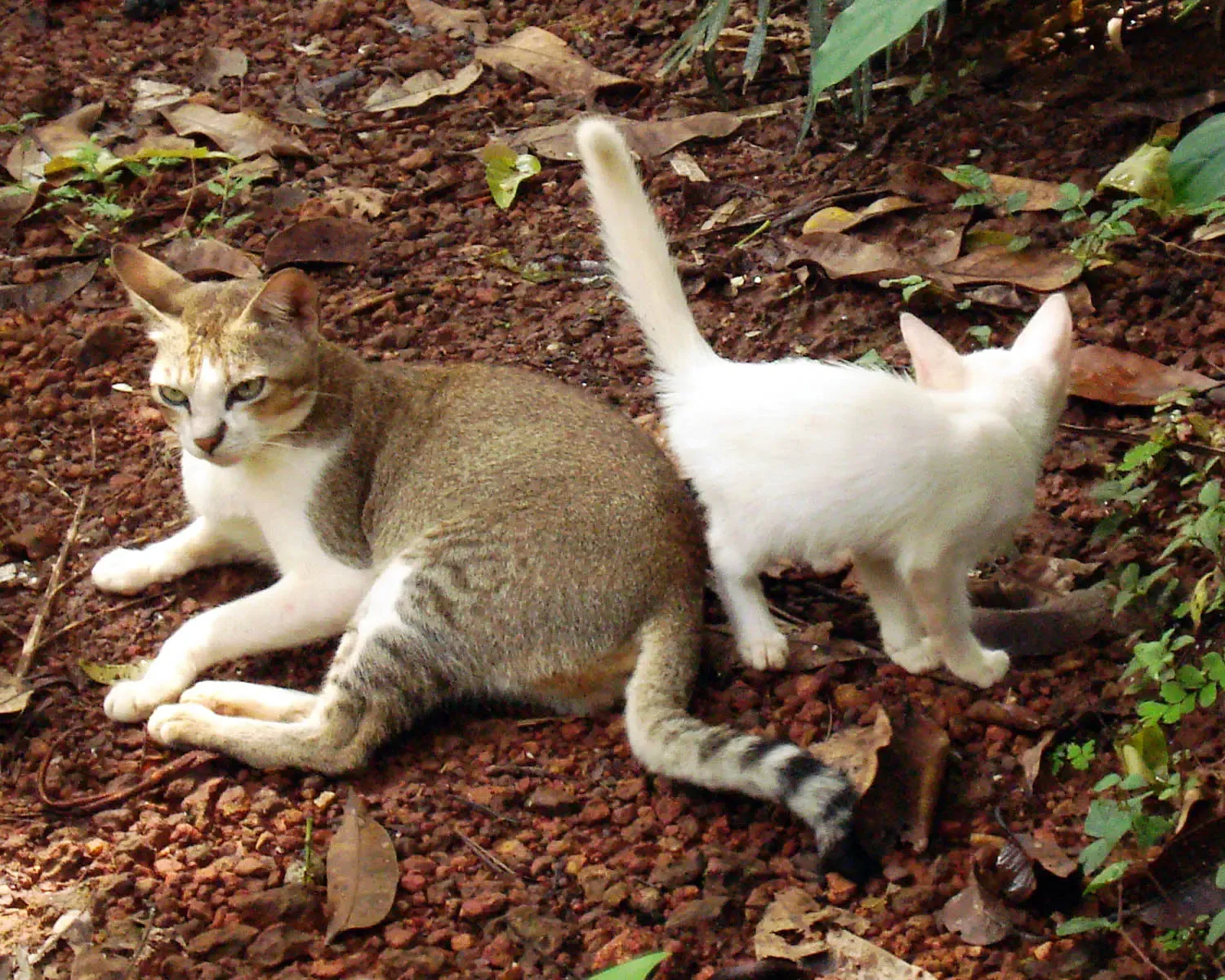
Cats use their tail movements, along with their eyes, ears, and body postures, to communicate, and understanding cat tail language will help you determine how your kitty feels about particular interactions. You have to take the whole body into account when reading tail signals.
Never rely solely on tail position. Look at your cat’s ears, eyes, whiskers, and overall posture. When looking at cat body language, these things are key: posture, movement, ears, eyes, tail and whiskers, context and vocalization, and you should always look at the cat as a whole and take into account the context. The same tail movement can mean completely different things depending on the situation. That’s what makes cats so fascinating and, let’s be honest, sometimes frustrating to understand.
Your cat’s tail is constantly broadcasting information about their emotional state, their intentions, and their comfort level. By learning to read these signals accurately, you’re not just becoming a better pet parent – you’re building a deeper, more trusting relationship with your feline companion. Understanding what that swish, thrash, or quiver means allows you to respond appropriately, whether that’s engaging in play, giving space, or checking in with your vet. The more attention you pay to your cat’s tail language, the more fluent you’ll become in this silent conversation that’s been happening all along. What did you notice about your cat’s tail today? Did any of these movements surprise you?
Kristina is a young writer from India. An arts graduate and an avid content creator, Kristina is passionate about animals and wildlife. She enjoys exploring topics related to pet care, animal behavior, conservation, and nature, combining thorough research with engaging storytelling.