You love your cat. You’d do anything for that furry little purr machine curled up on your couch. So naturally, you want to feed them the best diet possible. Yet here’s the thing that might surprise you: despite your best intentions, you could be making feeding mistakes that impact your feline’s health without even realizing it.
Cats are mysterious creatures, often surrounded by myths and misconceptions. Nowhere is this more evident than when it comes to their diet. From outdated beliefs about milk to confusion over dry versus wet food, many well-meaning cat owners fall into traps that can lead to obesity, dehydration, and other preventable health issues. Let’s dive into the most common myths about feline nutrition and uncover what your cat actually needs to thrive.
Myth: Cats Love Milk, So It Must Be Good for Them
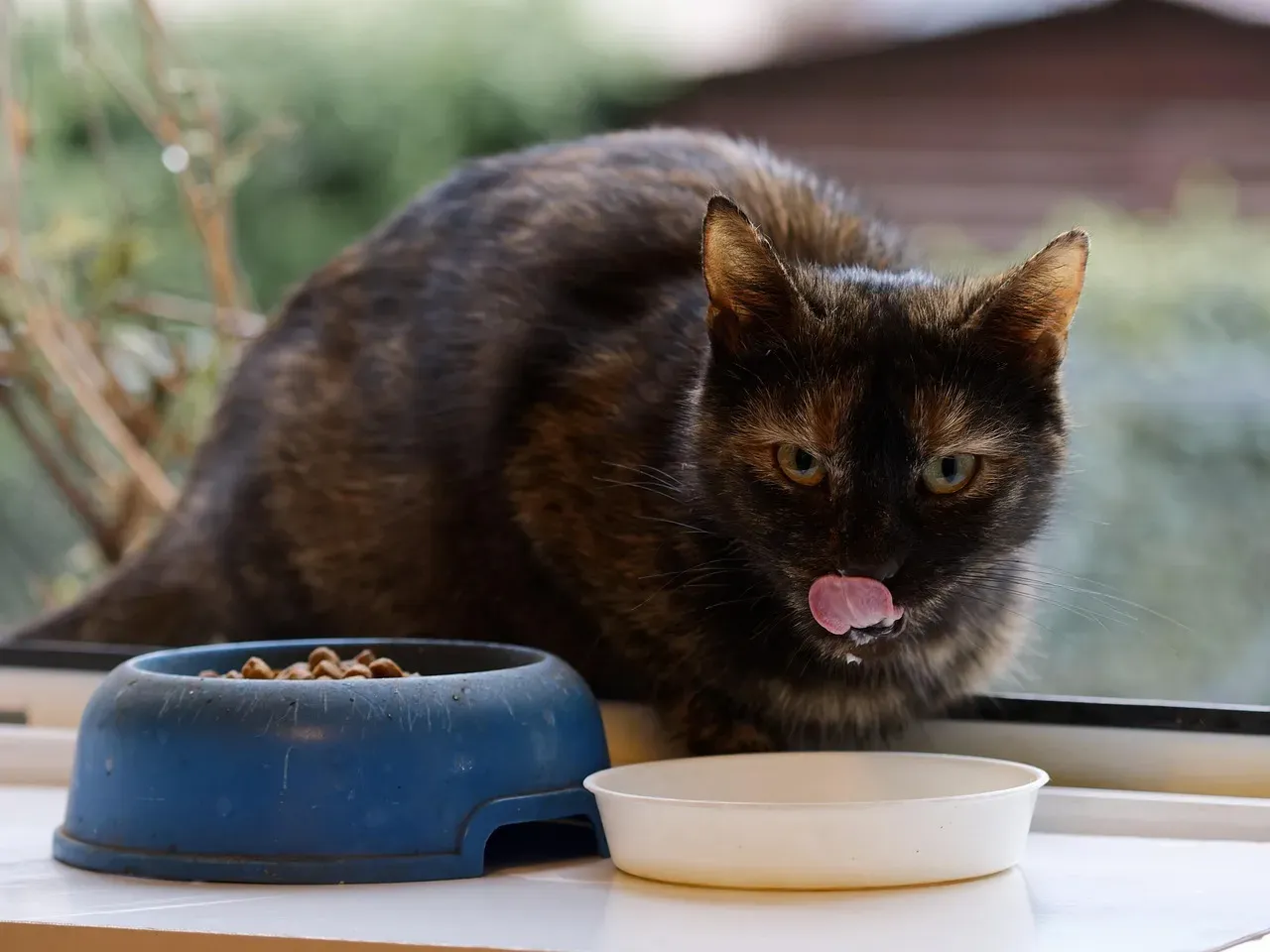
That iconic image of a cat lapping up a saucer of milk? It’s adorable, sure. Most adult cats are actually lactose intolerant, meaning they lack enough of the enzyme lactase to properly digest the sugar in milk.
Once kittens are weaned, usually around eight weeks old, their production of lactase drops off significantly, and after the first year of life, the enzyme is no longer produced in most cats. When your lactose-intolerant cat drinks milk, the undigested lactose draws water into the intestines, often resulting in diarrhea, gas, and stomach upset. A saucer of milk for a cat is the calorie equivalent of a human eating a 12-inch pizza by themselves.
Even if your cat begs for dairy, it offers no real nutritional benefit. Cats are obligate carnivores, which means they get all the nutrients they need from a balanced, meat-based diet. If you truly want to give your cat a milk treat, consider lactose-free cat milk products designed specifically for felines, though these should still be occasional treats rather than dietary staples.
Myth: Dry Food Is Better for Your Cat’s Teeth
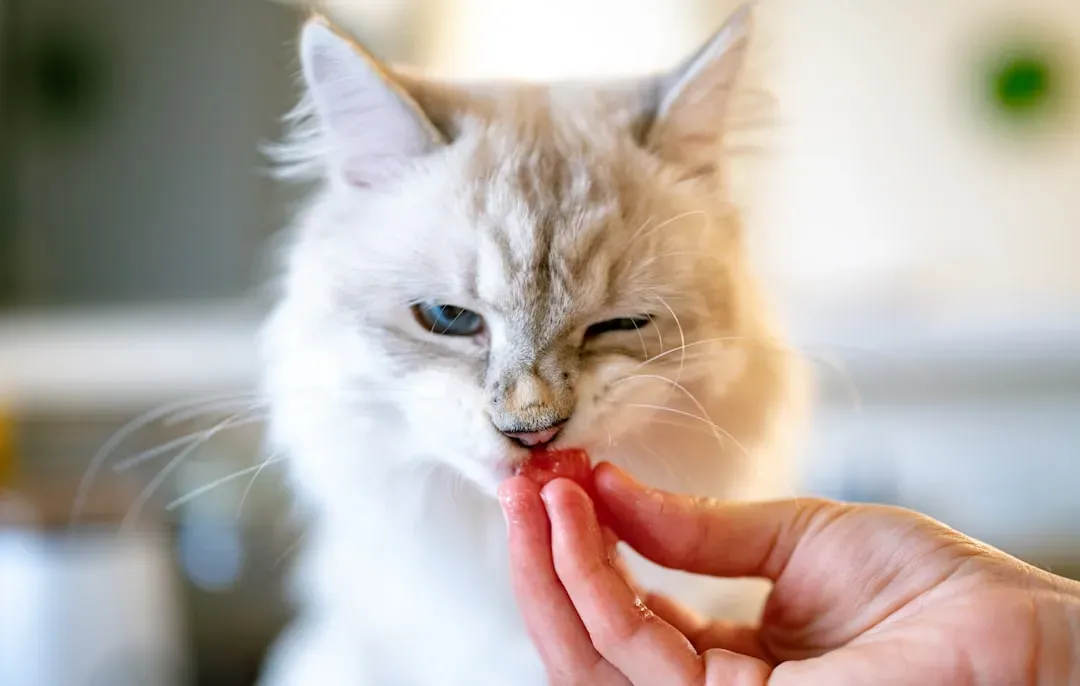
You’ve probably heard this one countless times: feeding your cat dry kibble helps clean their teeth and prevents dental disease. Let’s be real, though. This claim doesn’t hold up under scrutiny.
Long-standing claims that cats have less dental disease when they are fed dry food versus canned food are grossly overrated, inaccurate, and are not supported by studies. The idea that dry food promotes dental health makes about as much sense as the idea that crunchy cookies would promote dental health in a human, because dry food is hard, but brittle, and merely shatters with little to no abrasive effect on the teeth.
Studies show that kibble’s benefits in reducing plaque and tartar buildup are minimal. Regular toothbrushing with pet-safe products and professional dental cleanings are far more effective at maintaining your cat’s oral health than any food type alone. Honestly, if dental care were as simple as choosing the right food, veterinary dentists would be out of business.
Myth: Cats Will Self-Regulate Their Food Intake
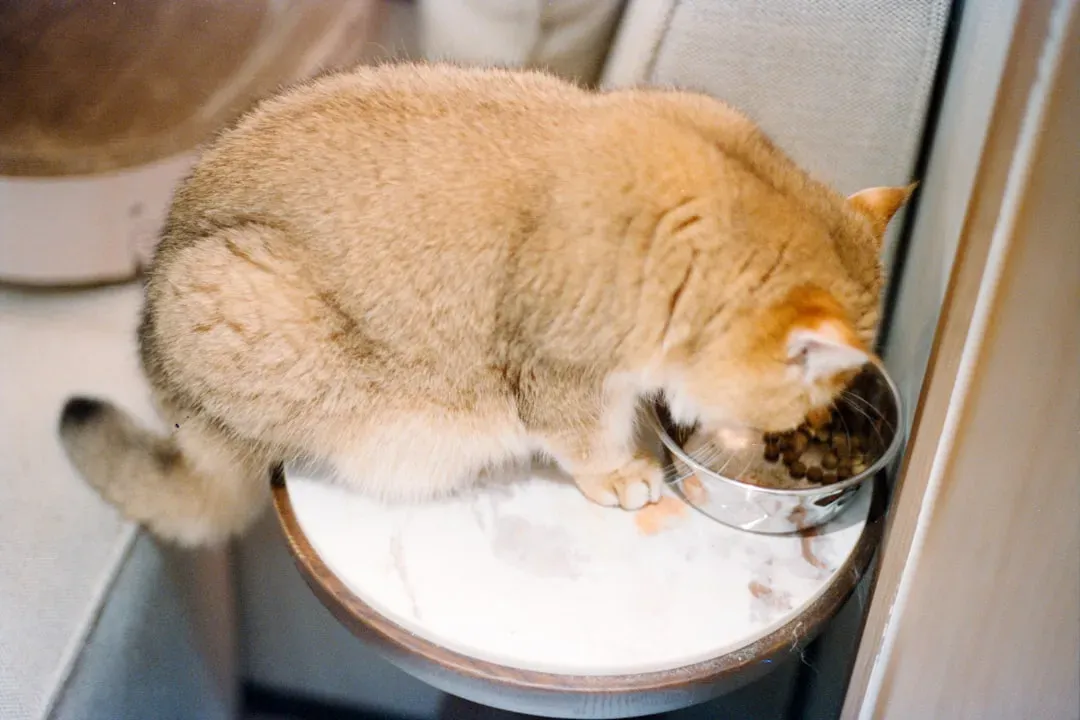
Many cat owners believe their feline friends have some innate ability to eat only what they need. If only that were true.
Like dogs, cats often do not self-regulate their food intake and will overeat if they have free access all day, which can lead to obesity and related health issues, such as diabetes and joint problems. Free feeding, where you keep the bowl full at all times, works for some cats but creates serious problems for others who lack portion control.
The reality is that roughly half of all cats are overweight or obese in our modern world. When you keep their food bowl perpetually full, you can’t monitor how much they’re actually consuming. Some cats may eat only a moderate amount when allowed to graze, but when you keep their food bowl full, you cannot monitor the amount they eat, and by monitoring your cat’s food intake, you can realize early that they are over- or undereating and detect the underlying health condition that is the cause. Measured portions at set feeding times give you control and awareness of your cat’s eating habits.
Myth: A Vegetarian or Vegan Diet Can Work for Cats
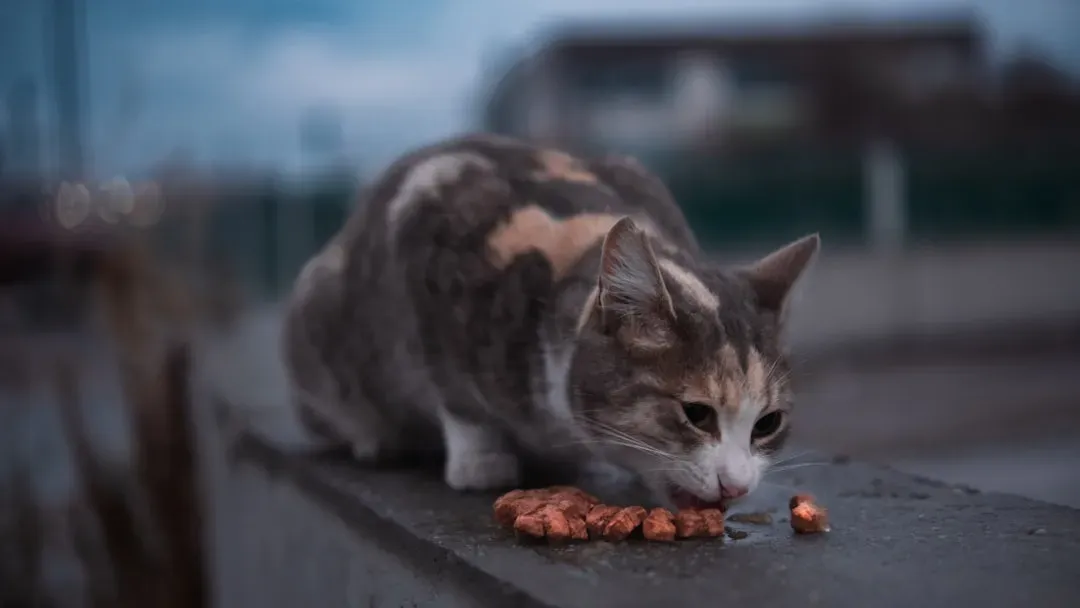
If you follow a plant-based diet yourself, you might feel tempted to extend that philosophy to your cat. Please don’t. This is one area where personal ethics and feline biology clash head-on.
Cats are obligate carnivores, meaning their bodies are designed to thrive on nutrients found primarily in animal tissues, which naturally include essential nutrients, such as taurine, arachidonic acid, vitamin A, and vitamin B12, and a vegetarian or vegan diet lacks these critical nutrients and can lead to severe health issues, including heart disease and blindness, in your cat.
Taurine is one of the most important nutrients present in meat but it is missing from plants, and taurine deficiency will cause blindness and heart problems in cats. Unlike humans and dogs, cats cannot synthesize these essential nutrients from plant sources. Feeding a cat a plant-based diet is a lot like feeding a cow a meat-based diet – their digestive system isn’t geared to handle it, and they will not thrive on it. Your cat needs meat. Period.
Myth: Dry Food Is All Your Cat Needs
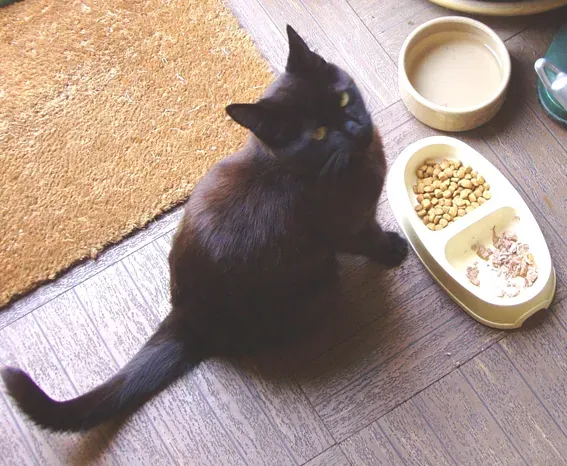
Convenience drives many of us to rely exclusively on dry kibble. It’s affordable, easy to store, and doesn’t spoil quickly. Yet your cat’s body tells a different story about what it actually needs.
Dry cat food contains approximately 10% of water, and the other 90% consists of dry matter, while canned food contains much more water – approximately 70%. Cats inherently have a low thirst drive and need to consume water with their food, because a cat’s normal prey is roughly 70 to 75% water – not the very low 5 to 10% found in dry food.
Evidence suggests that canned commercial diets high in protein and low in carbohydrates may be the best diet for many cats, and some veterinarians have also noticed that common issues in feline medicine, such as urinary tract disease and chronic gastrointestinal issues, are seen much more often in cats that are fed dry diets alone. If budget or lifestyle constraints make wet food challenging, at least consider mixing the two or adding water to dry kibble to boost moisture intake.
Myth: Grain-Free Diets Are Always Better
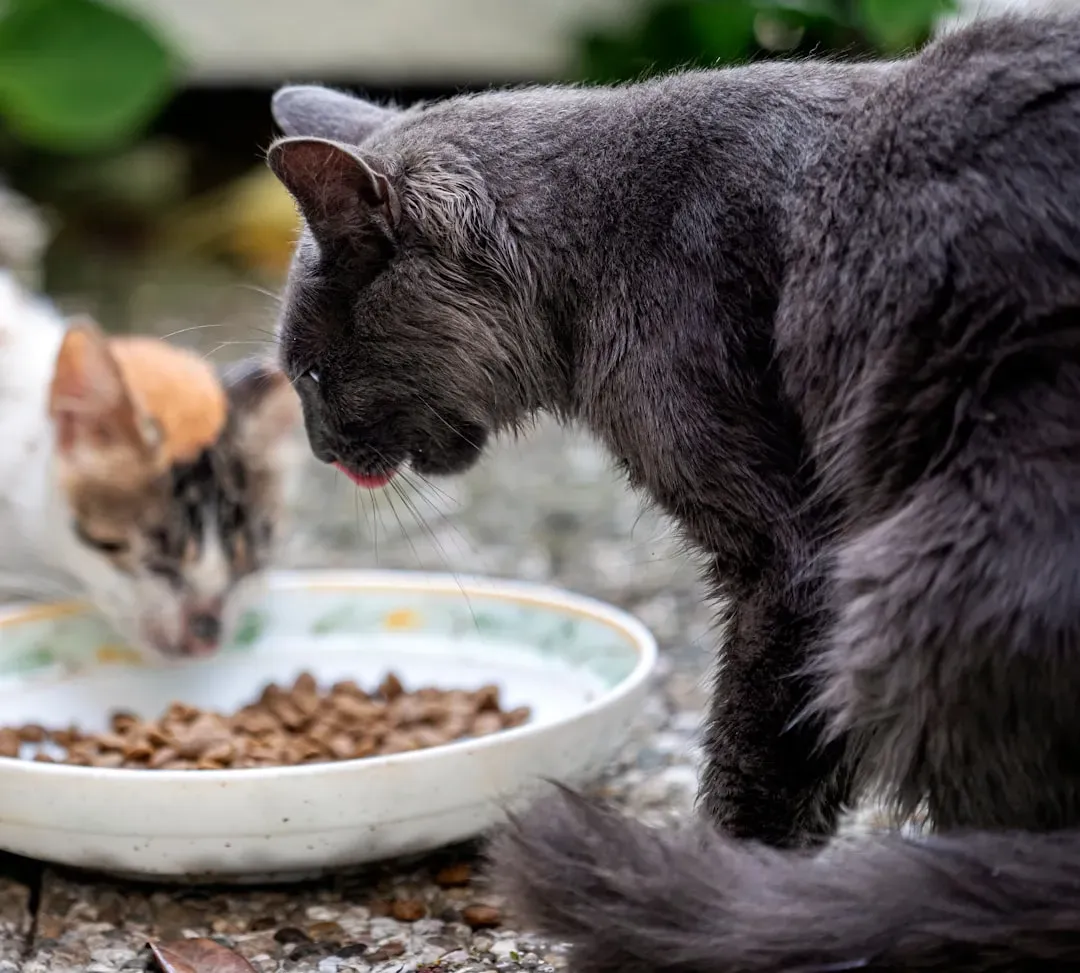
The grain-free trend has swept through the pet food industry like wildfire. Marketing suggests that grains are harmful fillers that cats don’t need. Honestly, this oversimplifies feline nutrition.
Pet owners who are proponents of grain-free diets believe these diets are better for their pets to avoid allergies, but cats rarely develop specific grain allergies, and in grain-free cat foods, the grains are usually replaced by other carbohydrates, including potatoes or peas, which can be equally problematic.
Cats do need high-quality protein sources, and carbohydrates should be moderate. Yet the source of those carbs matters less than the overall nutritional balance. Studies observed that adult cats could efficiently digest all carbohydrates added to a meat-based diet, and the total apparent digestibility of starch is reported to be 40 to 100%, depending on source and treatment, which proves that cats can digest and absorb carbohydrates. Focus on quality protein rather than demonizing grains.
Myth: Table Scraps Make Good Treats
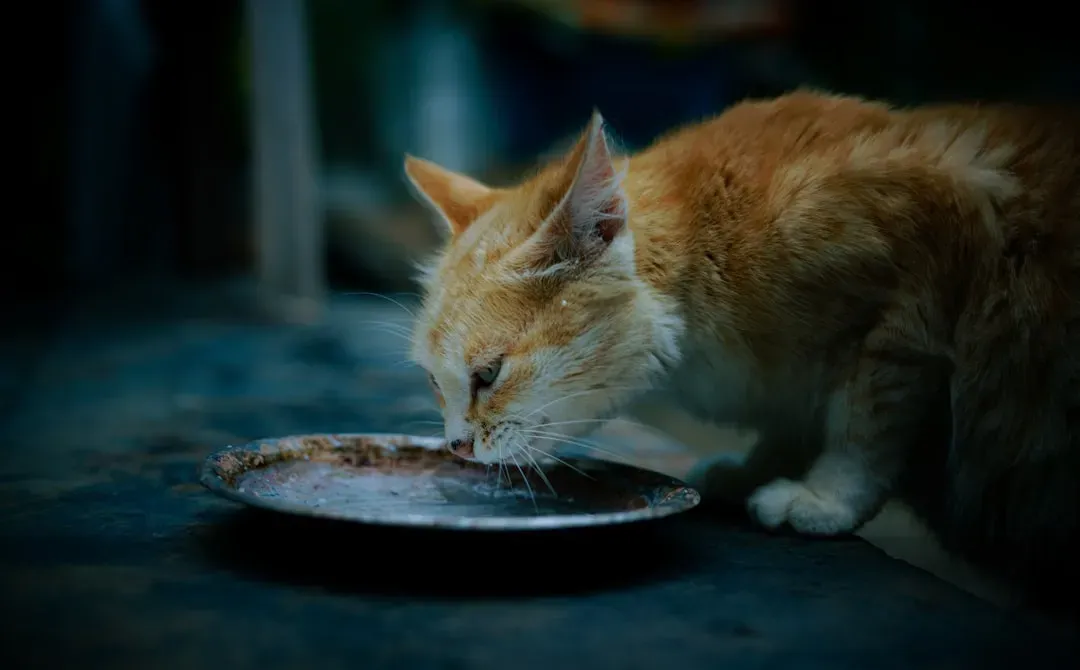
Your cat gives you those pleading eyes while you’re eating dinner. How harmful could one little bite be? More than you might think.
Many foods we eat and enjoy, including onions, garlic, chocolate, and the artificial sweetener xylitol, can be highly toxic to pets, and additionally, table scraps can contribute to an unbalanced diet, leading to obesity and other health problems. Sudden changes in your cat’s diet can lead to vomiting and diarrhea, and in some cases, those with sensitive digestive systems can get pancreatitis from eating table scraps, which can be fatal.
It’s hard to say no to those big eyes, I know. Yet feeding your cat from your plate creates bad habits and exposes them to dangerous foods. Stick to high-quality cat food and cat-appropriate treats. Your cat might not understand why you’re refusing them now, but their healthy digestive system will thank you later.
Myth: Homemade Diets Are Automatically Healthier
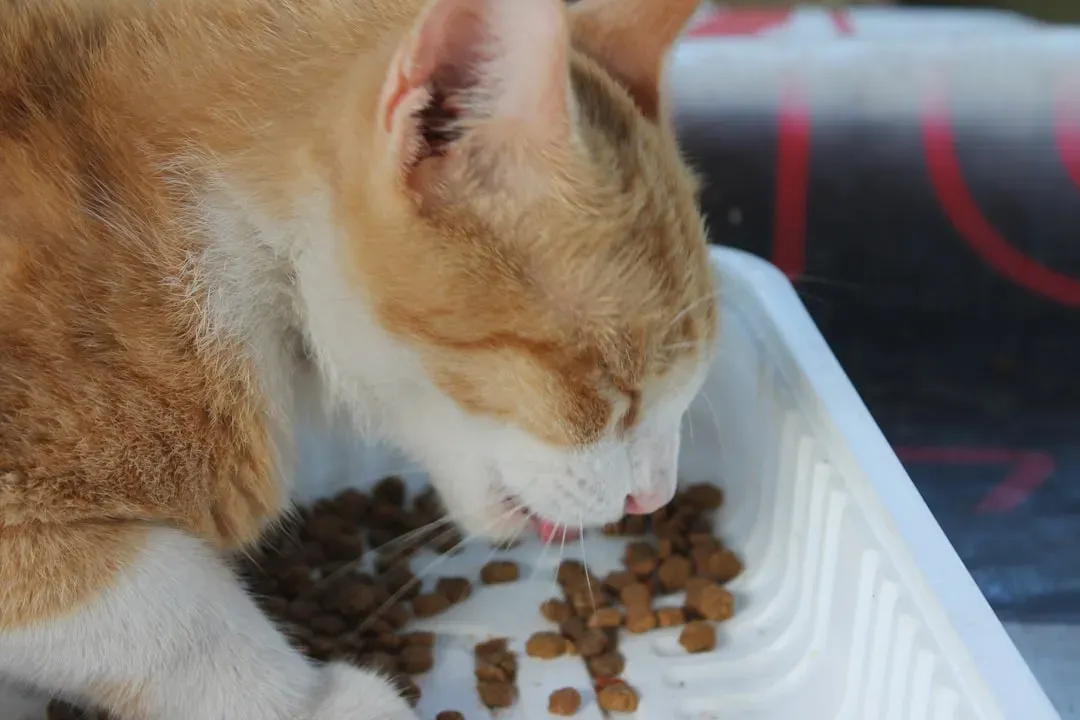
The appeal of preparing your cat’s meals from scratch is understandable. You control every ingredient, avoid preservatives, and show love through home cooking. Yet good intentions don’t guarantee good nutrition.
While homemade diets can offer ingredient control, they require careful planning to ensure your cat’s nutritional needs are met, because many homemade meals lack essential nutrients or have imbalances that can lead to deficiencies or excesses. When making cat food from scratch, some people fail to balance the meat with the correct amount of calcium, forgetting that cats in the wild would consume both meat and bones of their prey.
A cat diet too heavy in tuna, liver, or liver oil can lead to vitamin A toxicosis, resulting in bone and joint pain, brittle bones, and dry skin. If you’re determined to prepare homemade food, work with a board-certified veterinary nutritionist who can formulate a balanced recipe. Otherwise, you’re essentially experimenting with your cat’s health.
Myth: Feeding Treats Doesn’t Affect Overall Nutrition
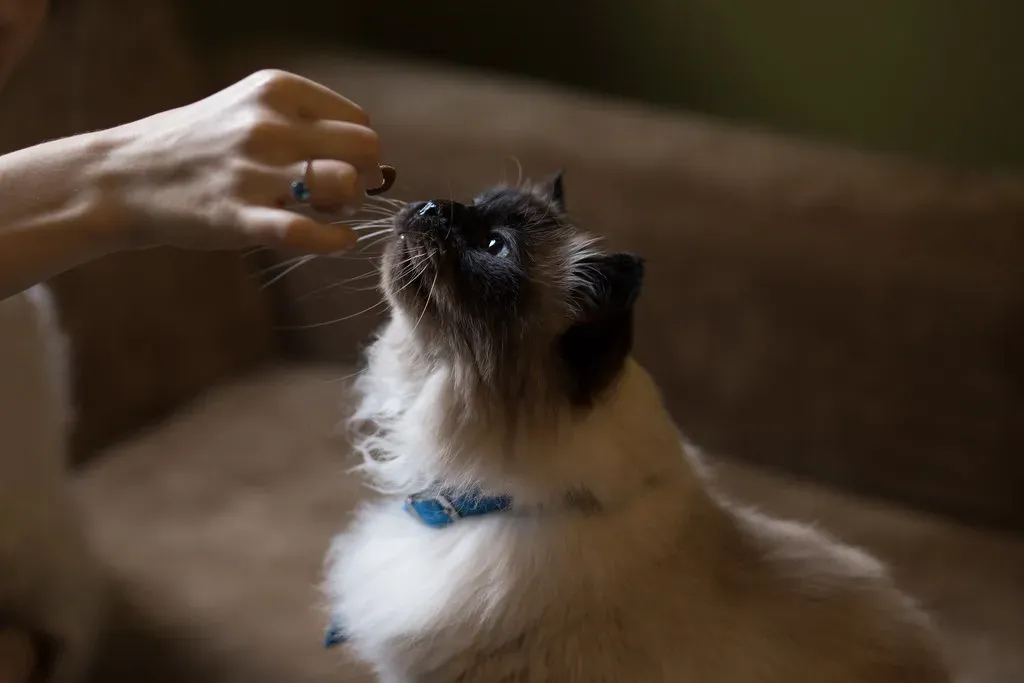
A treat here, a treat there. What’s the harm? Well, those little indulgences add up faster than you’d expect.
Treats may be small, but they can be shockingly high in calories, especially soft treats and dairy-based snacks, and some cats get 20 to 30% of their daily calories or more from treats alone, when their daily treat allowance should be less than 10%. Treats should not constitute more than 10% of an animal’s daily ration.
Think of treats like dessert in your own diet. One cookie after dinner won’t derail your health, but eating cookies for half your meals certainly will. Calculate your cat’s daily caloric needs with your vet, then budget treats accordingly. Your cat doesn’t know the difference between two treats and ten, but their waistline certainly does.
Myth: All Cat Food Is Basically the Same
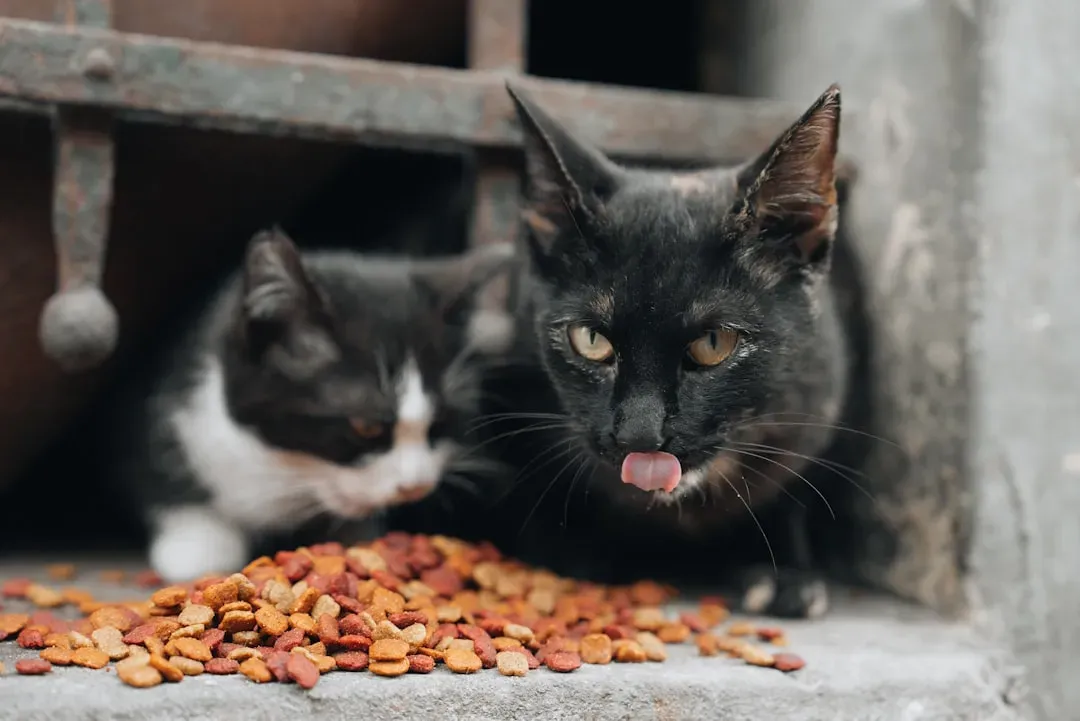
Walk down the pet food aisle and you’ll see dozens of options at wildly different price points. Does it really matter which you choose? More than you might imagine.
Not all cat foods are created equal. Quality varies dramatically based on protein sources, nutrient profiles, and manufacturing standards. Basic minimum nutritional requirements for cats have been established by the Feline Nutrition Expert Subcommittee of the Association of American Feed Control Officials, and all pet foods that carry an AAFCO-approved nutritional guarantee are considered to be nutritionally complete and balanced.
Look for that AAFCO statement on the package. It means the food meets established nutritional standards. Cheaper foods often use lower-quality protein sources or fillers that don’t provide optimal nutrition. The protein in dry food, which is often heavily plant-based, is not equal in quality to the protein in canned food, which is meat-based. Investing in quality food now can prevent expensive veterinary bills later.
Myth: Changing Your Cat’s Food Should Be Done Gradually – Or Not at All
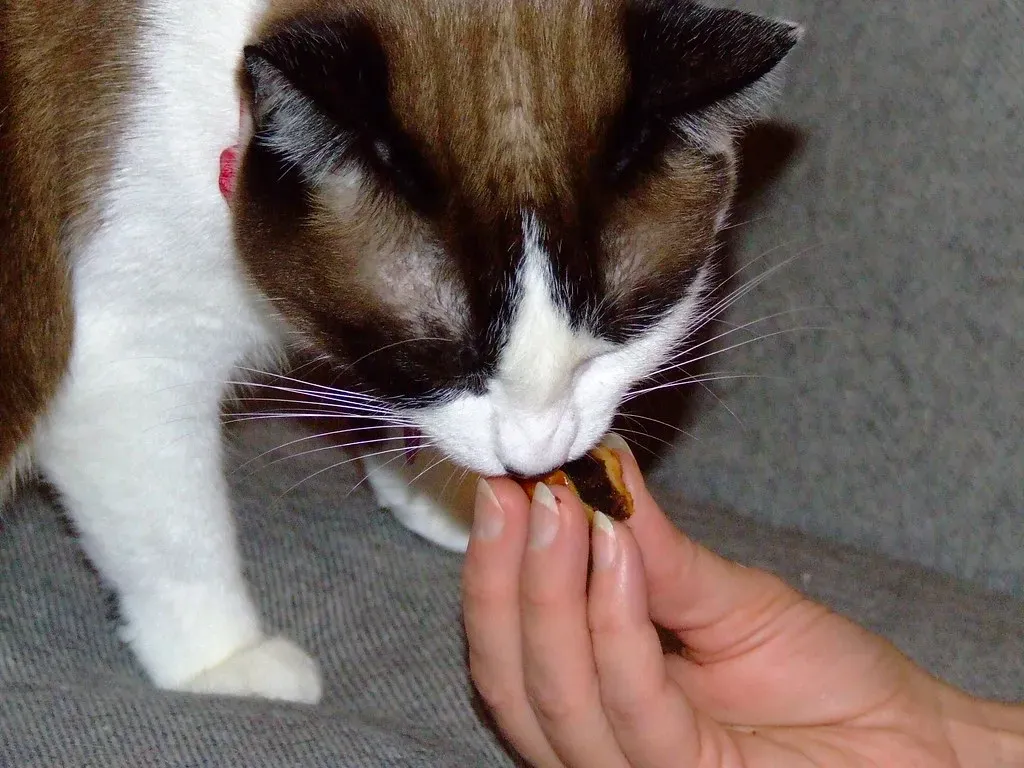
Some owners fear changing their cat’s food will cause digestive upset, so they stick with the same brand for years regardless of whether it’s optimal. Others switch foods abruptly when they find a sale. Both approaches miss the mark.
Switching your cat’s food abruptly can cause digestive upset, leading to diarrhea or vomiting, and cats are also creatures of habit, and a sudden change might make them refuse food altogether. When introducing a new food, transition gradually over 7 to 10 days by starting by mixing a small amount of the new food with their current one, gradually increasing the new food’s proportion while reducing the old one, and this gradual change helps your cat adjust without stress.
That said, don’t be afraid to change foods if your cat’s needs change or if a better option becomes available. A cat’s nutritional requirements change through different stages of life. What worked for your kitten won’t necessarily serve your senior cat. Work with your veterinarian to reassess your cat’s diet periodically and make transitions thoughtfully when needed.
Conclusion
Feeding your cat properly isn’t as straightforward as filling a bowl and walking away. The myths surrounding feline nutrition can lead even the most devoted cat owners astray, resulting in health problems that could have been avoided with better information.
Your cat depends on you to make informed decisions about their diet. They can’t tell you when they’re chronically dehydrated or suffering from nutritional deficiencies. By understanding what cats truly need – high-quality animal protein, adequate moisture, balanced nutrients, and appropriate portions – you can give your feline companion the best chance at a long, healthy life.
Did you find any of these myths surprising? What feeding challenges have you faced with your cat? Share your experiences in the comments below.
Kristina is a young writer from India. An arts graduate and an avid content creator, Kristina is passionate about animals and wildlife. She enjoys exploring topics related to pet care, animal behavior, conservation, and nature, combining thorough research with engaging storytelling.