You’ve seen it a thousand times. Your cat perched on the windowsill, completely motionless except for the occasional twitch of their tail. Their gaze is locked on something outside, and they seem utterly transfixed. You might wonder if they’re bored, lonely, or just being weird again.
Here’s the thing though: what looks like simple window gazing is actually a complex cocktail of instincts, emotions, and needs all playing out before your eyes. Your feline friend isn’t just staring aimlessly at the world beyond the glass. They’re engaging in behaviors that are hardwired into their very essence, behaviors that stretch back thousands of years to their wild ancestors.
Let’s be real, understanding why your cat loves their window spot so much might just change how you see this quirky habit. So let’s dive in.
The Ancient Hunter Emerges
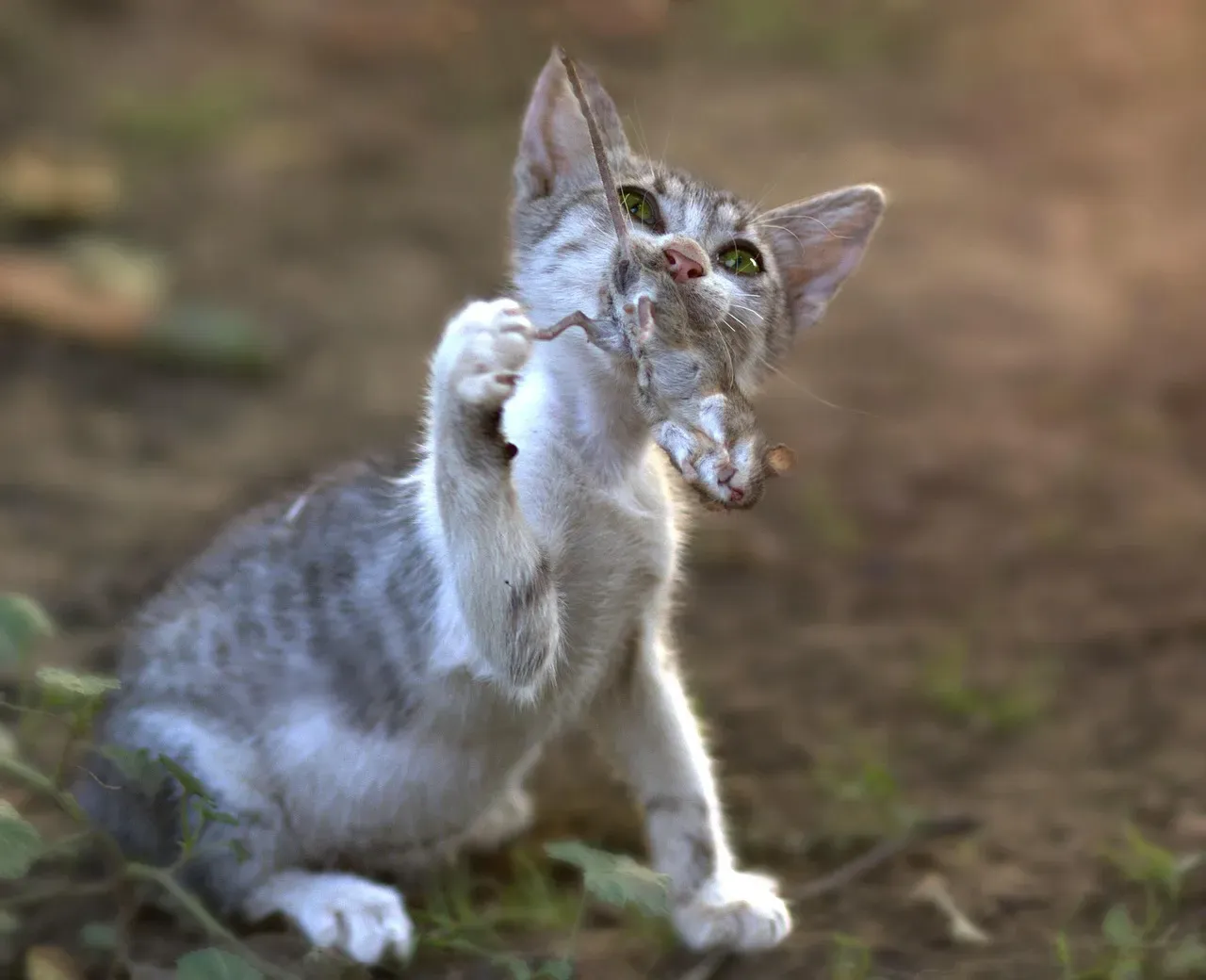
Your cat is an obligate carnivore and a natural predator, with instincts that are always running in the background, even when they’re acting relaxed or playful. Watching birds and other small prey from behind the glass taps into primal hunting instincts. Every flutter of wings, every scampering squirrel, every insect buzzing by triggers something deep within your cat’s DNA.
Think about it this way: your cat doesn’t need to hunt to survive anymore, yet the drive remains as strong as ever. Hunting remains a permanent part of their lives, and the hunting instinct is one of the most distinctive behavioral patterns in cats, not governed by hormones and does not diminish after neutering. The window becomes their personal observation post, a safe vantage point where they can indulge these deeply rooted behaviors without any risk.
You might even catch them making that bizarre chattering sound. This sound can be a mix of excitement and frustration as they can’t get at their prey. It’s honestly one of the most peculiar yet endearing things cats do.
Mental Gym for Indoor Cats
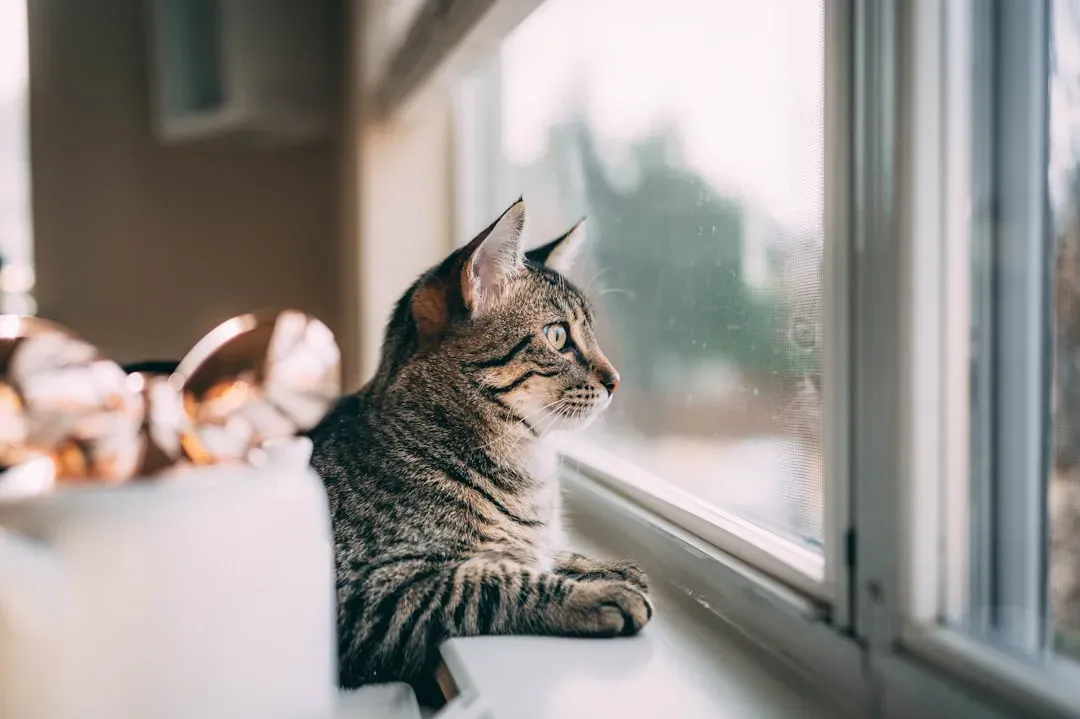
The sights, sounds, and even the smells that waft through a slightly opened window can provide cats with vital mental stimulation. Indoor life can be pretty monotonous for your cat. Sure, they’ve got food, shelter, and probably more toys than they know what to do with, yet their environment rarely changes.
Cats’ eyes are particularly good at detecting motion, so anything flitting by will help preoccupy their minds, and this environmental enrichment is essential for wellbeing and helps prevent boredom from setting in. The window essentially becomes their television, their entertainment center, their connection to a dynamic world. The most common items watched from windows by pet cats were birds and small forms of wildlife. Every car passing, every person walking their dog, every leaf blowing in the wind offers a new piece of information for your cat to process.
I think we underestimate just how much mental exercise this provides. For a creature designed to patrol territories and hunt multiple small prey throughout the day, window watching offers crucial cognitive stimulation that prevents destructive behaviors and keeps them emotionally balanced.
Territory Patrol from the Safety of Home
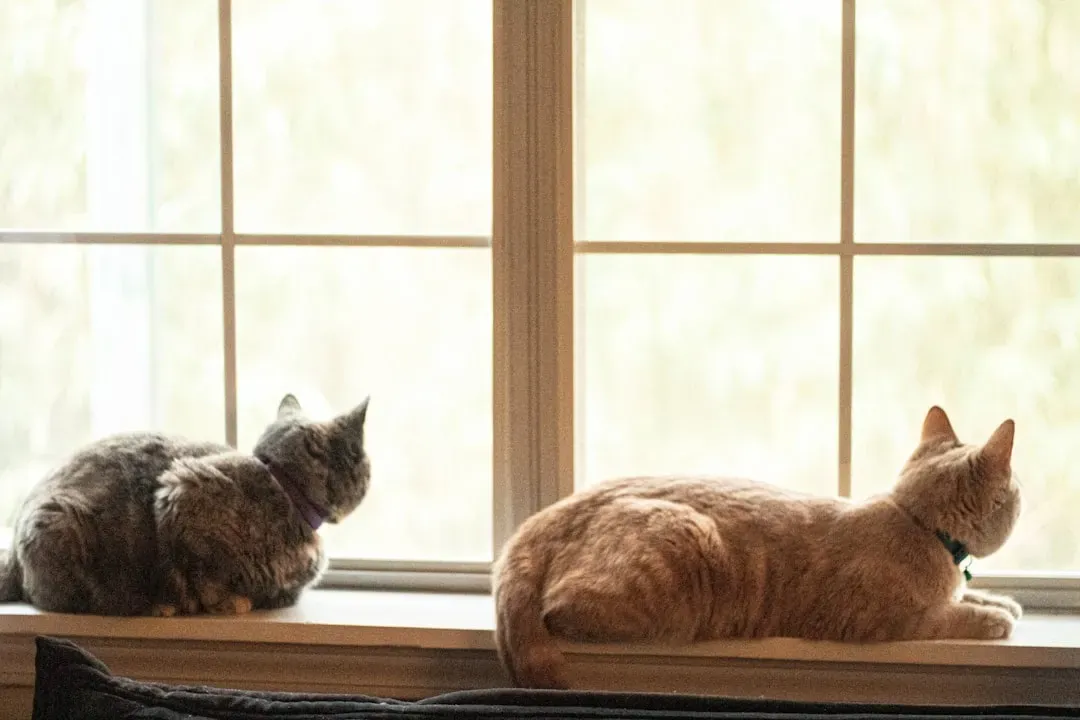
Cats are a territorial lot, and there’s no better spot to monitor territory than from a nice, safe vantage point. Cats are very territorial, and sitting next to a window is a way for them to monitor and watch their territory, taking notes about the world around them: potential threats, new neighbors, etc.
Even though your cat lives entirely indoors, they still consider your home and the area visible from windows as their domain. They’re essentially doing reconnaissance work. Is that neighborhood cat still prowling around? Are there any new dogs in the area? Has anything changed since yesterday?
Cats are territorial, and if you spot them looking out the window, they may be keeping an eye out for any intruders into their territory. This behavior makes them feel more secure and in control of their environment. It’s not paranoia; it’s simply how cats are wired to function. They need to know what’s happening in their world, and the window provides that critical intelligence.
The Irresistible Pull of Sunbeams
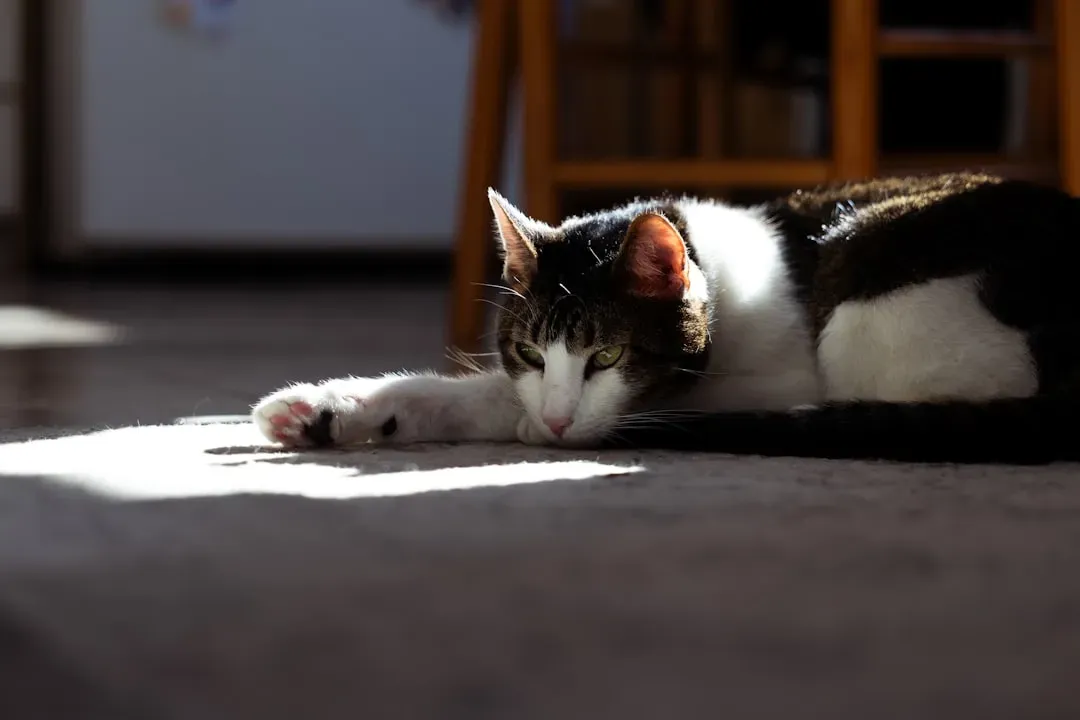
Let’s not overthink this one. With the beautiful way the warm sunshine comes pouring in the window, cats love basking in these rays, and they will love getting warm and cozy in their favorite window sitting spot. Windowsills often become favorite napping spots, especially when the sun is shining, as they’re a great place for capturing warmth, enabling cats to bask and relax, all while enjoying the view.
Cats are masters of finding the warmest spots in any home. Windows offer that perfect combination of comfort and entertainment. They can soak up the sun’s warmth while simultaneously keeping tabs on their territory and watching for prey. It’s efficient multitasking at its finest.
If you notice your cat gravitating to specific windows at particular times of day, they’ve probably mapped out exactly when and where the best sunbeams appear. They’re solar-powered creatures in many ways, and that window perch becomes their personal tanning bed.
Nighttime Watching Isn’t Random

A cat looking out of the window at night may have the same reasons as daytime watching, but the stimuli are a little different, as they’re becoming stimulated by different things, like bright lights, nocturnal animals or shadows. A cat’s eyesight is very suited to low-light environments as they’re naturally more active at dawn or dusk.
Your cat can see things in the darkness that are completely invisible to you. Other prey, such as mice and rodents, may be active at night, and your cat will stare out of the window as it hears or scents this possible prey. The nocturnal world is alive with activity that triggers your cat’s senses.
Moths fluttering around streetlights, the movement of shadows, distant sounds carried on the night air – all of these create a sensory experience that’s just as compelling as daytime bird watching. However, if your cat seems obsessed with nighttime window watching to the point where they’re restless or anxious, it might be worth investigating whether something specific is triggering stress.
The Frustration Factor
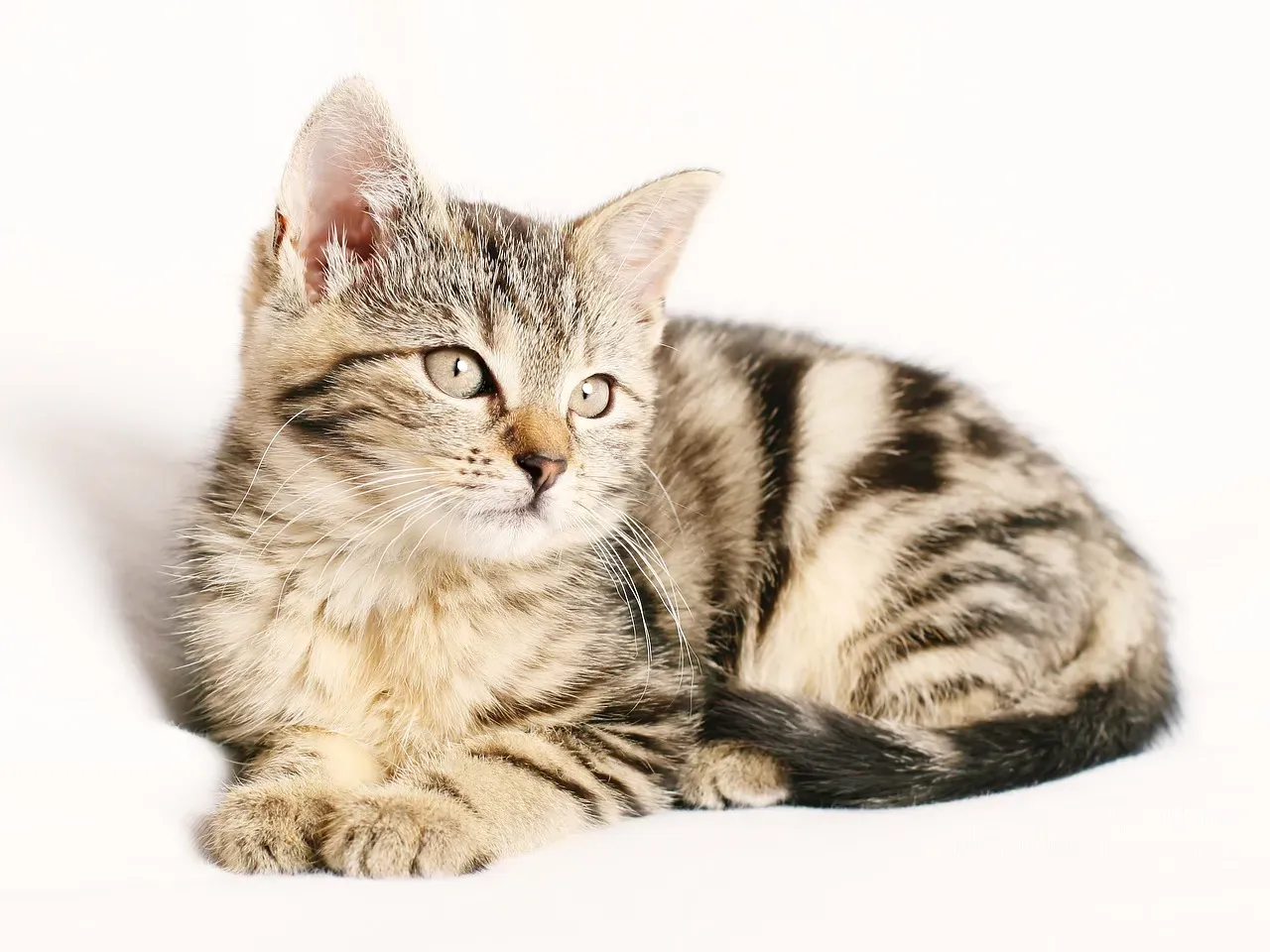
Not all window watching is purely positive. Cats can get frustrated watching birds in what’s known as “barrier frustration,” and this can cause your cat to lash out. Signs of this include an agitated, twitching tail, suddenly swatting at you or another pet, or sad meows.
Think about it from your cat’s perspective. They see prey, their instincts kick into overdrive, every fiber of their being tells them to hunt, and yet there’s this invisible barrier preventing them from doing what they were born to do. That’s genuinely frustrating. Your cat will grow frustrated by sensing prey it is unable to access.
If you notice signs of frustration, it might help to redirect that energy through interactive play sessions. Giving your cat an outlet for those hunting instincts can prevent them from taking out their frustration on you or other pets in the household. A good play session with a feather wand can work wonders.
Sensory Overload in the Best Way
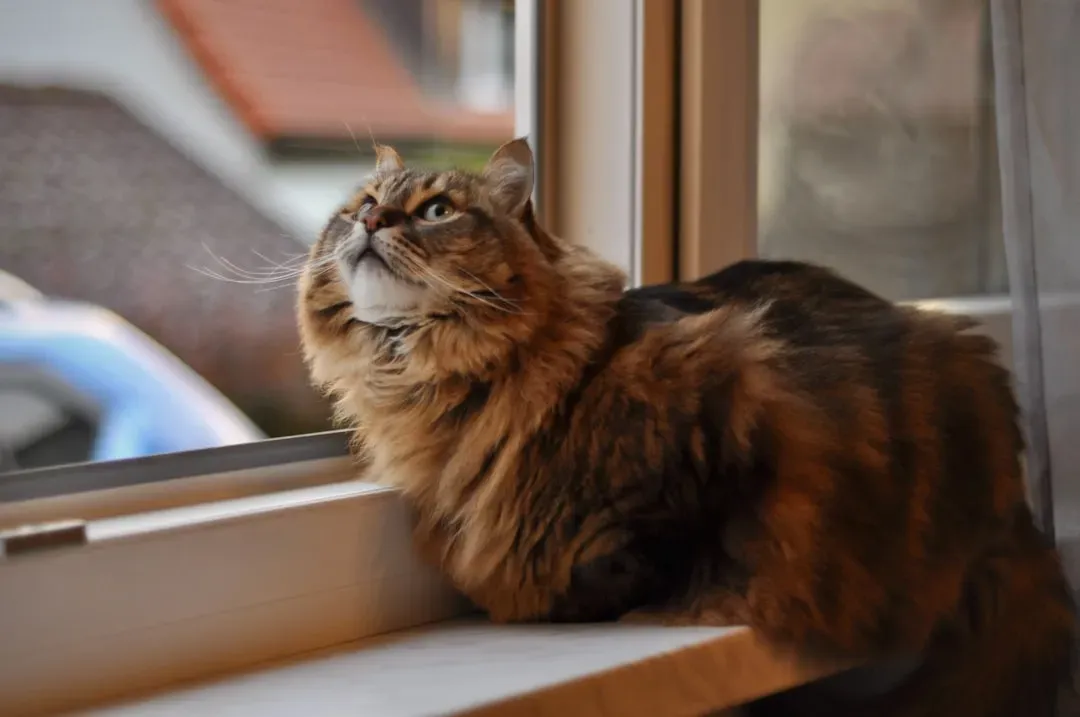
Windows aren’t just about sight. Cats might be interested in plants or other animals outside, or they may like the feel of the breeze coming through an open window. When you crack that window open, even just a little bit, you’re essentially giving your cat access to a whole world of scents and sounds they don’t normally experience.
Cats’ smelling power is sharp and maybe they’re just enjoying different cooking smells coming from neighborhood kitchens. Fresh air carries information: other animals, plants, weather changes, food being cooked nearby. For a creature with a sense of smell far superior to ours, this is incredibly enriching.
The auditory component matters too. Birds chirping, dogs barking, cars rumbling past, children playing, wind rustling through leaves – all of these sounds add layers to the window-watching experience. It’s a multi-sensory adventure that engages your cat on multiple levels simultaneously.
Natural Curiosity at Work
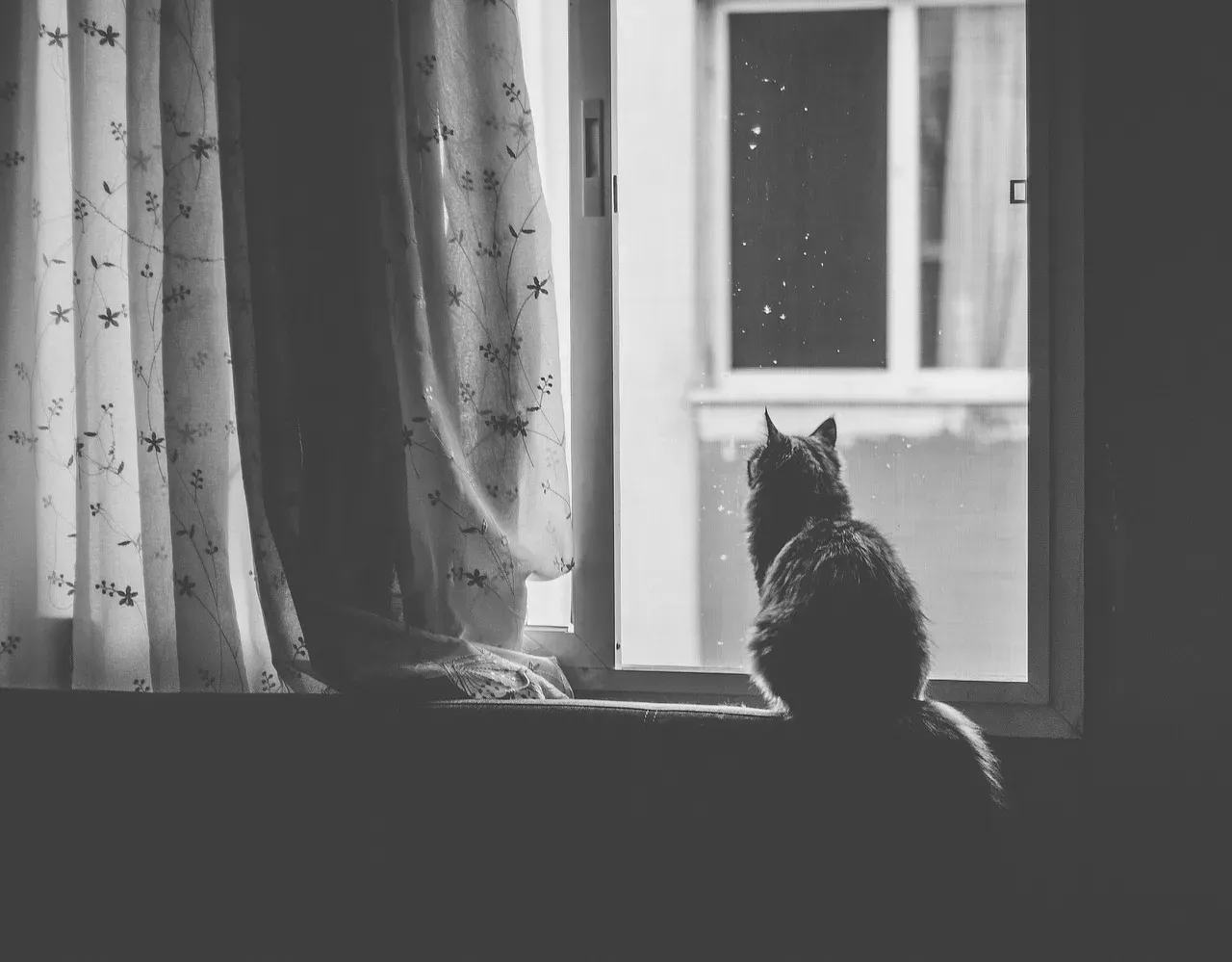
Inherent curiosity with the world is a major reason why cats look out the window. Cats are naturally curious, perceptive pets, and it’s unsurprising to see the outdoors transfix them. Cats are naturally inquisitive creatures. They want to know what’s happening, who’s doing what, and why things are the way they are.
The world outside is constantly changing, offering endless opportunities for observation and learning. Even seemingly mundane events like a garbage truck driving by or neighbors getting into their car become points of interest for your cat. They’re gathering information, learning patterns, and satisfying that innate need to understand their environment.
This curiosity isn’t frivolous; it’s a survival mechanism that’s been refined over millennia. Cats that paid attention to their surroundings were more likely to find food, avoid danger, and thrive. Your indoor cat retains that same drive even though their survival isn’t at stake.
Social Observation and Connection
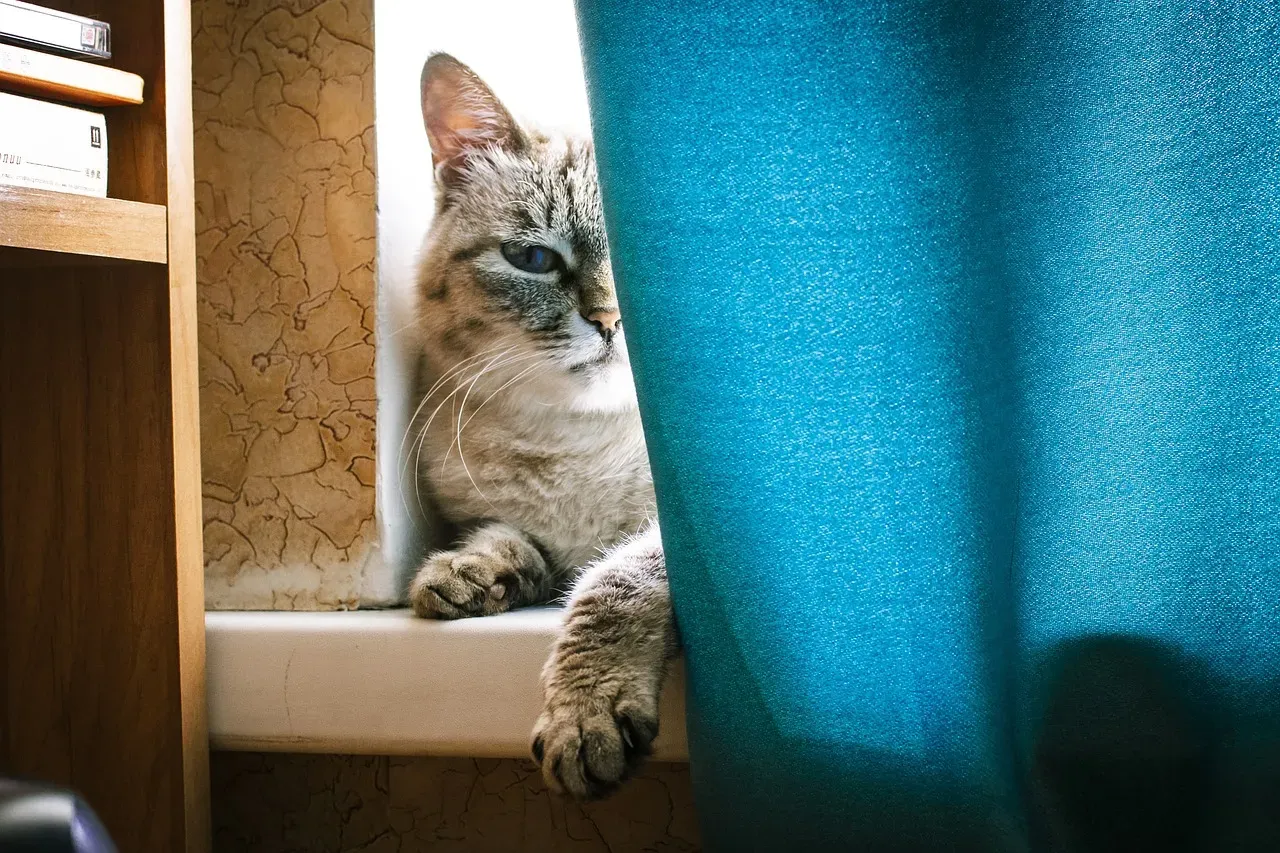
Your cat might actually be watching for you. One of the reasons for this behavior is they love to see you as soon as possible after you head over to your work. There’s something genuinely touching about the idea that your cat positions themselves at the window not just to watch birds, but to watch for your return.
Cats form strong attachments to their humans, even if they express it differently than dogs do. That window perch becomes a waiting post, a place where they can monitor the world and hopefully catch sight of you coming home. It’s their way of staying connected to you even when you’re not there.
They’re also observing human activity in general. People walking by, delivery drivers, mail carriers – all of these provide social stimulation. Your cat is essentially people-watching, gaining insights into the patterns and behaviors of the humans who share their world.
The Need for Control and Predictability
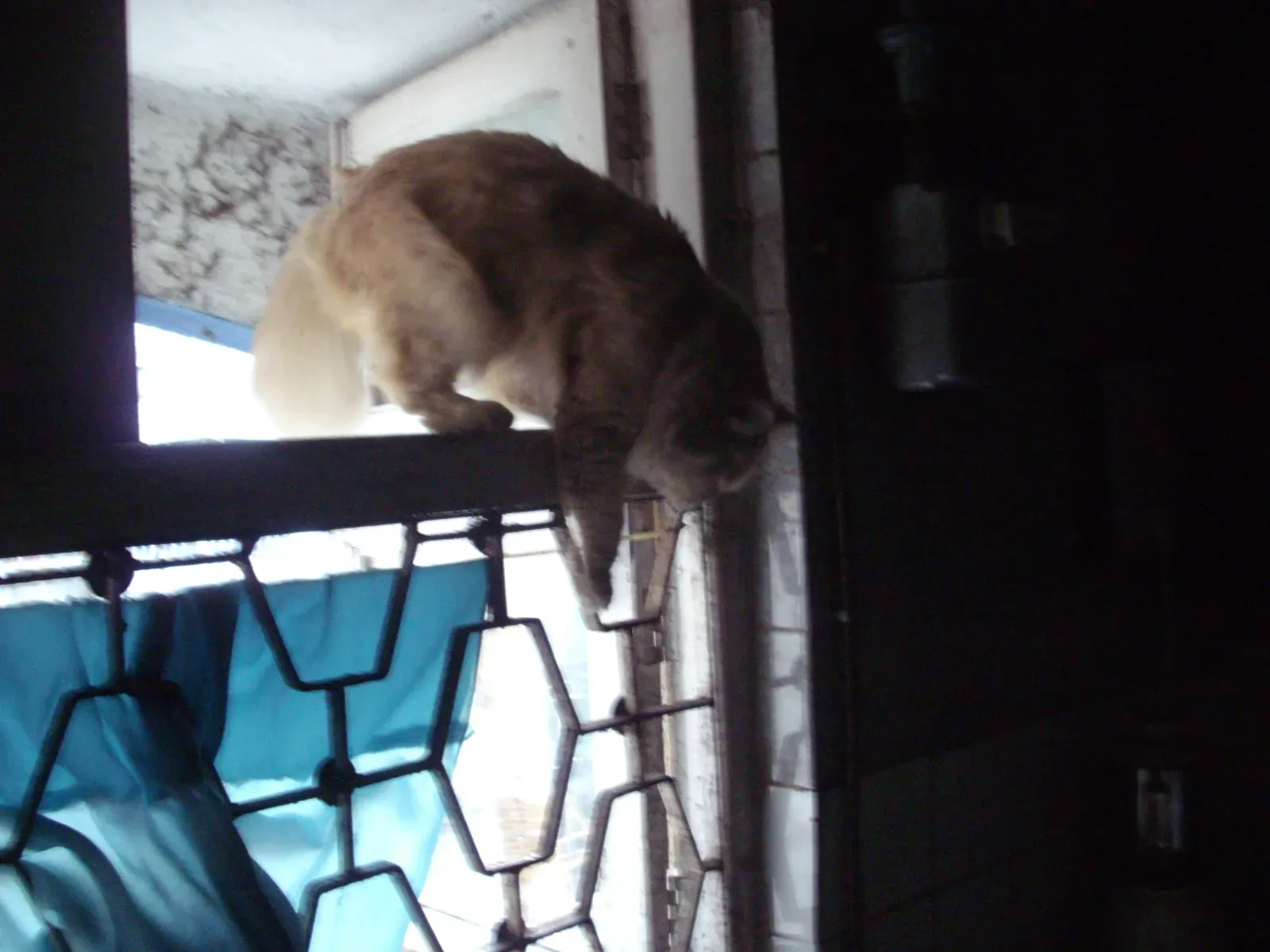
Looking out of the window, especially if you’ve given them a perch, provides plenty of enrichment and stimulation, and placing perches or cat trees near the window is an easy way to give your cat some mental enrichment. Windows give your cat agency. They can choose when to look, what to focus on, and how long to engage with whatever catches their attention.
For indoor cats who have limited control over their environment, this matters more than you might think. They can’t decide when you come home, when meals are served, or when you’ll play with them. The window, however, is always available, always offering something to observe, always under their control.
This sense of autonomy contributes significantly to your cat’s psychological wellbeing. It’s their space, their activity, chosen and executed entirely on their own terms. That feeling of control helps reduce stress and anxiety, making for a more balanced, contented cat.
When Window Watching Becomes Concerning
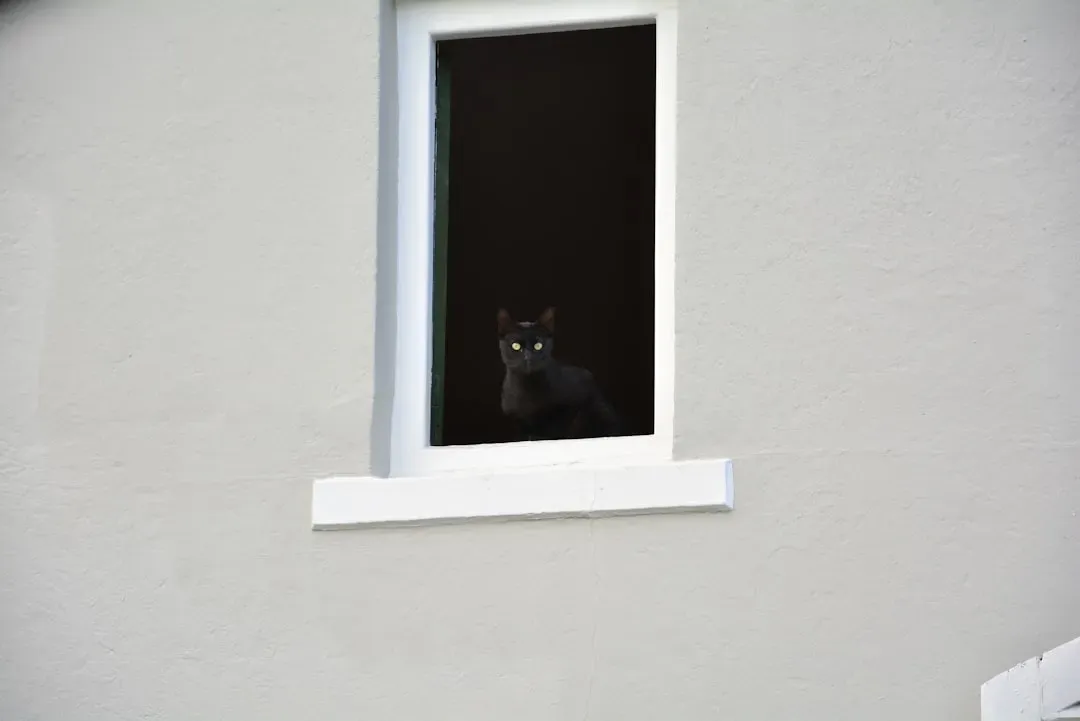
Usually, a cat looking out of the window is completely fine, but sometimes, it can indicate anxiety and frustration, particularly when combined with other symptoms. Cats could feel these due to stressors at home, other animals entering their territory or due to loud noises in the environment.
Watch for signs that window watching has crossed from healthy enrichment into obsession or stress. Is your cat vocalizing excessively? Are they showing aggression toward you or other pets after window watching? Do they seem unable to relax even when away from the window?
If your cat is always up late looking out of the window, your cat could suffer from anxiety or restlessness, which may have an underlying health reason for it, and seeing your vet or a behaviorist is recommended if your cat struggles to sleep, has signs of anxiety and struggles to settle due to nighttime stimuli. Sometimes what looks like harmless window gazing is actually a symptom of something deeper that needs addressing.
Supporting Your Cat’s Window Habit
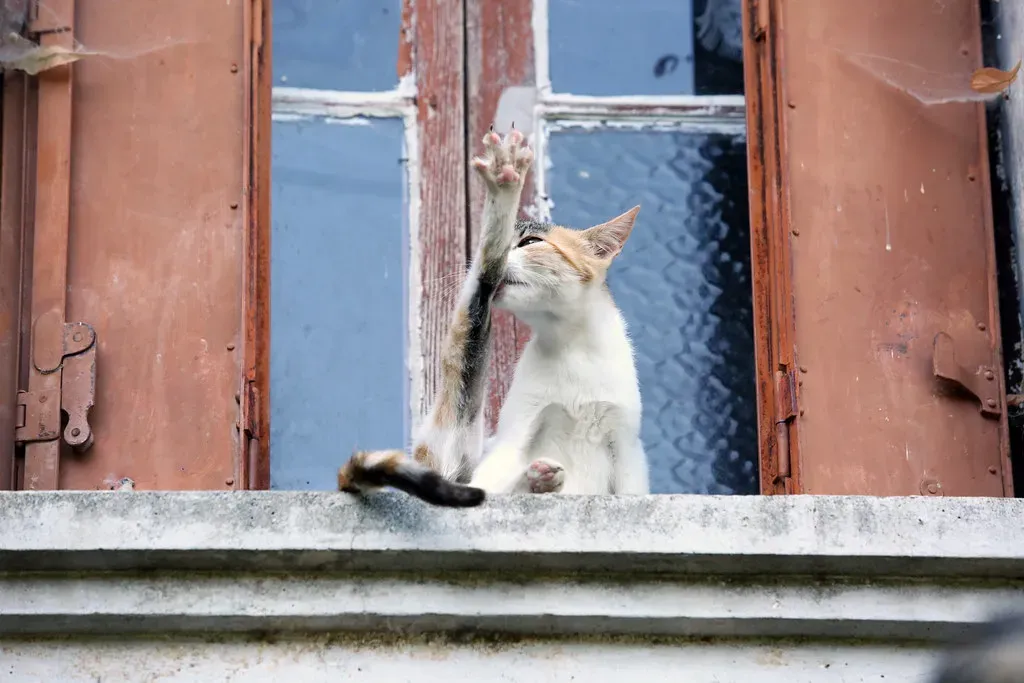
No matter the reason your cat prefers to look outside, you should encourage them to get this type of stimulation. Making your cat’s window-watching experience better doesn’t require major renovations or expensive equipment. Simple additions can significantly enhance their enjoyment and wellbeing.
For easy enrichment, create a comfortable place by the window for endless entertainment, and you can do an online search for bird TV for cats for cat-friendly videos to display on a screen for them. A birdbath or bird feeder placed within sight of the window can increase your cat’s enjoyment. These small changes transform a window from a simple piece of glass into a full entertainment center.
Consider multiple window perches at different heights and locations throughout your home. Cats appreciate variety, and different windows offer different views and experiences. Safety is paramount though, so ensure screens are secure and perches are stable. The last thing you want is for your cat’s favorite activity to turn dangerous.
What do you think about your cat’s window obsession now? Does it seem less quirky and more essential? Tell us in the comments about your cat’s favorite window spot and what they love to watch most.

Hi, I’m Andrew, and I come from India. Experienced content specialist with a passion for writing. My forte includes health and wellness, Travel, Animals, and Nature. A nature nomad, I am obsessed with mountains and love high-altitude trekking. I have been on several Himalayan treks in India including the Everest Base Camp in Nepal, a profound experience.