You’ve fed them, played with them, cleaned their litter box religiously, and bought them that expensive tower they ignore. Yet somehow, when you get home from work, your cat is sprawled on your neighbor’s porch like they own the place. Let’s be real, it’s hard not to take that personally. Here’s the thing: felines are independent animals, and there’s a common belief that your cat chooses to live with you, not the other way around.
Discovering that your furry companion might actually prefer someone else’s company can sting more than you’d like to admit. Still, before you spiral into existential doubt about your pet parenting skills, you need to understand what’s really going on. Cats operate on an entirely different wavelength than dogs or even humans. Their decisions about where to spend their time aren’t random or spiteful. They’re calculated, instinct driven, and surprisingly logical once you crack the code.
Territory Matters More Than You Think
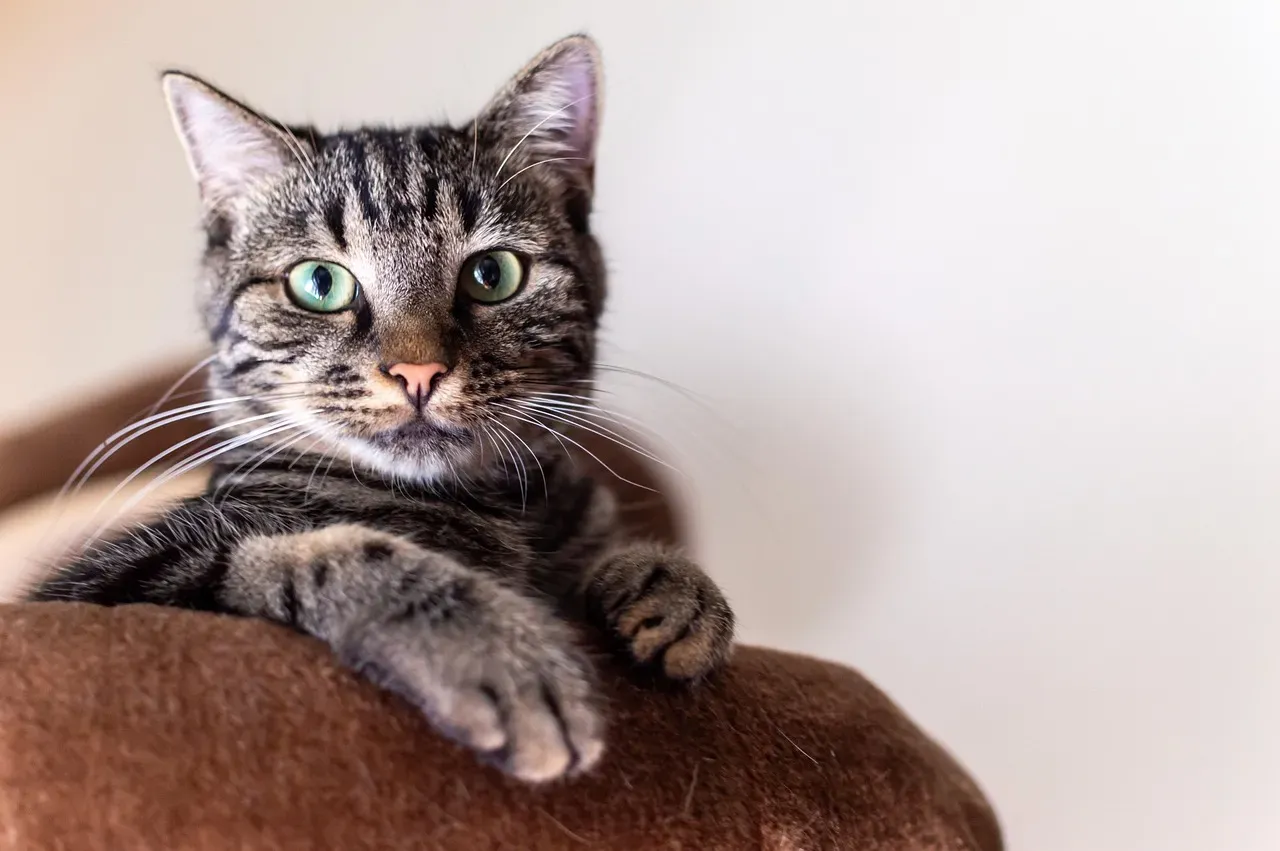
A cat’s territory, of which the home is part, is more important to them than the people in it. I know that sounds harsh, but honestly, it explains so much about feline behavior. Unlike dogs who worship their owners above all else, cats prioritize their environment. Your neighbor’s house might simply offer something yours doesn’t: a quiet corner away from chaos, better sunlight through the windows, or fewer competing pets.
Disruptions in your cat’s routine or home life may lead them to seek out your neighbor, such as a new baby in the home, introducing a new pet, or moving to a new area. Cats aren’t being dramatic when they leave. They’re being practical. If their safe space feels compromised, they’ll find another one. Think of it less like betrayal and more like your cat opening a second office location.
The Food Connection Is Real
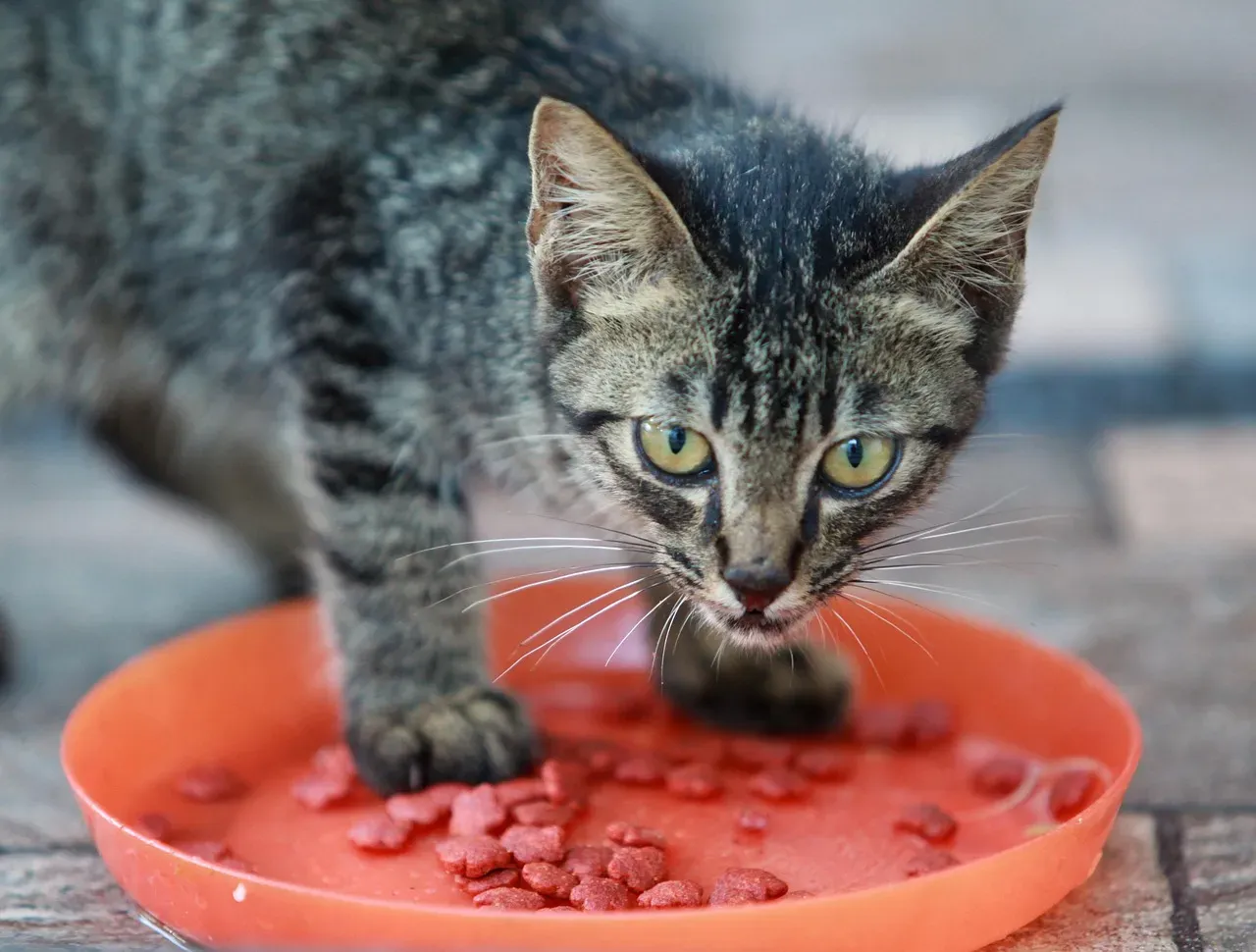
A common reason why your cat may prefer hanging out at your neighbor’s is because they are being fed extra food and treats there. Cats are opportunists at heart. If your neighbor is dishing out gourmet wet food while you’re serving budget kibble, guess where your cat’s loyalty lands? Food is a powerful motivator, maybe the most powerful.
Eating outside the usual schedule mealtimes may lead to health issues like obesity and feline diabetes, and if your furry friend has a food allergy you may end up shouldering added cost and stress. This isn’t just about hurt feelings anymore. When neighbors unintentionally feed your cat, they could be messing with their health. Sometimes the best intentions create the worst outcomes, especially when dietary restrictions are involved.
Attention Seeking Behavior Explained
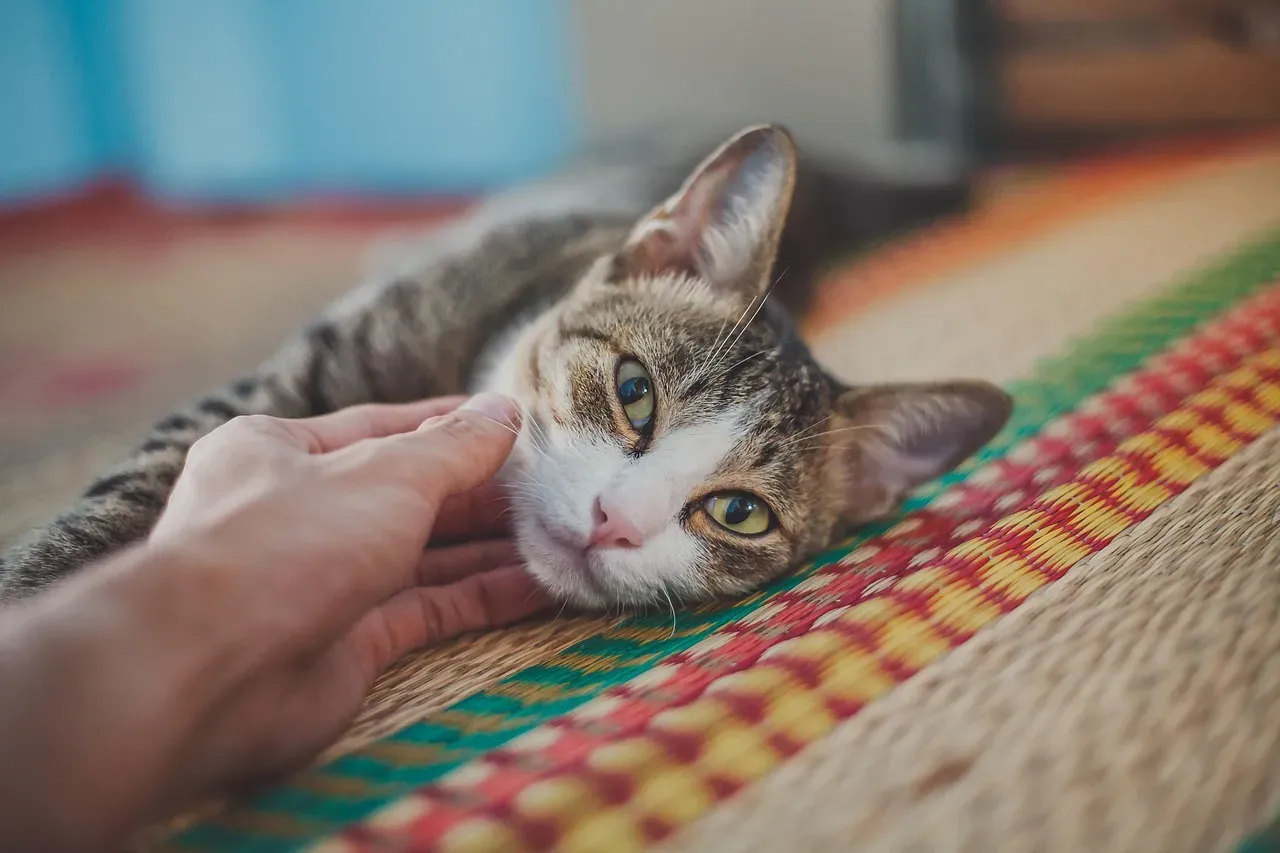
Your cat may prefer your neighbor because they’re not getting enough stimulation or attention at home, and just because your kitty spends time outdoors doesn’t mean that you don’t need to play with them every day. This one hits different because it forces you to confront an uncomfortable truth. Maybe you’ve been too busy. Maybe you assumed your cat was fine being left alone for twelve hours straight.
Cats are surprisingly social creatures when they want to be. Some cats are highly social and crave human interaction, and if a cat feels neglected or under-stimulated at home, they may seek out attention from other people. Your neighbor might work from home, providing constant company. Or maybe they just have that magic touch, the kind of calm energy cats gravitate toward naturally.
How Cats Actually Choose Their Favorite Person
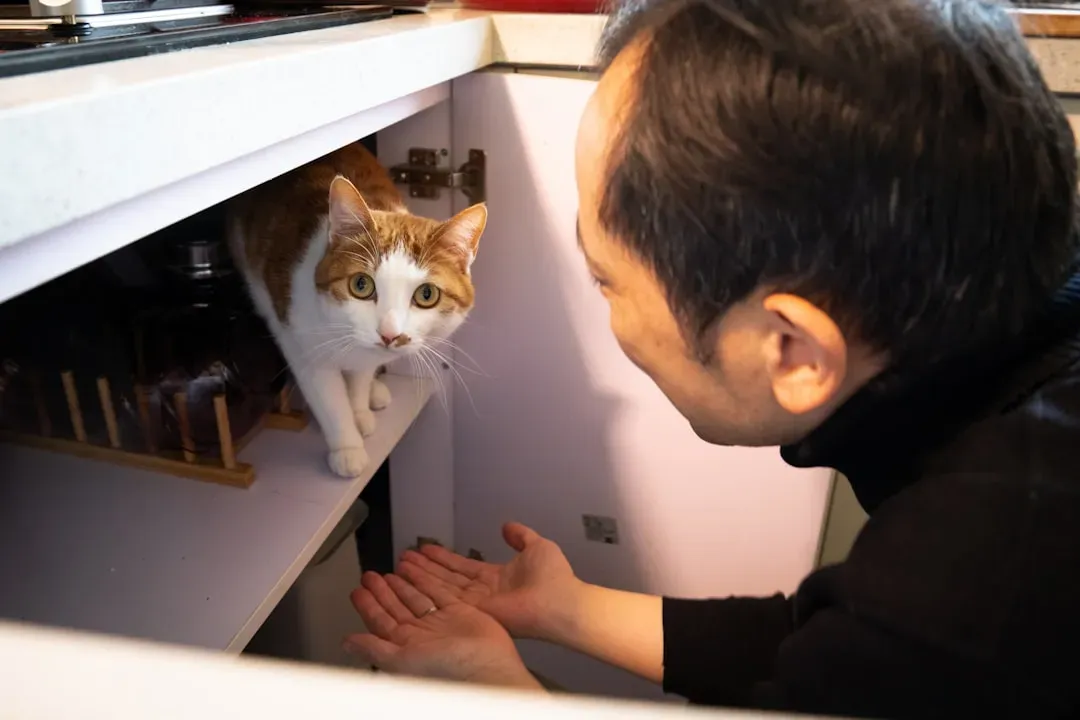
the person who makes the most effort is the favorite, and people who communicate with their cat by getting to know their cues and motives are more attractive to their cat companions. So it’s not about who spends the most time with them. It’s about quality over quantity, understanding over presence.
Cat experts have noted that cats often gravitate towards the visitor that ignores them over the one that pursues them, and while the person who is ignoring a cat is naturally letting them be, and the cat feels safe to approach them on their own terms. That’s the twist nobody expects. The neighbor who barely acknowledges your cat might be getting all the affection simply because they’re not trying too hard. Cats appreciate boundaries and autonomy. They want to feel like the interaction was their idea.
The Role of Environment and Calm Energy
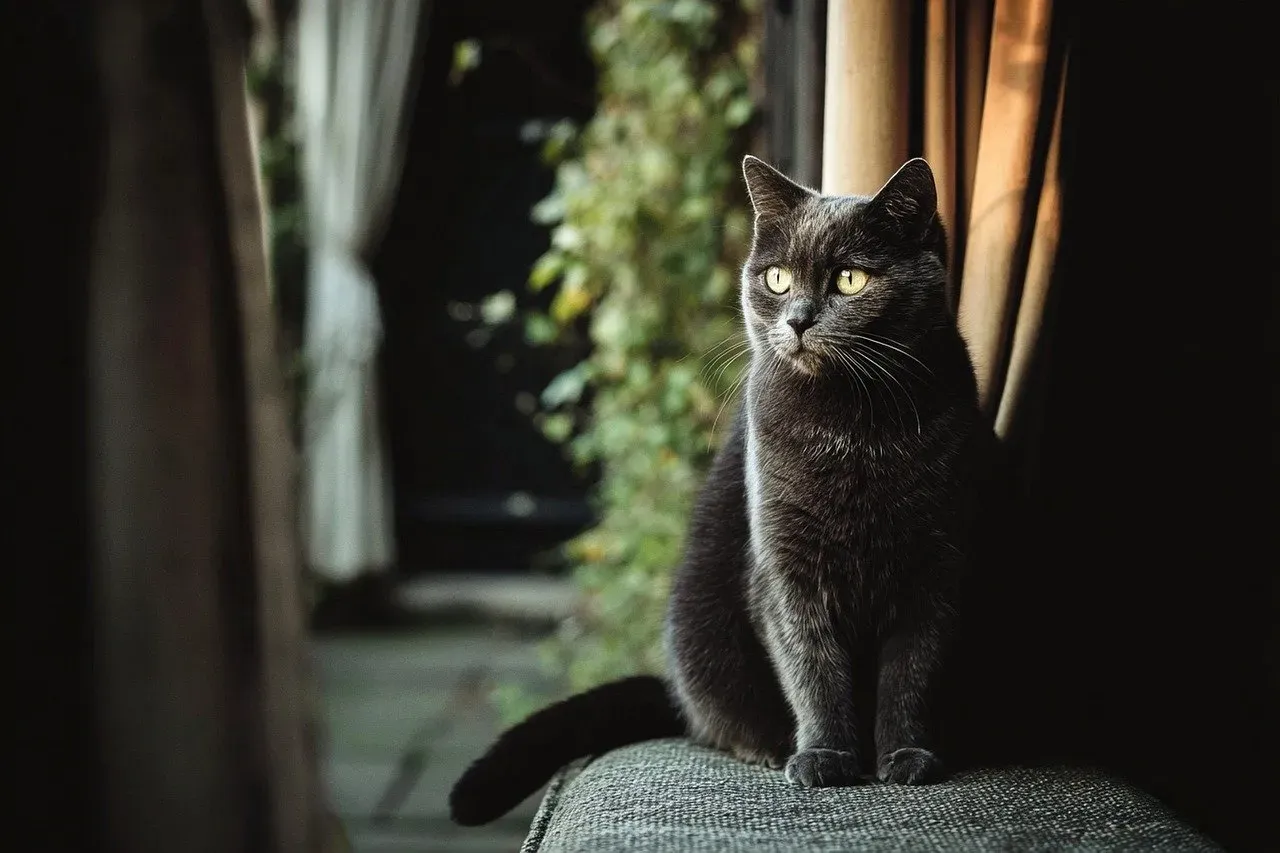
For some cats, even the most loving home may be stressful for them at times, and noise, hustle and bustle, other pets, children, a new baby, or a badly positioned food bowl can make cats uncomfortable, especially at mealtimes. Your home might be full of love, but is it full of peace? That’s the question your cat is answering with their paws.
Cats prefer when you have a calming presence, consistent patterns, and predictable movements and exhibit cat-friendly, welcoming body language. If your neighbor lives alone in a quiet apartment while your house sounds like a daycare center, the choice becomes obvious. Cats aren’t judging your lifestyle. They’re just trying to decompress somewhere that doesn’t overwhelm their senses.
When Territory Sharing Becomes the Norm
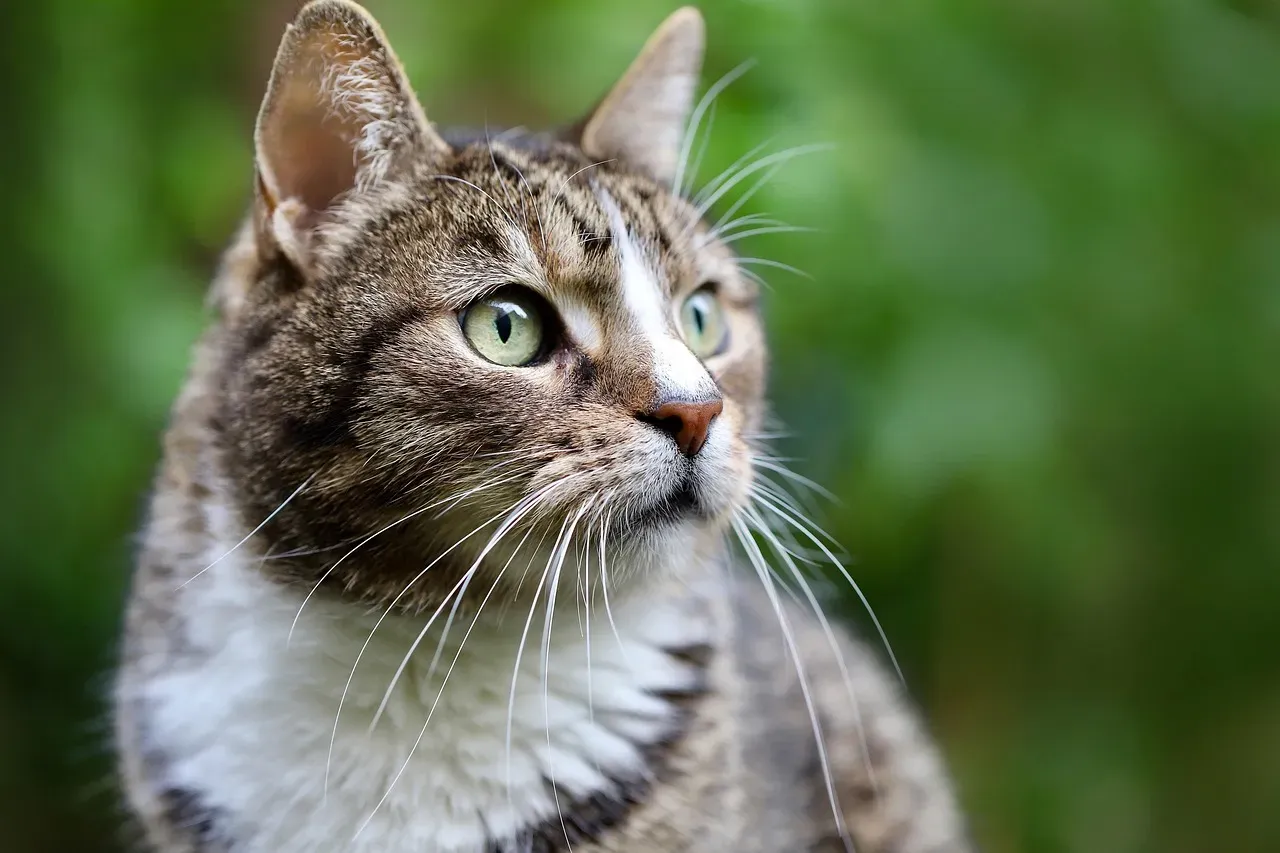
Cats do not see boundaries in the same way that humans do, and your house is certainly within their territory because of any place in their region they consider theirs. Your cat isn’t cheating on you. They’re expanding their empire. In their mind, both houses belong to them, and they’re simply making rounds like a landlord checking on properties.
Some owners have “part-time cats” who simply decided they wanted to live in multiple places, with one cat eating meals at one house but spending most of the day at another. Shared custody arrangements happen more often than you’d think. Some neighbors even embrace it, creating informal co-parenting situations where everyone knows the cat splits their time.
The Impact of Other Pets at Home
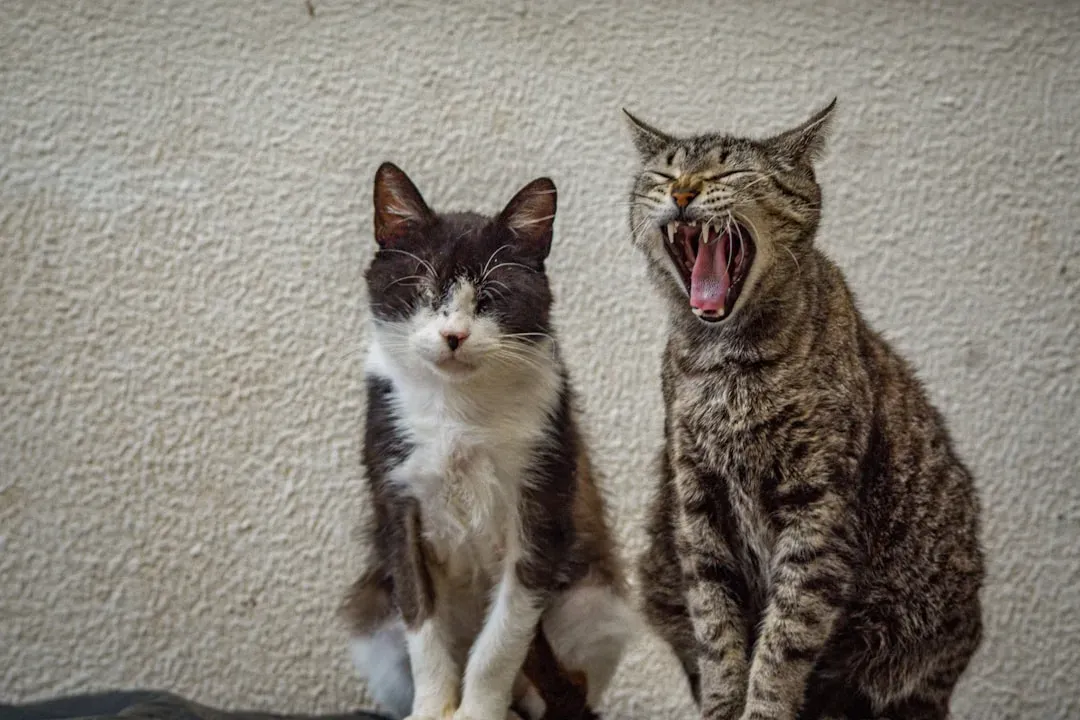
One of the major reasons that owners seek help is because one of their cats has left home as a result of bullying from another, and once a cat has left home, nothing will bring them back other than the removal of the bully from the environment. Multi-cat households can be minefields of tension. If one cat is dominant and aggressive, the victim has no choice but to find sanctuary elsewhere.
This isn’t always obvious to owners. You might think your cats tolerate each other just fine, but subtle intimidation around food bowls or litter boxes can drive one cat out permanently. An excessively dominant cat can make it difficult for a submissive counterpart, and if your cat cannot escape these attentions, it will seek an alternative place to live. The neighbor’s house becomes a refuge, not a vacation.
Scent and Sensory Preferences Matter
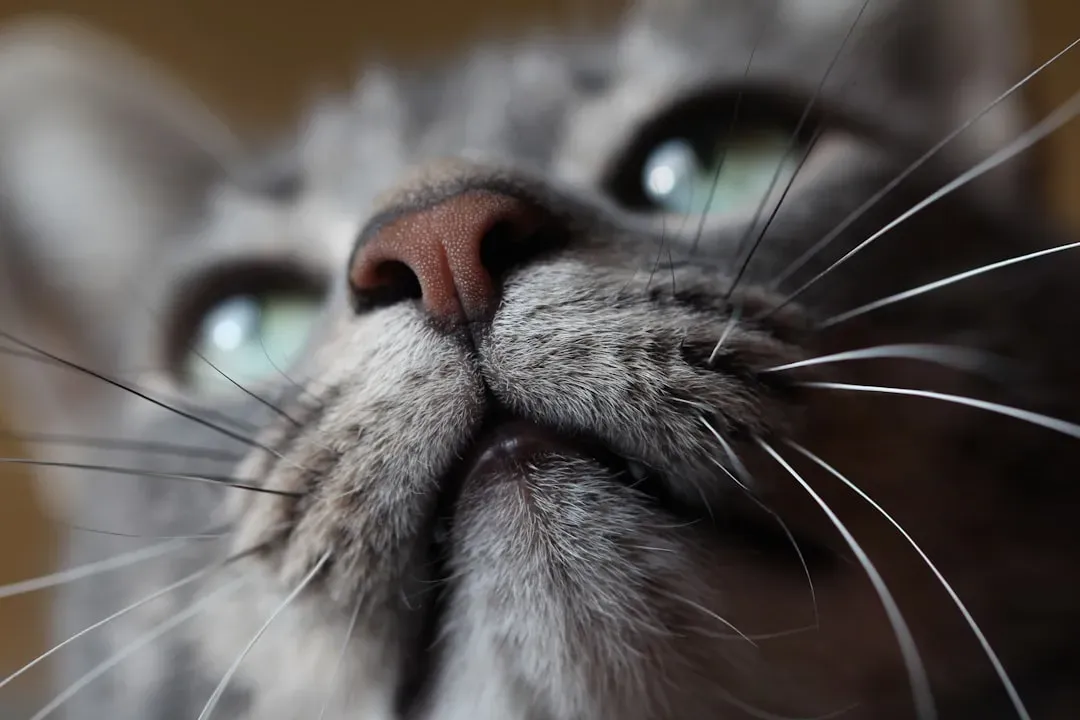
Cats have very sensitive noses, and they may like the natural scent of one person, or the person they don’t like as much may be using a perfume, soap, or even scented antiperspirant or cream that is unpleasant to them. Something as simple as laundry detergent could be the deciding factor. Your neighbor might smell better to your cat, and there’s nothing you can really do about that except maybe switch products.
Cats are highly attuned to scents, and certain smells can attract them to a particular location, including the scent of other cats, the lingering aroma of food, or even specific people’s unique scent. The neighbor’s house might carry familiar or comforting smells your cat associates with safety. Scent is their primary way of interpreting the world, far more influential than what they see or hear.
What to Do When Your Cat Prefers the Neighbor
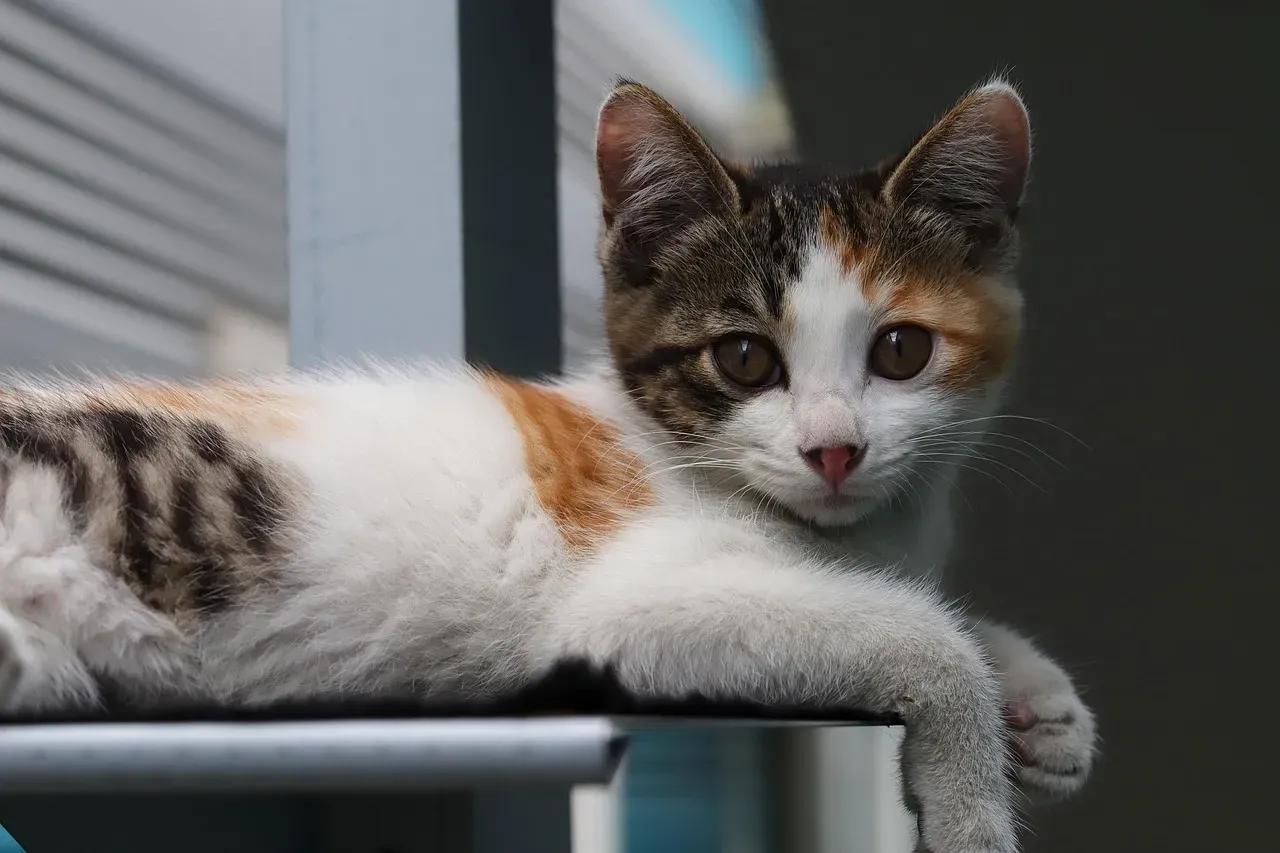
For the overall wellbeing of your feline it’s important to take steps to ease your kitty away from spending time next door. The first move is always communication. Talk to your neighbor. Most people don’t want to cause problems and will cooperate if you explain the situation, especially if health or dietary concerns are involved.
Increasing cat-specific resources in the home will help make your home more attractive for your cat, and sometimes it’s just a case of increasing the number of cat-specific resources to remove any sense of competition that exists between cats. Add more vertical spaces, scratching posts, hiding spots, and toys. Make your home irresistible. Give your cat reasons to choose you by meeting their needs better than anyone else can.
Building a Stronger Bond with Your Cat
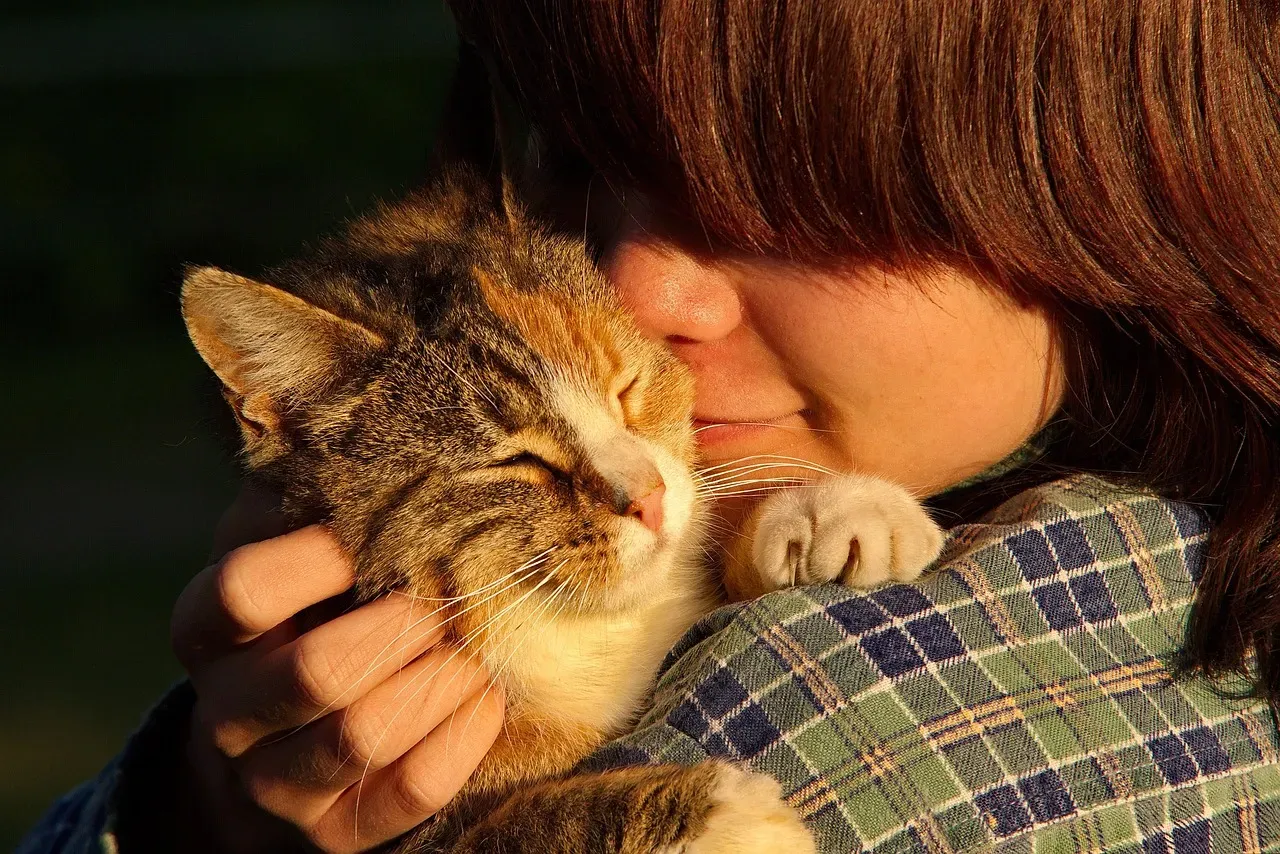
The more time you spend with your feline friend, the more opportunities you have to bond, and playing with them, training, and ensuring the two of you have lots of positive interactions can ensure you’re your cat’s favorite person. Quality interactions trump everything. Set aside dedicated playtime every single day. Learn what your cat enjoys, whether it’s feather wands, laser pointers, or simple cardboard boxes.
Respecting boundaries is vital in any relationship, and the same goes for your relationship with your cat. Let them come to you. Don’t force affection. Give them space when they need it, and they’ll reward you by choosing to be near you when it matters. Cats respect those who respect them. It really is that straightforward.
Conclusion: Understanding Feline Logic
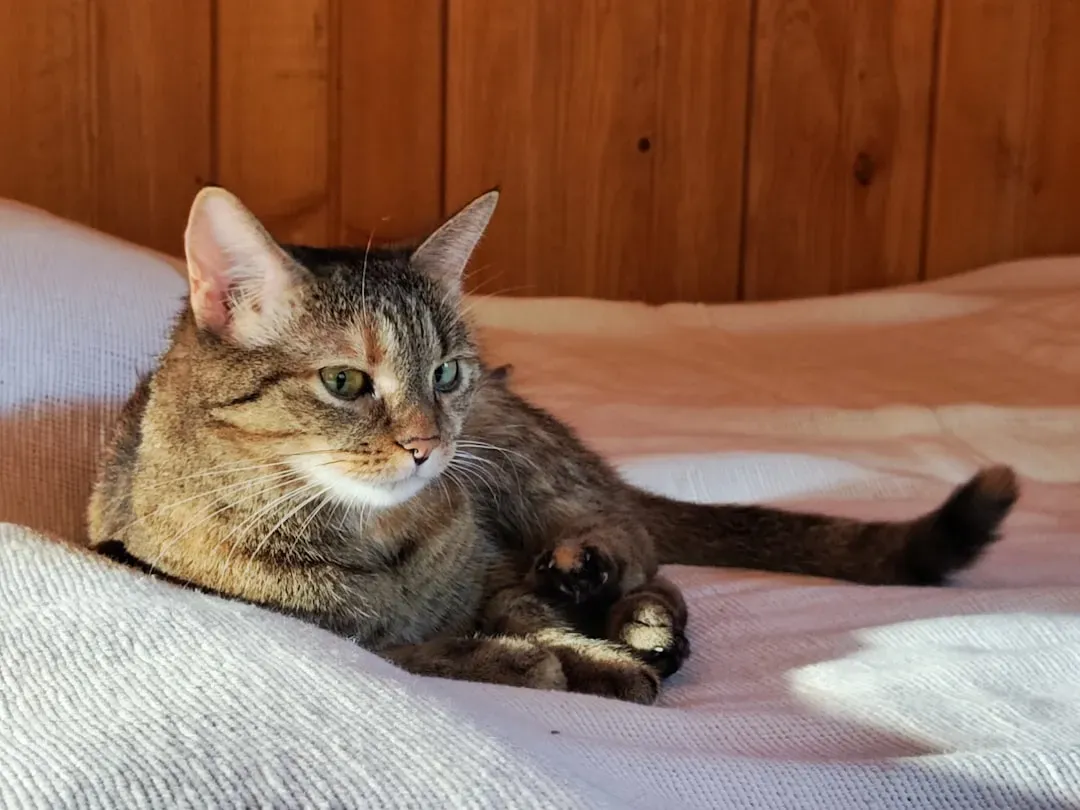
Discovering that your cat’s favorite human might be your neighbor isn’t the end of the world, even though it can feel that way at first. Cats make choices based on their needs, their environment, and their instincts. This doesn’t mean they don’t love their own home, but rather that they are pragmatic about maximizing their comfort and resources, and they might view a friendly neighbor’s home as an additional buffet, a supplementary playground, or simply a change of scenery.
The good news is that you can turn this around. By enriching your home environment, respecting your cat’s boundaries, and understanding what truly motivates them, you can become the person they choose to spend time with. Cats aren’t spiteful or ungrateful. They’re just honest about what they want. What do you think your cat would say if they could explain their choices? Tell us in the comments.
Kristina is a young writer from India. An arts graduate and an avid content creator, Kristina is passionate about animals and wildlife. She enjoys exploring topics related to pet care, animal behavior, conservation, and nature, combining thorough research with engaging storytelling.