You’ve caught your cat scratching the couch again. Maybe you’ve watched in horror as they swat your favorite mug off the counter. Or perhaps you’ve stepped on yet another dead mouse left at your doorstep like some twisted offering. Let’s be real, living with cats can sometimes feel like sharing your home with a tiny, furry anarchist who refuses to follow any rules.
Here’s the thing though. What if I told you that those behaviors you’ve been trying so desperately to stop might actually be keeping your cat healthy, mentally sharp, and emotionally balanced? Honestly, it sounds crazy, but science and feline behavior experts are starting to paint a very different picture of what we’ve labeled as bad habits. Some of these quirks aren’t just normal, they’re essential. So before you buy another spray bottle or contemplate rehoming your mischievous tabby, let’s dive into why your cat’s worst behaviors might be their best instincts at work.
Scratching Your Furniture Is Their Personal Gym Session
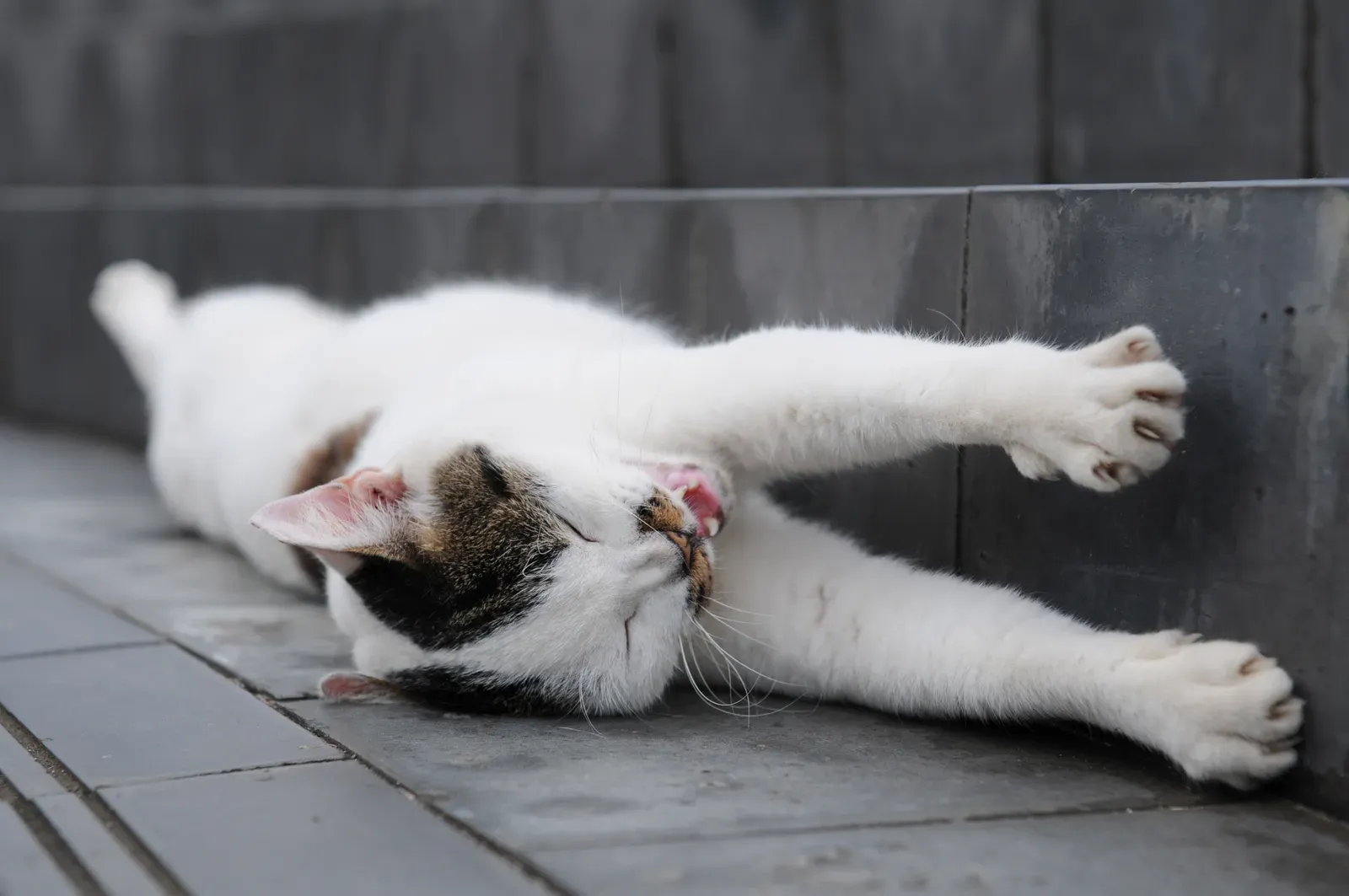
Your cat isn’t destroying your sofa out of spite; they’re actually giving themselves a full body workout that stretches muscles from their toes all the way to their neck and shoulders. Think of it like yoga for felines. Every time your cat digs those claws into fabric, they’re relieving tension and maintaining flexibility.
Scratching also helps cats mark territory, maintain healthy nails, and relieve stress. The behavior sheds the worn outer nail sheaths and exposes new, sharper claws underneath. It’s maintenance they’d do on tree bark in the wild, but your armchair is simply the next best thing. Rather than a destructive habit, scratching is your cat’s way of staying physically fit and emotionally grounded.
Knocking Things Off Tables Sharpens Their Hunting Skills
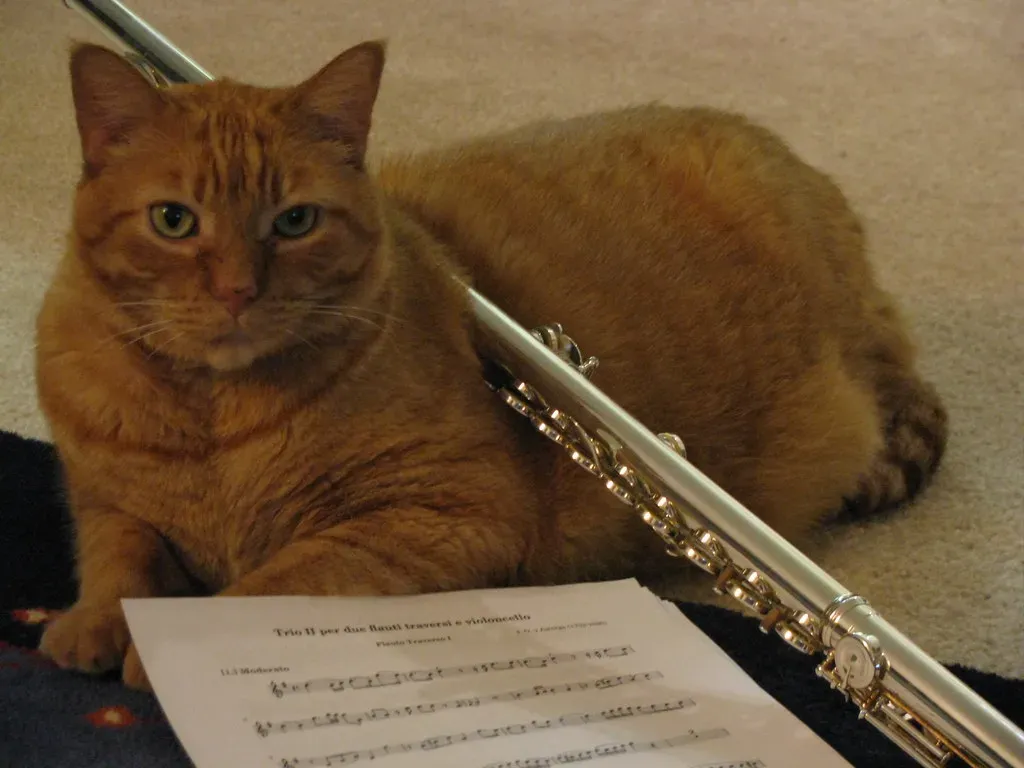
When cats push objects off surfaces, they’re activating their hunting instinct, treating fast-moving items like potential prey. Your pen rolling off the desk? That’s basically a mouse trying to escape in your cat’s mind. This behavior keeps their predatory reflexes sharp.
Knocking things over is also part of how cats examine the world around them, testing how objects move, whether they break, and what might be inside. This demonstrates curiosity, intelligence, physical capability, and engagement with their environment, all signs of a healthy, mentally active feline. Sure, it’s frustrating when your water glass ends up on the floor, but your cat is essentially conducting important scientific research about gravity and object permanence.
Midnight Zoomies Are Essential Energy Release
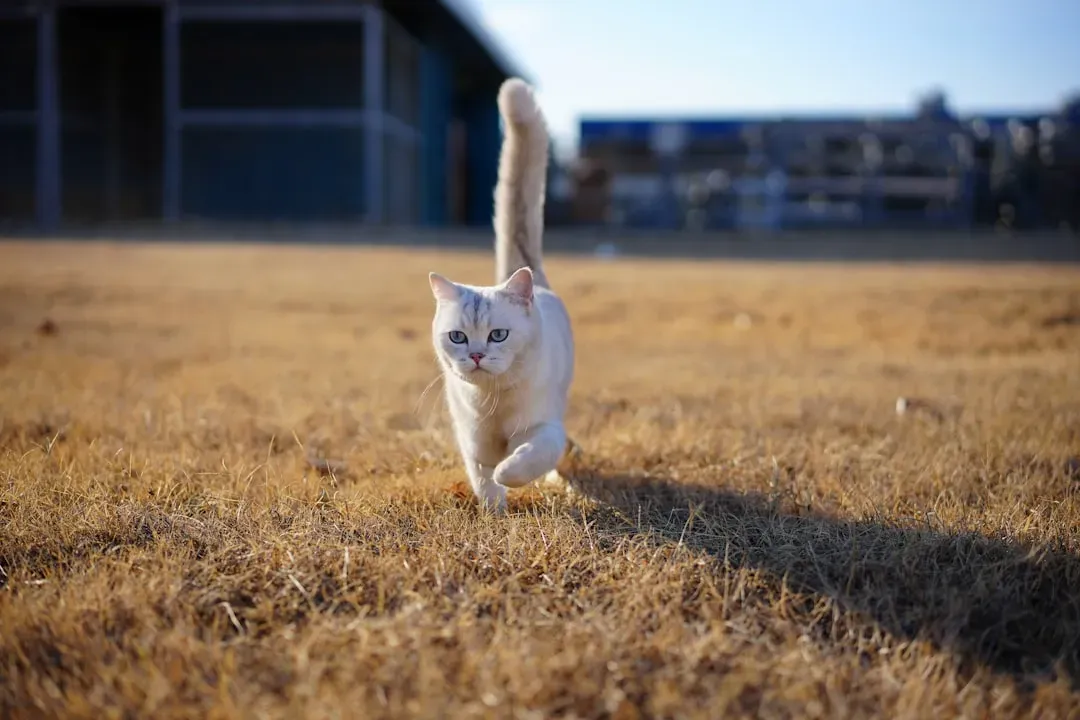
Cats need to release pent-up energy just like humans after sitting too long, especially indoor cats who have fewer opportunities to exercise, and these high-speed sessions actually benefit your cat’s health. Zoomies may release endorphins causing a pleasurable response, and from a physical standpoint, these bursts strengthen muscles, boost cardiovascular health, and support overall wellbeing.
Since cats are crepuscular, meaning they’re most active at dawn and dusk, many pet parents notice zoomies happening during early morning or evening hours. Those three AM sprints across your bed aren’t random insanity. They’re hardwired survival behavior from when wild cats needed to hunt at twilight. Your domesticated kitty still carries that ancient clock inside them.
Eating Grass Aids Their Digestion
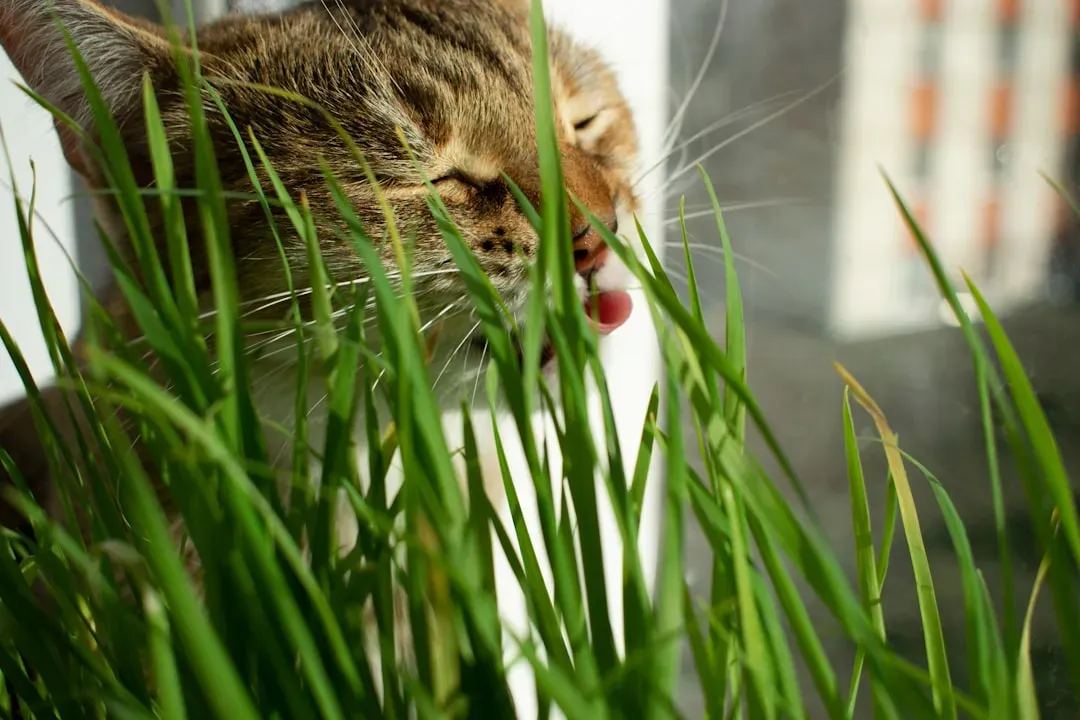
Whether it’s a source of folic acid, extra fiber, or simply a way to help your kitty pass a hairball, grass can be beneficial to your cat. When cats munch on greenery, they’re self medicating in a way. It’s natural medicine that helps them feel better.
Cats often chow down on plants mostly out of instinct, as grass acts as a digestive aid. The behavior looks odd when they immediately vomit afterward, but that’s often the point. They’re clearing out indigestible matter like fur or bits of prey. Just make sure the plants they’re munching aren’t toxic, and consider providing safe cat grass as an alternative to your houseplants.
Being Picky Eaters Protects Them From Danger
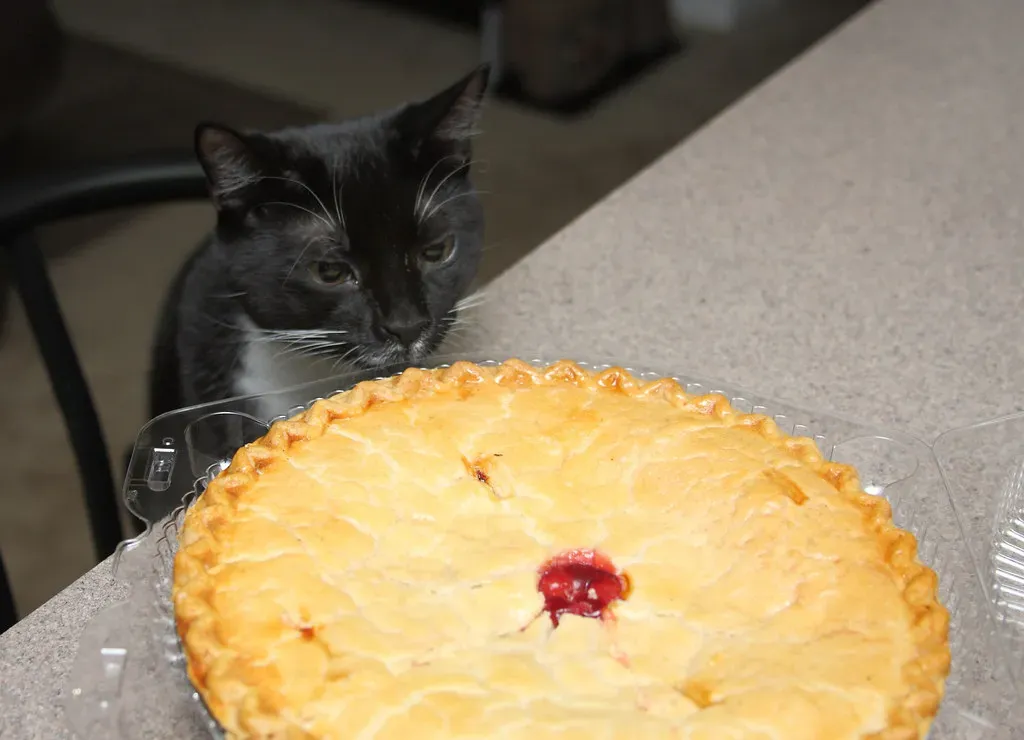
Cats evolved as solitary hunters who needed to be cautious about what they consumed. A fussy appetite isn’t just being difficult; it’s an evolutionary safety mechanism. In the wild, eating something unfamiliar or spoiled could mean death, so cats developed extremely discerning taste buds.
Cats in the wild get water from their food, which happens to be the bodies of their prey, while indoor cats don’t get nearly as much water from their food, especially if they eat a diet mostly consisting of dry kibbles. Their pickiness might actually be them seeking out foods with higher moisture content or more appealing textures. When your cat turns their nose up at dinner, they might be telling you something important about their nutritional needs.
Seeking High Places Gives Them Security and Confidence
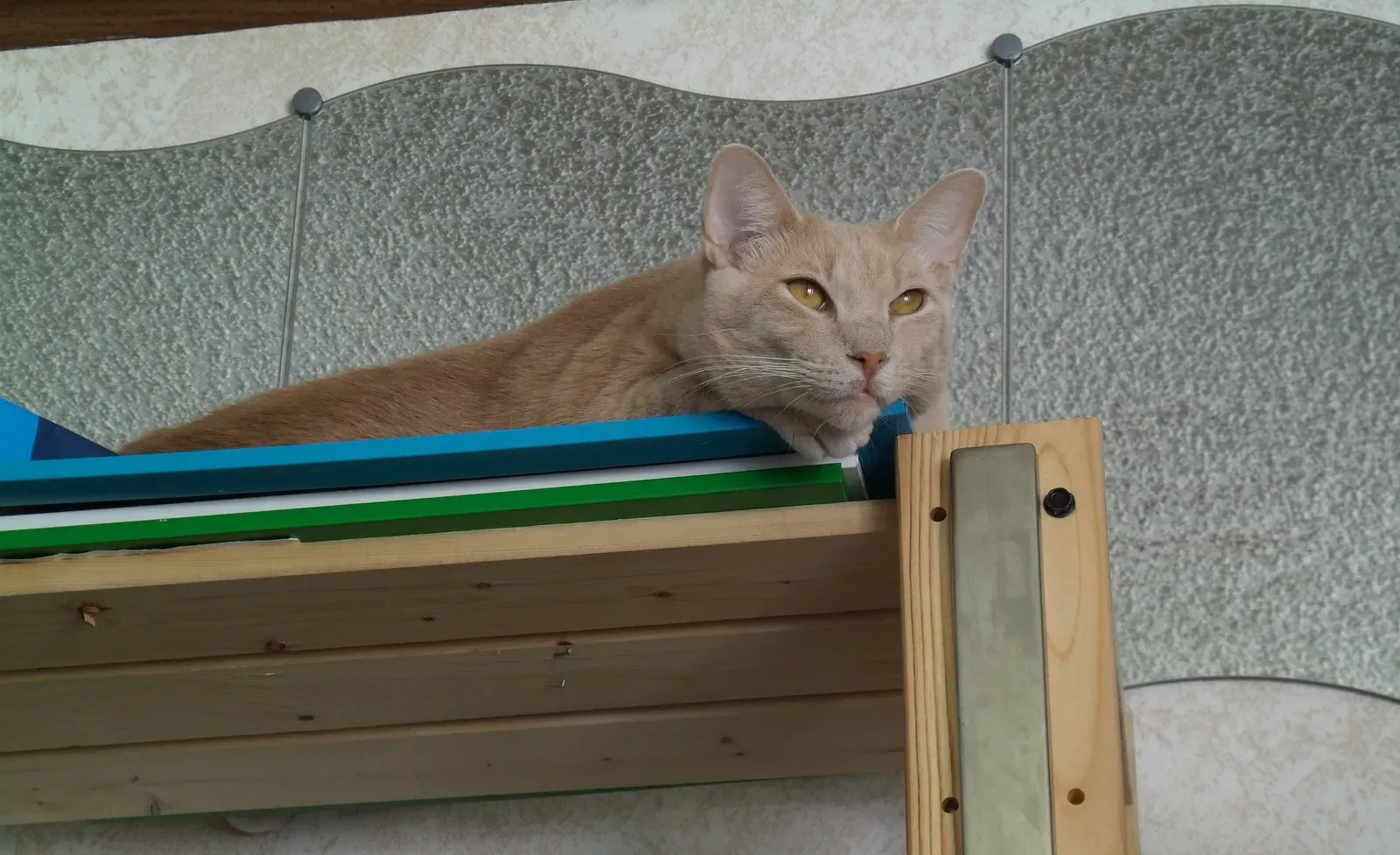
Many cats naturally seek height as a source of safety and comfort because they’re predators who also know they can be prey to larger animals, so they often seek out height as a way to stay safe. Your cat perching on top of the refrigerator isn’t just being weird. They’re finding the safest vantage point in the house.
Vertical territory allows cats to survey their domain and feel in control. It reduces stress and gives them an escape route if they feel threatened by a dog, toddler, or even another cat. Height equals power in the feline world, and denying them access to elevated spaces can actually increase anxiety and behavioral problems.
Kneading You With Their Paws Means Pure Contentment
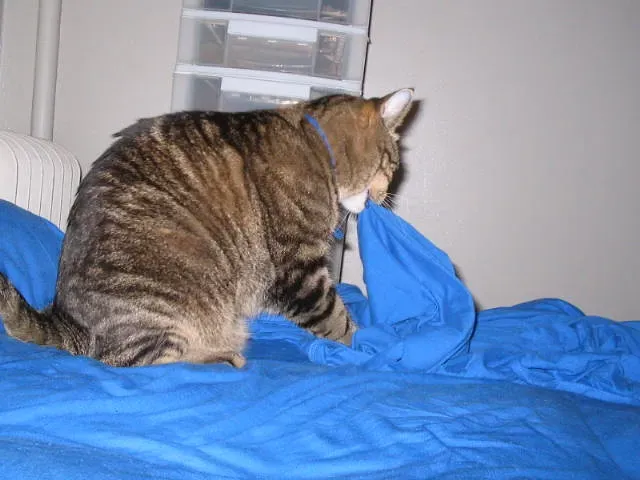
Kneading is a juvenile behavior where kittens knead their mother while feeding to keep the milk flowing, and this behavior can remain in older cats, usually occurring when a cat is comfortable, settled and warm, which means when adult cats knead, it’s a sign they’re feeling content. Those needle sharp claws digging into your lap? That’s your cat telling you they feel safe and loved.
Although sometimes annoying to the owner, it’s a sign that you have a happy cat. Some cats even purr, drool, or suck on fabric while kneading. It might hurt a bit when they get enthusiastic, but it’s one of the highest compliments a cat can give you. They’re essentially saying you make them feel as secure as they did with their mother.
Chattering at Birds Exercises Their Prey Drive
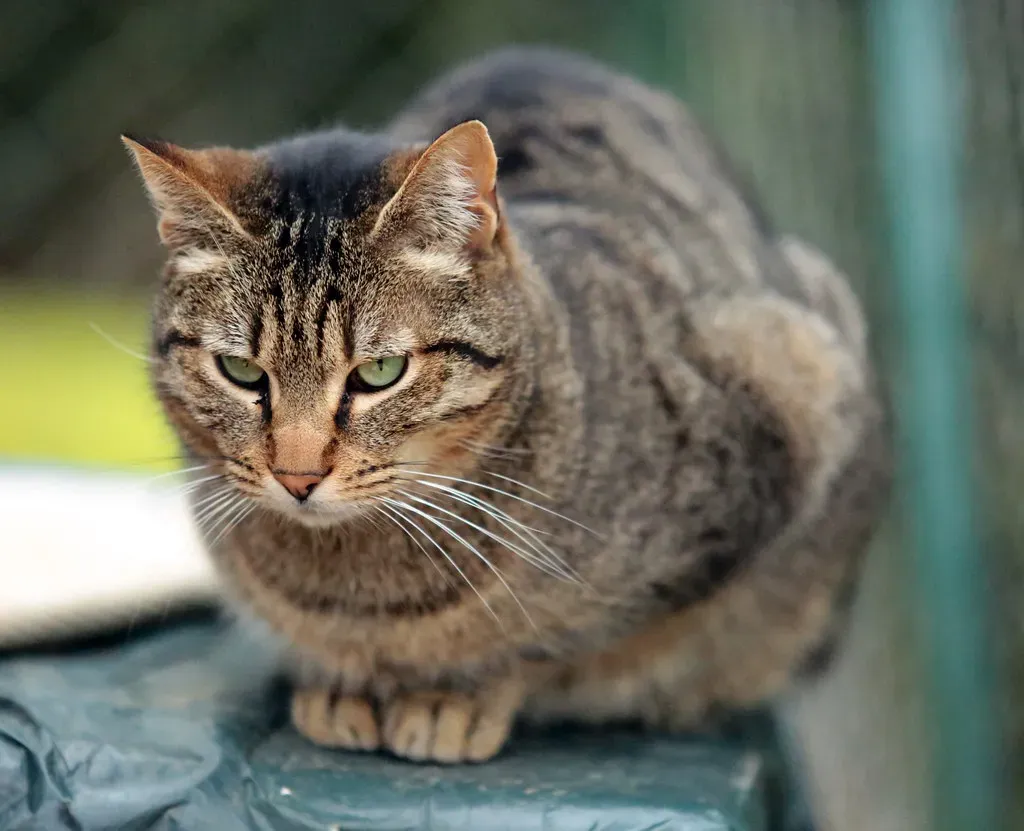
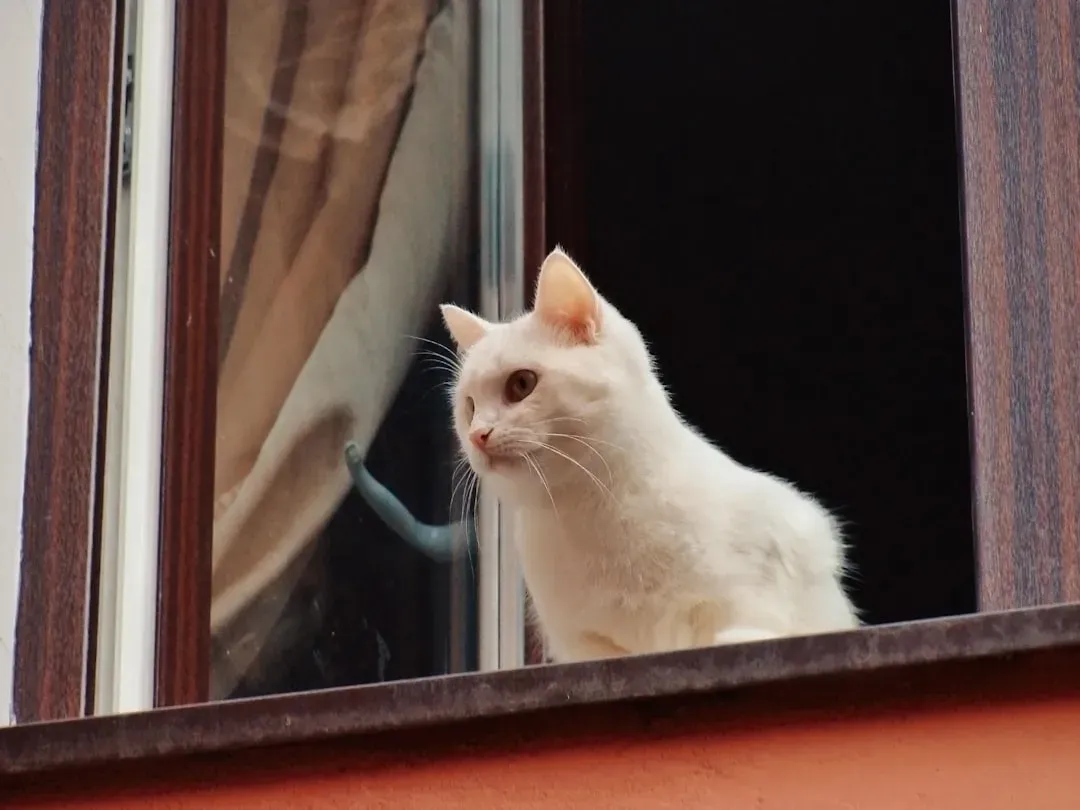
When your cat sits at the window making those strange chirping, chattering sounds at birds outside, they’re not broken. They’re practicing their kill bite. That distinctive jaw movement mimics the rapid biting motion cats use to quickly dispatch prey by severing the spinal cord.
This behavior keeps their hunting instincts sharp even when they can’t actually catch anything. It’s mental and physical practice that satisfies deep biological urges. Indoor cats especially benefit from this kind of stimulation because it gives them an outlet for natural behaviors they can’t fully express inside. Think of it as their version of watching action movies.
Hiding in Boxes Reduces Stress and Anxiety
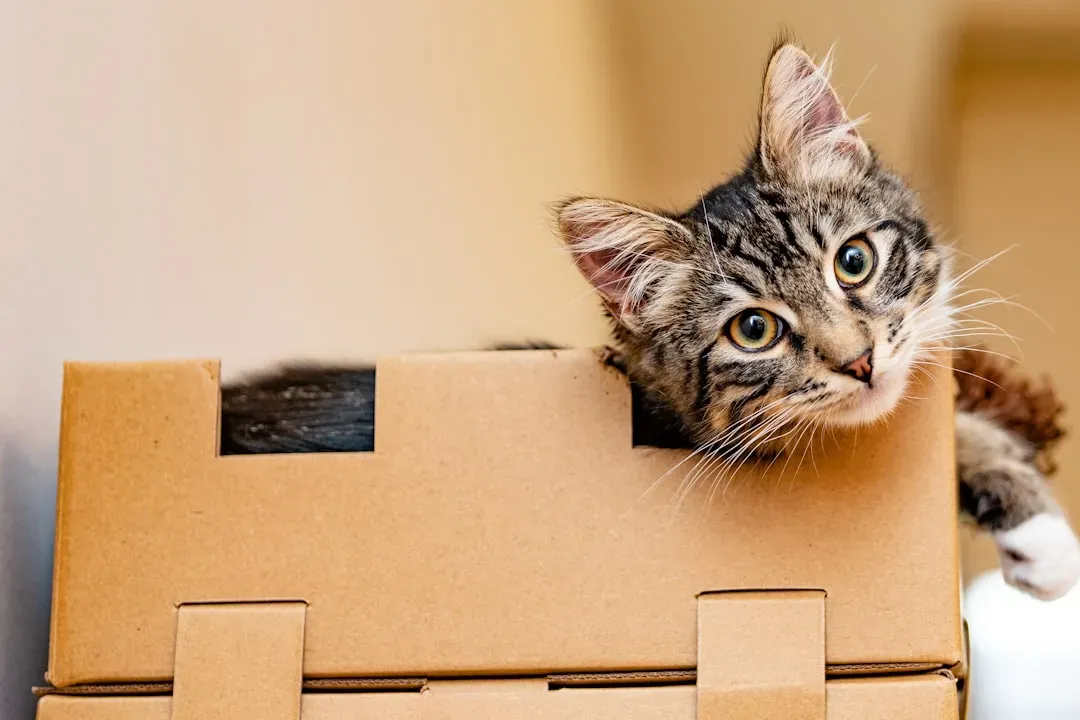
Cats are both predators and prey animals, which creates an interesting psychological dynamic. They need spaces where they feel protected from all sides. Boxes provide exactly that: a confined space where nothing can sneak up on them, yet they can still monitor their surroundings.
Studies have actually shown that cats with access to hiding boxes in stressful environments, like shelters, recover from stress significantly faster than cats without boxes. It’s not weird that your cat prefers a cardboard box to their expensive cat bed. The box offers security, warmth, and the satisfaction of being in an enclosed hunting blind. Your cat isn’t being antisocial; they’re taking care of their mental health.
Sleeping All Day Conserves Energy for Important Activities
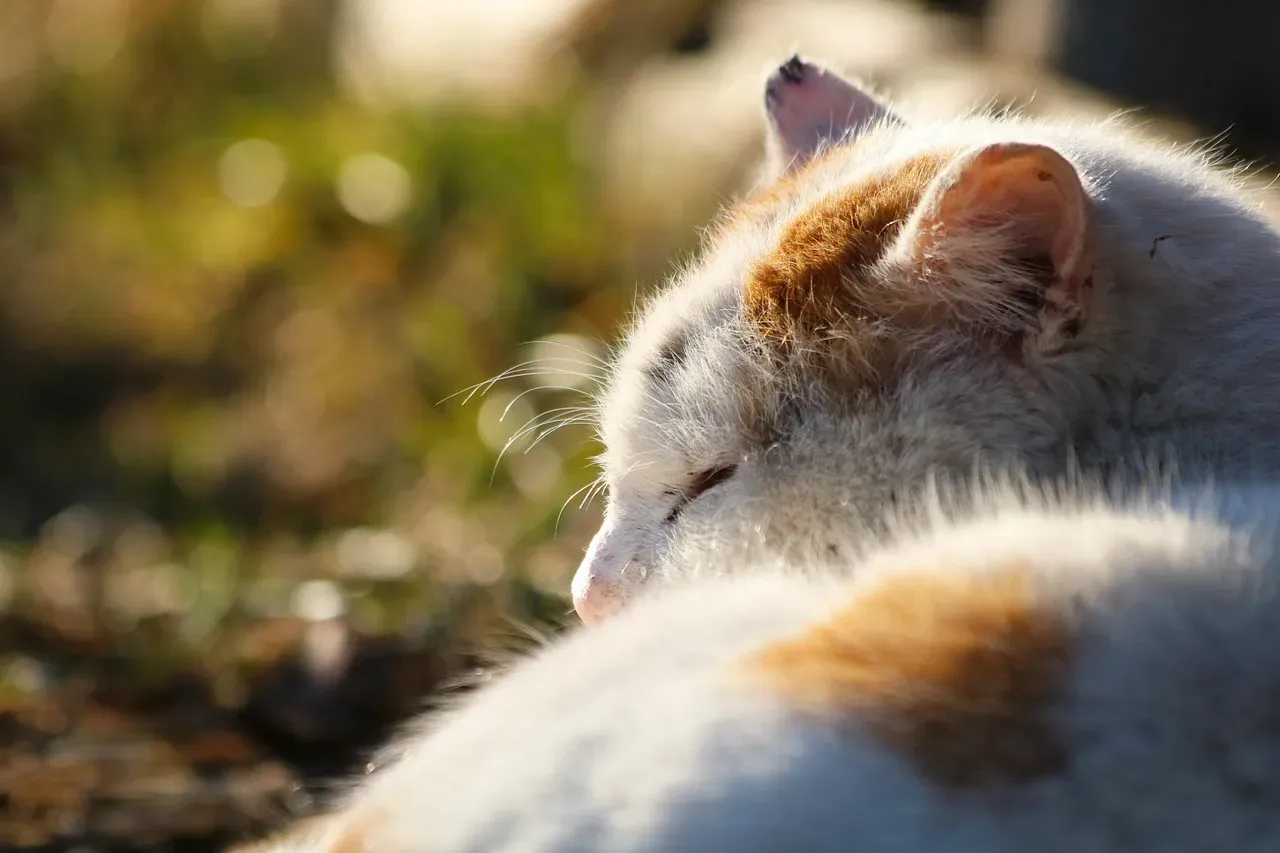
Cats sleep for an average of thirteen to fourteen hours a day, which leaves plenty of stored energy for when they’re awake, and if they haven’t expended enough energy during the day, they may have zoomies at night. All that napping isn’t laziness. It’s efficient energy management.
Cats are hunters that expend energy in big bursts while chasing prey, and indoor cats don’t get to do that, so zoomies are often their way of letting out some natural energy. Those marathon sleep sessions fuel the brief, intense periods of activity cats need to stay healthy. In the wild, this pattern kept them ready to hunt at optimal times while avoiding predators during their most vulnerable moments. Your couch potato cat is actually operating on an incredibly sophisticated biological schedule.
Conclusion: Embrace the Chaos, Understand the Purpose
The behaviors we’ve labeled as problems are often solutions to needs we don’t fully understand. In each of these situations, your cat is acting out her natural behaviors, and when she has acceptable outlets for these natural behaviors, she will be less likely to develop and continue bad habits. Scratching keeps them limber. Knocking things over sharpens their minds. Dead animal gifts express profound trust.
Maybe the real issue isn’t that your cat has bad habits. Maybe it’s that we’ve asked them to live in environments that don’t accommodate their essential needs. Instead of fighting against their nature, we can work with it by providing appropriate outlets: scratching posts instead of sofas, puzzle toys instead of your belongings, playtime before bed instead of midnight chaos.
Your cat isn’t being difficult. They’re being a cat. Those instincts have kept their species thriving for thousands of years. Next time your feline friend does something that drives you up the wall, take a breath and ask yourself what need they’re trying to meet. You might find there’s genius hiding in the chaos. What do you think? Does understanding the why behind these behaviors make them easier to accept?
Kristina is a young writer from India. An arts graduate and an avid content creator, Kristina is passionate about animals and wildlife. She enjoys exploring topics related to pet care, animal behavior, conservation, and nature, combining thorough research with engaging storytelling.