You share your home with a creature who thinks you’re fascinating yet utterly baffling. Every day, you provide food, shelter, and affection, convinced you’re giving your cat everything they need. Yet somehow, your furry companion still seems frustrated, anxious, or downright irritated with you. Here’s the thing: the problem isn’t your cat. It’s probably you.
Let’s be real, we humans mess up constantly when it comes to understanding our feline friends. We expect them to behave like miniature dogs or tiny, furry humans, but cats operate on an entirely different wavelength. The good news? Once you understand what you’re doing wrong, fixing these mistakes is surprisingly straightforward. So let’s dive in and discover the confusing behaviors you might be inflicting on your cat without even realizing it.
You’re Petting Them All Wrong
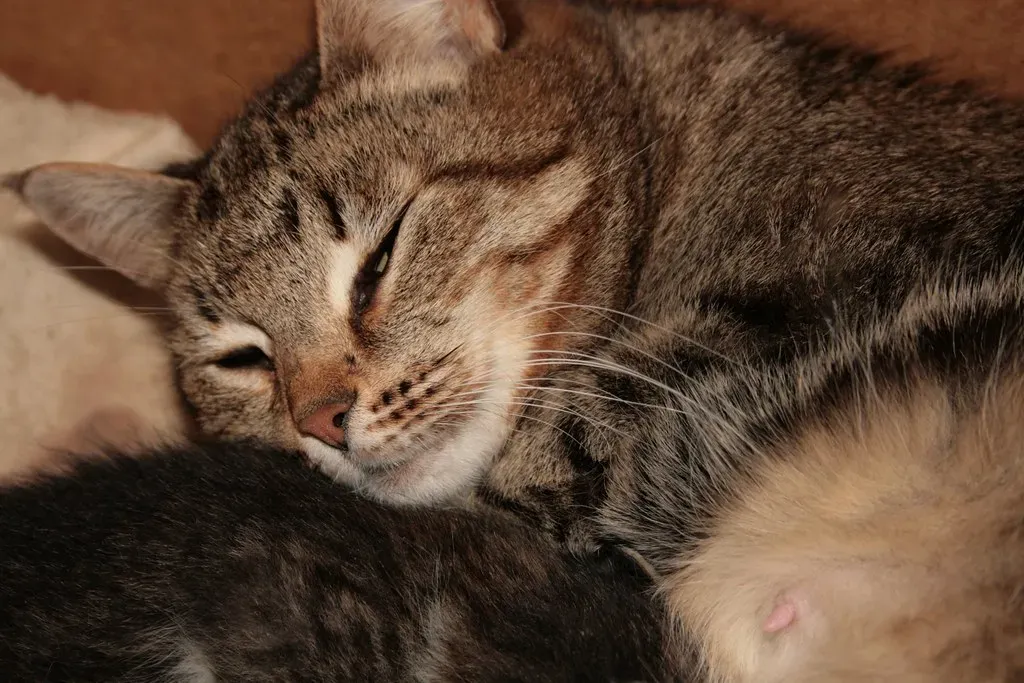
You probably don’t realize it, but where you touch your cat matters immensely. When you reach for your cat’s belly because it looks so soft and inviting, you’re actually triggering their natural defense instincts. A cat’s underside is extremely sensitive, and petting that area causes a reflexive reaction that includes wrapping their paws around your wrist and biting. It’s not aggression or betrayal. It’s pure biology.
Cats generally enjoy being touched around the base of their ears, around their cheeks, and under the chin where their facial glands are located, but they’re not keen on having their tummy, tail, or back stroked. The fix is simple: stick to the safe zones. Pay attention to your cat’s body language during petting sessions. Cats can easily become overstimulated from repetitive petting, so start very gently and watch their reactions closely.
You’re Ignoring Their Personal Space Boundaries

Many cat owners accidentally push their pets too far by not recognizing when a cat wants to be left alone, which can result in scratches, bites, or anxiety. You might think you’re showing love by constantly picking up your cat or forcing them onto your lap, but to them, you’re being intrusive and unpredictable. Cats aren’t like dogs who typically welcome physical contact whenever you offer it.
Successful cat interactions begin with allowing the cat to make the first move by extending your hand and letting them approach and sniff first, which respects their need to assess the situation and gives them control. Think about it from their perspective: would you want someone twice your size grabbing you whenever they felt like it? Let your cat come to you on their terms, perhaps with a little treat to entice them, but also let them go free when they start to wriggle away.
You’re Not Keeping Their Litter Box Clean Enough

Here’s an uncomfortable truth: your cat thinks their litter box is disgusting. Cats prefer the litter box to be clean every time they use it, which means cleaning after every use or at least a couple of times per day, and an unclean litter box can make your cat reluctant to use the bathroom. Imagine being forced to use a public restroom that hasn’t been cleaned in days. That’s what you’re asking your cat to tolerate.
Cats do not like dirty places and they may end up eliminating on the floor or rug if the litter boxes aren’t clean enough, because unclean litter boxes are equivalent to unflushed toilets. The solution isn’t complicated, just inconvenient: scoop daily, change litter weekly, and consider having multiple boxes. As a rule of thumb, it’s best to have at least one and a half litter boxes per cat, so if you have one cat you need two boxes, two cats need three boxes. Also, ditch the scented litter. While lavender and citrus-scented litters may please our noses, they can be like olfactory assaults to cats.
You’re Overfeeding Them Without Realizing It
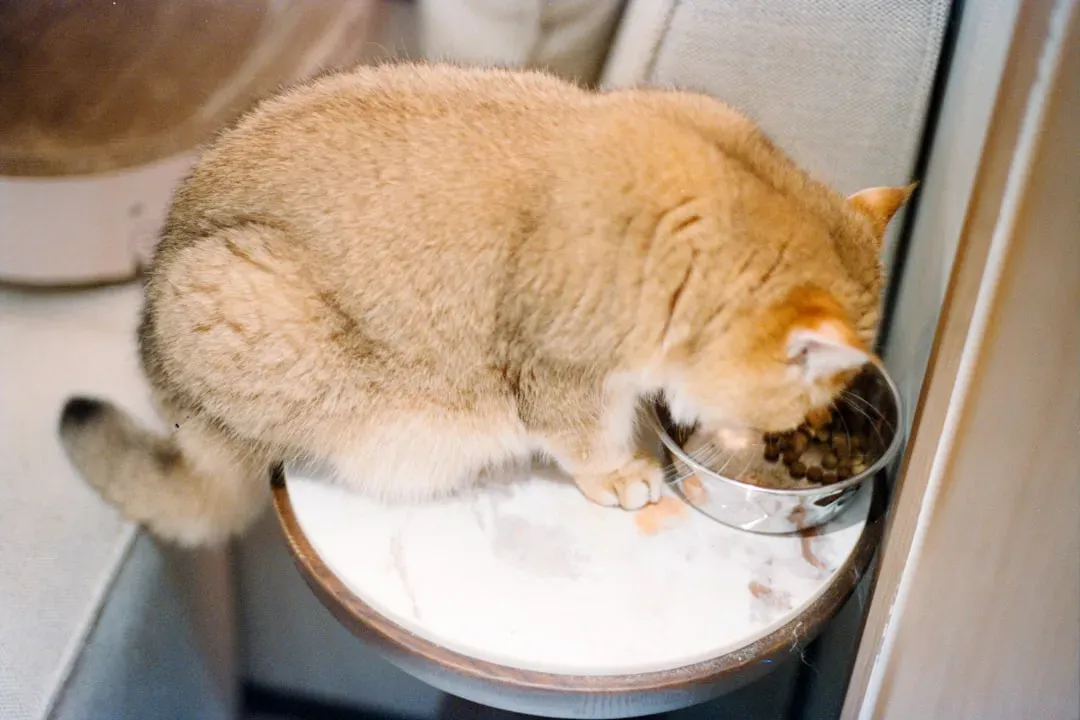
The most common mistake is cat owners feeding their cats too much food per day, with over half of cats being overweight, and this trend is increasing as people overfill the food bowl, leave it available all day, and forget that treats contribute to total daily calories. Your cat’s pleading eyes and persistent meowing don’t mean they’re starving. They mean they’ve trained you exceptionally well.
Leaving food out all day is particularly problematic. Leaving a bowl of food out all day is one main driver of obesity, and especially if your kibble brand is high in carbs, your cat will be tempted to overeat. Overfeeding can lead to obesity and increase your cat’s risk of developing various health conditions that can shorten their lifespan, including heart disease, liver disease, arthritis, pancreatitis, and diabetes. Measure your cat’s food carefully, split it into scheduled meals, and resist those manipulative meows. Your cat might act annoyed initially, but their future health will thank you.
You’re Forcing Interactions When They’re Not in the Mood
Even a normally docile and affectionate cat has limits, and once a particular threshold is crossed, they may become overstimulated, which can result in a nip. Cats aren’t being difficult when they suddenly bite after seemingly enjoying your attention. They’ve likely been sending you signals for minutes that you completely missed.
Learn basic cat body language cues like tail flicking, flattened ears, or dilated pupils and give your cat space when needed. Tail flicking can be a sign of agitation or alertness, and some cats will sometimes show their lack of receptivity by flicking their tail. When you see these warning signs, stop whatever you’re doing immediately. Back off and let your cat reset. Building a relationship with your cat means respecting their emotional state, not just your desire for cuddles. The most important thing is to take things slowly and at your cat’s own pace, never forcing an interaction and always allowing your cat to escape and hide away if they want to.
You’re Punishing Normal Cat Behavior
Punishing a cat for normal behavior is just as effective as punishing a human infant for crying, and the majority of cat behavior is normal for the cat but doesn’t fit with the owner’s expectations. Your cat isn’t scratching your furniture to spite you. They’re not knocking things off counters because they’re evil. They’re doing what cats naturally do.
Declawing is painful and unnecessary, and harsh punishment like yelling or squirting water can create fear and damage your bond with your cat. Don’t punish your cat as this can damage trust and create fear; instead, focus on rewarding behavior you want to see more of, and it isn’t necessary because your relationship with your cat will be better if you work with them, not against them. Provide scratching posts, redirect unwanted behaviors, and reward the good stuff. Punishment doesn’t teach cats what to do; it only teaches them to fear you.
You’re Inconsistent With Their Routine

Cats are really schedule and routine-oriented, so you want to do the same things at the same time each day, which can really help to acclimate cats and create a routine for your cat’s daily schedule. When you feed your cat at wildly different times, play sporadically, or constantly rearrange their environment, you’re creating unnecessary stress and confusion.
Cats are creatures of habit and they do not like changes to their routine including their food. Predictability isn’t boring to cats. It’s comforting. It makes them feel secure and in control of their environment. The more they know when to expect what, the more confident and relaxed they’ll feel at home, which provides more incentive for them to seek closeness with their human family members. Set feeding times, maintain regular play sessions, and keep their resources in consistent locations. Your cat’s nervous system will thank you.
You’re Neglecting Regular Vet Visits

Cats are excellent at hiding pain and sickness, so you may not notice that something is wrong until the illness has progressed, making treatment more difficult and expensive, but through routine veterinary care, veterinarians can identify health concerns early. Just because your cat lives indoors doesn’t mean they’re immune to health problems. Honestly, this assumption has probably cost more cats their health than almost any other misconception.
Annual or twice-yearly vet exams help catch hidden illnesses early, especially in senior cats. As cats age, more frequent veterinary care becomes important, and senior cats over the age of ten benefit from twice-yearly exams because their health can change rapidly, as older cats are at increased risk of developing hyperthyroidism, arthritis, kidney disease, and cancer. Research has shown that cats visit the veterinarian less than dogs, and one reason is the lack of knowledge about preventive clinical care, which negatively affects feline health as many medical problems could be avoided with regular veterinary care. Schedule those checkups. Your cat might hate the carrier ride, but preventive care can add years to their life.
Conclusion

The beautiful irony of living with cats is that they’re simultaneously low maintenance and incredibly complex. They don’t need walks or constant entertainment, but they do need you to understand their unique communication style and respect their boundaries. Most of the mistakes we make stem from treating cats like small dogs or assuming they’ll tolerate whatever we dish out simply because we provide food and shelter.
Your relationship with your cat doesn’t have to be a mystery. Start paying attention to their body language, respect their need for control and routine, maintain their environment properly, and prioritize their health. These aren’t grand gestures. They’re small, consistent actions that tell your cat you see them, understand them, and respect them as the independent yet affectionate creatures they are.
What surprised you most about these mistakes? Did you recognize yourself in any of them? Your cat has been trying to tell you something all along. Maybe now you’ll finally understand what they’ve been saying.
Kristina is a young writer from India. An arts graduate and an avid content creator, Kristina is passionate about animals and wildlife. She enjoys exploring topics related to pet care, animal behavior, conservation, and nature, combining thorough research with engaging storytelling.