You’ve probably experienced it countless times. Your cat climbs onto your lap, settles in, and suddenly those little paws start pushing rhythmically into your legs. One paw at a time, over and over, like they’re working invisible dough. It’s oddly mesmerizing to watch. Some people call it making biscuits, others say their cat is pawing or even playing the piano. Whatever you call it, this behavior is one of the most endearing and mysterious things your feline friend does.
Let’s be real, though – it can also be a bit painful when those claws dig in. Still, there’s something deeply satisfying about knowing your cat is happy enough to do this right on you. Have you ever wondered what’s really going on in that fuzzy little head during these kneading sessions? The answer might surprise you because this behavior tells you far more about your cat’s emotional state than you might think. So let’s dive in and uncover what your cat is really trying to say when those paws start working their magic.
It All Starts in Kittenhood
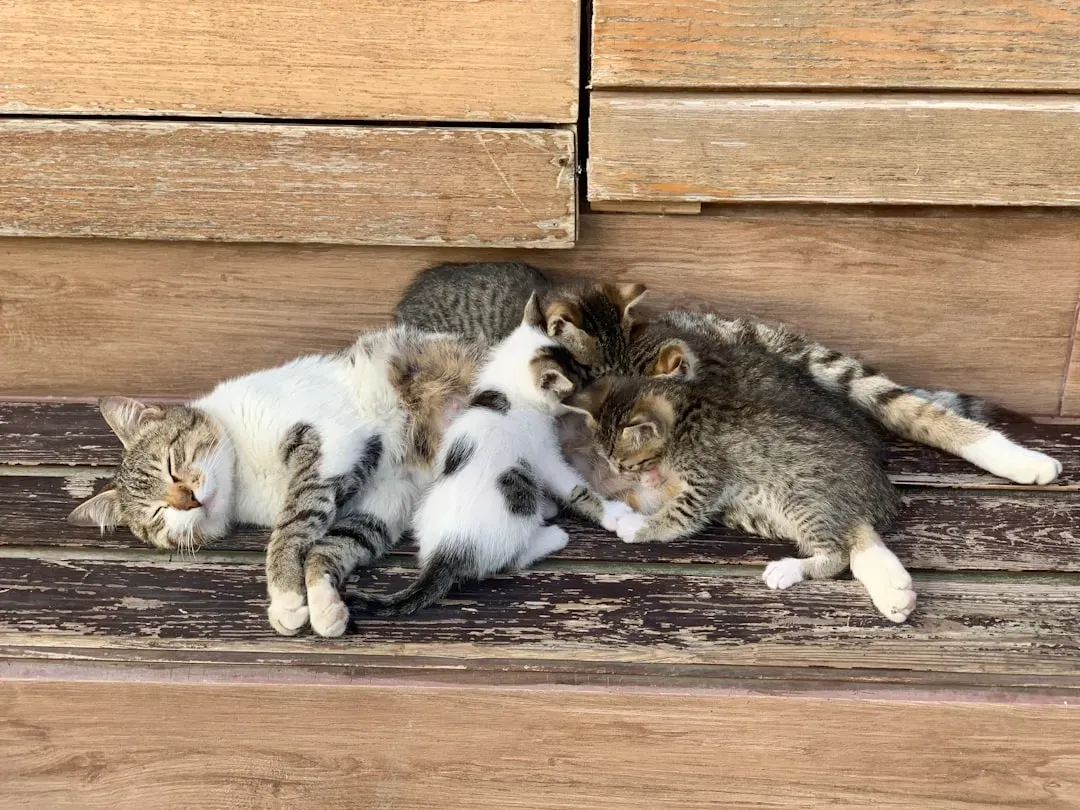
Your cat’s kneading behavior actually begins the moment they’re born, when kittens press their paws against their mother’s belly to stimulate milk flow. This isn’t something they have to learn or figure out. It’s hardwired into their tiny brains from day one, an instinct as natural as breathing.
Kittens use this kneading action to stimulate milk production from their mother, and the nursing experience combined with calming pheromones encourages a sense of contentment in young kittens. Think about it – every time a kitten kneads, they’re rewarded with warm milk and the comfort of being close to their mother. That’s a powerful association that sticks around long after they’re weaned. The kitten’s kneading stimulates milk flow and may also release oxytocin, a social bonding hormone, in the mother. So it’s not just about food, it’s about connection and safety too.
Why Adult Cats Keep Making Biscuits
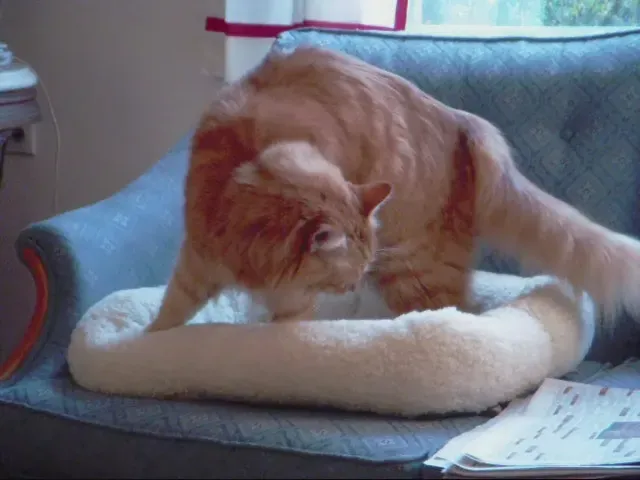
Here’s where it gets interesting. Adult cats sometimes keep the behavior long after they have fully developed, and it’s not unusual for domesticated animals to retain juvenile traits into adulthood – a phenomenon called neoteny. Basically, your cat never fully grew out of being a kitten in some ways, and honestly, that’s part of what makes them so lovable.
Kneading, meowing, and purring are all things that humans unknowingly encourage cats to maintain in their repertoire, and free-living domestic cats that aren’t socialised towards humans don’t tend to perform these behaviours when they leave the nest. So in a way, your cat kneads because you’ve created an environment where they feel safe enough to stay in that kitten-like state of trust. This behaviour persists in adult cats because of neoteny, when an animal retains their juvenile physical or behaviour traits into adulthood, and it’s likely these traits are advantageous for cats when needing to socialise with humans.
Kneading Releases Feel-Good Brain Chemicals
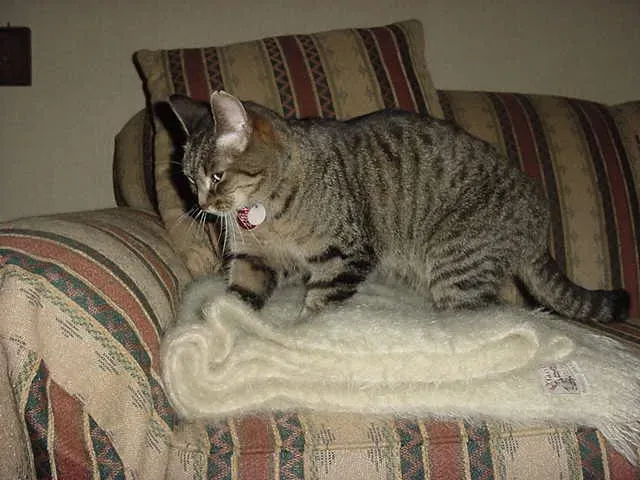
The action of kneading in cats causes the release of the pain-relieving, feel-good chemical dopamine in the brain. That’s right – your cat is essentially giving themselves a natural high every time they knead. It’s similar to how humans might feel after a good workout or when eating chocolate. The brain rewards the behavior, which is probably why your cat can get so absorbed in the motion.
Cats experience a release of endorphins when they knead, which is the body’s natural painkiller, and kneading can be very calming for cats and produce a sense of comfort and relaxation. You might notice your cat gets this glazed, almost trance-like look in their eyes while kneading. Whilst cats knead it’s not unusual for them to appear to be in a trance-like state and look almost glazed over, which just means that they’re completely relaxed. They’re literally in their happy place.
Your Cat Is Claiming You as Their Own
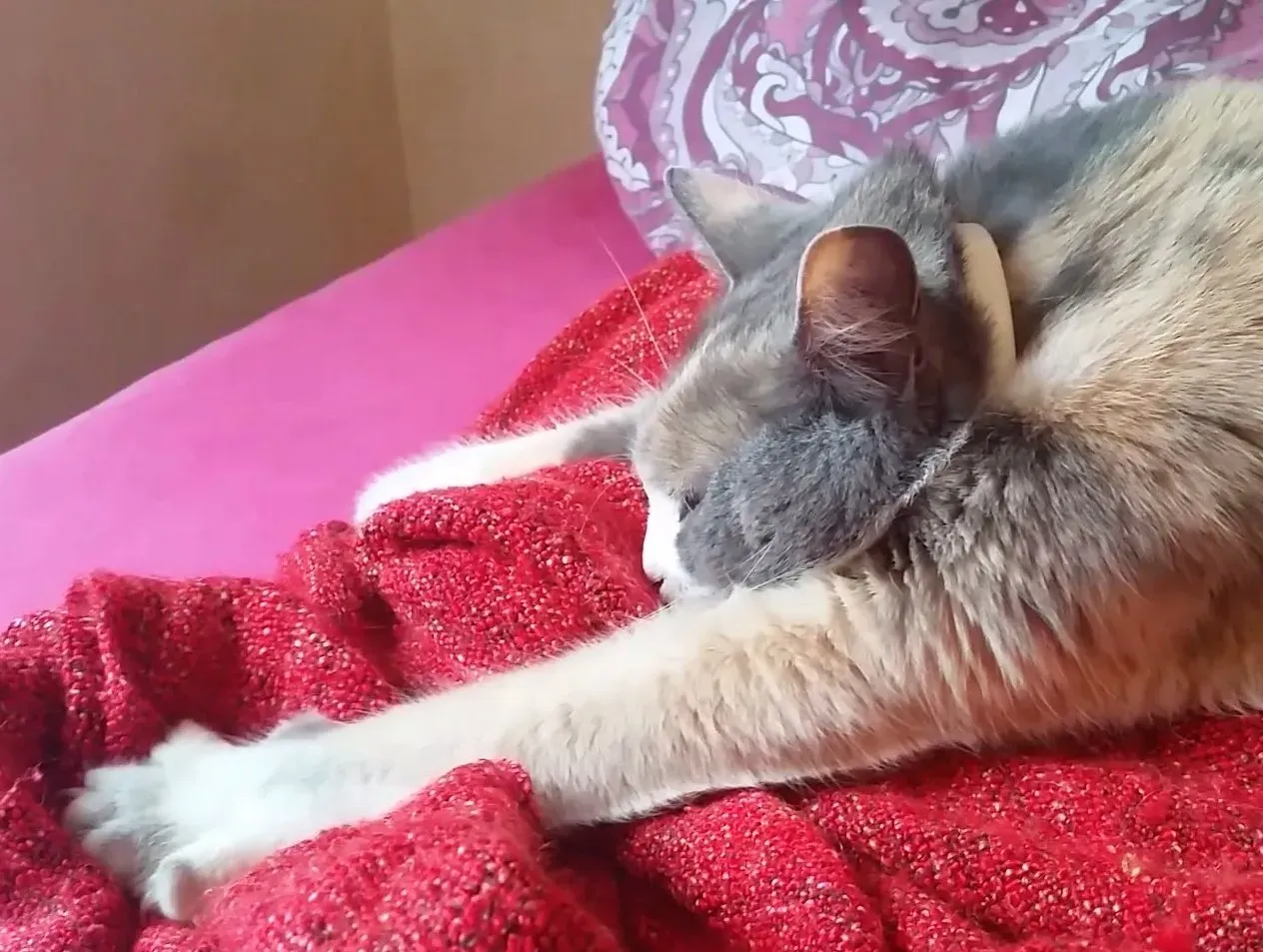
Cats have scent glands in their paw pads, and when they knead, these glands are activated and they leave behind their unique scent, marking their territory to communicate to others that the space they are in belongs to them. So when your cat kneads you, they’re not just showing affection – they’re also telling every other cat in the universe that you belong to them.
Your cat may also knead to mark you with the pheromone glands in his paws, claiming you as his with his unique scent. It’s possessive, sure, but in the most adorable way possible. Kneading on your lap is a cat’s way of saying “we’re affiliated” or “you’re in my social group,” or to be very human about it, “you’re my person”. There’s something deeply touching about that, isn’t there?
It’s the Ultimate Expression of Trust and Comfort
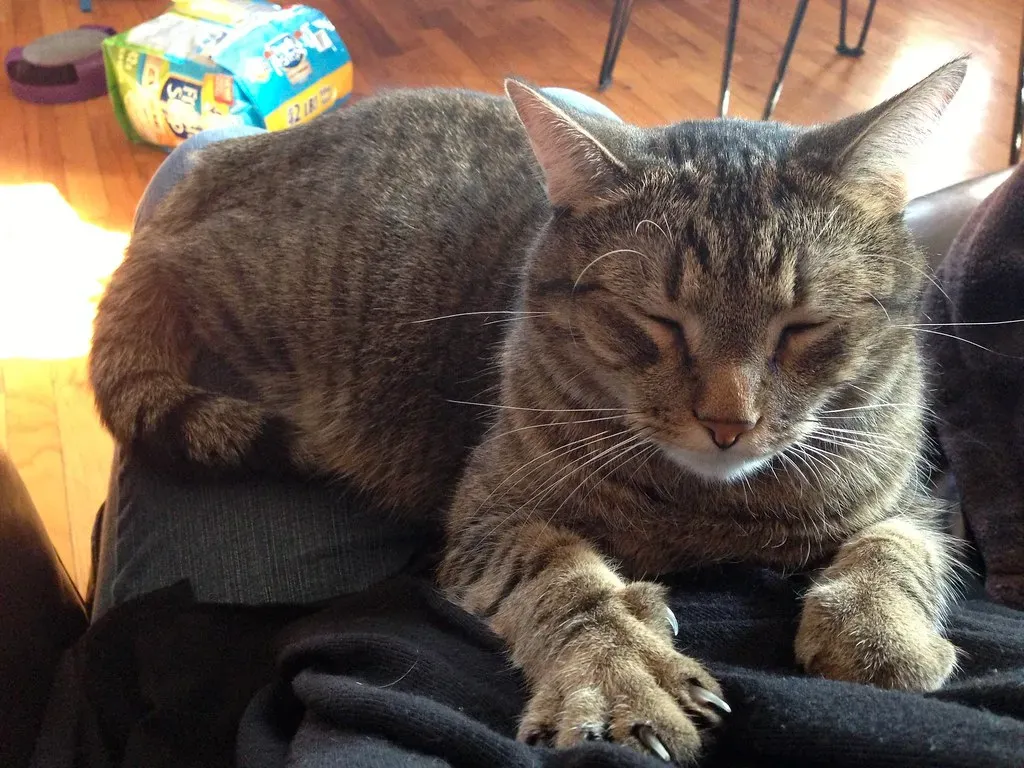
When a cat kneads their owner, it can be a sign of trust and affection, demonstrating that the cat feels safe and comfortable in the presence of their human companion. This is the heart of the matter. Your cat wouldn’t knead on you if they didn’t feel completely secure. It’s that simple.
Cats may continue kneading into adulthood, particularly when in the presence of someone with whom they feel safe, or when they get on a particularly fluffy cushion or blanket, because they associate the behavior of treading their paws with the comfort they felt when they were nursing. Think about the implications here. Your adult cat is treating you the same way they once treated their mother. If your cat kneads on or around you, it means they feel as safe and relaxed around you as they did with their mother as a kitten.
Kneading Helps Them Prepare Their Space
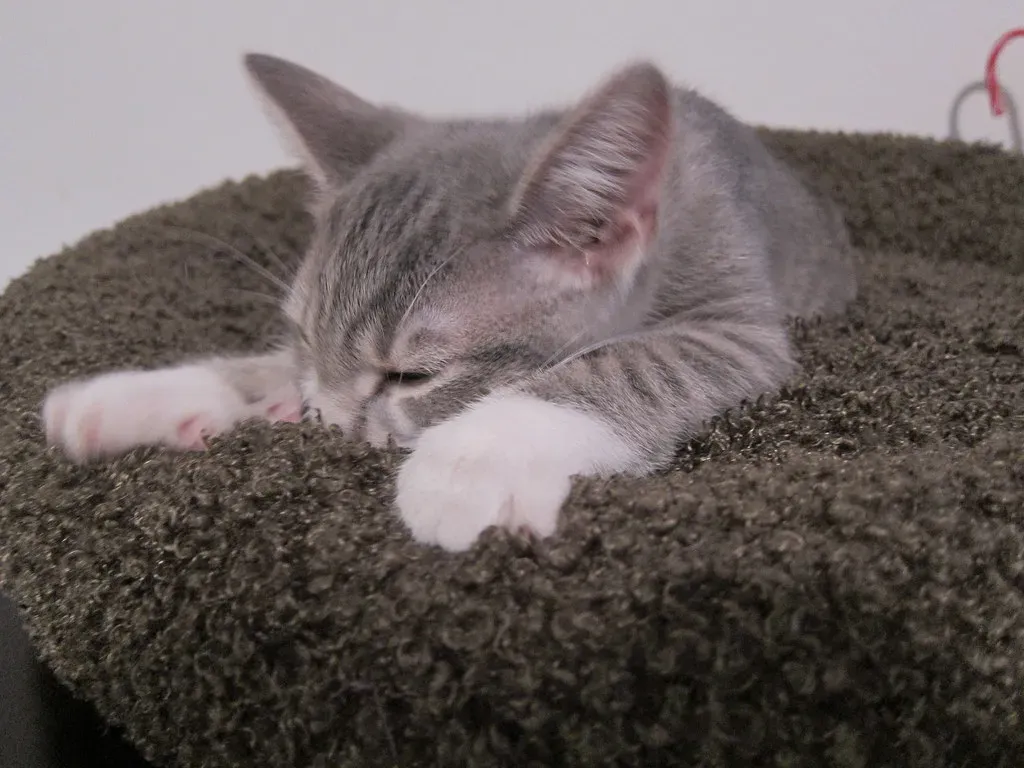
Kneading may have an origin going back to cats’ wild ancestors who had to tread down grass or foliage to make a temporary nest in which to rest. This ancestral behavior is still part of your domestic cat’s repertoire. In the wild, a comfortable sleeping spot could mean the difference between rest and vulnerability to predators.
In the same way you may see a dog spin in circles before laying down and getting comfortable, you may see a cat kneading to create a soft sleeping place before they lay down and get comfortable, as cat’s wild feline ancestors would knead tall grass to create a resting place. So when your cat kneads your lap before settling down for a nap, they’re essentially fluffing their pillow. You’re their favorite resting spot, and they’re making sure it’s just right before they commit to sleep.
The Connection Between Kneading and Purring

Many cats purr while kneading, and they also purr mostly when newborn, when feeding, or when trying to feed on their mother’s teat, suggesting the common association between the two behaviors may indicate the origin of kneading as a remnant instinct. Have you noticed how often these two behaviors go hand in hand? It’s hard to say where one ends and the other begins sometimes.
When cats knead and purr simultaneously, it’s likely a sign of sheer contentment and relaxation, meaning you are providing them with a wonderfully happy, comfortable home, and the combination is a throwback, of sorts, to their days as kittens, when kneading their mother’s belly stimulated milk flow. If your cat is doing both at once while sitting on you, congratulations – you’ve achieved peak cat parent status. That’s genuine feline happiness right there.
What If Your Cat Doesn’t Knead?
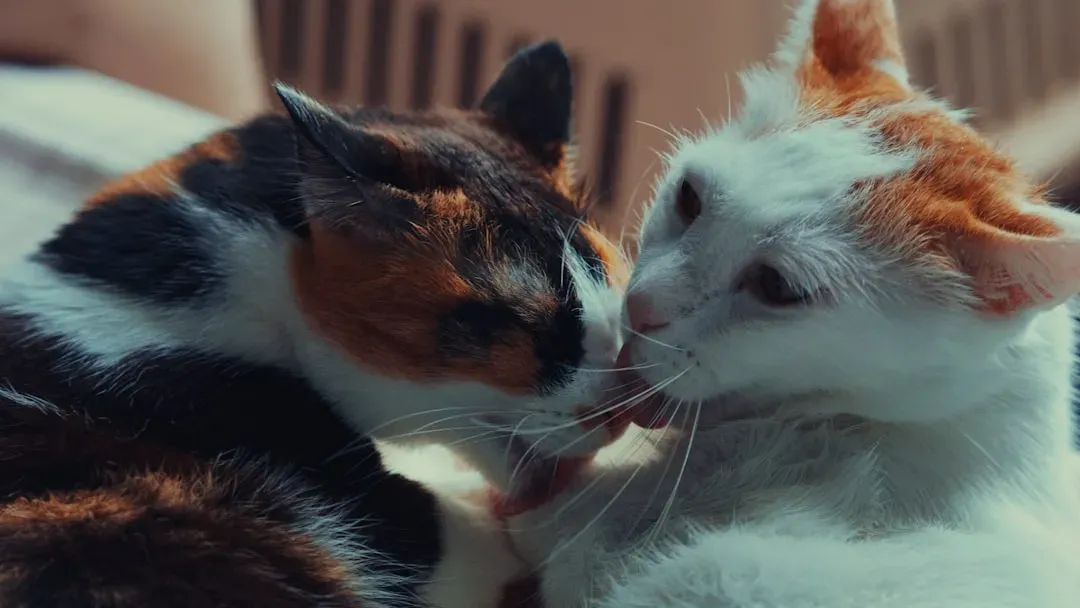
If your cat doesn’t knead you, it’s not because they hate you, as there are simply a lot of differences between individual cats, and the need to knead or absence of it doesn’t necessarily indicate how they feel about you. Honestly, cats are individuals with their own quirky personalities. Some are kneaders, some aren’t, and that’s perfectly fine.
If your cat doesn’t knead, that doesn’t mean it doesn’t have a bond with you, as there are probably other affiliative behaviors they’re engaging in, like purring or rubbing on you or even just sitting next to you. Your cat might show love in different ways – slow blinks, head butts, following you around the house, or sleeping near you. Some cats don’t knead at all, and just like people, cats are individuals and like to show that they are comfortable or affiliated with you in their own ways.
When Kneading Might Signal a Problem
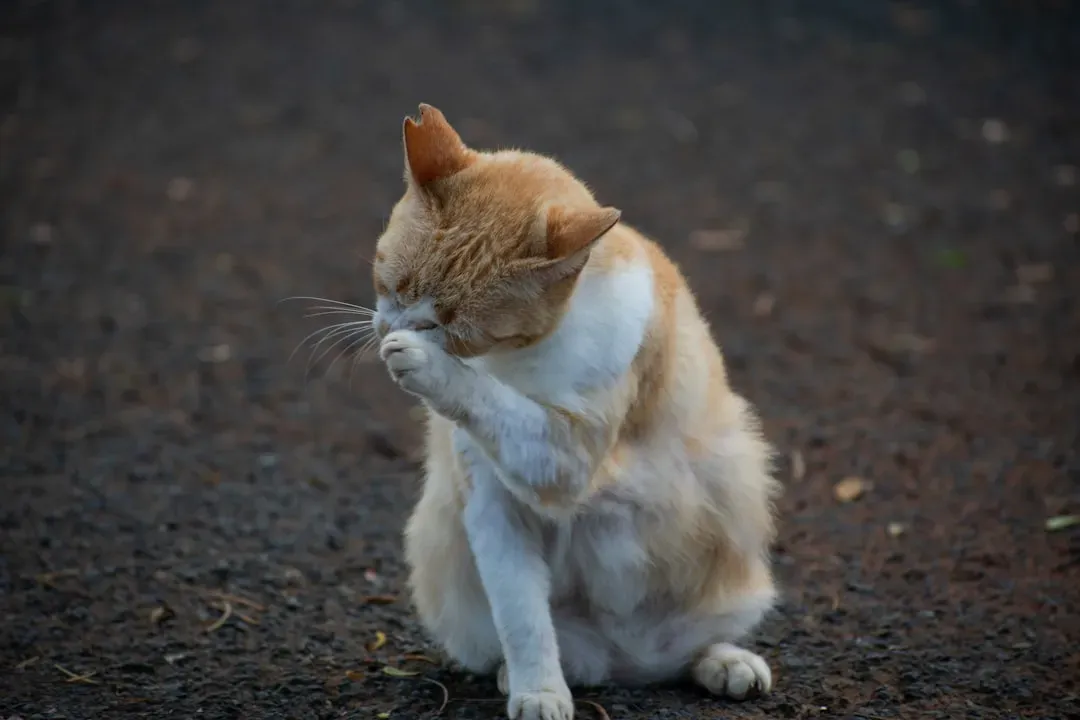
Increased or excessive kneading can be a sign that your cat is uncomfortable or anxious, and their kneading could be an attempt to soothe themselves, as this release of dopamine also motivates your cat to continue kneading to receive additional bursts of the hormone. It’s hard to say for sure, but if your cat suddenly starts kneading way more than usual, it might be worth paying attention to.
If the kneading and especially sucking occur very frequently, for a long time, appear compulsive or are beginning to damage your cat’s paws, legs or mouth, it may be a sign your cat is stressed or in pain and needs to see a vet. Sometimes cats knead to cope with discomfort or anxiety, using the behavior as a self-soothing mechanism. If something feels off about your cat’s kneading patterns, trust your instincts and check with your veterinarian.
How to Manage Painful Kneading Sessions
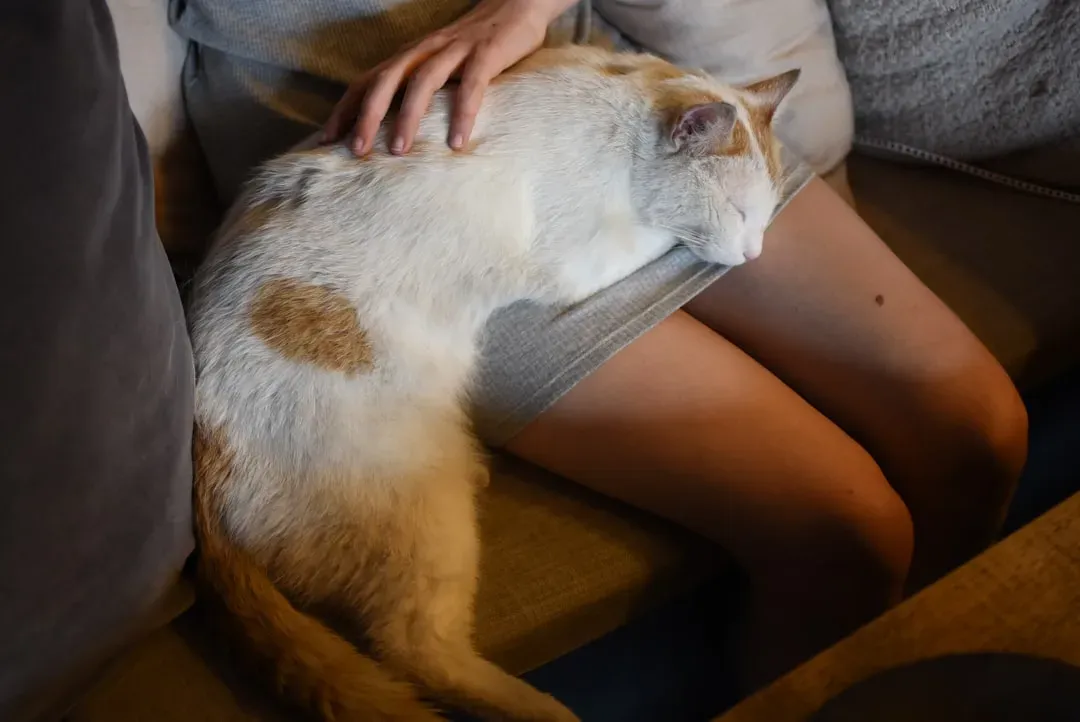
Let’s be honest – while kneading is adorable, it can hurt when those sharp claws dig into your skin. If a cat’s caregiver finds kneading painful, they can place a thick blanket or cushion on their lap for the cat to sit on and knead, which will help protect them, and the blanket or cushion can also be left out in the environment for the cat to knead when the caregiver isn’t present.
Your cat should never be punished for kneading by yelling, hitting, or spraying with a squirt bottle, as punishing your cat in this manner may cause fear and anxiety, and it may not correct the kneading because he may resort to kneading when you are not around instead. Remember, your cat isn’t trying to hurt you – they’re expressing pure contentment. Because of kneading’s positive associations and innate nature, experts say it’s important to avoid punishing the behavior, and you can strive to keep those claws trimmed and consider grabbing a plush blanket or pillow to protect yourself.
Embrace the Biscuit-Making

If your cat is kneading, it is likely content, as kneading is a pleasurable experience for cats, and adult cats knead when they are relaxed and happy or when they are on a very soft, inviting blanket. At the end of the day, kneading is one of the clearest signs that your cat is happy. It’s a visible, tangible expression of bliss that your cat chooses to share with you.
Kneading usually means the cat feels happy, friendly and safe. When your cat climbs onto your lap and starts that rhythmic pressing motion, they’re not just making biscuits – they’re showing you that you’ve created a home where they feel loved, secure, and content. That’s honestly one of the greatest compliments a cat can give. The next time those paws start working, take a moment to appreciate what your cat is really telling you. They’ve chosen you as their safe space, their family, their person.
What do you think about your cat’s kneading habits now? Has this changed how you’ll view those biscuit-making sessions? Share your thoughts in the comments below.
Kristina is a young writer from India. An arts graduate and an avid content creator, Kristina is passionate about animals and wildlife. She enjoys exploring topics related to pet care, animal behavior, conservation, and nature, combining thorough research with engaging storytelling.