You walk through the door after being gone for hours, and there’s your cat. Maybe they’re staring at you from across the room, or maybe they’ve already darted away. You might think they didn’t even notice you were gone.
Here’s the thing, though. Your cat definitely noticed. They might not greet you like a golden retriever who acts like you’ve returned from war, but underneath that cool exterior, something was happening while you were away. Cats are fascinating creatures, full of contradictions and quiet signals that we often misinterpret. Let’s be real, they’ve mastered the art of playing it cool even when their world feels a little off without you there.
What you’re about to discover might surprise you. These ten behaviors aren’t always obvious, and some of them might even seem a bit strange. Ready to decode what your feline friend is really up to when they miss you? Let’s dive in.
They Wait By the Door Like a Furry Sentinel
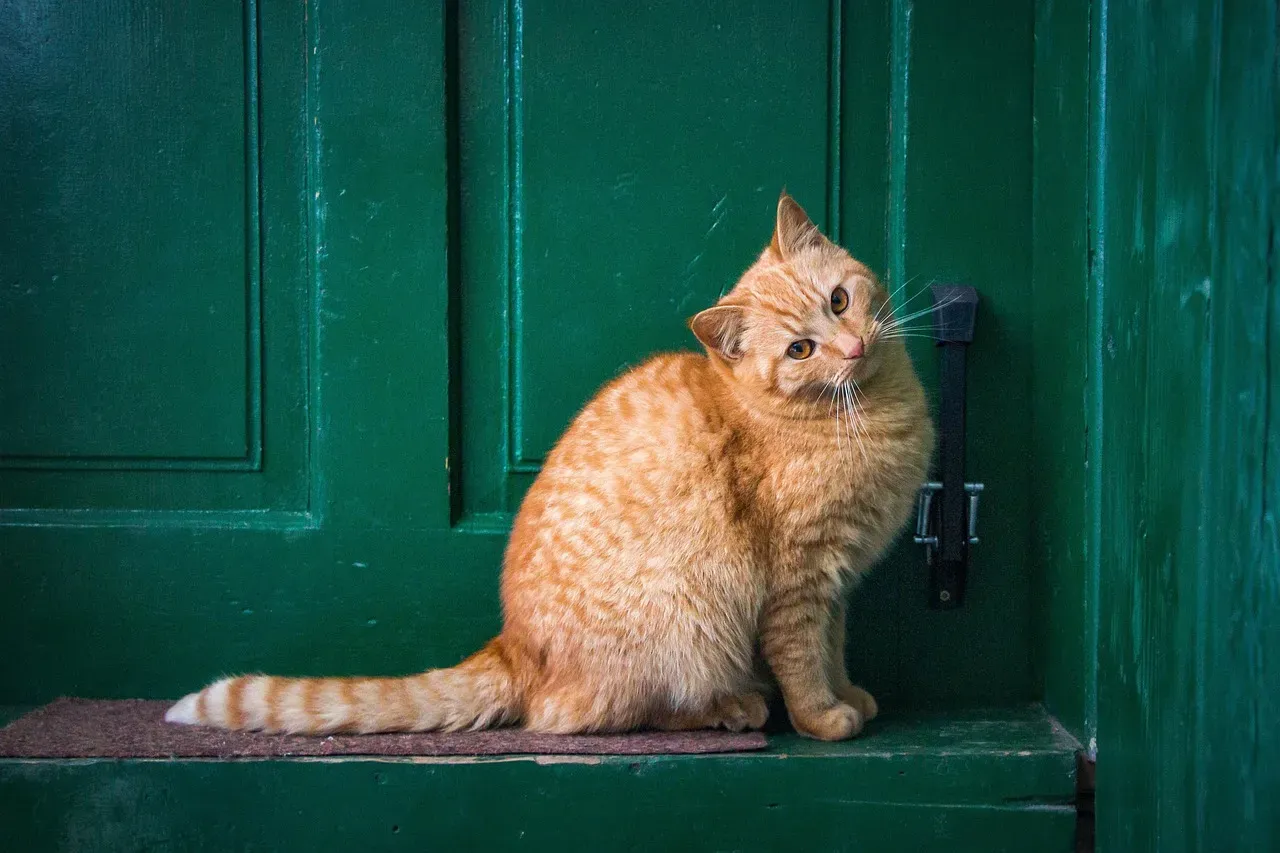
Your cat might position themselves strategically by the door with an expectant gaze and alert ears, anticipating the sound of your keys or footsteps. This isn’t just random loitering. They’ve learned your patterns, your routines, the specific time you usually come home. That spot by the door becomes their post, their little watchtower where they can be the first to know you’ve returned.
Some cats take this behavior to another level entirely. They might wait at the window for you to come back. It’s honestly touching when you think about it. While you’re out living your life, running errands or sitting in meetings, your cat is there counting down the moments until you walk back through that door.
They Turn Into Chatty Cathys
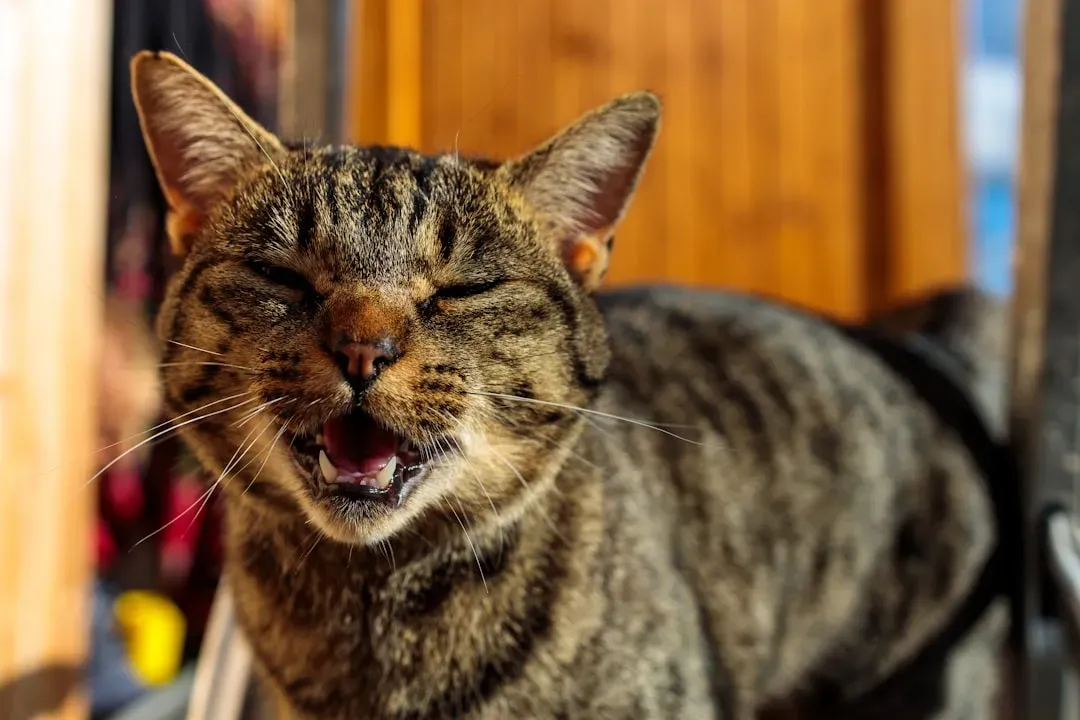
Increased meowing is a sign that they missed you and crave your attention. If your normally quiet cat suddenly becomes a motormouth when you return home, they’re trying to tell you something. Your cat may make more sounds, like meowing and trilling, to communicate with you and get your attention.
Think about it like this: they’ve been saving up all their thoughts and feelings while you were gone. Now they need to download everything at once. Some cats will follow you from room to room, keeping up a running commentary about their day. It might sound like complaining, or maybe they’re just relieved you’re finally back to hear them out.
They Become Your Shadow
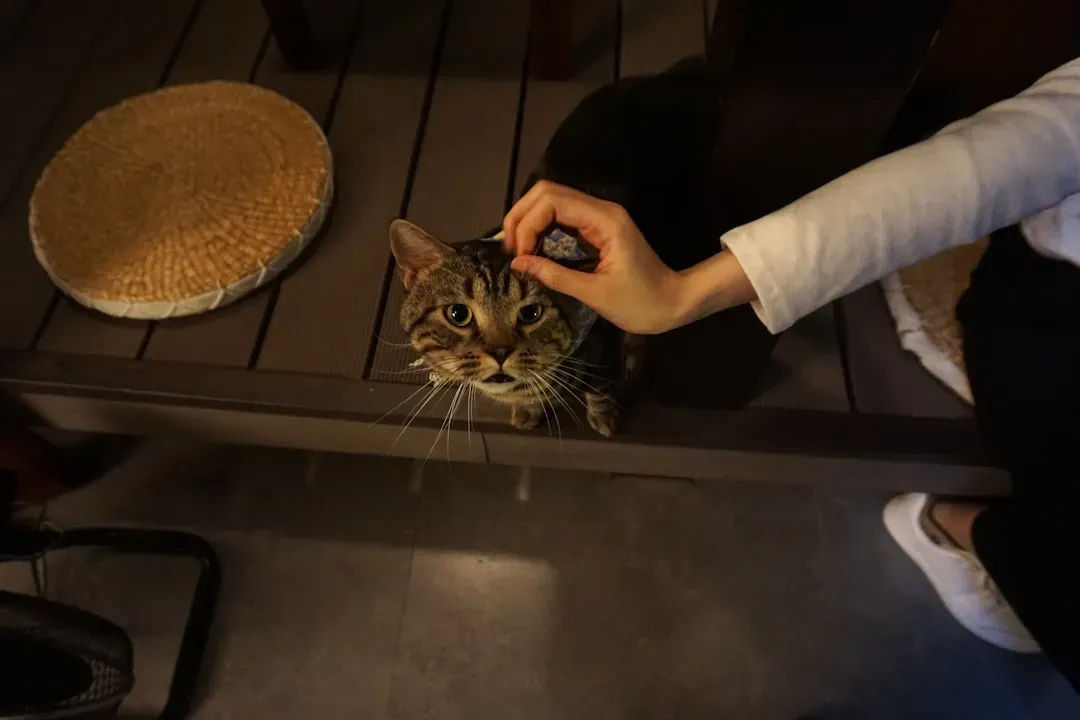
Suddenly your cat is everywhere you are. Kitchen? They’re there. Bathroom? Yep, they followed you. If your cat has been shadowing you since you got back from your holiday, your feline missed you terribly. This clingy behavior might seem out of character, especially if your cat usually values their independence.
Cats experiencing separation anxiety may become unusually clingy when you’re home, following you from room to room or sitting on your lap more frequently. It’s their way of making up for lost time. They’re recharging their connection with you, soaking up your presence like a sponge absorbs water.
They Snuggle With Your Clothes
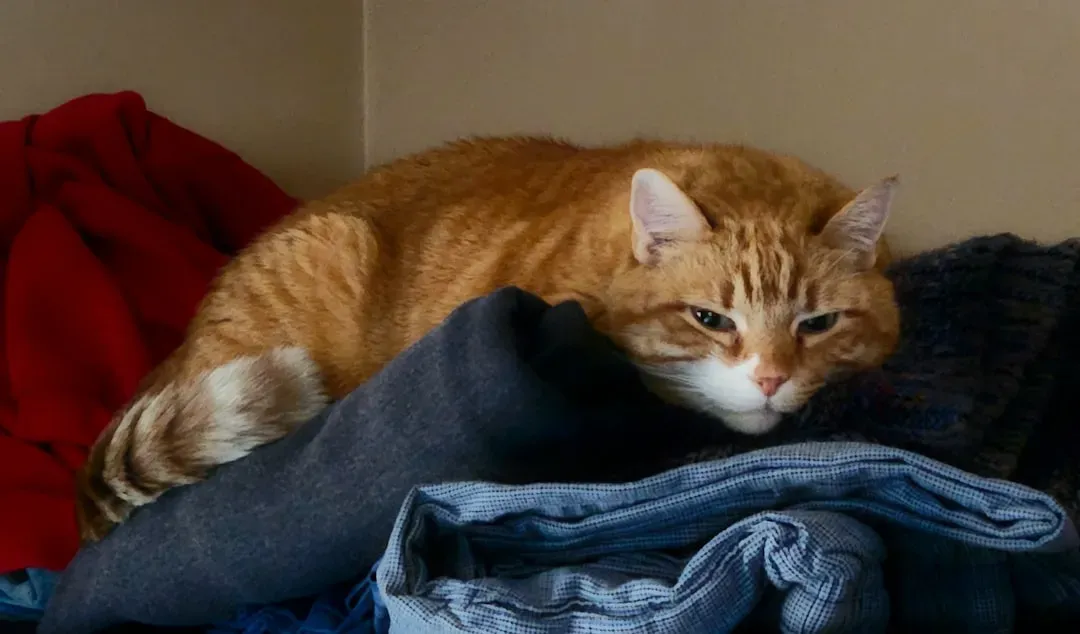
Ever found your cat curled up in your laundry basket or sleeping on that sweater you left on the bed? There’s a reason for that. If you find your cat nestling among your recently worn clothes, that is a clear indicator that they are longing for you. Your scent is comforting to them, a sensory substitute when the real thing isn’t available.
Leave items with your scent, such as unwashed clothing or bedding, in your cat’s favorite spots as these familiar scents can provide comfort and security during your absence. This behavior shows how deeply your cat connects with you through smell. When they can’t have you physically present, they’ll settle for the next best thing.
They Get the Zoomies Upon Your Return
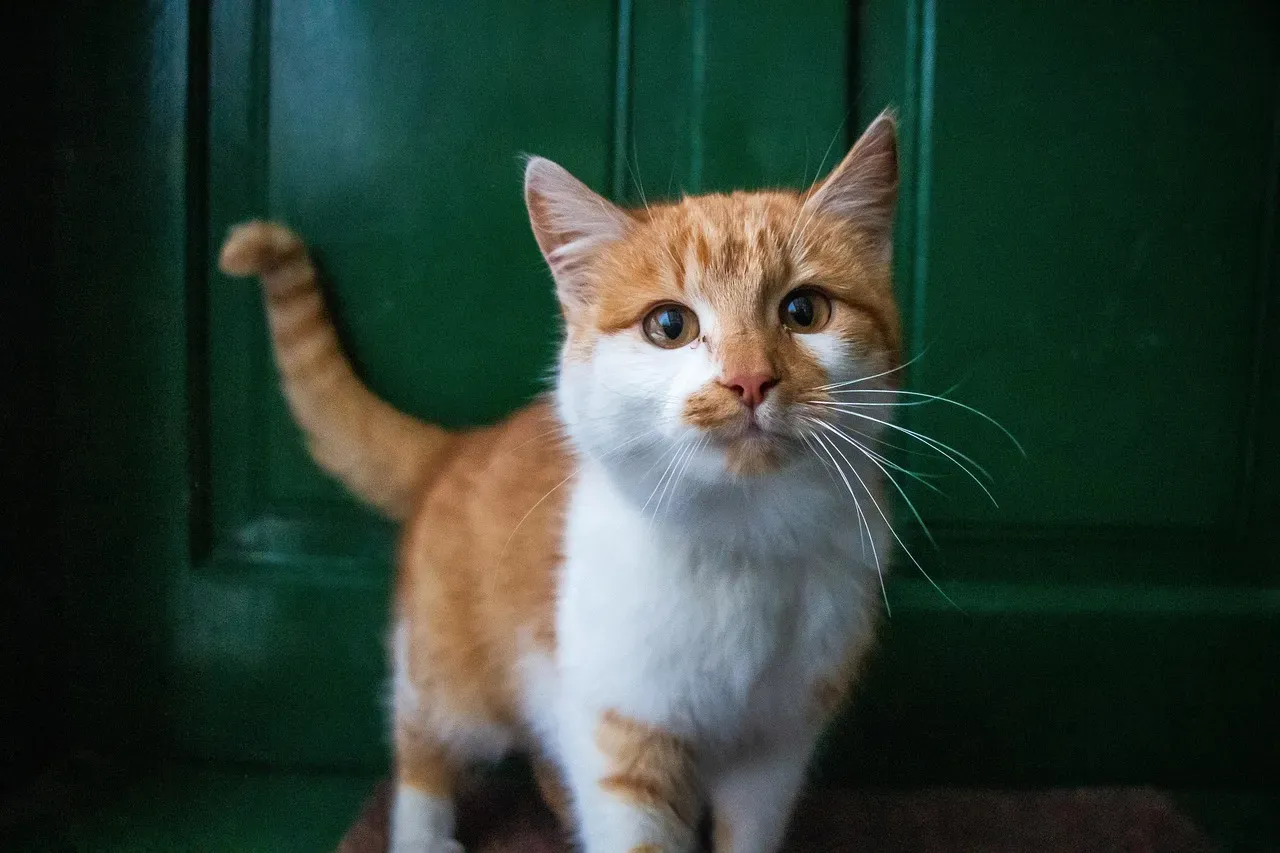
If your cat or kitten is particularly playful, you may find they get the zoomies as soon as you get home, with these bursts of intense energy usually lasting for around 30 minutes. Honestly, it’s pretty hilarious to watch. One minute your cat is lying around, and the next they’re tearing through the house like they’ve been struck by lightning.
This explosive energy release is actually a positive sign. These bursts indicate that your cat has plenty of excess energy to burn off, maybe because they’ve been napping while they wait for you. The excitement of your return triggers this playful outburst. It’s their way of celebrating that their favorite human is finally back where they belong.
They Purr Intensely When You Return
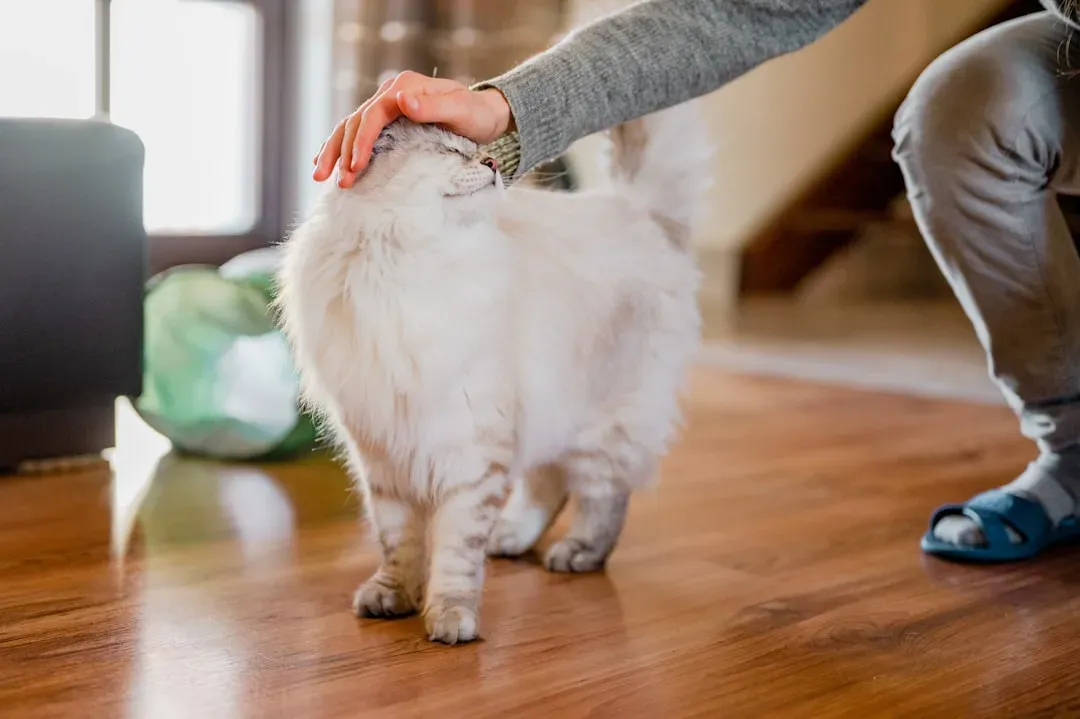
Purring is one of the most obvious ways a cat can show they’re happy, so if your cat has missed you, they may purr more than normal when you return. That rumbling sound becomes louder, more insistent. You can feel the vibrations when you pick them up or when they press against your leg.
Rhythmic paw-kneading often surfaces when your cat is feeling content and secure, and a combination of that with symphonic purring is the sign your kitten missed your companionship and is overjoyed that you are back. The purring combined with that kneading motion takes you both back to their earliest days, when they were nursing and felt completely safe. They’re recreating that feeling of security with you.
They Change Their Eating Habits
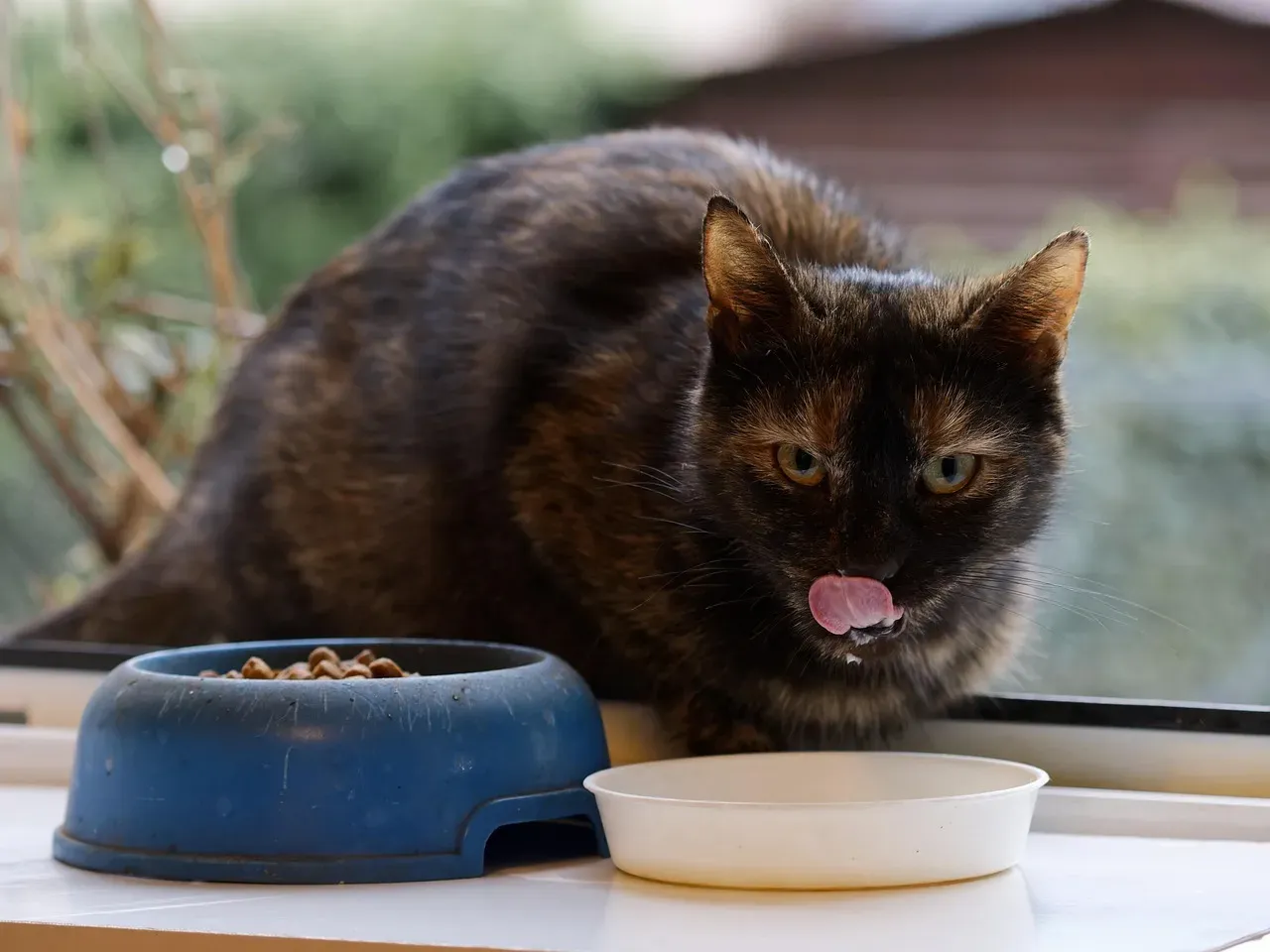
Your absence might have disrupted your cat’s eating routine, causing changes in their eating habits with some cats eating less while others may overindulge due to stress, and both behaviors are reflective of their longing for your consistent presence. Food and routine are deeply connected for cats, and when you’re not there, everything feels off-kilter.
A cat missing their owner might show noticeable changes in eating habits, with some cats eating less when separated from their owners while others might overeat as a coping mechanism for stress. Pay attention to their food bowl when you get home. Is it untouched? Or did they stress-eat everything in sight? Either way, it’s a signal that your absence affected them more than their poker face lets on.
They Sleep in Your Spot
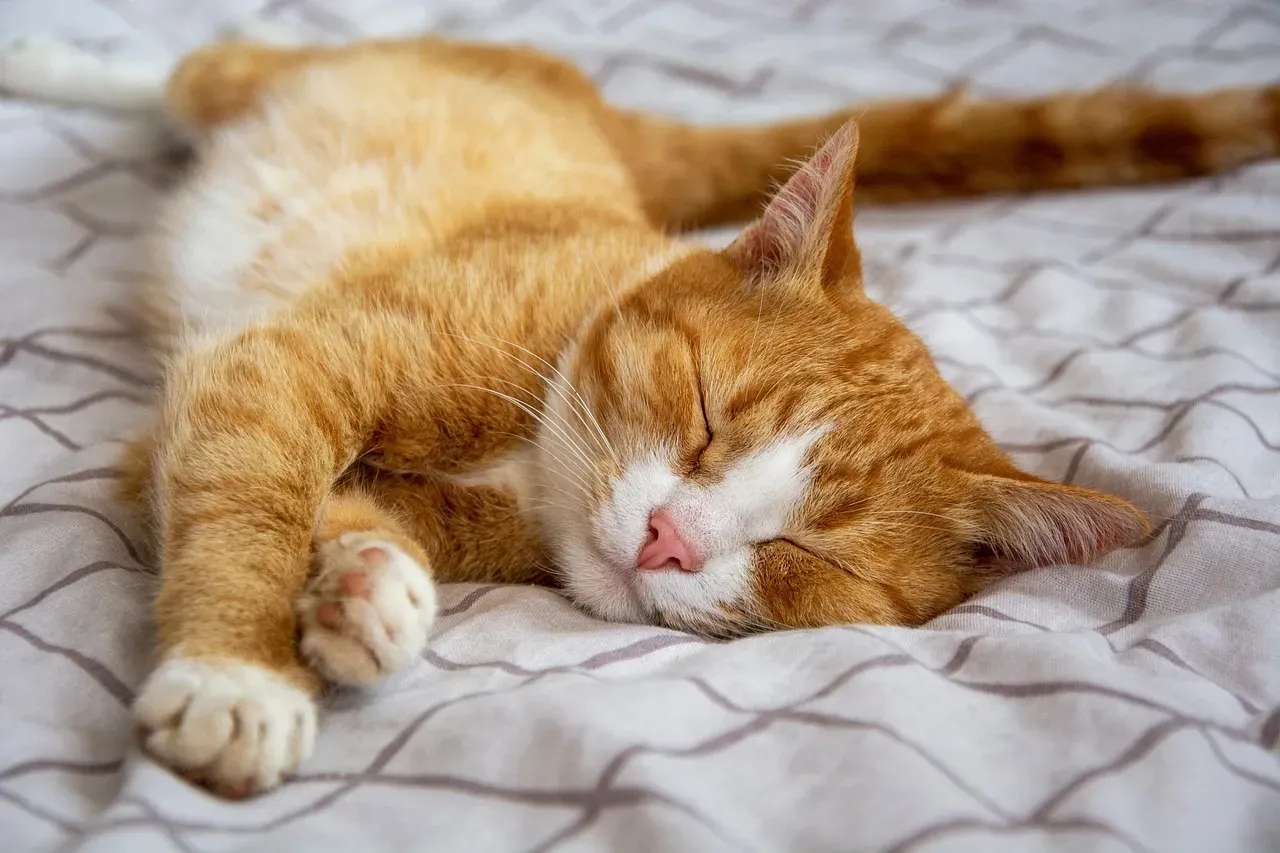
When cats miss their owners, they often alter their sleeping habits, and you might notice your cat sleeping more than usual or choosing to rest in places strongly associated with your scent, such as your bed or favorite chair. Your pillow becomes their pillow. Your side of the couch? Suddenly it’s the most popular napping spot in the house.
This behavior makes perfect sense when you think about it. When owners leave home, cats usually stay in their usual places, such as on the owner’s bed or chair. These spots smell like you, feel like you, and in your absence, they’re the closest thing to being near you. It’s actually quite sweet when you realize what’s happening.
They Groom Themselves Excessively
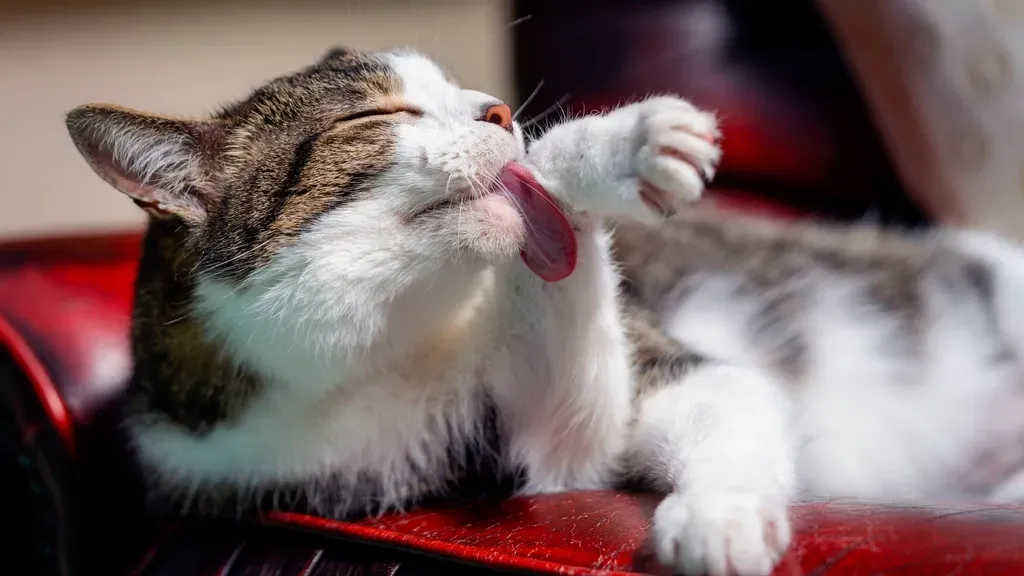
Cats, when experiencing stress or anxiety due to your absence, may resort to excessive grooming as a coping mechanism. This one’s trickier to spot because grooming is normal cat behavior. The key is noticing when it crosses the line into obsessive territory.
Some cats may groom excessively when missing their owners, potentially leading to bald spots or skin irritation. If you notice patches of missing fur or areas that look irritated, your cat might be over-grooming from stress. It’s their way of self-soothing when they feel anxious about being alone. Keep an eye on this one especially, because it can indicate they’re having a harder time with your absences than you realized.
They Act Aloof When You Return
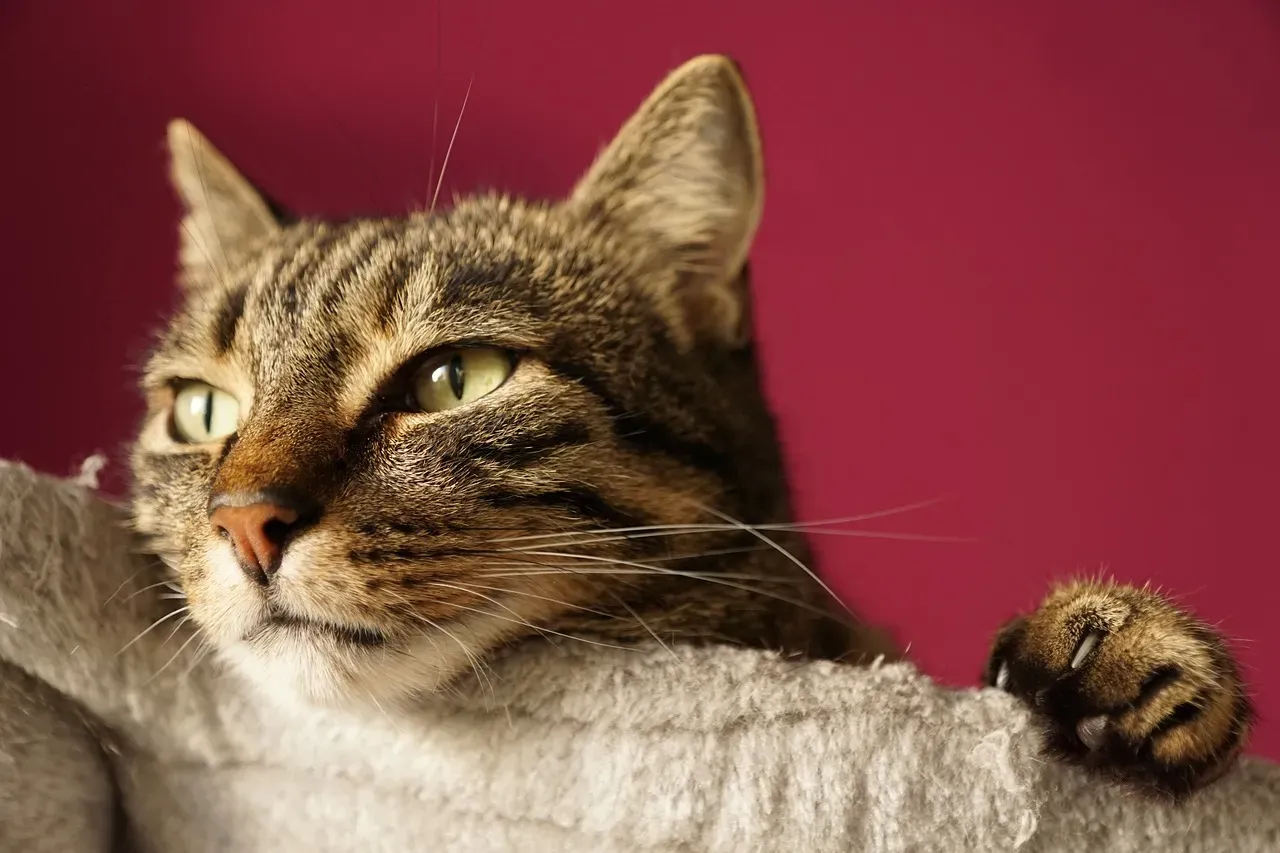
Not all signs your cat missed you are positive; some cats might not even acknowledge your return. Ironically, sometimes the strongest sign your cat missed you is when they completely ignore you. They might turn their back, walk away when you try to pet them, or give you the cold shoulder treatment.
If your cat appears aloof or even bites when you try to interact, it could be their way of expressing frustration over your absence, though this behavior usually normalizes as they settle back into their routine. I know it sounds crazy, but this is classic cat behavior. They’re basically giving you the silent treatment for leaving them. It’s their version of saying you hurt their feelings by being gone so long. Give them a bit of time and space, and they’ll come around. They just need to make their point first.
Final Thoughts
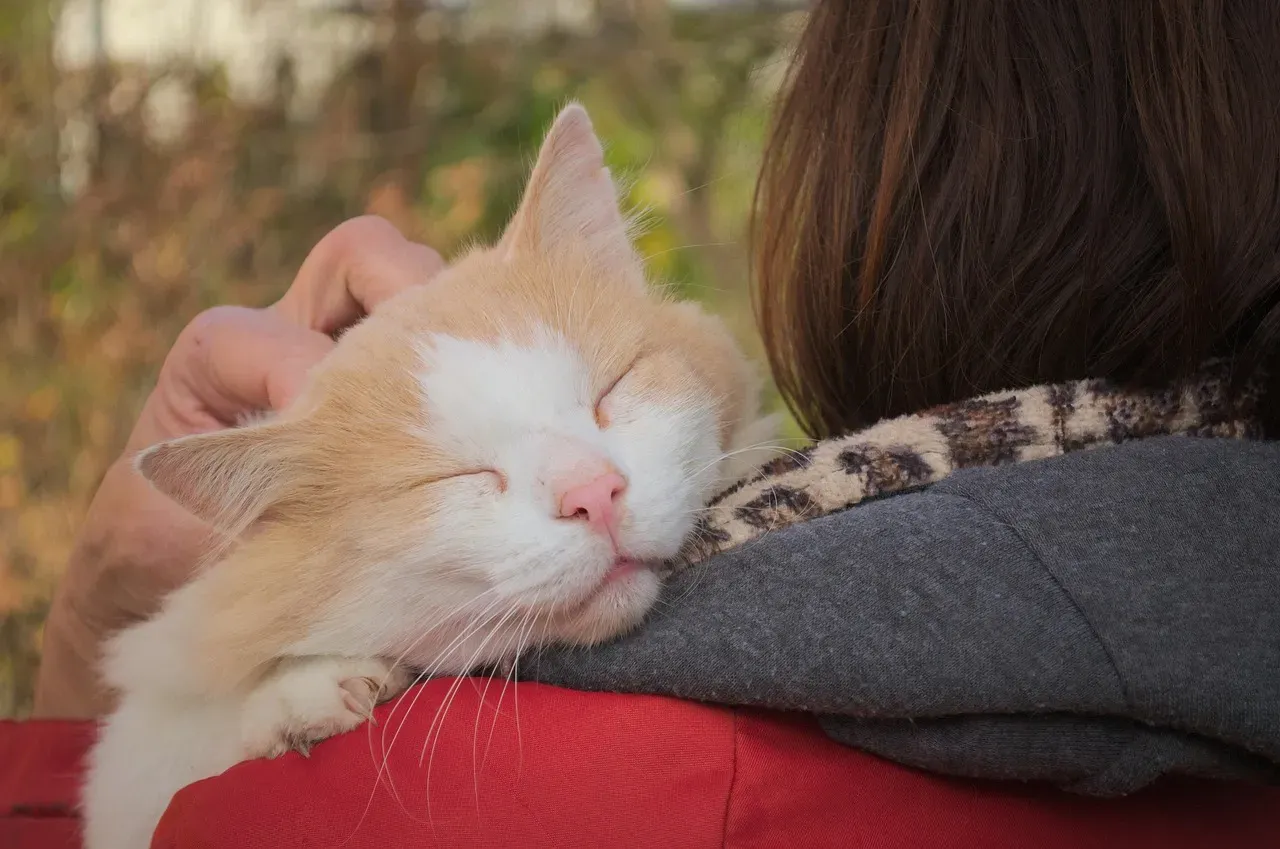
Your cat’s ways of showing they missed you might not always be straightforward or easy to read. They’re masters of subtlety, communicating through behaviors that can seem contradictory or confusing. Cats are far from the aloof and solitary beings they’re often made out to be, as they can form deep emotional bonds and meaningful connections with their human companions.
The next time you come home after being away, watch your cat a little more closely. Notice where they choose to sleep, how they greet you, whether they’re more talkative than usual. These small signals add up to something bigger: your cat genuinely cares about you and notices when you’re not around. What do you think about it? Did you recognize any of these behaviors in your own feline friend?
Kristina is a young writer from India. An arts graduate and an avid content creator, Kristina is passionate about animals and wildlife. She enjoys exploring topics related to pet care, animal behavior, conservation, and nature, combining thorough research with engaging storytelling.