In the vast expanse of the North Atlantic Ocean, scientists observed a modest but encouraging rise in North Atlantic right whale births during the 2026 calving season, offering a brief respite for a species teetering on the edge of extinction.
A Slow Climb from the Brink
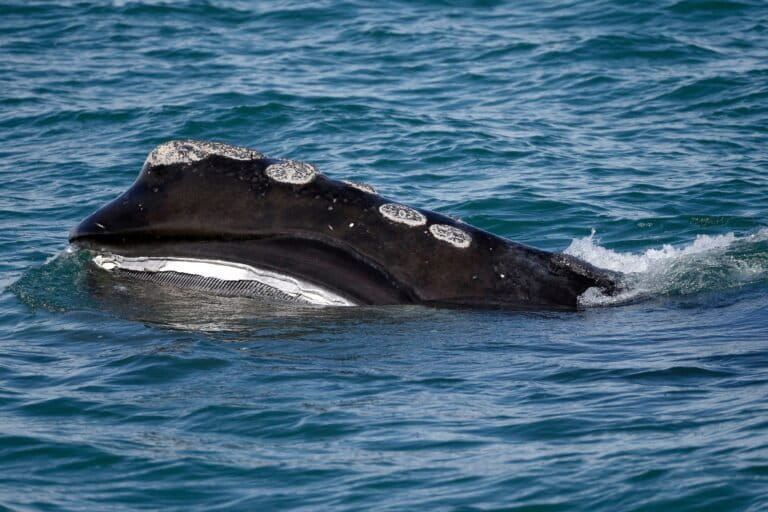
The North Atlantic right whale population reached an estimated 384 individuals in 2024, marking a continuation of gradual growth after years of decline. This figure represented an increase of about 14 whales from the previous year’s count of 370. Researchers attributed the uptick to improved survival rates among adults and calves in recent seasons. However, the species remained critically endangered, with experts emphasizing that such incremental progress barely offset historical losses.
Over the past four years, the population had grown by roughly 7% since 2020, a development hailed as positive yet fragile. Aerial surveys and photographic identification efforts by organizations like the New England Aquarium and NOAA Fisheries provided the data behind these estimates. Despite the optimism, scientists warned that the current trajectory demanded urgent interventions to sustain momentum. Without them, the species could face renewed setbacks from environmental pressures.
Promising Numbers in the Latest Calving Season
During the 2026 calving season, researchers detected 15 newborn North Atlantic right whale calves, surpassing the 11 calves identified in the previous year. This increase signaled healthier reproductive rates among the estimated 100 or so breeding females. Sightings concentrated along the southeastern U.S. coast, where mothers typically give birth in warmer waters from December through March. The higher count brought cautious hope to conservationists monitoring the species’ reproductive health.
Each calf represented a vital addition, as the population’s small size amplified the impact of every birth. NOAA Fisheries reported that the calves appeared robust upon initial observations, with no immediate signs of distress. Still, experts noted that 15 births fell short of the 20 to 25 needed annually to achieve meaningful recovery. The season’s success highlighted the importance of continued vigilance through ongoing surveys.
Ongoing Threats That Cloud the Horizon
Entanglements in fishing gear and collisions with large vessels continued to pose the greatest dangers to North Atlantic right whales. These human-related incidents accounted for the majority of recent mortalities, disrupting foraging and migration patterns. Climate change exacerbated the challenges by altering prey distributions, forcing whales into riskier areas. In 2025 alone, several entanglements required rescue operations, underscoring the persistent vulnerabilities.
Ship strikes remained a leading cause of death, with faster vessel speeds in busy shipping lanes increasing collision risks. Abandoned fishing lines and nets trapped whales, leading to injuries that reduced reproductive success. Despite regulatory measures, enforcement gaps allowed threats to persist. Conservation groups stressed that without stronger protections, even rising birth rates could not prevent further population dips.
Steps Toward a Sustainable Future
Federal agencies implemented speed restrictions in key whale habitats and promoted ropeless fishing gear to mitigate entanglements. International collaborations expanded monitoring networks, sharing data across borders to track whale movements in real time. Nonprofits like Whale & Dolphin Conservation advocated for policy updates, including expanded no-fish zones during calving periods. These efforts aimed to reduce mortality rates and support breeding success.
Technological advancements, such as acoustic buoys and drone surveillance, enhanced detection of whale presences. Public awareness campaigns encouraged voluntary compliance from shipping and fishing industries. While progress remained uneven, these initiatives laid groundwork for long-term stability. Researchers called for accelerated funding to scale up protections across the whales’ range.
Key Takeaways
- The North Atlantic right whale population stands at 384, with slow but steady growth over recent years.
- 15 calves born in 2026 mark an improvement, yet far exceed the threshold needed for robust recovery.
- Entanglements and ship strikes demand immediate, comprehensive action to avert extinction.
The fragile upswing in North Atlantic right whale births underscores the delicate balance between progress and peril for this iconic species, reminding us that sustained conservation is essential to tip the scales toward survival. What steps do you believe should prioritize in protecting these gentle giants? Share your thoughts in the comments.
Kristina is a young writer from India. An arts graduate and an avid content creator, Kristina is passionate about animals and wildlife. She enjoys exploring topics related to pet care, animal behavior, conservation, and nature, combining thorough research with engaging storytelling.