In the diverse palette of feline fur colors, brown stands out as a warm, earthy tone that captivates observers yet appears far less frequently than the common blacks, whites, or tabbies.
The Foundations of Feline Fur Genetics
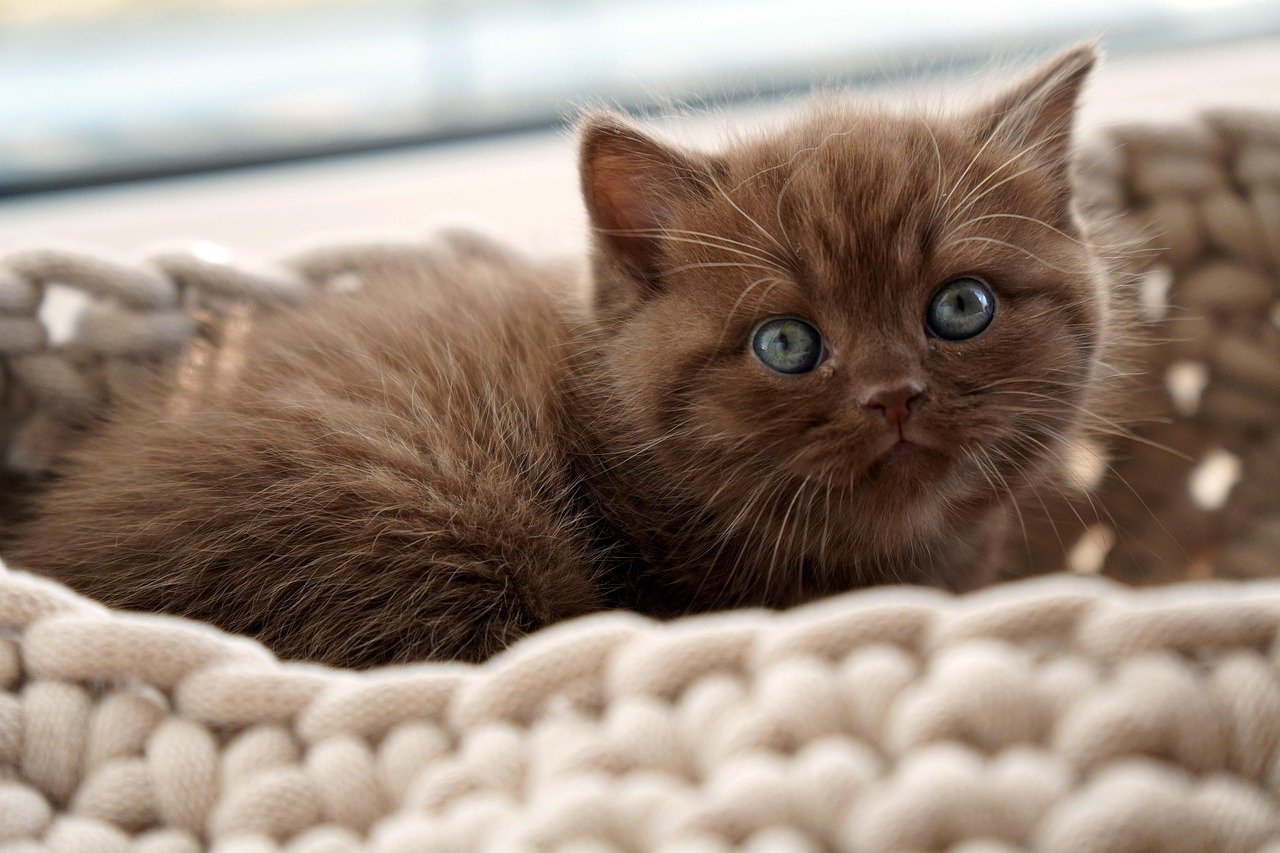
Cat coat colors arise from a complex interplay of genes that dictate pigment production. Melanin, the primary pigment responsible for fur hues, exists in two forms: eumelanin for black and brown shades, and pheomelanin for reds and oranges. The black gene, known as B, serves as the foundation for many dark colors, but variations in its alleles create the spectrum of brown tones.
Researchers have identified recessive mutations in this gene that dilute black to chocolate or cinnamon shades. For a cat to display a solid brown coat, it must inherit two copies of these recessive alleles from both parents, a genetic combination that occurs infrequently in random matings. This rarity stems from the dominance of the standard black allele, which overshadows brown traits unless specifically bred for.
Unpacking the Scarcity of Brown Cats
Among the estimated 45 breeds recognized by major cat fancier associations, only a select few consistently produce brown-coated individuals. Solid brown cats, in particular, represent a tiny fraction of the domestic cat population, with experts estimating their prevalence at under 1 percent. This scarcity arises not from any health drawbacks but from the low probability of the required genetic pairing in the broader feline gene pool.
Environmental factors play no role in coat color determination, which remains purely hereditary. Breeders targeting other popular colors, such as blue or cream, further diminish the chances of brown kittens emerging in litters. As a result, encounters with brown cats often feel serendipitous, whether in shelters or on neighborhood strolls.
Breeds That Showcase Brown Coats
The Havana Brown emerges as the premier example of a breed dedicated to solid brown fur, developed in the mid-20th century through crosses involving Siamese and other lines. These cats exhibit a rich mahogany shade that gleams under light, paired with a sleek, short coat. Their alert personalities and affectionate nature make them beloved companions.
Other breeds occasionally display brown variations, adding to the allure of this color. Oriental Shorthairs can appear in chocolate points, where the body remains light but extremities darken to brown. The Bengal breed incorporates brown tabby patterns reminiscent of wild leopards, blending domestic traits with exotic aesthetics. These examples highlight how selective breeding preserves and promotes brown genetics within specific lines.
- Havana Brown: Solid mahogany coat, originating from Siamese influences.
- Oriental Shorthair: Chocolate point variations with cream bodies.
- Bengal: Spotted or marbled brown tabby patterns.
- Burmese: Sable coats that verge on deep brown.
- Scottish Fold: Possible chocolate dilutions in mixed litters.
Care Considerations for Brown-Coated Cats
Brown cats demand no specialized grooming beyond standard feline maintenance, as their coat color does not influence texture or shedding patterns. Regular brushing helps maintain the luster of their fur, especially in breeds with shorter coats prone to oil buildup. Owners report that brown hues can show dirt more readily than darker shades, prompting slightly more frequent baths during muddy seasons.
Health-wise, the genetics behind brown fur carry no inherent risks, though all cats benefit from routine veterinary checkups. Nutrition plays a key role in preserving coat vibrancy, with diets rich in omega fatty acids supporting melanin production. Adopting a brown cat often means embracing a unique visual companion whose rarity enhances the joy of everyday interactions.
Key Takeaways
- Brown cats result from recessive genes that dilute black pigment, making them genetically uncommon.
- Only a handful of breeds, like the Havana Brown, specialize in solid brown coats.
- No special care is needed, but their scarcity can make them a prized find in rescues or from breeders.
The rarity of brown cats underscores the incredible genetic diversity within the species, reminding us that even subtle variations can yield extraordinary beauty. As feline enthusiasts continue to appreciate these understated gems, their presence in homes grows ever more cherished. What draws you to a particular cat color? Share your thoughts in the comments below.
Kristina is a young writer from India. An arts graduate and an avid content creator, Kristina is passionate about animals and wildlife. She enjoys exploring topics related to pet care, animal behavior, conservation, and nature, combining thorough research with engaging storytelling.