Cats often communicate their sense of security through subtle behaviors that reveal a deep bond with their human companions.
The Hidden Language of Cat Trust
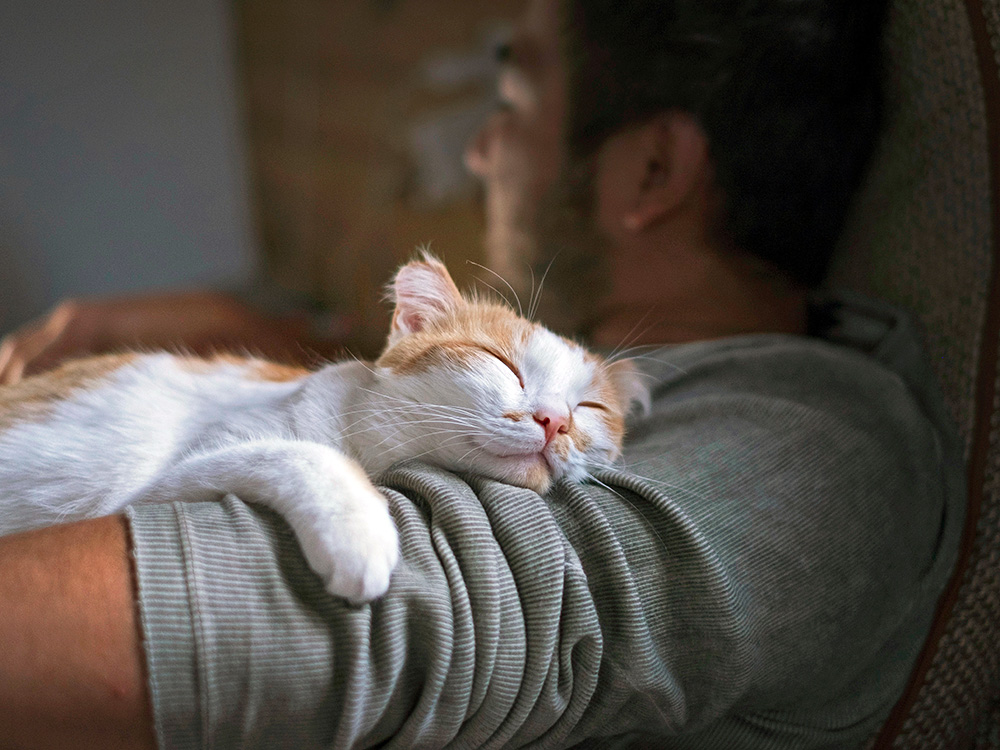
Experts in feline behavior have long observed that cats form attachments similar to those in human relationships, with secure bonds indicating a profound level of comfort. Research from institutions like Oregon State University highlighted that a majority of cats exhibit secure attachment styles, where they approach their owners confidently during interactions. This foundation of trust stems from consistent care and a stable environment, allowing cats to lower their defenses.
Certified behavior consultants emphasize that recognizing these signs strengthens the human-cat relationship. When cats perceive their owners as reliable protectors, they display relaxed postures and seek proximity without hesitation. Such behaviors not only affirm mutual affection but also guide owners in fostering even safer homes. Understanding this dynamic transforms everyday interactions into opportunities for deeper connection.
Body Language That Speaks Volumes
A cat’s slow blink stands out as one of the most endearing indicators of trust, often described as a feline equivalent of a smile. Owners notice their cats holding eye contact briefly before gently closing their eyes, signaling vulnerability and safety in the moment. This gesture invites reciprocity, encouraging humans to respond in kind to reinforce the bond.
Another clear cue emerges when cats expose their bellies, a vulnerable position few would show to perceived threats. Far from an invitation to rough play, this display conveys absolute relaxation and confidence in the owner’s presence. Cats that knead with their paws while reclining nearby mimic comforting actions from kittenhood, associating the owner with nurturing security. These physical expressions collectively paint a picture of a cat at ease.
Seeking Solace in Your Presence
Cats that follow their owners from room to room demonstrate a preference for shared spaces, treating the human as a mobile safe haven. This behavior persists even in multi-pet households, where the cat chooses proximity over solitude. Veterinary insights reveal that such attachment reflects emotional security, much like a child trailing a trusted parent.
Purring during close contact further underscores this comfort, though it extends beyond contentment to self-soothing in safe environments. Cats may also groom their owners gently, a ritual reserved for family members in their social circle. These actions highlight how cats integrate humans into their core group, blurring lines between species. Owners often report heightened affection after absences, with cats greeting them enthusiastically upon return.
Enhancing Your Cat’s Sense of Security
To nurture this trust, providing consistent routines proves essential, from feeding schedules to playtime that mimics natural hunting instincts. Environmental enrichments, such as elevated perches and hiding spots, allow cats to observe their surroundings without stress. Behavior specialists recommend pheromone diffusers for anxious cats, which can amplify feelings of safety over time.
Interactive toys and gentle handling sessions build positive associations, encouraging cats to view their owners as sources of joy rather than disruption. Monitoring for stress signals, like dilated pupils or flattened ears, enables timely adjustments to the home setup. Ultimately, patience rewards both parties with a more harmonious coexistence.
Key Takeaways
- Observe slow blinks and belly exposure as primary trust indicators from your cat.
- Encourage bonding through routines and enrichments tailored to feline needs.
- Recognize following and purring as signs of emotional security in daily life.
In the quiet moments of shared companionship, these signs remind us that cats choose their sanctuaries wisely, often finding it in the devoted care of their owners. What subtle behaviors have you noticed from your cat that signal this special trust? Share in the comments below.
Kristina is a young writer from India. An arts graduate and an avid content creator, Kristina is passionate about animals and wildlife. She enjoys exploring topics related to pet care, animal behavior, conservation, and nature, combining thorough research with engaging storytelling.